IB BIO unit 2 ultrastructure, organelles
 Call Kai
 Learn
 Practice Test
 Spaced Repetition
 Match
 Flashcards
 Knowt Play
1/45

There's no tags or description
Looks like no tags are added yet.
46 Terms

A
Pili

B
Cell wall

C
Nucleiod

D
Plasma membrane

E
Plasmid

F
Pili attachment point / base of flagella
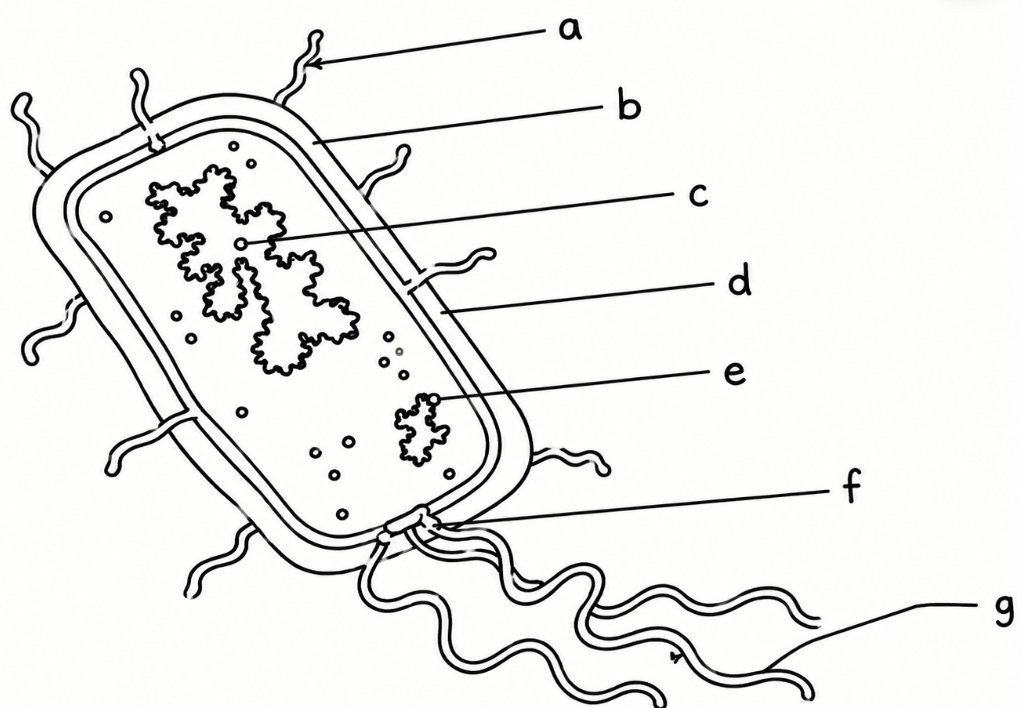
G
Flagella
How do prokaryotes divide?
Binary fission
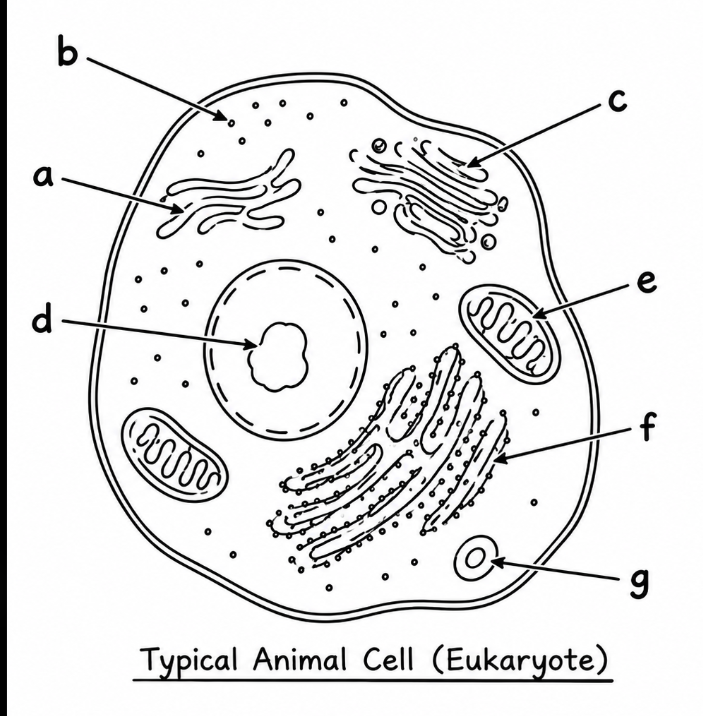
A
SeR

B
Ribosomes
C
Golgi apparatus

D
Nucleus

E
Mitochondria

F
reR
G
Lysosome
Nucleus (membrane, 1, contains, form of __)
circle, double membrane
Pores (holes) are present
Contains genetic information in the form of chromosomes (DNA and associated histone proteins)
What are uncoiled chromosomes referred to in the nucleus? (color, and location)
chromatin: they stain a dark colour and are concentrated at the edges of the nucleus
What happens to mRNA in the nucleus? (location, leaving)
mRNA is transcribed in the nucleus
mRNA leaves the nucleus via the pores
(DNA is too large to move through the pores)

Nucleolos- dark thing in the middle (function) produces__ essential for __
produces ribosomes, which are essential for protein synthesis.

Histones
A protein associated with DNA
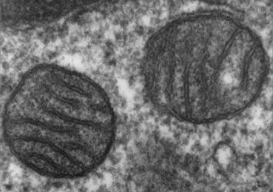
Mitochondria (membrane, abt shape, site of __ by __)
Has a double membrane
A smooth outer membrane and a folded inner membrane
Variable in shape
Site of ATP production by aerobic respiration
What are the folds within the mitochondria?
Cristae

Free ribosomes (membrane, color and location)
No membrane
dark granules in the cytoplasm
80 s ribosomes (cell type, location)
They are found in eukaryotic cells (like plant and animal cells), floating in the cytoplasm or attached to the rough endoplasmic reticulum.
70s (cells, location)
They are found in prokaryotic cells (like bacteria) and inside cell parts like mitochondria and chloroplasts.
Rough Endoplasmic Reticulum (dots on it) (consists of, location, ribosomes, function)
consists of flattened membrane sacs, cisterna
Location: near the nucleus
80S Ribosomes are attached to the outside of the cisternae are ribosomes
Function: makes proteins that are transported, by vesicles, to the golgi apparatus
Smooth Endoplasmic Reticulum ( no dots)
no ribosomes present

The Golgi apparatus (wifi icon, if its outside membrane its golgi)
(membrane type, sacs name, differ to rER ribosomes, location, appearance, function)
flattened membrane
sacs called cisternae
Different to rER:
No attached ribosomes
Often close to the plasma membrane
The cisternae are shorter and more curved then the rER ones
function: processes proteins from the rER. The proteins are then repackaged in vesicles for secretion outside the cell.

Vesicles (membrane, size, function)
A single membrane with fluid inside
Size:small
Function: Used to transport materials inside of a cell
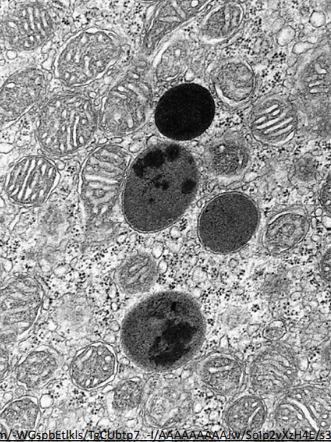
Lysosomes-dark sacs (appearance and membrane, formed by__, function, 3)
Spherical with a single membrane
Formed from Golgi vesicles
They contain digestive enzymes for breakdown of:
ingested food in vesicles
unwanted/damaged organelles
The cell itself

Vacuoles (membrane, plant/animal)
Single membrane with fluid inside
In Plant cells vacuoles are large
In animals vacuoles are smaller and temporary and used for various reasons, e.g. to absorb food and digest it

Flagellum (appearance, quantity, containing, function)
Thin projection (usually singular) from the cell surface.
Contain microtubules
Used to move the cell
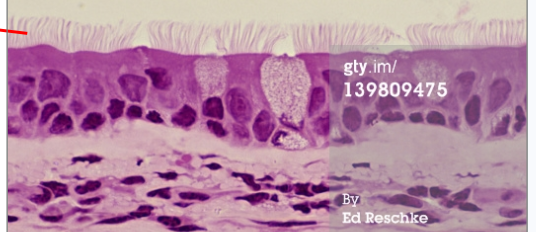
Cilia (containing, function)
Contain microtubules
Used to either move the cell or to move the fluids next to the cell
Microtubules (appereance, function)
Small cylindrical fibres
variety of functions, e.g. part of the structure of flagella and they play a role in cell division
Centrioles (group, found in, not present it)
Consist of two groups of nine triple microtubules
Are mainly found in animal cells, not present in vascular plants or fungi.

Chloroplasts (some plants only) (which cells, membrane, stacks, within stacks, site of)
Many, but not all, plant cells contain chloroplasts
A double membrane surrounds the chloroplast
Inside are stacks of thylakoids
Each thylakoid is a disc composed of a flattened membrane
The site of photosynthesis
Cell wall (plants only) (organelle, secreted by, consist of, its 3)
not an organelle.
secreted by all plant cells (fungi and some protists also secrete cell walls).
Plant cell walls consist mainly of cellulose which is:
Permeable
Strong – gives support to the cell
Hard to digest –resistant to being broken down
Cytoplasm (function 2, cells)
gelatinous fluid that fills the cell
organelles and materials float and travel through
plants and animals

A
80s ribosomes

B
Mitochondria

C
reR

D
Plasma membrane

E
Nucleus

F
Golgi apparatus

G
Nuclear envelope

H
Vesicle