American Art History Exam 2
 Call Kai
 Learn
 Practice Test
 Spaced Repetition
 Match
 Flashcards
 Knowt Play
1/62

There's no tags or description
Looks like no tags are added yet.
63 Terms

Charles Willson Pealre
George Washington at the Battle of Princeton
1779
The US was a new concept, nobody knew what a presidency would looks like, Republic, Colonial portrait, replace the portrait of the King in people’s homes, Peale was at the original battle
Gilbert Stuart
George Washington (Athenaeum Portrait)
1796
Most famous portrait of George Washington, Gilbert also studied with West, paints 100 portraits of Washington, sells engravings, concentrates on the head, sternness, lips pressed, figure not smiling

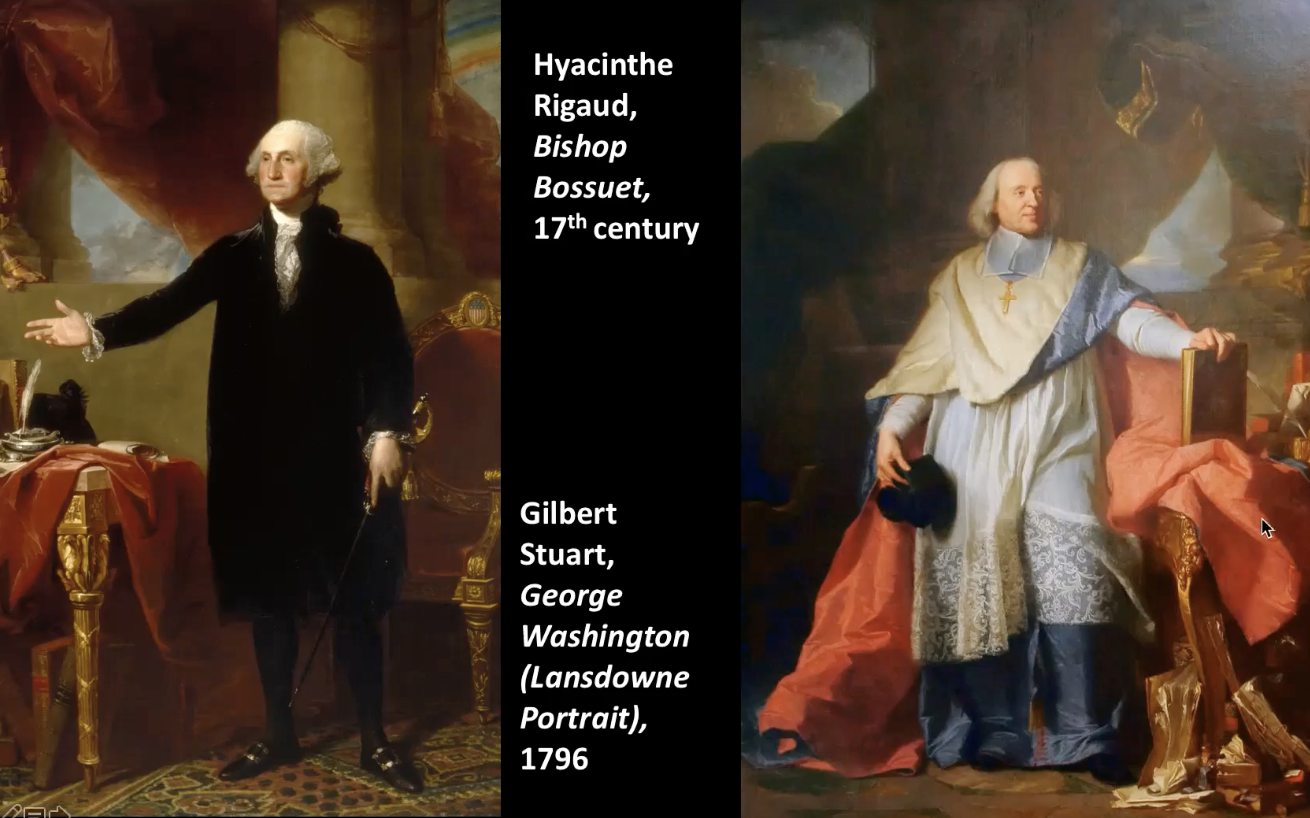
Hyacinthe Rigaud
Bishop Bossuet
17th century
Not his most popular portrait, aimed specifically for a British audience, someone who was supportive of the New Republic, full length, not accurate body, detail on the chair of state, Constitution and the American Revolution, holding a sword, showing his gifts to America, President gives up power
Gilbert Stuart
George Wahington (Lansdowne Portrait)
1796
Baroque portrait, swinging drapery, intellectual powers with books
Ingres
Napoleon as First Consul
1804
Stuart was to position George Washington as being as good as the 17th century French kings, wants to also distinguish him from Napoleon, chair and table that express French power and richness, city of Forbore that had been destroyed because of Napoleon, got it rebuilt and his gift of reconstruction, also pointing to his achievements, richness of France


Jean-Antoine Houdon
George Washington, for Richmond, Virginia, state capitol
1788
George Washinton was so well-liked throughout the world that sculptors in Europe competed to portray him, Great Neoclassical sculpture, Houdon game to Virginia and wanted to portray him exactly, exact measurements, making a comparison to a great Roman General Cincinnatus, someone who gave up power and returned to his farm, him as a military general, walking stick, plow behind him, column

Antonio Canova
George Washington, for the capitol at the Raleigh, North Carolina Statue lost, model and print
1818
Artists start to move away for absolute specificity, more ideal version, makes him even more like Cincinnatus, Roman clothing
Horatio Greenough
George Washinton, for the capitol Rotunda in Washington DC
1841
Young sculpture, commission from Congress, goes to Italy to carve the marble, working in Rome, instead of comparing him to Caesar, compares him to the God Jupiter, Greek God Zeus, on a throne, handing his sword to the people, handing back power, refusal to become and emperor, disliked from the start, unacceptable, exiled to the grounds outside of the capitol, elevated him to a God and not an American anymore


Thomas Jefferson
Plater model for the Virginia State Capitol
1786
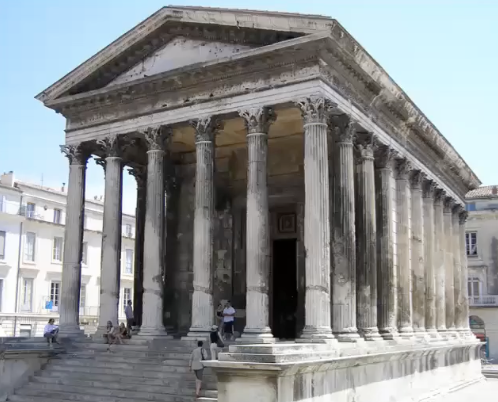
Maison Carree
Nimes, France
19 BCE
The Virginia legislature writes to Thomas Jefferson, ask him to supply a design for the new Virginia State Capitol, Jefferson was aware of diversity, poverty and rich, architectural contrast, wanted more uniformity, equality, fan of Neoclassicism, language of math and reason, straight lines, circles, triangles, architecture of law, rules, simple, copies the Roman temple, brings back the plaster model, made it public, what is being worshipped there is the rule of law

William Thornton
Capitol Building, Washington DC
1794
Jefferson submitted a design for the Capitol Building in Washington D.C., William Thornton won the competition, he was a amateur architect similar to Jefferson, design won because it adapted Neoclassical language, creates a temple in the center, like the Pantheon in Rome, planned equal wings, gone back to Ancient Rome, feels modern, international quality
Latrobe corn and tobacco capitals
for US Capitol columns
Capital changes, continues to grow, American crops, dome keeps getting bigger

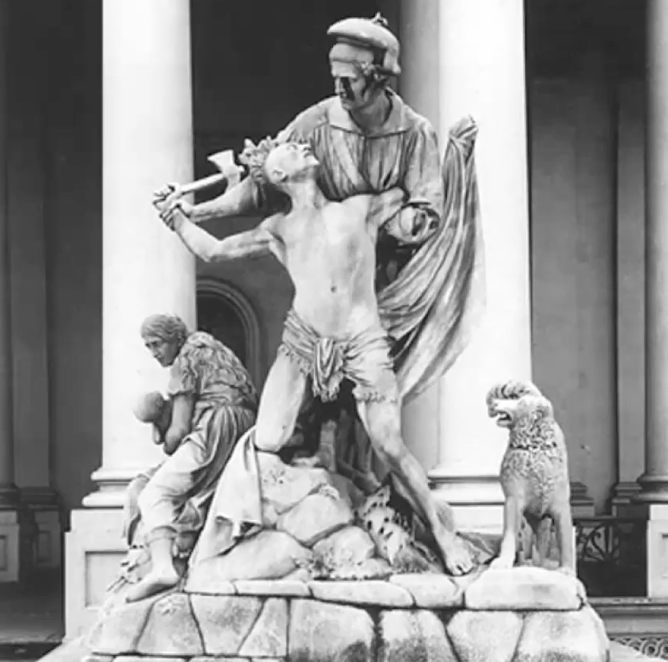
Horatio Greenough
The Rescue
1837
Commissioned sculpture for the steps of the Capitol, did the sculpture of George Washington as Zeus, showing a different American, ordinary, wearing classical clothes, Native American, symbol of territory, wife and child, dog, family life, wrestles with a wild savage, knew about Vanderlyn’s paintings of The Death of Jane McCrea, where the woman represents America
Charles Deas
The Death Struggle
1845
American pioneer, Native American counterpart, popular subject, artist who was based in Saint Louis, compared to Greenough, more sympathetic of the Native American side, two horses, falling, both doomed, by their own character, reaching to grab a branch, stealing from the Native Americans by holding the animal, Native American is holding onto the white man, Native friend watching, not a family friend


Charles Bird King
Young Omaha, War Eagle, Little Missouri, and Pawnees
1821
Portrait painter that studied with West, wearing a peace medal gift, that Lewis and Clark and people like them gave as a gift of agreement, portrays the noble savage, noble because they are signing treaties, ethnographic style

Thomas Crawford
Statue of Freedom (Armed Freedom), Capitol Dome, Washington DC
1857-62
Supposed to be a Statue of Liberty at the top of the dome on the Capitol, said no to the initial design due to slavery, instead an armed freedom, sword, stars on her crown, classical Goddess, feathered headdress

View of the University of Virginia
Chromolithograph of c. 1856
Designs for the City of Washington other than the Capital, from the start, planned city, recreation of historical architecture, symbol of the new concept of the federal government, Federal style, first public university, ones that already existed were private and religious, free to anyone in the state, next to the town, rows of buildings, Peale’s portrait of George Washington you can see Princeton University in the background, private college, battle at Princeton, brick building hall, chapel, library is based off of the Pantheon, math, rule of law, excludes religion

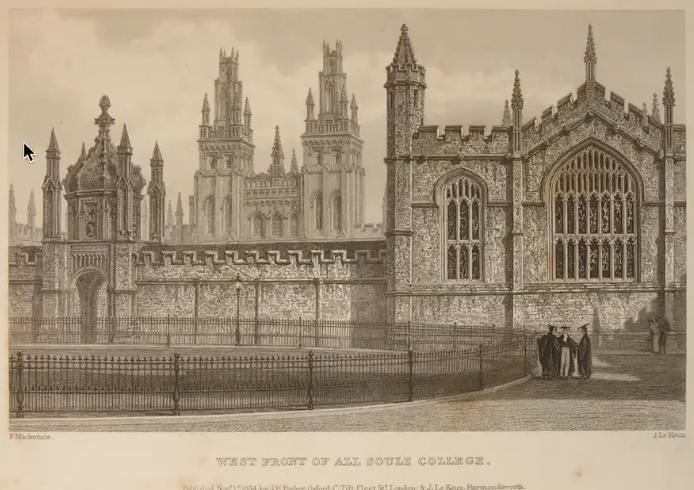
Nicholas Hawksmoor
All Souls College, Oxford
1734
Jefferson is thinking about England and Europe, not other US universities, Oxford college applies a gothic architecture, college that is devoted to religion, Jefferson didn’t want it to be closed to most people, open to everyone, University of Virginia, library, quad, green, housing

Charles Willson Peale
Peale Family
1773
Artist, officer, scientist, Botanist, inventor, anthropologist, farmer, portrait painter, founder of art institutions, artists can charge prices for his genius not materials, studies with Benjamin West, was on the radical side of the revolution, family gathered around the table, shows himself as artist with paints, taught his brothers how to paint, painting woman, woman paint fruit and nature, family works together
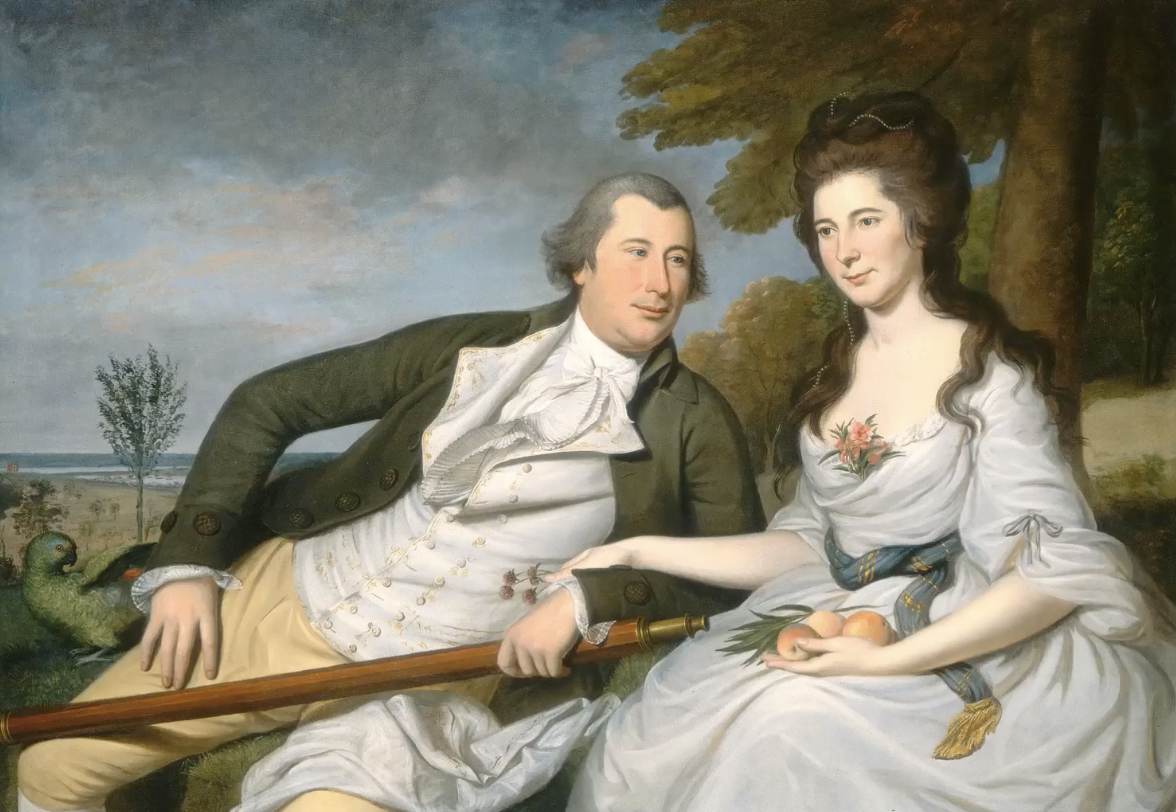
Peale
Benjamin and Eleanor Laming
1788
One of his 600 portraits of wealthy people, Merchant in his country home with his wife, wedding portrait, holding a serving stick for surveying the land, inappropriate meaning with fruit, love for one another, peacock, parasite to Peale, lives off of other peoples labor, economically less of a man, effects how he is portrayed in the painting

Charles Willson Peale
Portraits of Benjamin Franklin and Thomas Jefferson
1785 and 1791
People that Peale admired, paints men who he sees as great Americans, founders of the country, not commissioned, plain style, not idealizing them, not landscape in the background, gallery of great man, didn't do celebrities
Charles Willson Peale
Effigy of Benedict Arnold
1780
Fought in the war, makes political banners, politically active, stuffed figure riding on a wagon, gold he sold out for, 3 faces, lantern, taking a mask off, different way of representing the bad


Charles Willson Peale
The Staircase Group
1795
Found American Art institutions, doesn’t restrict access like the royal academy, built with a real doorway and one step, portrait of his kids, importance of nature versus the moral lesson that historical painters would have in their paintings, deceptive perspective, illusion, calling card, where he signs his work

Titian Peale
Long room of the Peale Museum water-color
Installs this in a room in his house, rows of his portraits, adds Natural History specimens, rare fish from Benjamin Franklin, his son Titian Peale went on expeditions, Native American artifacts, clothing and weapons, stuffed animals for exhibitions,


Charles Willson Peale
Exhumation of the Mastodon
1806-08
Moved to from his house to Independence hall in Philadelphia, private organization, blew up after the mastodon bones were added, painting shows this event, Europe believed that America is the same but less, Europe found the Mastodon interesting, America was different for this, mill Peale built, brought his whole family, him saving America’s natural history

Charles Willson Peale
The Artist in his Museum
1822
Asked to paint a self portrait, shows himself in the role as a painter and a scientist, taxidermies animals, classification system, museum, bring order to American nature, mastodon jaw, more welcoming, inviting you in and looking at the viewer, American view wants art and nature, mix of real and fake history

Raphaelle Peale
Still life with Wind Glass
1818
John Willson Peale belief that nature was a crucial subject for The American School of Art, his son Raphaelle Peale, first Still life painter at the school and only one, doing what is often in portrait painting, fruit, woman’s role, plain board, worked in his fathers museum’s, trading rare vegetables
Raphaele Peale
Melons and Morning Glories
1813
Gave the exact day, similar to a natural state specimen, freshly harvested


John Audubon
Purple Grackle
1822
Showing specimens, white background, focusing on the birds, showing the natural, similar to the tobacco plant display, different states of the plant

Francisco de Zurbaran
Still life with lemons, oranges, and a rose
1633
Dutch and Spanish paintings, not originals but copies, seventh century still life, table organized for your consumption, models for what Raphaelle Peale was looking too
Pieter Claesz
Breakfast Still life
1641


Raphealle Peale
Still life with Strawberries and Cream
1816
A dish but doesn’t give us a spoon to access it, doesn’t invite us to touch it, sweet citrus dessert, very detailed, composition with design
Raphaelle Peale
A Dessert
1814


Raphaelle Peale
Still life with Cake
1822
Includes really expensive object within the still life’s, cake called a Twelfth Night cake, takes a dozen eggs, for Christmas, expensive, fancy ostrich egg
Raphaelle Peale
Still life with Ostrich Egg Cup
1814
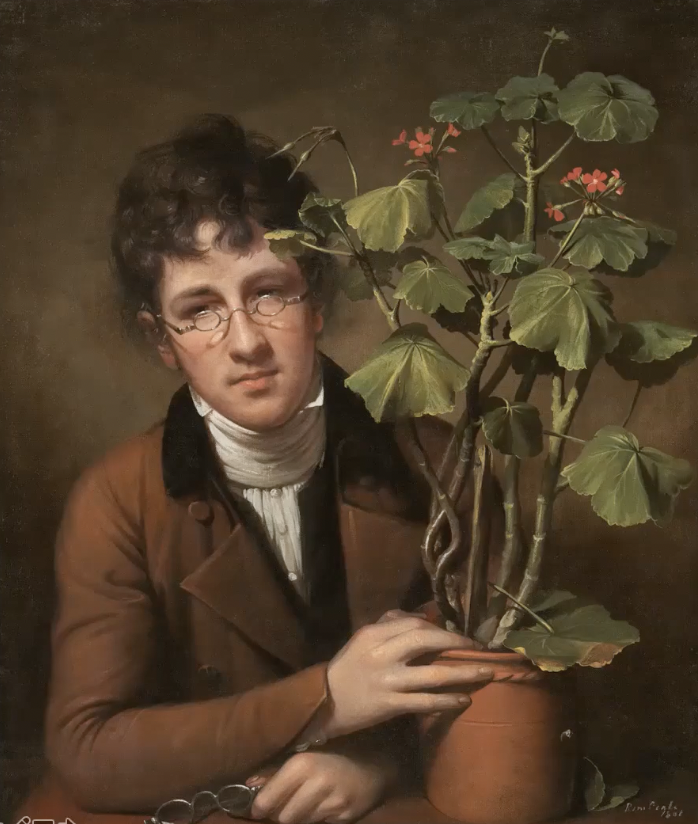
Rembrandt Peale
Rubens Peale with a Geranium
1801
Family’s belief of illusionism, portrait of his brother, rare, from South Africa, gotten to bloom before Thomas Jefferson, won the competition
Raphaelle Peale
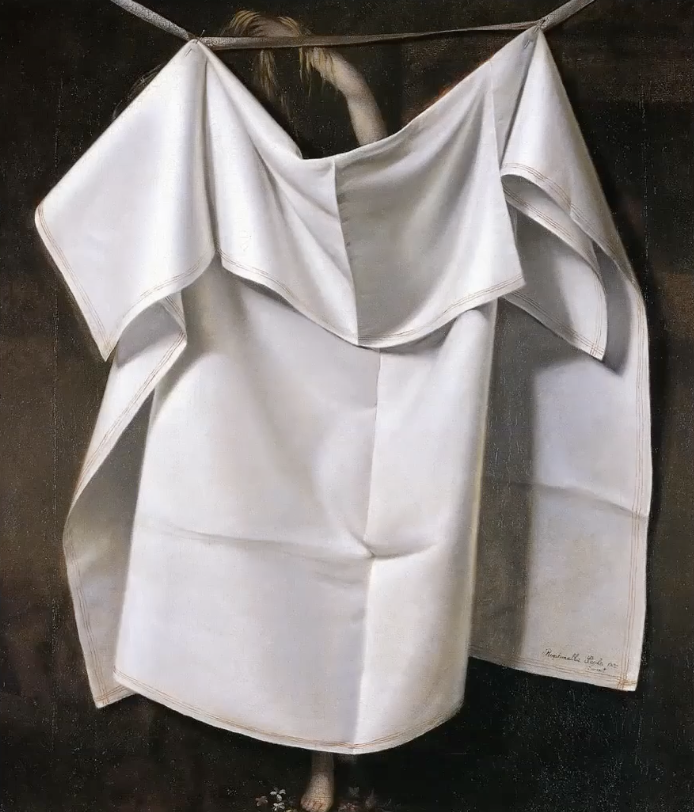
Venus Rising from the Sea: A Deception (After the Bath)
1823
Trope l’oeil painting, illusionism, picture of a woman, showing that what he does take more skill, tricking people
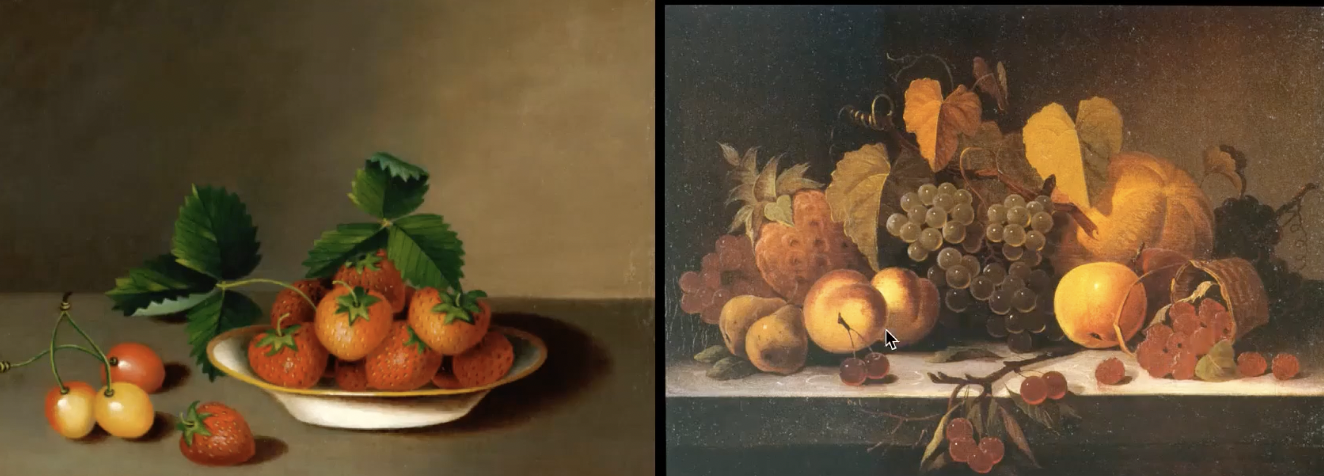
Margaretta Peale
Strawberries and Cherries
amateur painter
Mary Jane Peale
Still life
professional still life painter, seen as something that woman could paint at home

Thomas cole
Schroon Mountain, Adirondacks
1838
Landscape painting became the dominant thing to paint,
Frederic Church
Niagara
1857
John White, G. Cooke View of Washington DC
Landscape that did exist, top view is supposed to show human developments, not just the land, topographic view, expresses human design

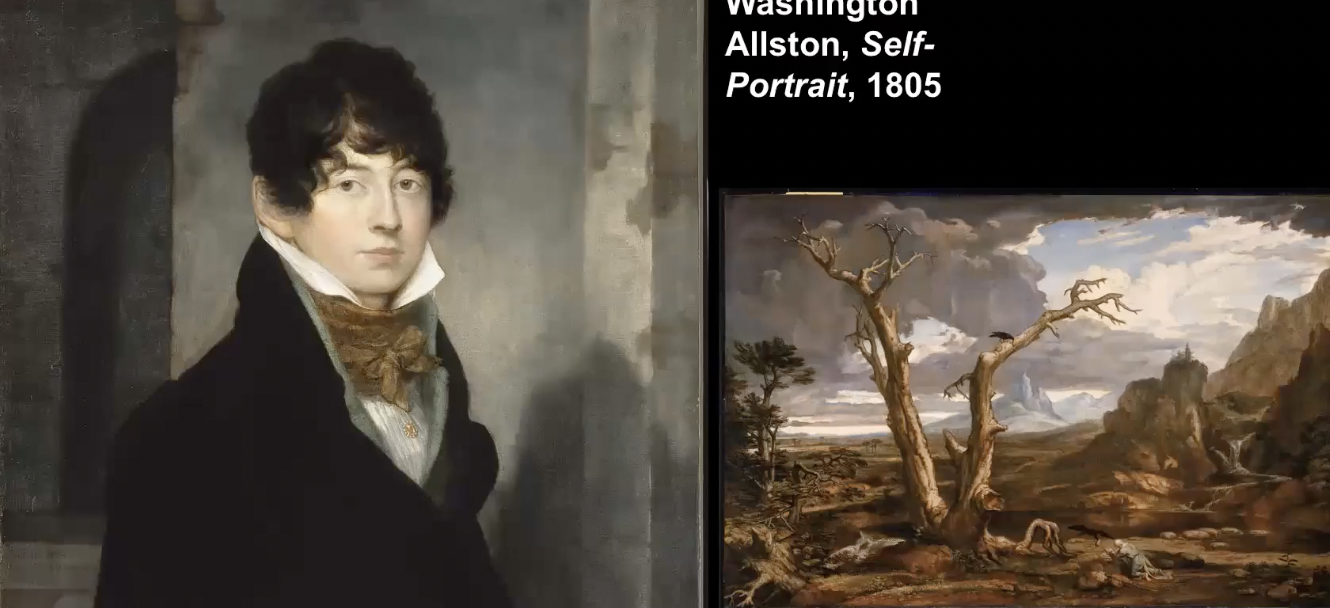
Wahington Allston
Self-Portrait
1805
Imaginary landscape, doesn’t depict actual places, include pure nature and wilderness versus manmade structures, wanted to become an artist and moves to Europe, thinks he needs to become a history painter, portrait of himself, ruins in the background
Washington Allston
Elijah in the Desert
1818
History painting, from the Old Testament, brings back to Boston, interested in religion, place where men suffer, purpose of this landscape is to show Elijah’s situation and hostility, despair and misery

Allston
Moonlit Landscape
1819
Landscape that is hard to make out, trying to convey a mood, yearning, human mind, emotion
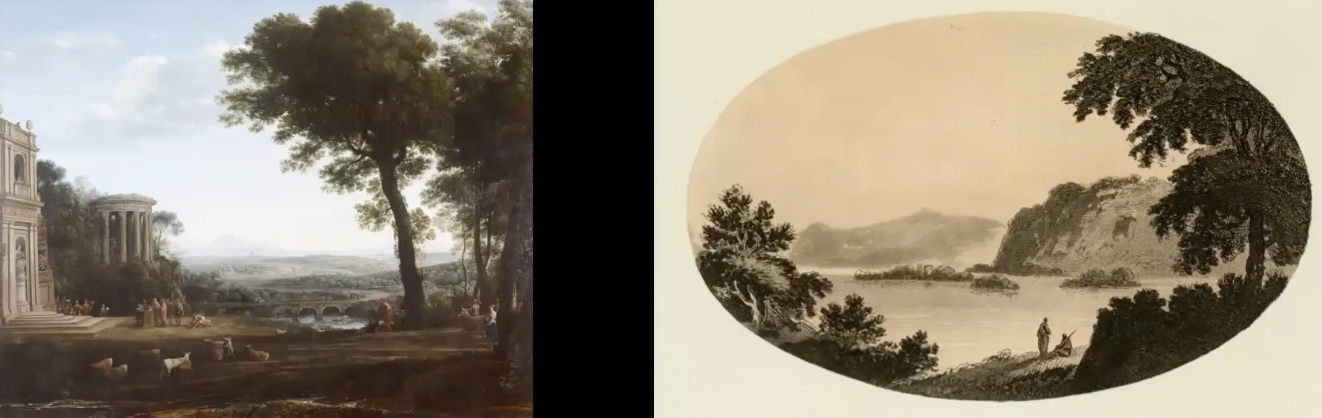
Claude Lorraine
Landscape with the father of Psyche sacrificing to Apollo
1660-70
Nationalism, combining the imaginary landscape with the topographic landscape, trying to replicate Claude Lorraine’s style, known for his imagined landscapes, classical buildings creating something that is orderly and regular, signs of human development
William Gilpin
Windermer in Observations on several parts of England
1772

Claude glass (mirror)
c. 1775
Lakeview, picturesque, mirror, miniaturized view of nature, Gilpin said the importance is variety, rough and smooth surfaces, avoid sameness
William Gilpin
“Smooth Lines” and “Broken Lines”
1792
One on the left is disgusting because it is repetitive and uniform, one on the right has contrast and variety, humans and ruins, picturesque where you can see emotion


Thomas Cole
Sunny Morning on the Hudson
1827
Took European conventions for the landscape and used them to reconstruct the actual American landscape, moved to America with his father, goes to New York, five paintings of the mountains, huge success immediately, actual landscapes and then he reworks them, looking for the wilderness and they invoke the sublime, natures violence and power, storms, fear, Native American in the scene
Thomas Cole
Kaaterskill Falls
1826

George Harvey
Catskill Mountain House, watercolor
1845-50
Went to the hotel and watched for the view of the Hudson River, wanted people to stay longer, nature tourism, America’s power, for elites and not cheap to be gone for a week, only for the aesthetic
Parker-Gray
Climbing the Catskills
1875

Thomas Cole
Lake with Dead Trees, Catskills
1825
Edits out signs of tourism, lake with dead trees, grim scene
Cole
Kaaterskill Falls
1826
Viewing platform, trip to the Catskills, water pouring out, heightens the drama, sublime, known to be the first to show the American Landscape truthfully, inspires other artists
Sanford Gifford
Caterskill Clove
1862
Jasper Cropey
Catskill Mountain House
1855


Thomas Cole
View from Mount Holyoke (The Ox-Bow)
1836
British people traveled to America wondering if it measured up to Britain democracy, agreed that the nature was astonishing, Ox-Bow: almost perfect circle, emphases the tree, houses, boats, topographic view that is very detailed, puts himself painting looking at the viewer
Basil Hall
“View from Mt. Holyoke”
1829
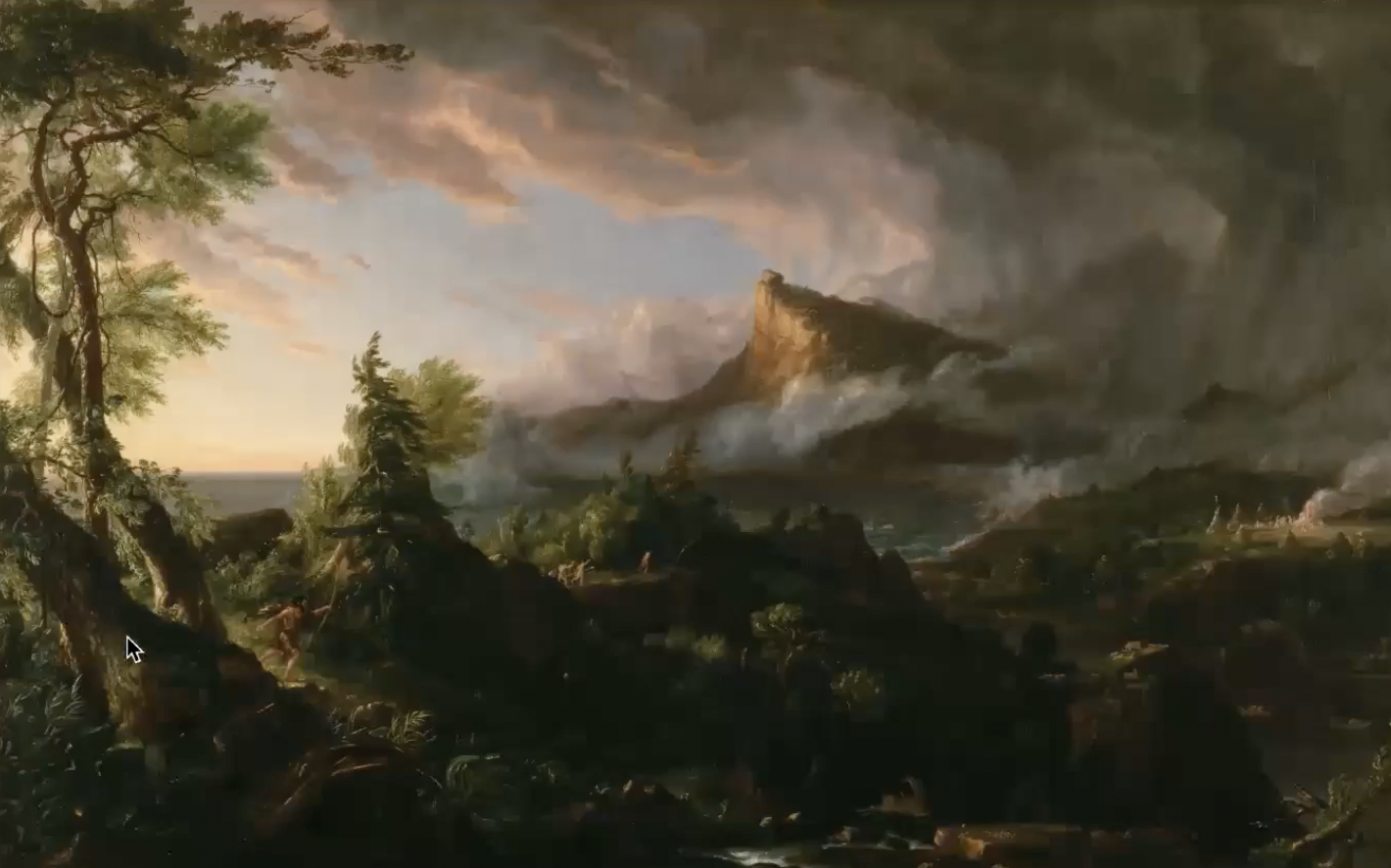
Thomas Cole
Savage State: The Course of Empire
1836
Commission by a major collector, narratives, infusing feeling, similar mountain in other paintings, enveloped in clouds, wilderness, man wearing skins, not really a Native American, nature looks unaltered by humans

Thomas Cole
Pastoral State: The Course of Empire
1836
Not just the mountain that has company, the mountain is the main character, looks like Stonehenge, religious society, organized in a community, more advanced than the last painting
Cole
Consummation: The Course of Empire
1836
Biggest painting in the collection, almost no nature left, based on Rome, rich
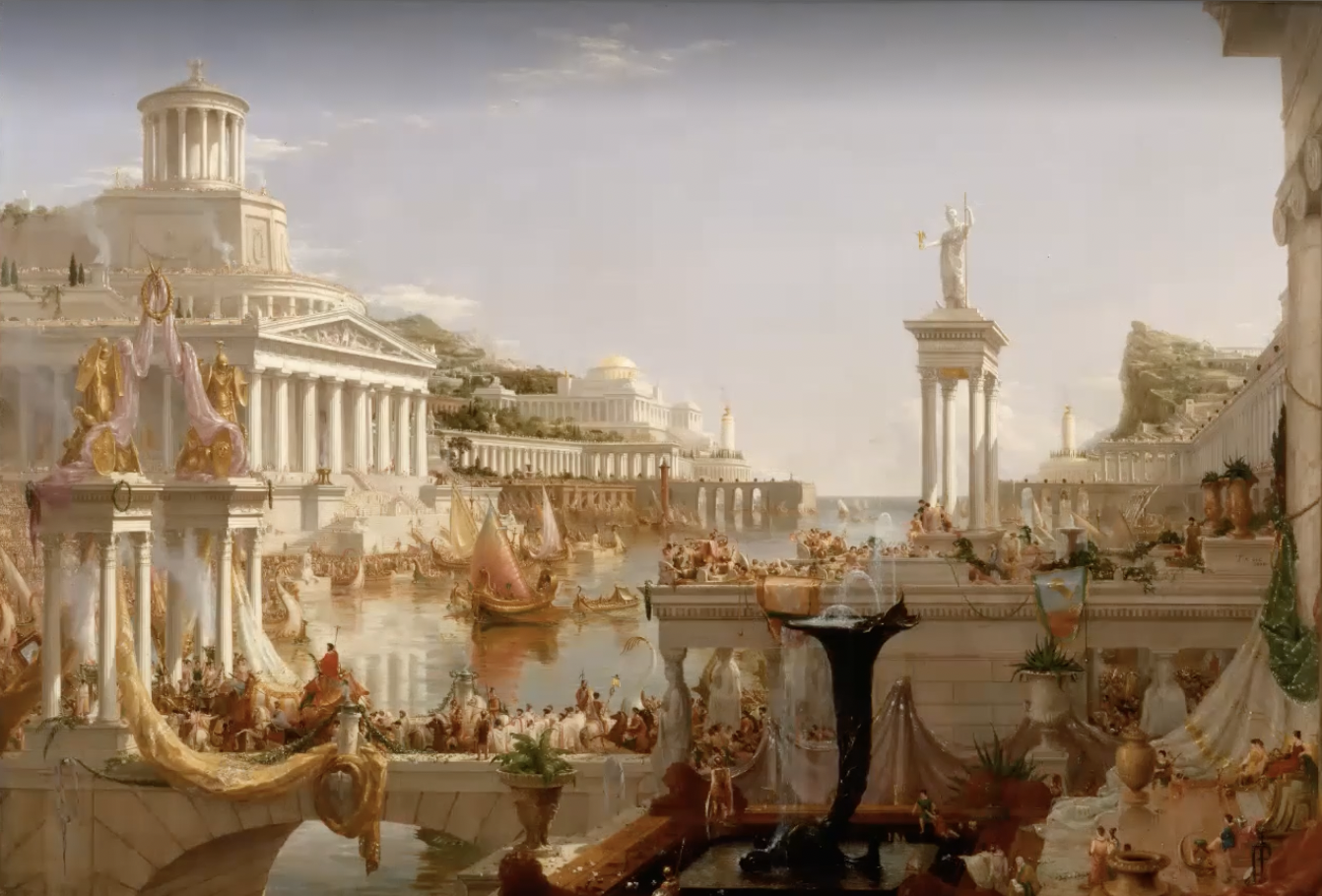

Thomas Cole
Destruction: The Course of Empire
1836
Hero is the mountain, stormy destruction, headless statue, back in the savage state, men raping and killing
Thomas Cole
Desolation: The Course of Empire
1836
Romantic subject, past civilization, ruins, all human achievements are gone, moral is that nature services, immortality that humans don’t have, “First Freedom and then Glory—when that fails,/Wealth, vice, corruption” Byron, rising of the sun, warning to Americans, market for great moral landscapes, allegories that told human narratives, continued to paint wilderness paintings


Thomas Cole
Childhood: The voyage of Life
1840
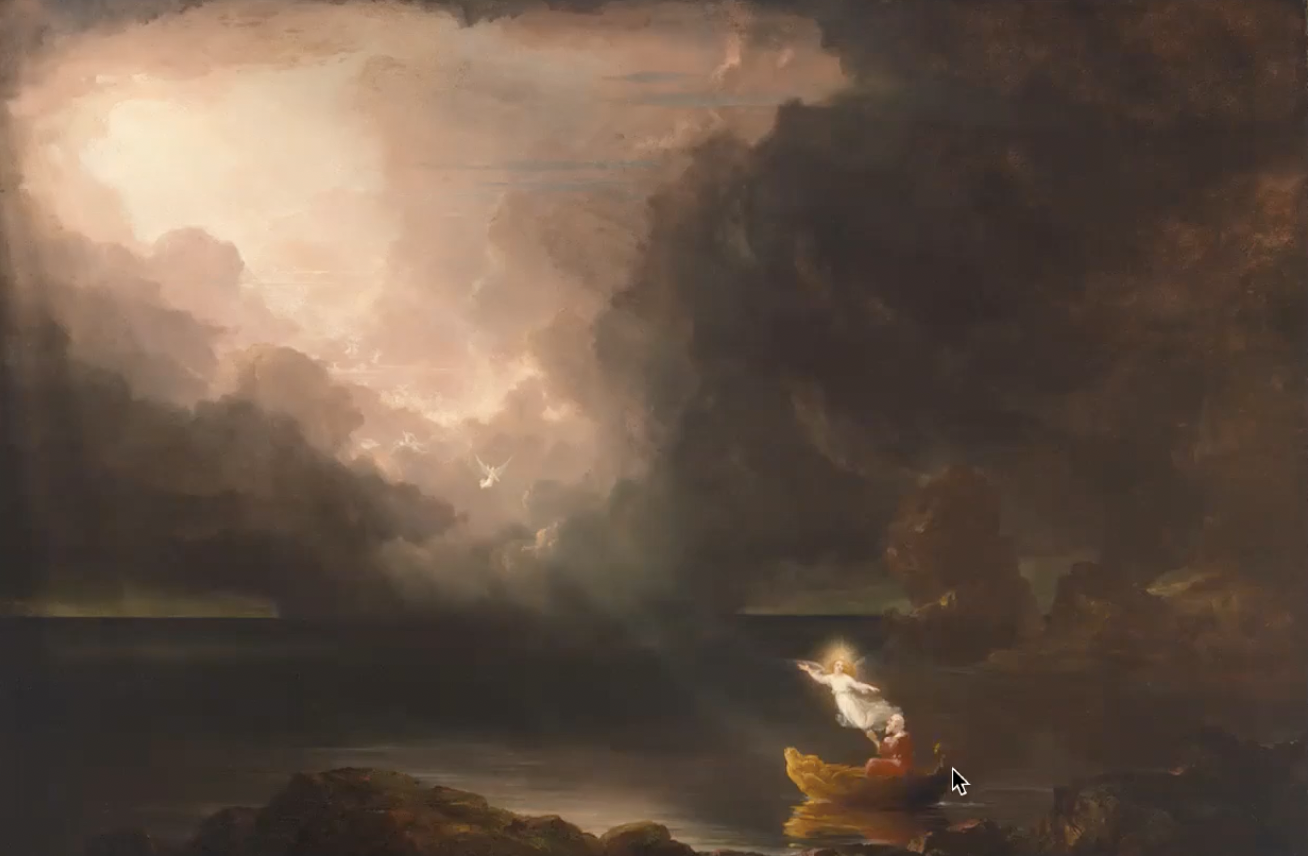
Realized the market if you could infuse landscape with historic pictures, more religious, follows a single human life, changes throughout someones lifetime, baby is being born into the world, floral and plants versus rocks, angel guiding him
Thomas Cole
Youth: The Voyage of Life
1840
Angel is waving goodbye, he is driving, smooth green valleys, panorama, put on a stage, moving canvas, metaphor for travel


Thomas Cole
Manhood: The Voyage of Life
1840
The man is alone, given up on steering the boat
Thomas Cole
Old Age: The Voyage of Life
1840
Guardian angel has returned, no more hourglass, end of his life, eternal life waiting

Frederic Church
Niagara Falls
1857
Most famous of the Landscape school, followed Cole’s trajectory, artist studios, wilderness, traveled, places special to America
Albert Bierstadt
Looking Down Yosemite Valley
1865

View of Frederic Church’s residence on the Hudson river
Olana
1872
Both build mansions on the Hudson River
Lithograph of Albert Bierstadt’s residence on the Hudson river
Malkasten
1876
View of Frederic Church’s residence
Olana
1872
Designed and filled with things he found when traveling, elaborate patterns


Frederic Church
Niagara Falls
1857
Represented 100’s of times, reworking a subject, seeking the sublime, first person to capture the view, no framing trees, long canvas, panoramic, thought about the physics of the water, attention to detail
Trumbull
View of Niagara Falls from the British Side
1807
Can’t escape the framing of the picturesque
Alvan Fisher
General View of Niagara Falls
1820
More Topographic style, Birds Eye view, far away

Frederic Church
Heart of the Andes
1859
Trip to South America, put in the view of everywhere within one composition, invented a composition, science, exhibited it on its own, had people pay to see it, the amount of detail, an experience, like a window

Albert Bierstadt
Rocky Mountains, Lander’s Peak
1863
Travels the US with a scientist, going to the Rocky Mountains, eye witness to the West, more staged, less detailed, westward expansion of the US that was going to end the original living of Natives, people pay to see the one painting
Carleton Watkins
three Brothers, Yosemite
1861
Photograph


Albert Bierstadt
Sunset in Yosemite Valley
1868
Bierstadt continues to paint in Yosemite, the lighting gets more brilliant, the mountains get taller, heightens the excitement
Bierstadt
The Domes of the Yosemite
1867
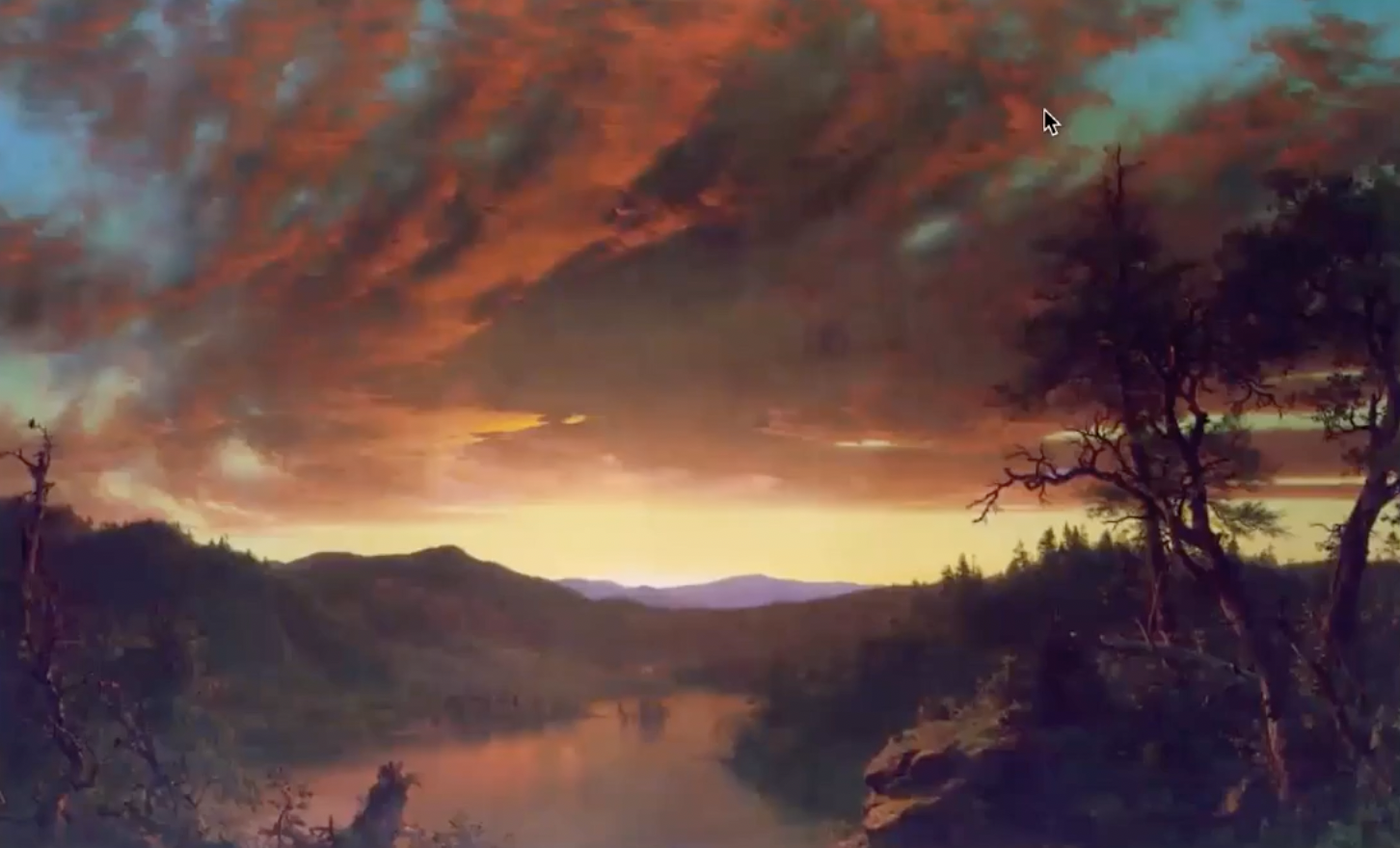
Church
Twilight in the Wilderness
1860
Untouched wilderness, no sign of human presence, no where to stand, painted right before the civil war
Church
Our Banner in the Sky
1861
Negative space of the clouds turn into the flag, stars and sky


Church
Icebergs (The North)
1861
Showing the power and strength of the North during the War, power of the landscape, America is this great force of nature

Fitz-Henry Lane
Brace’s Rock, Gloucester
1863
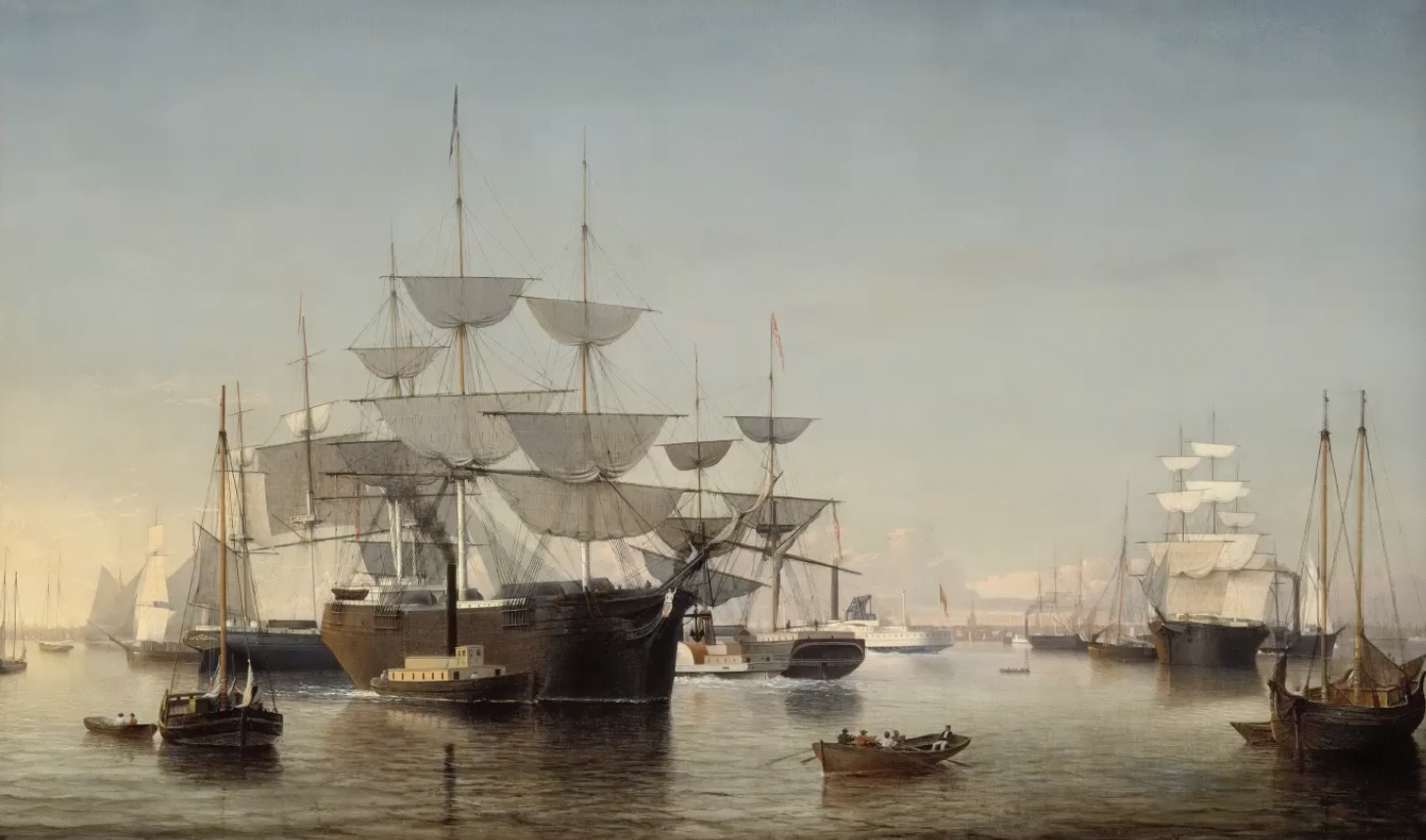
Luminicsm, created in the 1950’s, none of the artists knew each other just grouped together, flamboyant sunset, versus not very contrast between the sky and water, non-dramatic, sublime, Lane example of a Luminosity artist in England, painting coastlines usually, marine painting,

Robert Salmon
Wharves of Boston
1829
Luminicsm painting started in New England, most of the wealthy people made their money in shipping,
Jan van Goyen
View of Dordrecht
1649
Goyen is known for marine painting, no effort to show wilderness, human colonization of the water

Lane
Boston Harbor, Sunset
1850
Pushes the harbor line really far back, endless expanse of the harbor
Lane
New York Harbor
1855
Asked to do another one for New York, creation of faster ships, to replace tall ships

Lane
Owl’s Head, Penobscot Bay, Maine
1862
Lane
Christmas Cove, Maine
1863
Little fishing coves in Maine, summer tourism, old industries starting to go under, landscape that is being abandoned

Martin Heade
That Stranded Boat
1863
Luminist painter, abandoned boat, evidence of human presence, foggy, started as a marine painter later in life
Martin Heade
Salt Marshes, Newport, Rhode Island
1866
Heade
Newburyport Marshes, Massachusetts
1862
Haystacks in marshes, topographic views, landscape that is uneventful


Heade
Amethyst Hummingbird with White Orchid
1870
Also known for his natural history still lives, focused on hummingbirds in Brazil, closed and open orchid, flower is pushing into the foreground with a landscape in the background

Church
Sunset
1856
Sheep/pastoral life, not really wilderness, Church’s work is maybe more luminist, not a real style, mode of marine painting, painting what was fleeting in the current industrial movement
Heade
Sunset on the Marshes
1867
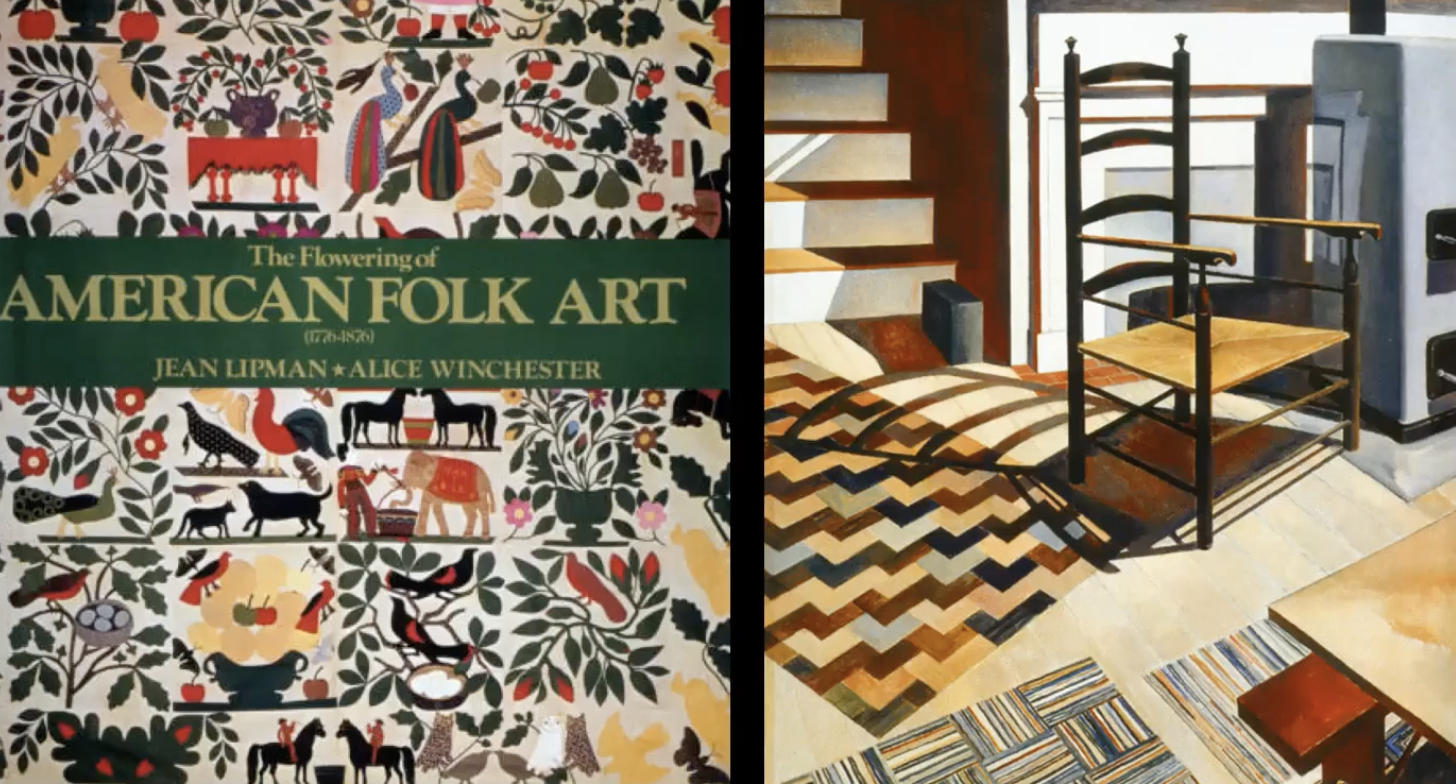
Whitney Museum exhibition catalog
1974
Charles Sheeler
Home, Sweet Home
1931
Folk art style took off, new distinct style, geometric, hard-edged, something that comes from the US, inspired by cubism, architecture design, flat, linear, patterned, usually anonymous artist

Ammi Phillips
Portrait of Harriet Leavens
1815
Some training, but not exact proportions, geometric and stylized, simplified
Girl in Red
1835

Erastus Field
Joseph Moore family
1839
Old-fashioned in the way that it is composed, very little emotion, elaborate patterns
William Prior
Sisters of the Copeland Family
1858
Folk artist is reaching more of the middle class, African American family that were middle class, not trying to be realistic, painting with more dimension cost more


Daguerreotype of a woman
c. 1850
Daguerreotypes were photographs, individual artworks, a lot of folk artists were portrait painters
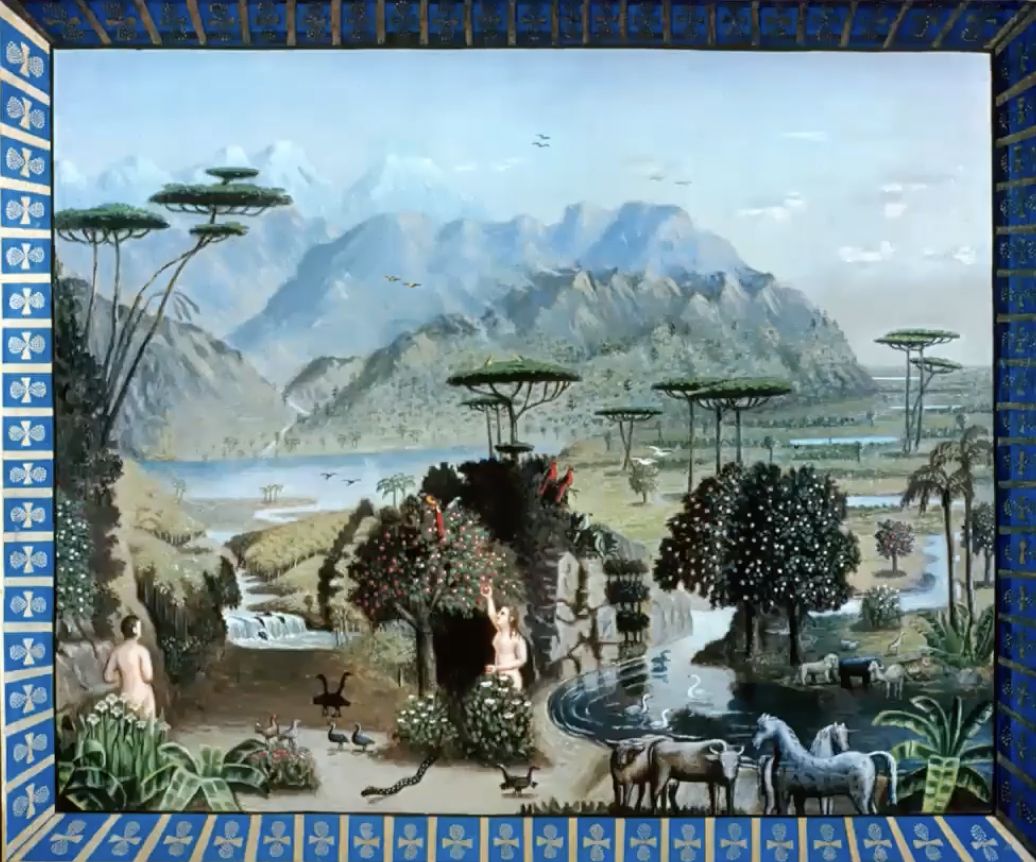
Erastus Field
Garden of Eden
1860-79
Taking popular biblical subjects, create same window effect with the frame as Church for an example who would display his one painting

Erastus Field
Historical Monument of the American Republic
1865-88
His masterpiece, started it after the Civil War, trains on the top connecting the buildings, main tower for Abraham Lincoln, decorations on the towers showing important events, biblical themes throughout

Edward Hicks
Peaceable Kingdom
1833
Portrait painters for middle class families, folk artists, Kicks didn’t really do portraits, mostly did religious images, starts with an academic source/engraving, he was a Quaker, Heaven on Earth

Rufus Hathaway
A View of Mr. Joshua Winsor’s House
1795
Folk artists usually paint landscapes as human property, includes some nature, birds being shot at, landscape that is completely controlled
Edward Hicks
Cornell Farm
1848
Family just won a big prize in a fair, prize winning livestock, landscape controlled, topographic view, organized for the market

Eunice Pinney
Farm Scene, and Two Women
1815
Folk artists were still considered professionals, Pinney was an amateur artist, looking at engravings like Hicks, art was not closed to woman, but their access was limited to class of the nude
Anonymous
Ceremony at a Young Ladies Seminary
1810
Anonymous
The Watercolor Class
1815-20
Learning from a master/teacher, copying from engravings or paintings, learning the rules of the picturesque, everyone in the class is doing the same thing, ladies school, arts were not closed to woman, they are doing it for their own creativity, not competing against men in the bigger artist market


Anonymous
Memorial for Philo Day
Eunice Pinney
Undedicated Memorial
1815
Memorial genres, watercolors, for a passed family member, shows the family around the stone, place where you were supposed to express sentiment, death is becoming to display the correct sentiments, chance to show feeling