Principles of chemistry
 Call Kai
 Learn
 Practice Test
 Spaced Repetition
 Match
 Flashcards
 Knowt Play
1/29

There's no tags or description
Looks like no tags are added yet.
30 Terms
What is a solvent?
the substance in which the solute dissolves
what is a solute?
a substance that is dissolved in a solution
what is a solution?
a homogeneous mixture formed when a solute dissolves completely into a solvent
what is a saturated solution
a solution that contains the maximum amount of dissolved solute
what is solubility?
a measure of how much solute can dissolve in a given solvent at a given temperature
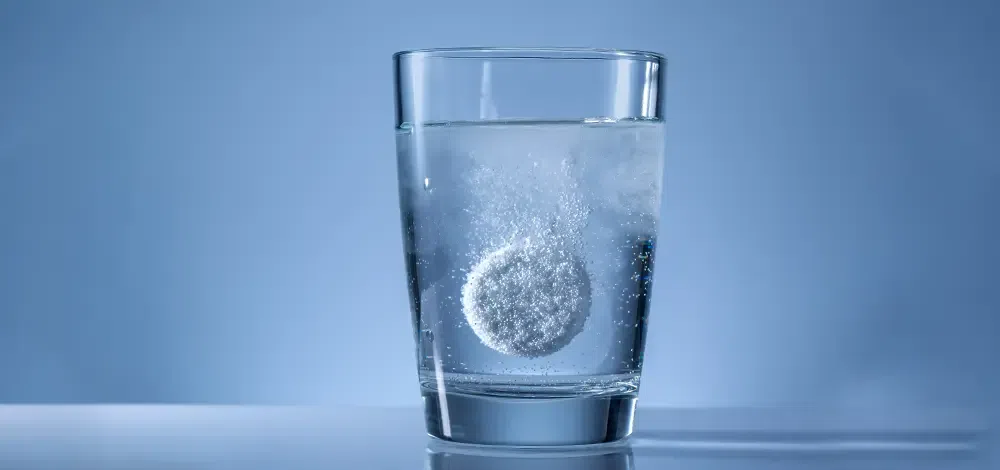
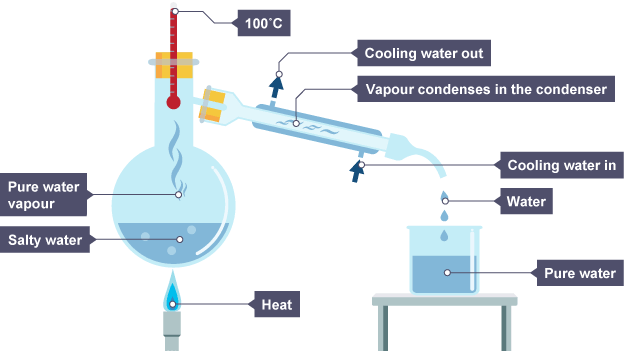
what is simple distillation?
a method that separates a pure liquid (solvent) from a solution with very different boiling points
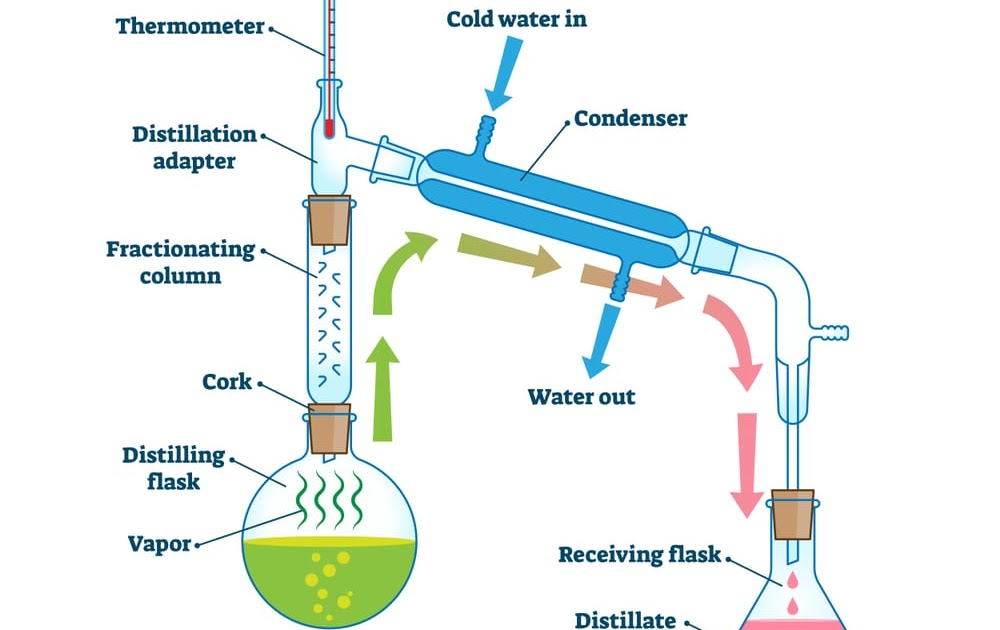
what is fractional distillation?
a method that separates a pure liquid from a mixture of liquids with small boiling point differences
What is filtration?
a separation technique used to separate an insoluble solid from a liquid (solution) using filter paper in a funnel
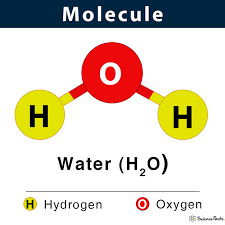
molecule
a group of two or more atoms held together by chemical bonds
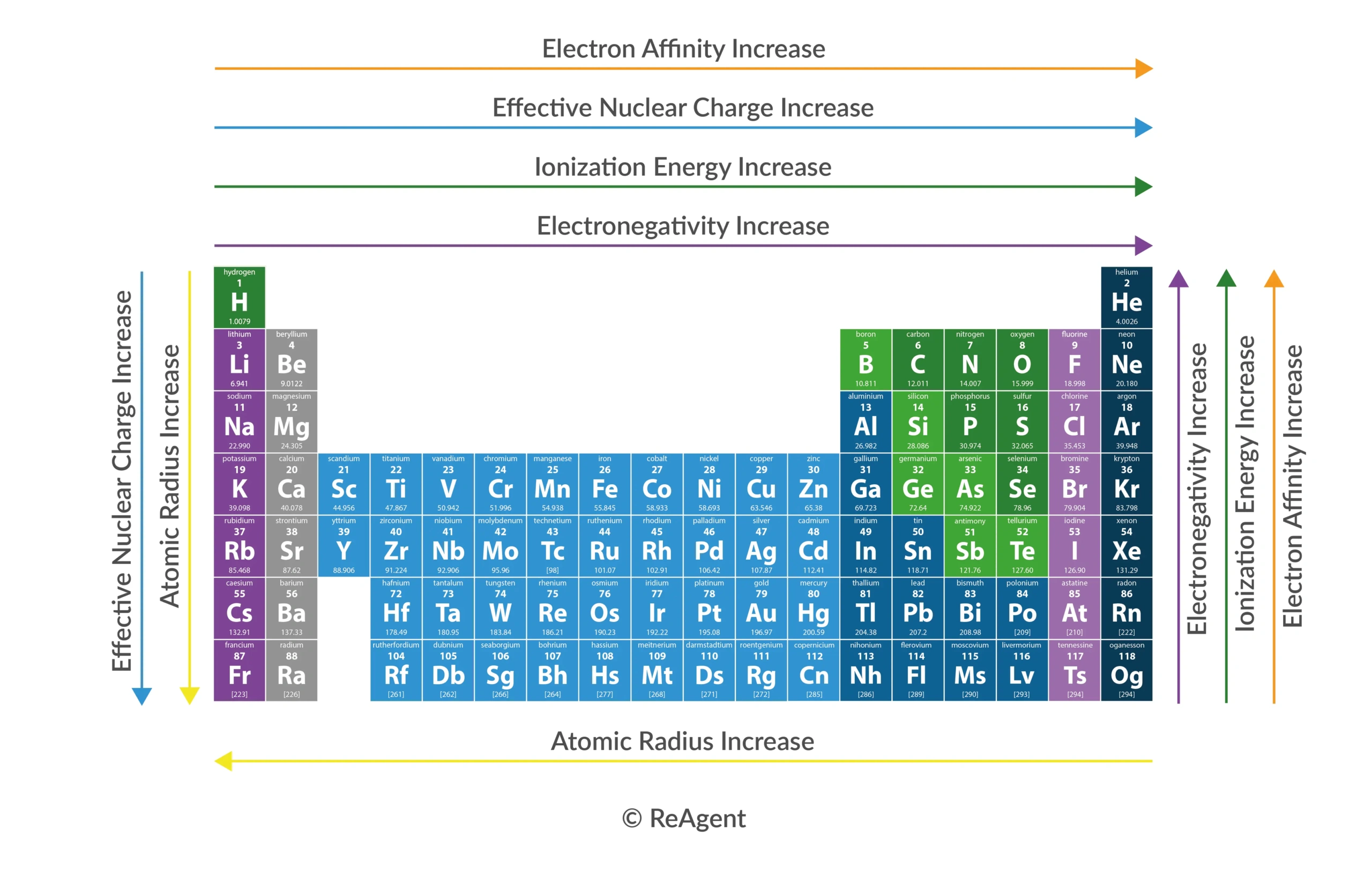
why are elements arranged by atomic number in periodic table?
the physical and chemical properties of elements show a continual pattern when arranged by increasing atomic number
how are ions formed?
when an atom gains or loses an electron, making it unbalanced- positive/negative
what is the charge of Ag, Zn, Cu, Pb?
+1, 2, 2, 3
What is the charge of hydroxide?
OH-
What is the charge of ammonium?
NH4+
What is the charge of carbonate?
CO3 2-
What is the charge of nitrate?
NO3-
What is the charge of sulfate?
SO4 2-
What is the chemical symbol for Hydrochloric Acid?
HCl
What is the chemical symbol for sulphuric acid?
HSO4
What is the chemical symbol for nitric acid?
HNO3
What is the mass of an electron?
1/1836
What is the mass of a proton?
1
What is the mass of a neutron?
1
Paper chromotography
Used to separate mixtures and give information to help identify substances
Crystallisation
separates a soluble salt from the solution that it was dissolved in

A- evaporation
B- condensation
C- sublimation
D- desublimation
E- melting
F- freezing
what is an element?
consists of one type of atom
what is a compound?
substance made of two or more different elements chemically combined
what is a mixture?
a combination of two or more substances (elements, compounds, both) that are not chemically bonded together
what is an isotope?
atoms of the same element with same number of protons but different number of neutrons