integumentary assessment
 Call Kai
 Learn
Learn Practice Test
 Spaced Repetition
 Match
Match Flashcards
 Knowt Play
1/91

There's no tags or description
Looks like no tags are added yet.
Name | Mastery | Learn | Test | Matching | Spaced | Call with Kai | Chat |
|---|
No analytics yet
Send a link to your students to track their progress
92 Terms
what are the two main layers of the skin
epidermis and dermis
the outer layer of skin
epidermis
the inner supportive layer
dermis
what are the main parts of the nail
nail plate, nail bed, nail matrix, cuticle, lunula, nail folds
what are the main functions of the skin
protection, perception, temperature regulation, identification, communication, wound repair, absorption/excretion, vitamin D production
find, downy hair on a newborn
lanugo
thick, cheesy substance on newborn skin
vernix caseosa
what can sebum contribute to in newborns
milia
what skin change occurs in children
epidermis becomes thicker, darker, and more lubricated
what changes occur in adolescents
increased apocrine secretions, increased subcutaneous fat, secondary sex characteristics
increased pigmentation along the midline of the abdomen during pregnancy
linea nigra
facial discoloration called the mask of pregnancy
chloasma
stretch marks on the abdomen, breasts, and thighs during pregnancy
striae gravidarum
what happens to skin elasticity with aging
it decreases, causing skin to sag and fold
why does older adult skin become dry
decreased sweat and sebaceous gland function
discoloration caused by fragile capillaries
senile purpura
what happens to wound healing with aging
it becomes slower
why does hair become gray with aging
decreased functioning melanocytes
what is xerosis
dry skin
what should you ask about during a subjective skin assessment
rash, itching, sores, pigment changes, dryness/moisture, bruising, hair loss, nail changes, exposures
why should you ask about new antibiotics in a skin assessment
they may cause rash or itching
why ask about anticoagulants or antiplatelets in a skin assessment
they may cause easy bruising or bleeding
what equipment may be used for a skin assessment
strong lighting, gloves, penlight, centimeter ruler
what special equipment may be used for a skin assessment
Wood’s light and magnifying glass
what should you inspect for on the skin
pigmentation, moisture, thickness, edema, bruising, lesions
what skin finding may occur with liver failure
Jaundice
what do you palpate on the skin
moisture, temperature, texture, edema, turgor, bruising, lesions
what part of the hand is used to assess skin temperature
back of the hand
what does skin turgor assess
how quickly skin returns after being lifted or pinched
what do you assess on the nails
shape, contour, consistency, color, capillary refill
how do you assess capillary refill
blanch the nail, release, and watch color return
what is normal capillary refill
color returns immediately
what is sluggish capillary refill
color return takes more than 3 seconds
what does capillary refill assess
peripheral circulation

mongolian spot
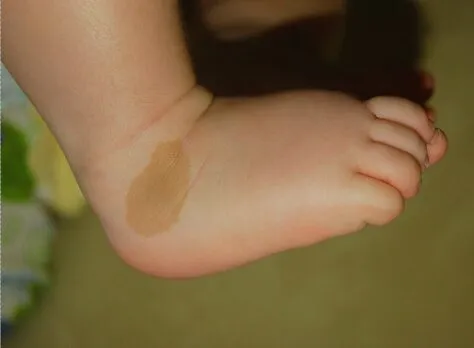
cafe-au-lait spot

harlequin change
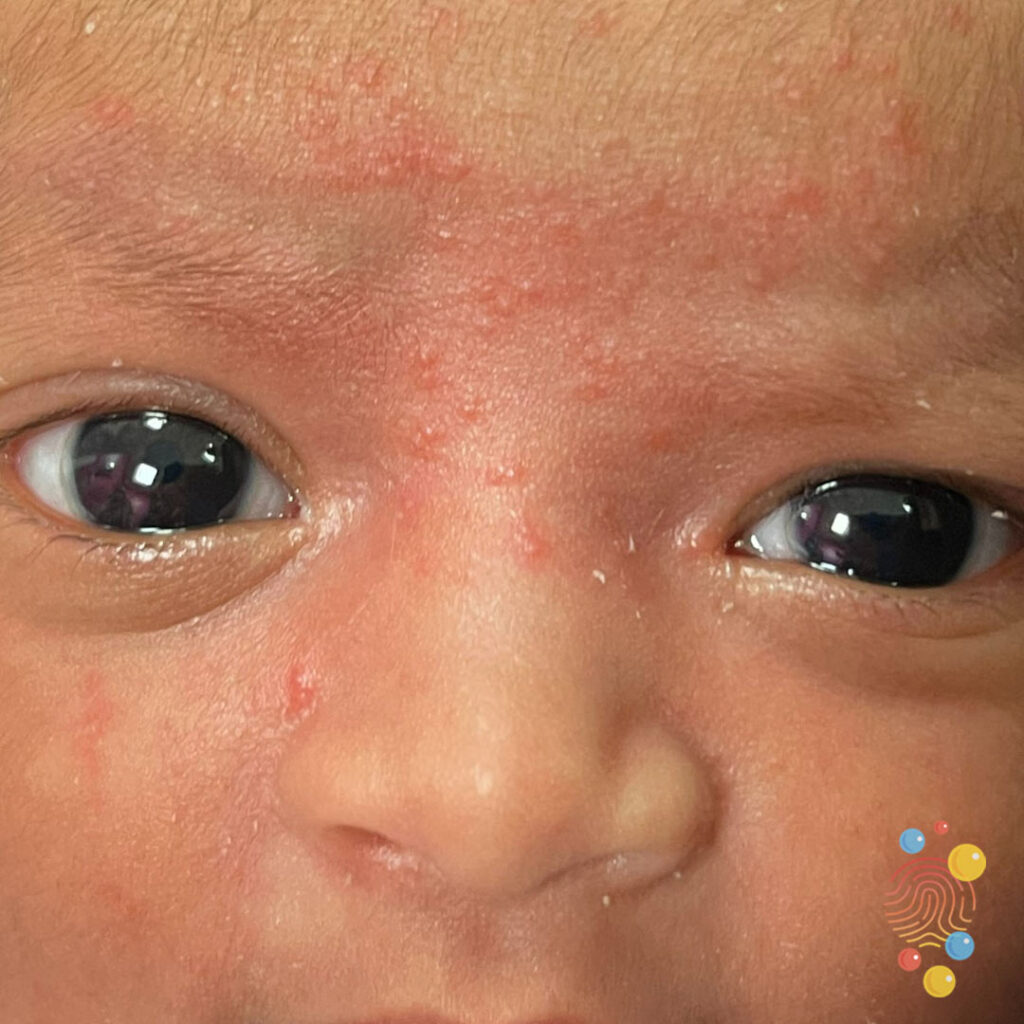
erythema toxicum
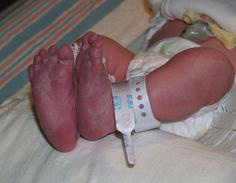
acrocyanosis

physiologic jaundice

stork bite
what does A in ABCDE stand for
asymmetry
what does B stand for in ABCDE
border irregularity
what does C stand for in ABCDE
color variation
what does D stand for in ABCDE
diameter > 6mm
what does E in ABCDE stand for
elevation or evolution
circular or ring-shaped
annular
lesions run together
confluent
separate individual lesions
discrete
lesions are clustered together
grouped
a group of reactive red rashes that form distinctive ring-like, wavy, or wood-grain patterns on the body
gyrate
a distinct ring-like skin mark that often resembles a bullseye
target/iris
lesions form a line
linear
rashes that form complex, multi-ringed patterns when individual circular or ring-shaped lesions grow and merge together
polycyclic
rash or lesion pattern that is distributed in a single, unilateral band along a specific nerve pathway, or dermatome
zosteriform
flat area of color change
macule
what is an example of a macule
freckle
small, raised lesion
papule
larger flat area of color change
patch
raised area; may appear scaly
plaque
small, clear-fluid-filled lesion
vesicle
larger fluid-filled blister
bulla
raised lesion filled with pus
pustule
a small, rounded, abnormal growth or lump of tissue that can form just under the skin, in internal organs, or within glands
nodule
itchy, raised bumps or welts on the skin that happen when your body releases histamine
urticaria/hives
a closed, sac-like pocket of tissue anywhere in the body that can be filled with fluid, pus, air, or other materials
cyst
loss or opening of skin tissue
ulcer
superficial skin loss, often from scratching
excoriation
thickened skin
lichenification
excessive scar tissue extending beyond the original wound
keloid
common, benign tumors made up of an extra cluster of blood vessels that can appear on the skin or inside internal organs
hemangiomas
permanent widening of tiny blood vessels near the surface of the skin or mucous membranes
telangiectasis
small pinpoint areas of bleeding
petechiae
larger areas of bleeding than petechiae
purpura
what is a contusion
bruise
collection of blood within tissue
hematoma
an inflammatory skin reaction in the diaper area caused mainly by prolonged exposure to moisture, urine, and stool
diaper dermatitis
a fungal infection caused by an overgrowth of Candida, a type of yeast that normally lives on the skin and inside the body common in children
candidiasis
bacterial skin infection characterized by red sores or fluid-filled blisters that rupture and form characteristic honey-colored crusts common in children
impetigo
long term skin disease that causes dry, red, and very itchy skin
eczema
what is atopic dermatitis
eczema
a highly contagious viral illness that causes a high fever, cough, runny nose, red eyes, and a spreading red rash common in children
measles/rubeola
contagious viral infection best known for causing a mild pink or red rash common in children
german measles/rubella
what is chickenpox also called
varicella
circular/ring-shaped fungal lesion
tinea corporis
what is herpes zoster
singles
classic bull’s-eye rash associated with Lyme disease
erythema migrans
inflammation/infection around hair follicles
folliculitis
skin infection causing redness, warmth, swelling, and inflammation
cellulitis
contagious fungal infection of the scalp and hair follicles that most commonly affects children
tinea capitis
abnormal changes that develop on previously heatlhy skin
primary skin lesions
form from the evolution, injury, or manipulation of a primary lesion
secondary skin lesions