AP Psych Unit 3
 Call Kai
 Learn
 Practice Test
 Spaced Repetition
 Match
 Flashcards
 Knowt Play
1/83

There's no tags or description
Looks like no tags are added yet.
Name | Mastery | Learn | Test | Matching | Spaced | Call with Kai | Chat |
|---|
No analytics yet
Send a link to your students to track their progress
84 Terms
circadian rhythm
the biological clock
regular body rhythms that occur on a 24hr cycle
REM sleep
rapid eye movement sleep
a recurring sleep stage during which vivid dreams commonly occur. Also known as paradoxical sleep, because the muscles are relaxed (except for minor twitches) but other body systems are active. increased heart rate, rapid and irregular breathing
20-25% of a nights sleep
fast, random, saw-tooth waves
young people have more REM sleep
sleep
periodic, natural loss of consciousness
NREM-1 sleep
transition from wakefulness to sleep. When you drift off
characterized by slow breathing, irregular brainwaves, and possible hallucinations
Theta waves
hallucination
false sensory experiences, such as seeing something in the absence of an external visual stimulus.
NREM-2 sleep
deeper phase of light sleep
lasts around 20 mins, gets longer as the night goes on
theta waves with periodic sleep spindles (bursts of rapid rhythmic brainwave activity)
NREM-3
deep sleep hard to wake
Lasts for about 30 mins
Brain emits large delta waves
Somnambulism and sleep terrors
suprachiasmatic nucleus (SCN)
a pair of cell clusters in the hypothalamus that controls circadian rhythm. In response to light, the SCN causes the pineal gland to adjust melatonin production, thus modifying our feelings of sleepiness.
Insomnia
when a person has trouble falling asleep or staying asleep
Narcolepsy
when an individual will struggle to get sleep at night but will fall asleep uncontrollably throughout the day
REM sleep behavior disorder
When instead of experiencing the normal temporary paralysis of your arms and legs (atonia) during REM sleep, you physically act put your dreams
Sleep Apnea
when breathing stops during sleep
Somnambulism
sleep walking
Beta waves
13-30 hz
awake
reemerge during REM when the brain is active

Alpha waves
8-12 Hz
when you’re meditated, calm, or just falling asleep

Theta waves
3-8Hz
light sleep and deep relaxation
occur in NREM 1 and NREM2 with sleep spindles and K Complexes

Delta waves
0.5-4 Hz
deep, restorative sleep
NREM3
Activation synthesis theory
suggests that dreams are the brains attempt to make sense of random neural activity during REM sleep
Consolidation theory
proposes that dreaming is part of the process of consolidating memories. When info from short term memory is moved to long term memory.
Restoration theory
believes that sleep allows your body and brain to recover and restore energy and resources that were used during the day.
Hypnagogia
transitional state from wakefulness to sleep
Hypnic jerk
a brief, sudden involuntary contraction of the muscles which occurs as the person is beginning to fall asleep
Effects of sleep deprivation
Brain - diminished attentional focus and memory consolidation, increased risk of depression
Immune system- suppression of immune cells and increased risk of viral infections
Heart - increased risk of high blood pressure
Stomach - Increase in ghrelin (makes you hungry) and decrease in hormone suppressing leptin
Fat - increased production of fat cells
Joints- increased joint inflammation and arthritis
Muscles - reduced strength and slower reaction time
Manifest content vs latent content
manifest content is the surface storyline of a dream while latent content is the underlying meaning of the dream
Sigmund Freud
Sensory Awareness
sights sounds and other sensory messages
selective attention
Direct inner awareness
Memories, feelings and abstract concepts such as love
The awareness of things within ourselves
Sense of Self
The awareness of ourselves and our existence.
The knowledge that we are all unique individuals separate from others and our surroundings
Preconscious
Ideas that are not in your awareness right now but can be recalled if needed
Ex: the answer to a warm-up question
Unconscious/Subconscious
Information that is unavailable to awareness under most circumstances
Ex: typing on a keyboard, first impressions
Nonconsious
the level of consciousness on which most of our biological functions work
Ex: finger nails growing
Hypnosis
A condition of focused attention, reduced peripheral awareness and enhanced capacity to respond to suggestion.
Has shown effectiveness int rating pain and anxiety
research does not support the use of hypnosis to retrieve accurate memories or recess in age
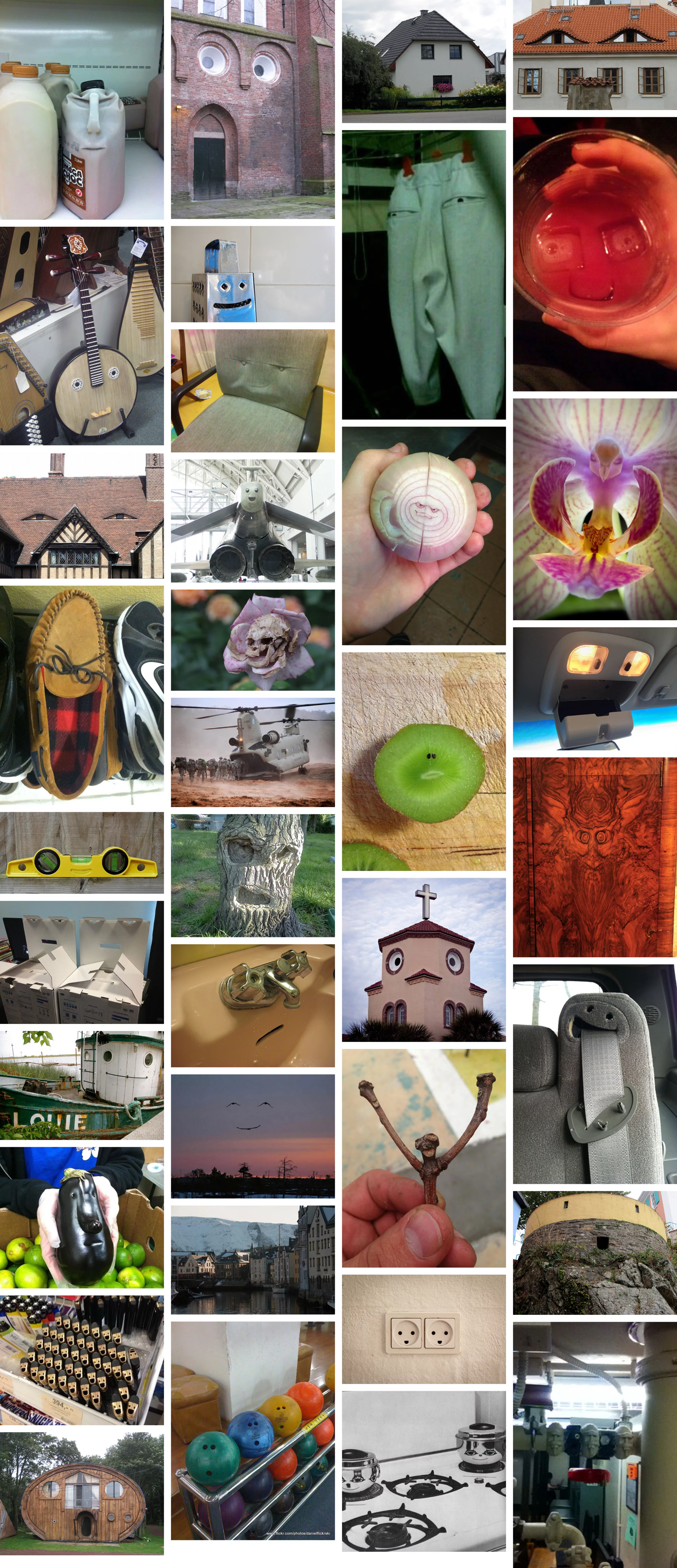
Pareidolia
A psychological phenomenon in which the mind responds to a stimulus, usually an image or sound by perceiving a familiar pattern where none exists
Sensation
the stimulus of sensory receptors and the transmission of sensory information
Perception
the process through which we interpret sensory stimulation

Enuresis
bed wetting
Absolute threshold
The weakest amount for a stimulus which can be detected
Subliminal threshold
when stimuli are below ones absolute threshold for conscious awareness

Supraliminal
stimuli that can be perceived by the conscious mind

Difference threshold
the minimum amount of difference that can be detected between two stimuli
Ex: the shades of white paint on a wall
Signal Detection theory
predicts how and when we detect the presence of a faint stimulus in background noise. Assumes that there is not absolute threshold and detection of stimulus depends on experience expectations and level of fatigue
Weber’s law
two stimuli must differ by a constant minimum percentage rather than an amount to be perceived as different
Synesthesia
an experience of sensation in which one system of sensation is experienced through another
Ex: tasting colors
Sensory adaptation
the process by which we become more sensitive to weak stimuli and less sensitive to unchanging stimuli
Ex: getting used to noise pollution while living in a city
Transduction
the transformation of stimulus energy into neural impulses
Phototransduction
the transformation of light into neural immpulses

Bottom Up processing
starts at the sensory receptors and works up the brain;s integration of sensory info

Top down processing
constructs perceptions from sensory input by drawing on our experience and expectations

Selective attention
focusing conscious awareness on a particular stimuli
Cocktail party effect
A specific, purely auditory subtype of selective attention. It describes your ability to focus on a single speaker or conversation in a loud, crowded room while filtering out all other background voices and noise
inattentional blindness
failing to see visible objects when our attention is directed elsewhere
change blindness
failing to notice change
photophysics
the study of the relationship between the physical characteristics of a stimulus and the psychological experience of them
priming
the activation of certain associations
Seeing or hearing a word makes you recognize a related word faster (e.g., recognizing the word "doctor" faster after seeing "nurse" than after seeing "bread").
Perceptual set
a mental predisposition to perceive one thing and not another
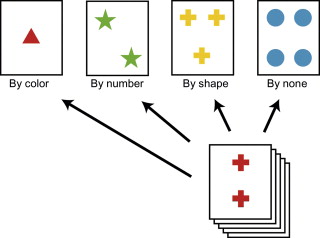
Extrasensory perception
A controversial claim that perception can occur apart from sensory input
telepathy - mind to mind communication
clairvoyance - perceiving distant events
precognition- perceiving future events
Wavelength
the distance from peak of one light/sound wave to the peak of the next
determines the hue of a color

Intensity
the amount of energy in a light or sound wave
determines the brightness

Pupil
the adjustable opening in the center of the eye through which light enters

Iris
a colored muscle that dilates or constricts in response to light intensity and inner emotions
controls size of pupil
Lens
a structure behind the iris and pupil that focuses light rays onto the retina

Retina
the light sensitive inner surface of the eye containing the receptor rods and cones plus layers of neurons that being the processing of visual information

Accomodation
the process by which the eye’s lense changes shape to focus near or far objects on the retina
Rods
retinal receptors that detect black, white, and gray.
high sensitivity to dim light
Cones
retinal receptors that detect color and detail.
Cultured around the Fovea
Blind stop
the point at which the optic nerve leaves the eye, creating a blind spot because there are no receptors there
Optic nerve
the nerve that carries neural impulses from the eye to the brain
Fovea
the central focus point in the retina
ganglion cells
Neurons that relay information from the retina to the brain via the optic nerve
they make up the optic nerve which reaches the thalamus where they synapse with neurons that run to the visual cortex

Feature detectors
nerve cells in the brain that respond to specific features if the stimulus such as shape, angle, or movement
Parallel Processing
doing many things at once
Young-Helmholtz trichromatic theory
the theory that the retina contains three color receptors (red, green, blue) which, when stimulated together can produce the perception of any color

opponent-process theory
the theory that opposing retinal processes (red-green, yellow-blue, white-black) enable color vision.
Ex: some cells stimulate green and inhibit red and vice versa
Bipolar cells
a type of nerve cells that combine the impulses from many of the visual receptor cells in the retina and then transmit the impulses to the ganglion cells

Gesalt
an organized whole. Gestalt psychologists emphasized our tendency to integrate pieces of information into meaningful wholes

figure-ground
the organization of the visual field into objects that stand out from their surroundings
grouping
the perceptual tendency to organize stimuli into coherent groups

Depth perception
the ability to see objects in three dimensions
Binocular cues
depth cues that depend on the use of both eyes
Retinal Disparity
a binocular cue for perceiving depth. By comparing images from the two eyes, the brain computes distance. The greater the difference between what the right eye sees vs the left eye, the closer the object is.

Monocular cues
depth cues available to each eye separately that can help us to tell the difference between lathe distances
relative size, motion, height, light, shadow
Phi phenomenon
an illusion of movement created when two adjacent lights blink on and off quickly in succession
perceptual constancy
perceiving objects as unchanging even as illumination and retinal images change

color constancy
perceiving familiar objects as having consistent color even if changing illumination alters the wavelength reflected by that object

perceptual adaptation
the ability to adjust to a new visual feild