BIOL 2460 Chapter 1
 Note
Note Call Kai
 Learn
Learn Practice Test
 Spaced Repetition
 Match
Match Flashcards
 Knowt Play
1/33

There's no tags or description
Looks like no tags are added yet.
Name | Mastery | Learn | Test | Matching | Spaced | Call with Kai | Chat |
|---|
No analytics yet
Send a link to your students to track their progress
34 Terms
Microbiology
Study of small organisms, cannot be seen with naked eye
Limited Understand until 1800’s
Miasma Theory, Quarantine & Leprosy in the bible, Roman created sewer system to deal w/ waste
Hippocrates
“Father of Western Medicine” Disease were not caused by supernatural, Hippocratic corpus & Oath.
Thucydides
“Father of Scientific History”, Athenian plague, Early concept of immunity and observed the effects of disease on populations.
Marcus Terentius Varro
Proposed that things we cannot see could cause disease, Res Rusticate, Animalia Minuta and the importance of sanitation and health
Leeuwenhoek
“Father or Microbiology", used magnifying lens to observe “animalcules” in rain drop.
Louis Pasteur (1822-1895)
Fermentation and spoilage caused by microbes, Pasteurization, Vaccines and the germ theory of disease. Came up with pasteurization. Vaccines
Robert Koch
Established method for connecting pathogens with specific disease, Koch’s postulates, anthrax, cholera, tuberculosis.
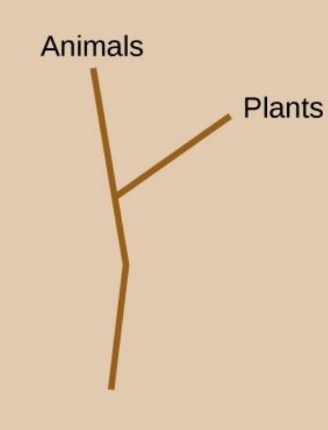
Carlous Linnaeus
Developed a new way to categorize plants and animals
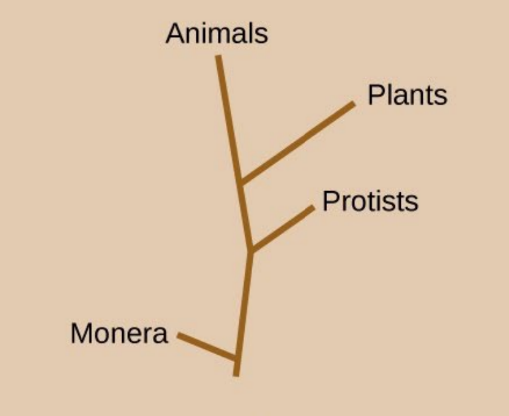
Ernst Haeckel
Wrote General Morphology of Organisms, proposing four kingdoms
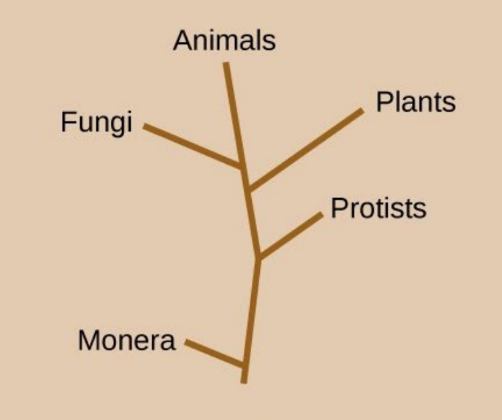
Robert Whittaker
Proposed adding a fifth kingdom-fungi- to the tree of life.
Woese and Fox
Implemented molecular techniques to classify three domains: Bacteria, Archaea, and Eukarya.
Strains
Can be used to indicate special biochemical features
Prokaryotes
Bacteria, Archaea
Eukaryotes
Algae, Protozoa, Fungi, Helminths
Acellular Microbes
Viruses, Prions
Coccus
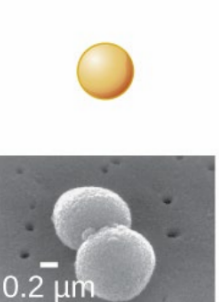
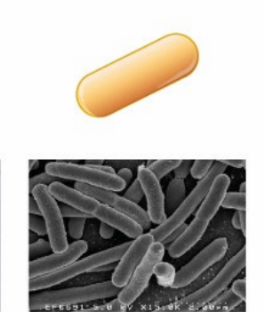
Bacillus
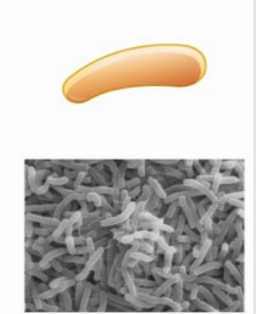
Vibrio
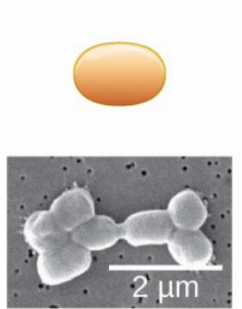
Coccobacillus
Spirillum
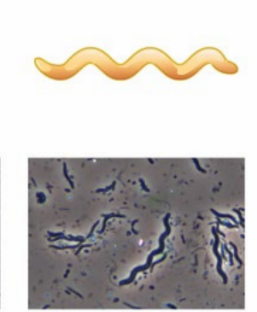
Spirochete
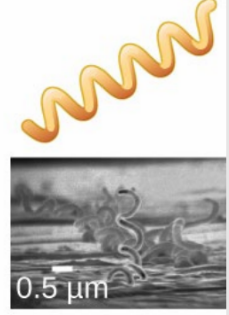
Archaea
Different evolutionary history, genetic, metabolism, physiology from bacteria, Pseudopeptidoglycan, Extreme enviorments
Protists: Algae
Photosynthetic important in ecosystems and consumer products
Protists: Protozoa
Very diverse: motility via cilia, flagella, pseudopod
Fungi
Multicellular and unicellular (yeast), Chitin cell walls, MOLDS: good and bad
Helminths
Multicellular Parasitic worms, microscopic eggs and larvae
Virusues and Prions
Acellular, require hose to reproduce. Prion: proteinaceous disease-causing agent.
Bacteria
Cellular Structure: Unicellular, Nucleus: Prokaryotic, Cell wall: Peptidoglycan wall (but not all), Photosynthetic: Some but not all
Archaea Table
Cellular Structure: Unicellular, Nucleus: No Prokaryotic, Cell wall: Pseudopeptidoglycan wall, Photosynthetic: No
Algae
Cellular Structure: Unicellular or Multicellular, Nucleus: Yes Eukaryotic, Cell Wall: Cellulose wall, Photosynthetic: YES
Protozoa
Cellular Structure: Unicellular, Nucleus: Yes Eukaryotic, Cell Wall: No Wall, Photosynthetic: NO
Fungi
Cellular Structure: Unicellular and Multicellular, Nucleus: Yes Eukaryotic, Cell Wall: Chitin Wall, Photosynthetic: NO
Helminths
Cellular Structure: Multicellular, Nucleus: Yes Eukaryotic, Cell Wall: No wall, Photosynthetic: No