Week 6: Homeostasis: DKA & HHS, Adrenal
 Call Kai
 Learn
Learn Practice Test
 Spaced Repetition
 Match
Match Flashcards
 Knowt Play
1/38

There's no tags or description
Looks like no tags are added yet.
Name | Mastery | Learn | Test | Matching | Spaced | Call with Kai | Chat |
|---|
No analytics yet
Send a link to your students to track their progress
39 Terms
GLUCOSE REGULATION
• Insulin – does what
• Glucagon – does what
Diabetes mellitus review: what is it?
Interrelated concepts:
• Nutrition
• Tissue Integrity
• Sensory Perception
• Perfusion
• Immunity
• Fluid and electrolyte Balance
• Acid–Base Balance

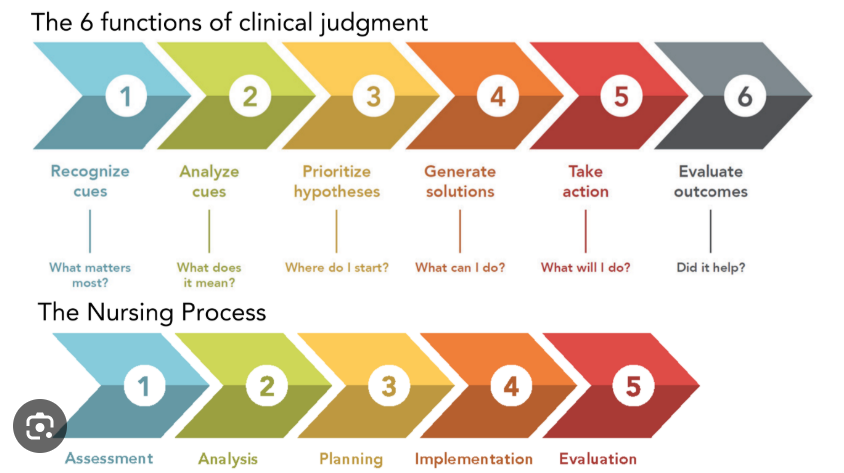
Think about the process with each
QUICK REVIEW
type 1 dibetes
type 2 diabetes
DX:

QUICK REVIEW
blood sugar levels normal, prediabetic, diabetic

DKA
- why does it happen
Hallmark s/s: (5)
• Results from a shortage of insulin + an increase in counterregulatory (rise in hormones that increase blood sugar) hormones = hallmark signs of DKA
• Anion gap
• Metabolic acidosis
• Hyperglycemia
• Elevated serum ketones
• Fruity breath

counterregulatory hormones (4)
Glucagon
Catecholamines: Epinephrine/norepinephrine
Cortisol
Growth Hormone
DKA Risk Factors
(7)
What type of diabetes is at higher risk?
medications (4)
• Infection
• Discontinuation of/or inadequate insulin therapy
• Trauma
• Pancreatitis
• Stroke
• AMI
• New-onset Type 1 that is undiagnosed
• Some medications – corticosteroids, thiazide diuretics,
antipsychotic agents, pentamidie
DKA: Recognize Cues
s/s (8)
Laboratory findings (3)
Most common precipitating factor: (2)
• Uncontrolled hyperglycemia, metabolic acidosis, and increased ketone production
• Kussmaul respirations (deep, rapid breathing)
- Dyspnea
• Signs of dehydration
- Polyuria
- N/V –abdominal pain
• Hypovolemic shock
- Potential hypotension and tachycardia
• Altered level of consciousness
• Tachycardia, fever (if infection present)
• Laboratory findings: glucose elevation, serum ketones, metabolic acidosis
• Most common precipitating factor: infection or illness
DKA Analyze Cues
The process of DKA
What complicates DKA? (1)
• Insulin deficiency leads to breakdown of fats, proteins,
and glycogen
• The body then metabolizes triglycerides and amino acids
instead of glucose
• This results in ketone body formation and metabolic
acidosis
• This can cause Osmotic diuresis (an increase in urine production caused by unabsorbed solutes) causes dehydration and electrolyte
imbalances
• Potassium shifts complicate the clinical picture
DKA Prioritize Hypotheses
what are we worrying about in patients in DKA (4)
• Life-threatening fluid and electrolyte imbalance
• Metabolic acidosis
• Severe hyperglycemia and ketoacidosis
• Potential for cardiac dysrhythmias (potassium imbalance)
• Risk for cerebral edema with rapid glucose correction
Metabolic acidosis
Why is there acidosis? Why do we call it ketoacidosis? (1)
Why do ketones increase in the blood? Why do we see ketones in the urine? (3)
How does the body compensate for the decreasing pH, (acidosis state)? (2)

Osmotic diuresis
What is osmotic diuresis
Why does this happen in DKA
What are the results of osmotic diuresis for the patient (3)
Osmotic diuresis: an increase in urine production caused by unabsorbed solutes, drawing water into the renal tubules through osmosis.
It happens in DKA due to:
Elevated glucose levels increase intravascular osmotic pressure
Fluids are pulled into the intravascular compartment
Kidneys increase excretion of glucose and urine
Results of osmotic diuresis:
electrolyte loss
hemoconcentration - (an increased concentration of red blood cells and other solids in the blood caused by a drop in liquid plasma volume)
dehydration
DKA Compensatory
How does the body compensate? (4)
How does the body compensate?
• Activation of the renin-angiotensin-aldosterone system
• Antidiuretic hormone secreted
• Compensatory vasoconstriction
• Autonomic nervous system to secrete catecholamines (epinephrine, NE), and glucocorticoids (cortisol) (Raises blood sugar)
DKA Decompensation
when/why does it happen (3)
Compensatory mechanisms exhausted
Loss of consciousness, decrease in blood pressure and pulse
Catecholamine supply exhausted
DKA Anion Gap
What does an anion gap blood test for?
When does an anion gap occur?
It’s a cause of what? (1)
How to calculate anion gap?
Nomral range?
An anion gap blood test calculates the difference between positively and negatively charged electrolytes in your blood to help detect acid-base imbalances
1. A cause of metabolic acidosis
2. Anions are negatively charged particles
3. Cations are positively charged particles
4. In homeostasis, anions and cations are in balance
5. A gap results when anion excess exists in the body
1. Anion gap = (Na+ + K+) – (Cl- + HCO3-)
2. Normal 10-16 mEq/L
High Anion Gap: Acidosis
defined as a anion gap greater than what?
potential causes (3)
how urgent?
• Anion gap greater than 17 mEq/L
• Needs immediate attention
Potential causes
• Starvation
• Lactic acidosis
• Diabetic ketoacidosis
DKA Generate Solutions and Take Action (6)
what do do immediately (1)
restore what, How? (2)
Lower what, How, how fast? (3)
correct what, especially (1)
monitor what (2)
Resolve what? (1)
patient education

DKA: Fluid Replacement
Goal (2)
What assessments should we do on this patient while infusing fluids? (5)
example protocol
Goals:
Keep adequate perfusion to all vital organs and tissues
Intravascular volume expansion
Assessments:
Monitor for edema (legs, lungs, cerebral edema)
SOB
Neurologic status (headache, LOC, confusion)
Vital signs
Electrolyte imbalances

Insulin (KNOW)
Regular insulin (IV) – onset, peak, duration?
Follow agency protocol
Initial bolus – _______?
IV maintenance infusion – ______ equals ____
Goal?
Assess what?
Maintain serum glucose _______ until acidosis is reversed
Regular insulin (IV) – onset, peak, duration?
Follow agency protocol
Initial bolus – 0.1 units/kg
IV maintenance infusion – 0.1 units/kg/h (equals 5-10 units/h)
Goal – decrease serum glucose 50-75 mg/dL and assess glucose hourly
Maintain serum glucose 150-200 until acidosis is reversed

Potassium (3.5-5)
What happens to potassium in DKA?
Insulin causes what?
Risk of what, which can cause what?
Interventions (1)
establish what?,How? (3)
what is rare in DKA on presentation?
If potassium is < 3.5, what do you do? (2)
DKA – K shifts from ICF (inside of cells) to ECF (outside of cells)
Insulin increases Na/K ATPase pump activity and
facilitates K entry back into the cells leading to a decrease in serum K
Risk of hypokalemia – dysrhythmias
Obtain serum K prior to insulin administration
Establish adequate renal perfusion (how?) (IV fluids, correcting electrolyte imbalances, and having a urine output of around 50ml/hr.
Hypokalemia on presentation in DKA is rare
If < 3.5 mEq/L hold insulin and administer potassium 10-20 mEq/L per hour until > 3.5
If IV Potassium Is Needed
what do we never do with potassium?
concentrated or diluted and why?
never give more then ____ mEq/h IV piggy back in peripheral vein
central line: may give ___ mEq/h but must be on what?
IV potassium can cause what (1)
Assess regularly for what (2)
Normal range for potassium?
Consider ________ mEq K added to each liter of IV fluid to keep between 4-5 mEq/L
if K 5. mEq/L mEq/L – check K how often
Labs to monitor (3)
Monitor electrolytes how often
Monitor serum creatinine and BUN how often
Never give IV potassium bolus or push
Always diluted (it can burn)
Never give > 10 mEq/h IVPB in a peripheral vein
Central line – may give 20 mEq/h but must be on cardiac monitor
IV potassium can cause Vein irritation (peripheral veins)
-Assess regularly for phlebitis and infiltration (tissue necrosis
K 3.5 – 5. mEq/L
• Consider 20 – 30 mEq K added to each liter of IV fluid to keep between 4-5 mEq/L
K - 5. mEq/L – check K every 2 hours
Monitor electrolytes every 2 – 4 hours
Monitor serum creatinine and BUN every 2 – 4 hours
FOLLOW AGENCY GUIDELINES
Magnesium
hypomagnesemia can lead to what (1)
what is magnesium needed for (1)
maintain magnesium > ___ mEq/L
Hypomagnesemia can lead to hypokalemia
Needed for normal cardiac function
Maintain > 2 mEq/L
DKA: Evaluate Outcomes
what are we evaluating (1) (4)
education
plans for discharge and home management
Return to homeostasis
Blood glucose <200 mg/dL (normal 70-99)
Serum bicarbonate >18 mEq/L (normal 22-28)
Venous pH >7.30 (normal 7.35-7.45)
Calculated anion gap <12 mEq/ (normal 10-16)
Education
Plan for discharge and home management
HHS: HYPERGLYCEMIC HYPEROSMOLAR STATE
results from (2)
At risk populations (3)

HHS
does type 2 diabetic produce any insulin?
HHS process
Does the Type 2 diabetic produce any insulin?
• Yes…but in moderate levels
Pathophysiology:
• Fluids accumulate in extracellular spaces in response
to the glucose elevations
• Progressive increase in osmolality
• Increased osmotic diuresis
• Increasing dehydration
HHS: Recognize Cues
s/s (5)
often presents in what population
may resemble what
Extremely high blood glucose levels (often >600 mg/dL)
Blood osmolarity >320 mOsm/L
Severe neurologic manifestations: somnolence, coma, seizures, hemiparesis, aphasia
Signs of profound dehydration
Ketone bodies absent or minimal in blood and urine
Often presents in older adults
May resemble stroke symptoms (BE FAST)
HHS: Analyze Cues
process
Decreased insulin leads to hyperglycemia from decreased glucose uptake and glycogen breakdown
Little to no breakdown of fats, so minimal ketone formation
Sustained osmotic diuresis causes severe extracellular dehydration
Intracellular dehydration leads to severe hyperosmolarity
Can progress to shock, tissue hypoxia, kidney impairment, and coma
Enough circulating insulin to prevent ketoacidosis
HHS: PRIORITIZE HYPOTHESES (5)
What matters most
Priority concerns (5)

HHS: GENERATE SOLUTIONS
What can we do? (5)

HHS: TAKE ACTION
immediate action (1)
for shock/severe hypotension (2) (Initial rate, when to reduce)