ARCH 210: History of Architecture BUILDINGS
 Call Kai
 Learn
Learn Practice Test
 Spaced Repetition
 Match
Match Flashcards
 Knowt Play
1/65

There's no tags or description
Looks like no tags are added yet.
Name | Mastery | Learn | Test | Matching | Spaced | Call with Kai | Chat |
|---|
No analytics yet
Send a link to your students to track their progress
66 Terms

Prehistoric Hut, Terra Amata, France, c400,000 BCE, Paleolithic:
hypothetical reconstruction of the huts at this site

Cave at Lascaux: Hall of the Bulls (Aurochs) & Shaft of the Dead Man, Lascaux, France, c17,000-10,000
BCE, Paleolithic

Newgrange Cairn and Passage Grave, Newgrange, Ireland,
c. 3000–2500 BCE, Neolithic

Stonehenge, Salisbury Plain,
England, 3000-1500 BCE,
Neolithic
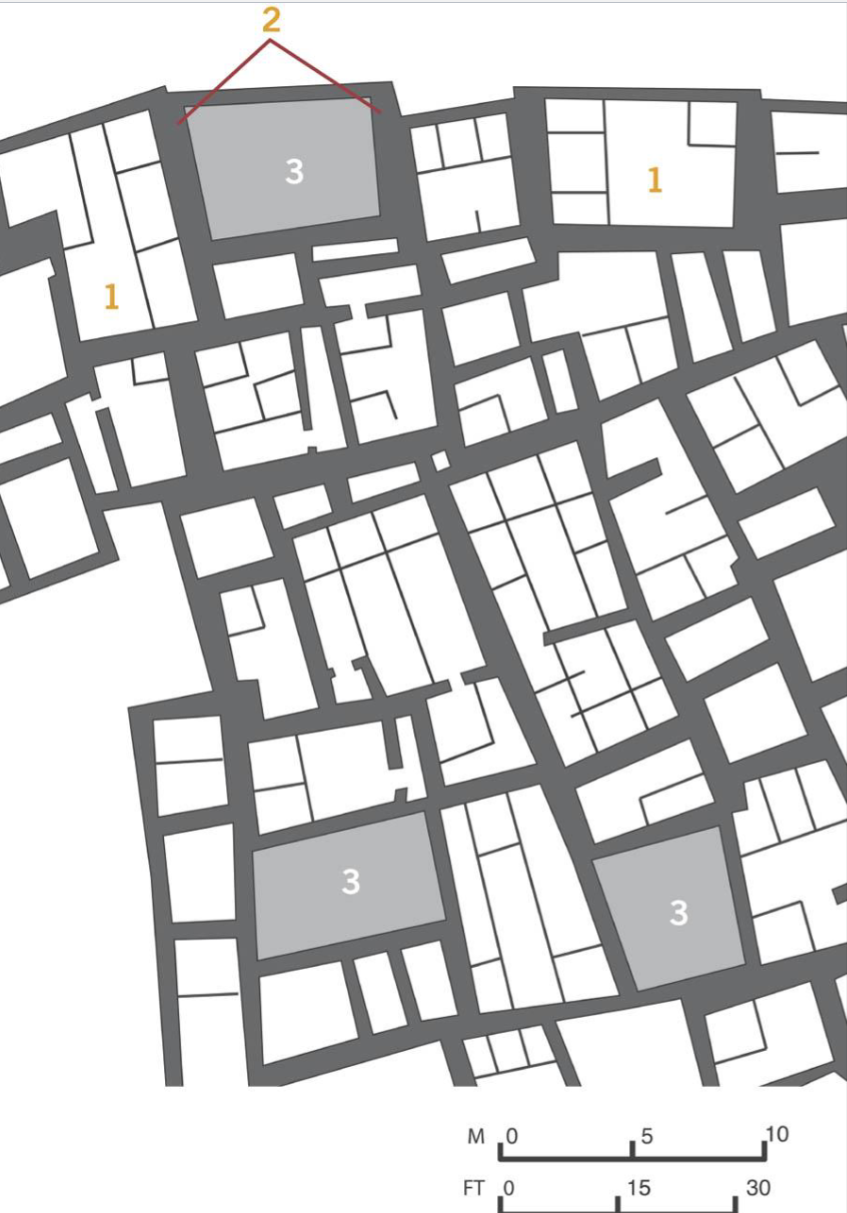
Çatalhöyük, near Konya,
Turkey, c. 7,400 to 5,700 BCE,
Neolithic Period
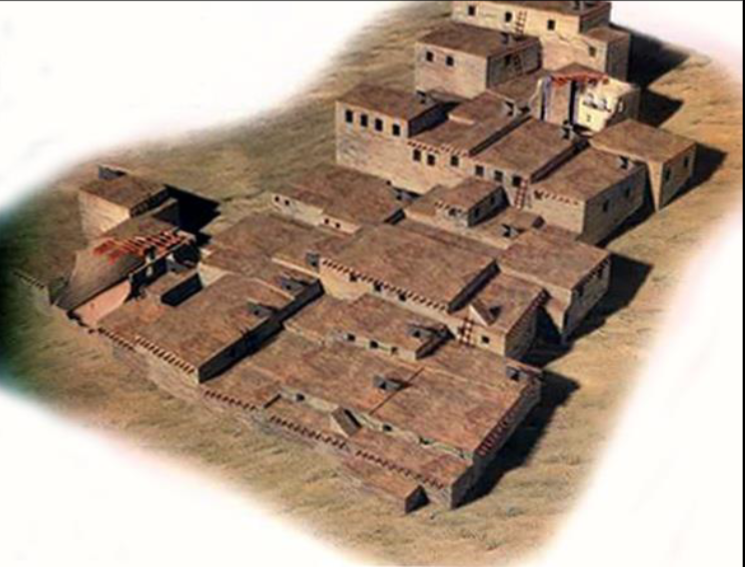

Anu Ziggurat and White
Temple, Uruk (Warka),
Iraq, c3300-3000 BCE,
Sumerian
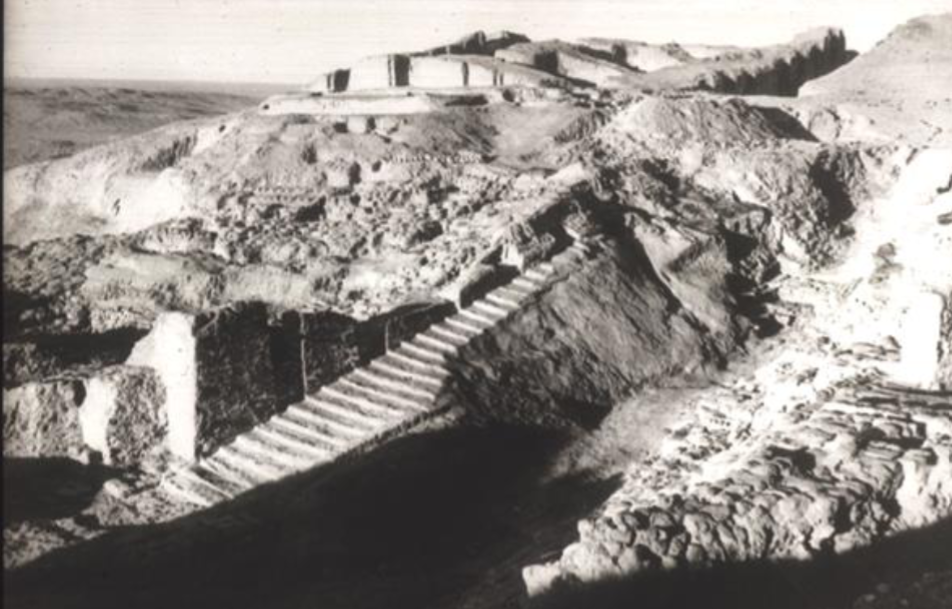

Schematic Plan of Ur, Iraq, c. 2200-2000 BCE, aerial view with the archaeological
remains of the ziggurat and other elements of the city, Sumerian


Ziggurat and Temple of Nanna, Ur, Iraq, 2100-2050 BCE, Patron: King Ur-Nammu (and his son, Shulgi); Sumerian


Single-story (middle-
class) homes in the
excavated residential
zone of the city, Ur, Iraq,
c. 2000 BCE, Sumerian

Plan of the Citadel, Mohenjo-daro,
Pakistan, c. 2500 BCE (mature phase,
earlier settlements in the area going back
to 5000 BCE), Harappan/Indus
Civilization

Great Bath, Mohenjo-daro, c.
2600-1900 BCE, Harappan/Indus
Civilization

Mortuary Complex of Pharaoh Djoser, Saqqara, Egypt, c2650 BCE, Architect:
Imhotep, Old Kingdom Egypt

Enclosure wall, Mortuary Complex of Djoser,
Saqqara, Egypt, c2650 BCE, Old Kingdom Egypt

Processional Entry Hall, Mortuary Complex of Djoser, Saqqara,
Egypt, c2650 BCE, Architect: Imhotep. Old Kingdom Egypt.

Sham Buildings & Heb-Sed
Festival Court. Mortuary
Complex of Djoser, Saqqara,
Egypt, c2650 BCE, Old Kingdom
Egypt


Serdab of Djoser, at his Mortuary Complex

The Stepped Pyramid of Djoser,
Mortuary Complex of Djoser,
Saqqara, Egypt, c2650-2600
BCE, Old Kingdom Egypt


Great Pyramids, Giza, Egypt, 2600-
2400 BCE, Old Kingdom Egypt.


Pyramid of
Khufu (Cheops)
under
construction

Pyramid of Khufu (Cheops), Giza,
Egypt, c. 2570 BCE, Old Kingdom Egypt

Great Pyramid Complex, Giza, Egypt, 2600-2400 BCE, Old Kingdom

Pyramid of Khafre/Chephren
(2), and the Sphinx (3), Giza,
Egypt, c. 2650 BCE, Old
Kingdom


Mortuary Temple of Hatshepsut, Deir el-Bahri, Egypt, c. 1480 BCE, New
Kingdom Egypt (next to temple of Mentuhotep II)


Persepolis (Takht-e Jamshid), Iran, c.500 BCE, Persian Patron: Darius I. Achaemenid Empire

Gate of All Nations
(Gate of Xerxes), Western (exterior) Portal
with Bulls, *Persepolis
(Takht-e Jamshid), Iran, c. 500 BCE, Persian
Achaemenid Empire
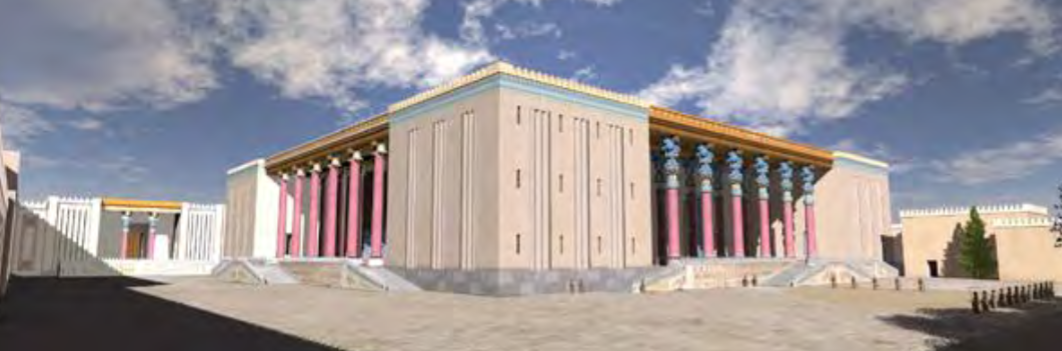
The Apadana, or
Audience Hall, Persepolis,
Iran, c 500 BCE, Persian
Achaemenid Empire


Throne Room and and Rock-cut Tomb of Artaxerxes II, Persepolis,
Iran, c. 500 BCE, Persian Achaemenid Empire

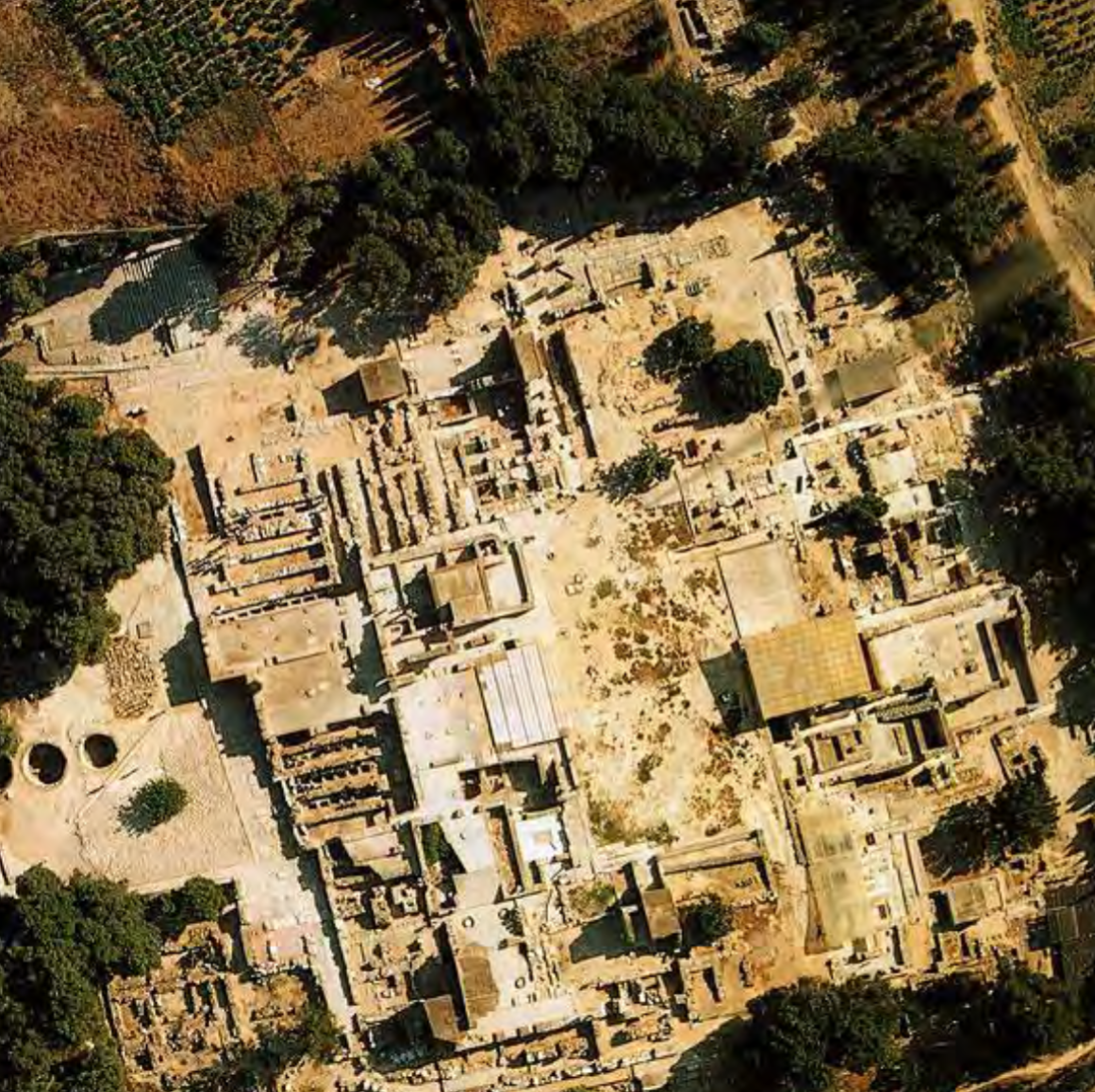
Labyrinth/Palace of Knossos, Knossos, Crete, Greece, c.
1450 BCE, Minoan

Citadel, Mycenae, Greece, 1500-
1300 BCE, Mycenaean
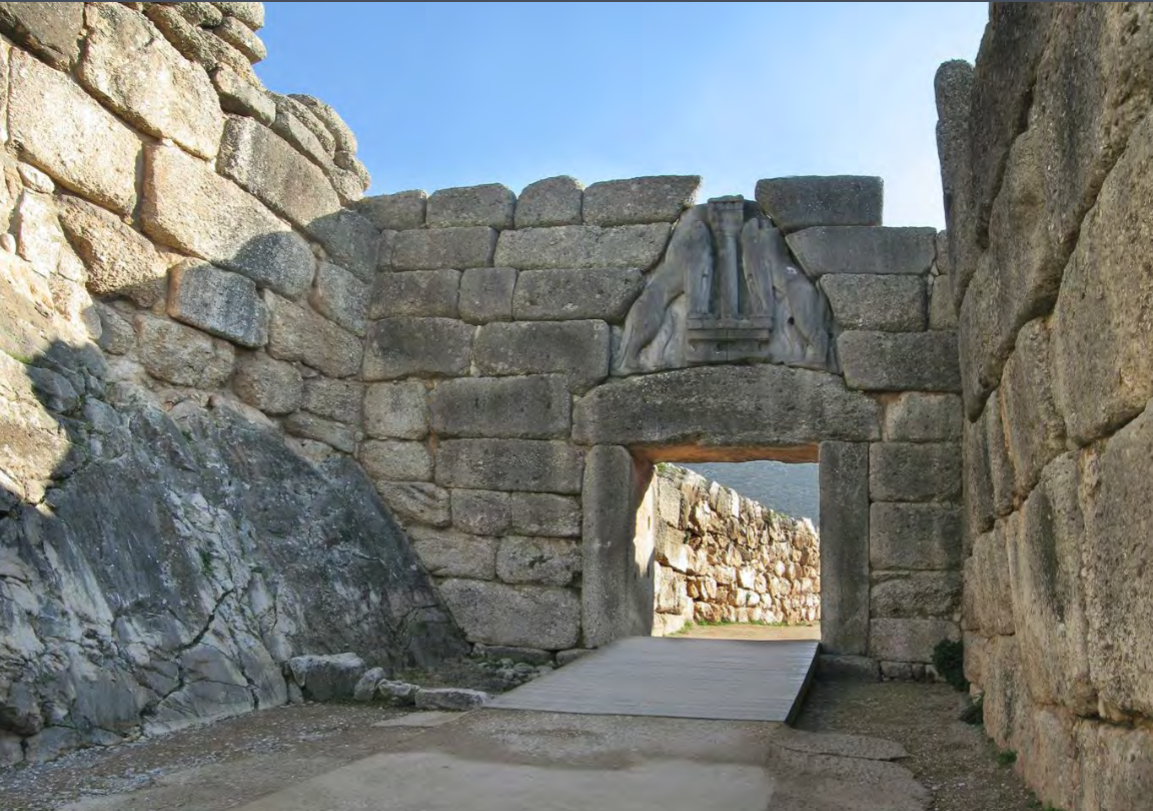
Lion Gate, Citadel, Mycenae, Greece, 1250 BCE, Mycenaean
[limestone relief , 9 ½ feet high]
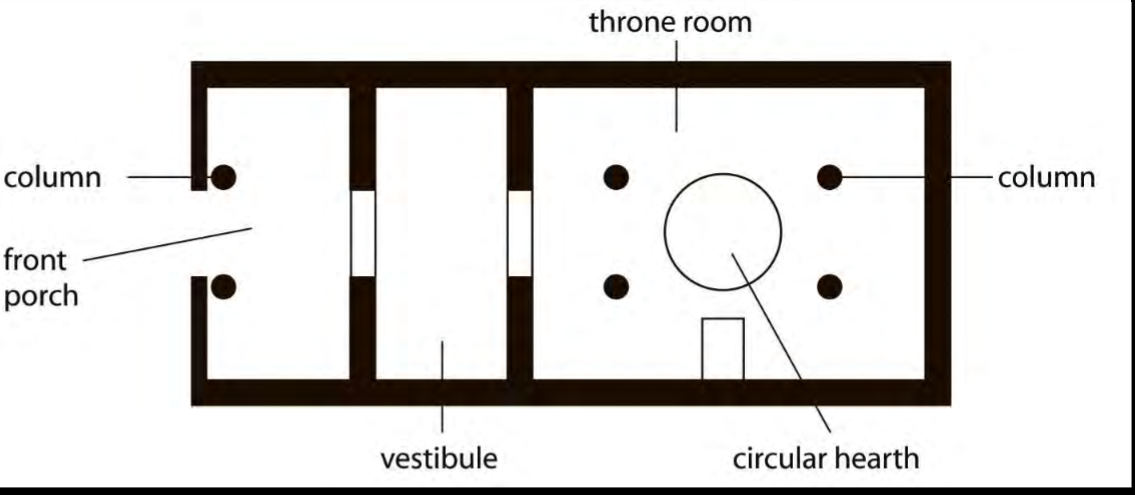
Megaron, Citadel, Mycenae,
Greece, 1600-1200 BCE,
Mycenaean


“Treasury of
Atreus,” Mycenae,
Greece, c. 1250
BCE, Mycenaean

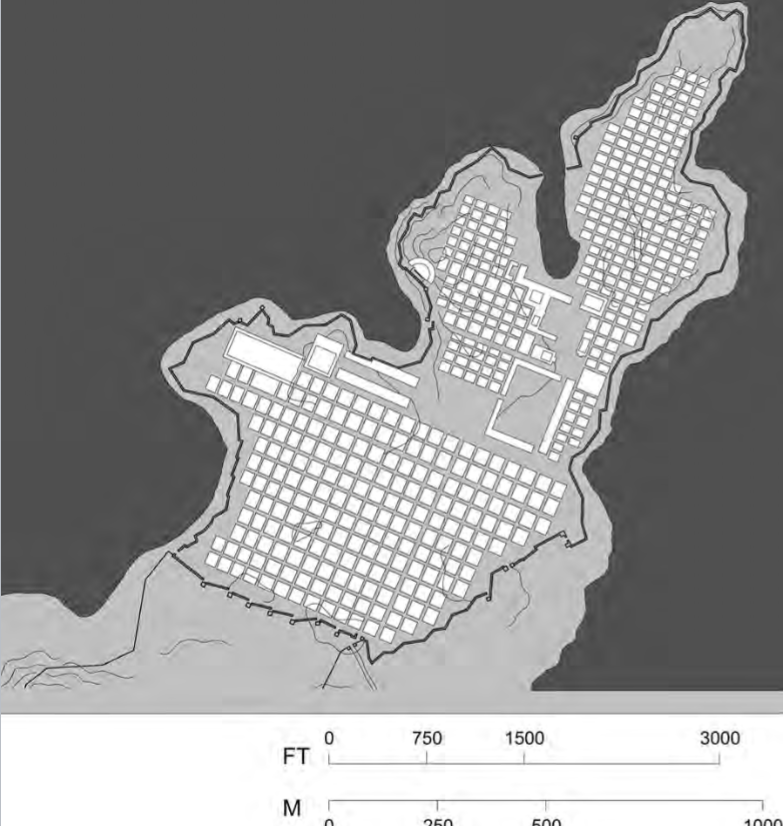
Hippodamian Plan of Miletus, (Western) Turkey, c470 BCE, Classical
Greek
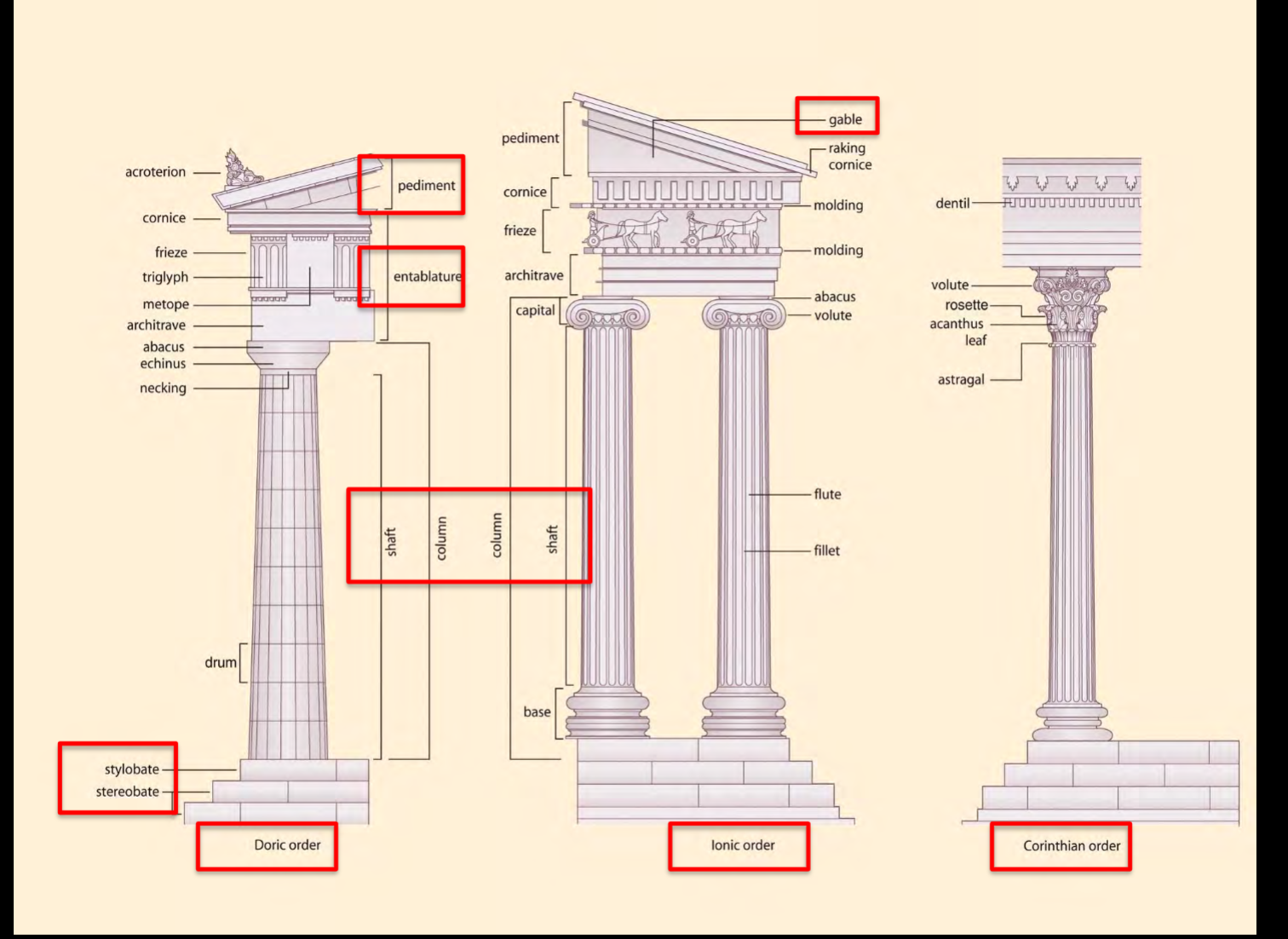
The Classical Orders & building parts in Greek Architecture

Parts of greek temples

The Acropolis of Athens, reconstruction plan in Classical period

Propylaia, Athens, Greece, 437-432 BCE, Classical Greek (designed by Mnesikles)

Parthenon, on the Acropolis, Athens, Greece, rebuilt 447-432 BCE,
Patron: Pericles (leader of Athens); Architects: Iktinos and Kallikrates; chief
sculptor: Phidias, Classical Greek

Reconstructions of the Athena Parthenos statue inside the cella of the
Parthenon; Chryselephantine statue by Pheidias (ca 432 BC)

Parthenon Inner Frieze: the inner frieze here is an anomaly (it is
unusual), making the Parthenon unique;
it shows the Panathenaic procession

The Erechtheion (on Acropolis),
Athens, Greece, 421-405 BCE ,
Classical Greece


Pont du Gard (aqueduct), Nimes, France, c. 19 BCE, Roman

Maison Carré, Nîmes, France, c20 BCE,
Imperial Roman


Roman Kit

Roman Forum/Forum Romanum
and the first imperial
fora (plural of
forum): each
emperor built his
own, successive
forum and the group
of buildings around
it: a basilica, a
temple, a memorial
statue, and usually
markets.

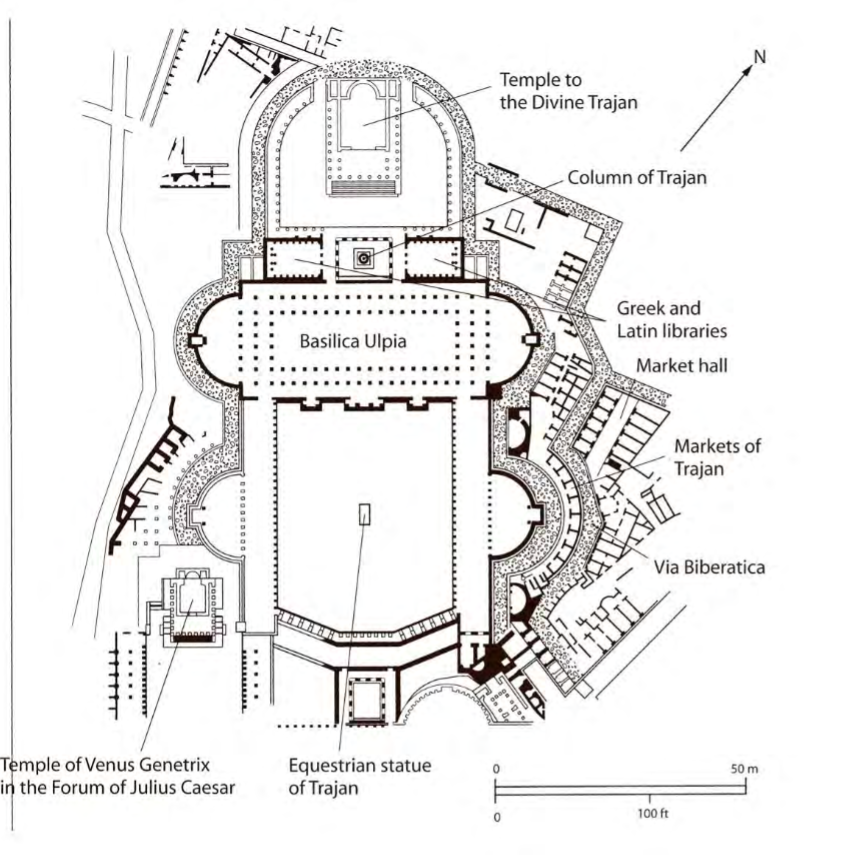
Forum of Trajan, Rome,
Italy (in the), 98-117 CE,
Patron: Emperor Trajan,
Architect: Apollodorus of
Damascus, Imperial
Roman

Basilica Ulpia, Rome, Italy (in the Forum of Trajan), 98-117 CE, Patron:
Emperor Trajan, Imperial Roman

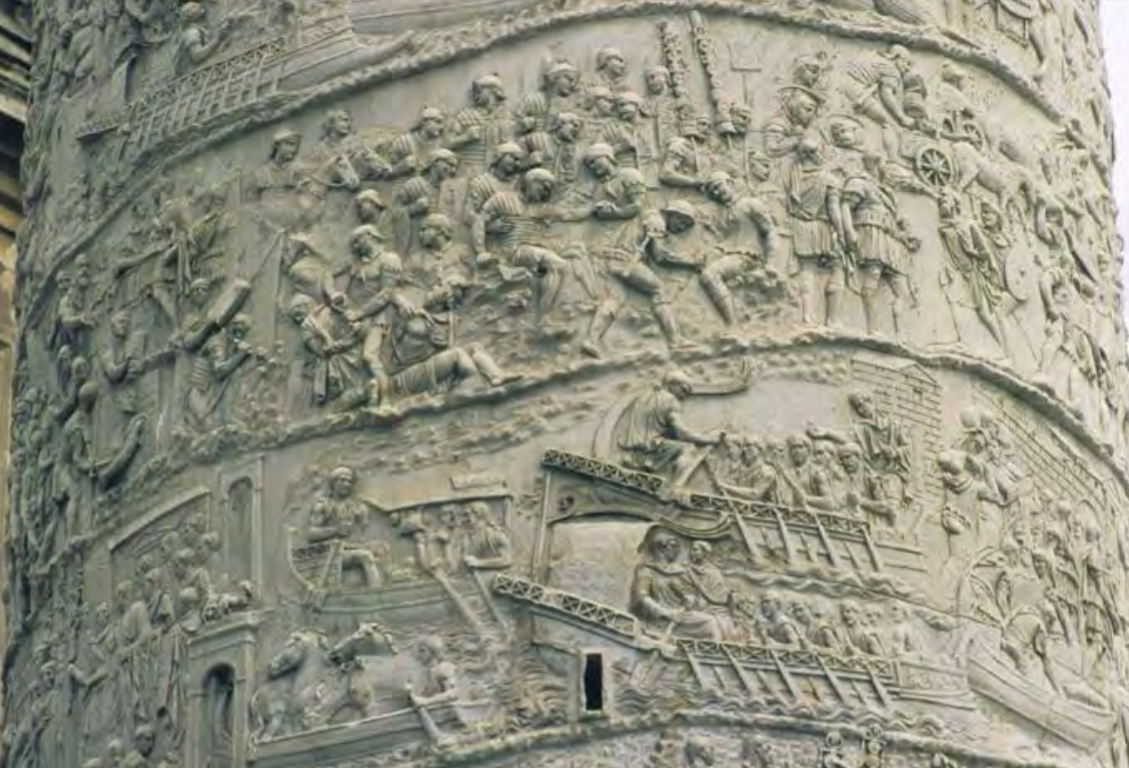
Column of Trajan, Rome, Italy, 113
CE, Patron: Emperor Trajan. Imperial
Roman

Markets of Trajan, Rome,
Italy (in the Forum of
Trajan), 98-117 CE, Imperial
Roman, Patron: Emperor
Trajan

Colosseum (actually called
the Flavian Ampitheater),
Rome, Italy, c. 70-82 CE,
Patron: Emperor Vespasian,
Imperial Roman

Baths of Caracalla, Rome, Italy, 212-
216 CE, patron: Emperor Caracalla,
Imperial Roman

Pantheon, Rome, Italy, 114-128 CE, patrons: Emperors Trajan and Hadrian,
Imperial Roman.

Pompeii, Italy, part of the empire from 80
BCE until its destruction by the eruption of
the Vesuvius volcano in c79 CE, Imperial
Roman

Arch of Constantine, sculpture phases
showing spolia from the “Good
Emperors” Rome, Italy, 315 CE,
Late Antique

The Christian Basilica/Old St. Peters Basilica


Church of the Holy Sepulcher, Jerusalem, Israel/Palestine, c320-26 CE,
Late Antique

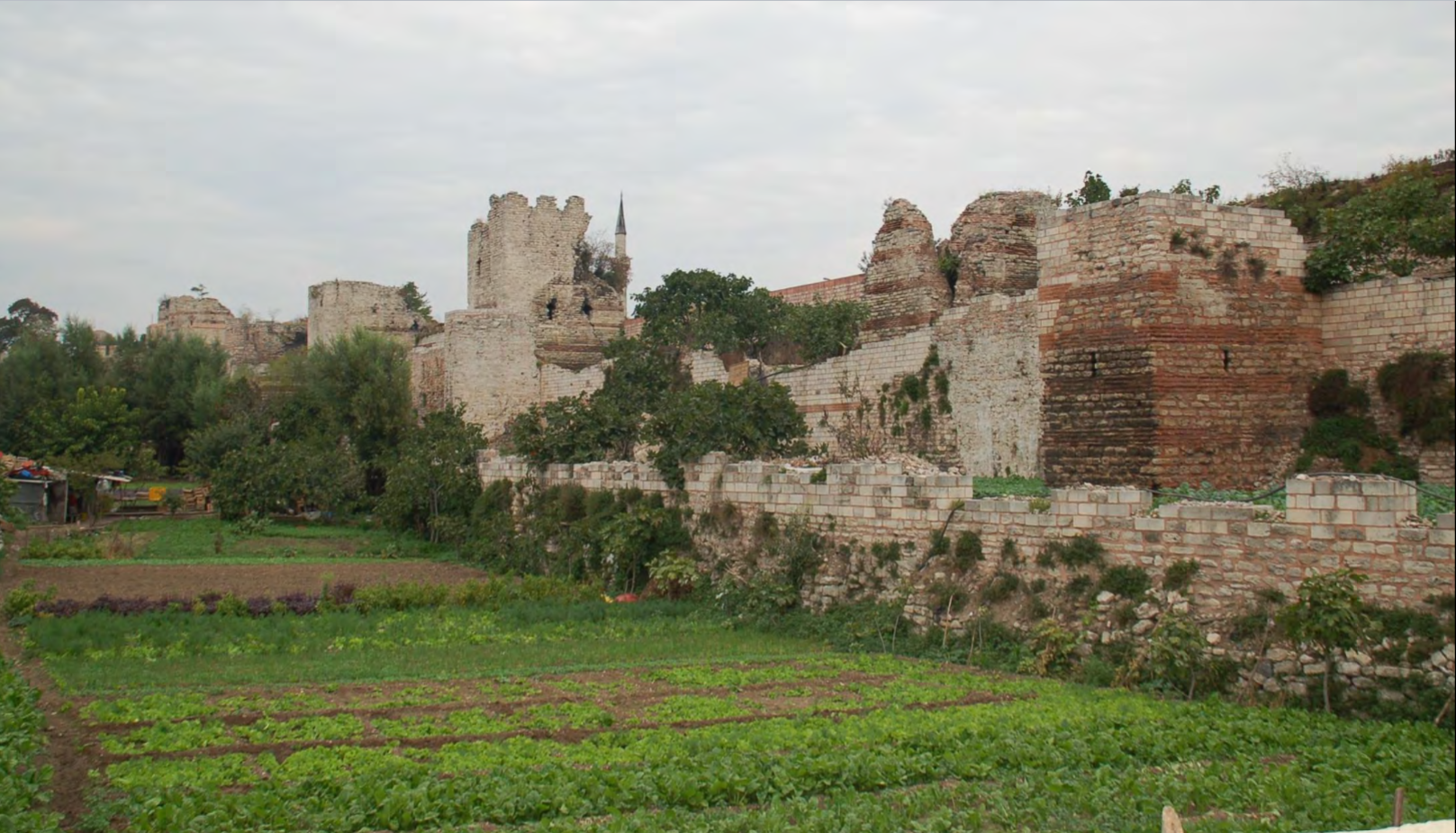
Land Walls of Theodosius II, Istanbul, Turkey, 412-415, Patron: Emperor,
Theodosius II, Early Byzantine


Hagia Sophia (“Holy Wisdom”), Istanbul, Turkey, 532-537, Patron: Emperor Justinian,
Architects: Anthemios of Tralles and Isidorus of Miletus,
Early Byzantine


Hagia Sophia, structural elements and spatial parts, combining
centralized and longitudinal aspects of design and planning
(unique in the ancient/medieval world to do this)

Hosios Loukas Monastery, Stiris, Greece, c 1020-1040, Middle Byzantine

Sainte Foy, Conques, France, ca.
1050-1120, Romanesque

Monastery of Sainte Foy,
Conques, France, 1050-
1120, Romanesque

Façade tympanum, Ste. Foy, Conques

Abbey Church of Saint Denis, (near)
Paris, France, 1140-44, Gothic

Cathedral of Notre Dame, Paris,
France, begun 1163 (choir), nave
after 1178, façade 1200-1250,
clerestory remodeled in early
thirteenth century. GOTHIC

The Sainte-Chapelle, Paris, France, 1242-8, Late Gothic. Patron: King (Saint) Louis
IX, as a private chapel for the court and repository for the precious relics of Christ