chapters 1,2,3 BIOL-K101
 Call Kai
 Learn
Learn Practice Test
 Spaced Repetition
 Match
Match Flashcards
 Knowt Play
1/62

There's no tags or description
Looks like no tags are added yet.
Name | Mastery | Learn | Test | Matching | Spaced | Call with Kai | Chat |
|---|
No analytics yet
Send a link to your students to track their progress
63 Terms
Why study biology:
-XX
-XX
-XX XX
Why study biology:
-Career
-Curiosity
-Technological relevance
Characteristics of life:
Made of XX
XX and XX
XX
XX XX / XX – making and breaking down molecules and producing energy
XX / XX – maintaining a stable internal environment, such as a constant body temperature
XX to the XX– responding to stimuli and changes in the surroundings
XX XX – populations change over generations in ways that help them survive and reproduce
Characteristics of life:
Made of cells
Growth and development
Reproduction
Energy processing / metabolism – making and breaking down molecules and producing energy
Homeostasis / regulation – maintaining a stable internal environment, such as a constant body temperature
Response to the environment – responding to stimuli and changes in the surroundings
Evolutionary adaptation – populations change over generations in ways that help them survive and reproduce
Themes of biology:
Life is based on the XX. A XX l is considered to be the smallest unit of life, and each cell contains within it a mechanism to pass information down to the next generation.
-There are two main types of cells, XX cells do not have a nucleus they are very small, simple, but incredibly complex so the DNA is contained within the cell, but no XX.
-XX cells, a XX cell has a nucleus. The nucleus contains the genome, which is DNA, and a variety of specialized features inside the nucleus.
Themes of biology:
Life is based on the cell. A cell is considered to be the smallest unit of life, and each cell contains within it a mechanism to pass information down to the next generation.
-There are two main types of cells, prokaryotic cells do not have a nucleus they are very small, simple, but incredibly complex so the DNA is contained within the cell, but no nucleus.
-Eukaryotic cells, a eukaryotic cell has a nucleus. The nucleus contains the genome, which is DNA, and a variety of specialized features inside the nucleus.
Emergent properties and regulation:
XX → XX → XX → XX and XX XX → XX → XX → XX → XX → XX
Organelles = structures inside cells, like the nucleus or mitochondria.
XX XX means that as these levels become more complex, new properties appear that were not present at the simpler level.
Emergent properties and regulation:
-Molecules
-Populations
-Community
-Ecosystems
-The biosphere
-Organs and organ systems
-Tissues
-cells
-Organells
2. Scientific process
a hypothesis must be XX.
Hypothesis→Prediction→Experiment→Collect/analyze data→Conclusion
Emergent properties and regulation:
Organelles → Cells → Tissues → Organs and organ systems → Organisms → Populations → Communities → Ecosystems → Biosphere
Organelles = structures inside cells, like the nucleus or mitochondria.
Emergent properties means that as these levels become more complex, new properties appear that were not present at the simpler level.
Emergent properties and regulation:
-Molecules
-Populations
-Community
-Ecosystems
-The biosphere
-Organs and organ systems
-Tissues
-cells
-Organells
a hypothesis must be testable.
Hypothesis→Prediction→Experiment→Collect/analyze data→Conclusion
Energy and life, structure and function
-If an organism has a particular XX, like a wing, a particular type of enzyme, or a particular type of protein, that probably has a XX as well.
-If you change it XX it may or may not XX like it did before. So structure and function go hand in hand.
-Energy and life go hand and hand to keep us alive every day. Hummingbirds use incredible amounts of energy, as you probably know, highest metabolism of any animal. We need a lot of energy everyday. Why is it that if you dont have oxygen you cant make energy. Whats the connection?
Energy and life, structure and function
-If an organism has a particular structure, like a wing, a particular type of enzyme, or a particular type of protein, that probably has a function as well.
-If you change it structurally it may or may not function like it did before. So structure and function go hand in hand.
-Energy and life go hand and hand to keep us alive every day. Hummingbirds use incredible amounts of energy, as you probably know, highest metabolism of any animal. We need a lot of energy everyday. Why is it that if you dont have oxygen you cant make energy. Whats the connection?
Evolution is the Unifying Theory of Biology
The theory of evolution explains that in any population of organisms, including a population of a class or of the city where you live, there will be individuals that have natural XX XX
Depending on the resources that are available to that population, certain individuals may or may not have XX XX, depending on the XX they find themselves in.
We can XX some aspects of our environment, but not all. Organisms that do not have the technological abilities that we do to control some aspects of the environment have even less XX over this.
In any population, some individuals will be more XX XX than others over time.
This allows organisms to become extremely well-adapted to their environment, as long as that environment stays the way it is.
Evolution does not mean that one organism is simply XX or XX, or more XX or less XX, as an entity all by itself.
Instead, the environment that the organism finds itself in makes it possible for some individuals to have XX XX, XX, and survival than others.
Evolution is the Unifying Theory of Biology
The theory of evolution explains that in any population of organisms, including a population of a class or of the city where you live, there will be individuals that have natural hereditary variation.
Depending on the resources that are available to that population, certain individuals may or may not have reproductive success, depending on the environment they find themselves in.
We can control some aspects of our environment, but not all. Organisms that do not have the technological abilities that we do to control some aspects of the environment have even less control over this.
In any population, some individuals will be more reproductively successful than others over time.
This allows organisms to become extremely well-adapted to their environment, as long as that environment stays the way it is.
Evolution does not mean that one organism is simply better or worse, or more fit or less fit, as an entity all by itself.
Instead, the environment that the organism finds itself in makes it possible for some individuals to have better growth, reproduction, and survival than others.
Unity and Diversity
Another aspect of unity and diversity is that, many times, in disparate organisms, you can find structures that are remarkably XX
Unity and Diversity
Another aspect of unity and diversity is that, many times, in disparate organisms, you can find structures that are remarkably similar.
The three domains of life:
-All life can be organized into three major domains. Two of those domains of life are XX, meaning that they are single cells with no nuclei. This includes the domain:XX, something like E-coli or salmonella. And a domain called the XX, and these are probably the first living organisms on the planet, they are single celled, no nucleus, but are much more related to eukaryotes they to prokaryotes.Examples of archae include salty lakes and boiling hot springs. The domain Archaea gave rise to the third domain, XX. We are in the domain XX. It includes animals, fungi, plants.
Bacteria | Archaea | Eukarya | |
|---|---|---|---|
Cell type | XX | XX | XX |
Nucleus | ❌ | ❌ | ✅ |
Membrane-bound organelles | ❌ | ❌ | ✅ |
Usually | XX | XX | Uni- or XX |
Examples | E. coli | Archaea | Animals, plants, fungi, protists |
The three domains of life:
-All life can be organized into three major domains. Two of those domains of life are prokaryotic, meaning that they are single cells with no nuclei. This includes the domain:Bacteria, something like E-coli or salmonella. And a domain called the archaea, and these are probably the first living organisms on the planet, they are single celled, no nucleus, but are much more related to eukaryotes they to prokaryotes.Examples of archae include salty lakes and boiling hot springs.
The domain Archaea gave rise to the third domain, Eukarya. We are in the domain eukarya. It includes animals, fungi, plants.
What is the chemical connection to Biology?
XX= made up of elements (one or more). Takes up mass and space.
XX=the smallest unit of matter that retains the properties of an element (ex:carbon, or oxygen)
XX=substance made entirely from one type of atom.
XX=substance consisting of two or more elements in a fixed ratio (Co2)
A XX has emergent properties different from its individual elements.
-XX, XX, XX, XX, make up 96.3% of all living organisms.
-The idea of emergent properties is that you would not have looked at these two and predicted that they were going to make this crystal solid material.
What is the chemical connection to Biology?
Matter= made up of elements (one or more). Takes up mass and space.
Atom=the smallest unit of matter that retains the properties of an element (ex:carbon, or oxygen)
Element=substance made entirely from one type of atom.
Compound=substance consisting of two or more elements in a fixed ratio (Co2)
A compound has emergent properties different from its individual elements.
-Carbon, oxygen, hydrogen, nitrogen, make up 96.3% of all living organisms.
-The idea of emergent properties is that you would not have looked at these two and predicted that they were going to make this crystal solid material.
All the mass of an atom is essentially in the XX made of a combination of XX and XX. The atomic mass number, thats the XX and XX combined, and its usually the average mass.
All the mass of an atom is essentially in the nucleus made of a combination of protons and neutrons. The atomic mass number, thats the protons and neutrons combined, and its usually the average mass.
Number of XX (+): atomic number, elements identity
Number of XX (-): equal to protons if an atom (uncharged)
Number of XX= often but not always equal to number of protons;
XX: differ by number of neutrons
Number of protons (+): atomic number, elements identity
Number of electrons (-): equal to protons if an atom (uncharged)
Number of neutrons= often but not always equal to number of protons;
Isotopes: differ by number of neutrons
Electrons determining the XX XX of an atom
-How will this atom react with other atoms and elements around? That is determine by the XX, and not just any XX, the electrons that are in its XX XX.
-In the first shell, up to XX electrons can fit.
-the second shell can take up to X
Valence electrons (in outermost shell)-XX XX
XX XX: Atoms are most stable when outermost electron shell has 8 electrons (2 for H and He)
Valence shells,XX XX.
-A key thing about oxygen is that it loves XX
-the third shell again can take XX.
Electrons determining the chemical reactivity of an atom
-How will this atom react with other atoms and elements around? That is determine by the electrons, and not just any electrons, the electrons that are in its outer shell.
-In the first shell, up to two electrons can fit.
-the second shell can take up to 8
Valence electrons (in outermost shell)-chemical reactivity
Octet rule: Atoms are most stable when outermost electron shell has 8 electrons (2 for H and He)
Valence shells, outermost orbital.
-A key thing about oxygen is that it loves electrons.
-the third shell again can take eight.
Valence electrons determine XX between atoms
Atoms with XX valence shells can share or transfer valence electrons with certain other atoms, creating XX XX.
Valence electrons determine bonding between atoms
Atoms with incomplete valence shells can share or transfer valence electrons with certain other atoms, creating chemical bonds.
Ionic bond: Electrons XX, not XX (NaCl)
-Cation:XX changed ion (XX an electron)
-Anion: XX charged ion(XX an electron)
-Ionic bond= XX between an XX and a XX (salt).
Ionic bond: Electrons transferred, not shared (NaCl)
-Cation:Positively changed ion (loses an electron)
-Anion:Negatively charged ion(gains an electron)
-Ionic bond=attraction between an anion and a cation (salt).
Covalent bond:electrons shared (CO2)
-non-polar covalent bond: Electrons shared XX(CH4)
-Polar covalent:Electrons shared XX (h20)
Covalent bond:electrons shared (CO2)
-non-polar covalent bond: Electrons shared equally(CH4)
-Polar covalent:Electrons shared unequally (h20)
Hydrogen bond: a XX attraction between XX molecules where a hydrogen atom that is XX bonded to an XX atom is attracted to another XX atom.
Individually XX
Collectively XX
Common electronegative atoms involved: O, N, and F.
Hydrogen bond: a weak attraction between two molecules where a hydrogen atom that is covalently bonded to an electronegative atom is attracted to another electronegative atom.
Individually weak
Collectively strong
Common electronegative atoms involved: O, N, and F.
Ionic bond: when atoms XX electrons
-When you put a sodium atom uncharged next to a chlorine atom, chlorine has 17 electrons. That remains just one electron left in its outermost shell. If sodium lost that third shell it would then satisfy the octet rule. Sodium will lose an electron and its going to have ten electrons. Chlorine picks up an electron, and turns negative. These are now ions.
Ionic bond: when atoms transfer electrons
-When you put a sodium atom uncharged next to a chlorine atom, chlorine has 17 electrons. That remains just one electron left in its outermost shell. If sodium lost that third shell it would then satisfy the octet rule. Sodium will lose an electron and its going to have ten electrons. Chlorine picks up an electron, and turns negative. These are now ions.
Covalent bonds:When atoms XX electrons
Most atoms are in the middle, when they bond together they start sharing electrons a lot of that is because there is not much electronegativity. When hydrogen forms a covalent bond, the electronegativity is the XX. Ones not pulling more than the other, they are XX that electron.
Methane and a lot of other lipids are mostly carbon molecules, so chains of carbon and hydrogen. Carbon has an electronegativity of 2.55, and hydrogen 2.20 the difference is very small so the electrons are generally pretty even across the atoms which leads to that XX activity.
Nonpolar covalent bonds (H2,O2,CH4)=electrons shared XX. No one entity is pulling any XX on those electrons than the other.
Covalent bonds:When atoms share electrons
Most atoms are in the middle, when they bond together they start sharing electrons a lot of that is because there is not much electronegativity. When hydrogen forms a covalent bond, the electronegativity is the same. Ones not pulling more than the other, they are sharing that electron.
Methane and a lot of other lipids are mostly carbon molecules, so chains of carbon and hydrogen. Carbon has an electronegativity of 2.55, and hydrogen 2.20 the difference is very small so the electrons are generally pretty even across the atoms which leads to that nonpolar activity.
Nonpolar covalent bonds (H2,O2,CH4)=electrons shared equally. No one entity is pulling any harder on those electrons than the other.
Polar covalent bonds:
-Not all electrons are shared XX
-XXis an atoms attraction for the electrons in a covalent bond
-Oxygen is the second most XX atom in the periodic table. In H20, Oxygen is more electronegative which makes the electrons hang out near oxygen more then oxygen which gives the oxygen end of the molecule whats called a partially XX. Hydrogen gets partially XX
-The more electronegative an atom, the more XX it pulls on XX XX
-Unequal sharing of electrons causes a partial positive or negative charge for each atom or molecule=XX XX XX
Polar covalent bonds:
-Not all electrons are shared equally
-Electronegativity is an atoms attraction for the electrons in a covalent bond
-Oxygen is the second most electronegative atom in the periodic table. In H20, Oxygen is more electronegative which makes the electrons hang out near oxygen more then oxygen which gives the oxygen end of the molecule whats called a partially negative. Hydrogen gets partially positive.
-The more electronegative an atom, the more strongly it pulls on shared electrons.
-Unequal sharing of electrons causes a partial positive or negative charge for each atom or molecule=polar covalent bond
Polar covalent bonds in a water molecule:
Every water molecule is XX XX to another one. So when you put molecules of water together, the partially XX oxygen ended will be drawn to the partially XX hydrogen end, which forms a XX XX.
Polar covalent bonds in a water molecule:
Every water molecule is hydrogen bonded to another one. So when you put molecules of water together, the partially negative oxygen ended will be drawn to the partially positive hydrogen end, which forms a hydrogen bond.
Chemical reactions break existing XX XX and form new XX XX, rearranging atoms into XX XX.
Chemical reactions break existing chemical bonds and form new chemical bonds, rearranging atoms into new substances.
-Water has XX XX, properties that you wouldn't expect by just one simple oxygen bonded to two hydrogens.
-XX came before life
-Water has emergent properties, properties that you wouldn't expect by just one simple oxygen bonded to two hydrogens.
-water came before life
Amazing property 1: XX sticks to XX
Water molecules are XX: form hydrogen bonds with each other and provides a definite structure that can support a living organism.
XX: Form hydrogen bonds with polar surfaces
Cohesion
XX sticks to XX
Caused by XX XX between water molecules
Cohesion helps water molecules XX XX
Cohesion → XX XX
Surface Tension
The surface of water resists being XX
Caused by cohesion
Water molecules at the surface are strongly attracted to other water molecules
Creates a XX, skin-like surface
Example: water forming droplets or small insects standing on water
Adhesion
Water sticks to other XX surfaces
Water can form hydrogen-bond attractions with other polar surfaces
Capillary Action
Movement of water through a narrow space
Caused by XX + XX
Adhesion: water sticks to the sides of the surface
Cohesion: water molecules pull other water molecules along
Overall Connection
XX XX bonds → Water is XX→XX XX →XX →XX XX
XX XX→ XX+ XX → XX XX
Amazing property 1: Water sticks to itself
Water molecules are cohesive: form hydrogen bonds with each other and provides a definite structure that can support a living organism.
Adhesive: Form hydrogen bonds with polar surfaces
Cohesion
Water sticks to water
Caused by hydrogen bonds between water molecules
Cohesion helps water molecules stay together
Cohesion → surface tension
Surface Tension
The surface of water resists being broken
Caused by cohesion
Water molecules at the surface are strongly attracted to other water molecules
Creates a tight, skin-like surface
Example: water forming droplets or small insects standing on water
Adhesion
Water sticks to other polar surfaces
Water can form hydrogen-bond attractions with other polar surfaces
Capillary Action
Movement of water through a narrow space
Caused by cohesion + adhesion
Adhesion: water sticks to the sides of the surface
Cohesion: water molecules pull other water molecules along
Overall Connection
Polar covalent bonds → Water is polar → Hydrogen bonds → Cohesion → Surface tension
Hydrogen bonds → Cohesion + Adhesion → Capillary action
Water expands on XX
-Water is one of the few compounds where the solid is XX XX than the liquid.
-Ice XX in liquid water because hydrogen bonds in ice are more “XX”, making ice less dense.
-Water reaches its greatest density at X degrees celsius.
Water expands on freezing
-Water is one of the few compounds where the solid is less dense than the liquid.
-Ice floats in liquid water because hydrogen bonds in ice are more “ordered”, making ice less dense.
-Water reaches its greatest density at 4 degrees celsius.
Water has high specific heat
-Water resists XX XX because high specific heat (1 cal/g/c) and high heat vaporization minimize XX XX.
-if you think about a pool in may, water has to absorb a huge amount of energy from the sun. So even if you have a couple of hot days thats not going to be enough to make the pool really warm. Because most of the energy from the sun goes into just making the hydrogen bonds move around more quickly.
-Water must absorb huge amounts of XX before changing temperature or undergoing a phase change.
-Specific heat: heat absorbed or lost for X G of that substance to change its XX by 1 degree celsius.
-Water has the highest heat of XX known (heat absorbed for 1 g to be converted to XX)
-XX XX: carries off heat energy to decrease temperature.
XX XX is how much energy it takes to change the temperature of water in a very specific amount.
Water has high specific heat
-Water resists changing temperature because high specific heat (1 cal/g/c) and high heat vaporization minimize temperature fluctuations.
-if you think about a pool in may, water has to absorb a huge amount of energy from the sun. So even if you have a couple of hot days thats not going to be enough to make the pool really warm. Because most of the energy from the sun goes into just making the hydrogen bonds move around more quickly.
-Water must absorb huge amounts of energy before changing temperature or undergoing a phase change.
-Specific heat: heat absorbed or lost for 1 g of that substance to change its temperature by 1 degree celsius.
-Water has the highest heat of vaporization known (heat absorbed for 1 g to be converted to gas)
-Evaporative cooling: carries off heat energy to decrease temperature.
Specific heat is how much energy it takes to change the temperature of water in a very specific amount.
Water is the XX of XX
-Our blood plasma is made of XX with a litlte water in it.
-A XX is a liquid that is a homogenous mixture of substances (saline)
-A XX is the dissolving agent of a solution
-The XX is the substance that is dissolved
-an aqueous solution is which water is the XX
-1 M Nacl=58.44 g/L (1 mole)
-1% NaCl= 1 gram in 100 mL(w/v)
Water is the solvent of life
-Our blood plasma is made of water with a litlte water in it.
-A solution is a liquid that is a homogenous mixture of substances (saline)
-A solvent is the dissolving agent of a solution
-The solute is the substance that is dissolved
-an aqueous solution is which water is the solvent
-1 M Nacl=58.44 g/L (1 mole)
-1% NaCl= 1 gram in 100 mL(w/v)
Water is an XX XX
What happens when you put something with an ionic bond in water?
What happens when you put something with a covalent bond in water?
Water is an Excellent Solvent
Sodium chloride in water
Sodium chloride has XX bonds.
The positively charged sodium is surrounded by the partially XX oxygen ends of water.
The negatively charged chloride is surrounded by the partially XX hydrogen ends of water.
Many water molecules pull the ions XX from each other, so the XX dissolves.
The sodium and chloride are still there, just separated and surrounded by XX.
Covalent molecules in water
Covalent bonds are extremely strong and usually can only be broken by XX or XX.
Water does not make a XX molecule fall apart into individual atoms.
Instead, water XX with the partially positive and partially negative parts of the molecule.
Proteins in water
Water forms hydrogen bonds with the XX parts of a XX.
Pretty soon, the protein is completely surrounded by water molecules.
This is called a hydration shell.
The protein stays together because its covalent bonds are not broken.
Main Difference
NaCl: the ions are XX XX and surrounded by XX/
Protein: the molecule stays XX but is surrounded by XX.
Water is an excellent solvent
What happens when you put something with an ionic bond in water?
What happens when you put something with a covalent bond in water?
Water is an Excellent Solvent
Sodium chloride in water
Sodium chloride has ionic bonds.
The positively charged sodium is surrounded by the partially negative oxygen ends of water.
The negatively charged chloride is surrounded by the partially positive hydrogen ends of water.
Many water molecules pull the ions away from each other, so the crystal dissolves.
The sodium and chloride are still there, just separated and surrounded by water.
Covalent molecules in water
Covalent bonds are extremely strong and usually can only be broken by enzymes or heat.
Water does not make a covalent molecule fall apart into individual atoms.
Instead, water interacts with the partially positive and partially negative parts of the molecule.
Proteins in water
Water forms hydrogen bonds with the polar parts of a protein.
Pretty soon, the protein is completely surrounded by water molecules.
This is called a hydration shell.
The protein stays together because its covalent bonds are not broken.
Main Difference
NaCl: the ions are pulled apart and surrounded by water.
Protein: the molecule stays together but is surrounded by water.
Which explanation best connects waters thermal behavior with its ability to dissolve substances such as NaCl and polar proteins
-Water resists temp change through extensive hydrogen bonding and dissolves ions or polar regions through charge attractions.
Which explanation best connects waters thermal behavior with its ability to dissolve substances such as NaCl and polar proteins
-Water resists temp change through extensive hydrogen bonding and dissolves ions or polar regions through charge attractions.
Water can spontaneously break into ions:(XX and XX)
Water molecules are always in XX, and will occasionally XX into protons (X) and XX ions (XX)
-1 L of pure water at any given tine gas 2 of these molecules for every billion water molecules
-Expressing this another wat we say that water has a pH of X
Water can spontaneously break into ions:(H+ and OH-)
Water molecules are always in motion, and will occasionally ionize into protons (H+) and hydroxide ions (OH-)
-1 L of pure water at any given tine gas 2 of these molecules for every billion water molecules
-Expressing this another wat we say that water has a pH of 7.
Life on Earth began in water and evolved there for 3 billion years before
spreading onto land.
• 3.1 The polarity of water molecules results in XX XX
• 3.2 Four emergent properties of water make water an ideal substance
for supporting life
1. XX XX
2. XX upon XX
3. Ability to moderateXX
4. Versatility as a XX & XX
• 3.3 Dissociation of XX molecules leads to XX and XX
conditions
Life on Earth began in water and evolved there for 3 billion years before
spreading onto land.
• 3.1 The polarity of water molecules results in hydrogen bonding
• 3.2 Four emergent properties of water make water an ideal substance
for supporting life
1. Cohesive behavior
2. Expansion upon freezing
3. Ability to moderate temperature
4. Versatility as a solvent & pH
• 3.3 Dissociation of water molecules leads to acidic and basic
conditions
Acids: Add XX to a solution, raising the {XX}
Battery acid: pH: 0.1 MH+
Stomach acid: pH 0.01 MH+
vinegar : pH 3 0.001 MH+
Acids: Add H+ to a solution, raising the {H+}
Battery acid: pH: 0.1 MH+
Stomach acid: pH 0.01 MH+
vinegar : pH 3 0.001 MH+
Bases: accept XX ions (or release XX ions) into solution, lowering the [XX]
-ammonia pH 12:0.000001 MH+
Bases: accept H+ ions (or release OH- ions) into solution, lowering the [H+]
-ammonia pH 12:0.000001 MH+
Buffers: readily accept or donate XX or XX, keeping pH relatively XX.
Buffers: readily accept or donate H+ or OH-, keeping pH relatively stable.
Any compound that you can pour into water that will add hydrogens to the solution is called an XX. Molecules or compounds that you could pour into water and either decrease the number of H’s or add OH’s to the solution, those are called xx and will make the solution more alkaline.
H+ and OH- must be added to XX
Any compound that you can pour into water that will add hydrogens to the solution is called an acid. Molecules or compounds that you could pour into water and either decrease the number of H’s or add OH’s to the solution, those are called bases and will make the solution more alkaline.
H+ and OH- must be added to -14
Carbon can bond to XX other atoms or groups of atoms, making a XX variety of molecules possible.
Carbon can bond to four other atoms or groups of atoms, making a large variety of molecules possible.
Life is based on the XX XX backbone
Carbon has the ability to form X bonds with other atoms creating carbon skeletons (particullary XX)
Carbon has XX valence electrons
Life is based on the carbon hydrogen backbone
Carbon has the ability to form 4 bonds with other atoms creating carbon skeletons (particullary hydrocarbons)
Carbon has four valence electrons
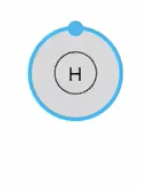
Hydrogen
valence -> X
Hydrogen
valence -> 1

Oxygen-> Valence->X
Oxygen-> Valence->2

Nitrogen-> valence X
Nitrogen-> valence 3

Carbon-> valence X
Carbon-> valence 4
One way you can name hydrocarbons is by XX a two carbon compound is XX, a three carbon compound is XX, a four carbon compound is XX, five carbon compound is XX.
One way you can name hydrocarbons is by length a two carbon compound is ethane, a three carbon compound is propane, a four carbon compound is butane, five carbon compound is pentane.
Another way you can describe a hydrocarbon is whether they XX or not. If they have the same number of atoms but are branched, they are called XX of each other. They have the same chemical formula but a different XX of the atom. So butane has 4 carbons and 10 hydrogens, so the chemical formula is C4H1. Isobutane is an isomer of butane, instead of having all four carbons in a long line, you have one of them sticking up as a branch.
Another way you can describe a hydrocarbon is whether they branch or not. If they have the same number of atoms but are branched, they are called isomers of each other. They have the same chemical formula but a different arrangement of the atom. So butane has 4 carbons and 10 hydrogens, so the chemical formula is C4H1. Isobutane is an isomer of butane, instead of having all four carbons in a long line, you have one of them sticking up as a branch.
third way you can think about carbon skeletons is do they have a XX XX and where is it? Four carbon sounds like butane, but if you add a double bond it is now called butene so e and e represents a structure with a double bond.
third way you can think about carbon skeletons is do they have a double bond and where is it? Four carbon sounds like butane, but if you add a double bond it is now called butene so e and e represents a structure with a double bond.
Another way is the presence of XX, so benzene is a six member carbon ring, where theres a double bond every other position in the ring, and there are 6 hydrogens, cyclohexane is also a six carbon ring, but every place you could possibly stick a hydrogen there is one.
Another way is the presence of rings, so benzene is a six member carbon ring, where theres a double bond every other position in the ring, and there are 6 hydrogens, cyclohexane is also a six carbon ring, but every place you could possibly stick a hydrogen there is one.
There is an endless variety of molecules you can make just with XX and XX. You can name hydrocarbons by there XX, whether they XX or not, by the position of the XX XX, and whether they form XX.
There is an endless variety of molecules you can make just with carbon and hydrogen. You can name hydrocarbons by there length, whether they branch or not, by the position of the double bonds, and whether they form rings.
Isomers= same XX, different XX
Isomers= same formula, different structures
Structural isomers= same XX XX, different XX XX of atoms (glucose vs fructose)
Structural isomers= same chemical formula, different covalent arrangements of atoms (glucose vs fructose)
Cis means on the XX side so it means whatever this entity X is it is on the same side as the double bond. You don't talk about cis or trans unless you have a XX XX to compare it to. If it is the trans configuration, trans means XX so in that case, the X are on opposite sides of the double bond. Are those the same molecules, no.
Cis means on the same side so it means whatever this entity X is it is on the same side as the double bond. You don't talk about cis or trans unless you have a double bond to compare it to. If it is the trans configuration, trans means opposite so in that case, the X are on opposite sides of the double bond. Are those the same molecules, no.
Cis-trans isomers=XX covalent bonds but differ in XX XX
(ie:trans fats in foods)
Cis-trans isomers=Same covalent bonds but differ in spatial arrangements
(ie:trans fats in foods)
Enanitomers=
Isomers that are XX XX of each other (L-dopa vs D-dopa)
Enanitomers=
Isomers that are mirror images of each other (L-dopa vs D-dopa)
Enantiomers is when you have a molecule that has a XX carbon atom, they have the same number of XX but the atoms are arranged in mirror image configuration. You know that your left and right hands are mirror images of each other. Compounds or isomers that are mirror image they can only come together if you fold them toward each other, you cant superimpose them.
Enantiomers is when you have a molecule that has a central carbon atom, they have the same number of atoms but the atoms are arranged in mirror image configuration. You know that your left and right hands are mirror images of each other. Compounds or isomers that are mirror image they can only come together if you fold them toward each other, you cant superimpose them.
Enantiomers are important in the pharmaceutical industry
-two enantiomers of a drug may have different effects. Structure=function
-Usually only one isomer or enantiomer is biologically active.
Enantiomers are important in the pharmaceutical industry
-two enantiomers of a drug may have different effects. Structure=function
-Usually only XX isomer or enantiomer is biologically active.
The Miller-Urey Experiment:
Stanley miller and harold urey stimulated reducing atmosphere conditions on the early earth.
Organic compounds may have been synthesized
abiotically (before XX XX) on the early Earth,
setting the stage for the origin of life
-To stimulate conditions that would have been present on the early earth and then see what kinds of molecules were available. They took gases that they were thought to exist, they took methane and ammonia, water and hydrogen gas. When they added lightening they broke the covalent bonds between carbon, hydrogen, nitrogen, and between the two hydrogens. After two days they found urea which is an organic compound, they were able to show that amino caids could be formed after two days. When they added CO2, ribose which is one of the two sugars in DNA AND RNA was made then they got over 20 amino acids.
-Their conclusion was not, we have created life. They showed that you could create all the building blocks for life using conditions that were easily imagined on the early earth. They concluded that organic compounds can be synthesized in the absence of a living organism to make them.
The Miller-Urey Experiment:
Stanley miller and harold urey stimulated reducing atmosphere conditions on the early earth.
Organic compounds may have been synthesized
abiotically (before life existed) on the early Earth,
setting the stage for the origin of life
-To stimulate conditions that would have been present on the early earth and then see what kinds of molecules were available. They took gases that they were thought to exist, they took methane and ammonia, water and hydrogen gas. When they added lightening they broke the covalent bonds between carbon, hydrogen, nitrogen, and between the two hydrogens. After two days they found urea which is an organic compound, they were able to show that amino caids could be formed after two days. When they added CO2, ribose which is one of the two sugars in DNA AND RNA was made then they got over 20 amino acids.
-Their conclusion was not, we have created life. They showed that you could create all the building blocks for life using conditions that were easily imagined on the early earth. They concluded that organic compounds can be synthesized in the absence of a living organism to make them.
What are the major functional groups?
Groups of organic molecules added to a XX that are involved in all variety of XX XX associated with life! Most=confer XX XX
What are the major functional groups?
Groups of organic molecules added to a hydrocarbon that are involved in all variety of chemical reactions associated with life! Most=confer water solubility
Something that is just carbon-hydrogen in the right proportions thats a great organic molecule, but as a hydrocarbon like that, just carbon and hydrogen its not going to be soluble in water. Theres nothing that it would interact with a polar water molecule. A functional group is a chemical group thats added to a hydrocarbon molecule to give it some additional properties. A main property is water solubility or just polarity.
Something that is just carbon-hydrogen in the right proportions thats a great organic molecule, but as a hydrocarbon like that, just carbon and hydrogen its not going to be soluble in water. Theres nothing that it would interact with a polar water molecule. A functional group is a chemical group thats added to a hydrocarbon molecule to give it some additional properties. A main property is water solubility or just polarity.
When something has a hydroxyl group we call it an XX. If you see an OH know that it should be a hydroxyl group.
When something has a hydroxyl group we call it an alcohol. If you see an OH know that it should be a hydroxyl group.

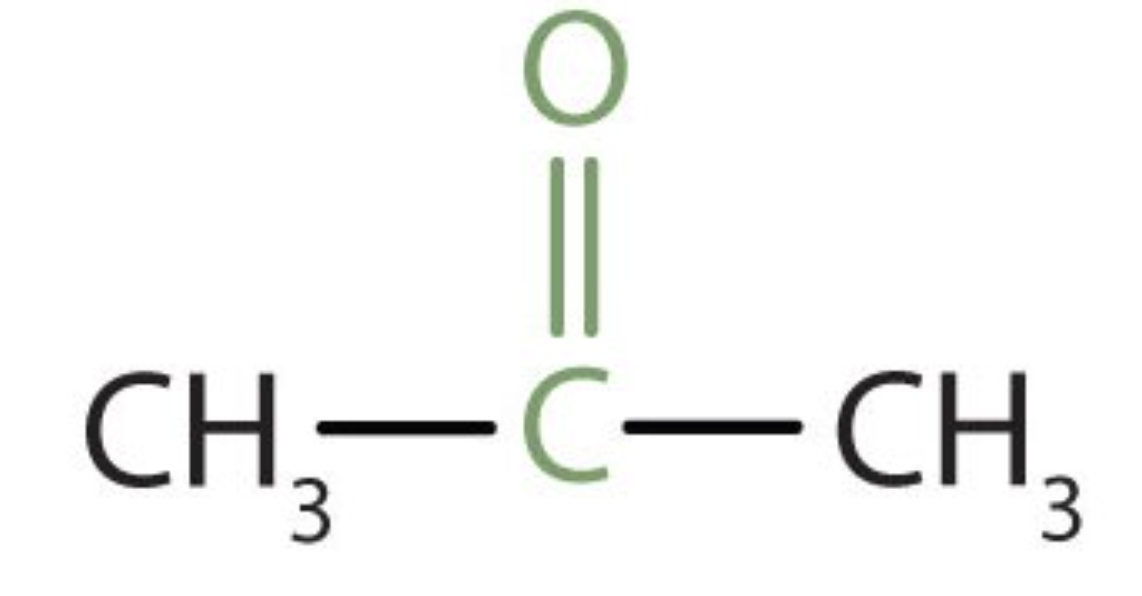
C double bond O, Carbon Two bonds and and an O. This is the XX group. They come in two types, if the C double bond O is at the very end of an organic molecule you would call it an XX. If its not at the end but centered somewhere in the middle or just anywhere thats not the end you call it a XX. XX and XX are examples. Glucose is an XX, sugar. XX is a ketone sugar.
C double bond O, Carbon Two bonds and and an O. This is the carbonyl group. They come in two types, if the C double bond O is at the very end of an organic molecule you would call it an aldehyde. If its not at the end but centered somewhere in the middle or just anywhere thats not the end you call it a ketone. Fructose and glucose are examples. Glucose is an aldehyde, sugar. Fructose is a ketone sugar.

Carboxylic acid: C double bond O with an OH. These are organic acids. If its at the end of a molecule that immediately makes it an XX. As an acid, acids can donate XX, protons to a solution. As an acid, it has the ability to knock off that last proton, put it into solution, and under certain conditions it can absorb it again. You can draw this as C double bond, O, OH. C double bond O, O minus. Or at the end of a molecule and just indicate COOH or COO-.
Carboxylic acid: C double bond O with an OH. These are organic acids. If its at the end of a molecule that immediately makes it an acid. As an acid, acids can donate hydrogens, protons to a solution. As an acid, it has the ability to knock off that last proton, put it into solution, and under certain conditions it can absorb it again. You can draw this as C double bond, O, OH. C double bond O, O minus. Or at the end of a molecule and just indicate COOH or COO-.
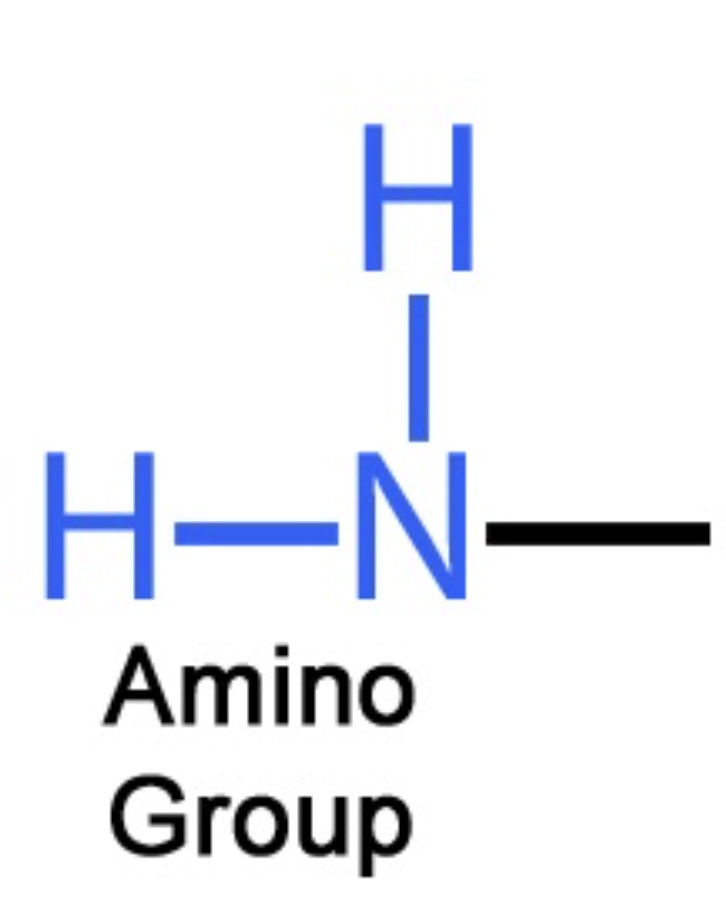
Amino group: XX. XX. Ammonia would have an amino group. Because they act as XX, they have the ability to pick up protons from solution and become XX and they can donate them back to the solution as needed. You have write these as XX or XX. The simplest amino acid is XX
Amino group:polarity. Bases. Ammonia would have an amino group. Because they act as bases, they have the ability to pick up protons from solution and become NH3+ and they can donate them back to the solution as needed. You have write these as NH2 or NH3+. The simplest amino acid is Glycine.

Anything that has an SH is called a XX.Soluble polarity.
Anything that has an SH is called a thiol.Soluble polarity.

Organic phosphate:polar, xx has three.
Organic phosphate:polar, atp has three.
Methyl group:XX “cloak molecules from the XX.
Methyl group:nonpolar, “cloak molecules from the cytoplasm.

Functional Group | Structure | Main Characteristics |
|---|---|---|
Hydroxyl | –XX | XX, increases XX XX; compounds with hydroxyl groups are called XX |
Carbonyl | XX | XX; XX if at the end of a molecule, XX if within the molecule |
Carboxyl | XX | XX; can donate X; can become XX |
Amino | XX | XX; can accept XX and become XX⁺; XX |
Sulfhydryl | XX | Also called a XX; XX and helps with XX XX |
Phosphate | XX | XX/XX; increases water XX; found in molecules such as XX |
Methyl | XX | XX; does not increase XX XX; can “XX” molecules from the cytoplasm |
Characteristics of the 7 Functional Groups
Functional Group | Structure | Main Characteristics |
|---|---|---|
Hydroxyl | –OH | Polar, increases water solubility; compounds with hydroxyl groups are called alcohols |
Carbonyl | C=O | Polar; aldehyde if at the end of a molecule, ketone if within the molecule |
Carboxyl | –COOH | Acidic; can donate H⁺; can become –COO⁻ |
Amino | –NH₂ | Basic; can accept H⁺ and become –NH₃⁺; polar |
Sulfhydryl | –SH | Also called a thiol; polar and helps with water solubility |
Phosphate | –OPO₃²⁻ | Polar/charged; increases water solubility; found in molecules such as ATP |
Methyl | –CH₃ | Nonpolar; does not increase water solubility; can “cloak” molecules from the cytoplasm |