Exam 1 Pt. 2
 Call Kai
 Learn
Learn Practice Test
 Spaced Repetition
 Match
Match Flashcards
 Knowt Play
1/58

There's no tags or description
Looks like no tags are added yet.
Name | Mastery | Learn | Test | Matching | Spaced | Call with Kai | Chat |
|---|
No analytics yet
Send a link to your students to track their progress
59 Terms
Health effects of overweight and obesity
Coronary heart disease
Type 2 diabetes
cancers (endometrial, breast, colon)
Hypertension (HBP)
BMI
BMI: Weight (kg) / Height² (m²)
<18.5 = underweight
18.5-24.9 = normal/healthy
25-29.9 = overweight
>30 = obese
Doesn’t take into account body form and shape
Waist circumference
40 in for men
usually apple, higher risk
35 in for women
usually pear, lower risk
Not diagnostic of body fatness or health of individual
Taking into account muscle with weight
More muscle → more water → heavier
Body shape and overall health status should be considered on top of BMI
How fat cells behave (pathogenesis of adipocytes)
Endocrinopathy: hormonal abnormality (rare) → obesity = abnormal hormone levels (small percent)
Thermogenesis: obese people use energy more efficiently than healthy
Lipoprotein Lipase (LPL): higher rate of fat uptake from circulating plasma triglyc.
Viral infection: SMAM-1, avian adenovirus, AD-36, threefold body weight gain & more significant fat gain (rare)
Fully formed fat cells will not decrease in number/will only shrink
Fat cells and hormones (endocrine organs)
Leptin the satiety hormone: in hypothalamus - promotes energy balance, suppresses appetite, inc. energy expenditure
Adipose tissue releases this
Obese people have defect on this
Ghrelin
Secreted by stomach cells, inc. appetite
Promotes + energy balance (inverse correlation with body weight)
Psychological mindset influences ghrelin’s respons eto a meal
mindset of indulgence inc. satiety
promote sleep
Upcouples proteins
Environmental factors
Reflects interaction btw genes and the environment
overeating
eating patterns
food availability
serving sizes → restaurant food
Therapy for obesity
Dietary management: impaired absoption - blocking intestinal absorption/non-digestible fat substitute
compensating weight loss for protein
Exercise
Appetite suppressant (fenfluramine and phentermine)
inhibit dietary lipid absorption (orlistat)
Surgical treatment (short bowel procedure, gastric surgery, lipectomy)
Better eating patterns
500/750 kcal/day
nutritional adequacy: rapid weight loss → loss of lean tissue → lower BMR → rapid weight regain when returning to normal cal intake
small portions
slow down
based on portion size → volumetric
Nutrient dense food
High levels of nutrients but with few calories
average cal/weight
Satiety
satisfied feeling of being full after eating
Protein: highest satiety value, support maintenance of lean body mass, generate food intake-related physiological responses
Carb: intermediate value. Higher glycemic index, less satiety
fat-gastric distention (fat paradox): least satiety value, most calories
Energy density
caloric value of a food/unit weight or volume
fiber lowers energy density
Eating in the morning
Produces greatest satiety and a lower total energy intake overall during the day
Environmental/behavioral modications
Atmosphere (lightig and decor)
Accessibility (ease and convenience)
Socializing (eating more w/ others)
Distractions (TV)
Having choices to eat
package/portion size
serving containers
Seeing your progress
Behavior and attitude
Positive, matter-of-fact attitude
Keeping track of behaviors
Small, time-specific goals
Rewards
Practice
Surgery for obesity
Gastric bypass: bypassing stomach and duodenum to jejunum
Intragastric balloon: controls feelings of fullness via band around top of stomach - tightened or loosened via adding/removing fluid
Gastric aspiration: contents of stomach 20-30 min emptied after each meal
Liposuction: removed fat deposit
No long term data
3 factors that use calories
BMR: amount of energy in cal that a person needs to keep body functioning at rest
60-75% of caloric requirement
declines with ageing
Thermogenesis: keeping body temperature
exercise
non-exercise related
diet-induced: eat something → gi system moves → creates heat → you get warmer
Factors affecting BMR
Inc BMR
tall, thin people
children, adolescent, pregnant women
more lean tissue
fever
stresses
nicotine
caffeine
PMS
Dec. BMR
cold
fasting
malnutition
sleep
Female calorie needs
19-20, 21-25: 2,000-2,400 cal
Male calorie needs
19-20, 21-25: 2,600-3,000 cal
Benefits of physical activity
Maintain weight
reduce HBP
reduce risk of type 2 diabetes, heart attack, stroke, cancer
Reduce arthritis pain, associated disability (rheumatoid arthritis)
Reduce risk for osteoporosis and falls
Reduce symptoms of depression and anxiety
Weight maintenance
Hard to know what leads to successful weight loss…however…: Exercise, careful eating patterns, self-monitoring
Maintained for at least a year
Social consequences/feelings
80-85% who lose weight likely to gain weight back
Fat alternatives: carb-based
cellulose, inulin, beta-glucan, pectin, resistant starch
oatrim (hydrolyzed oat flour)
Fat alternatives: protein-based
microparticulated proteins
Fat alternatives: fat-based
salatrim: short and long chain acid triglyc. molecules (5kcal/g)
short chain → less cal
long chain is mostly stearic acid → harder to digest → no absorption
caprenin: poorly absorbed fatty acids (5kc/g)
olestra (synthetic): sucrose molecule w/ fatty acids, 0kcal/g
cramps, gas, blatoing, diarrhea
Pancreatic lipase inhibitor
Blocks lipase from breaking down fat → no absorption and goes to waste
How to increase energy expenditure → lower fat
stimulating theromogenesis:
methylxanthines: CNS stimulants, adenosine receptor antagonists, bronchodilators (caffeine, theophylline, theobromine)
pungent ingredients (ginger, chiles, mustard)
tea (catechin teoline)
pinolenic acid: polyunsat fat that suppresses appetite and regulates satiety hormones
conjugated linoleic acid
reduce fat mass + inc. energy expenditure
weight maintenance
ephedra sinica (Ma Huang)
ephedrine & pseudoephedrine (not recc)
decreases BMI, tightens congestion, increases BP
thyroid supplement (not recc)
Circulatory system
Delivers oxygen, nutrients, and other substances to all body’s cells and to remove waste products of cellular metabolism
pulmonary circulation
systemic circulation
Order in decreasing BP: arteries → capillaries → veins
veins have valves that make blood flow in one direction
muscle contractions control blood flow
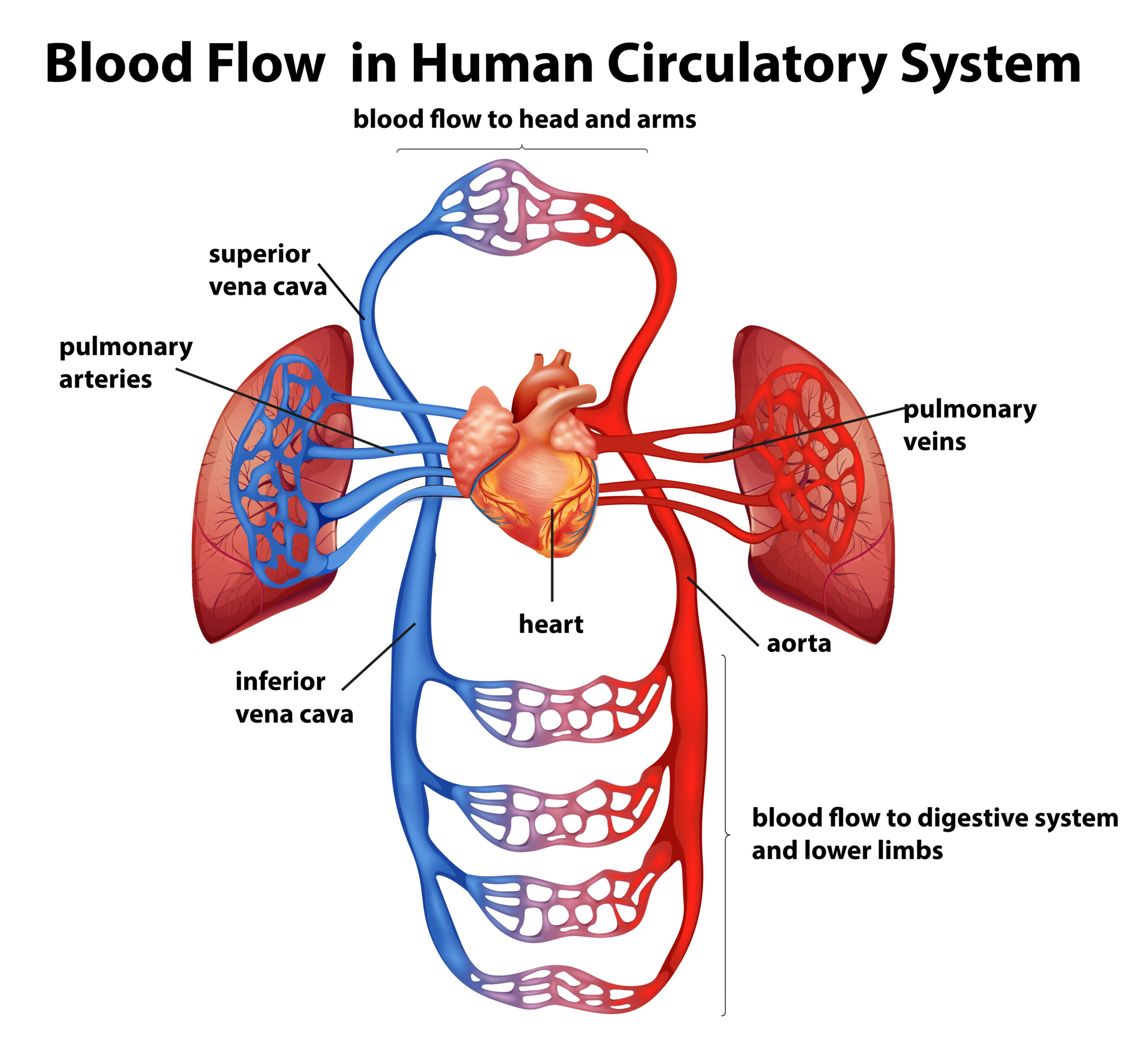
Pulmonary circulation
Pathway that moves deoxygenated blood from right side of the heart to the lungs, and returns oxygenated blood to the left side of heart (blue to red)
mostly deoxygenated blood
removes CO2, picks up O2
Systemic circulation
Carries oxygen-rich blood from the heart to the rest of the body + returns oxygen-depleted blood back to the heart
delivers O2 and nutrients, collects waste

Heart
70 bpm
Right atrium (receiving) + right ventricle (pumps out)
left atrium (receiving) + left ventricle (pumps out)
coronary circulation: heart pumps for itself
valves: control blood flow
Right side only connected to lung, left side is connected to everything else (high bp, thicker muscle)
Cardiac cycle
the complete sequence of contraction and relaxation that the heart goes through during one single heartbeat
diastolic pressure: low, relaxing, blood flows in
systolic pressure: high, muscle contracts, blood flows out
Cardiac action potentials
Sinoatrial node (SA node): electrical impulses to pump independent from the brain
Hematologic system
Delivery of substances needed for cellular metabolism in the tissues
defense against invading microorganisms and injury
acid-base balance
Consists of cells and proteins 45-50% formed elements and the rest is plasma/serum
Cellular components
erythrocytes
leukocytes
thrombocytes
erythrocytes
red blood cells: hemoglobin (iron), transports oxygen and CO2
non-nucleated disk
120 day life span
most abundant cells of blood!
leukocytes
white blood cells: immune cells with neutrophils that fight infection
mixture of many cell types → inflammatory and immune response
neutraphils have life span of 4 days
granulocytes
agranulocytes
thrombocytes
blood fragments drive homeostasis and blood clotting
fragmentation of very large cells, megakaryocytes
10 day life span
platelets
exposing positive charge to protein
platelet gets activated → coagulating properties get activated
other cells block, platelets themselves don’t coagulate
9-10 rxns to create complex
vit K
calcium
fish oil
Lymphatic system
Lymphatic vessels and lymphoid tissues
Body’s drainage and immune surveillance network
starts from tissue
vein before heart that joins with circulatory system
functions:
recovery of extra fluid (3L doesn’t get repurposed)
filtration of fluid (before gets into circulatory system)
Primary lymphoid organs
thymus (T-lymphocytes): Receives immature T-cell precursors from the bone marrow.
bone marrow (B-lymphocytes): Acts as the maturation site for B lymphocytes (B cells).
Secondary lymphoid organs
spleen: blood filtration, immune response, blood reservoir
lymph nodes: tiny filters in immune system that trap germs, clear out waste from fluid, help body fight infection
tonsils: frontline defense to trap and fight off germs
Defenses against infection
First line of defense: mechanical barriers, chemical barriers
microflora
Second line of defense: inflammation response, phagocytosis (cell uses plasma to engulf virus)
soluble factors
Third line of defense: specific immune responses, natural killer cells
Inflammation
Non-specific responses: biochemical and cellular process that occurs in vascularized tissues
Redness, swelling, heat, pain, loss of function (non-specfic)
destroys injurious agents and remove them from inflammatory site
confine injurious agent
stimulate and enhance immune responses
promote healing
Inflammation swelling
Blood vessels dilate, inc. blood flow to the area
Vascular permeability increased, resulting in outward leakage of plasma
Adhere to inner walls of vessels, migrate through vessel walls to site of injury
How white blood cells work when theres a cut
Neutrophils → eat infection, some die → pus
Manifestations of inflammation
local & non-specific: defense phase of healing
chronic inflammation: lasts longer than 2 weeks
Fever, leukocytosis (high white blood cells), inc. plasma protein
resolution & repair (begin during inflammation)
resolution: restoration of original structure and physiologic function
repair: replacement of destroyed tissue with scar tissue (collagen)
Innate vs. acquired immunity
Innate immunity: present at birth, lack immunologic memory
Acquired immunity: gained after birth as a result of immune response
active acquired immunity: produced by host after natural exposure to antigen/immunization (vaccines)
passive acquired immunity: preformed antibodies or T-cells are transferred to the recipient (taking antibodies from a person that was bit by snake and using it as cure, ready-made)
Characteristics of immune response
Specific and systemic effects
Two types of immunocytes or immunocompetend cells
B lymphocytes (B cells): humoral immunity (white blood cells)
T lymphocytes (T cells): cell-mediated immunity (destroys virus infected cells)
neutrophil but specific target
Antigen vs Immunogen
Used interchangeably
immunogen: something causing immune response, an antigen
antigen: something that binds to antibody
Building tolerance
Body recognizes what’s happening, recognizes as its own
B lymphocytes
Bone marrow
precursor cells that create antibody → not all active
screen cells to see which one is best for antibody
takes time!!!!!!!!!! (10-14 days)
Immunoglobin
Glycorotein (carb and mainly protein)
FAC, FC: antigen binding site
Y shape: two binding sites
Immunoglobulins
Ig…G,A,M,D,E
IgG: majority of antibodies
IgA: two antibodies attached in center
first line of defense i nsaliva and body fluid
production of this is last line of defense
IgM: largest (10 binding sites, 5 combined) → first antibody produced
IgE: allergic rxns
Functions of antibodies
Protecting host
binds to antigen directly, inactivates antigens (no adverse effect)
Opsonization: Antibody surrounds → many sites → T cell engulfs and kills it (phagocytosis)
improve efficacy later
Secretory immune system
IgA: part of the saliva and body fluid (first line of defense)
Primary and secondary immune response
Primary response: IgM → IgG (10-14 days to complete)
select + multiply
Secondary response (exposed to the same antigen): IgM production same, but igG is a lot faster with larger quantities
why you wont get sick as much
for vaccinations
live vaccine: less severe antigens that are alive (spray on nose, less severe side effects)

Cell-mediated immune response
T cell: mixture of diff cell types
heterogenous
CD+ (CD8, CD4)
natural killer cells
Tolerance: our own cells may present as antigen
autoimmune disease
Cellular products - signaling
Cytokines: a chemical signal produced by neutrophil, macrophage, Tcell, Bcell
T cell activated → sends chemical signal to machophage to trigger immune response
different names: monokines, lymphokines, interleukin
interferon: cytokine used for viral infections in body
cell is protected from body
Adaptive immune response
How body’s immune system regonizes, fights, and remembers an antigen
Antigen presenting cells: an immune cell that detects, engulfs, and displays fragments of foreign invaders (antigens) on its surface to activate other cells of the immune system, particularly T cells
neutrophil fails → sends cytokines to macrophage (first cell type in immune response) → macrophage performs phagocytosis and swallows antigen → breaks down germ into smaller pieces (used as marker) → Helper T cell receives info and activates so it can target it better
Helper T cell multiplies, splits into two specialized branches
Th2 & B cells
Th2 cells signals to activate mature B cells
B cells multiply and transforms…
into Plasma cells: produce antibodies (inflammation and binds to germs)
memory B cells: fights off same germs faster next time
Th1 & Tc cells
Th1 cells release chemical signals (IL-2) to activate cytotoxic t cells (Tccells)
Tc cells scan body using CD8 markers to find infected cells
Tc cells nject toxins to infected cells → destroys
memory Tc cells for long-term

Infection
Inflammatory response - neutrophil - not great, non-specific and dies quickly
antigen presenting cell → helper T cell → cytotoxic tcell or B cell to produce antibody
suppressor T cell: once everything is cleared, this is a signal to stop the process
B and T cell becomes cells with memory