APAH Quiz 2C Snapshot Sheet
 Call Kai
 Learn
 Practice Test
 Spaced Repetition
 Match
 Flashcards
 Knowt Play
 Podcast
1/108

There's no tags or description
Looks like no tags are added yet.
109 Terms

What is the title of this image?
Alexander Mosaic

What is the style of Alexander Mosaic?
Roman Republic-Pompeii
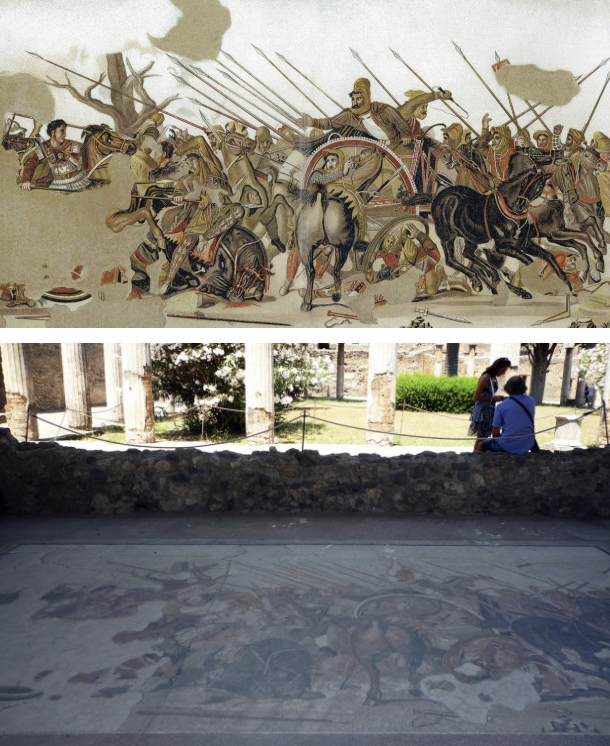
Who was the Patron / Architect / Larger Work of Alexander Mosaic?
Copy of Philoxenos (original artist)

What is the medium of Alexander Mosaic?
Mosaic

What is the title of this image?
Augustus of Prima Porta

What is the style of Augustus of Prima Porta?
Roman Empire

What is the medium of Augustus of Prima Porta?
Marble (original likely bronze)

What is the title of this image?
Aule Metele

What is the style of Aule Metele?
Etruscan into Roman Republic bridge piece

What is the medium of Aule Metele?
Bronze

What is the title of this image?
Basilica of Constantine / Aula Palatina

What is the style of Basilica of Constantine / Aula Palatina?
Late Roman Empire

Who was the Patron / Architect / Larger Work of Basilica of Constantine / Aula Palatina?
Trier, Germany

What is the medium of Basilica of Constantine / Aula Palatina?
Brick and Roman concrete
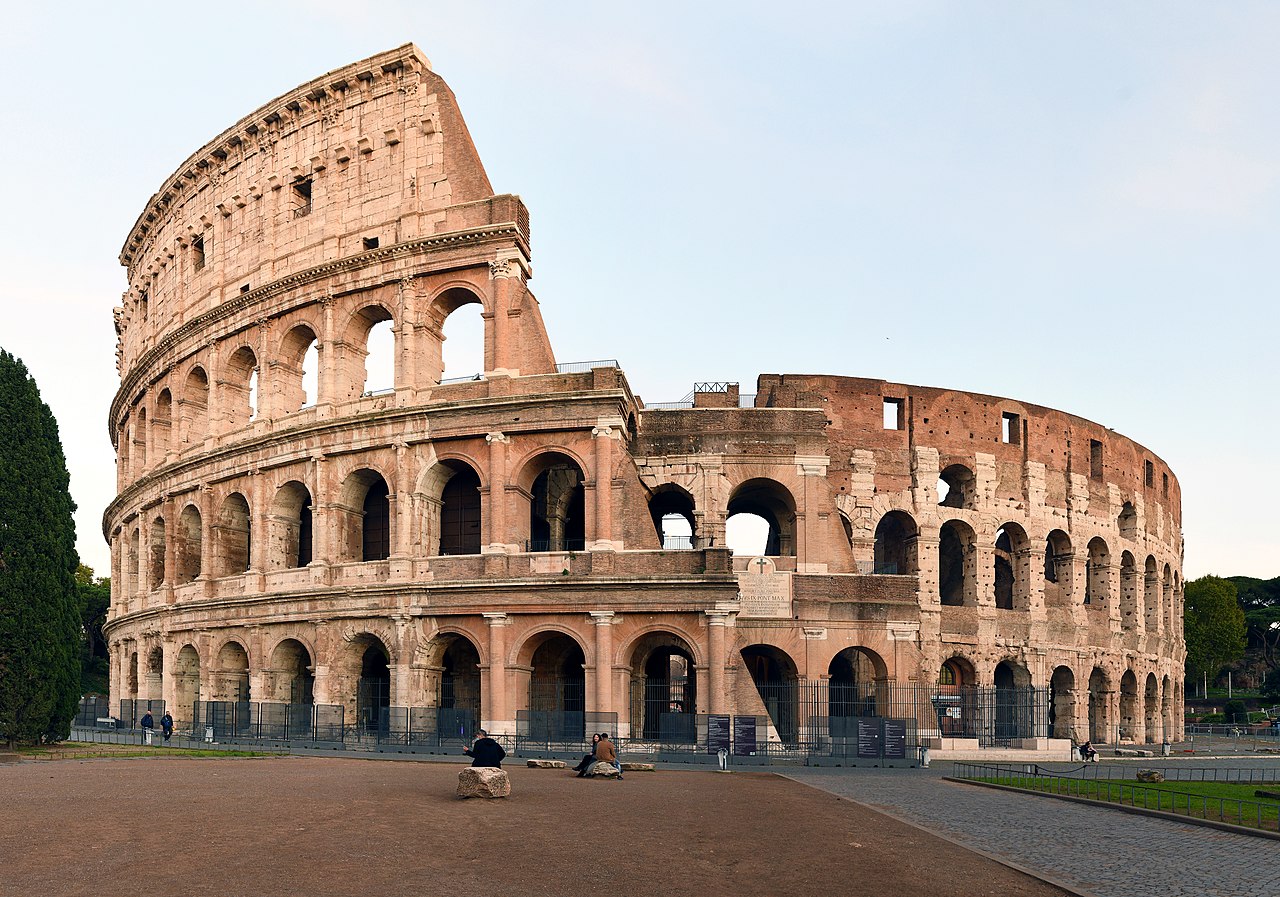
What is the title of this image?
Colosseum / Flavian Amphitheater

What is the style of Colosseum / Flavian Amphitheater?
Roman Empire

Who was the Patron / Architect / Larger Work of Colosseum / Flavian Amphitheater?
Vespasian, Titus, Domitian

What is the medium of Colosseum / Flavian Amphitheater?
Concrete and stone

What is the title of this image?
Colossus of Constantine

What is the style of Colossus of Constantine?
Late Roman Empire

Who was the Patron / Architect / Larger Work of Colossus of Constantine?
Rome; Constantine

What is the medium of Colossus of Constantine?
Marble, with other materials

What is the title of this image?
Column of Trajan

What is the style of Column of Trajan?
Roman Empire

Who was the Patron / Architect / Larger Work of Column of Trajan?
Apollodorus; Rome; Trajan

What is the medium of Column of Trajan?
Marble

What is the title of this image?
Forum of Trajan
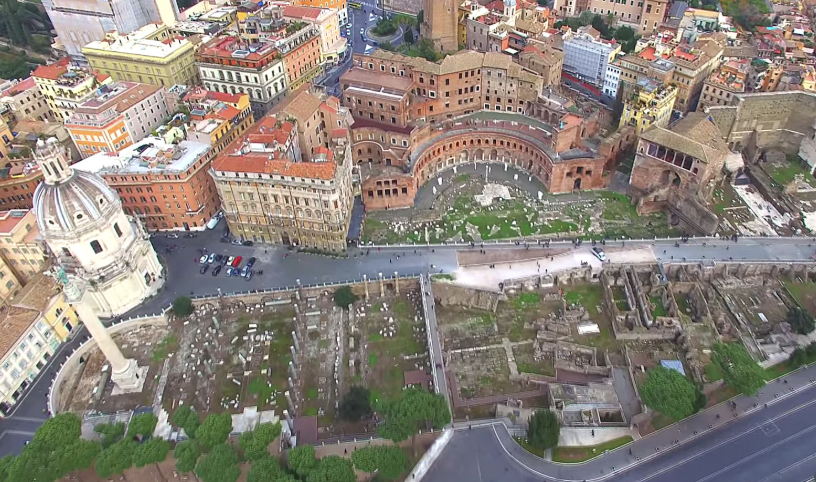
What is the style of Forum of Trajan?
Roman Empire

Who was the Patron / Architect / Larger Work of Forum of Trajan?
Apollodorus; Rome; Trajan

What is the medium of Forum of Trajan?
Concrete, brick, marble

What is the title of this image?
Head of a Roman Patrician

What is the style of Head of a Roman Patrician?
Roman Republic

What is the medium of Head of a Roman Patrician?
Marble

What is the title of this image?
House of the Vettii

What is the style of House of the Vettii?
Roman Republic-Pompeii

What is the medium of House of the Vettii?
Fresco

What is the title of this image?
Ludovisi Battle Sarcophagus

What is the style of Ludovisi Battle Sarcophagus?
Late Roman Empire

What is the medium of Ludovisi Battle Sarcophagus?
Marble

What is the title of this image?
Pantheon

What is the style of Pantheon?
Roman Empire

Who was the Patron / Architect / Larger Work of Pantheon?
Rome

What is the medium of Pantheon?
Concrete and pumice

What is the title of this image?
Portrait of the Husband and Wife

What is the style of Portrait of the Husband and Wife?
Roman Republic-Pompeii

What is the medium of Portrait of the Husband and Wife?
Fresco

What is the title of this image?
Sarcophagus of the Spouses

What is the style of Sarcophagus of the Spouses?
Etruscan
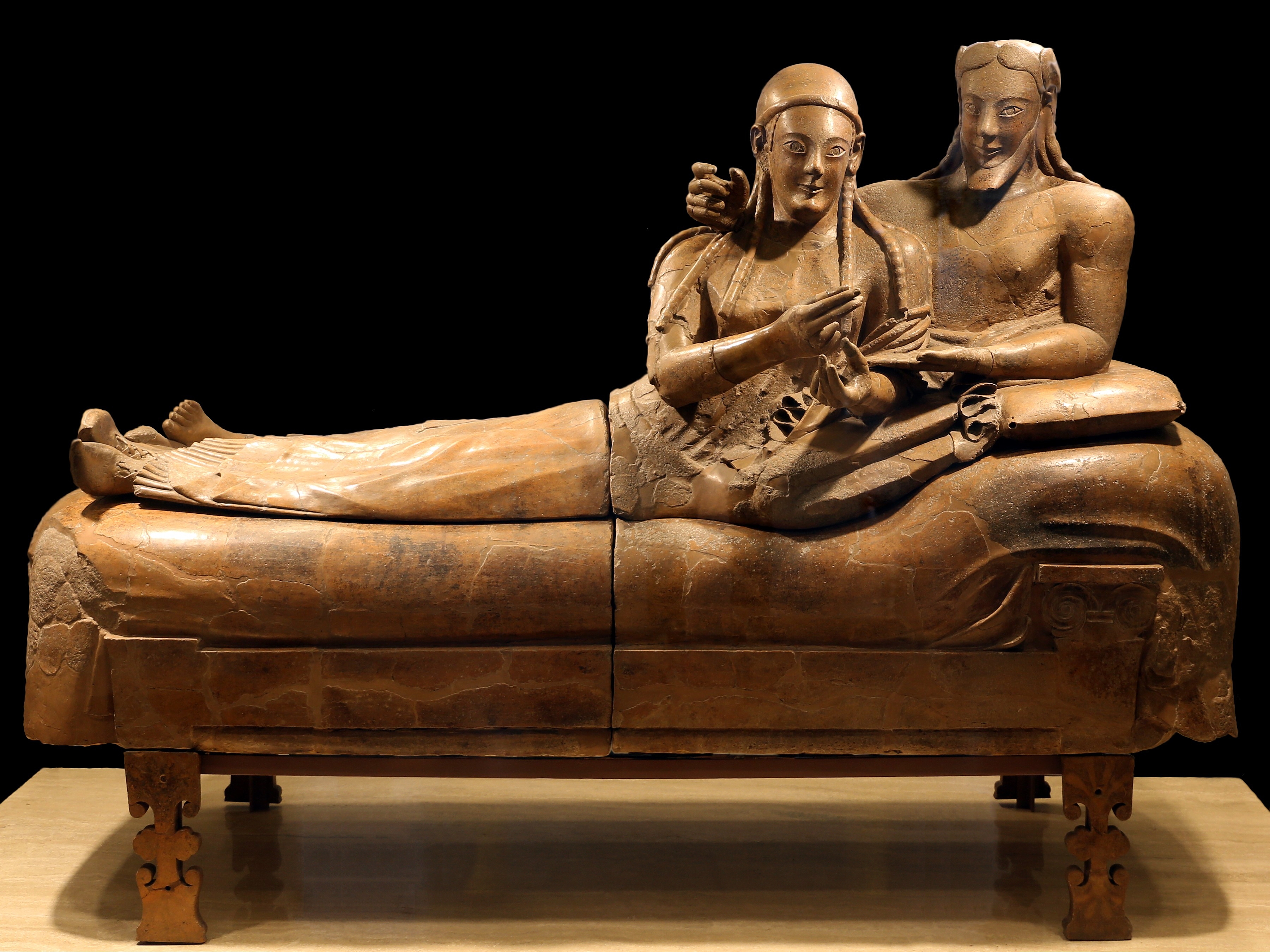
What is the medium of Sarcophagus of the Spouses?
Terracotta

What is the title of this image?
Temple of Minerva

What is the style of Temple of Minerva?
Etruscan

Who was the Patron / Architect / Larger Work of Temple of Minerva?
Temple of Minerva
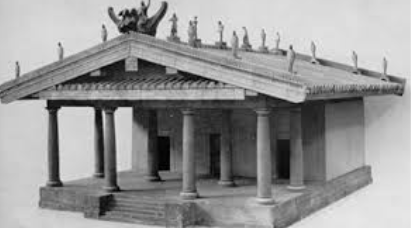
What is the medium of Temple of Minerva?
Tufa and wood

What is the title of this image?
Tomb of the Triclinium

What is the style of Tomb of the Triclinium?
Etruscan

What is the medium of Tomb of the Triclinium?
Fresco
How many steps are there to make a hollow metal sculpture by the lost-wax method?
9 steps
What is the 1st step to make a hollow metal sculpture by the lost-wax method?
Create the original model: Sculpt the statue in clay (or sometimes wood or another material).
What is the 2nd step to make a hollow metal sculpture by the lost-wax method?
Make a master mold: Cover the clay model with sections of clay or plaster to create a mold, ensuring it matches the original details. This is how sculptures can makes multiple copies of the same work because they have the mold.
What is the 3rd step to make a hollow metal sculpture by the lost-wax method?
Form a thin wax layer: Line the inside of the mold with a thin layer of beeswax. The wax layer ow matches the final sculpture’s surface.
What is the 4th step to make a hollow metal sculpture by the lost-wax method?
Attach sprues and vents: Add wax rods and channels (called sprues) to the wax model. These will guide metal in and let air/wax out later.
What is the 5th step to make a hollow metal sculpture by the lost-wax method?
Build the core and encase the wax model in the “Investment”: Encase the entire wax model (with sprues and core) in more clay, plaster, or specially prepared investment material.
What is the 6th step to make a hollow metal sculpture by the lost-wax method?
Remove the wax (“Lost-Wax” step): Heat the mold so the wax melts and drains away – leaving a cavity shaped just like the sculpture, ready for metal.
What is the 7th step to make a hollow metal sculpture by the lost-wax method?
Pour the molten metal: Reheat the mold to a high temperature (to withstand molten metal). Pur molten bronze (or other metal) through the sprue system until it fills the space left by wax.
What is the 8th step to make a hollow metal sculpture by the lost-wax method?
Cool and break the mold: allow the metal to cool and solidify in the mold. Break away the outer mold to reveal the rough bronze sculpture.
What is the 9th step to make a hollow metal sculpture by the lost-wax method?
Remove sprues, clean, file and polish for details: Cut off sprues and vents. Clean, file, polish, and sometimes cold-work (chiseling) for final detail.

What is the location of Colosseum / Flavian Amphitheater?
Rome

What is the location of Forum of Trajan?
Rome

What is the location of Column of Trajan?
Rome

What is the location of Statue of Apollo?
Temple of Minerva
Sarcophagus
A stone or terracotta coffin, often decorated with sculptures.
Contrapposto
A pose where weight rests on one leg, making the body look natural.
Orator
A public speaker, often shown giving a speech.
Republic
A government where elected representatives hold power.
Empire
A large territory ruled by one central authority, often an emperor.
Nouveau-riche
Someone who has recently become wealthy.
In Situ
An object remaining in its original location.
Tesserae
Small pieces of stone, glass, or tile used to create mosaics.
Dome
A rounded, curved roof or ceiling.
Foreshortening
Making objects appear shorter to create the illusion of depth.
Mosaic
An image made from small pieces of stone, glass, or tile.
Gravitas
Seriousness, dignity, and responsibility, valued by Romans.
Verism / Veristic
Extremely realistic portraits showing wrinkles, age, and imperfections.
Patrician
A member of Rome's wealthy, upper class.
Imperial
Relating to an emperor or empire.
Colossal
Extremely large, especially a sculpture.
Perspective
An artistic technique that creates the illusion of depth.
Spolia
Reusing materials or decorations from older buildings or monuments.
Lost-Wax Technique
A method of making bronze sculptures using a wax model and mold.
Nave
The long central area of a basilica or church.
Continuous Narrative
Showing the same person multiple times in one artwork to tell a story.
Aqueduct
A structure that carries water over long distances.
Coffered Ceiling
A ceiling with recessed square or geometric panels.
Concrete
A building material made from a mixture of cement, water, and aggregates.
Registers
Horizontal sections used to organize scenes in artwork.
Fresco
Painting on wet plaster so the paint becomes part of the wall.
Pax Romana
A roughly 200-year period of relative peace and stability in the Roman Empire.
Triclinium
A Roman dining room with couches for reclining while eating.
Basilica
A large Roman public building used for legal and business activities.
Necropolis
A large cemetery or burial area, meaning "city of the dead."