Princeton AP Psych 22nd: Unit 1: Biological Bases of Behavior
 Call Kai
 Learn
Learn Practice Test
 Spaced Repetition
 Match
Match Flashcards
 Knowt Play
1/221

Earn XP
Description and Tags
Name | Mastery | Learn | Test | Matching | Spaced | Call with Kai | Chat |
|---|
No analytics yet
Send a link to your students to track their progress
222 Terms
physiological psychology
the study of behavior as influenced by biology; draws from biology and medicine to examine psychological phenomena
traits
distinctive characteristics or behavior patterns that are determined by genetics
evolutionary perspective
how the principles of evolution, including survival of the fittest and natural selection, apply to psychology
heritability
the degree of variance among individuals that can be attributed to genetic variations
environmentality
the degree to which a trait’s expression is caused by the environment in which an organism lives
nature versus nurture debate
the relative influences of genetics and environment
Down syndrome
occurs when there are three copies of the 21st chromosome, which generally causes some degree of intellectual disability
Huntington’s chorea
a genetic disorder that results in muscle impairment that does not typically occur until after age 40
It is caused by degeneration of the structure of the brain known as the basal ganglia, and it is fatal
Because of the late onset of the disease, it it frequently passed down to the next generation before its symptoms are manifested
nervous system
the organized network of nerve tissue in the body
central nervous system
comprising the brain and the spinal cord
peripheral nervous system
comprising all other nerves in the body
neurons
A type of cell that receives and sends messages from the body to the brain and back to the body
sensory/afferent neurons
nerves sending information to the brain
motor/efferent neurons
nerves conveying information from the brain
reflexes
quick and involuntary responses to environmental stimuli
interneurons
neurons that communicate between sensory and motor neurons, processing information within the central nervous system
somatic nervous system
responsible for voluntary movement of large skeletal muscles
autonomic nervous system
controls the nonskeletal or smooth muscles, such as those of the heart and digestive tract; these muscles are typically not under voluntary control; divided into the sympathetic and parasympathetic nervous systems
sympathetic nervous system
associated with processes that burn energy; e.g. digestion ceases, blood transfers to skeletal muscle, and heart rate increases
parasympathetic nervous system
the complementary system responsible for conserving energy; e.g. sending blood to the stomach for digestion, slowing the heart rate, and conserving energy
soma
a clearly defined, nucleated cell body

dendrites
receive input from other neurons through receptors on their surface; branching out from the soma
axon
a long, tubelike structure that responds to input from the dendrites and soma
myelin sheath
a fatty coating around neurons; serves as insulation for axons and also speeds up the rate at which electrical information travels down them
nodes of Ranvier
the small gaps between the myelin; help speed up neural transmission
terminal buttons
knobs on the branched end of the axon; releases neurotransmitters across the synapse
synapse
the gap between terminal buttons and cell bodies
neurotransmitters
chemical messengers, which bind with receptors on subsequent dendrites
glial cells
non-neuronal cells that provide support, both physical and chemical, to the neurons
resting membrane potential
an electric potential across the plasma membrane of approximately -70 millivolts (mV)
action potential/nerve impulse
a disturbance in this membrane potential
caused by movement of ions into and out of the neuron through ion channels, leading to the eventual release of the neurotransmitter
they are either generated or not, with nothing in between
excitatory neurotransmitters
serve to excite the cell or cause the neuron to fire
inhibitory neurotransmitters
inhibit (or stop) cell firing
enzymes
breaks down neurotransmitters once released
reuptake
absorbs neurotransmitters back into the cell that released it
acetylcholine
affects memory function, as well as muscle contraction, particularly in the heart
serotonin
related to arousal, sleep, pain sensitivity, and mood and hunger regulation
dopamine
associated with movement, attention, and reward; imbalances may play a role in Parkinson’s disease and in schizophrenia
GABA/gamma-Aminobutyric acid
an inhibitory neurotransmitter
glutamate
an excitatory neurotransmitter and the all-purpose counterpart to GABA
norepinephrine
affects levels of alertness; a lack of norepinephrine is implicated in depression
endorphins
the body’s natural painkillers
substance P
appears to be linked to pain, mood, vasodilation, and learning
endocrine system
this system works through groups of cells known as glands, which release substances called hormones
hormones
affect cell growth and proliferation
pituitary gland/master gland
the primary gland releases hormones that, in turn, control hormonal release by many other glands
adrenocorticotropic hormone (ACTH)
stimulates the adrenal glands, resulting in fight-or-flight reactions
adrenal glands
secrete epinephrine and norepinephrine
epinephrine
a hormone and neurotransmitter known as adrenaline
leptin
a hormone involved in regulating hunger and energy, and resistance to leptin is implicated in obesity
ghrelin
tells your brain it is hungry
melatonin
involved with sleep and is controlled by the level of light; production increases when it is dark and is inhibited when it is light
oxytocin
involved with sexual arousal, romantic attachment, and parental bonding; it is also important in the process of childbirth
agonist
they increase the effect of the neurotransmitter at the synapse
antagonists
they decrease the effect of the neurotransmitter at the synapse
alcohol
depressant
Decreases dopamine levels
Dizziness, slurred speech, impaired judgment
High doses can result in respiratory depression and death
barbiturates
e.g. Seconal, Nembutal
depressant
Inhibit neural arousal centers
Decrease anxiety; increase judgment
High doses can result in respiratory depression and death
Can be very addictive and dangerous when mixed with other depressants or alcohol
tranquilizers
e.g. Xanax, Valium, Librium
depressant
Inhibit neural arousal centers
Reduce anxiety without inducing sleep
caffeine
stimulant
Accelerates heart rate; constricts blood vessels
Reduces levels of adenosine, a neurochemical regulator of norepinephrine release
Can lead to irritability, anxiety, insomnia
amphetamines
e.g. diet, pills, Adderall
Increase body temperature and heart rate
Increase production of dopamine and norepinephrine
Can be addictive
Produce feelings of euphoria
High doses can lead to motor dysfunction
cocaine
stimulant
Stimulates heart rate and blood pressure
Increases dopamine, serotonin, and norepinephrine release
Users feel as though they have increased mental abilities and social ability
Can be highly addictive
nicotine
stimulant
Stimulates acetylcholine transmission
Increases heart rate
Has depressant behavioral effects such as decreasing appetite while increasing heart rate and respiration
Can sometimes cause euphoria and dizziness
Highly addictive
opioids
e.g. Oxycodone, Heroin
depressant
Activate receptors for endogenous endorphins
Induce relaxation and euphoria; can relieve pain
May cause impaired cognitive ability, sweating, nausea, and respiratory depression
Highly addictive and available only by prescription or though illicit means
hallucinogens
e.g. LSD and marijuana
Distort sensory perceptions
May increase serotonin levels
May induce sensory synesthesia, in which stimuli from one sense, such as hearing, produce sensory effects in other modalities, such as vision
Occasionally, the perceptual alterations are extremely unpleasant and terrifying. This state may also be accompanied by paranoia
dependence
when an individual continues using a drug despite overarching negative consequences in order to avoid unpleasant physical and/or psychological feelings associated with not taking it
tolerance
when increasingly larger doses are needed in order for the same effect to occur
withdrawal
the process of weaning off a drug one has become dependent upon; this often involves physical and psychological symptoms of a highly unpleasant nature
hindbrain
The oldest part of the brain to develop, in evolutionary terms
Composed of the cerebellum, medulla oblongata, reticular activating system (RAS), and pons

cerebellum
controls muscle tone and balance, coordination of movement, and some procedural learning

brain stem
(which includes the Medulla oblongata) controls involuntary actions, such as breathing, digestion, heart rate, and swallowing (basic life functions)

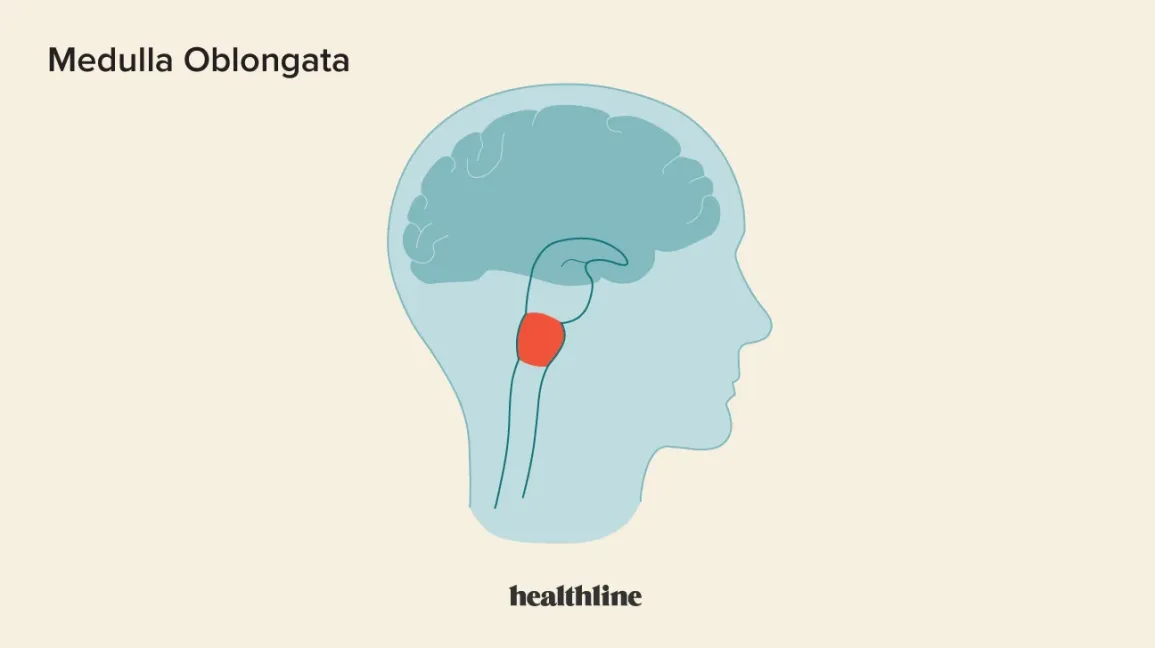
medulla oblongata
the connection between the brainstem and the spinal cord, carrying multiple important functional centers
reticular activating system (RAS) & the brain’s reward system
controls arousal (wakefulness and alertness). This is also known as the reticular formation. Also controls some voluntary movement and eye movement. Additionally, it plays a role in learning, emotion, and cognition

pons
Latin for “bridge,” a way station, passing neural information from one brain region to another. Also implicated in REM sleep

forebrain
contains the limbic system

limbic system
Emotional center of the brain
Composed of the thalamus, hippocampus, amygdala, and hypothalamus

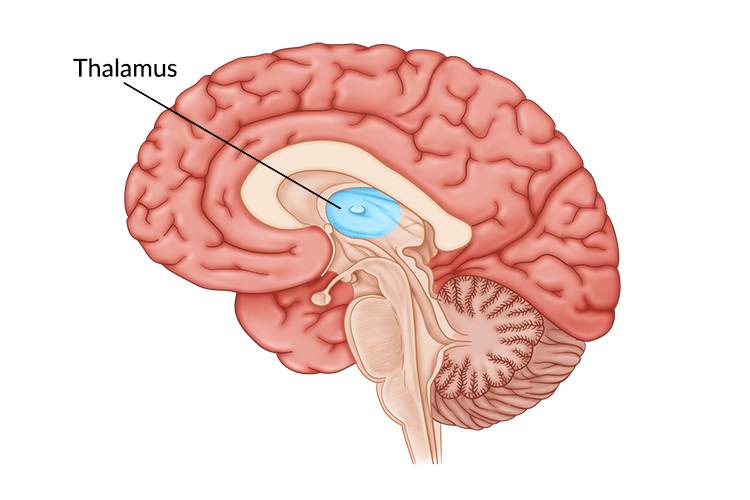
thalamus
relays sensory information; receives and directs sensory information from visual and auditory systems
hippocampus
involved in processing and integrating memories

anterograde amnesia
prevents the formation of new memories
amygdala
implicated in the expression of anger, frustration, and fear

hypothalamus
controls the temperature and water balance of the body; controls hunger and sex drives; orchestrates the activation of the sympathetic nervous system and the endocrine system; and it can be divided into the lateral hypothalamus and ventromedial hypothalamus, the combination of which regulates eating behaviors and body weight

lateral hypothalamus
The “on switch” for eating
A lesion would lead to a decreased hunger drive and even self-starvation
ventromedial hypothalamus
The “off switch”
A lesion would cause obesity and even death from overeating
cerebral cortex
The wrinkled outer layer of the brain
Involved in higher cognitive functions such as thinking, planning, language use, and fine motor control
Covers two symmetrical-looking sides of the brain known as the left and right cerebral hemispheres
Can be divided into four distinct lobes: frontal, parietal, temporal, and occipital

sensory cortex
receives sensory input

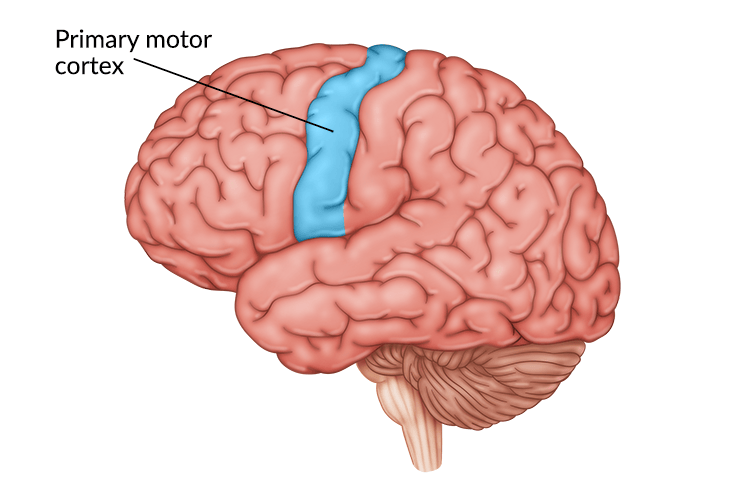
motor cortex
sends out motor information
left and right cerebral hemispheres
two symmetrical-looking sides of the brain, joined together by the corpus callosum

corpus callosum
a band of connective nerve fibers, joining the two hemispheres together

expressive aphasia
loss of the ability to speak
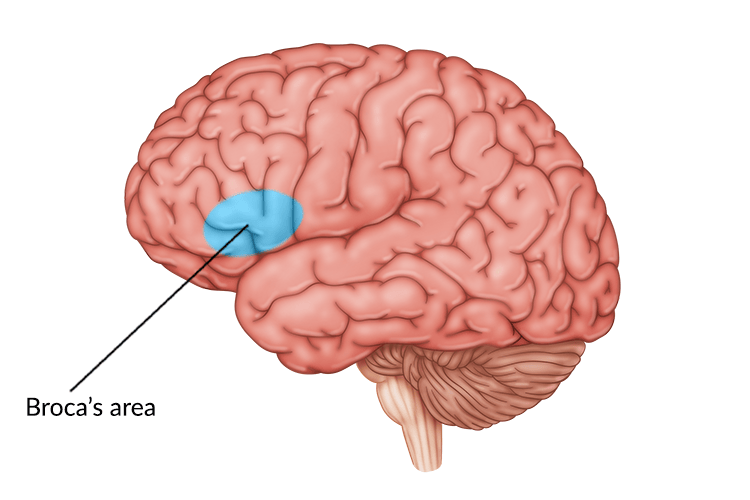
Broca’s area
a region in the frontal lobe of the dominant hemisphere, usually the left, of the brain with functions linked to speech production
receptive aphasia
the inability to comprehend speech
Wernicke’s area
an area in the left temporal lobe with functions linked to speech comprehension
split-brain patients
people who had their corpora callosa severed to control their epileptic seizures
Can describe objects without deficit if presented in the right visual field (processed on the left, more verbal side of the brain), but they have great difficulty drawing the image
If the image is presented in the left visual field (and processed in the more visual right side of the brain), the person can draw or choose the object but cannot explain it verbally
contralateral processing
the ability of (non-split) brains to use both hemispheres and integrate information between them via the corpus callosum
frontal lobe
Responsible for higher-level thought and reasoning
That includes accessing working memory, paying attention, solving problems, making plans, forming judgments, and performing movements
The frontal lobe is located at the front of the brain

parietal lobe
Handles somatosensory information and is the home of the primary somatosensory cortex
Receives information about temperature, pressure, texture, and pain
Located at the top of the brain, moving towards the back of the brain

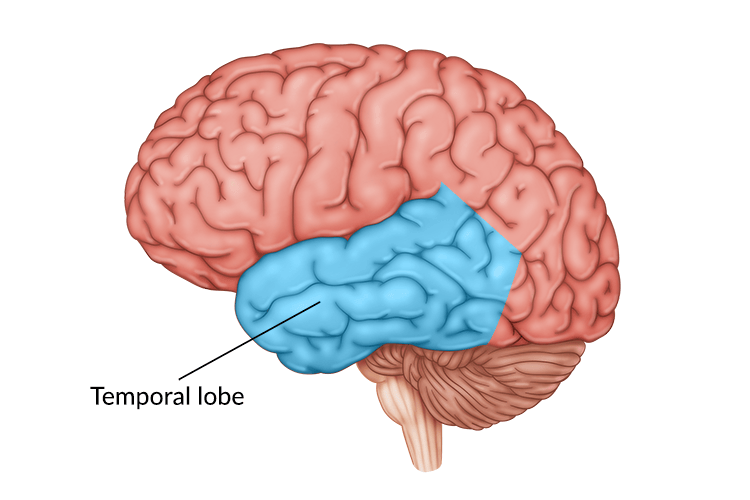
temporal lobe
Handles auditory input and is critical for processing speech and appreciating music
Located at the side of the brain near the ears
occipital lobe
Processes visual input
Located at the back of the brain

optic chiasm
where the optic nerves from each eye meet and cross. It's responsible for transmitting visual information. This intersection helps your brain combine what both of your eyes see. Because of this meeting point, when you open your eyes, you get a single image.
association areas
responsible for associating information in the sensory and motor cortices
apraxia
the inability to organize movement