Isabel's ARC 134 Buildings
 Call Kai
 Learn
 Practice Test
 Spaced Repetition
 Match
 Flashcards
 Knowt Play
1/74

There's no tags or description
Looks like no tags are added yet.
75 Terms

Forbidden City
Beijing, China
Ming Dynasty
(1406-1420)

Meridian Gate
Forbidden City, Beijing
(early 15th century)

Hall of Supreme Harmony
Forbidden City
Forbidden City layout (North to South)
N (inner court)
palace of earthy tranquility
hall of union
palace of heavenly purity
(outer court)
hall of perserving harmony
hall of central harmony
hall of supreme harmony
(gates)
gate of supreme harmony
meridian gate
S

sparrow braces
usually decorative and carved joints that connect horizontal beams and columns
utopia
book by Thomas Moore
1516
“no good place”
describes an ideal society, but has contradictions; includes slavery
Dana Arnold
argues that history is largely shaped by the narratives and perspectives of historians, cannot be objective
periodization, divisons that organize info but not solid boundaries
primary archive
the building itself
secondary archive
documents and representations of a building
timber frame construction
columns, beams, and brackets
modular
supports roof, walls primarily close instead of loadbearing
dougong
interocking wooden brackets that transfer roof load to beams and columns
Renaissance
period that sparked a greater interest in systematically understanding the past
birth of humansim
italy 1300 to 1600
spoila
recycled material (stones, columns, sculptures) used in new construction
Ottoman Renaissance
sultans
mosques
Florence Renaissance
wealthy familys and patrons
palazzi, churches
Rome Renaissance
popes
churches, monumental reconstruction
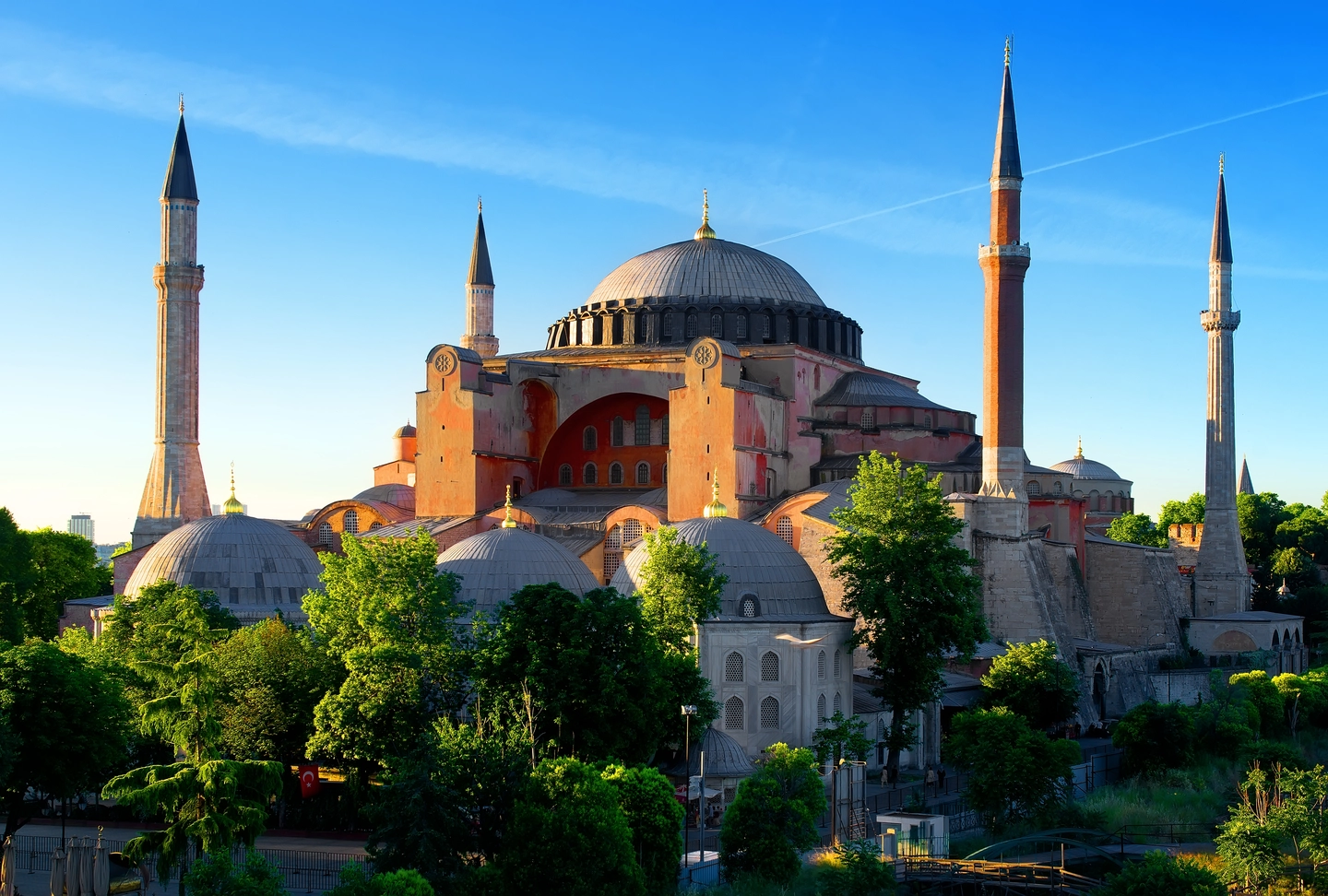
Hagia Sophia
Istanbul, Turkey
(532-537)

Fatih Camii
Istanbul, Turkey
(1463-1470)

Suleymaniye Mosque
Istanbul, Turkey
(1557)

Suleymaniye Mosque Layout
1,2,7,8: general madrasas
3: hospice
4: public kitchen
5: hospital
6: medical school
9: school of hadith

Santa Maria del Fiore
Florence
Filippo Brunelleschi
(1296)
dome, double shell construction and ribs
inner shell = lighter bricks
outer shell = heavier materials
longitudinal nave

Baptistery of San Giovanni
Florence
(1059)

Palazzo Vecchio
Florence
Arnolfo di Cambio
(1299)

Uffizi
Florence
Giorgio Vasari
(1560)

Corridoio Vasariano
Florence
Giorgio Vasari
(1564)

Palazzo Pitti
Florence
Brunelleschi
(1458)
horizontal facade
rustication
repetition

Palazzo Medici-Riccardi
Florence
Michelozzo
(1440s)
rustification on 1st floor, smoother higher up
prominent cornice
biforium windows
enfilade

Palazzo Rucellai
Florence
Leon Battista Alberti
(1453-1460)
pilasters used to define 3 stories
horizontal entablatures

Palazzo della Canceleria
Rome
Bramante
(1489-1513)

Santa Maria presso San Satiro
Milan
Bramante
(1472-1482)
illusionist perspective
made a shallow area seem deeper than it is

Tempietto
Rome
Bramante
(1501-1502)
central plan
circular enclosure, surrounded by columns
interest in classical past

New St. Peter’s Basilica
Rome
Bramante, michelangelo
(1626)

Piazza del Campidoglio
Rome
Michelangelo
(1540-1655)

Villa Rotonda
Vicenza
Palladio
(1565)

Synagoge of Santa Maria Blanca
Toledo
synagoge converted to a christian church
(12th century)

Alhambra
Granada
(889-1958)

Palace of Charles V
Granada (beside Alhambra)
Pedro Machuca
(1533-1637)
circle inside square
2 levels of colonades (doric below, ionic above)
imperial palace = new royal architectural presence

El Escorial
Juan Batista de Toledo
(1563-1584)
church, monastery, college, royal tombs
royal residence and religious space

Plaza Mayor
Juan de Herrera
(1590)
Madrid
Rectangular urban plaza
ground floor arcades
formal civic space
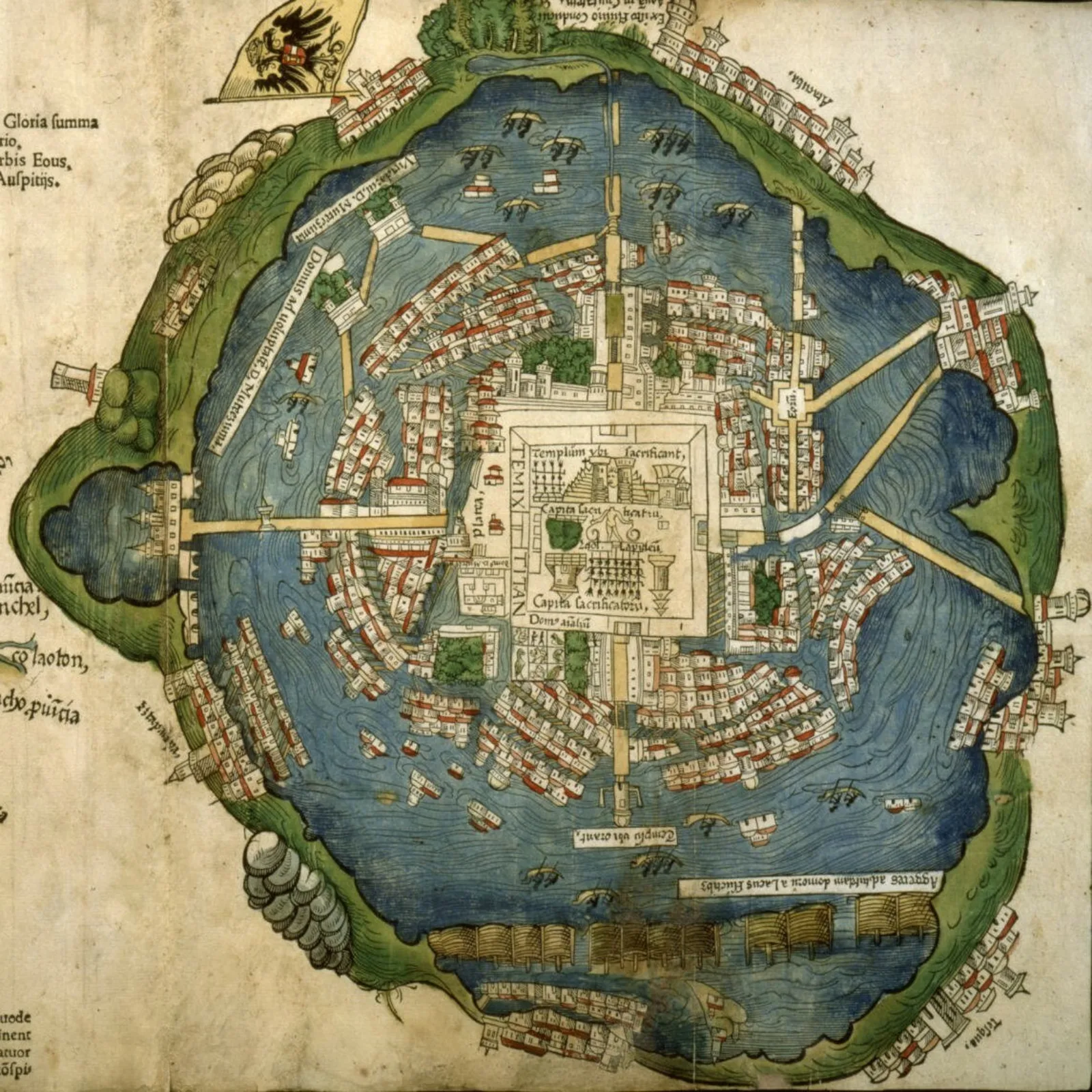
Tenochtitlan
(1325-1521)

Templo Mayor
Tenochtitlan
(1521)
principal ceremonial temple
stepped pyramid with 2 shrines for huitzilopochtili and tlaloc

Louvre
Pierre Lescot
Paris
(1546)

Place Royale
Paris
(1605)
square organized around enclosed open space
unified public space

Hotel Particulier
porte cochere, cour d’honneur, corps de logis
how arch organizes relationships in an elite household

Louvre East Facade
Paris (1667)
Louis Le Vau, Le Brun, Perrault
paired corinthian columns
monumental colonade
central pediment
symmetrical, horizontal classical composition

Chateau de Versailles
Paris
(1661)
Louis Le Vau, Mansart, Notre
relationship btwn palace and landscape
long axes
garden facade vs city facade
hall of mirrors, hall of battles, chapel, opera
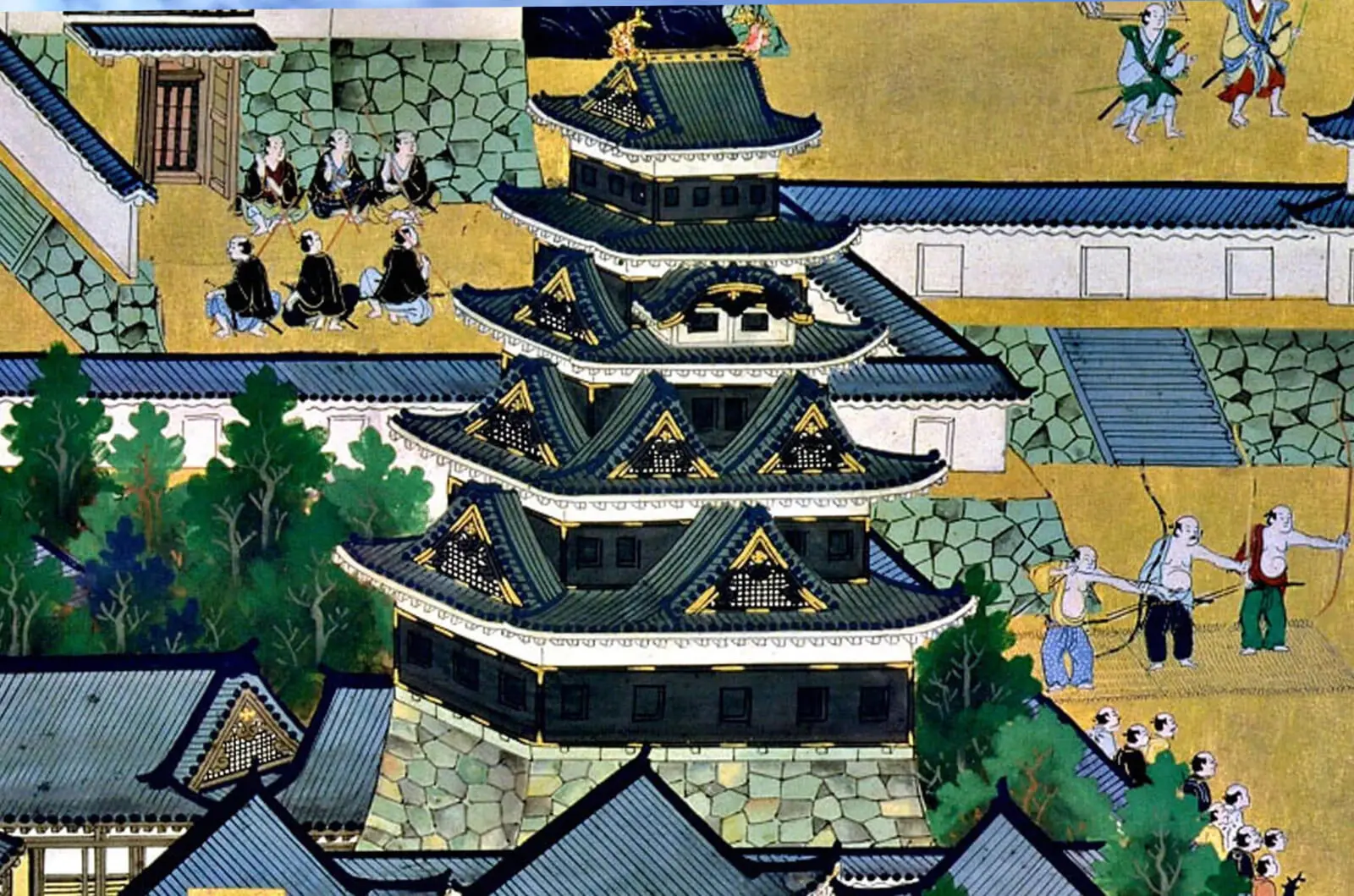
Edo Castle
Edo, Japan
political center for tokugawa shogunate
tenshu
moats, defensive walls, tiered roofs
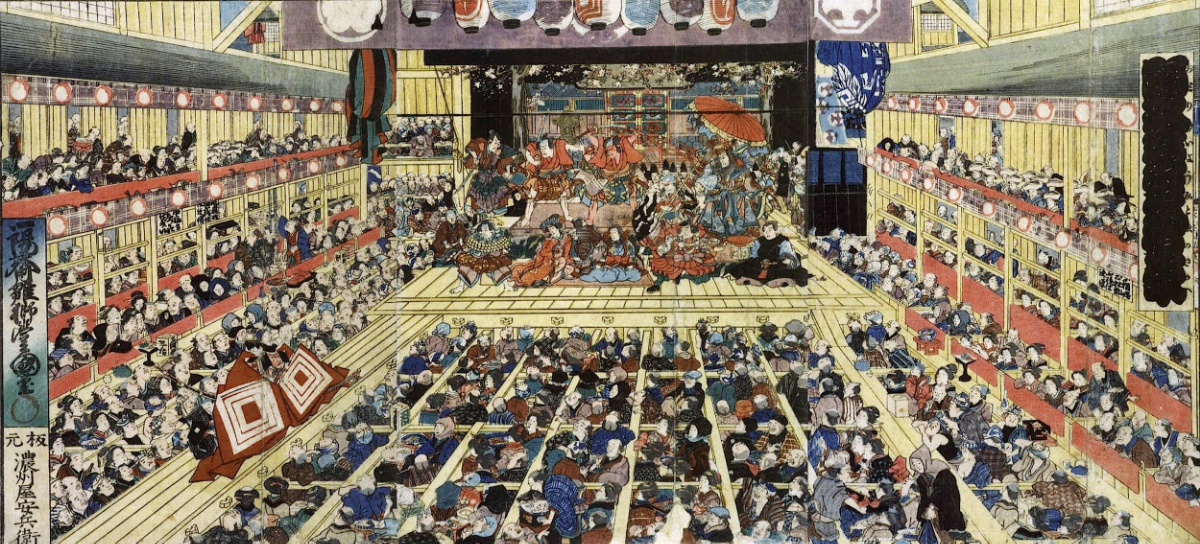
Kabuki theaters
edo
(1778)
entertainment center
architecture as theatrical experience

Katsura Imperial Villa
kyoto
(1620-1658)
villa is organized around a central pond

St. Peter’s square
Gian Lorenzo Bernini
Rome
(1656-1667)
piazza retta = trapezoid
piazza obliqua = oval

Scala Regia
Bernini
Rome
(1663-1666)
stairacses with narrowing passage, converging columns, forced perspective to exxagerate depth; illusion

Cornaro Chapel
Ecstasy of Saint Teresa
Rome
Gian Lorenzo Berini

Il Gesu
Giacomo Vignola
Giacomo della Porta
Rome
(1568-1576)

San Carlino
Borromini
Rome
(1634)
undulating facade
oval dome with octogans
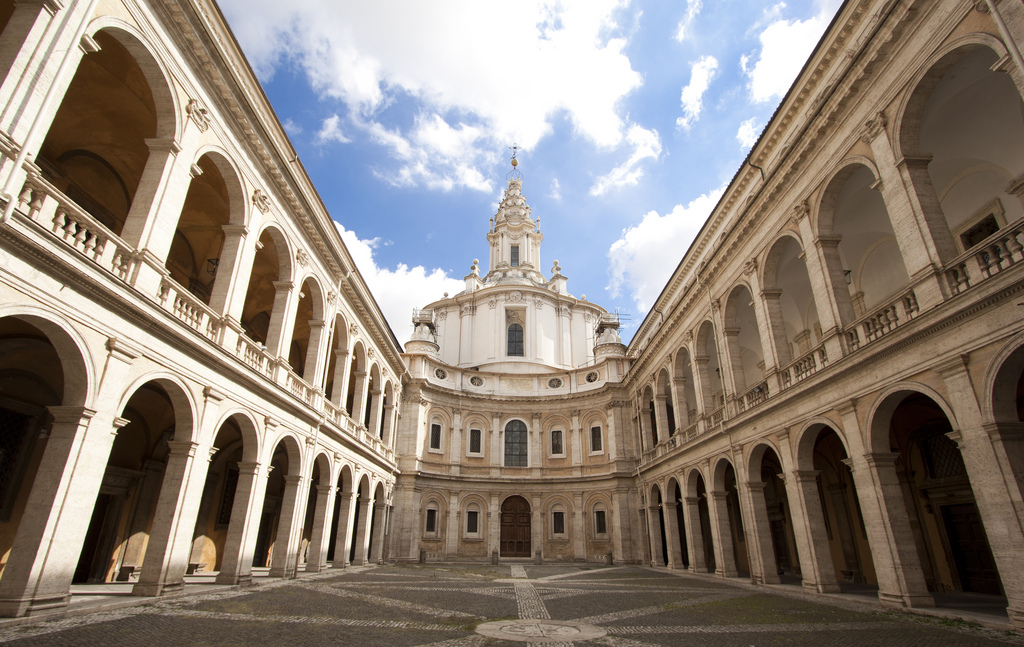
St. Ivo alla Sapienza
Borromini
Rome
(1640s)
spiral staircase, ribs, spiral lantern

S Ignazio
Orazio Grassi and Carlo Maderno
Rome
(1626-1650)

San Lorenzo
Guarini
Turin, Italy
(1668-1680)
star-like dome

St. Paul’s Cathedral
Chrsitopher Wren
London
(1675)

Karlskirche
Johann Bernhard Fischer von Erlach
Vienna
(1716)
central dome, classical temple-like portico, 2 towers

Wurzburg residenz
Johann Balthsar Neumann
Wuzburg, Germany
(1744)

Vierzehnheiligen
Johann Balthsar Neumann
Bamberg, Germany
(1744)

Xiyanglou
Giuseppe Castiglione and Michel Benoist
Beijing
(1744-1772)
“chinese versailles”

Sans Souci
Potsdam, Prussia
Wenzeslaus von Knobelsdorff
(1745-1747)
Gesamtkstwerk; multiole art forms used in one thing

Panopticon
Jeremy Bentham
(1791)
arranged around central obersevation point
surrveillance and discipline
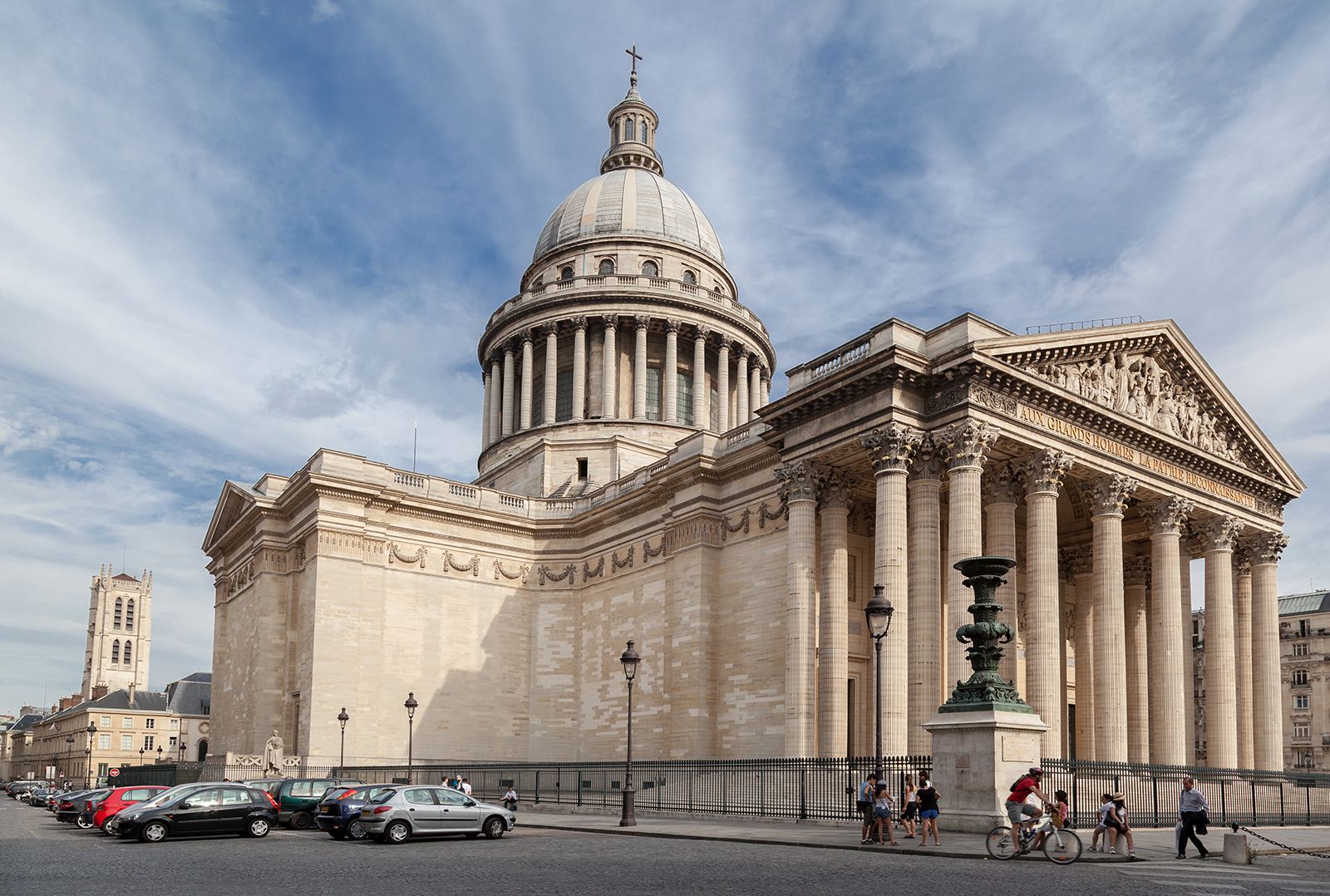
Soufflot’s pantheon
paris
Soufflot
(1757)
classical tenple portico, dome
french revolution
same form, different political meaning

Cenotaph for Isaac Newton
Etienne-Louis Boullee
(unbuilt proposal)
(1784)
scale, perseption, large geometries

National Library
Etienne-Louis Boullee
(proposal for expansion)
(1785)
barrel-vaulted reading hall

Oikema
Claude-Nicolaus Ledoux
Chaux
pleasure house shaped like…
architecture parlante; communicates arch form

Royal Saltworks (Saline Royale)
Claude-Nicolaus Ledoux
France
(1775)
semicircular industrial complex
prominent director’s house

University of Virginia
Thomas Jefferson
Virginia
(1822)
classical, enlightenment

Oglethorpe plan
Oglethorpe
Savannah, GA
(1733)
trust lots, tything lots, central square

Villa Rotonda
Vicenza
Palladio
(1565)
centralized plan
four temple-front portico

Somerset House
William Chambers
London
(1776)

Kedleston Hall
James Paine and Robert Adam
England
(1760s)

Government House
Charles Wyatt
Calcutta
(1799)
neoclassical colonial residence
symmetrical plan
imperial architecture
plan looks like branch