Chapter 17: Managing Interpersonal Relations and Communication
 Call Kai
 Learn
 Practice Test
 Spaced Repetition
 Match
 Flashcards
 Knowt Play
1/58

Earn XP
Description and Tags
59 Terms
what are the important parts of all managerial activities?
interpersonal relations, communication, and group processes
the nature of interpersonal relations are as ___ as the individual members themselves
varied
Katie Vo 4:48pm 10/21/23
hello woorld my name is katie vo and this is humzah hassan
when are interpersonal relations personal and positive?
parties know each other, have mutual respect and affection, and enjoying interacting
when are interpersonal relations personal and negative?
parties dislike each other, do not have mutual respect, and do not enjoy interacting
different types of interactions may occur between…
individuals, groups, or individuals and groups. can change over time
interpersonal relations can be a…
primary source of need satisfaction
positive element
solid basis for social support
source of synergy
allow managers to know how employees will react to specific challenges, where their strengths lie, and what strategies for motivation of employees will be successful
what is the “common thread” woven though outcomes of interpersonal relations?
communication between people in the organization
top executives must handle ___ effectively if they are to be true leaders
communication
what is our first conditioned response to stimuli?
crying as a method to achieve satisfaction of our desires
why is communicating since birth a problem?
we should be great at it, but we are not
communication takes thought, planning, and work
what worked in past might not in present
have to try to improve everyday
what is communication?
the process of transmitting information from one person to another
what is effective communication?
the process of sending a message in such a way that the message is received is as close in meaning as possible to the message intended (can be understood)
how can we facilitate enough meaning exchange to make understanding possible?
use of common language
communication directly relates to the basic management functions of… (4)
planning, organizing, leading, and controlling
explain the process of communication between people
person (sender) wants to transmit (fact, idea, opinion, other information) to someone else (receiver)
encode meaning into form appropriate to situation (words, facial, expression, gestures, or artistic expressions and physicals actions)
transmit encoded message through appropriate channel or medium
decode message by receiver
what is a channel?
method of transmission we choose to use
meetings, email or text messages, memos, letters, reports, telephone calls, and face-to-face interactions
what does the receiver do?
interprets meaning of message
what is noise?
any phenomenon that may disrupt communication anywhere along the way
what is external noise?
noise that is outside of the individuals involved in the communication interaction
coughing, truck driving by, two people talking closely, letter lost in mail, interrupted cellphone call, email with virus, text not being received
what is internal noise?
noise that is inside one of the individuals in the interaction that causes them to be distracted and makes sending and decoding messages difficult
what is oral communication?
face-to-face conversation, group discussions, telephone calls, and other circumstances in which the spoken word is used to transmit meaning
what are the benefits of oral communication?
promotes prompt feedback and interchange as verbal questions or agreement, facial expressions, and gestures
“Rich” —> participants to immediately determine if message ahs been received and interpreted correctly or if further clarification is needed
Easy, done with little preparation
what are the disadvantages of oral communication?
inaccuracy if speaker chooses the wrong words to convey meaning or leaves out details
noise
receiver forgets part of message
two-way conversation, less time for a thoughtful, considered response for new fats and no permanent record
what is nonverbal communication?
any communication exchange that does NOT use words or uses words to carry more meaning than the strict definition of the words themselves
facial expressions, body movements, physical contact, proximity between communicators, and gestures
what are images?
kinds of words or phrases people elect to use
“Damn the torpedoes, full speed ahead”
choice of words conveys more than just the strict meaning of the words themselves
what are factors that play roles in nonverbal communication?
images, settings, and body language
tone and volume
what is written communication?
memos, letters, reports, notes, and other circumstances in which the written word is used to transmit meaning
not as common
65% executives prefer to interact with customers (etc.) with email or text messaging rather than phone
what is a drawback of written communication?
inhibit feedback and interchange (message leanness)
what are advantages of written communication?
accurate, permanent record of exchange
sender can take time to collect & assimilate information; can draft and revise before sending (consider content of message and how receiver is going to interpret it)
receiver can take time to read carefully and refer to it as needed
written communication is preferred when…
important details are involved or when receiver need to reference details
when is oral communication preferred?
richness of message is most important and immediate feedback is needed
X
X
what is a communication network?
the pattern through which the members of a group communicate
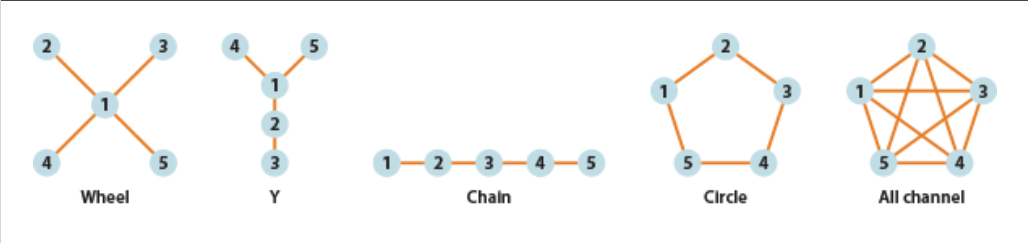
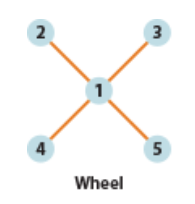
explain the wheel pattern
all comm. through 1 central person (group leader)
most centralized network (1 person receives and disseminates all information)
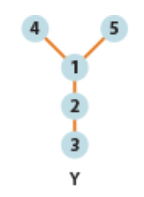
explain the Y pattern
slightly < centralized than wheel (2 people closer to center)
more even flow of info among members, although 2 people (ones at each end) interact with only one other person
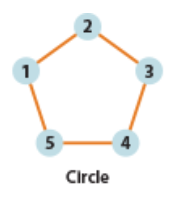
explain the circle pattern
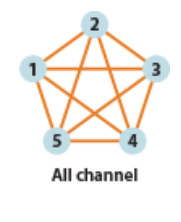
all channel but without the inside
explain the all-channel network
most decentralized
free flow of information among all group members
everyone participates equally, groups leader (if one…) not likely to have excessive power
what is vertical communication?
communication that flows up and down the organization, usually along formal reporting lines
takes place between managers and their superiors and subordinates and may involve several different levels of the organization
what is upward communication?
messages from subordinates to superiors
subordinates —> direct superior —> their superior —> etc.
requests, information that lower-manager thinks is important to higher-level manager
suggestions, complaints, and financial information
more subject to distortion than downward
more individuals the message goes through, the more the message is prone to distortion from one person to the next
what is downward communication?
information flows down the hierarchy from superiors to subordinates
directives on how to do something, assignment of new responsibilities, performance feedback, and general info that higher-level thinks is important to lower-level
two-way
what is horizontal communication?
communication that flows laterally within the organization
involves colleagues and peers at the same level of the organization and may involve individuals from several different organizational units
facilitates coordination among interdependent units
joint problem solving
major role in work teams with members drawn from several departments
what does the CIO do?
determining the information-processing needs and requirements of the organization
creating >=1 formal info systems linking all relevant managers, departments, and facilities in the organization
what is the cottage industry?
people working at home (cottage) and periodically bring products of their labors into the company
what happens in telecommunicating?
people work at home on their computers or other devices and transmit work to their companies digitally
what are some problems with communication advances?
managers rarely in real offices are likely to fall behind in inner workings of the organization and may be victimized by organizational politics
hard to build strong culture, develop solid working relationships, and create a mutually supportive atmosphere of trust and cooperativeness
new avenues for dysfunctional employee behavior (passing threatening, lewd, or offensive materials to others)
what is the grapevine?
an informal communication network among people in an organization
information based on fact vs speculation (75% to 95% accurate)
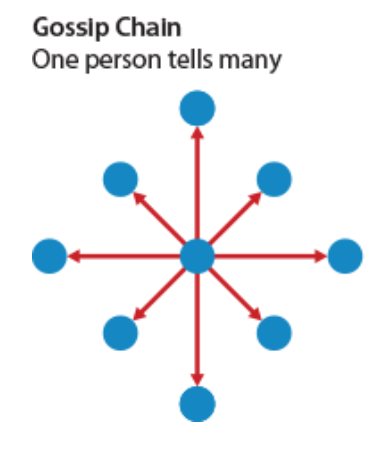
what is the gossip chain?
type of grapevine; carry personal information
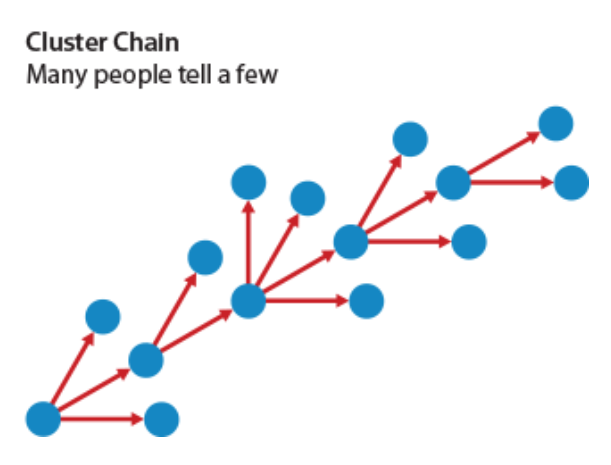
what is the cluster chain?
type of grapevine; one person passes the information to a few selected individuals. some pass to others, the rest keep to themselves
why is internal communication increasing?
recent increase in merger, acquisition, and takeover activity
more corporations move facilities from inner cities to suburbs
widespread availability of information tech, easier to comm quick and easy
what are the effects of recession and large-scale job losses on informal communication?
sharp increase in gossip and rumors in organization
increase in eavesdropping
32% admit to using work email inappropriately (48% gossip with other employees)
> ½ overheard confidential information at work
(T/F) Managers can get valuable information from the grapevine and use it to improve decision making
True
what is management by wandering around?
an approach to comm. involving manager’s literally wandering around and having spontaneous conversations with others
ex. of informal interchange
employees attending company picnic, softball, etc.
examples of individual barriers to effective comm.
conflicting or inconsistent signals (conflicting or inconsistent signals)
credibility about the subject (sender is not reliable source of info.)
reluctance to comm
poor listening skills
predispositions about the subject (already made up mind)
examples of organizational barriers to effective comm.
semantics (words have different meanings for different people)
status or power differences
different perceptions
noise
overload
language differences
what are some individual skills to overcoming barriers to comm.?
develop good listening skills (MOST IMPORTANT)
encourage 2-way comm. (feedback; good with complicated comm.)
aware of language and meaning
maintain credibility (owning up to mistakes)
sensitive to receiver’s perspective
sensitive to sender’s perspective
what are some organizational skills to overcoming barriers to comm.?
follow up
regulate information flows
understand the richness of media
what is active listening?
person be prepared to listen, not interrupt the speaker, concentrate on both the words and the meaning being conveyed, be patient, and ask questions as appropriate