lab 5: splinting, bandaging, bleeding control
 Call Kai
 Learn
 Practice Test
 Spaced Repetition
 Match
 Flashcards
 Knowt Play
1/15

There's no tags or description
Looks like no tags are added yet.
16 Terms

bandage
support, protect, compress, immobilize, aid in healing process
types of bandages
roller, triangular, elastic, adhesive

dressing
heals & protects area, absorbs fluids and maintains moist environment
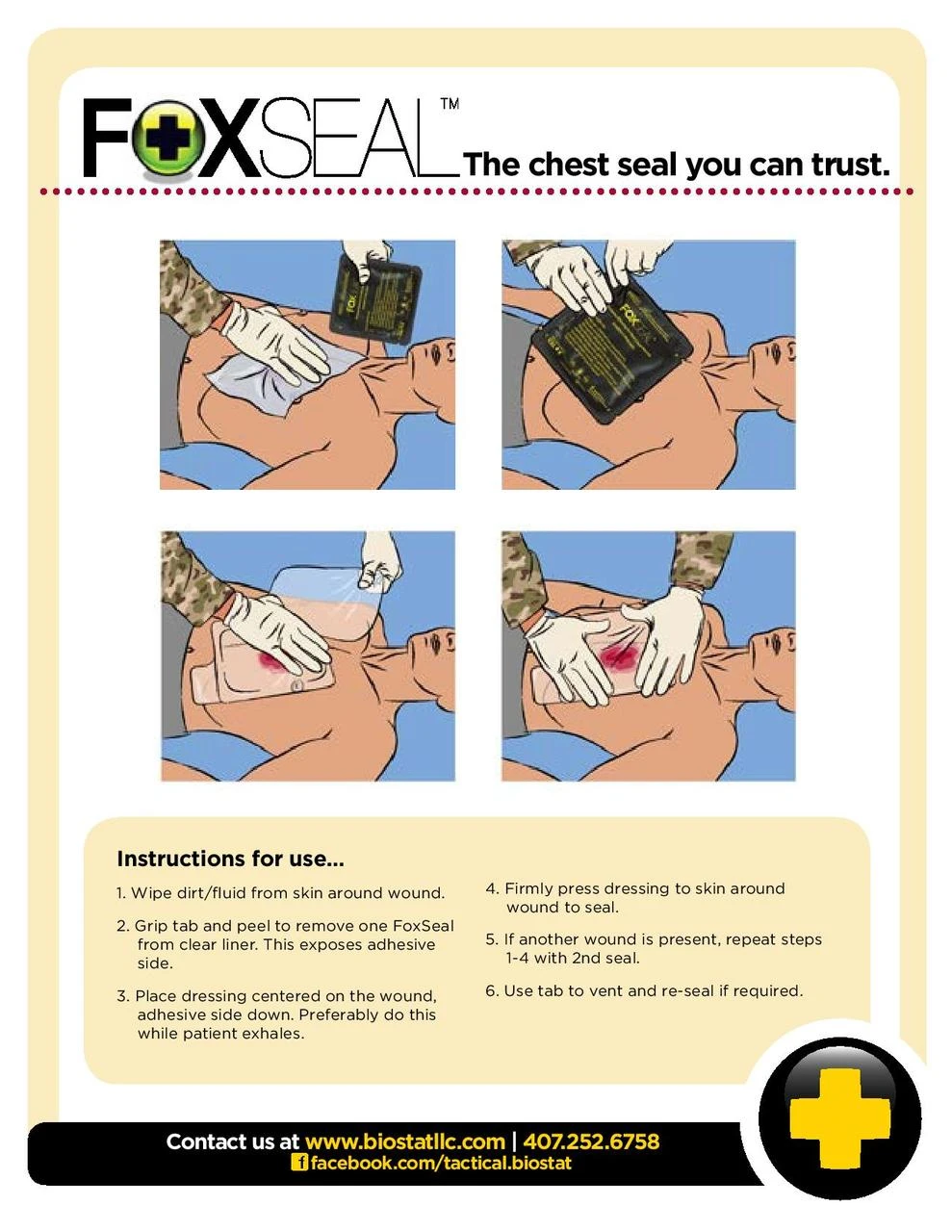
occlusive dressing
forms airtight & watertight seal, preventing moisture and air from entering or escaping
occlusive dressing for chest wounds
tape on 3 sides to prevent tension pneumothorax & allow air to escape
occlusive dressing for neck and abd wounds
taped on 4 sides, avoid excessive pressure
check before and after applying a bandage
PMS & CMS
position of function
immobilizing in a natural, comfortable position preserving normal function alignment
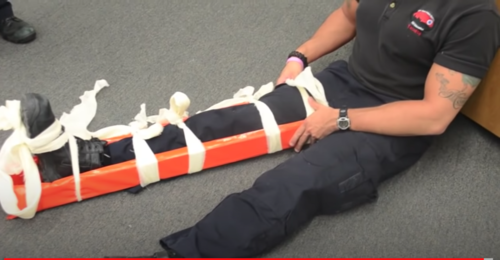
splinting
reduces pain, bleeding & swelling, and prevent damage + open fractures

traction splint
treats severe midshaft fractures of femur; fracture must be isolated to femur
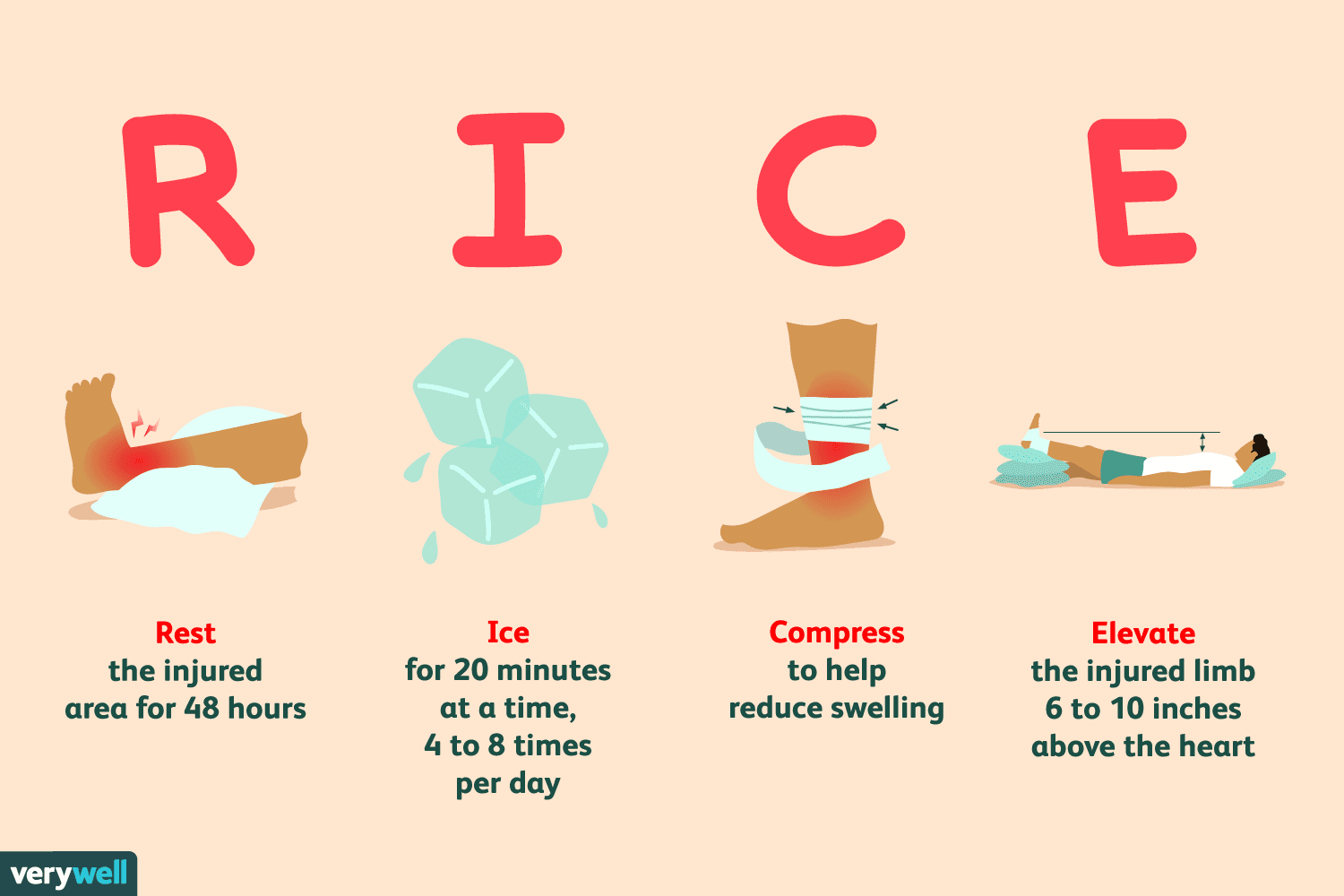
RICE
rest, ice, compression, elevation; reducing pain, swelling, and aids healing

arm sling
immobilize and protect an injured arm; also used for sprain/ dislocations

swathe
supports shoulder and keeps it midline

tourniquet
controls bleeding when direct pressure is not sufficient enough to stop it; only for extremities
shock
organs ad tissues do not recive enough bloof flow and O2, leads to cellular dysfunction and organ failure. rapid transport
shock treatment
administer high flow O2
apply blanket
elevate feet