topic 1C: CVDs and risk, correlation and cause
 Call Kai
 Learn
 Practice Test
 Spaced Repetition
 Match
 Flashcards
 Knowt Play
1/22

There's no tags or description
Looks like no tags are added yet.
23 Terms
non-modifiable risk factors for CVDs (biological)
genes
e.g. fragility of arteries / tendency to develop hypertension ⇒ cause arterial damage / cholesterol levels
genetic predisposition
age
blood vessels become more fragile, begin to lose elasticity and narrow slightly with age
gender
males > females under 50 (until menopause)
oestrogen (female sex hormone) associates with higher HDL (↓ LDL)
modifiable risk factors of CVDs (lifestyle)
smoking
diet
weight (obesity)
lack of activity
high blood pressure
smoking as CVD risk factor
nicotine
stimulates release of adrenaline ⇒ narrowing of arteries ⇒ raise b.p. ⇒ ↑ risk of atherosclerosis
increases risk of thrombosis (bc platelets stickier)
CO (carbon monoxide)
combines with Hb ⇒ reduces oxygen carrying capacity ⇒ ↓ aerobic rsp of cells
lower antioxidant levels ⇒ higher risk to damage the arterial wall ⇒ atheroma formation
diet as CVD risk factor
high level of saturated fat
fewer LDL receptors available on cells → more cholesterol (LDL) stay in the blood → higher chance to develop atheroma
statins (inhibitor) on cholesterol making enzymes → liver makes less cholesterol → more LDL receptors → more LDLs removed from the blood
site of fat storage: visceral (surround organs) higher risk
relative amount of different fats present in blood
high salt ⇒ ↑ψ in blood ⇒ pull water in ⇒ ↑ blood vol. ⇒↑ blood pressure
weight as CVD risk factor
high b.p.
type 2 diabetes: insulin resistant ⇒ cannot regulate blood glucose levels ⇒ damage endothelial lining
lack of activity as CVD risk factor
intensity & frequency of exercise
regular exercise ⇒ lower b.p. ⇒ prevent obesity / diabetes ⇒ ↓ blood cholesterol levels / balance lipoproteins / reduce stress
lack of exercise ⇒ greater chance to form plaques in arteries
high blood pressure as CVD risk factor
hypertension: b.p. above 140/90 mmHg
higher risk to damage to artery walls ⇒ increases formation of atheroma
may be due to stress / alcohol / poor diet / obesity / inactivity
antioxidant benefit
FREE RADICAL:
unpaired electron ⇒ highly unstable & reactive ⇒ want to steal electron from healthy cell ⇒ damage endothelial lining
ANTIOXIDANT:
donate electron ⇒ neutralise free radicals ⇒ ↓ tendency to damage

diet and CVD health indicator
body mass index (BMI)
waist-to-hip ratio
BMI formula + limitations
BMI=(height(m))2weight(kg)
LIMITATIONS:
normal charts only apply to adults
fat vs muscle weight not measured
athletes more muscle mass ⇒ overestimate
older people lose muscle mass ⇒ underestimate
waist-to-hip ratio
indicates amount of visceral fat present
obese: male >0.9 ; female >0.85
reducing ratio: ↓ intake of energy + ↑ energy expenditure
underweight: muscle wasting + heart damage
Low density lipoprotein problems
made from saturated fats, cholesterol and proteins
bind to cell membrane before being taken into cells
carry cholesterol from liver to body tissues
high level LDL ⇒ cell membrane saturated ⇒ more LDL cholesterol remains in blood

high density lipoprotein
made from unsaturated fats, cholesterol and proteins
carry cholesterol from body tissues to liver for further metabolism to lower blood cholesterol level
help remove cholesterol from fatty plaques on arterial walls ⇒ less likely to develop atherosclerosis
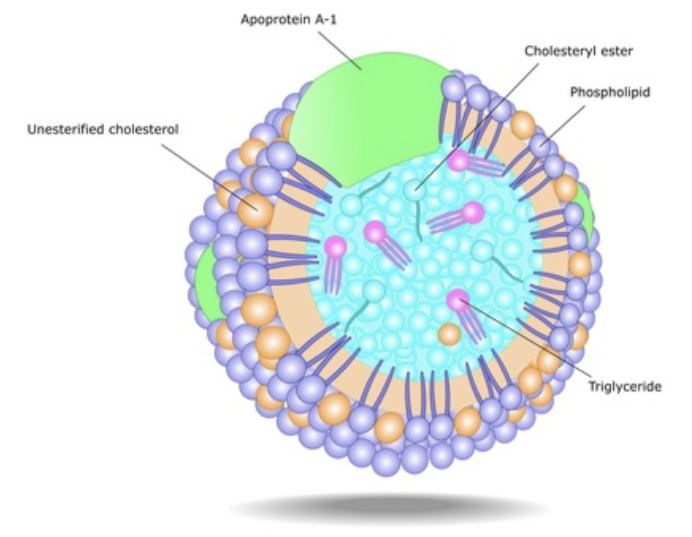
LDL:HDL healthy ratio and determination
3:1
balance between uptake and metabolism of fat
antioxidant examples
VITAMIN A
from carrots
VITAMIN C
from citrus fruits
form connective tissues (e.g. bones and teeth / skin / lining of internal body parts ) ⇒ deficiency: scurvy ⇒ bleeding gums / bruising easily / painful joints ⇒ arterial wall easily damaged ⇒ atherosclerosis
statistics: men with low vit C more likely to develop heart attack
VITAMIN E
from leafy green vegetables / almonds / sunflower oil
reduce free radical stuff
investigate vit C (ascorbic acid) content
vit C strong reducing agent ⇒ easily oxidised
titration method with DCPIP solution
add 1 cm3 of 1% DCPIP solution to each of the 5 test tube
add 1% vitamin C solution one drop at a time
shake the test tube slightly after each drop to ensure the solutions have mixed
continue adding vitamin C until the blue colour of DCPIP decolourises
record the volume of vit C added
repeat the experiment with other concentration vit C and repeat each added 5 times and take average
plot results as best fit line of average volume of vit C needed to decolourise DCPIP against concentration of vit C
use as calibration curve to find concentration of unknown samples
results
vol. of vit C needed ↓ as conc of vit C ↑
remarks
DCPIP is irritant (avoid contact with eyes)
use fresh fruit juice (vit C breaks down quickly in air ⇒ underestimate)
acidic fruit juices turn DCPIP pink (not completely decolourise)
shake syringe measuring DCPIP volume to expel air bubbles

prevention of CVDs
quit smoking
weight control
avoid being obese and to be fit
reduce intake of salts to reduce blood pressure
potential reasons why people don’t change their lifestyles
difficult to distinguish between perceived risks vs actual risk
underestimate risks as unhealthy ppl may appear fine
mistakes when assessing risk
e.g. overestimate health risks of obesity vs smoking ⇒ continue to prevent get fat while still smoking
thinking immediate benefit is more important than apparently low risk of CVDs
treatments
antihypertensives
sympathetic nerve inhibitors
statins
anticoagulants & platelet inhibitory drugs
antihypertensives benefits vs risks
BENEFITS
usually begins with diuretics
increase vol. of urine produced ⇒ eliminate excess fluid and salts ⇒ reduce blood volume ⇒ lower b.p.
beta-blockers
block adrenaline (stimulates faster and stronger contractions of cardiac muscles and cause increase in b.p.) receptors on cardiac muscles ⇒ slower heart rate + less strong contractions ⇒ lower b.p.
RISKS
if not monitored carefully, b.p. may become too low (hypotension)
side effects (e.g. coughs / swelling of ankles / tiredness / fatigue / constipation) ⇒ patients may stop taking medications
sympathetic nerve inhibitors benefits and risks
BENEFITS
prevent the sympathetic nerve to simulate the vasoconstriction of arteries that cause high b.p. ⇒ keep arteries dilated (vessel diameter ↑ ⇒ b.p. will not increase high
ACE inhibitors
block production of angiotensin (hormone which stimulates vasoconstriction) to keep b.p. lower
RISKS
if not monitored carefully, b.p. may become too low (hypotension)
side effects (e.g. coughs / swelling of ankles / tiredness / fatigue / constipation) ⇒ patients may stop taking medications
statins benefits and risks
BENEFITS
statins are groups of drugs that lower blood cholesterol level
blocks enzymes in liver responsible for cholesterol production ⇒ ↓ LDL produced ⇒ improve LDL:HDL ratio ⇒ ↓ inflammation in arterial lining
plant stanols and sterols
in spreads and yogurts
competitive inhibitors structurally similar to cholesterol ⇒ ↓ amount of cholesterol absorbed ⇒ ↓ LDLs in blood
RISKS
side effects (e.g. muscle and joint pain / nausea / constipation / diarrhoea / rarely muscle inflammation and liver damage)
give false sense of security ⇒ return to unhealthy diet
but drug doesn’t offer protection against other ill effects of bad diet
anticoagulants and platelets inhibitory drugs benefits and risks
BENEFITS
follows heart surgery / suffering from thrombosis ⇒ reduce blood clotting (x prevent)
warfarin (anticoagulant)
interferes with prothrombin production ⇒ blood clot less easily (link to blood clotting process)
platelet inhibitory drugs (e.g. aspirin / clopidogrel)
make platelets less sticky ⇒ reduce clotting ability of blood
RISKS
aspirin: irritates stomach lining ⇒ causes bleeding in stomach
combined use of aspirin + clopidogrel reduces risk of CVDs but increases risk of side effects
can cause excessive bleeding if injury occurs, including internal injury