Cell Energetics Test Flashcards HONORS 2025-26
 Call Kai
 Learn
 Practice Test
 Spaced Repetition
 Match
 Flashcards
1/40

There's no tags or description
Looks like no tags are added yet.
41 Terms
autotroph
"self feeder" An organism that makes its own food. Also called a producer
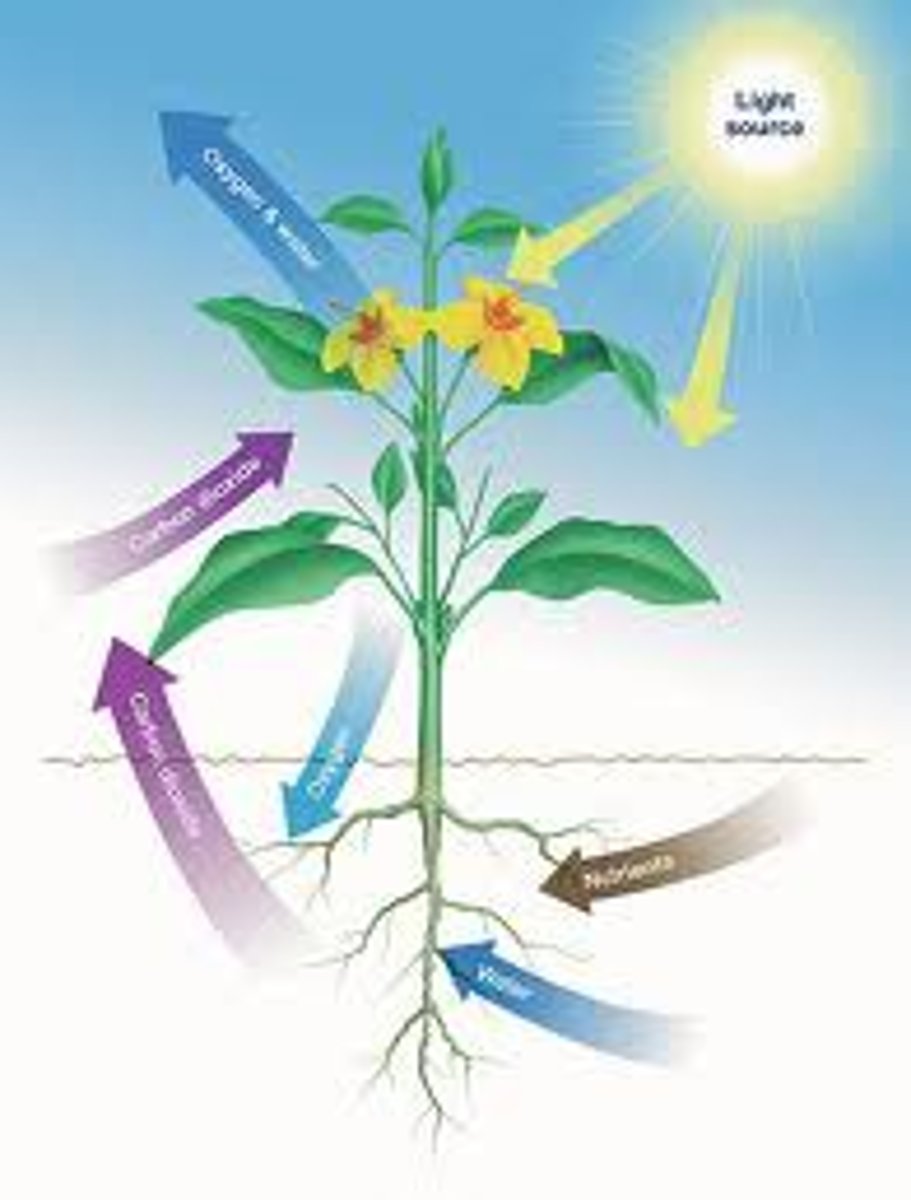
heterotroph
"other feeder" organism that obtains energy from the foods it consumes; also called a consumer

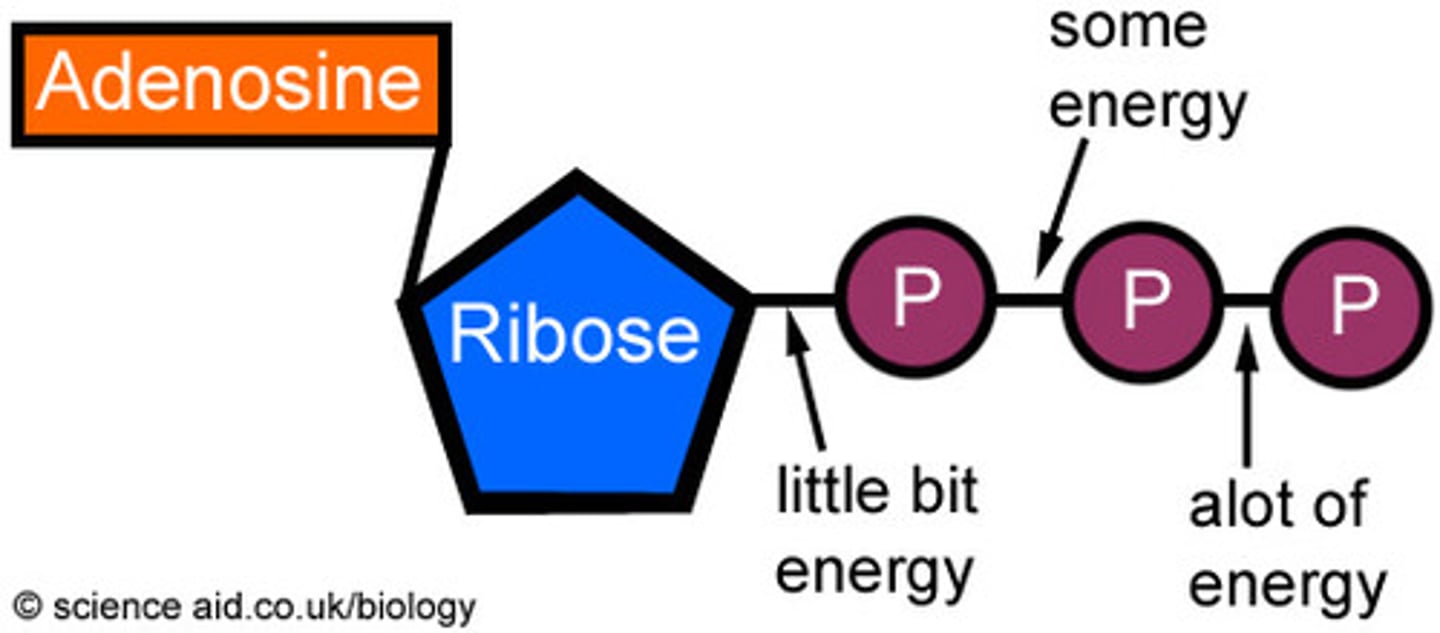
ATP
USEABLE energy for cells (made during cellular respiration)
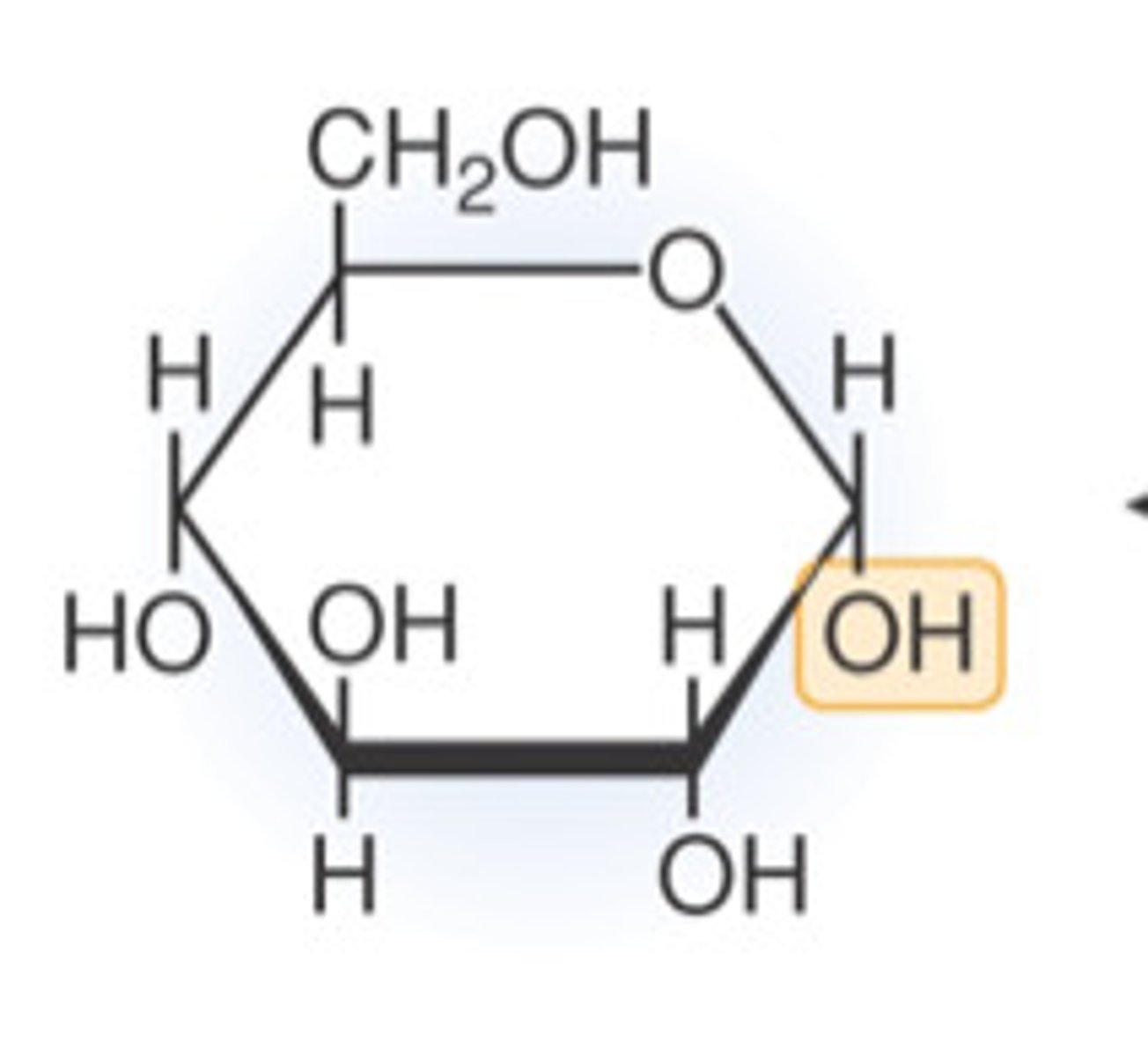
glucose
A simple sugar made during photosynthesis that is an important source of energy - C6H12O6
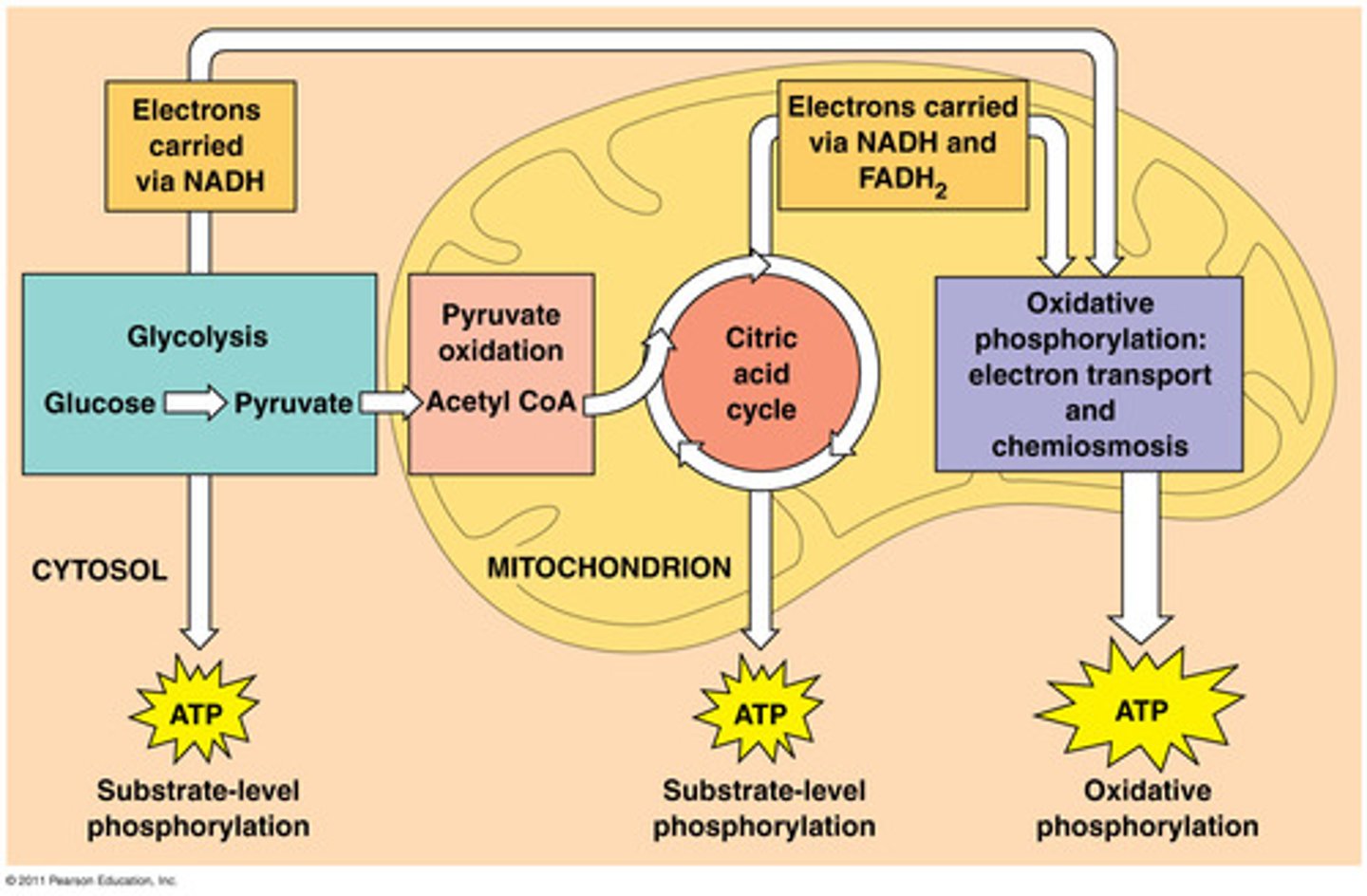
aerobic respiration
process that requires oxygen to produce a net of 36 molecules of ATP for every one molecule of glucose
anerobic respiration
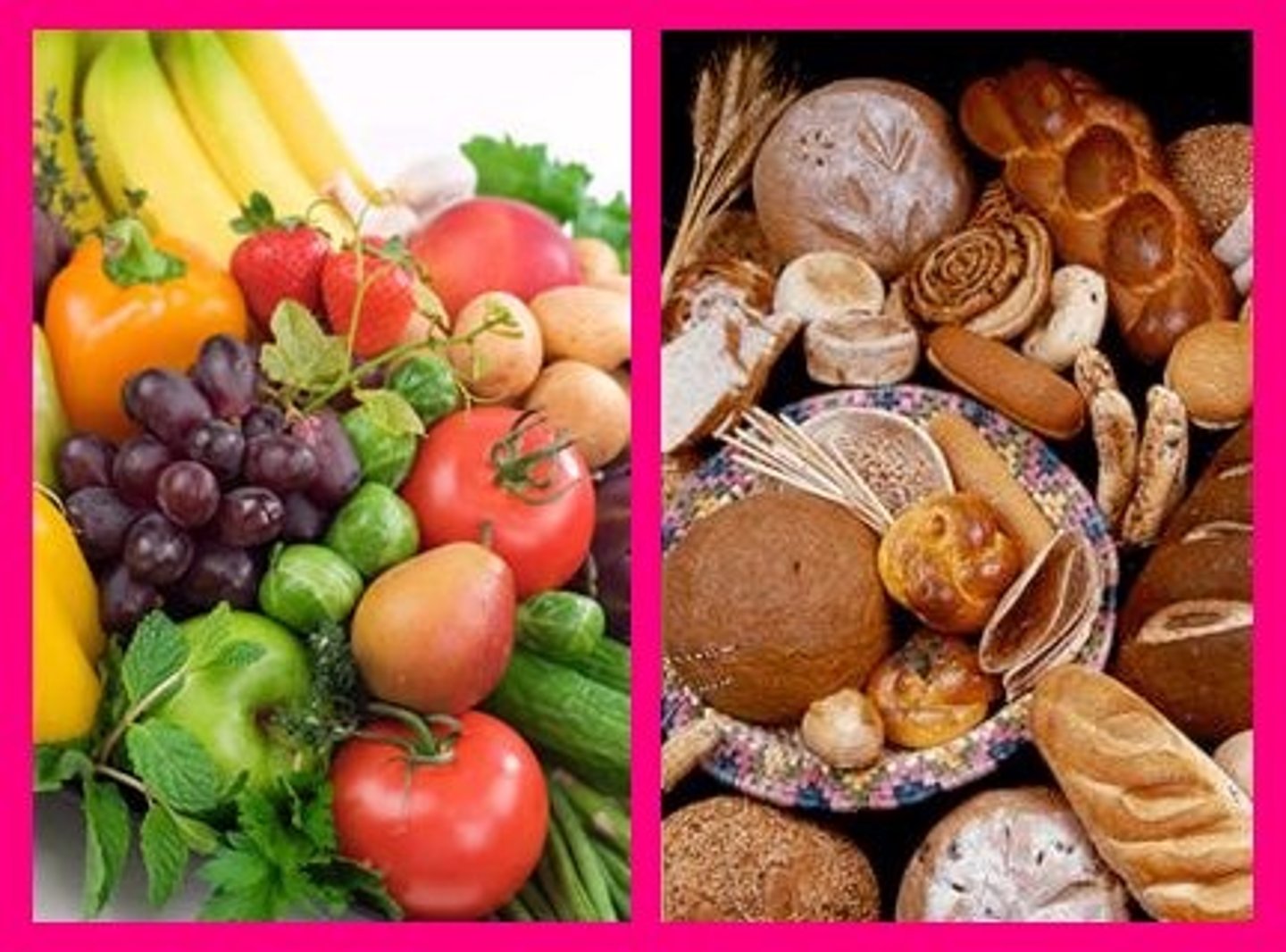
the process that does not require oxygen where a small amount of energy is produced along with carbon-dioxide & alcohol or lactic acid
reactant
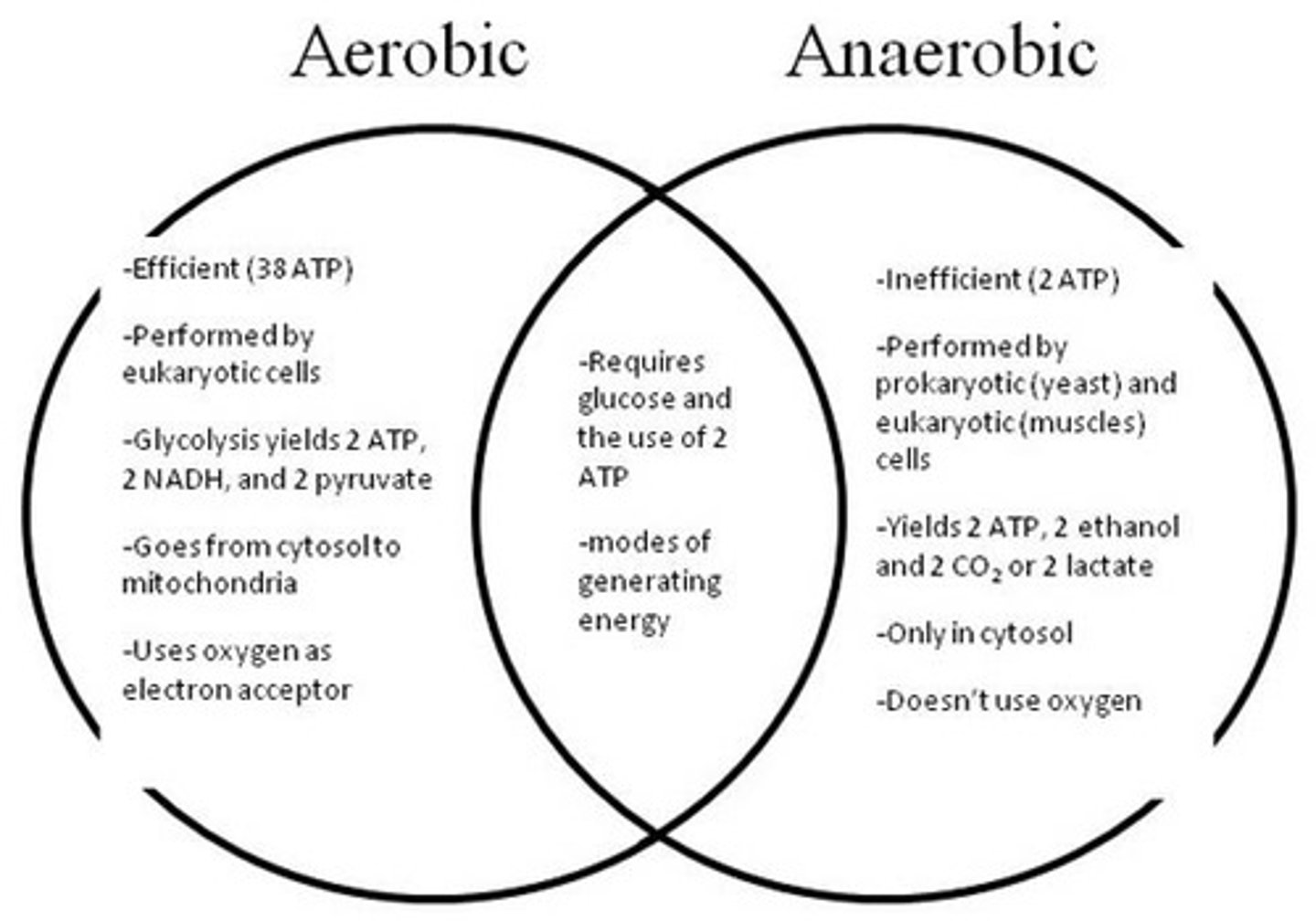
A chemical substance that is present at the start of a chemical reaction
product
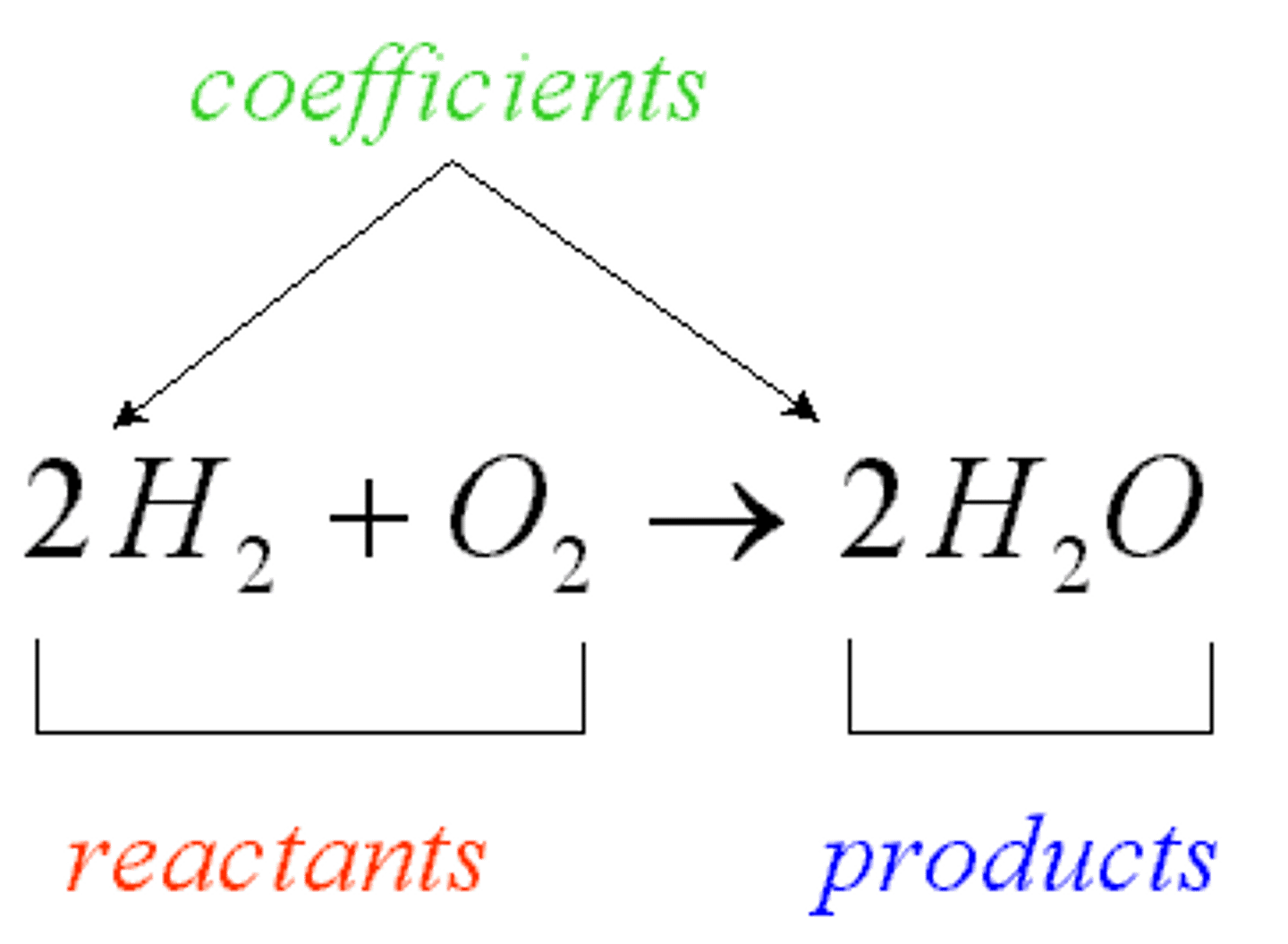
a chemical substance formed as a result of a chemical reaction
carbohydrate
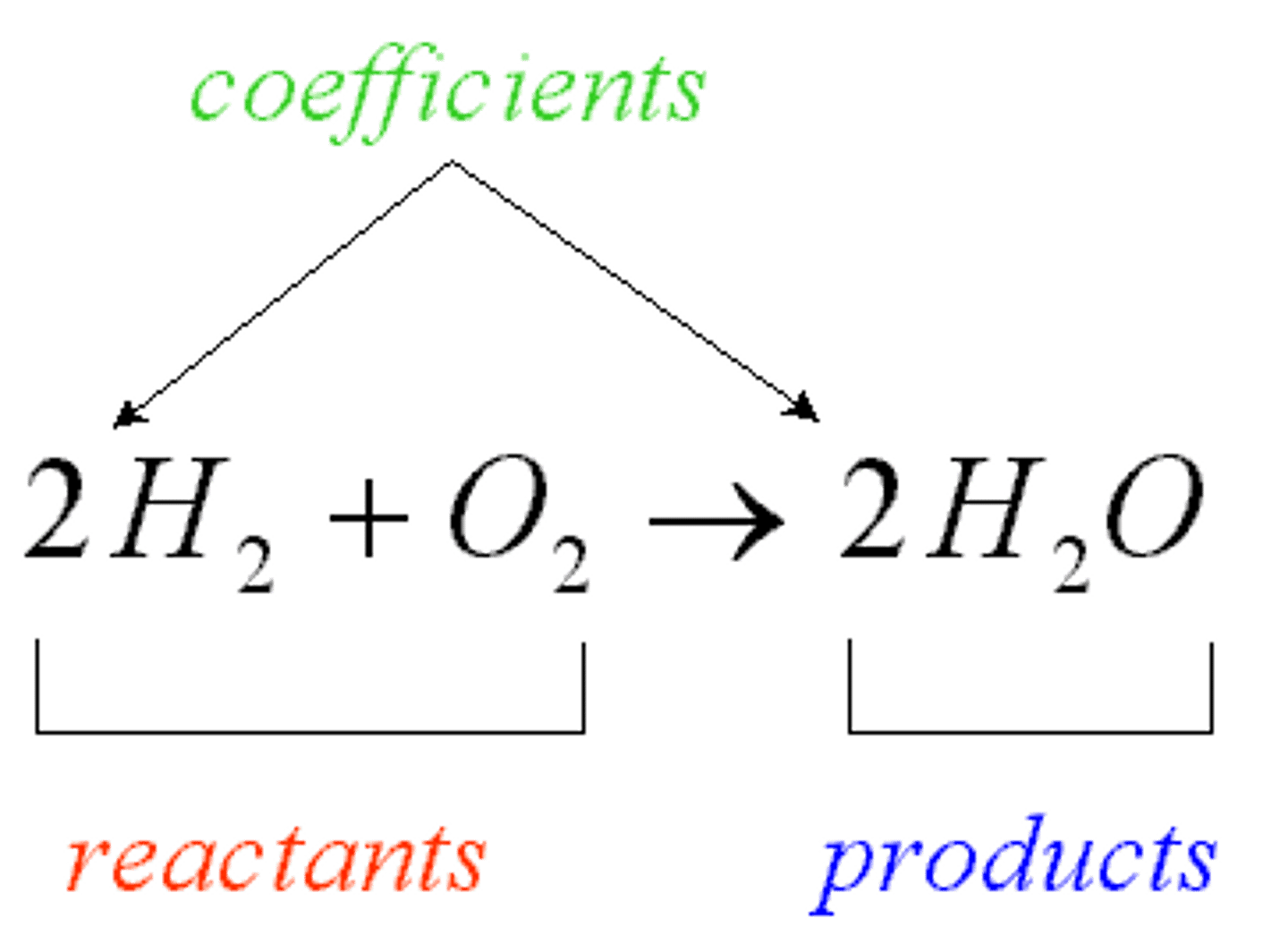
compound made up of carbon, hydrogen, and oxygen atoms; major source of quick energy for organisms
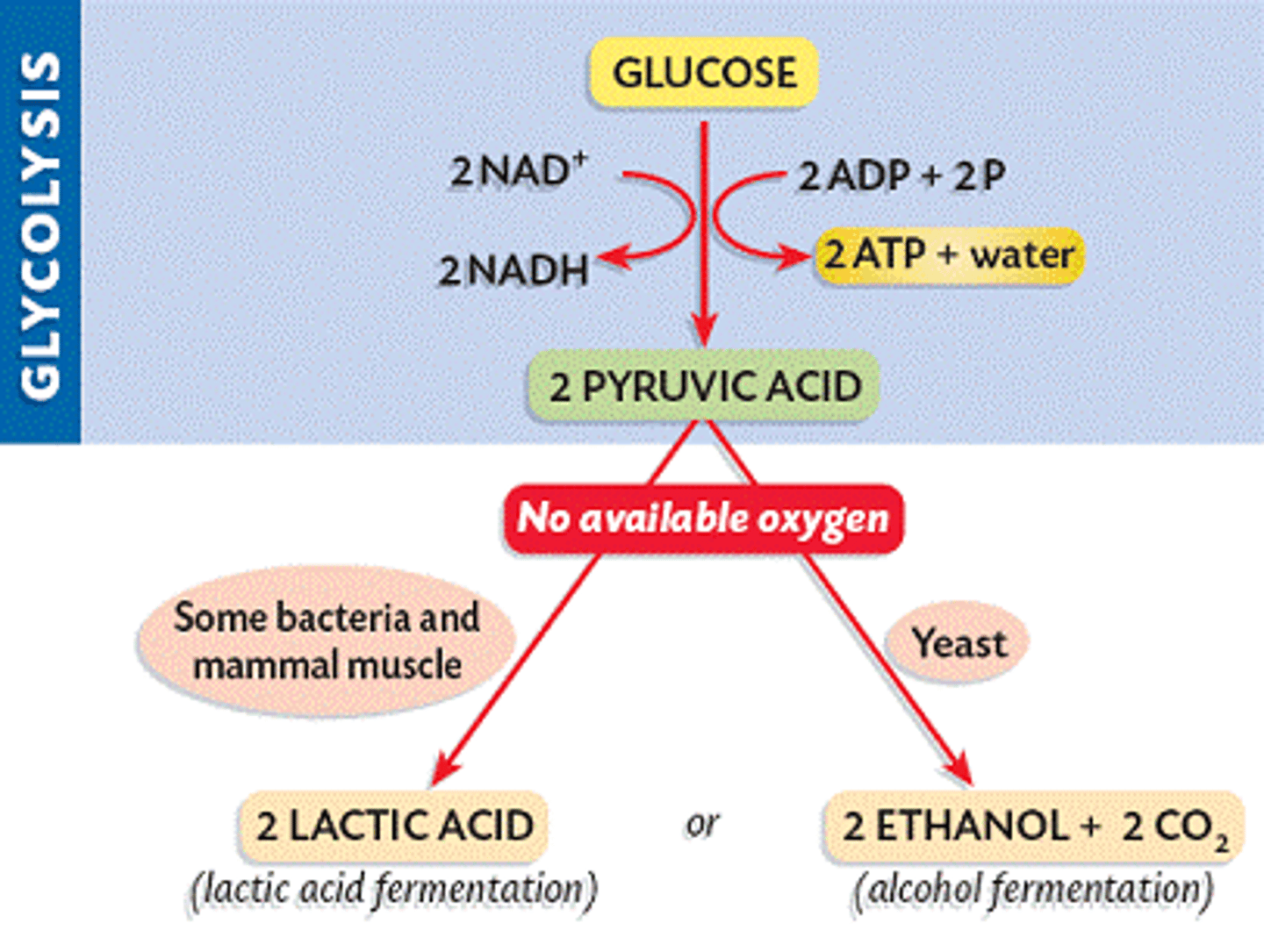
alcohol fermentation and lactic acid fermentation
part of the anaerobic pathway they occur WITHOUT oxygen
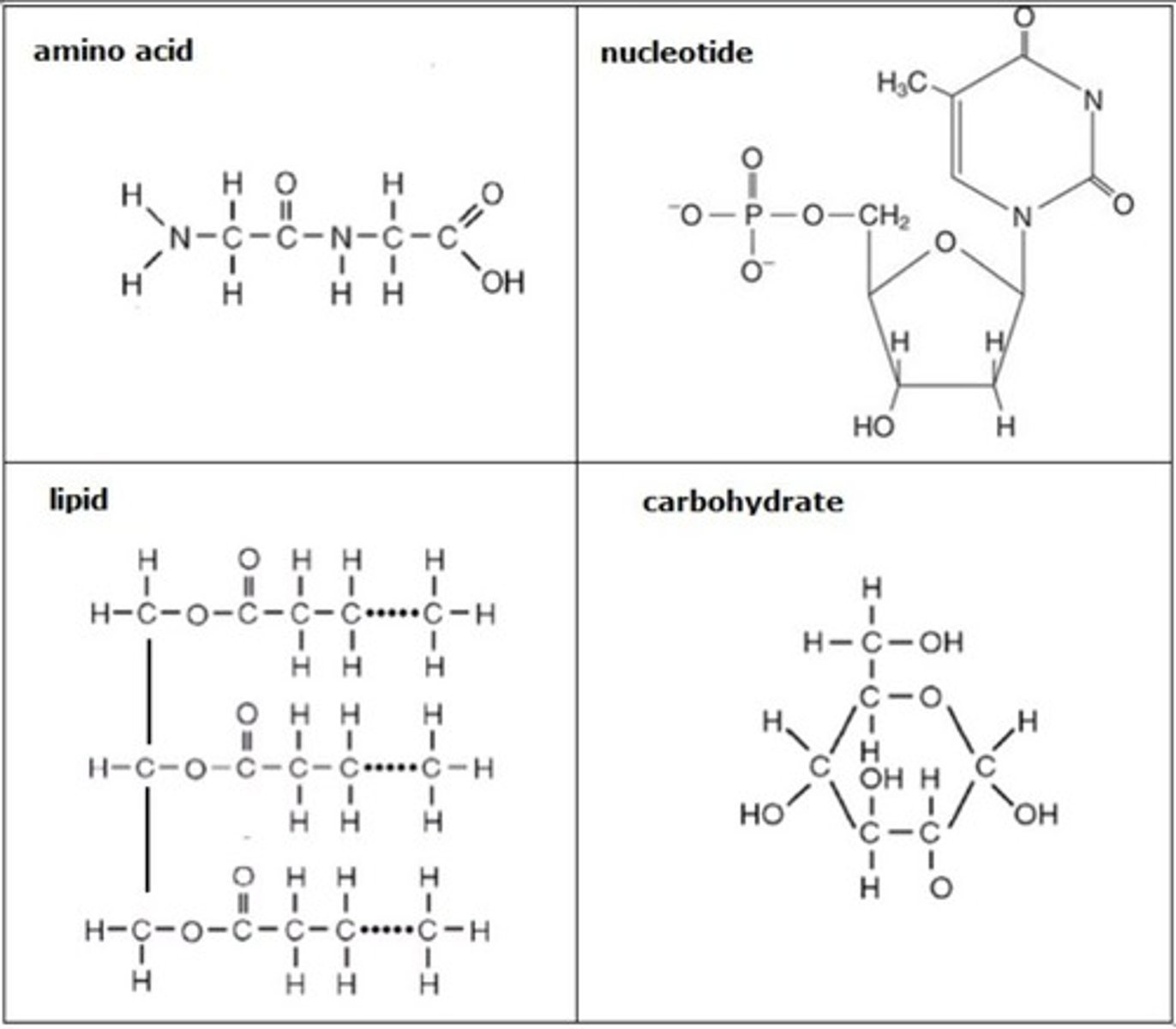
organic molecule
A molecule containing carbon that is a part of or produced by living systems. (with the exclusion of CO2)
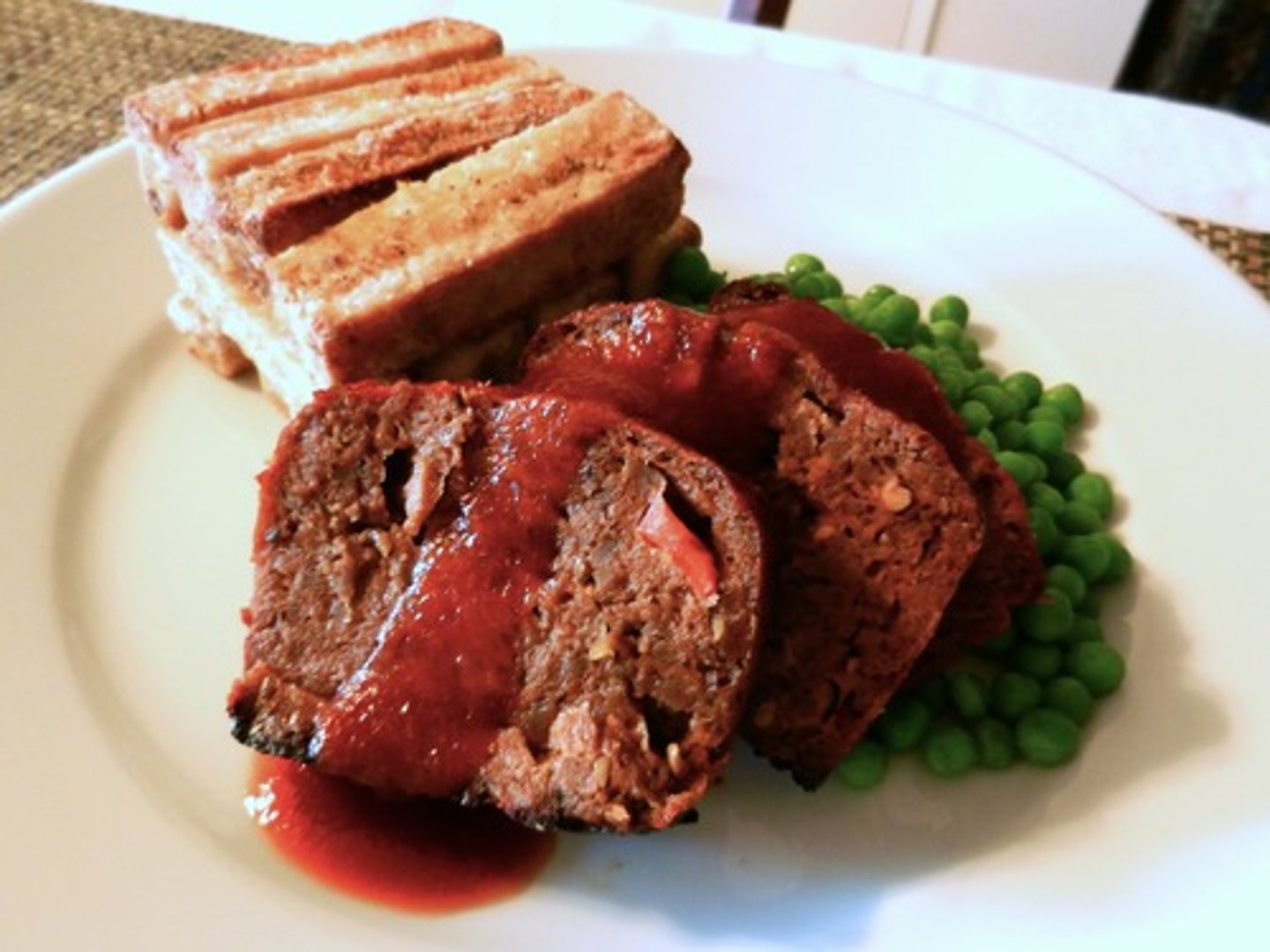
protein
a compound made of small carbon compounds called amino acids
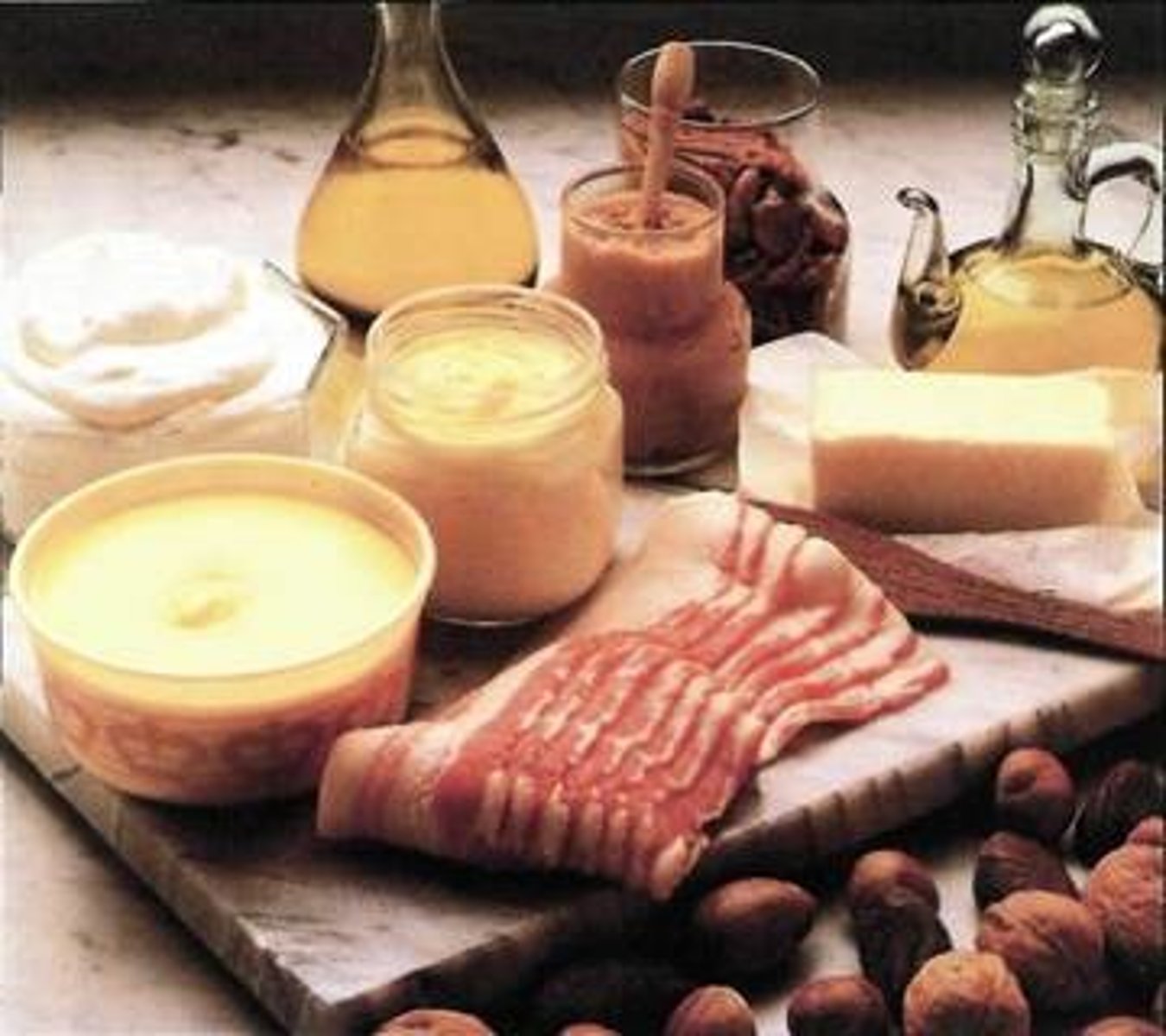
lipid
macromolecule made mainly from carbon and hydrogen atoms; includes fats, oils, and waxes
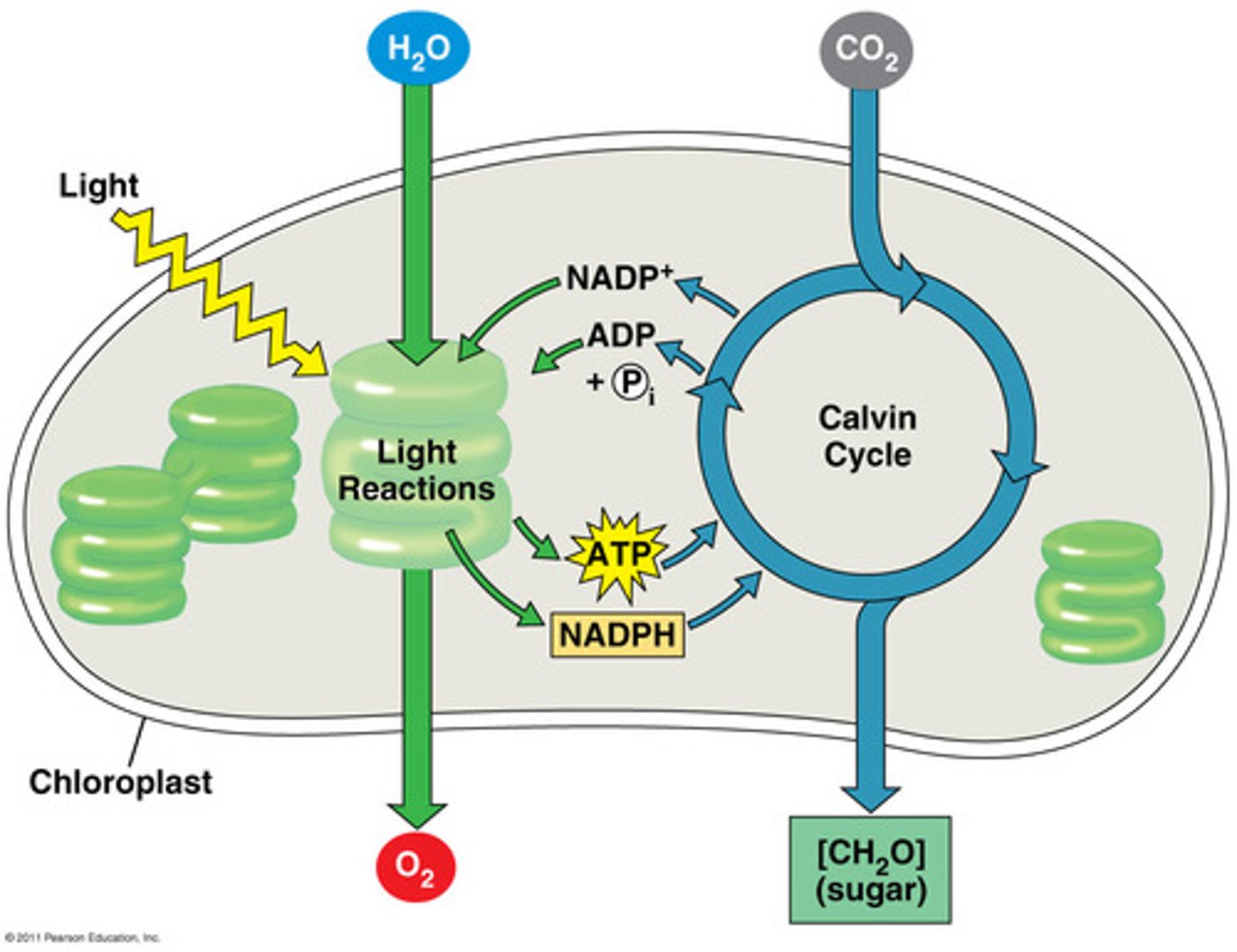
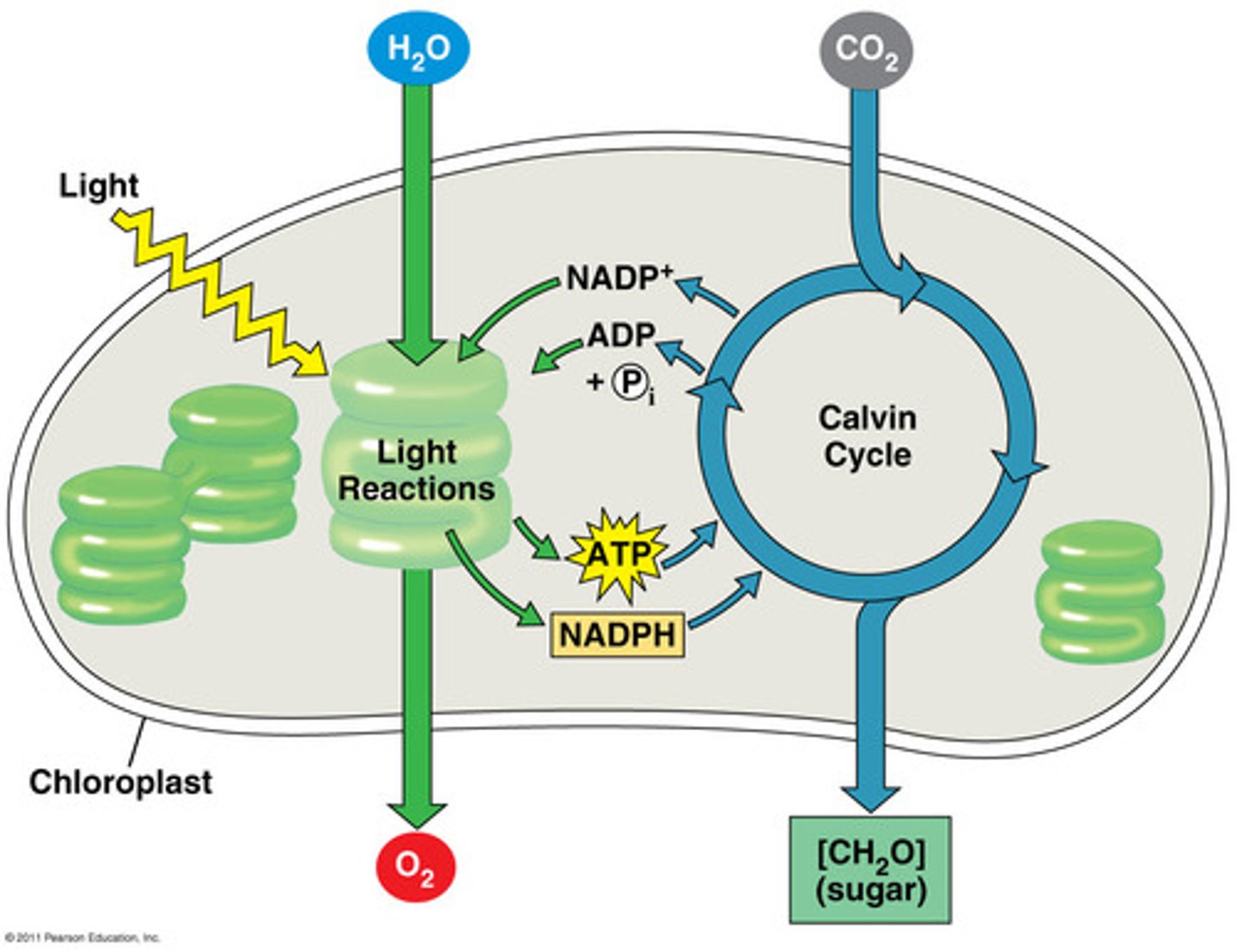
photosynthesis
Conversion of light energy from the sun into chemical energy. An energy STORING process.
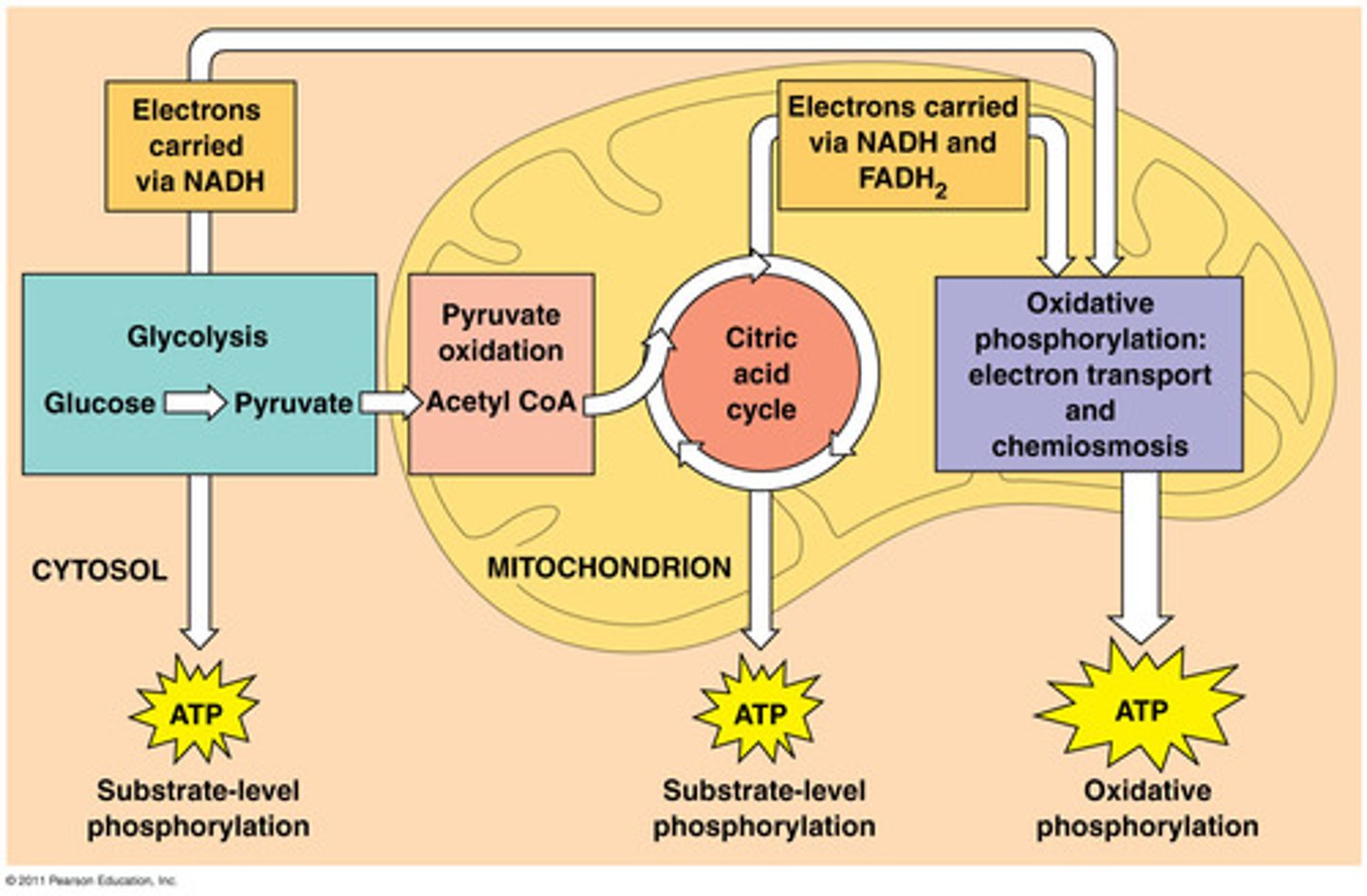
cellular respiration
the process by which cells use oxygen to produce energy (ATP) from food. An energy RELEASING process.
6CO2 + 6H2O + Sunlight Energy------> C6H12O6 + 6O2
Formula for photosynthesis
C6H12O6 + 6O2 -----> 6CO2 + 6H2O + Energy (ATP)
Formula for cellular respiration
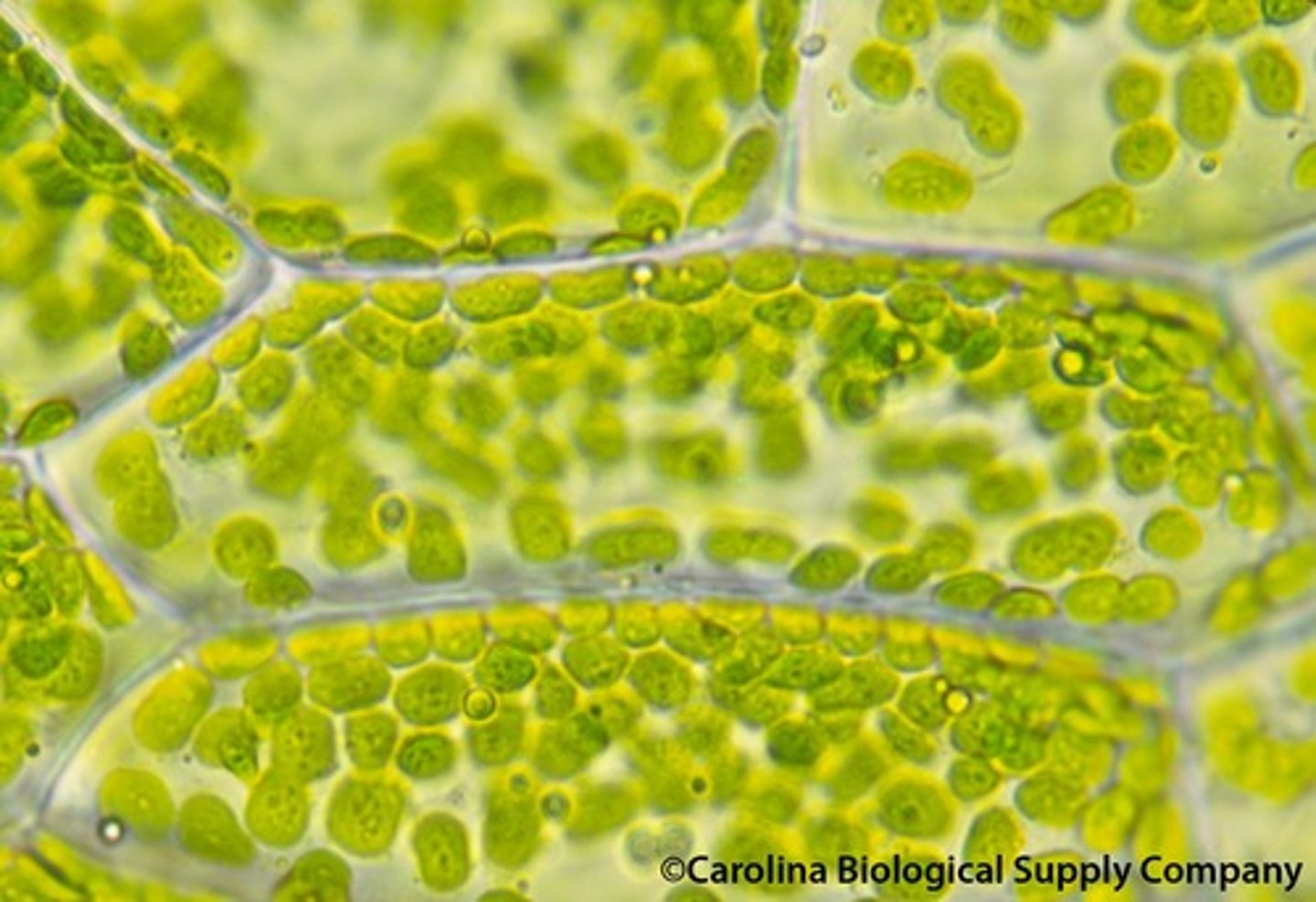
chloroplast
An organelle found in plant and algae cells where photosynthesis occurs
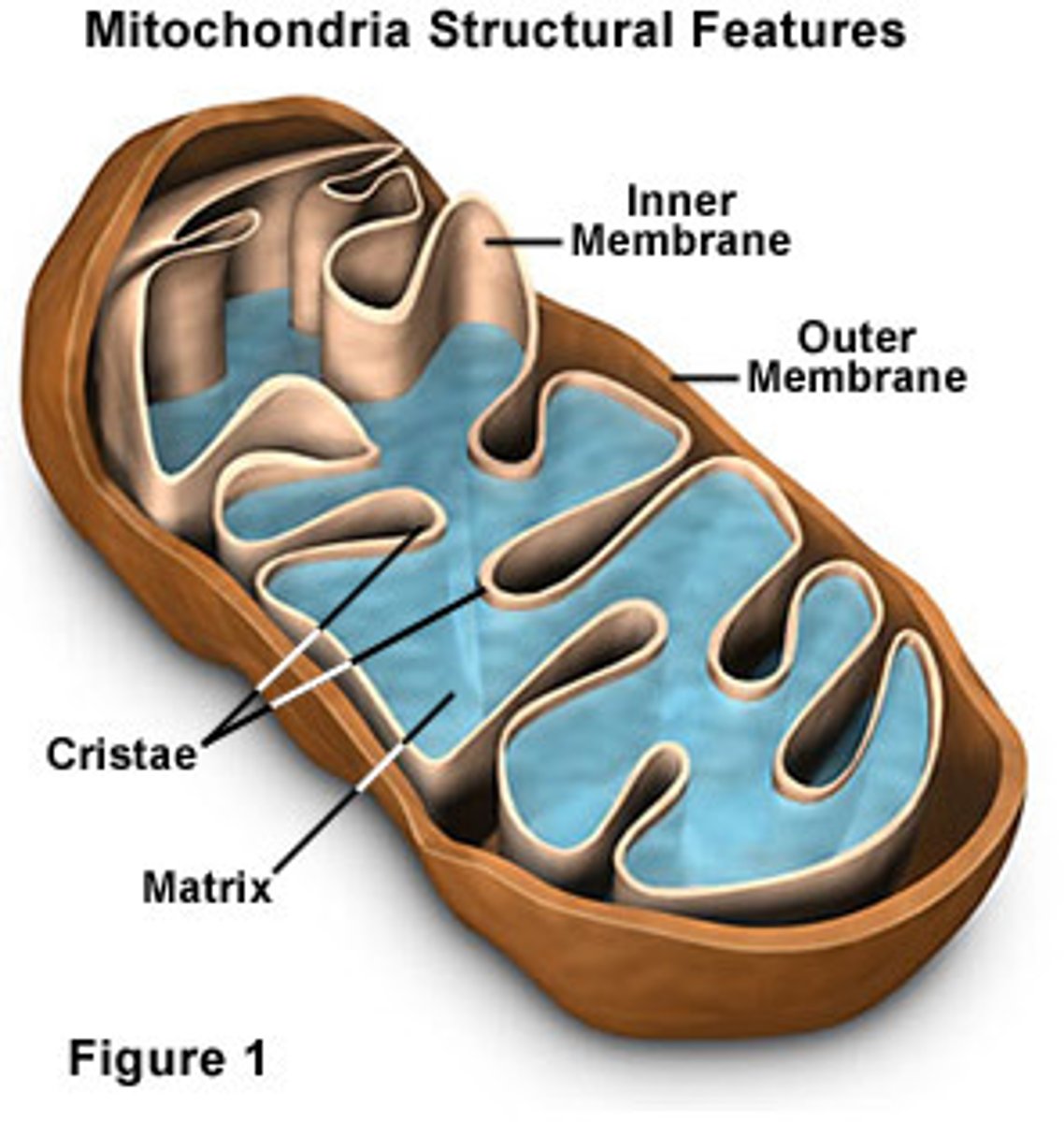
mitochondria
Powerhouse of the cell, organelle that is the site of ATP (energy) production via cellular respiration
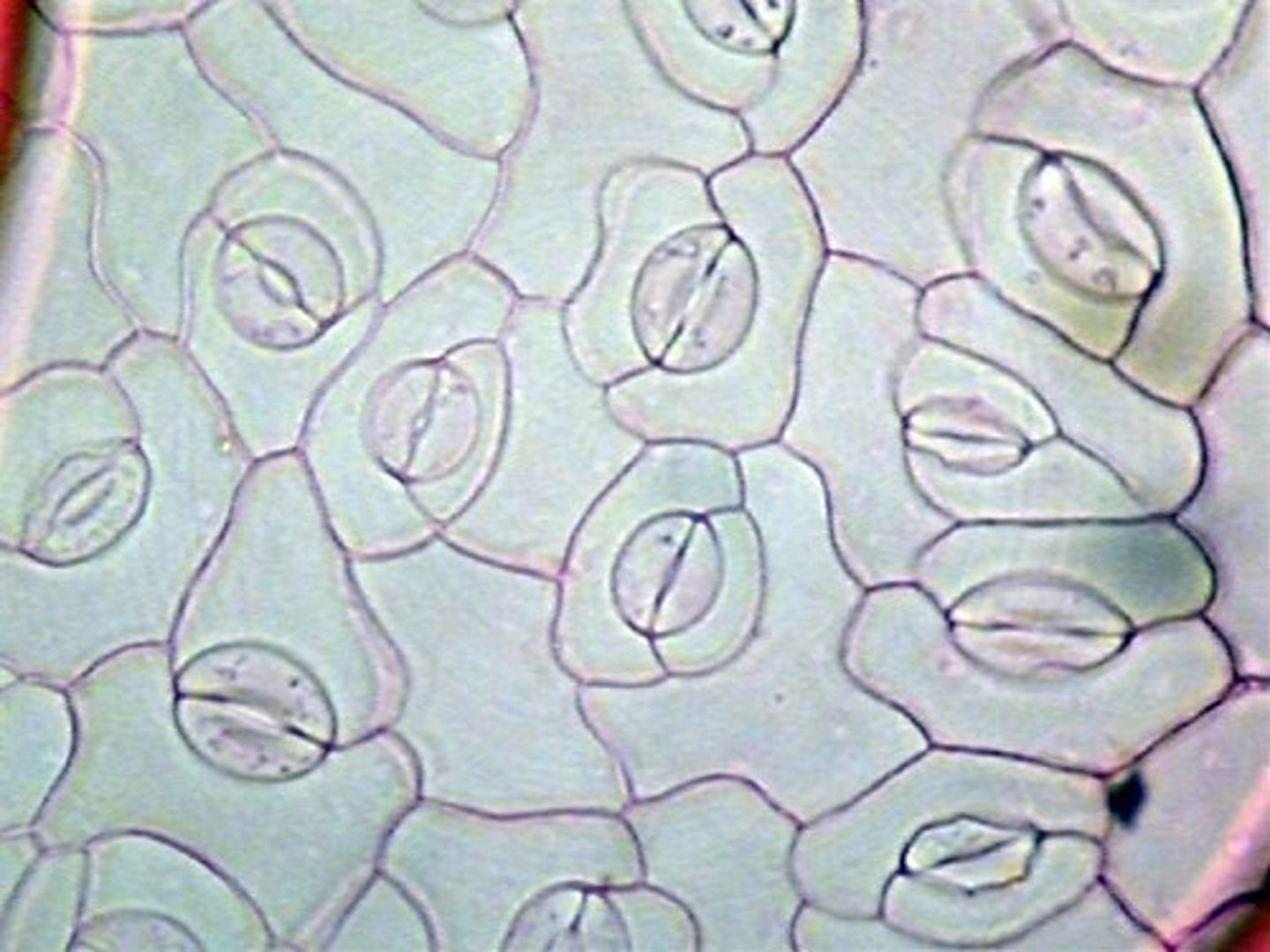
stomata
the small openings on the undersides of most leaves through which oxygen and carbon dioxide can move
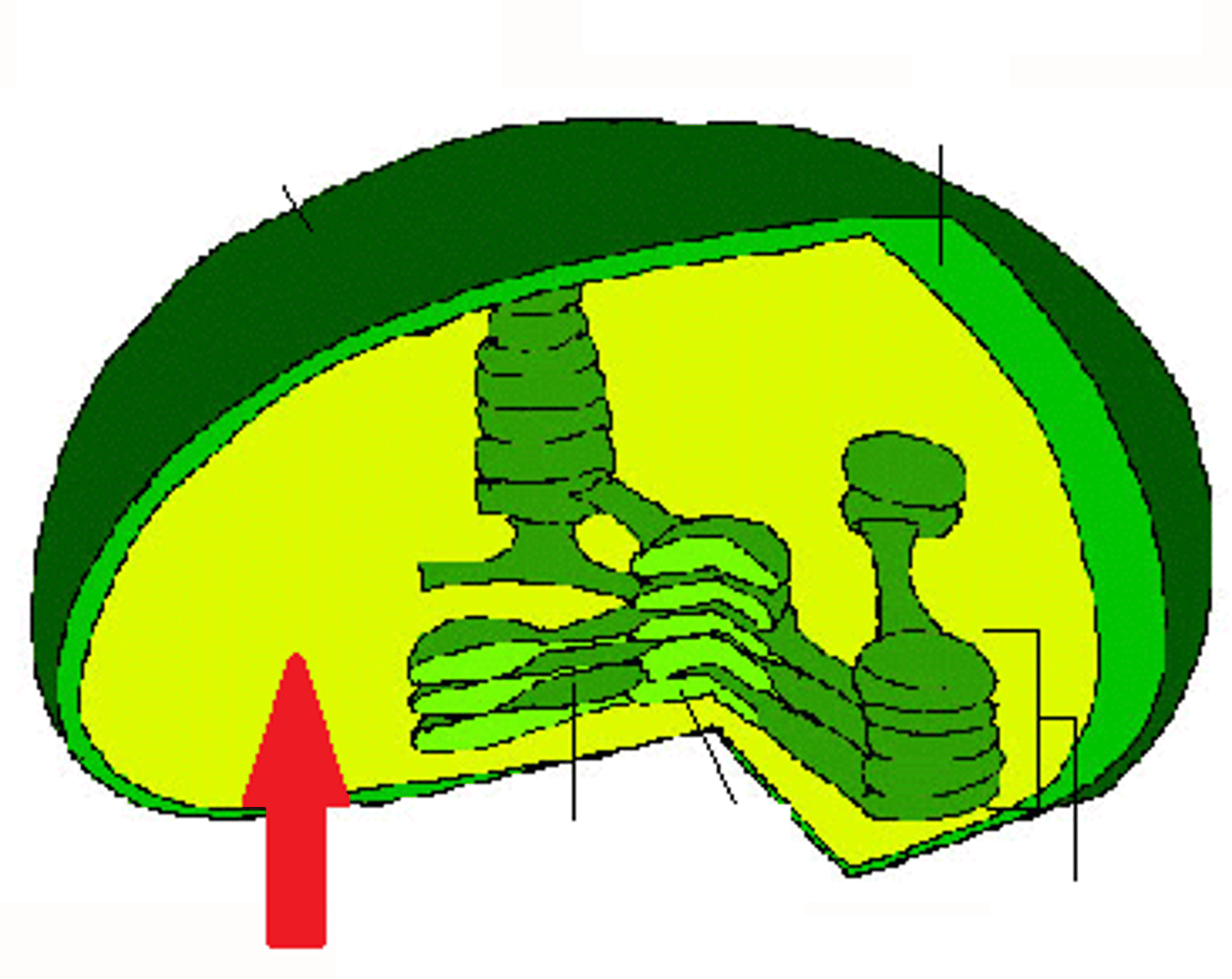
stroma
In plants, the solution that surrounds the thylakoids in a chloroplast. Where light-independent photosynthetic reactions occur
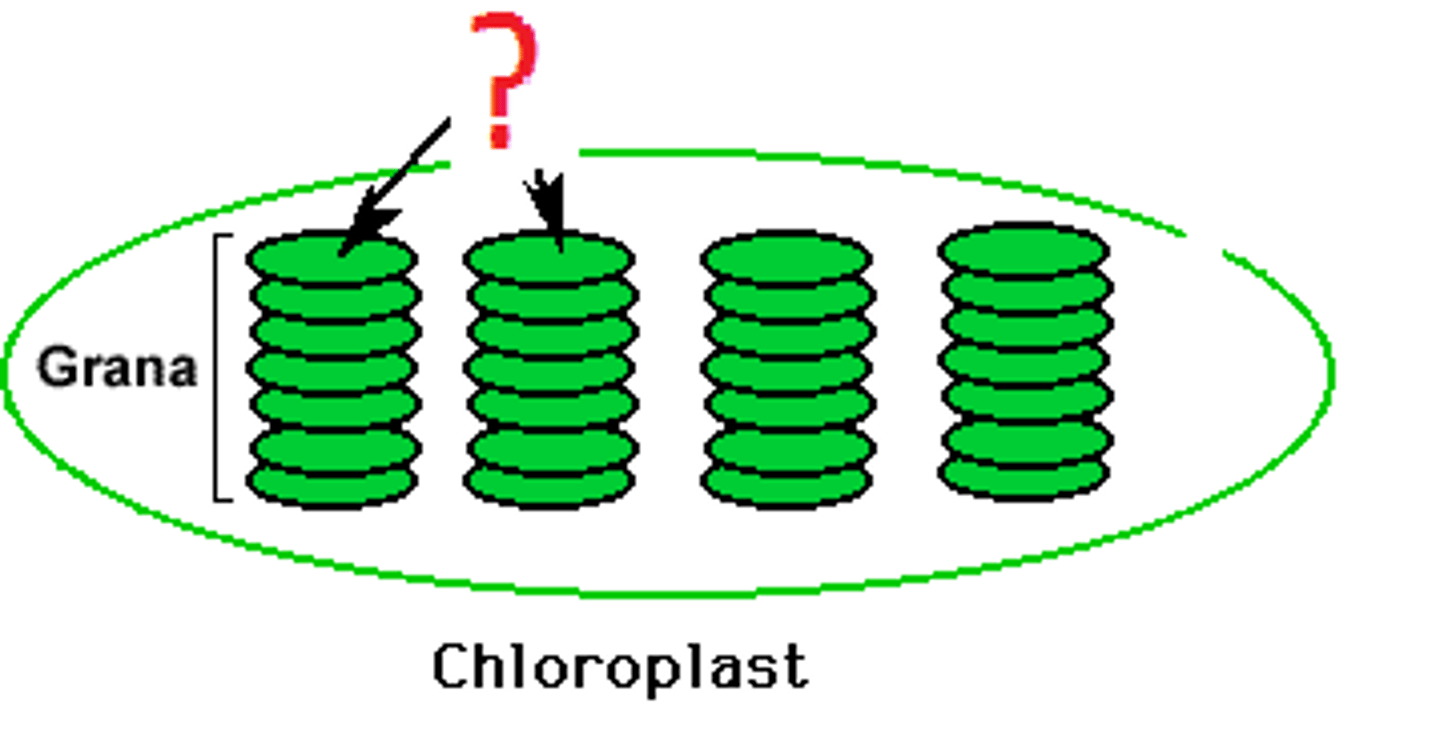
thylakoids
A flattened membrane sac inside the chloroplast, used to convert light energy to chemical energy. Where light-dependent photosynthetic reactions occur
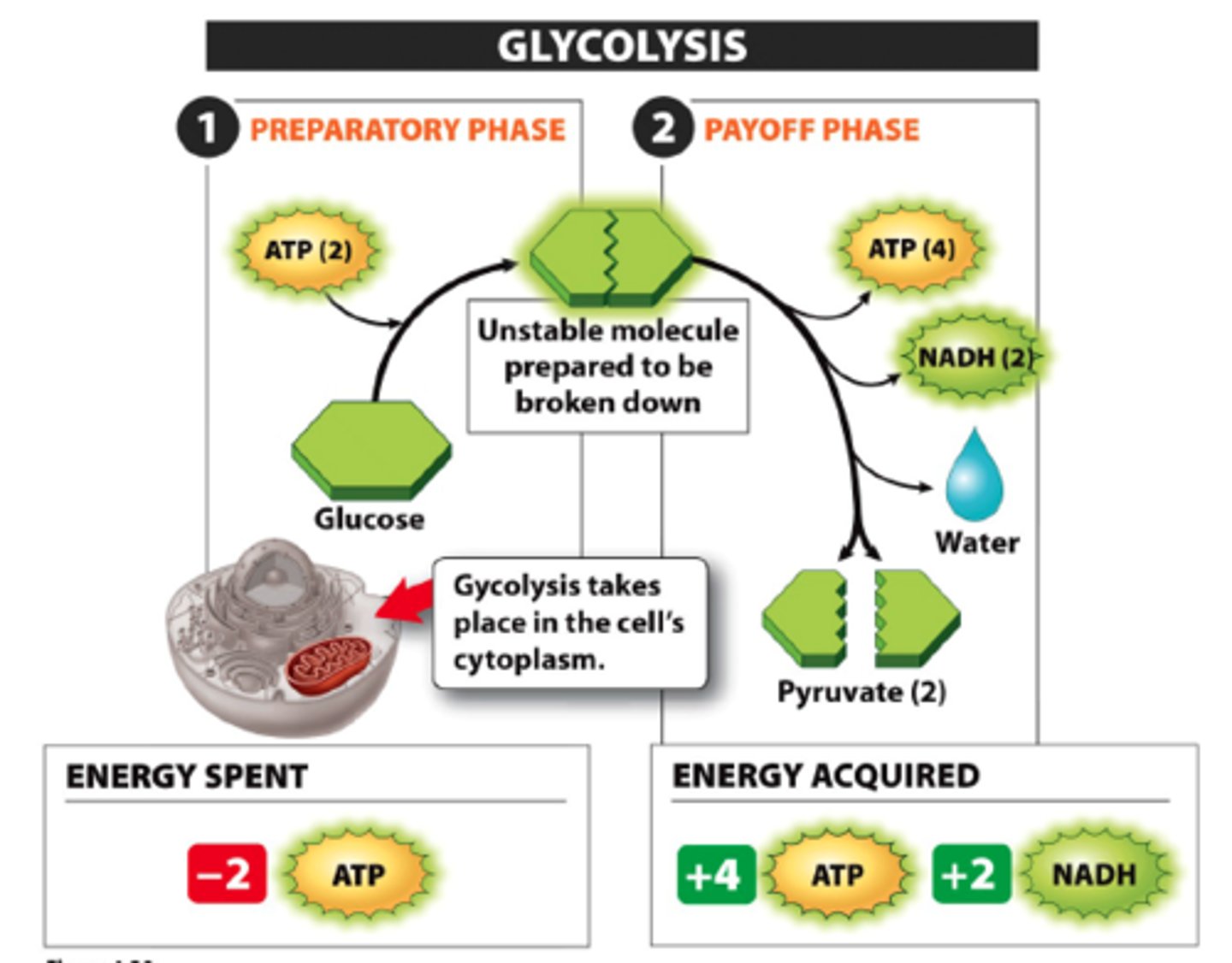
glycolysis
the first step in the breakdown of glucose by enzymes, releasing energy and pyruvic acid.
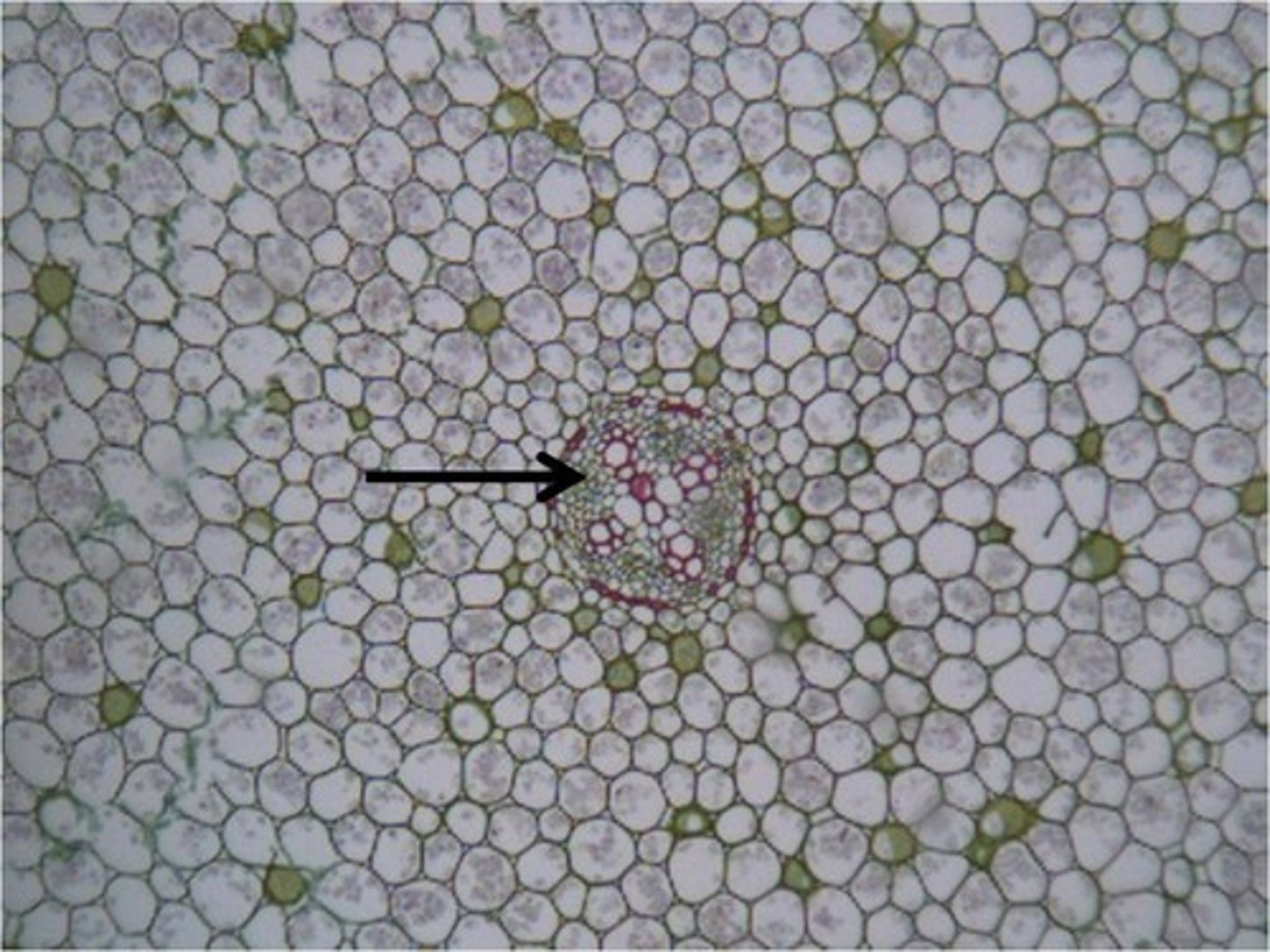
Phloem
Living vascular tissue that carries sugar and organic substances throughout a plant
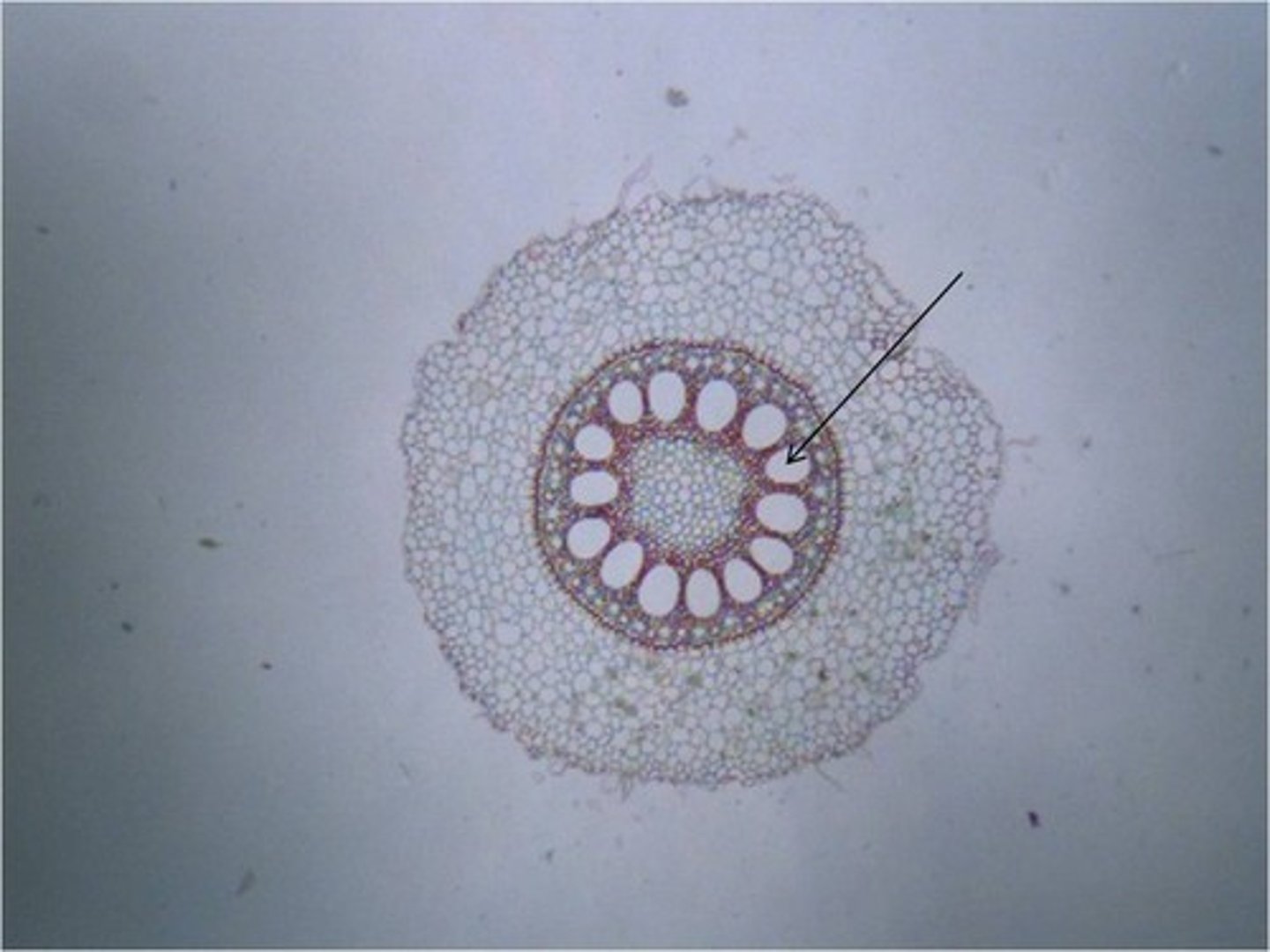
Xylem
vascular tissue that carries water and minerals upward from the roots to every part of a plant
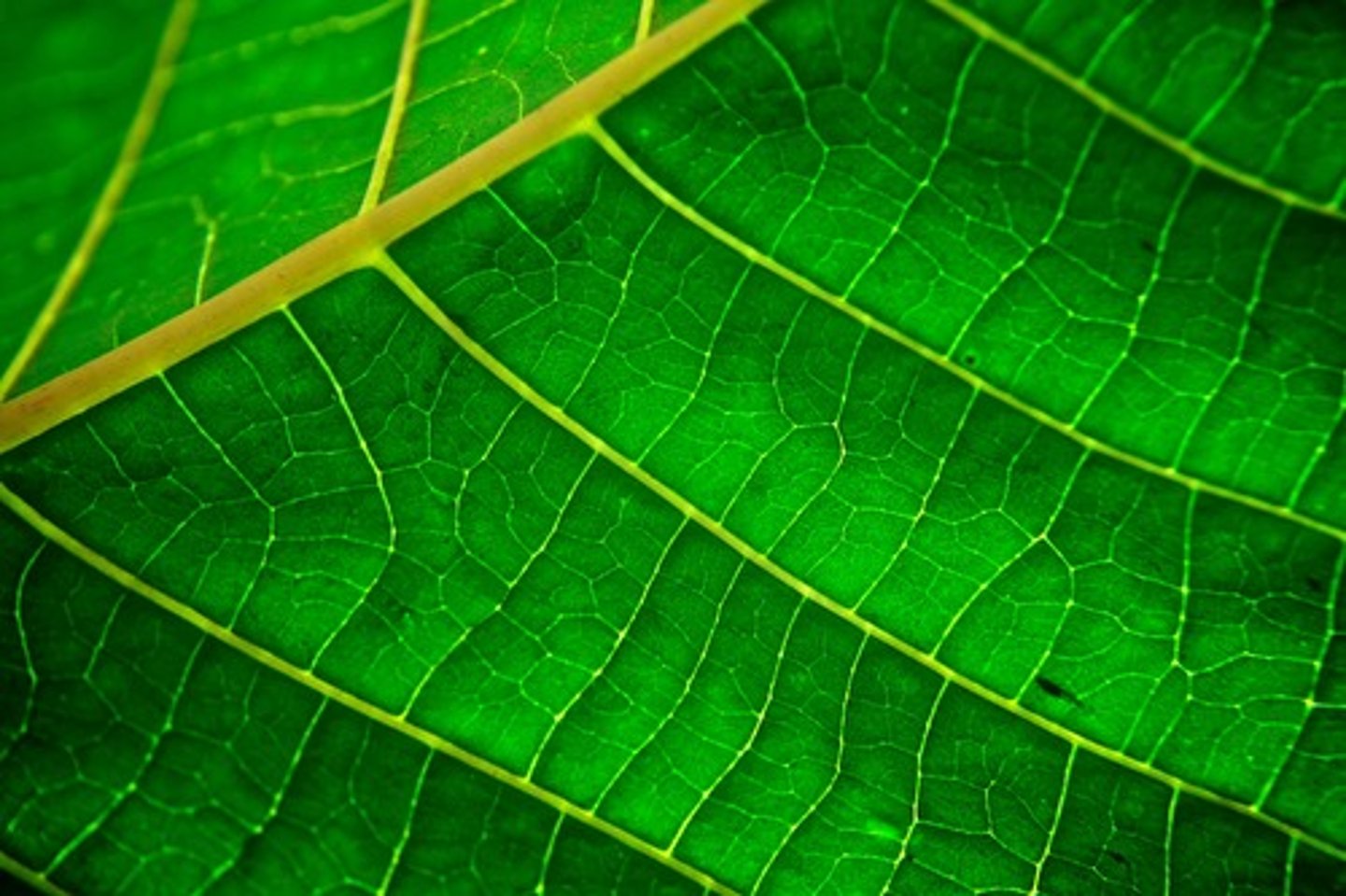
Chlorophyll
Green pigment in plants that absorbs light energy used to carry out photosynthesis
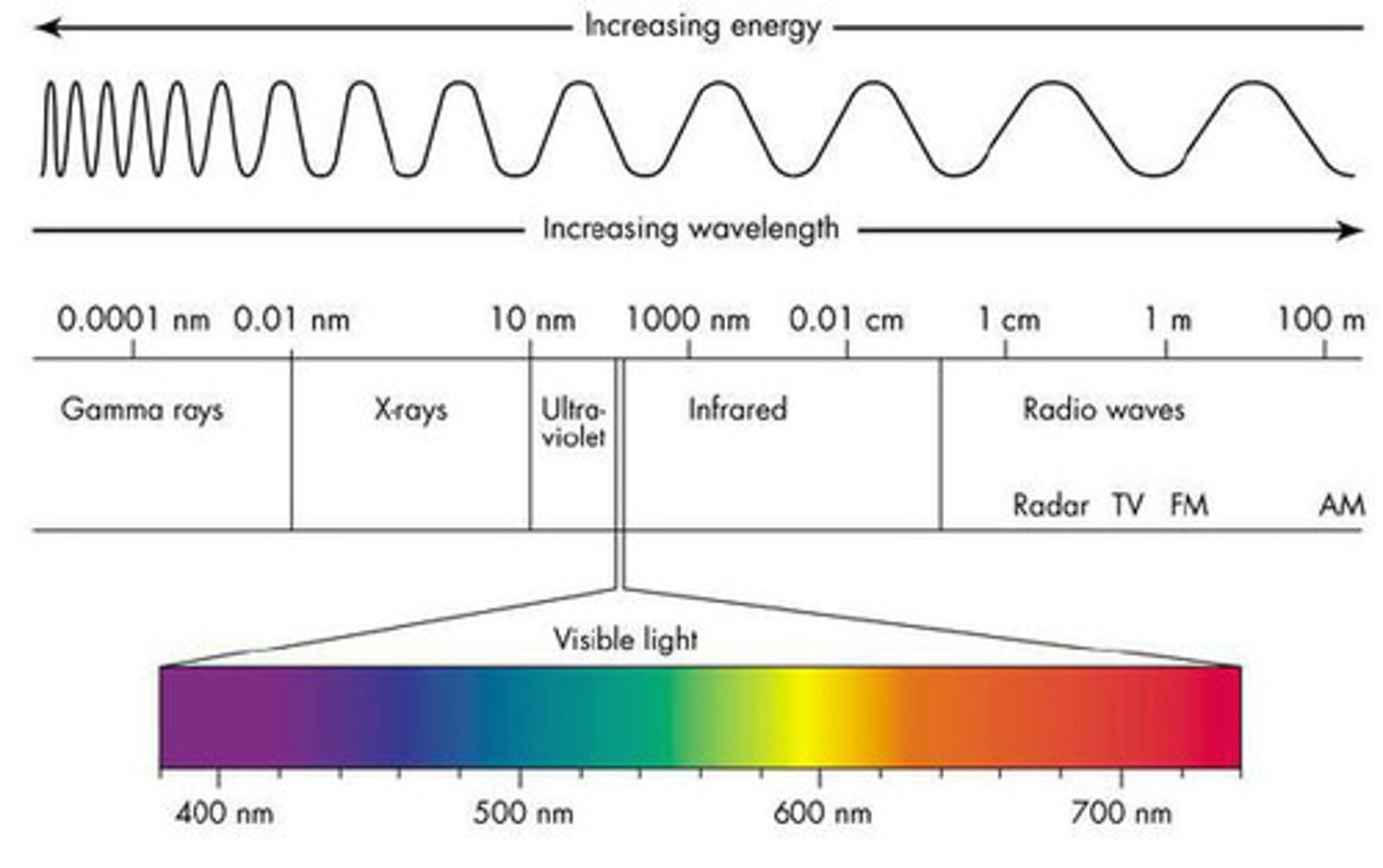
electromagnetic spectrum
the complete range of electromagnetic waves placed in order of increasing frequency
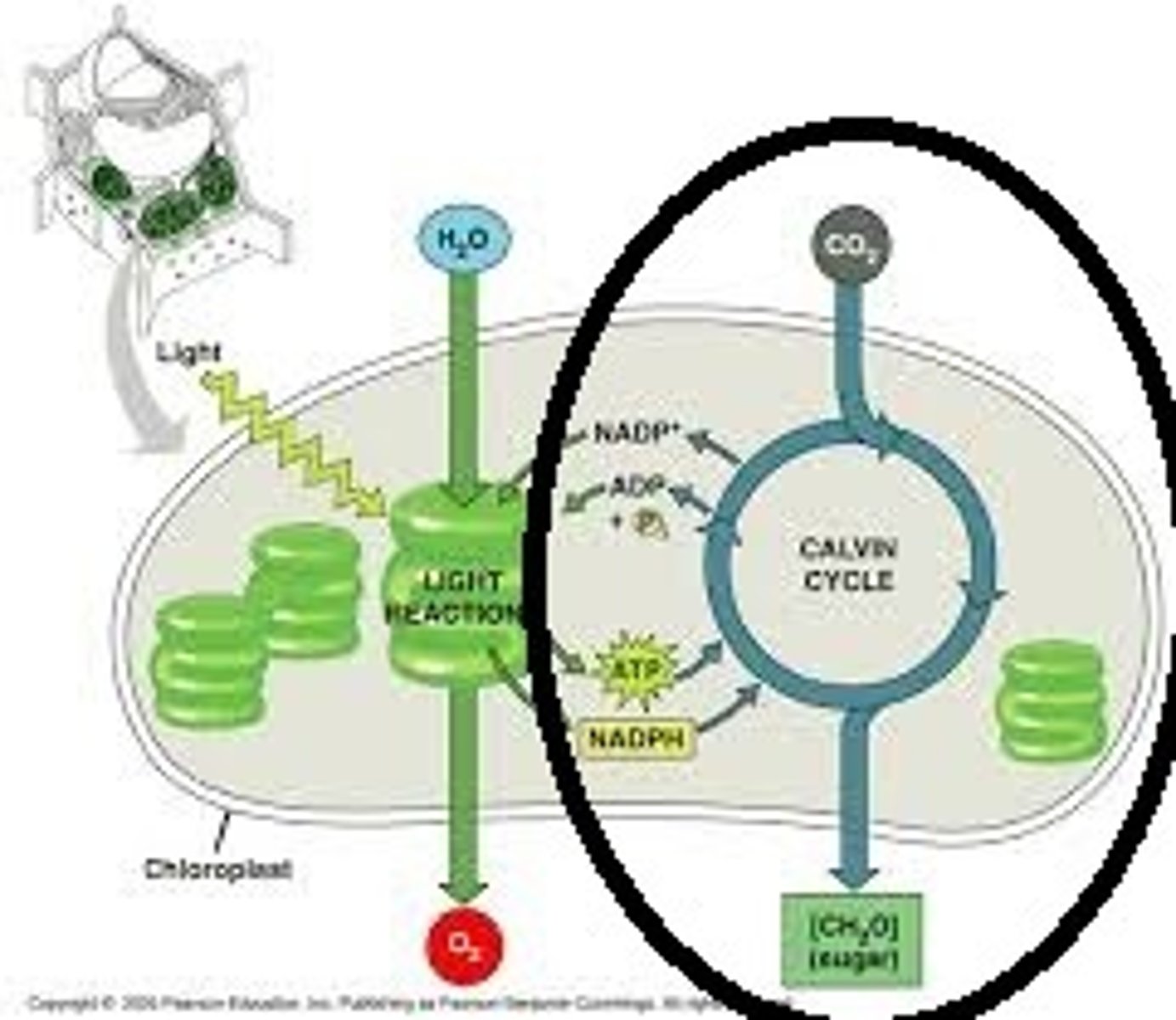
Light Independent Reactions (Calvin Cycle)
reactions of photosynthesis in which energy from ATP and NADPH is used to build high-energy compounds such as sugars
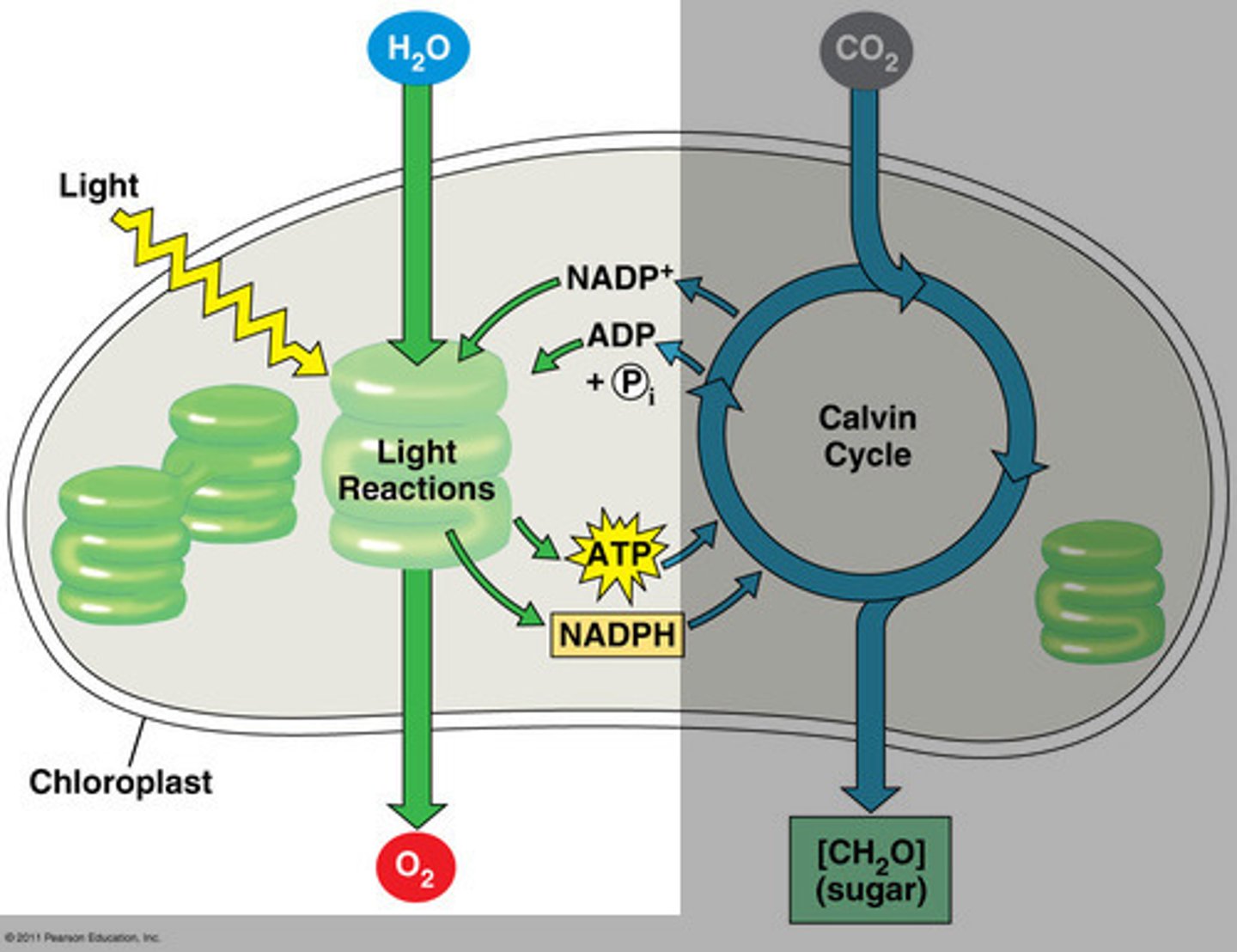
light-dependent reactions
part of photosynthesis that absorbs energy from sunlight and transfers energy to the light-independent reactions
colors of light plants utilize best
red and blue light
Where carbon atoms used to make glucose in photosynthesis come from.
Carbon dioxide from the atmosphere
During photosynthesis, for every 6 molecules of carbon dioxide, how many molecules of glucose do you make?
1 molecule of glucose
Monosaccharide
Monomer of carbohydrates
Amino acids
monomers of proteins
Enzymes
proteins that speed up chemical reactions in cells.
brown paper bag test
A biochemical test for detecting lipids.
How is cellular respiration related to the carbon cycle
Cellular respiration is the process by which cells convert glucose and oxygen into energy, producing carbon dioxide and water as byproducts, thus playing a significant role in the cycling of carbon through ecosystems.
How are photosynthesis and cellular respiration related?
Photosynthesis converts carbon dioxide and water into glucose and oxygen using light energy, while cellular respiration uses glucose and oxygen to produce energy, carbon dioxide, and water, demonstrating their interdependence in the carbon cycle.
lactic acid
is a product of anaerobic respiration in muscles, formed when glucose is broken down without sufficient oxygen, leading to muscle fatigue.
dehydration synthesis
is a chemical reaction that PUTS TOGETHER molecules by losing water molecules, commonly used in the formation of polymers from monomers in biological systems.
hydrolysis
is a chemical reaction that BREAKS DOWN molecules by adding water, often used to separate polymers into monomers in biological processes.