CHEM 262 ALL REACTIONS!
 Call Kai
 Learn
 Practice Test
 Spaced Repetition
 Match
 Flashcards
 Knowt Play
1/102

There's no tags or description
Looks like no tags are added yet.
103 Terms
Ester --> 1' alcohol
1. LiAlH4
2. H3O+
also yield ROH

ester --> 3' alcohol
1. RMgBr (xs)
2. H3O+ w/up
ester --> aldehyde
1. DIBAL-H, -78 C
2. H2O, cat HCl

Amide --> carboxylic acid
HCl (1 eq), H2O (solvent), HEAT
amide --> carboxylate
1. NaOH, H2O, HEAT
2. H3O+ w/up
amide --> amine
1. LiAlH4
2. H2O (or H3O+ --> protonated amine)

RCN --> amine
1. LiAlH4
2. H2O or H3O+ w/up
RBr --> RCN
NaCN (SN2)
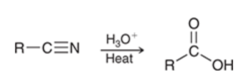
RCN --> carboxylic acid
H2O, HCl (1 eq), HEAT
will form amide first then will do amide hydrolysis (CADs) to form CBA
RCN --> amine
H2, Pd/C (reduces triple bond to single)
Ketone/ald --> kinetic enolate
1. 1.05 eq LDA, -78 C, THF (+ less sub C)
Ketone/ald --> thermo enolate
1. 0.95 LDA, 0 C, THF (or 5% protic solvent)
+ more sub C
ketone/ald --> single halogenation of Cl
Cl2, H3O+
ketone/ald --> polysubstituion of Cl
Cl2 (xs), NaOH
all alpha Hs replaced by halogen
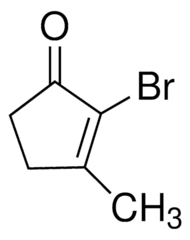
ketone/ald --> single halogenation with double bond
NaOH, Br2 (xs), t-BuO-K (E2)
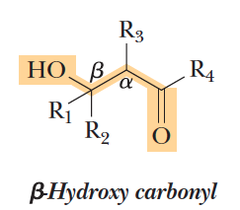
ketone/ald --> beta-hydroxy-carbonyl (1 carbonyl+ 1 alcohol group)
cat. NaOH, H2O (0 C)
ketone/ald --> beta-hydroxy-aldehyde/ket (carbonyl with double bond, no OH)
cat. NaOH, H2O, HEAT

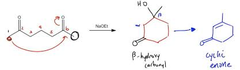
Keto^^^aldehyde --> 5 or 6 membered ring (beta-hydroxy-carbonyl)
cat. NaOH, H2O (0C)
intramolecular adol
NO double bond

keto-ester --> ketone with R group
1. NaOCH2CH3 (enolate)
2. RCH2X (R group addn)
3. H2O, HCl, HEAT (ester->CBA, -CO2) decarb
ketone --> enol (basic)
cat. NaOH, H2O

what can LDA attack?
esters, ketones, aldehydes, only 3' amides
how to control crossed adol products
#1. add carbonyl w alpha H slowly to reactant with no alpha Hs
#2. form desired enolate using LDA, slowly add 2nd carbonyl molecule
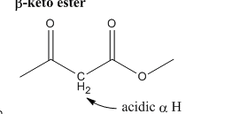
ester --> beta-keto-ester (ketone^ester)- added on ketone
1. NaOCH3, HOCH3 (must be same OR group as reactant or transesterfication)
2. H3O+ w/up
di ketone (1,4-1,7) --> a/B unsaturated carbonyl 5/6 membered ring
cat. NaOH, H2O, HEAT
diester --> carboxylic acid + R group (malonic ester syn)
1. NaOCH3, HOCH3 (enolate)
2. RCH2X (R group addn)
3. H2O, HCl, HEAT (both esters to CBAs, remove one CBA)

keto-carboxylic acid --> ketone and carboxylic acid (separate)
HEAT (decarb)
must start w 1,3 CBA and ket/ald
*CBA comes off and is left as CO2
aldehyde + aldehyde --> crossed adol (4 products)
NaOH, H2O
ketone/ald --> enolate (acidic)
H2O, cat. HCl

di ester --> 1,5 dicarbonyl (Michael addn)
1. NaOCH3, HOCH3, +desired unsat carbonyl
2. H3O+ w/up
major product is thermo
1,4 conjugate addn of enolate to a-B unsat carbonyl
ketone/ald + enol --> 6 membered dehydrated/unsat ring (Robinson addn)
NaOH, HEAT, H2O, desired unsat carbonyl
ketone/ald --> 3' amine
trace HCl, 2' amine (R2NH), NaBH3CN
R2NH forms enamine, NaBH3CN forms 3' amine
ketone/ald --> 2' amine
1' amine (RNH2), trace HCl, H2, Pd/C
1' amine forms imine, H2, pd/C forms 2' amine
RBr --> 1' amine
1. NaN3 (SN2 w N3)
2. H2, Pd/C (reduces to 1' amine)
OR
1. NaCN (SN2)
2. LiAlH4 (reduces to amine)
3. H2O w/up or H2, Pd/C
RBr --> RNH2
NH3 (SN2)
must add xs amine so over alkylation does not form
amine --> 4' amine (+)
over alkylation--> happens when add xs RBr, K2CO3
PhNO3 --> PhNH2 (aryl amine/aniline)
H2, Pd/C
factors that affect amine basicity
1. sp3>sp2>sp (lp in p orb makes less basic)
2. EDGs increase basicity, stronger donator more basic
3. inductive e- donating groups increase basicity
⌬ --> ⌬-Br (or Cl)
Br2, FeBr3
⌬ --> ⌬-I
HNO3, I2
⌬ --> ⌬-SO3H
SO3, H2SO4, heat
⌬ --> ⌬-NO2
HNO3, H2SO4, Heat
⌬ --> ⌬-R
RCl, AlCl3, H2O w/up
*Carbocation rearrangements are often observed- use acylation then reducing agent*
*The initial alkylated product is activated by EDG, so it is more reactive than the reactant benzene. polyalkylation often happens- use xs benzene as starting material
⌬ --> ⌬-carbonyl with R group attatched
acid chloride, AlCl3, H2O w/up

⌬-carbonyl w/ R group --> ⌬-carbonyl reduced
1. H2, Pd/C if ketone next to benzene, will ALSO dehalogenate
2. H2NNH2, KOH, heat- CANNOT have any other carbonyls in the molecule or they will also be reduced
Strong EAS activators
-NH2
-NR2
-OH
-OR
**N>O, o/p directors
moderate EAS activators
amide and ester with N and O attached to benzene, o/p directors
weak EAS activators
R, H, alkenes, o/p directors
weak EAS deactivators
halogens (larger halogen, more EW), o/p directors
moderate EAS deactivators
carbonyl with Z= H, R, OR, OH, NHR, NR2- on far side from benzene, meta directors
strong EAS deactivators
CN, SO3H, NR4+, NO2, meta directors
diene + dienophile (II) -->
MUST +HEAT!
diene + dienophile --> cyclohexane
1 sub diene=ortho
2 sub diene=para
*meta is minor prod for both
how to increase rate of diels alder rxn
+EDG to diene )nuc)
+EWG to dienophile (E+)
ketone/ald --> secondary alc
1. NaBH4
2. H3O+ w/up
only red ket and ald!
ket/ald --> cyanohydrin
(OH and CN group)
NaCN (1.1 eq), HCl (1.0 eq)
cyanohydrin --> ket/ald
NaOH, H2O
ket/ald --> hydrate
h2o, cat acid or base
*always in eq with their reversal which yields ket/ald

ket/ald --> acetal
ch3oh, cat. hcl (only acidic cond)
ald/ket in eq w their acetals in presence of ROH

ket/ald --> acetal protecting group
protecting group, cat. HCl
*keeps ald/ket from being reduced
acetal protecting group --> ket/ald
h2o, cat. HCl
ket/ald --> imine
NH2R (1' amine), trace HCl
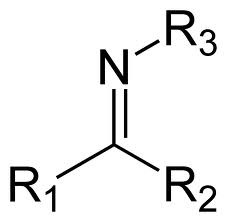
ket/ald --> enamine
NR2H (2' amine), trace HCl, first steps same as imine formation then removal of Beta H to add double bond beside -N

imine --> ket/ald
hydrolysis- H2O, cat. HCl
RBr --> RPPh3
ylide formation
1. PPh3 SN2 w BR
2. ^^Li takes H off C beside PPh3 and leaves - lp

ketone/ald + RPPh3 --> alkene
wittig rxn
O leaves and alkene attaches where - charge on PPH3 moc was

alkyl halide (RBr) --> CBA
1. Mg, EtO2
2. CO2
3. H3O+
acyl chloride --> CBA
H2O
anhydride --> CBA
H2O
ester --> CBA
H2O, cat. HCl, HEAT
*H2O is better LG than ROH in tetrahedral intermediate
ROH --> CBA
H2CrO4 (no mech)
nitrile --> CBA
h2o, 1 eq HCl, HEAT
amide --> CBA
H2O, 1 eq HCl, HEAT
CBA --> acid chloride
SOCl2, Heat
CBA --> anhydride
P2O5, heat
*need 2 eq CBA to form anhydride
CBA --> ester
ROH, cat. HCl, heat
CBA --> alc
1. LiAlH4
2. H3O+
CBA --> carboxylate
any base (ex. NH3)
acid chloride --> anhydride
carboxylate, Na+
(O- on carboxylate attacks carbonyl C of a. Cl)
acid chloride --> ester
ROH, pyridine (acts as base)
acid chloride --> amide
RNH2 (2 eq)
anhydride --> ester
ROH, pyridine
anhydride --> amide
RNH2 (2 eq)
ester --> diff ester (transesterification)
ROH, cat. HCl, HEAT
ester --> amide
RNH2 (1 eq)
ester --> alc
1. LiAlH4
2. H3O+
nitrile --> carboxylate
hydrolysis in basic cond.- xs NaOH, H2O
tautomerization
forms enol, in acidic cond. (add H3O+)

more acidic alpha-H is...
the more enol will exist at eq
ket/ald --> ket/ald with one halogen on beta-H site
Cl2, H3O+
acid cat. halogenation
acidic cond.
(attacks Beta-H)
ket/ald --> ket/ald with 2 halogens on Beta-H site
NaOH, Br2 (xs)
Br will replace ALL beta-H's
switching a chiral center on carbs
epimerization
uses OH-
rearranges a chiral center

aldehyde carb --> ketone carb
OH-
ene-diol rearrangement

mutarotation
eq between alpha and beta anomers, must be in hemi-acetal form!

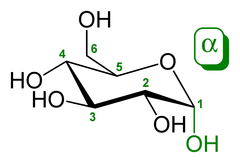
alpha anomer
OH group in the C1 is trans to the CH2OH
*it will be axial and down*
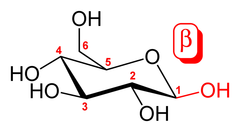
beta anomer
the OH group of the C1 cis to the CH2OH group
*it will be equatorial and up*
saccharide (hemi acetals) eq favors a or B?
beta
glucoside (acetals) eq favors a or B?
alpha
hemi acetal carb --> glycoside (acetal)
HOCH3, H2SO4
glycosides have acetal at anomeric C
glycoside interconversion
switching between a and B anomers
aldehyde carb --> alcohol carb
1. NaBH4
2. H3O+
hemi acetal carb in ring --> open chain with 2 OHs
NaBH4, h2o (Does not react with acetals- they are stable in base)