patella to foot

0.0(0)
Studied by 0 people
call kaiCall Kai
learnLearn
examPractice Test
spaced repetitionSpaced Repetition
heart puzzleMatch
flashcardsFlashcards
GameKnowt Play
Card Sorting

1/12

encourage image

There's no tags or description

Looks like no tags are added yet.

13 Terms

1
New cards

Patella Axial (Sunrise)

kVp/mAs: 60/4 | TT: 10–15° cephalad depending on knee flexion | CR: Apex of patella | Position: Supine, knee flexed approximately 45° without leg rotation; support knee; tangential beam through patellofemoral joint | Collimation: M-L: patellar soft tissues; S-I: patella and patellofemoral joint | Important: Avoid forcing flexion after injury.

<p>kVp/mAs: 60/4 | TT: 10–15° cephalad depending on knee flexion | CR: Apex of patella | Position: Supine, knee flexed approximately 45° without leg rotation; support knee; tangential beam through patellofemoral joint | Collimation: M-L: patellar soft tissues; S-I: patella and patellofemoral joint | Important: Avoid forcing flexion after injury.</p>
2
New cards

Lower Leg AP

kVp/mAs: 60/3 | CR: Midshaft of tibia/fibula | Position: Seated or supine, leg extended; malleoli equally distant from support, no rotation; include ankle and knee | Collimation: M-L: lower-leg soft tissues; S-I: both knee and ankle joints | Important: Both joints must be shown.

<p>kVp/mAs: 60/3 | CR: Midshaft of tibia/fibula | Position: Seated or supine, leg extended; malleoli equally distant from support, no rotation; include ankle and knee | Collimation: M-L: lower-leg soft tissues; S-I: both knee and ankle joints | Important: Both joints must be shown.</p>
3
New cards

Lower Leg Lateral

kVp/mAs: 60/3 | CR: Midshaft of tibia/fibula | Position: Seated or lying lateral, leg extended; patella parallel to support; malleoli and condyles superimposed | Collimation: A-P: lower-leg soft tissues; S-I: both knee and ankle joints | Important: Both joints must be shown.
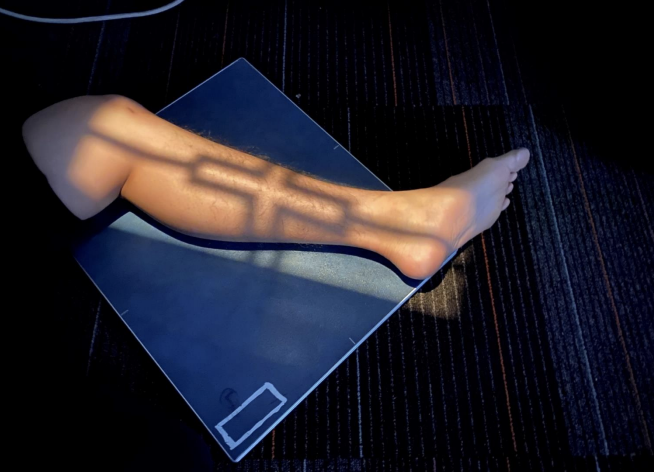
<p>kVp/mAs: 60/3 | CR: Midshaft of tibia/fibula | Position: Seated or lying lateral, leg extended; patella parallel to support; malleoli and condyles superimposed | Collimation: A-P: lower-leg soft tissues; S-I: both knee and ankle joints | Important: Both joints must be shown.</p>
4
New cards

Ankle AP

kVp/mAs: 60/2 | CR: Between malleoli | Position: Seated or supine, leg straight; ankle dorsiflexed approximately 90° if comfortable | Collimation: M-L: ankle/foot soft tissues; S-I: distal tibia/fibula through proximal metatarsals.

<p>kVp/mAs: 60/2 | CR: Between malleoli | Position: Seated or supine, leg straight; ankle dorsiflexed approximately 90° if comfortable | Collimation: M-L: ankle/foot soft tissues; S-I: distal tibia/fibula through proximal metatarsals.</p>
5
New cards

Ankle Mortise

kVp/mAs: 60/2 | TT: Possible cephalad angle if dorsiflexion insufficient, not quantified in manual | CR: Between malleoli | Position: Seated or supine, heel supported; dorsiflex foot; internally rotate entire leg 15–20° so intermalleolar line is parallel | Collimation: M-L: ankle/foot soft tissues; S-I: distal tibia/fibula through proximal metatarsals | Important: Do not force dorsiflexion.

<p>kVp/mAs: 60/2 | TT: Possible cephalad angle if dorsiflexion insufficient, not quantified in manual | CR: Between malleoli | Position: Seated or supine, heel supported; dorsiflex foot; internally rotate entire leg 15–20° so intermalleolar line is parallel | Collimation: M-L: ankle/foot soft tissues; S-I: distal tibia/fibula through proximal metatarsals | Important: Do not force dorsiflexion.</p>
6
New cards

Ankle Lateral

kVp/mAs: 57/1.6 | CR: Ankle joint level | Position: Side-lying with lateral foot supported; dorsiflex comfortably; superimpose malleoli | Collimation: A-P: posterior ankle to beyond fifth metatarsal base; S-I: heel soft tissues to distal tibia/fibula.
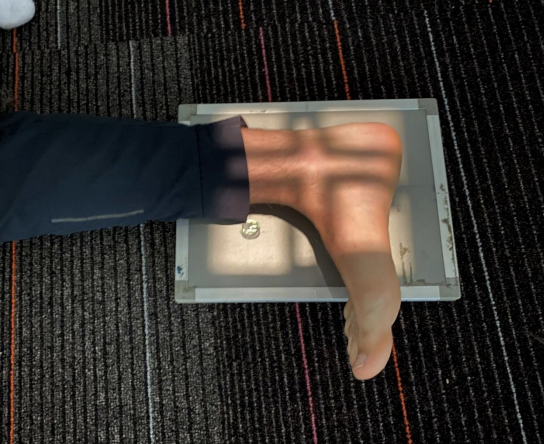
<p>kVp/mAs: 57/1.6 | CR: Ankle joint level | Position: Side-lying with lateral foot supported; dorsiflex comfortably; superimpose malleoli | Collimation: A-P: posterior ankle to beyond fifth metatarsal base; S-I: heel soft tissues to distal tibia/fibula.</p>
7
New cards

Calcaneus Axial

kVp/mAs: 65/3 | TT: Weight-bearing 30–40° from horizontal; non-weight-bearing 40° cephalad from vertical | CR: Weight-bearing Achilles insertion; non-weight-bearing base of third metatarsal | Position: Weight-bearing fencer stance, foot planted and knee slightly flexed; non-weight-bearing seated with leg extended, heel supported and foot dorsiflexed 90° | Collimation: M-L: calcaneal soft tissues; S-I: entire calcaneus | Important: Two DIFFERENT axial setups.

<p>kVp/mAs: 65/3 | TT: Weight-bearing 30–40° from horizontal; non-weight-bearing 40° cephalad from vertical | CR: Weight-bearing Achilles insertion; non-weight-bearing base of third metatarsal | Position: Weight-bearing fencer stance, foot planted and knee slightly flexed; non-weight-bearing seated with leg extended, heel supported and foot dorsiflexed 90° | Collimation: M-L: calcaneal soft tissues; S-I: entire calcaneus | Important: Two DIFFERENT axial setups.</p>
8
New cards

Calcaneus AP

kVp/mAs: 60/3 | 40 degree CR: Not supplied in manual; confirm | Position: Not specified in Macquarie positioning pages; confirm AP calcaneus positioning with tutor | Collimation: Not provided in manual; confirm with teaching staff | Important: Only kVp/mAs appears in exposure chart; positioning and CR unverified.

<p>kVp/mAs: 60/3 | 40 degree CR: Not supplied in manual; confirm | Position: Not specified in Macquarie positioning pages; confirm AP calcaneus positioning with tutor | Collimation: Not provided in manual; confirm with teaching staff | Important: Only kVp/mAs appears in exposure chart; positioning and CR unverified.</p>
9
New cards

Calcaneus Lateral

kVp/mAs: 57/1.6 | CR: 2 cm inferior to medial malleolus | Position: Seated or side-lying, lateral foot supported and dorsiflexed; patella perpendicular to support | Collimation: A-P: mid-cuboid to posterior heel soft tissues; S-I: just proximal to ankle through inferior heel soft tissues.

<p>kVp/mAs: 57/1.6 | CR: 2 cm inferior to medial malleolus | Position: Seated or side-lying, lateral foot supported and dorsiflexed; patella perpendicular to support | Collimation: A-P: mid-cuboid to posterior heel soft tissues; S-I: just proximal to ankle through inferior heel soft tissues.</p>
10
New cards

Foot AP

kVp/mAs: 57/2 | TT: 5–15° cephalad | CR: Base of third metatarsal | Position: Supine, seated or standing; sole flat, no foot rotation | Collimation: M-L: outer foot soft tissues; S-I: include all toes and full foot | Important: Do not crop toe soft tissues.

<p>kVp/mAs: 57/2 | TT: 5–15° cephalad | CR: Base of third metatarsal | Position: Supine, seated or standing; sole flat, no foot rotation | Collimation: M-L: outer foot soft tissues; S-I: include all toes and full foot | Important: Do not crop toe soft tissues.</p>
11
New cards

Foot Medial Oblique

kVp/mAs: 57/2 | CR: Base of third metatarsal | Position: Seated or supine; internally rotate foot 45° on sponge | Collimation: M-L: outer foot soft tissues; S-I: toes to distal tibia/fibula.

<p>kVp/mAs: 57/2 | CR: Base of third metatarsal | Position: Seated or supine; internally rotate foot 45° on sponge | Collimation: M-L: outer foot soft tissues; S-I: toes to distal tibia/fibula.</p>
12
New cards

Foot Lateral

kVp/mAs: 57/2 | CR: Base of third metatarsal | Position: Seated or supine, lateral border of foot supported; slight knee flexion; malleoli aligned | Collimation: A-P: outer foot soft tissues; S-I: toes to distal tibia/fibula | Important: Marker SUPERIOR to foot.

<p>kVp/mAs: 57/2 | CR: Base of third metatarsal | Position: Seated or supine, lateral border of foot supported; slight knee flexion; malleoli aligned | Collimation: A-P: outer foot soft tissues; S-I: toes to distal tibia/fibula | Important: Marker SUPERIOR to foot.</p>
13
New cards



