9th Grade Unit 2- Reactions
 Call Kai
 Learn
 Practice Test
 Spaced Repetition
 Match
 Flashcards
1/24

There's no tags or description
Looks like no tags are added yet.
25 Terms
Acid
any substance that in water tastes sour, changes blue litmus paper to red, reacts with some metals to liberate hydrogen, reacts with bases to form salts, and promotes chemical reactions

Base
any substance that in water is slippery to the touch, tastes bitter, changes red litmus paper blue, reacts with acids to form salts, and promotes certain chemical reactions

pH scale
a scale that measures the acidity or basicity of a solution, or how acidic or basic it is

Solvent
a substance, ordinarily a liquid, in which other materials dissolve to form a solution....water is a universal solvent

Solute
The substance that is dissolved in a solution.
Ex. Salt

Solubility curve
a graph that shows the relationship between the solubility of a substance and the temperature of the solvent

homogeneous mixture
A mixture that looks the same throughout; a solution

Heterogeneous mixture
a mixture that you can see the individual parts

Solution
a mixture in which one substance is dissolved in another

Precipitate
a solid that forms in a solution as a result of a chemical reaction

Combustion
rapid chemical combination of a substance with oxygen, involving the production of heat and light
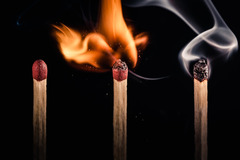
Flammability
a material is flammable if it ignites easily

Ductility
the ability of a material to be stretched into thin wire

Malleability
the ability of a material to be pounded into flat sheets
Tarnish
a discoloration or dulling of a metal due to a chemical reaction

Rusting
corrosion that occurs when iron or steel reacts with oxygen and water

Coefficient
A number in front of a chemical formula to show how many molecules or atoms of a substance are involved in a reaction

Subscript
A number that appears below an element's symbol in a chemical formula. It indicates the number of atoms of that element in the molecule.

Yield
the amount of product obtained from a chemical reaction

reactant
The starting materials in a chemical reaction. They are written on the left side of a chemical equation's reaction arrow.
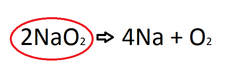
Product
the results of a chemical reaction, and they are written on the right side of the equation's reaction arrow.

Law of Conservation of Matter
Matter cannot be created or destroyed; it only changes form. The matter you start with is the same amount of matter you end up with.

Displacement reaction (or replacement reaction)
a chemical reaction where a more reactive element displaces, or pushes out a less reactive element from a compound that contains a less reactive element

Decomposition reaction
a chemical reaction in which one reactant breaks down into 2 or more products

Synthesis reaction
a chemical reaction in which 2 reactants form 1 product
