Hisorry of Interiors Middle Ages
 Call Kai
 Learn
Learn Practice Test
 Spaced Repetition
 Match
Match Flashcards
 Knowt Play
1/146

There's no tags or description
Looks like no tags are added yet.
Name | Mastery | Learn | Test | Matching | Spaced | Call with Kai | Chat |
|---|
No analytics yet
Send a link to your students to track their progress
147 Terms
When were the Middle Ages?
330AD - 1400AD
The Middle Ages are sometimes referred to as ____________.
The Dark Ages
T/F: The Middle Ages created a transient lifestyle due to invasions and unrest.
True
What was the political/economic/social system of Europe during the Middle Ages?
Feudalism
Most of the architectural development during the Middle Ages was through what type of building?
Churches
What is belief to be the cause of the Bubonic Plague?
Fleas from rats
List the five main divisions of the arts in the Middle Ages
Early Christian, Byzantine, Islamic, Romanesque/Norman, and Gothic
The primary wood of the Gothic Period
Oak
Where did the Early Christian Period take place?
Central Italy
Where was the heart of the Byzantine Empire?
Constantinople
Where did the Romanesque Period take place?
France
Where did the Gothic Period take place?
France
Which emperor tolerated Christianity in the Roman Empire, before eventually converting to Christianity?
Constantine
Which division of the arts used Roman prototypes?
Early Christian
During the Early Christian Period, _______ were used for burial; they did not believe in cremation
Catacombs
Which document issued by Constantine allowed for the tolerance of all religions?
Edict of Milan
Symbols of this period are the cross, fish, dove, lamb, Christ, Mary, the apostles, and various saints
Early Christian
Most churches during the Early Kirstin Period use what floor plan?
Latin Cross Plan
T/F: The Byzantine Empire was also referred to as the Eastern Roman Empire
True
In the Byzantine Period, what building material replaced concrete?
Brick
Most important element inside Byzantine churches?
Domes
Largest enclosed space in the world for almost 1000 years; built by Constantine as a church
Hagia Sophia
Architects of Hagia Sophia
Isdore and Anthemius
Byzantine Capitals

When did the Islamic Period take place?
7-17th Centuries
What does “Islam” mean?
“To surrender to the will of God”
7th Century Islam was centered around the teachings from prophet ________, protecting a faith in one god, ____
Muhammad; Allah
Islamic art and architecture had an emphasis on ______
Religion
Most prominent decoration in Islamic architecture
Arabesque
Lavish Islamic interiors were often created using which building material?
Tile
T/F: Islamic architecture often had gendered spaces.
True
Characteristics of Islamic architecture
Unique arches, niches, small columns, horseshoe arches, multilobe arches, domes of various shapes
Most famous monument of Islamic architecture; fortress complex; located in Granada, Andalusia, Spain
Alhambra
T/F: islamic architecture often contained many animals and figures as motifs
False
Where did the Muslims (Islam) get most of their architectural concepts?
From their conquered people
Islamic Mosques were used for _____
Worship
Islamic Madrasahs were used for _______
Education
Islamic mausoleums were used as ________
Burial tombs
What were the four main types of Islamic architecture?
Mosques, Madrasahs, Mausoleums, and Forts/Palaces
Most famous Islamic Mausoleum
Taj Mahal
Main reception in Islamic architecture
Iwan
Islamic building materials
Brick, local stone, marbles, stucco, glazed tile, wood, metal, tile mosaics
T/F: Persian rugs we’re knotted, making them easy to roll up and load onto horses
True
What were the years of the Romanesque Period?
8th century - 1150AD
What was the only surviving major institution of the Romanesque Period?
Catholic Church
Romanesque arches and shapes are ________
Rounded
Motifs in Romanesque architecture
Animals, grotesques, fantastic figures, foliage, Linenfold, stars, zigzags
In the Romanesque Period, people could not read or write. How did they teach/learn during this period?
Thought the use of architectural elements
Romanesque Capitals

T/F: Romanesque columns typically had a fluted shaft
False
What other purposes (besides religious) did Romanesque churches serve?
Safe havens for travelers
Characteristics of Romanesque architecture
Towers, buttresses, ribbed vaults, thick walls, few windows
T/F: Romanesque churches typically had few furnishings
True
Nave Durham Cathedral (Romanesque)

Pisa Cathedral

One of the most prominent features in Romanesque churches, specifically the Nave Durham Cathedral
Transverse Arches
Earliest barrel vault; needs thick walls
Nave Vault
Most powerful Mediterranean city during the Romanesque Period
Pisa
Where does the term “Gothic” come from?
Germanic goths who invaded and conquered Western Europe
Motifs of Gothic Period
Heraldic devices, pointed arches, trefoils, quatrefoils, cinquefoils, gargoyles, dwarfs, birds, foliage, oak leaves, crockets, and linenfolds
Cluster columns, tracery, large windows, and stained glass belong to which period?
Gothic
During what years was the Cathedral of Notre Dame built?
1163-1250
Which famous cathedral burned in 2019?
Notre Dame
All furniture on this test come from what period?
Gothic Period
What Gothic architectural element allowed for weight of heavy ceilings to be pushed down and supported by the bottom of the structure?
Flying Buttress
Arches in the Gothic Period took what shape?
Pointed
What structure was used for dining, amusement, and sleeping; also served as a courtroom; Serfs typically lived here (around 100-500) to serve the lord of the palace.
The Great Hall
Served as entertainers in the Great Hall
Troubadors
T/F: Double beds became popular in the Gothic Age
True
How did Gothic churches usually depict Jesus?
During his final death on the cross; a gruesome scene
Cathedral of Notre Dame (Gothic)

Interior of Notre Dame

Nave of Chartres Cathedral (Gothic)

Cathedral in Milan

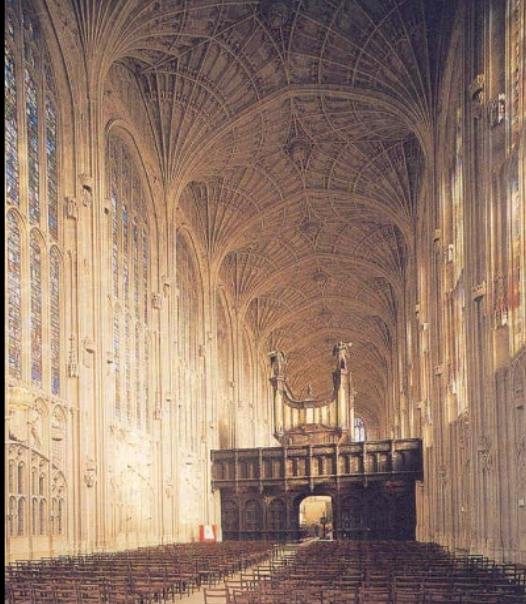
King College Chapel (Gothic)
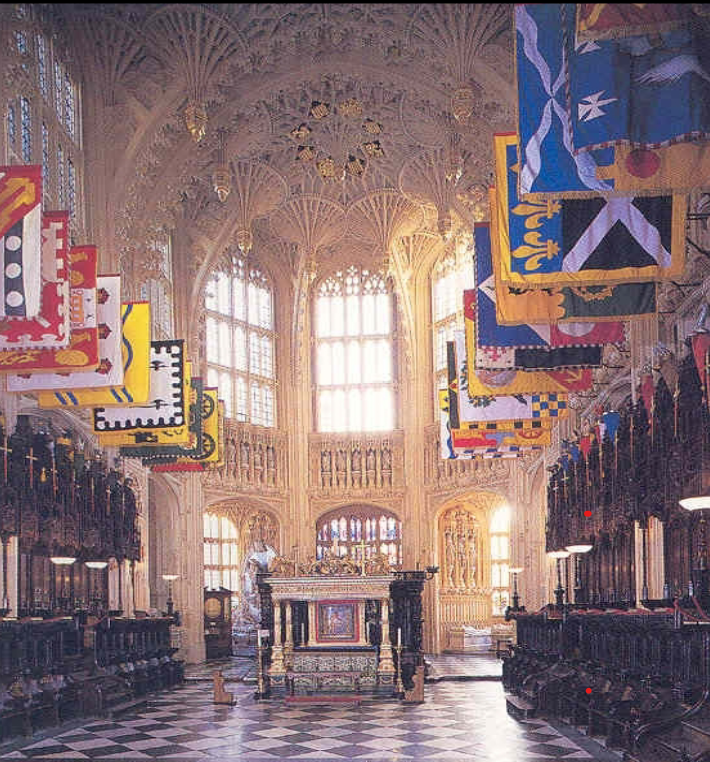
Henry VII Chapel in Westminster Abbey, London
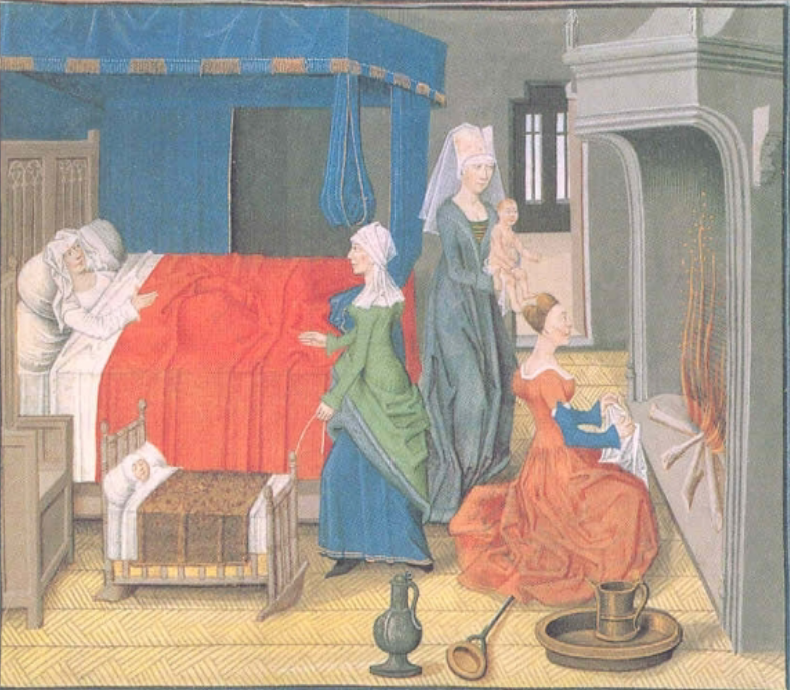
Interior of a Gothic Great Hall

Gothic Interior

Artwork of Gothic Interior
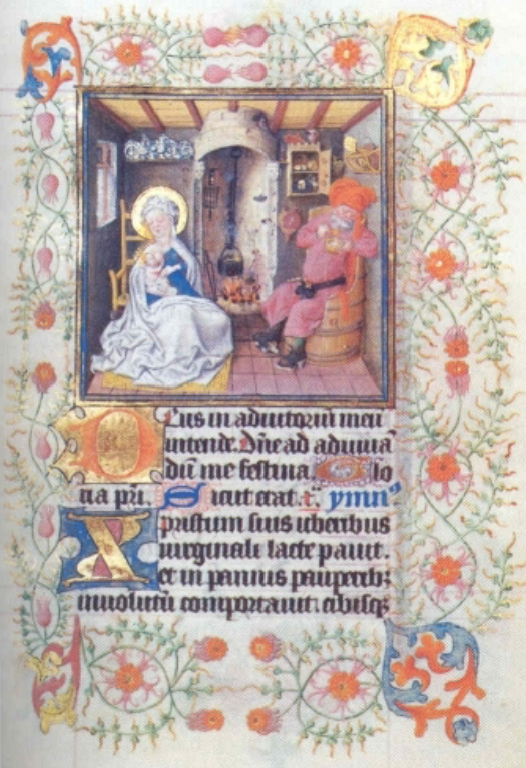
Book of Hours of Catherine of Cleaves (Gothic)
The Annunciation by Roger Van de Weyden

Gothic Manuscript of Great Hall
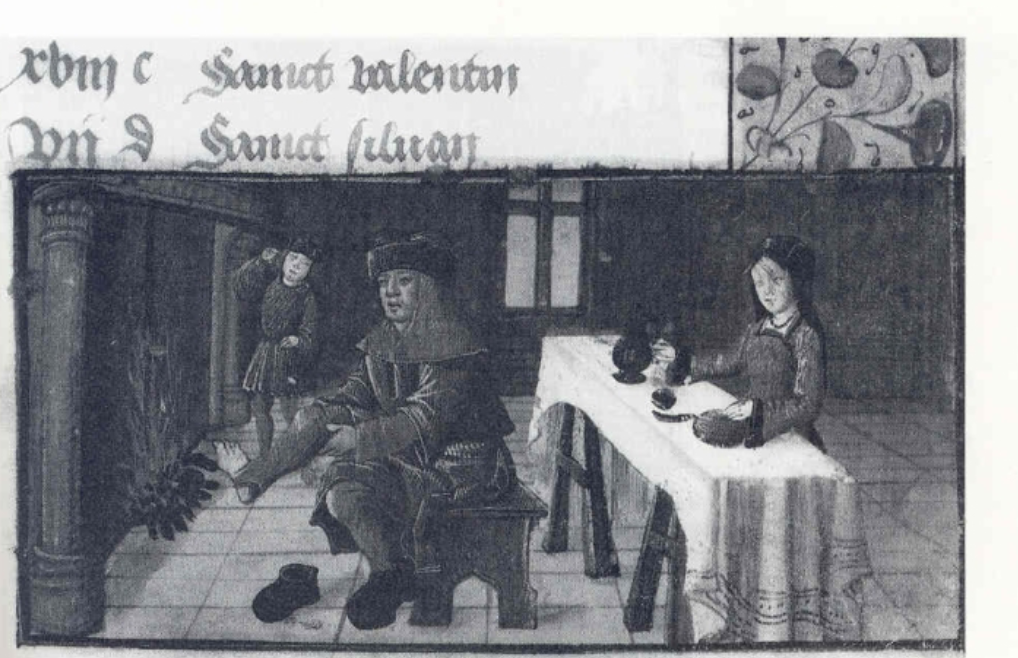
Gothic Castle

Gothic Credence; Used for food storage and serving

15th century French carved Oak Chair (Gothic)
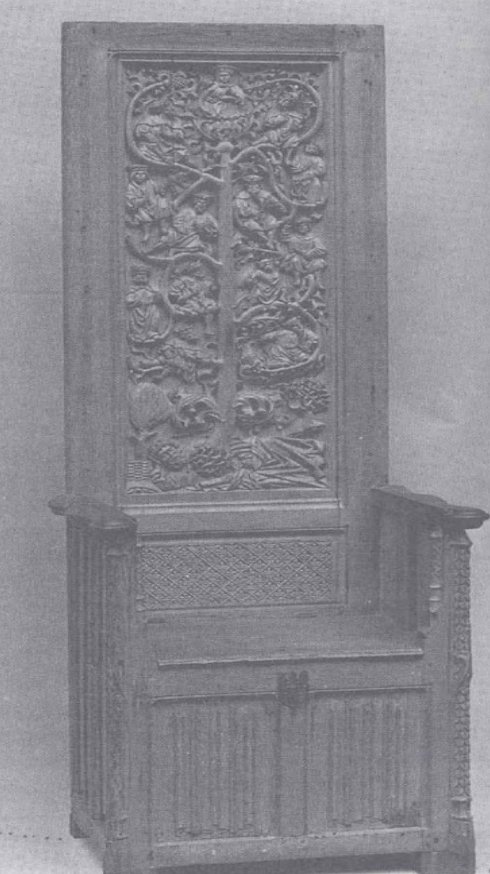
15th century Gothic Amoire (Armor); used for armor storage in castles and structures.

Gothic Dressoir

Gothic English oak cupboard

Gothic French dining table; could fold out to accommodate more people

Gothic German castle door

Gothic Oak stool

Alhambra (Islamic)

Alcazar (Islamic)

Islamic interior
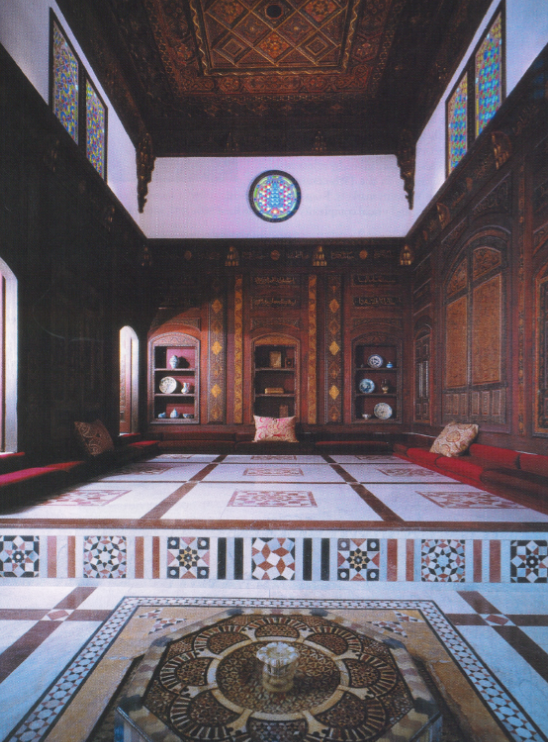
Topaki Palace (Islamic)

Persian Rugs

S Maria Cosmedin (Early Christian)

Early Christian Basilica

Hagia Sophia (Byzantine)

Interior of Hagia Sophia (Byzantine)
