Glass from book
 Call Kai
 Learn
 Practice Test
 Spaced Repetition
 Match
 Flashcards
 Knowt Play
1/96

There's no tags or description
Looks like no tags are added yet.
97 Terms

What: Cesendello with tile motif in polychrome enamels and gold
Century: End of 15th century beginning of 16th
Techniques: Enameling, blown
Context: Tieopolo family crest with a dual Corno

What: Barovier cup - Marriage cup with the portraits of the bride and groom - given as a wedding gift and wedding scenes - woman riding a horse in a parade running to the fountain of love and life - he is implortant bc he made new glass shapes
By: Angelo Barovier
Century: 15th
Technique: Enameling
Context: Angelo Barovier developed crystallo glass

What: Goblet blue glass - Decorated with the Flight to Egypt and the Adoration of the Magi, but 2 portrait busts
By: Angelo Barovier
Century: 15th
Technique: Mezzastampura bc of the ribbing (?) - Fusible enamels
Context: Crystello glass was important bc it allowed murano to produce luxury items
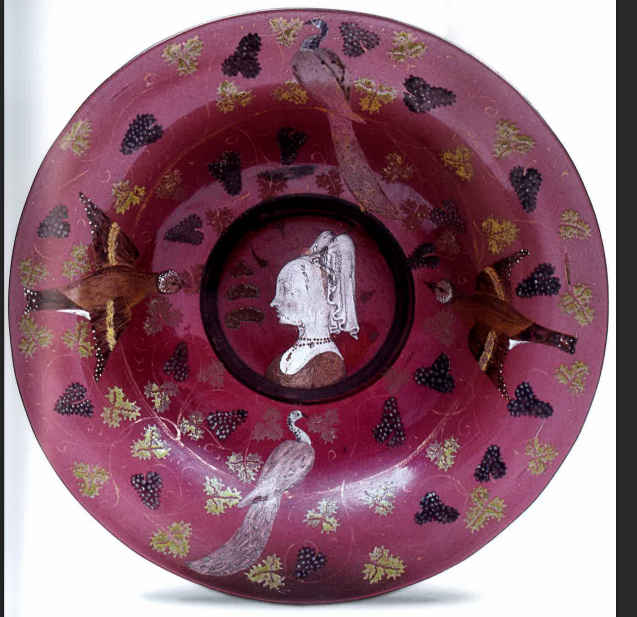
What: Plate in purple glass - female portrait - potentially a marriage plate
By: Angelo Barovier
Century: 15th
Technique: Fusible enamels
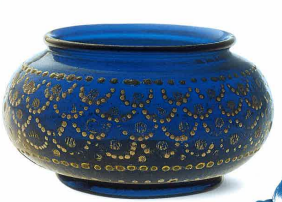
What: Bowl with blue glass, tile motif - fusible enamels and gold
By: ?
Century: end of 15th
Technique: Enamelling
Context:

What: Goblet and lid in blue glass decorated with enamels - floral details between dotted bands
By:
Century: end of 15th
Technique: Enamelling and gold leaf - Blown in parts and put together
Context:

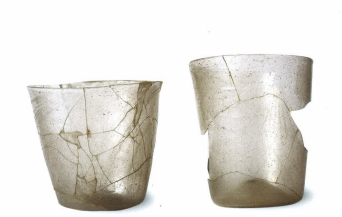
What: Broken drinking cup - lion and bird above dolphins
By:
Century: end of 15th
Technique: Enamelling
Context:

What: Jug in crystal glass - Floral motifs
By:
Century: end of 15th beginning of 16th
Technique: Enamelling - Possibly made in multiple parts - base body neck and handle
Context:

What: Large drinking glass
By:
Century: end of 15th
Technique: blown into a Baloton mould
Context: Blue rim shows sophistication

What: Drinking glass with Flowers and foliage frame the Tritons
By:
Century: end of 15th beginning of 16th
Technique: Enamelling
Context:
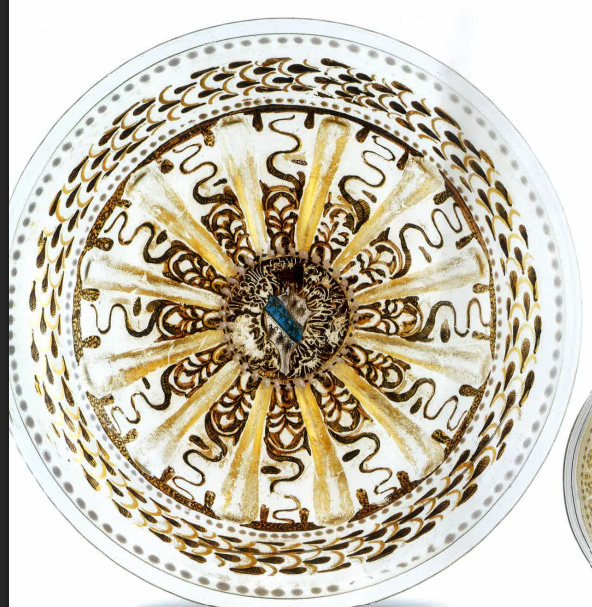
What: Crystal plate decorated with fusable enameld around the Barbarigo family crest w a ducal corno
By:
Century: end of 15th
Technique: Half-mould or mezzastampura technique and enamelling
Context: often given as gifts and used for dinners
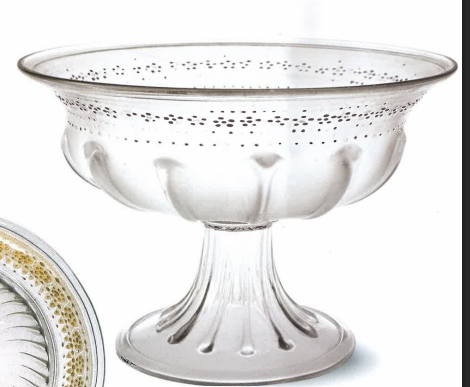
What: Crystal stemmed bowl with rosettes enamels
By:
Century: beginning of 16th
Technique: ribbing given by half mould or mezzastampura - enamelling (around the rim)
Context:

What: crystal plate with golden rosettes
By:
Century: end of 15th beginning of 16th
Technique: half mould or mezzastampura to obtain ribbing with gilded enameled roses (rosettes)
Context:
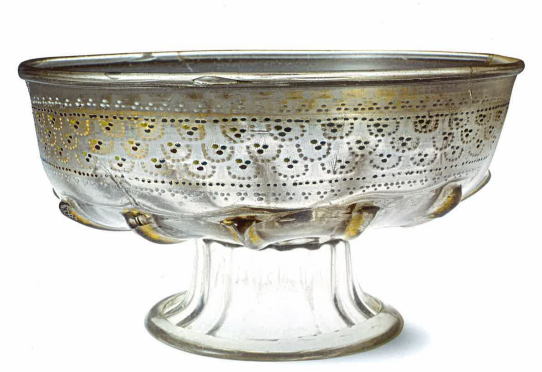
What: Large raised bowl - centre is decorated with the crest of the Zaguri family
By:
Century: end of 15th beginning of 16th
Technique: enameled with polychrome and a tile motif
Context:

What: Pilgrim flask with the crest of Bentivoglio family
By:
Century: end of 15th
Technique: enammed crest and gold decorations
Context:

What: Jug
By:
Century: end of 15th
Technique: Calcedonio
Context: Victoria and Albert museum (queen victoria collected stuff come back to!!)

What: Large stemmed bowl trumpet base?
By:
Century: end of 15th
Technique: Calcendio
Context:

What: Small jug in blue glass
By:
Century: end of 15th
Technique: Murinne used to make rosettes an example of connubio (Iron?)
Context: One of the first examples

What: Goblets of lattimo glass with male and female portrait busts
By:
Century: start of 16th
Technique: Enamelling polychrome
Context: lattimo was often used to imitate ceramic or majolica-ware
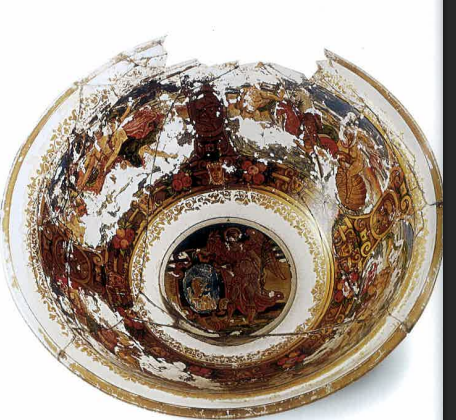
What: Bowl with non-fired paints - ledgend of neptune
By:
Century: second half of 16th
Technique: painting
Context: non-fired enamel and paint is different to fusible enamels in the 16th century — more fragile and serves a decorative function - usually drew inspo from mythological scenes

What: Large plate decorated underside with non-fired paints - scene of apollo and the muses with 4 square framed portraits
By:
Century: second half of 16th century
Technique: Non-fired enamels
Context: non-fired enamel and paint is different to fusible enamels in the 16th century — more fragile and serves a decorative function - usually drew inspo from mythological scenes
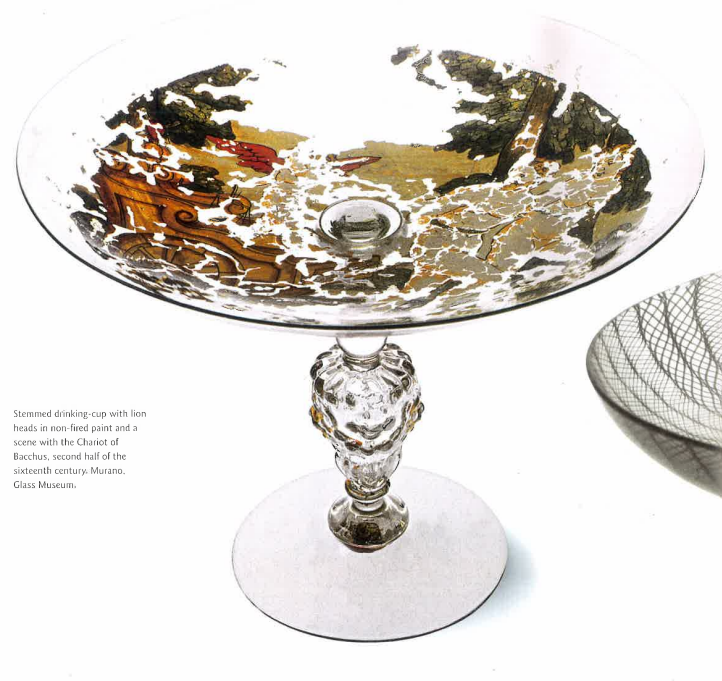
What: Stemmed drinking cup with lion heads in non-fired paint - scene of chariot of bacchus
By:
Century: 2nd half of 16th
Technique: non-fired paint
Context: non-fired enamel and paint is different to fusible enamels in the 16th century — more fragile and serves a decorative function - usually drew inspo from mythological scenes
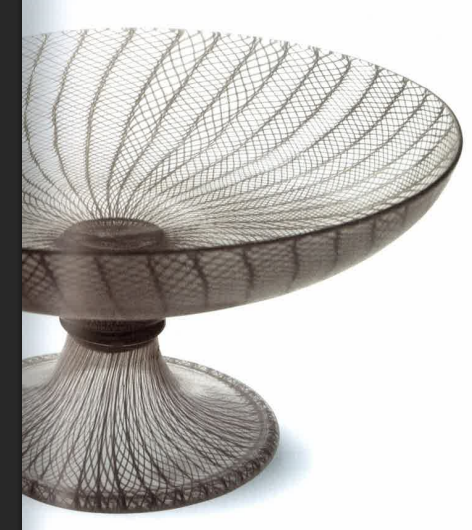
What: Raised bowl
By:
Century: mid-16th century
Technique: Retortoli filigree
Context: A type of filigree that has is defined by twisiting sprial latimo and coloured in clear glass - once the rods are laid out they are rolled back and forwards to create a twisting pattern

What: Drinking glass with Baluster stem with threads of lattimo - the cup is decorated with concentrated rings of twisting threads of lattimo
By:
Century: second half of 16th
Technique: Filigree
Context: Filigree was developed in the 16th century - lattimo or coloured glass is applied using fine rods into/ around an object - these fine rods can be single or made up of multiple rods to make a pattern
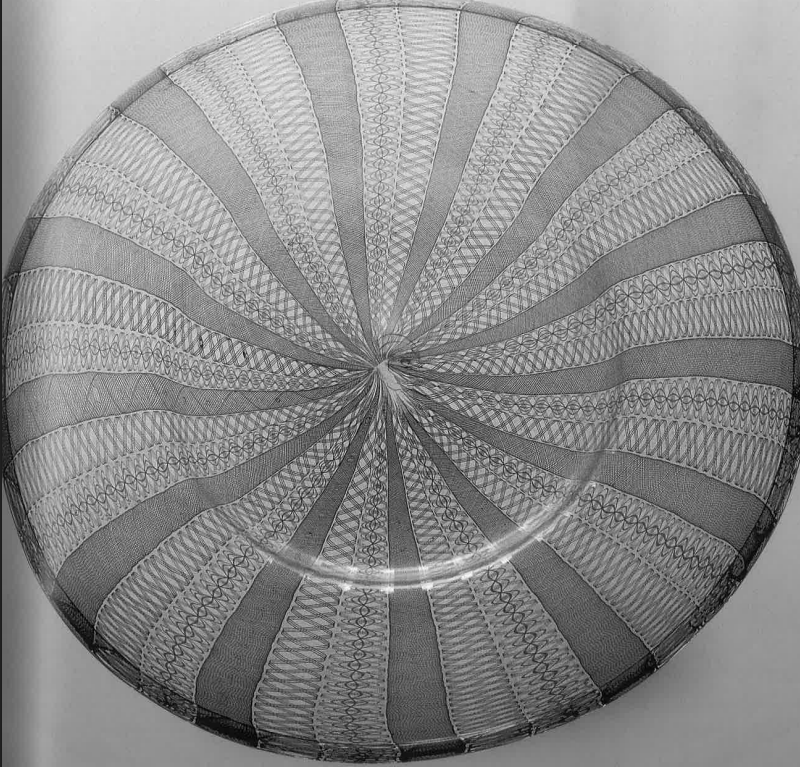
What: Large plate with retortoli filigree
By:
Century: end of 16th
Technique: Filigree
Context: Filigree was developed in the 16th century - lattimo or coloured glass is applied using fine rods into/ around an object - these fine rods can be single or made up of multiple rods to make a pattern

What: Large plate with reticulate filigree
By:
Century: end of 16th
Technique: Filigree
Context: Filigree was developed in the 16th century - lattimo or coloured glass is applied usingLarge plate with reticulate filigree

What: Carafe, bucket and compotier
By:
Century: end of 16 beginning of 17
Technique: Reticello filigree (net like)
Context: Filigree was developed in the 16th century - lattimo or coloured glass is applied using fine rods into/ around an object - these fine rods can be single or made up of multiple rods to make a pattern

What: Raised bowl
By:
Century: end of 16th beginning of 17th
Technique: Retortoli filigree and mould blowing
Context: A type of filigree that has is defined by twisiting sprial latimo and coloured in clear glass - once the rods are laid out they are rolled back and forwards to create a twisting pattern

What: Reliquary from the church of San Martino on Burano - decorated with non-fired paints and diamond point engraving
By:
Century: second half of 16th
Technique: Non-fired paints
Context: non-fired enamel and paint is different to fusible enamels in the 16th century — more fragile and serves a decorative function - usually drew inspo from mythological scenes

What: Flat-bodied disk in blue glass with diamond-point engravings of plant motifs
By:
Century: second half of 16th
Technique: Engraving
Context: Vincenzo Angelo was credited with reintroducing diamond-point engraving

What: Cup with diamond-point engravings of plant motifs around an image of the lamb of God
By:
Century: end of 16th century
Technique: Engraving
Context: Vincenzo Angelo was credited with reintroducing diamond-point engraving

What: Compotier with diamond-point engracings of plant motifs and heraldic eagle
By:
Century: end of 16th
Technique: Engraving
Context: Vincenzo Angelo was credited with reintroducing diamond-point engraving

What: Small bowl, bucket and raised plate in vetro ghiacco
By:
Century: end of 16th century
Technique: Ghiacco
Context: This is done when still mallaeble glass is placed into ice cold water, the reaction is then imprinted into the glass - bucket has a blue rim which shows sophistication

What: Small bucket in vetro ghiaccio with hot-applied prunts moulded to form lions heads (pronti?)
By:
Century: end of 16th century
Technique: Ghiaccio and Imprinting
Context: This is done when still mallaeble glass is placed into ice cold water, the reaction is then imprinted into the glass - bucket has a blue rim which shows sophistication - Pronti is when a dolop of hot glass is placed on a body and printed with a mould

What: Crystal drinking-glasses with baluster stems
By:
Century: 16th
Technique:
Context: Simple stuff like this was very common in the Renaissance - they often appear in paintings like Tintoretto and Paolo Veronese - the baluster is an architectural feature

What: Large raised bowl in mould blown crystal decorated with hot-applied threads of blue
By:
Century: 16th
Technique: mould blown
Context: (MORE)

What: Water jug in the form of a galleon (type of ship) - strange fume glass
By: Salviati 1881
Century: middle of 16th century
Technique: Fume
Context: Smoke trapped into the glass to give it a tinted effect - used to clean your hands during dinner

What: Crystal drinking glasses with a mould-blown cup with a node and baluster stem
By:
Century: end of 16th beginning of 17th
Technique: mould blown
Context:

What:
By:
Century:
Technique:
Context:
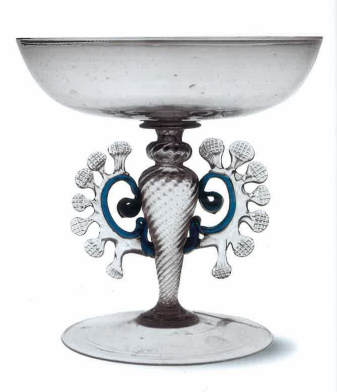
What: A crystal drinking glass with a rigadin ritorto stem with crested decoration
By:
Century: 17th century
Technique:
Context: Decoration like this was done with the desire to amaze - decorative rather than being used

What: Drinking glasses in blown crystal with morise decoration on the stem
By:
Century: end of 16th beginning of 17th
Technique:
Context: Decoration like this was done with the desire to amaze - decorative rather than being used

What: Small jugs with crested handles decorated with hot-applied prunts and macherons
By:
Century: 17th century
Technique:
Context: Extras a placed and stretched

What: Extravagant designed in crystal drinking glasses
By:
Century: 17th
Technique:
Context:

What: Cubic bottles with Morise decorations running down the edges
By:
Century: 17th
Technique:
Context:

What: Cups with curved handles and a carafe (jug) - decorated with diamond-point engravings of plant motifs
By:
Century: 17th
Technique: Engraving
Context: Vincenzo Angelo was credited with reintroducing diamond-point engraving

What: Raised plate decorated with plant motifs in diamond-point engraving
By:
Century: 17th
Technique: Engraving
Context: Vincenzo Angelo was credited with reintroducing diamond-point engraving - often inspired by lace

What: Raised plate decorated with floral motifs in diamond-point engraving and a ring of links in hot-applied aquamarine glass
By:
Century: 17th
Technique: engraving
Context: Vincenzo Angelo was credited with reintroducing diamond-point engraving - often inspired by lace

What: Small bottle, vase, small jugs and drinking glasses all with festoon or feather decoration in lattimo
By:
Century: end of 17th
Technique: Lattimo
Context: (FIND SPECIFIC TECHNIQUE NAME) blue rim illustrates sophistication and is a trend throughout the 16th and 17th centuries (check)
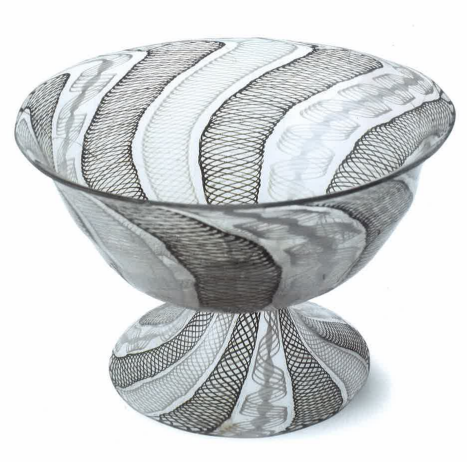
What: Raised bowl in filigree made up of alternating bands of green and lattimo
By:
Century: end of 17th start of 18th
Technique: Filigree
Context: Filigree was developed in the 16th century - lattimo or coloured glass is applied using fine rods into/ around an object - these fine rods can be single or made up of multiple rods to make a pattern - green colour included

What: Zoomorphic or shell-shaped lamps
By:
Century: 17th
Technique: perhaps fume
Context: the natural world as an inspiration for glassmaking (Virtuoso - supreme skill in glassmaking was tested)

What: Lamps in the form of a dragon and a pony with 2 spouts (one on the body and one on the tail)
By:
Century: 17th
Technique:
Context: the natural world as an inspiration for glassmaking (Virtuoso - supreme skill in glassmaking was tested)

What: Small shell shaped vase in crystal with fine threads of lattimo
By:
Century: 17th
Technique: Lattimo
Context: the natural world as an inspiration for glassmaking (Virtuoso - supreme skill in glassmaking was tested)
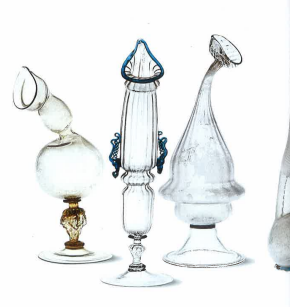
What: Kuttrolf-style vases with nipped necks
By:
Century: 17th
Technique:
Context: the natural world as an inspiration for glassmaking (Virtuoso - supreme skill in glassmaking was tested)

What: Left: drinking flute Right: drinking glass with flower stem
By:
Century: 17th
Technique:
Context: left: flutes cannot be sure that it is of Venetian origin bc they are present in lots of Flemish and Dutch paintings

What: Bottle in calcedonio
By:
Century: 17th
Technique: Calcedonio and aventurine
Context: Glass made to imitate stone; aventurine is the sparkly sections (the addition of copper)

What: Cup in calcedonio
By:
Century: 17th
Technique: Calcedonio and aventurine
Context: Glass made to imitate stone; aventurine is the sparkly sections (the addition of copper)

What: Mirror decorated in diamond point engraving with plant motifs and small birds
By: maybe Guiseppe briati
Century: 17th
Technique: Engraving
Context: Vincenzo Angelo was credited with reintroducing diamond-point engraving - often inspired by lace - mirror - metal, mercury (becomes glittery) glass plate

What: Compotier in reticulate filigree with glass-paste floral decoration on the lid
By:
Century: beginning of 18th
Technique: lamp work filigree
Context: flowers where created using a lamp and rods of coloured glass - In the rosenberg collection frederick of denmark in 1709 spent time at the carnaval in venice and bought around 400 peices of glass — this collection can be easily dated

What: Centrepeice in reticulate filigree with floral decoration in hot-applied glass paste
By:
Century: beginning of 18th
Technique: Lamp work and filigree (a little of reticello)
Context: flowers where created using a lamp and rods of coloured glass - In the rosenberg collection frederick of denmark in 1709 spent time at the carnaval in venice and bought around 400 peices of glass — this collection can be easily dated
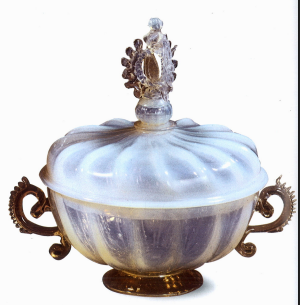
What: Cup and lid in Vetro girasol (milky, semi-opaque opalescent glass)
By:
Century: Beginning of 18th
Technique: Vetro girasol
Context: This type of glass was usually used for uncomplex shapes, mostly blown into moulds to give a ribbed affect but this one is elaborate, decorated with morise (the frilled glass done by pinching molten glass) - In the rosenberg collection frederick of denmark in 1709 spent time at the carnaval in venice and bought around 400 peices of glass — this collection can be easily dated

What: Large lidded glass vase in blue with threads of lattimo combed into a festoon design and glass plated floral decoration
By:
Century: beginning of 18th
Technique: Latimo in festoon design, lampwork
Context: In the rosenberg collection frederick of denmark in 1709 spent time at the carnaval in venice and bought around 400 peices of glass — this collection can be easily dated

What: Coffee pot decorated in hot applied flowers in turquoise glass aste
By:
Century: 18th
Technique: half moulded or mezzastampura and lamp work
Context: Flowers were made using a lamp and rods of glass - would have been made in multiple sections and attached together

What: Candle sticks decorated in coronets of flowers in polychrome glass paste 18th century
By:
Century: 18th
Technique: lamp work
Context:

What: Reliquary in crystallo glass with floral decoration in polychrome glass paste
By: Giuseppe Briati
Century: 1755 (17th)
Technique: Lampwork
Context: A reliquary is used to hold relics of saints - mix between glass and metal (flowers are lampworked, blown and pinched)

What: Chandelier (3 or 4 floors?)
By: Giuseppe briati?
Century:
Technique: lampwork flowers, blown, Bossete (when one peice of glass is catching another seen on the arms)
Context: (Book doesnt provide details COME BACK)

What: Trionfo or Desero - a glass center piece
By: Giuseppe Briati
Century: 15th
Technique: Latimo and Crystallo glass - Lamp made latimo and blown glass
Context: To be similar to an manufactured Italian garden - Crystallo glass was created by angelo Barovier in the 15th century

What: Small mirror with a copper wheen engraved portrait of Giuseppe Briati
By:
Century: second half of 18th century
Technique: Copper wheel engraving
Context: mirror - metal, mercury (becomes glittery) glass plate - the prtrait was done on ivory

What: Large glass with a portrait of saints in tondi in bohemian-style copper wheel engraving
By:
Century: 18th century
Technique: copper wheel engraving
Context:
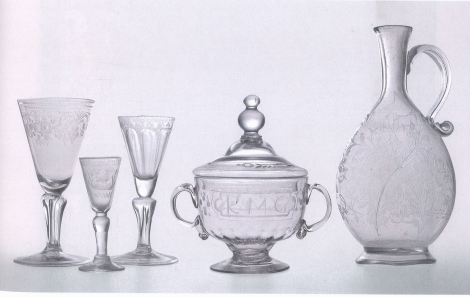
What: Drinking glasses, compotier and jug decorated with bohemian style copper wheel engraving
By:
Century: second half of 18th
Technique: copper wheel engraving
Context: Engraving was easier on crystallo glass more than murano glass bc it was strong yet still had a the beauty and perfection of murano glass
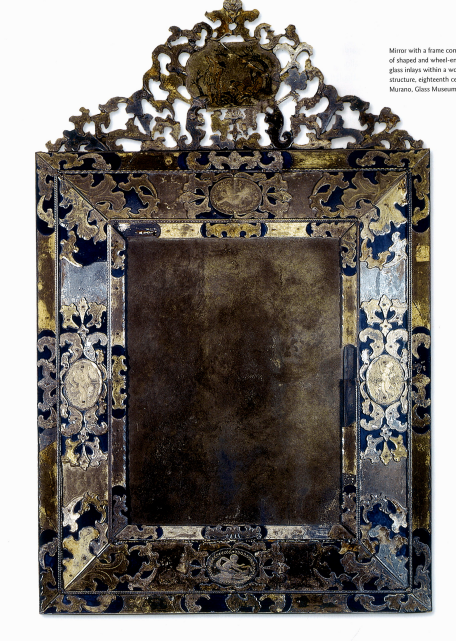
What:
By:
Century:
Technique:
Context:

What:
By:
Century:
Technique:
Context:

What:
By:
Century:
Technique:
Context:

What:
By:
Century:
Technique:
Context:

What:
By:
Century:
Technique:
Context:

What:
By:
Century:
Technique:
Context:

What:
By:
Century:
Technique:
Context:
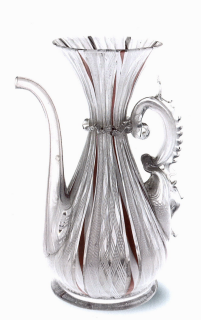
What:
By:
Century:
Technique:
Context:

What:
By:
Century:
Technique:
Context:
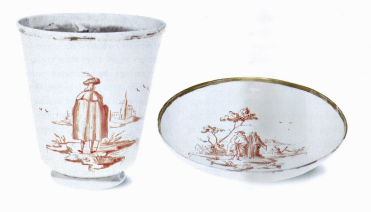
What:
By:
Century:
Technique:
Context:

What:
By:
Century:
Technique:
Context:

What:
By:
Century:
Technique:
Context:

What:
By:
Century:
Technique:
Context:

What:
By:
Century:
Technique:
Context:

What:
By:
Century:
Technique:
Context:

What:
By:
Century:
Technique:
Context:

What:
By:
Century:
Technique:
Context:
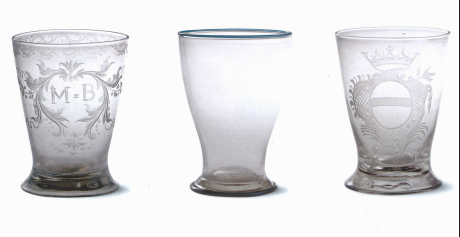
What:
By:
Century:
Technique:
Context:
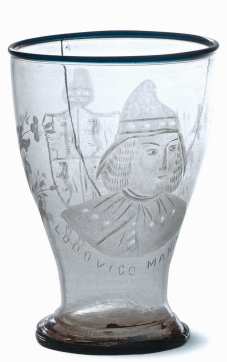
What:
By:
Century:
Technique:
Context:
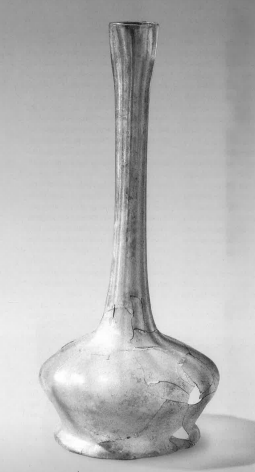
What:
By:
Century:
Technique:
Context:
What:
By:
Century:
Technique:
Context:

What: Large raised bowl - tile motif, inside is decorated with the crest of the Zusto family
By:
Century: beginning of 16th
Technique: Mezzastampura or half mould to gain ribbing, enameled
Context:

What:
By:
Century:
Technique:
Context:
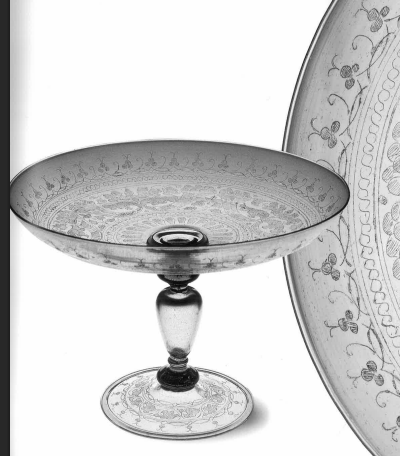
What: Drinking cup with diamond point engraving with plant motifs on bowl and foot
By:
Century: second half of 16th century
Technique: Engraving
Context:
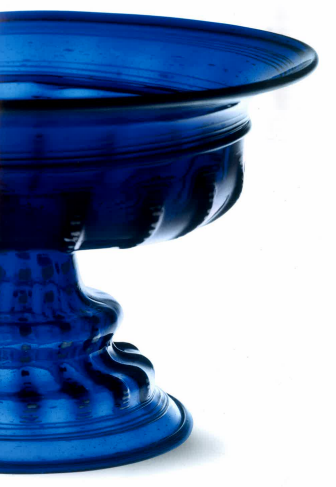
What: Raised bowl in mould blown glass decorated with lattimo across the ribbing
By:
Century: 16th
Technique: Mezzastampura - half mould
Context: to make sure that the lattimo stays in the raised ribbing the white glass is wound around the object immediately after it was removed from the mould - blowing after
What:
By:
Century:
Technique:
Context:
What:
By:
Century:
Technique:
Context:

What:
By:
Century:
Technique:
Context: