DT Polymers Test (1.2-1.5)
 Call Kai
 Learn
Learn Practice Test
 Spaced Repetition
 Match
Match Flashcards
 Knowt Play
1/66

Earn XP
Name | Mastery | Learn | Test | Matching | Spaced | Call with Kai | Chat |
|---|
No analytics yet
Send a link to your students to track their progress
67 Terms
what are polymers made up of
long chain molecules containing carbon, hydrogen & oxygen atoms + other chemicals like chlorine & fluorine
where do polymers come from - 2 different possibilities
natural polymers occur naturally in nature & can be derived from plant/anumal sources. these possess a similar molecular structure to polymers commercially used today
synthetic polymers are the main source today - from fossil fuels e.g. oil, gas, coal
polymers properties (x11 - 10 good, 1 bad)
good electrical insulator
good thermal insulator
good strength to weight ratio
good atmospheric/chemical resistance
low melting temps (particularly thermoplastics)
lighweight
can be self coloured / opaque / transparent
self finishing
quite hygenic
water resistant
can be enhanced with fillers/plasticides/stabilisers to be made flame retardant/anti static etc
sources of synthetic polymers
gained through thermal cracking, derived from fossil fuels (particularly oil), so are carbon based
crude oil is broken down in oil refineries (distillation) into its component parts (fractions)
fractions can go through cracking - a thermal reaction that produces smaller hydrocarbons (alkanes / alkenes)
alkenes are unsaturated polymers and can be used to make polymers e.g. ethene used to make ethanol
synthetic polymers
have been manufactured by humans, 3 types:
thermoplastics can be repeatedly reheated & remoulded
in thermosets (thermosetting polymers) a chemical reaction takes place when they’re formed which prevents them from being reheated / reshaped
elastomers have good elasticity & can be distorted under pressure but will return to their original shape
how the makeup of polymers affects their properties
polymers are made of single monomers which form long chain molecules (polymers)
how these chains behave when heated define the type of polymer (thermoplastic / thermoset / elastomer)
thermoplastics
can be reheated and remoulded over & over again (recyclable)
the hydrocarbons obtained from cracking are chemically processed to make the monomers (molecules of a single compound) join together end to end to form long chains (polymers - the building blocks of all plastics)
when heated the chain molecules become flexible allowing the material to be reshaped. when cooled the become rigid & solid again

monomer
a molecule of a single compound that can be bonded to other identical molecules to form a polymer
the building blocks of polymers
polymer
the building blocks of all plastics
a large number of smaller units bonded together
a large molecule made of many repeating subunits
thermoplastics: LDPE
low density polyethylene
tough, chemical resistant, weatherproof, can be translucent, low rigidity
SWT 65°C
squeezy detergent bottles, toys, carrier bags, bin liners, packaging, food trays
thermoplastics: HDPE
high density polyethylene
weatherproof, tough, can be translucent, chemical resistant
SWT 65°C
chemical drums, jerry cans, toys, household / kitchenware, long life bags, buckets, bowls
thermoplastics: PP
polypropylene
can be translucent, chemical resistant, tough, fatigue ressitant
SWT 100°C
rope folders, folio cases, food containers, medical equipment, hinged container lids
thermoplastics: HIPS
high impact polystyrene
hard, rigid, can be translucent, tough
SWT 70°C
yoghurt pots, fridge linings, single use drink cups, toilet seats, instrument control knobs
thermoplastics: ABS
acrylonitrile butadiene styrene
extremely tough, hard, available in opaque
SWT 80°C
phone handsets, rigid luggage, domestic appliances, handles, computer housings, remote control / calculator casings
thermoplastics: PMMA
polymethyl-methacrylate aka acrylic
tough, hard, good chemical resistance, can be translucent
SWT 95°C
car light casings, CNC laser cut items, lighting units / covers, baths
thermoplastics: nylon
tough, corrosion resistant, temperature resistance, low coefficient of friction
SWT 150°C
bearings, gears, curtain rails, textiles, boil in the bag food packaging, car engine manifolds, cable ties
thermoplastics: uPVC
rigid polyvinyl chloride
rigid, opaque, tough, hard, weathering & chemical resistant, fire retardant
SWT 95°C
window frames, external doors, guttering / downpipes / water service pipes, bank cards
thermoplastics: PVC
flexible polyvinyl chloride
can be translucent, tough, flexible, weathering & chemical resistant
SWT 95°C
hose pipes, cable insulation, medical grade tubing, inflatable products, imitation leather, seat coverings
recycling symbols
numbers signify how commonly used a material is (1 common, 6 rare, 7 other)
1-3 are easily recycled in the UK
PET: drink bottles, produce clamshells, cooking oil, vinegar
HDPE: milk / shampoo bottles, detergents
PVC: chemical containers, packaging, piping, electrical tape
LDPE: plastic bags, squeeze bottles, bread bags, bin liners
PP: plastic bottle tops, buckets, yoghurt pots, straws, crisp packets
PS (polystyrene): disposable cups, takeaway containers, foam packaging, packaging ‘peanuts’
other e.g. acrylics, polycarbonates, nylon, fibreglass

thermosets
polymers that can’t be reheated & reshaped. good for situations where it’ll be subjected to heat / electricity, not recyclable
have long chains of molecules tangled together with no fixed pattern. when formed cross-linking takes place across the long chain molecules which can’t be broken down by heat
the most commonly used type. generally soft & flexible with shape memory
types we learn are based on the use of resin (epoxy / polyester) or formaldehyde (urea / melamine)

exothermic reactions
chemical reactions that release energy
thermosets: UF
urea formaldehyde
hard, heat resistant, electrical conductor, brittle
SWT 80°C
white electrical fittings, adhesives
thermosets: MF
melamine formaldehyde
hard, opaque, tough, heat / chemical resistant, food safe
SWT 130°C
worktop surfaces, decorative laminates, picnic ware, buttons
thermosets: polyester resin
rigid, heat / chemical resistant, brittle
SWT 95°C
boat hulls, car body parts, castings, chair seats
thermosets: epoxy resin
rigid, clear, hard, tough, chemical resistant
SWT 80-200°C
adhesive (araldite), surface coatings, encapsulation of electrical components, cardiac pacemakers, aerospace, Carbon Fibre Reinforced Polymer
1 use for each thermoset
UF: white electrical fittings
MF: worktop surfaces
PR: car body parts
ER: adhesive (araldite)
1 use for each thermoplastic
LDPE: bin liners
HDPE: jerry cans
PP: medical equipment
HIPS: yoghurt pots
ABS: computer housings
PMMA: laser cutting
nylon: bearings
uPVC: window frames
PVC: hose pipes
elastomers
have the ability to undergo significant elastic deformation and return to their original shape once stress is removed
have links between monomers that are flexible even when cool, giving it rubber properties

2 types of elastomers
Thermoplastic Elastomers (TPEs) can be melted, moulded & solidified (like thermoplastics). can be reprocessed multiple times. have physical cross links rather than covalent (permanent) cross links (from chemical reactions)
Thermoset Elastomers (rubber) can’t be re melted / processed once cured (vulcanized) - the process is irreversible. have covalent cross links between polymer chains. all the ones we learn are this
vulcanization
hardening rubber or a similar material by treating it with sulphur at a high temperature
elastomers: natural rubber
polyisoprene
high tensile strength, low elongation, hard, tough, electrical insulator, cold resistant
tyres, belts, gaskets, footware
elastomers: BR
butadiene rubber
tough, wear / thermal resistant against friction, electrical insulator
tyres, shoe soles, water hoses
elastomers: neoprene
polychloroprene rubber
thermal / oil / chemical / weather / abrasion resistant, tough, insulator
wetsuits, laptop cases, shock absorber seals, door seals
elastomers: silicone
good flexibility at low temps, thermal / weather / extreme temp resistance, lubricating, electrical insulator, poor abrasion resistance
flexible bakewear, cooking utensils, lubricants, medical, baby bottle teats
1 use for each elastomer
natural rubber: tyres
BR: hoses
neoprene: wetsuits
silicone: cooking utensils
biopolymers
derived from living organisms, either produced by the organisms themselves (naturally occurring) or synthesised from renewable sources (synthetically made), but are always based on biological & renewable raw materials
2 types of biopolymer
natural biopolymers: directly extracted from living organisms, natural occurring e.g. cellulose (plant cell walls) chitin (exoskeletons of insects & crustaceans), silk & wool (proteins), DNA & RNA
synthetic biopolymers: synthesised using biological raw materials but through man made processes. can be produced by chemically modifying natural biopolymers / by microbial fermentation e.g. PLA (from fermented plant derived sugars) and PHA (from bacterial fermentation)
biopolymers: corn starch polymer
natural biopolymer, made from high starch vegetables (e.g. corn, potatoes, maize)
packaging products, straws, vending cups, disposable cutlery, bags, take away food containers
biopolymers: potatopak
natural biopolymer, made from potato starch
single use food items (e.g. bowls, cutlery, food trays), serviettes, packaging beads, bin bags
biopolymers: biopol
aka polyhydroxybutrate (PHB)
natural biopolymer, made from bacteria growth in cultures + an additive to promote degradation, usually 1% added to thermoplastics
packaging products (e.g. film, carrier bags), vending cups, nappies, surgical stitches, pill coverings
biopolymers: PLA
polylactide acid
synthetic biopolymer, made from corn kernels or cane sugar fermented to produce lactic acid then synthesised
packaging, single use bottles, carrier bags, plant pots, disposable nappies, medical sutures, 3D printing
biopolymers: PHA
polyhydroyalkanoate
natural biopolymer, made from bacteria grown in cultures, fully compostable
packaging, sow release medication patches, films, screws, bone plates
biopolymers: lactide
synthetic biopolymer, fully compostable, water soluble, PLA / cellulose based
biomedics, slow release medication, bone repair fixings, detergent washing sachets
biopolymers: glycolide
synthetic biopolymer, fully compostable, PLA & cellulose based
food film, bags, packaging wrap, bin bags, agricultural ground sheets, flower wrap
1 use for each biopolymer
corn starch polymer: disposable cuterly
potatopak: packaging beads
biopol: nappies
PLA: 3d printing
PHA: screws
lactide: bone repair fixings
glycolide: bin bags
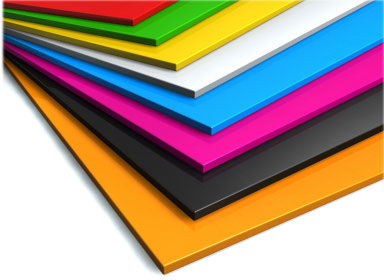
stock forms: sheet
a flat expanse of material that may be of varying thickness
used for creating rigid structures, can be cut & shaped, used in creation of enclosures & signs etc where a flat sturdy material is needed
e.g. polycarbonate, acrylic, ABS
can be cut, drilled, bent with heat, joined together e.g. through gluing / fastening with screws
manufactured using extrusion and cast
stock forms: rod + other extruded forms
long continuous profiles with consistent cross sections
used in making parts & components for a wide variety of products
e.g. nylon, teflon
can be machined (cut / drilled / turned) into required components
manufactured using extrusion

stock forms: film
very thin flexible sheets of plastic
used for packaging, surface protection and aesthetic enhancements
e.g. polyethylene & polypropylene
can be sealed, printed on & laminated
manufactured using calendaring

stock forms: foam
a lightweight material filled with gas bubbles
used for insulation, cushioning & packaging
e.g. polyurethane, polystyrene
can be cut & shaped easily with basic tools
manufactured using injection moulding or block moulding

stock forms: granules
tiny pellets of grains of plastic
used in injection moulding & other moulding processes
almost any polymer can be in granule form e.g. PET, PVC, PP
can be melted & formed into different shapes using moulding techniques

stock forms: powder
polymer in powder form
used in processes like powder coating, rotational moulding & 3D printing
e.g. polyester, polyamide
can be heated & fused to form a continuous layer / shape

process aids (additives to make polymers easier & cheaper to process)
make the polymer flow more easily (processing often involves melting & reforming granules)
lubricants (e.g. wax) make polymers less ‘sticky’ and help it flow easier when moulding
thermal antioxidants prevent the polymer from discolouring due to heat
pigments (tiny particles mixed into polymer) give colour to the final product
additives to improve product function: antistatic agents
reduce / eliminate the buildup of static electricity on the surface of polymers, which can attract dust / hinder processing / lead to hazardous discharges
they dissipate the static charge by making the surface slightly conductive by migrating to the surface & absorbing moisture from the air / by being intrinsically conductive
widely used in packaging material for electronic components, clean rooms, or products where static charge buildup is undesirable
additives to improve product function: flame retardants
reduce the flammability of polymers. function by promoting the formation of a protective char layer / releasing non combustible gases / interfering chemically with the combustion process
essential where fire resistance is critical e.g. in construction materials, electronic casings & furniture
additives to improve product function: plasticisers
increase polymers’ flexibility, workability or extensibility. reduce intermolecular forces between polymer chains allowing them to slide past one another more easily
used in PVC to make products like flexible tubing, vinyl flooring & flexible toys
additives to improve product function: fillers
improve polymer properties / decrease product cost, can be organic or inorganic compound
reinforce / modify the polymer’s properties. some (e.g. talc / glass fibres) can increase stiffness / strength, others enhance visual aesthetics / decrease cost by being a bulking agent
common in most polymer products
additives to prolong life / prevent degradation: antioxidants
protect against oxidative degradation (cause by oxygen presence), which can lead to a breakdown of polymer chains, compromising the material’s properties. 2 types:
primary antioxidants (aka radical scavengers) donate hydrogen atoms to reactive free radicals in the polymer matrix, making them stable
secondary antioxidants (aka peroxide decomposers) decompose peroxides (primary products of oxidation) into non reactive compounds
used in many products to increase shelf life & maintain performance, especially those exposed to air / high temps for prolonged periods
additives to prolong life / prevent degradation: antioxidants
used to protect from degradation caused by UV radiation (from the sun) which can break down polymer chains & lead to discolouration & loss of material properties. 2 types:
UV absorbers (UVA) absorb UV and convert it to harmless thermal energy, preventing the UV from penetrating the polymer and initiating degradation
Hindered Amine Light Stabilisers (HALS) neutralise free radicals in the polymer matrix due to exposure to UV. don’t absorb UV but rather counteract the effects of the degradation process
essential for outdoor applications e.g. garden furniture, automotive parts & agricultural films. ensure the material stays durable & retains its appearance + mechanical properties over time despite sunlight exposure
additives to encourage degradation
biogradeable plasticisers enhance processing & make the polymer more flexible, softer & easier to break down, meaning a faster degradation time
bio-batch additives make the polymer break down in certain conditions:
oxy-degradable polymers degrade over time in the presence of oxygen, often used in single use items e.g. plastic carrier bags & food packaging
photodegradable polymers degrade when exposed to UV light
hydro-degradable polymers degrade in the presence of water
these polymers can be engineered to last from a few weeks / months to many years & won’t contribute long term to landfill issues
polymers processes
polymers are perhaps the most formed material in the workshop due to the east with which they can be turned into a liquid / softened and back to a solid at relatively low temps
polymer processes rely on polymers being heated up until it becomes plastic (flexible enough to form) but never liquid
vacuum forming
process involving heating up a sheet of plastic (we use HIPS) and raising a former / pattern up through the plastic while removing the air below to create a vacuum, causing atmospheric pressure outside the vacuum to force the plastic down onto the former

thermoforming
used to mould additional detail into the surface of polymer sheets e.g. baths, food packaging (e.g. fruit punnets), cake & sandwich boxes
typically only used in industrial products (slow process) but fine detail like embossed logos & lettering can be added
similar to vacuum forming except there’s an additional mould that’s pressed onto the surface of the polymer sheet at the same time as the vacuum is applied. the 2 moulds trap the softened polymer between them, giving the mould extra detail

calendaring
material is passed thru a series of rollers to thin it out & achieve a consistent thickness
raw material (plastic/rubber) is heated to reach a malleable state
material is fed between rollers
material passes thru the series of rollers, each set closer together to gradually reduce its thickness
final rollers can have specific textures / treatments to put a surface finish / properties onto the material
the material is cooled and can be cut into sheets / rolls / shapes
calendaring is commonly used for producing sheets of materials / films / coatings. highly effective for creating consistent high quality layers of material that are wound into rolls for easy storage & transport
line bending
involves heating up a small area of a plastic sheet so it can be folded / bent like paper. usually done around a former, most suitable for one off / limited batch production as it’s slow & labour intensive
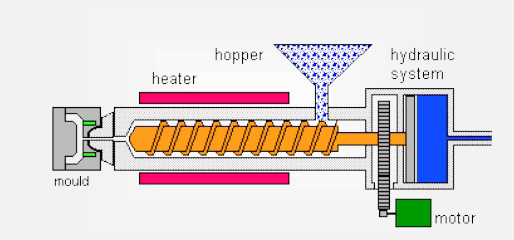
injection moulding
used to create complex, high volume parts out of molten materials, commonly plastics
plastic pellets are fed into a heating chamber where they become molten
molten material is injected into a mould cavity under high pressure
the material cools inside the mould, taking its shape
once solid the moulded part is injected & the process repeats
versatile technique that allows for intricate designs & high production volumes. can be used in all products, small / large
blow moulding
used for creating hollow objects (eg bottles). starts similar to injection moulding but the moulding part is different:
a tube of molten plastic (parison) is extruded into the mould cavity
high pressure air is blown into the parison, inflating it to conform to the shape of the mould
the material cools & solidifies in the mould, retaining its intended design features
the object is ejected from the mould & prepped for post production processes
used for producing containers, bottles & other hollow structures. valued for a combo of speed, flexibility & efficiency so is ideal for creating hollow objects at scale
rotational moulding
aka roto moulding, used to create large, hollow, one piece items from plastic
a predetermined amount of plastic powder is placed in the mould
the mould is heated while being rotated along 2 perpendicular axes
the heat melts the plastic powder & the rotation ensures the molten material coast the interior of the mould uniformly
the mould is cooled, letting the material solidify into the intended shape
once cooled the hollow object is taken out of the mould for post-production modifications & finishing
particularly effective for creating large complex geometrically challenging hollow items like tanks, slides & bins. design flexibility, uniform wall thickness, can produce stress free parts