AVS- Food Animal Production Dairy Cattle and Products
 Call Kai
 Learn
 Practice Test
 Spaced Repetition
 Match
 Flashcards
 Knowt Play
1/31

There's no tags or description
Looks like no tags are added yet.
32 Terms

good commercial dairy breeds able to adapt to different management systems
Ayrshire
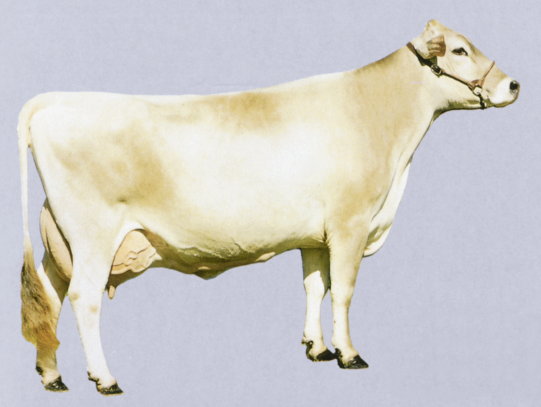
calm adaptable breed that produces high protien milk
Brown Swiss

known for producing high quantities of milk with less feed (milk is high in fat)
Guernsey

best milk producers on average and dominate world milk production
Holstein

efficient converters of grain to milk and longest production life of all dairy breeds
Jersey

high salvage value after milk production life is over (meat and dairy cow) high volumes of nutritious milk (originated from Shorthorn Beef Breed)
Milking Shorthorn
Annual cash receipts from dairy products in the United States is approximately
38 billion
Dairy products account for approximately ___ of animal agriculture’s annual farm cash receipts
22%
Dairy products provide nearly ___ of all yearly cash receipts from agriculture
10%
United States produces approximately ___ of the world’s cow milk production.
14%
__ of the increase of milk, fat and protien for all cow breeds is related to genetic progess
60%
__ of the increase of milk, fat and protien for all cow breeds is related to better management
40%
Increased crossbreeding in diary cows is a result of:
decreased fertility in purebreads
Vitamin D—
fat- soluable vitamin, fortified in milk
Vitamin A—
fat-soluable vitamin, helps eyesight (prevents night-blindness)
Calcium—
mineral that helps bones stay strong
Riboflavin (Vitamin B2)
vitamin found in milk (good for skin, hair, and eyes)
Milk is processed in the following ways before it is sent to stores—
Pasteurization, Homogenized, Fortification
Pasteurization—
heat treated to kill pathogens and extend shelf life
Homogenized—
to prevent separation of fat from liquid portion; consistency is smooth
Fortification—
to increase its nutritional value or to replace nutrients lost during processing
Skim Milk
no fat
Lactose-free milk
lactase enzyme added
Cream—
is a more concentrated form of milk (more fat)
Cultured—
specifically grown bacteria, ferments and increases shelf-life, thick and tangy in flavor
Concentrated (Condensed)—
water has been removed
Butter—
made by churning cream
Cheese—
made by seperating non-homogenized milk and skimming off the milkfat solids (curds) from the top, leaving only the liquid protien portion (whey)
Unripened Cheese—
sold immediately, not allowed to age (cottage cheese, cream cheese)
Ripened Cheese—
curds are packaged and aged (cheddar, muenster, provolone), softer cheese that have less saturated fats than harder varieties (better for your health)
Processed Cheese—
chemically made or altered cheese (velveeta, cheese sauces, imitation cheese)
Culture Dairy Products—
sour cream, yogurt, kefir