lab practical
 Call Kai
 Learn
Learn Practice Test
 Spaced Repetition
 Match
Match Flashcards
 Knowt Play
1/27

There's no tags or description
Looks like no tags are added yet.
Name | Mastery | Learn | Test | Matching | Spaced | Call with Kai | Chat |
|---|
No analytics yet
Send a link to your students to track their progress
28 Terms
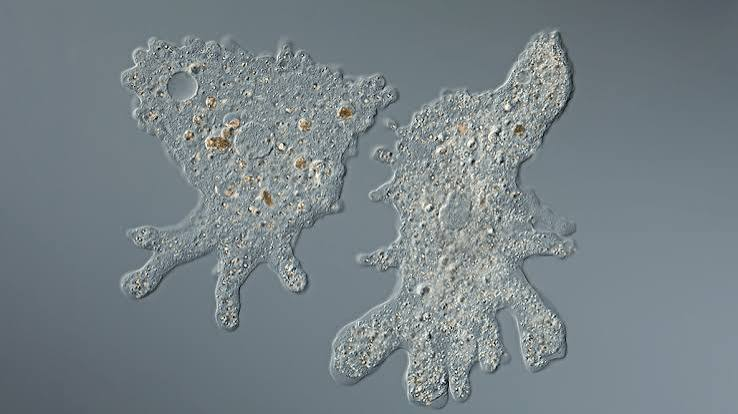
amoeba
uni
hetertrophic
asexual
protista

spirostomum
uni
heterotrophic
asexual + sexual
protista
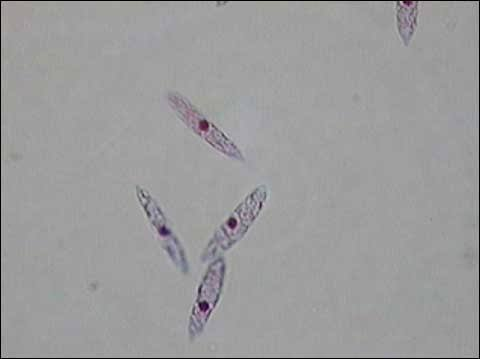
euglena
uni
auto + hetero
asexual
protista

peridinium
uni
auto + hetero
asexual
protista

hydra
multi
hetero
asexual + sexual
animalia
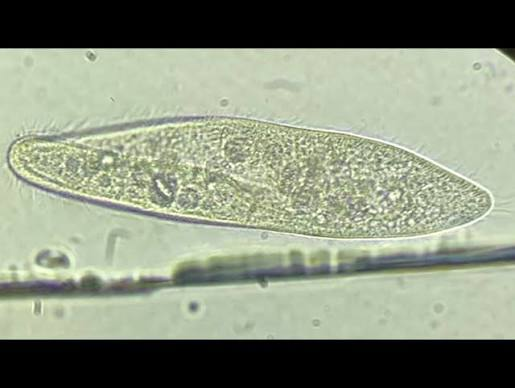
paramecium
uni
hetero
asexual + sexual
protista
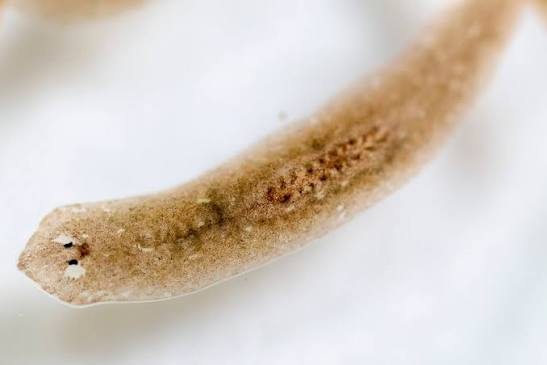
planaria
multi
hetero
asexual + sexual
animalia

philodina (rotifer)
multi
hetero
asexual
animalia

spirogyra
multi
auto
sexual + asexual
protista

stentor
uni
hetero
asexual + sexual
protista
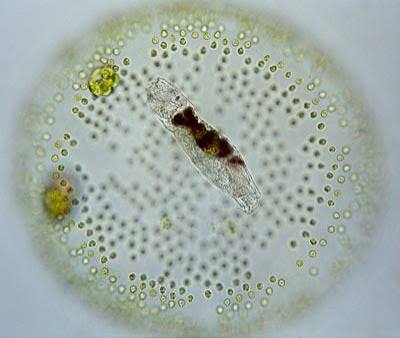
volvox
multi
auto
asexual + sexual
protista

water bears
multi
hetero
asexual + sexual
animalia

daphnia magna
multi
hetero
asexual + sexual
animalia
how to calculate total magnification
objective power times ocular power
ocular power always = 10x
water potential
more solute → lower water potential
water moves from high water potential to low water potential
water potential = solute potential/osmotic potential + pressure potential
solute potential: decreases (becomes more negative) when solute concentration increases; pure water has a solute potential of 0
solute potential = -iCRT, i = # of particles solute makes when it dissolves, C = mole concentration, R = 0.0831, T = temp in kelvin
pressure potential: pushing down is positive pressure (ex. turgor pressure) while pulling up is negative pressure
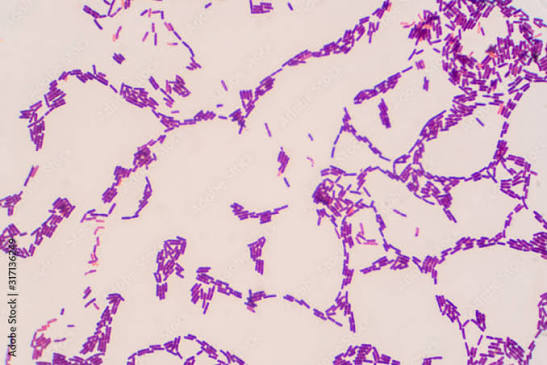
rod shaped bacteria / bacillus

spiral shaped bacteria / spirillum

sphere shaped bacteria / coccus

plasmolysis
process in which a plant cell loses water when placed in a hypertonic solution (lower water potential / higher concentration of solutes)
water moves out of the cell via osmosis → central vacuole shrinks → membrane pulls away from cell wall

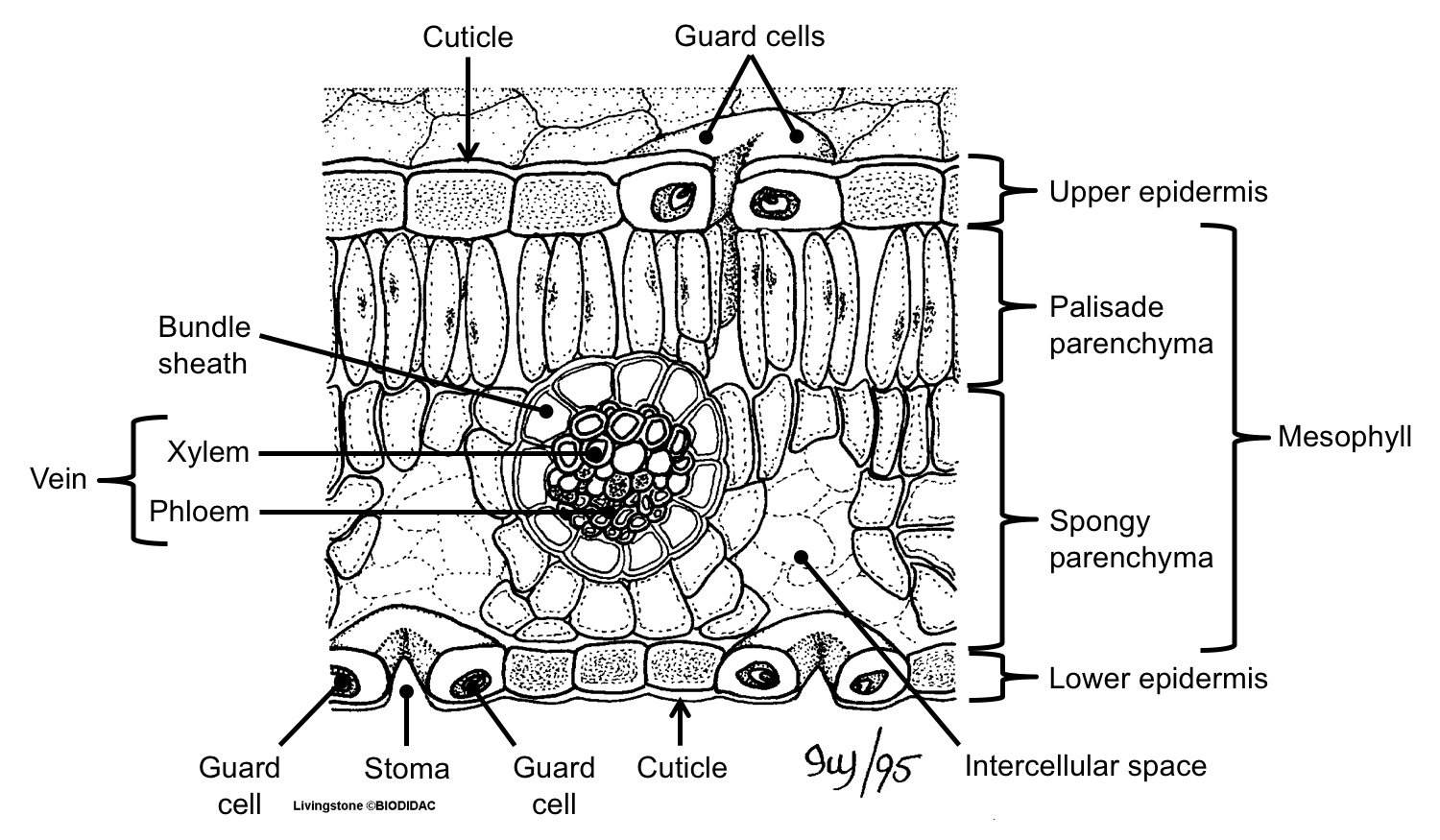
leaf cross section diagram
labeled leaf cross section
how to tell difference between prokaryotic and eukaryotic cells
prokaryotic cells have no membrane bound organelles, only has nucleoid and some ribosomes
eukaryotic cells have nucleus, mitochondria, ER, golgi apparatus, lysosomes, vacuoles, etc
how to tell difference between plant and animal cell
plant cell: cell wall, fixed / rigid shape, chloroplasts, one large central vacuole
animal cell: cell membrane, round / fluid, multiple small vacuoles
hyper / hypo / isotonic solutions
hypertonic solution: solution has a higher solute concentration outside the cell than inside → plasmolysis
isotonic solution: solution has the same solute concentration as the inside of the cell → cell maintains its normal size and shape
hypotonic solution: solution has a lower solute concentration outside the cell than inside → cell swells and expands
advantages of dissecting + compound microscope
dissecting:
+: used for looking at large specimen, 3D, greater depth of field
—: low magnification, low resolution
compound:
+: moderate-high magnification, used for looking at tiny samples
— : 2D, limited depth of field
osmosis definition
movement of water (solvent) through a semipermeable membrane; moves from dilute solution to concentrated solution (low solute concentration to high solute concentration)
diffusion definition
movement of particles from high solute concentration to low solute concentration
if concentration increases then the rate of diffusion increases
molar concentration → concentration gradient (difference in the amount of a solute between two regions)
Ex. in the dialysis tubing experiment, as the molarity of the solution increased → mass in bag increased
large solutes can not pass through selectively permeable membranes (ex. starch, protein)
greater SA/V = less time for diffusion
higher temp = less time for diffusion
after diffusion: free energy of the solution will be lower and entropy (disorder) will be higher
describe the effects of water gain or loss in animal and plant cells
animal cell:
hypotonic solution = water gain; cell swells and can burst = lysis or hemolysis in red blood cells
hypertonic solution = water loss; cell shrinks/shrivels = crenation
plant cell:
hypotonic solution = water gain; turgor pressure (pressure of the fluid within the cell pushing up against the cell wall, helps maintain the structure of plants and prevents cell from bursting
hypertonic solution = water loss; central vacuole, cell membrane pulls away from the cell wall = plasmolysis
dialysis
diffusion of solutes across cell membrane