Concepts for final
 Call Kai
 Learn
 Practice Test
 Spaced Repetition
 Match
 Flashcards
 Knowt Play
1/409

There's no tags or description
Looks like no tags are added yet.
410 Terms
1 BOX on an ekg strip is —- seconds
0.04 seconds
P wave represents which mechanical activity of the heart ?
Atrial contraction (depolarization )
Normal duration range for a PR interval
0.12 to 0.20 second ( 3 to 5 small boxes )
A QRS complex is considered normal if its duration is less than —— seconds
0.12 seconds (3 small boxes )
The EKG waveform representing ventricular repolarization (resting phase ) is the ——
T wave
How is the ventricular rate calculated on a 6-second EKG strip ?
count number of QRS complexes and multiply by 10
Normal Sinus Rhythm (NSR) originates from which natural pacemaker?
SA node
Which EKG characteristic is the defining feature of Sinus Bradycardia?
A heart rate less than 60 beats per minute with a regular sinus rhythm.
What is a common non-pharmacological cause of Sinus Bradycardia mentioned in 'trained athletes'?
Increased stroke volume allowing for a lower heart rate while maintaining cardiac output.
Which medication is the first-line treatment for symptomatic Sinus Bradycardia?
atropine
The nurse assessing a patient in Sinus Tachycardia should expect a heart rate greater than _____ bpm.
100
What is the primary nursing priority when treating Sinus Tachycardia?
Identify and treat the underlying cause (e.g., fever, pain, or hypovolemia).
Why can persistent tachycardia lead to decreased cardiac output?
The shortened diastolic time reduces the time available for the ventricles to fill with blood.
Which EKG rhythm is characterized by an 'irregularly irregular' rhythm and the absence of P waves?
A-Fib
In Atrial Fibrillation, the atria do not contract effectively but instead _____.
Quiver or shake like jello (fibrillate).
What is the most significant clinical risk associated with Atrial Fibrillation?
Thromboembolism (clot formation) leading to stroke.
For a patient in stable Atrial Fibrillation, which medication class is the number one priority to prevent stroke?
Anticoagulants
Which EKG finding is the hallmark of Atrial Flutter?
Sawtooth or 'flutter' waves (F waves).
Acute Rheumatic Fever (ARF) is an immune-mediated inflammatory response following an infection with _____.
Group A Streptococcus (GABHS).
How long after a strep throat infection does Acute Rheumatic Fever typically develop?
1 to 5 weeks
Which diagnostic test is essential to determine if carditis is present in a patient with Acute Rheumatic fever
echocardiogram
What is the primary method for preventing the development of Acute Rheumatic Fever?
Prompt and complete antibiotic treatment of Group A streptococcal pharyngitis (strep throat).
Patients with a history of ARF and valve damage may require prophylactic antibiotics until at least what age?
Age 35 (or for 10 years, whichever is longer).
What is the defining clinical finding required to diagnose the Acute Phase of Kawasaki Disease?
A high fever (>101∘F) lasting for 5 days or longer that is unresponsive to antibiotics/antipyretics.
Which 'classic' oral assessment finding is associated with the acute phase of Kawasaki Disease?
Strawberry tongue (reddened, swollen tongue).
The subacute phase of Kawasaki Disease is primarily characterized by which skin change?
Peeling (desquamation) of the skin on the hands and feet.
What is the most serious cardiac complication of Kawasaki Disease due to systemic vasculitis?
Coronary artery aneurysms.
A 'wide and crazy' QRS complex suggests the electrical impulse originated in the _____.
ventricles
A narrow QRS complex (less than 0.12sec ) indicates the impulse originated _____.
Above the ventricles (Atrial or SA node origin).
What is a common side effect of Atropine that the nurse should include in patient teaching?
Dry mouth (or blurred vision/urinary retention).
What is the mechanism of action of Atropine on the heart rate?
It increases the heart rate by blocking vagal (parasympathetic) stimulation.
blocks the rest n digest increases the fight
What is the primary indication for administering Atropine in a cardiac emergency?
Symptomatic sinus brady
What is the pharmacological classification of Atropine?
anticholinergic
Which type of cardiomyopathy results in 'stiff' ventricles that restrict filling?
restrictive cardiomyopathy
Which type of cardiomyopathy involves abnormal thickening of the heart muscle, often the septum?
hypertrophic cardiomyopathy
Which type of cardiomyopathy is characterized by the heart muscle becoming thin and stretched
dilated cardiomyopathy
Cardiomyopathy is a disease of the heart muscle that results in the heart losing its ability to _____.
Pump blood effectively and contract properly.
While a child is on high-dose aspirin for Kawasaki Disease, the nurse must monitor closely for signs of _____.
reye syndrome
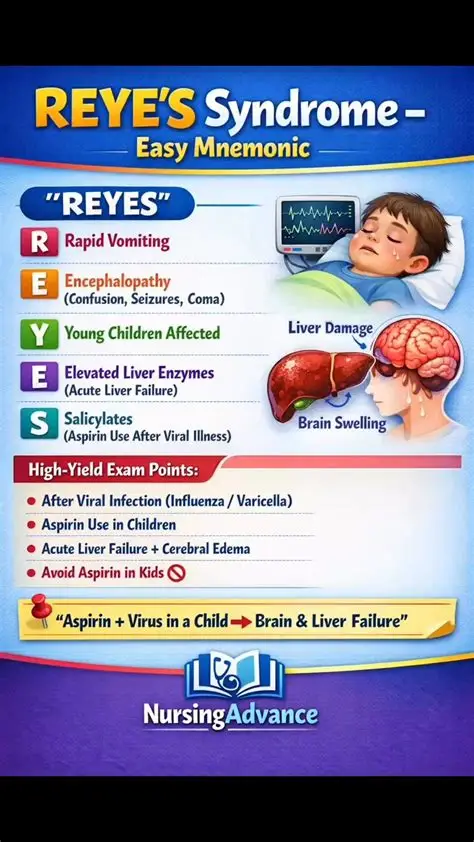
Although typically avoided in children, _____ is used in Kawasaki Disease for its anti-inflammatory and anti-platelet effects.
aspirin
Which pharmacological treatment is administered in Kawasaki Disease to reduce the risk of coronary artery compromise?
Intravenous Immunoglobulin (IVIG).
What are four modifiable risk factors for breast cancer?
Post menopausal obesity
Alcohol consumption (> 1 drink per day )
Prolonged combined estrogen therapy
Physical inactivity
What are non modifiable risk factors for breast cancer
Over 50 years of age
BRCA1 / BRCA2 genetic mutations
Early menarche (before 11)
Late menopause (after 55)
First degree relative family history
In which quadrant of the breast do most breast cancer occur ?
Upper outer quadrant on the lateral side
What does a hard , fixed, nontender breast mass feel like upon palpitation?
It feels like a wrist bone where the skin slides over it, but the mass itself is non-movable
What specific type of breast cancer is characterized by peau d’orange (orange skin)
Inflammatory breast cancer causes the peau d’orange skin texture
What part of the breast is specifically affected by paget disease?
Paget disease affects the nipple and the areola specifically

At what age should a woman of average risk begin baseline yearly mammography?
Average-risk women should begin yearly mammography at age 40.
At what age should individuals who are BRCA1 or BRCA2 positive begin mammography screening?
High-risk individuals should begin screening at age 35.
When is the ideal time to perform a breast self-exam (BSE) in relation to the menstrual cycle?
The exam should be performed 5 to 7 days after the onset of menstruation.
What is the clinical definition of a sentinel lymph node?
The sentinel lymph node is the first lymph node in the axilla that the tumor drains into.
Why is the sentinel lymph node biopsy considered a critical prognostic factor?
It indicates the likelihood of metastasis based on whether the tumor has spread to this first drainage point.
Which genetic mutation is specifically implicated in higher risks for male breast cancer and uterine cancer?
The BRCA 2 mutation
what are the clinical manifestations of breast cancer
non tender and fixed lesions with hard irregular borders
skin dimpling
nipple retraction
skin ulceration
enlarged lymph nodes
What does a positive HER2 gene status indicate about a breast cancer tumor?
It indicates a more aggressive tumor that requires more aggressive chemotherapy and treatment.
Which surgical procedure for breast cancer is described as the most conservative 'breast-conserving' surgery?
lumpectomy with radiation therapy
Why is ovarian cancer often called 'the silent killer'?
Ovarian cancer has vague GI and pelvic symptoms that usually delay diagnosis until stage 3 or 4.
what are the primary risk for ovarian cancer ?
BRCA1 / BRCA 2
age
nulliparity
what workups can be used to diagnose ovarian cancer ?
CA-125
transvaginal / transabdominal US
What is the clinical significance of the CA125 laboratory test in ovarian cancer?
CA125 is a non-specific tumor marker used to monitor treatment response or check for recurrence
Key clinical cues for ovarian cancer
persistent bloating
pelvic / abd pain
feeling full quickly
urinary frequency and urgency
How is ovarian cancer managed ?
surgical debunking of tumor
total hysterectomy with bilateral saplingo \-ooophorrectomy
what is the most common cause of cervical cancer ?
certain strains of Human Papillomavirus (HPV)
How do we screen for cervical cancer ?
routine Pap smear and HPV testing
what are key clincial cues for cervical cancer
abnormal discharge
pelvic pain
spotting
How is cervical cancer prevented ?
Gardasil vaccine
How do we screen for cervical cancer and what workup is involved once cervical cancer is suspected
no screening test
workup : endometrial biopsy and ultrasound
what are the signs of cervical cancer
abnormal uterine bleeding
postmenopausal bleeding
unexpected spotting in amenorrheic patients
what are risks for Endometrial (uterine ) cancer
unopposed estrogen
obesity
nulliparity
increasing age
How can cervical cancer be managed ?
hysterectomy
Why is it important to determine if a patient has ovaries before selecting between tamoxifen and anastrozole?
Anastrozole is only appropriate for those without active ovaries (postmenopausal), while tamoxifen is used if ovaries are active.
What are the priority nursing lymphedema precautions for a patient following a mastectomy with lymph node involvement?
Precautions include no blood pressures, no needle sticks, and no IVs in the affected arm. Also elevate affected arm
How is aprepitant typically scheduled during chemotherapy?
It is usually given as a daily tablet in the morning, initiated several hours before chemotherapy starts.
What is a significant medication interaction associated with aprepitant?
affect the way warfin works and the effectiveness of hormonal contraceptives.
What serious hematologic side effects can aprepitant cause?
neutropenia, anemia, and leukopenia.
What is the typical indication for aprepitant (Emend)?
used for the prevention of nausea and vomiting from highly emetic chemotherapy,
what is the mechanism of action of aprepitant ?
blocks nausea signals in the brain.
what classification is aprepitant ?
Substance P / neurokinin 1 receptor antagonist
antiemetic
who shouldnt take ondansetron
pregnant or breastfeeding women
Side effects of ondansetron ?
Headache , dizziness , muscle and tendon aches
What cardiac abnormality is a risk factor when administering ondansetron?
can cause QT interval prolongation

What is the mechanism of action of ondansetron ?
blocks serotonin receptors
what classification is ondansetron?
serotonin receptor blocker.
How does anastrozole's effect on estrogen levels differ from tamoxifen's?
Anastrozole results in near-total estrogen depletion throughout the body rather than blocking specific receptors.
Side effects of anastrozole
bone thinning (osteoporosis) , joint pain (arthralgia), hot flashes , nausea , vaginal dryness
For which patient population is anastrozole typically the first-line therapy?
postmenopausal females or those who have had an oophorectomy.
What is the primary mechanism of action of anastrozole?
Anastrozole is an aromatase inhibitor that blocks the conversion of androgens into estrogen.
What side effects are experienced by patients taking tamoxifen?
hot flashes , fluid retention , nausea , vaginal bleeding , menstrual irregularities , joint and bone pain
What are the two major Black Box warnings associated with tamoxifen use?
The Black Box warnings are for increased risk of endometrial cancer and thromboembolic events like DVT/PE.
What are the primary indications for tamoxifen therapy?
It is indicated for AMAB patients and premenopausal AFAB with active ovaries
what is the moa of tamoxifen
Tamoxifen acts as an estrogen antagonist in breast and brain tissue while acting as an agonist in the uterus, bone, and liver.
What is the standard clinical presentation of a testicular tumor?
A testicular tumor typically presents as a painless lump or a feeling of heaviness in the testicles.
What is a significant risk factor for the development of testicular cancer in young boys?
Undescended testes is a major risk factor for testicular cancer
What age group is most commonly affected by testicular cancer?
Younger men between ages of 15-35
What is the purpose of a TURP (Transurethral Resection of the Prostate) procedure?
A TURP is used for symptom relief by shaving down the prostate to improve urinary flow.
According to the Gleason score, what range indicates a very aggressive prostate cancer?
A score above 8 indicates very aggressive prostate cancer.
What does the Gleason score measure in prostate cancer diagnosis?
The Gleason score grades the aggressiveness of cancer cells based on how much they differ from normal cells.
higher score , worse prognosis
Signs of prostate cancer
blood in urine or semen
painful ejaculation
urinary obstruction
sexual dysfunction
Why is the Prostate-Specific Antigen (PSA) test considered a screening tool rather than a diagnostic tool?
PSA can be elevated due to various reasons, including BPH, and is not specific to prostate cancer.
At what age should African American men or men with a family history of prostate cancer begin screening?
High-risk men should begin annual screening at age 45.
At what age should men of average risk begin annual digital rectal exams (DRE)?
Men of average risk should begin annual DRE at age 50.