Module 2 Notes - Kingdom Plante
 Call Kai
 Learn
Learn Practice Test
 Spaced Repetition
 Match
Match Flashcards
 Knowt Play
1/105

There's no tags or description
Looks like no tags are added yet.
Name | Mastery | Learn | Test | Matching | Spaced | Call with Kai | Chat |
|---|
No analytics yet
Send a link to your students to track their progress
106 Terms
Is there a social side to plants?
Yes. Plants can communicate and interact with other plants and organisms using chemical signals.
Dr. James Cahill
He studies how plants interact with nearby plants and compete for resources, especially through their roots.
Why is plant behavior so difficult to study?
Plants don't move around like animals, and their responses are often slow and difficult to observe.
How are plant root systems foraging?
Roots grow through the soil searching for water and nutrients.
What happens to root growth as they approach nutrients and begin to feed?
The roots grow toward nutrient-rich areas and increase branching, allowing the plant to absorb more nutrients.
How do plants find food?
Roots detect chemical differences and nutrient concentrations in the soil and grow toward areas with more nutrients.
What is dodder (Cuscuta)?
A parasitic plant that attaches to other plants and takes nutrients and water from them.
What is the favorite victim of this “Botanical Vampire”?
Tomato plants.
Can dodder choose between two host plants?
Yes. Dodder can distinguish between potential hosts and grow toward a preferred host.
How does dodder recognize the tomato plant?
It detects chemical signals released by the tomato plant.
What does the tomato do in response to the attack by dodder?
The tomato activates chemical defenses to fight the parasite.
Why can't plants run and hide when attacked?
Plants are stationary, so they must defend themselves using chemical or physical defenses.
Dr. Ian Baldwin — What does he study?
He studies wild tobacco and plant chemical defenses.
What does wildfire do for desert plants?
Wildfires can trigger new plant growth, including wild tobacco.
What chemical does wild tobacco produce as a chemical weapon?
Nicotine.
Which type of caterpillar is immune to this chemical weapon?
The tobacco hornworm.
What does the tobacco plant do when the caterpillar starts to feed on it?
It releases chemical signals that can attract predators of the caterpillar and increases its defenses.
What role does the “big-eyed bug” play?
It is a predator of the caterpillars. The plant's chemical signals help attract it.
What causes specific insect predators to be called in?
The caterpillar's saliva scent mixes with the plant's chemical signals, creating a signal that attracts specific predators.
What is Spotted Knapweed aggressively killing?
Plants that cattle like to eat, including native grasses and other forage plants.
What part of the Knapweed plant chemically attacks other plants?
Its roots release chemicals into the soil.
How does Wild Lupine defend itself from the Knapweed attack?
Wild lupine can respond by changing its root growth and producing chemical defenses that help protect it from the knapweed.
Why is kin recognition useful to elephants?
It helps elephants recognize relatives, which can help them avoid mating with close relatives and can also help with social interactions.
Why were sea rockets chosen for the experiment?
Sea rockets produce two different types of seeds, allowing researchers to compare plants that were genetically related and unrelated.
Were sea rockets able to recognize closely related plants?
Yes
What happens to the roots of related sea rockets when grown close together?
Related plants reduce competition with each other by producing less root growth, allowing their relatives to share resources.
Do real “mother trees” nourish their young like animals?
The experiment suggests that older Douglas fir trees can transfer carbon to younger trees, particularly when the younger trees are shaded or otherwise need additional resources.
How long can Douglas firs live?
They can live for more than 1,000 years.
What other organism do Douglas firs interact with in the soil?
Mycorrhizal fungi.
What do mycorrhizal fungi provide to the trees?
The fungi help trees obtain water and nutrients, especially minerals such as phosphorus and nitrogen.
What do the trees provide for the mycorrhizal fungi?
The trees provide the fungi with sugars/carbon produced through photosynthesis.
What did the carbon-14 experiment show about Douglas firs nourishing their young?
The experiment showed that carbon can be transferred between Douglas fir trees through their mycorrhizal fungal networks.
Evolution of vascular tissue
(xylem: water and minerals up plant body and phloem: sugar and glucose down and around plant body)
spore production
The diversification of vascular plants 400 million years ago with _______ as means of reproduction
Origin of seed producing
plants about 360 million years ago
The evolution of flowering plants
about 130 million years ago
(produce plant starch)
-chlorophyll A and B, pigments like carotenes
(plants store carbs as starch)
-cell walls made of cellulose
Alternation of generation occurs
in the life cycle of plants, with a haploid, gamete-producing gametophyte stage alternating with a diploid, spore-producing sporophyte stage
-Bryophytes (true mosses) have a large…
obvious gametophyte stage
but other plants the sporophyte stage is larger and the gametophyte stage has been reduced.
Mosses
Ex: liverworts, mosses, and hornworts
-most ancient group
-nonvascular
-spore-producing
-like moist temperatures
“Non-Mosses”
-Spanish moss (actually a flowering plant)
-reindeer moss (actually a lichen/fungus)
-club moss (actually a fern because it is vascular)
Antheridium
Male moss
Archegonium
Female Mosses
moss structure
The lower green part is the gametophyte, the long stem is the sporophyte, rhizoids anchor the moss plant into the ground (don’t absorb anything, just hold), stem and leaves (not true leaves, don’t have vascular tissue), The top stock is called the seta, and capsule is at the very top (other mosses have different names)
Tortola
A dry land moss found in Mexico

Polytrichum
big moss

Sphagnum
Peat moss, Peat bogs (Peat has many purposes; burned for soil)

Marchantia
A liverwort
-Liverwort Antheridium, and Archegonium
Gemma cups of liver warts (circular growths; break off and grow into another plant)

Anthoceros
hornwort

Seedless Vascular Plants
3 Types of SPORE produces —> Club moss, Horsetails, Ferns
Anything related to a Fern is a vascular plant (xylem and phloem)
Ferns
-Their leaves are called “fronds” and are specialized sporophylls with clusters of spores called “sori (plural)” “sorus (singular)”
-large sporophyte stage (distributed in tropics, temperate regions)
-many ferns, the fronds grow
from an underground horizontal stem called rhizome
South Carolina fern — Bracken Fern

South Carolina —>Cinnamon Fern
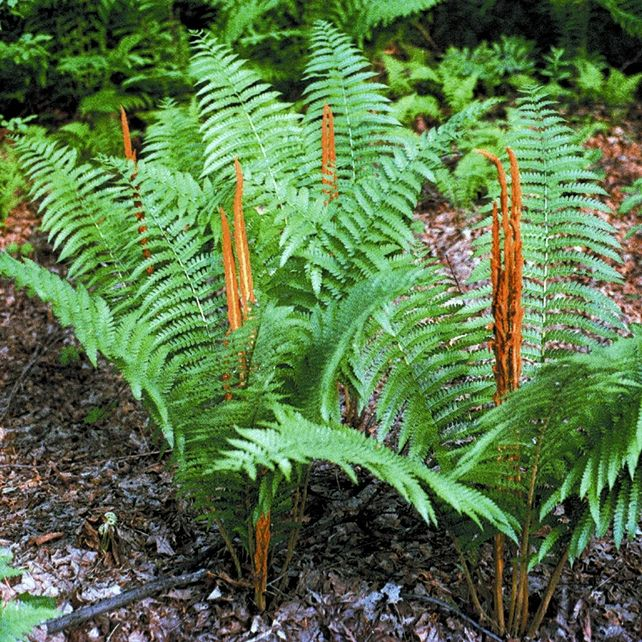
Lindsaea Fern

Cyathea (Tree ferns)

Fern Relatives
Whisk ferns (Psilotum): lack true roots and leaves, have rhizomes
Club Mosses (Lycopodium) “Ground Plants”:
Horsetail (Equisetum): use silica compounds,
Gymnosperms “Naked seeds”
-don’t have separate gametophyte stage (sporophyte is the stage)
Conifers
-Produce cones that help protect the seeds. Conifers are evergreen and their needle-shaped leaves help adapt to cold and dry climates
-conifers are an important source of lumber and pulp paper
Bristlecone pine
one of the oldest organisms, and the redwoods are the largest

Phylum Coniferophyta (Conifers)

Phylum Cycadophyta (Cycads)

Phylum Ginkgo (Ginkgo)

Phylum Gnetophyta (Gnetum)

Male and Female Gymnosperms
-The male cones produce the pollen
-The female cones are the pinecones
Conifer Structure and Life Cycle
-the sporophyte generation is represented by the pine tree, the gametophyte is reduced to haploid microspores (pollen grains) in the male (staminate) cones and megaspores (female and form the egg cells)
-Sequoia sempervirens

Lodgepole Pine

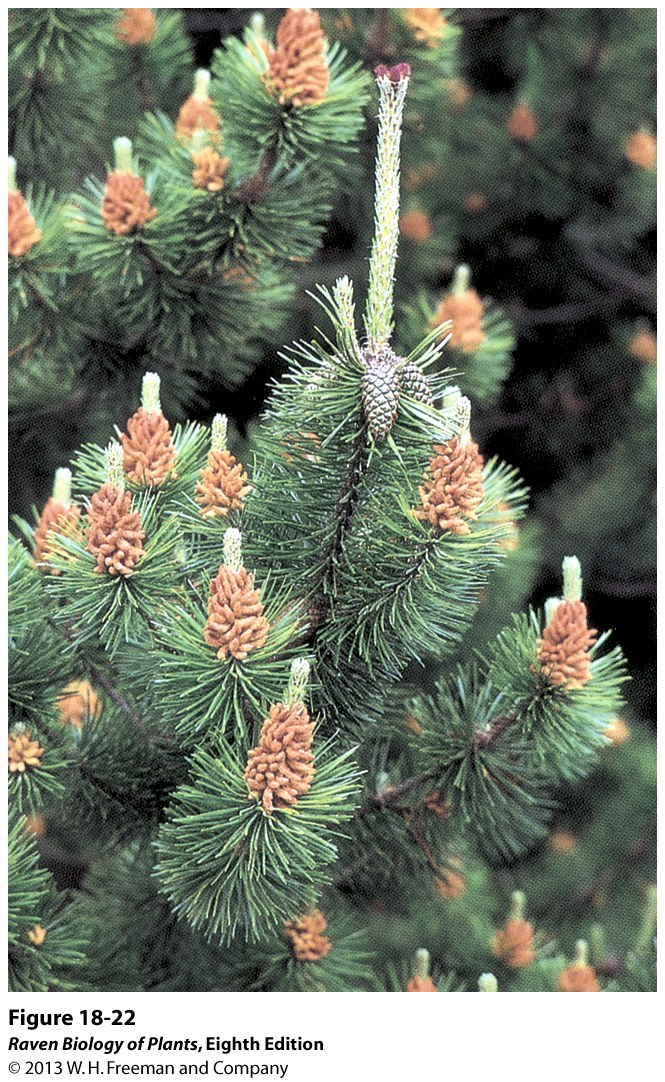

Bald Cypress and Cones


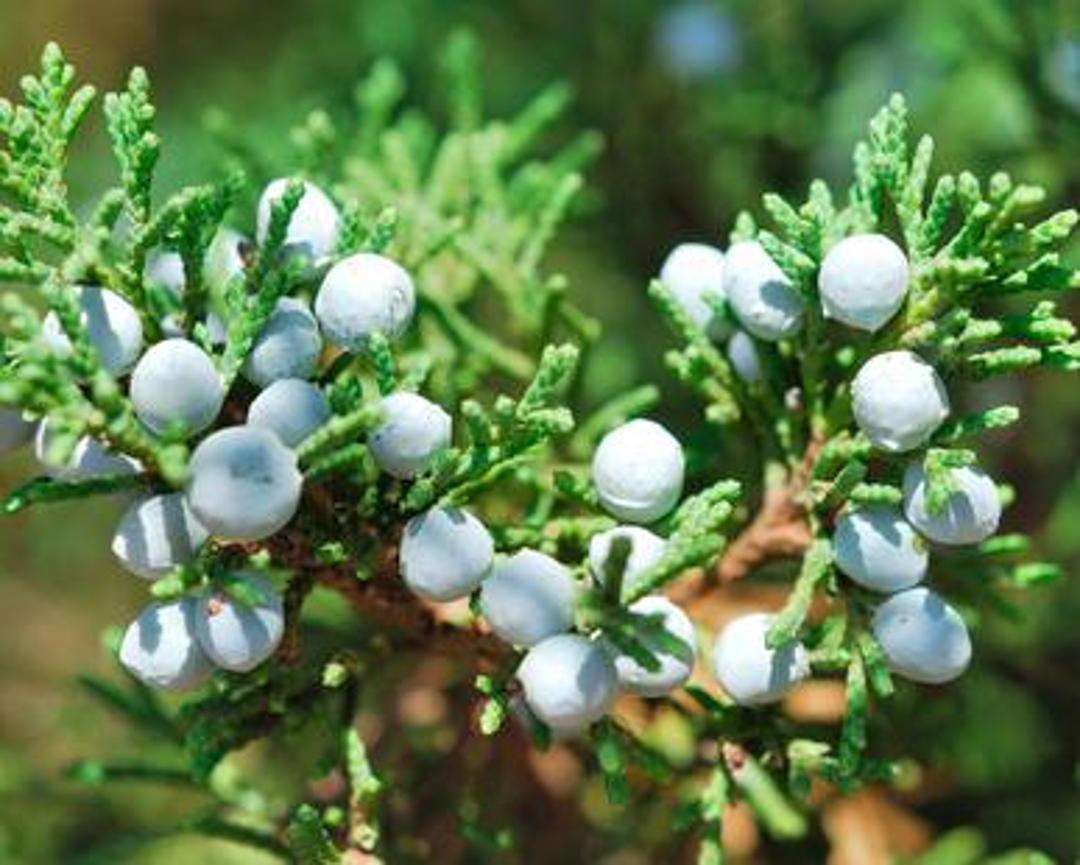
Juniper
Encephalartos (cycad)

Ginkgo


Angiosperms (Flowering plants)
Include maples, oaks, hickories, all of the grasses, fruits and flowers
-Food, fruits, vegetables, medicines (extremely important in providing all of these)
-vascular plants with dominant sporophyte
Monocots
One piece to the seed (corn, grasses), flower parts in groups of 3 and multiples of 3

Dicots
Two pieces to the seeds (beans, oaks, roses, maples...) Multiples of 4 and 5 amounts of flower parts

Eucalyptus regnans (largest)

Lemna- duckweed (smallest)

Epiphytes
Growth on another plant, sunlight, protection ex: Spanish moss, orchids (that grow on trees)
Angiosperms - Epiphytes
Spanish Moss

Cuscuta (dodder)

Parasitic plant: It grows on and around a host plant and absorbs nutrients and water from it.
🍃 Lacks chlorophyll: Most Cuscuta species have little or no chlorophyll, so they cannot carry out normal photosynthesis
Rafflesia
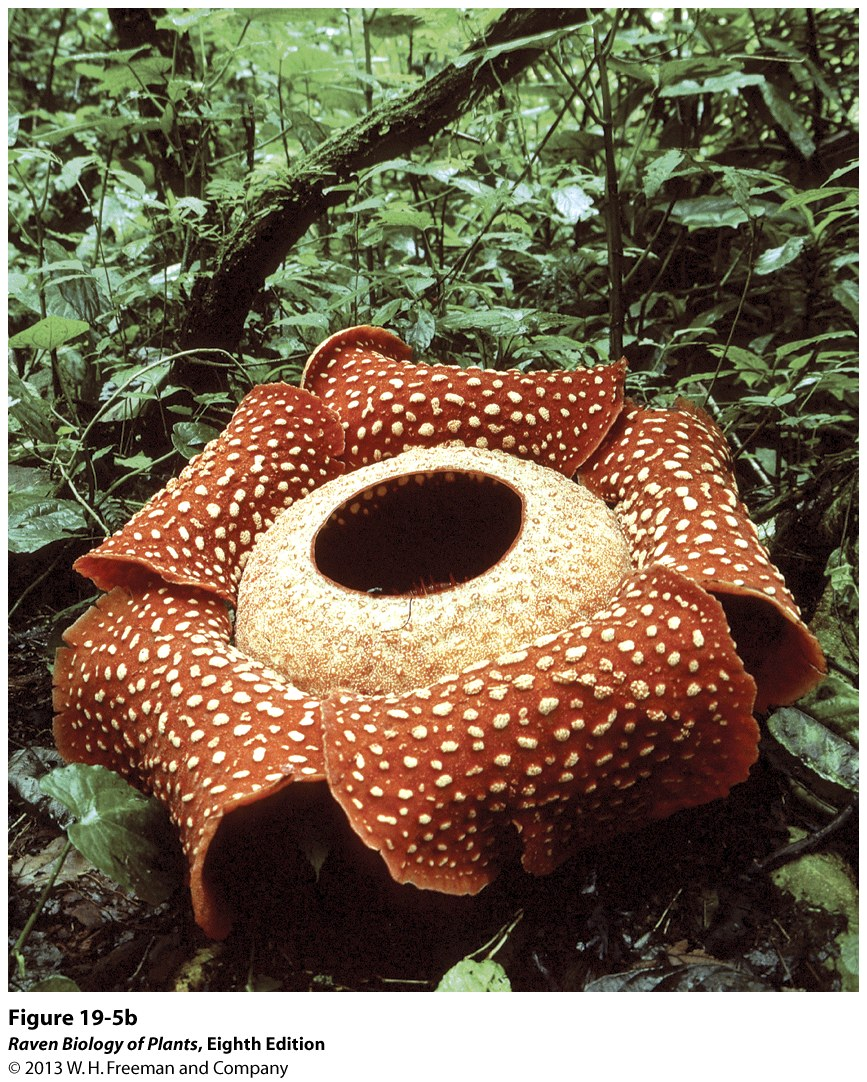
Largest flower: Rafflesia arnoldii can reach about 1 meter (3.3 ft) across.
🌿 Parasitic: It has no normal leaves, stems, or roots. It obtains nutrients from host vines, mainly Tetrastigma.
👃 Strong odor: Its flowers smell like rotting meat, which attracts carrion flies that help with pollination.
Monotropa (Indian pipes)

non-photosynthetic flowering plant that obtains nutrients indirectly through fungi.
Habitats for Angiosperms
Dry places (cactus, deserts)
Wet environments (cattails, water lilies)
Anatomy of flowering plants
Roots
Shoots (Stem)
Leaves (photosynthesis)
Flower (Fruits) Reproductive
Dermal tissue (epidermis):
outer layer of a root, shoot, or leave the protects the plant
Vascular tissue
xylem and phloem that transport and support
Xylem: consists of tracheid and vessels
Phloem: consists of sieve tubes and companion cells
Ground tissue
fills space between outer dermal layer and inner vascular tissue
parts of flower - Calyx
includes sepals (protect other floral parts)
parts of flower - Corolla
includes petals (colorful designed to attract a pollinator)
parts of flower - Pistil (carpel)
stigma, style, ovary (female parts of the flower) includes: stigma, style, ovary
parts of flower - Stamen
Anther, filament (floral whorls, male parts of the flower) includes: anther, filament
Root cap (living cells):
layer of cells that protect the growth region, secretes polysaccharides, allow root to move through soil more easily
flower anatomy

root structure

Zone of division:
consists of the apical meristem and derivatives
Zone of Cell Elongation
The zone where newly formed cells grow longer and increase the length of the root.
Zone of Cell Differentiation (Maturation)
The zone where elongated cells mature and specialize into different types of root cells.
2 ways a plant can grow
Cells divide to form more cells
Cells elongate
Root structure
From outside à inside
Root hairs
Epidermis (dermal tissue): protect, water absorption
Ground tissue (stuffing, whatever fills the root stem or leaf)
Cortex
Endodermis: cells that control what enters xylem for further transport
Pericycle
Xylem
phloem
