c.n. e2: attention & consciousness
 Call Kai
 Learn
Learn Practice Test
 Spaced Repetition
 Match
Match Flashcards
 Knowt Play
1/58

There's no tags or description
Looks like no tags are added yet.
Name | Mastery | Learn | Test | Matching | Spaced | Call with Kai | Chat |
|---|
No analytics yet
Send a link to your students to track their progress
59 Terms
describe the basic principle of attention
if you do not attend to information, you are at a severe disadvantage to do anything useful with it
describe change blindness
unable to detect change unless we are fully attended on the thing that is going to change
describe inattentional blindness
when our attention is focused on one object or task, we are unable to detect other changes not related to what we are focused on
describe how attention is a spotlight
like a spotlight, attention may move from one location to another
it may zoom in or out (coarse vs fine grained)
can’t highlight everything
describe one aspect of attention that does not fit our comparison to a spotlight
our focus of attention is not always match our eye fixation (where we are looking)
what is the Posner Cueing Task and what does it tell us about attention?
Task
there are three boxes, and were instructed to always look at the center box
then you must detect the target that might appear on the left or the right
before you must detect the target, there is a cue that will appear but it may be correctly or incorrectly cueing you to the location that the target may appear
cue is salient: captures attention but not informative
results:
initially, there is a faster reaction time when you are cued to the correct location versus no cue/incorrect cue
but once there is a delay between the cue and the appearance of the target, we see a longer reaction time to those that were cued versus those that were uncued
can’t attend to everything at once
there is a capacity limit
!!bored easily: if there was a cue, but nothing happened directly as a result of the cue then our attention is brought to somewhere else
describe the two types of orienting
covert: moving attention but not the eyes/head
overt: moving attention as well as the eyes/head
endogenous orienting
internally-guided attention
drive by goals and motivation
more top-down
exogenous orienting
externally-guided attention
driven by sudden change in sensory input
more bottom-up
describe the attentional blink
looks at the attentional resources over a window of time
what does attentional blink tell us about attention
if the target are really close or far apart we are likely to correctly detect the two targets
however, there is a small window in which if they are 2-3 frames apart, we will most likely
this shows how our attention resources are finite: when we ‘get’ the thing we are attending to, our brain shuts off for a brief period of time
how does brain activity differ between attended vs unattended stimuli?
firing of neurons is smaller when we are unattended versus when we are attended
attention allows for more firing
describe what areas of the brain are more externally-guided attention versus internally-guided attention
external: lateral
object, location, etc external to self
internal: medial
person i missed, place i want to go, etc
describe difference in brain active regions between conscious and unconscious awareness
when we consciously perceive something, parietal and PFC are involved
describe how conscious awareness is a hierarchical process
it is dependent on the strength of the stimulus and whether you are attending to it or not
weak and absent: activation in sensory cortex but activation is weak and information is not sent to other areas of the brain
strong and absent: pushes further out of cortex but doesn’t reach PFC or get far into parietal lobe (aware but not thinking about it — being in busy city but filter out noise)
weak and present: pushed further out of cortex but not processed fully (someone whispers but can’t make out what they say)
strong and present: all areas are active and spreading information
describe hemineglect
inability to perceive one side of the visual work
typically right-hemisphere damage (leads to neglect of left side)
sensory cortex still responds to information but cannot consciously attend or use information
describe neglect
disorder of attention
can neglect patients attend to the ignored hemifield when instructed to?
yes, but it is very difficult and can only do for brief period of time
what happens to neglected info in those with neglect?
ventral stream may continue to process neglected objects up to the stage of object recognition and possibly semantics
however, there is some awareness guiding their behavior but are unable to attend or report how it guides their behavior
describe or give an example that shows how neglect isn’t just about absolute space but also spatial reference frames
in a study they presented two sets of images where the patient must detect if the images were the same or not: one where the object were upright and difference is on left side and one where the object was tilted and difference is on right side
the patient with object neglect cannot detect differences on left side of an object even when the object may fall into the right side of visual space
describe the biased competition model
there are similar, competing neurons that respond to different things
however, we can use attention to bias response towards one representation over the other
describe the study that provided evident for the Biased Competition Model in attention
participants are either looking at scenes or at faces and are instructed to either ignore or pay attention to a particular thing
FFA: responds to faces
PPA: responds to scenes
FFA
more response when told to remember faces
less response when told to ignore faces
PPA:
more response when told to remember scenes
less response when told to ignore scenes
these areas still respond but at a much higher rate when told to attend to it
describe the study of selecting and de-selecting stimuli
they measure the activity for a V4 neuron that had a face-preference
at first they showed just a house or a face, with the face having a higher activation than house
then they showed a face and house and were instructed to either attend to the face or to the house
attend to face:
large initial peak (but still smaller than the condition with just the face) and then levels off
when they were asked to attend to the house:
large initial peak (higher than that of the condition with just the house) and it then levels off
but the large initial peak was a result of there being a face present
activity then starts to level off since top-down processing allows you to attend to the goal (paying attention to the house)
describe the dorsal route of frontal-parietal attention mechanism
involves lateral infraparietal cortex and frontal eye fields
goal-related attention of the world
orienting in a salience map (weighted by importance)
ex: paying attention to court than attendees at basketball game
more endogenous
describe the ventral route of frontal-parietal attention mechanism
involves tempoparietal junction and ventral frontal cortex
“circuit breaker” that interrupts ongoing activity to redirect attention to some important feature
more exogenous
does subliminal messaging work? For what kinds of information does it work, and for what kinds of information does it not work?
it is possible
you can unconsciously perceive a scary image
you can’t make someone commit murder unwillingly
context matters a lot
ex: popcorn and coke imagery at theatres
what are conditions of consciousness
sentience: ability to feel/perceive
awareness of external reality
awareness of internal sensation/experience
awareness to the “self”
describe how consciousness is constructive
our experience of reality is shaped by our own lived experiences, biases which impact how we interpret sensory inputs
what brain areas are involved in consciousness?
precuneus in medial parietal lobe, thalamus (sensory highway), reticular formation in midbrain (gate to thalamus)
what is thought to underlie consciousness?
synchronization: the idea that one neuron communicates with many others and so on
describe sleep
state of unconsciousness
nested int he body’s innate circadian rhythm through light cues

stage 1: similar to activity while awake

stage 2: start to get deeper waves and some big spikes
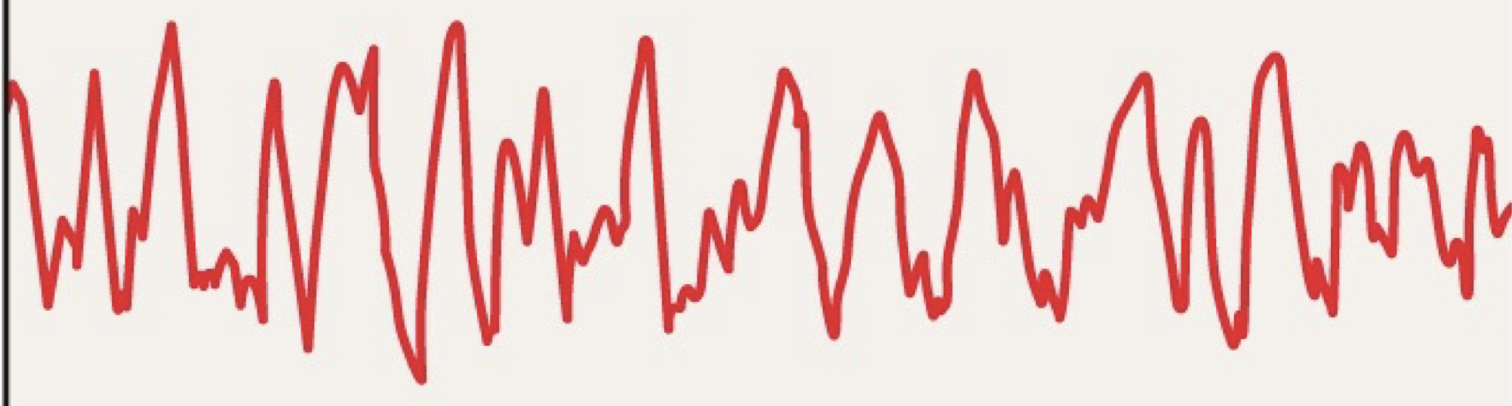
stage 3: characterized by big slow waves

REM
describe stage 3
muscle atonia: paralyzing of muscles
difficult to wake people up
describe stage 2
where sleep walking happens
body is not paralyzed yet but you are also not conscious
describe REM
dreams
describe the communication between brain areas when you are awake
base level of communication between precuneus, medial frontal cortex, inferior parietal cortex
describe the communication between brain areas when you are in light sleep
more communication between precuneus, medial frontal cortex, inferior parietal cortex
describe the communication between brain areas when you are in deep sleep
communication between precuneus and inferior parietal cortex, no medial frontal cortex
describe the different definitions of dreams
could be epiphenomenal (accidental feature)
spontaneous neural activity
random firing
or replay of prior patterns, tied to experiences
brain likes making sense of patterns, so it tries to create a story
nightmares are better remembered because they cause big reactions
ideas about unconscious thoughts/feelings
describe sleep paralysis
condition affecting REM sleep
body immobilized, but person is partially conscious
“waking nightmare” with hallucinations (between deep sleep and REM)
describe sleep walking
occurs in stage 2
stimulate habitual movements from when awake
describe lucid dreaming
becoming ‘aware’ in the dream & taking control
often fantastical/se_ual choices
most people experience this at some point, but can be practiced
describe what hypnosis can/cannot do
can:
help with relaxation
help with pain reduction
help with therapy progress
take advantage of suggestibility (ex: quit smoking)
retrieve “long lost” memories but oftentimes these are false
cannot
most of what hollywood depicts
describe anesthesia
reversibly alters consciousness without long-term damage
what is the general mechanism driven by anesthesia
reduce excitatory signals
or
enhance inhibitory signals
describe the different anesthetics and their effects
nitrous oxide (laughing gas): not unconscious, but disconnected
propofol or ketamine: cause full-on lack of conscious awareness
how does anesthesia affect the brain (physiologically)
lowers blood flow and glucose metabolism
large decrease in precuneus activity
describe drugs that affect dopamine
cocaine (stimulant): blocks reuptake of dopamine
heroin/other opiates (depressent): can bind opioid receptors, which stimulates transmission of dopamine
describe drugs that affect serotonin
marijuana, LSD< DMT (hallucinogens): dysregulate serotonin (usually increase)
can cause serotonin syndrome: depletion of serotonin
describe ‘downers’ affect on brain
alcohol(depressent)
binds GABA to allow Cl- ions into brain (inhibitory)
describe the general principle of addiction
a drug alters the presence of a neurotransmitter
overtime synapse adjust to change (tolerance)
eventually, this becomes so “normal” that a change (withholding drug) is now abnormal (withdrawal)
can be deadly
this is paired with a general disruption of the brain’s reward circuitry, as well as dysregulated executive function
describe coma
deep, prolonged state of unconsciousness
no response to pain/light/sound, no sleep cycle, breathing abnormality
usually caused by any damage to brainstem (regulating neurotransmission & basic bodily function) or major damage to cortex
usually come out of it within a month
describe vegetative state
brainstem intact/healed (breathing, eyes, sleep-wake, thrashing, etc) but no perception, communication, awareness
though there are debates about consciousness
comatose patients can ‘awaken’ to vegetative state
can remain in state indefinitely if medically supported
in general, brain metabolism is permanently decreased
describe the different theories of consciousness
dualism: mind and body are totally separate
functionalism: brain’s specialized processing units underlie different aspect of conscious experience
ex: FFA allows us to consciously perceive a face, etc
integrated information theory: informative and combined info across the brain
informative: experience of ‘red’ is unique from green or blue
integrated: you perceive a face not a separate experience of shapes and colors and textures
describe the view on whether non-human animals are conscious
historically: the answer would have been no
modern view:
many are conscious to some degree
they possess much of the same neural machinery
growing evidence for heightened sense of awareness & knowledge of ‘self’ in animals
examples of non-himan consciousness
self-recognition via mirror, smell
association of human words/symbols with semantic meaning
neuronal responses in crow endbrain (analogous to human PFC) found to correlate with their subjective preferences for stimuli
evidence for complex learning & self-awareness in octopuses, corvids, and maybe other animals as well