Horse Management Exam 1
 Call Kai
 Learn
Learn Practice Test
 Spaced Repetition
 Match
Match Flashcards
 Knowt Play
1/108

There's no tags or description
Looks like no tags are added yet.
Name | Mastery | Learn | Test | Matching | Spaced | Call with Kai | Chat |
|---|
No analytics yet
Send a link to your students to track their progress
109 Terms
eohippus
earliest ancestor for horse
4 toes on front
3 feet on hind
adapted for swamp lands
orohippus
evolved from eohippus
lived in woodlands
3 toed
mesohippus
evolved from orohippus
still live in woodlands
taller (4 ft compared to 3 ft)
longer, stronger teeth
wide set eyes (improve field of vision)
merychippus
evolved from mesohippus
lived in plains
6 ft tall
harder teeth
close to single toed
pliohippus
evolved from merychippus
lived in plains
first single toed horse
overall trend in horse evolution
increased size
decreased number of toes
change in environment
longer, stronger teeth for grinding
taller (longer cannon bones)
primary use for modern day horses
recreation
ie. dressage, racing, eventining, etc.
horse breeds can be…
registered: breed association, records kept by associations to promote a breed.
recorded pedigrees
grade: unregistered horse
various classifications
light (hotblooded)
heavy (draft)
pony
warmblood
measuring
1 hand = 4 inches
less than 14.2 = pony
greater than 14.2 = horse
LIGHT horse
weigh between 900-1200 lbs
14.2-16 hands
riding horses
FOUNDATIONAL breeds
Arabian
Thoroughbred

Arabian
originate in middle east
known for STAMINA, VERSATILITY, “FIRE”
dished face, prominant eye, large nostrils, small muzzle, arched neck
14.2-15.2 hands
foundation for most light breeds in US and Europe

Thoroughbred
developed in england
known for SPEED, ATHLETICISM, STAMINA
developed as racing horses
around 16 hands, tall and long legged
Jockey Club registry for thoroughbreds
Contribute directly to QUARTERHORSE, MORGAN, and STANDARDBRED
US Breeds
QH
Morgan
Saddlebred
Standardbred
Tennessee walking horse
mustang

Quarter Horse
sprinter- fastest horse in a ¼ mile
known for athleticism, good sense
14.2-16 hands
American QH registration

Morgan
foundation sire- Figure (owned by Justin Morgan)
known for personality and versitility
13.2-15.2 hands
can be a variety of colors

American Saddlebred
founding sires throroughbred
Long arched neck, long pasterns, smooth/flashy movements
GAITED BREED
SLOW GAIT and RACK

Standardbred
FASTEST HORSE in THE WORLD
known for HARNESS RACING and GAITS
15-16 hands
all SOLID COLORS
GAITED BREED
2 types of racing
Trotting and Pacing
first performance tested breed6

Tennessee Walking Horse
good temperament, FLAT gaits
GAITED BREED
3 BOUNCE FREE GAITS
walk, running walk, canter
15 hands

Mustang
“wild”, more feral, US horse
managed and protected by bureau of land management
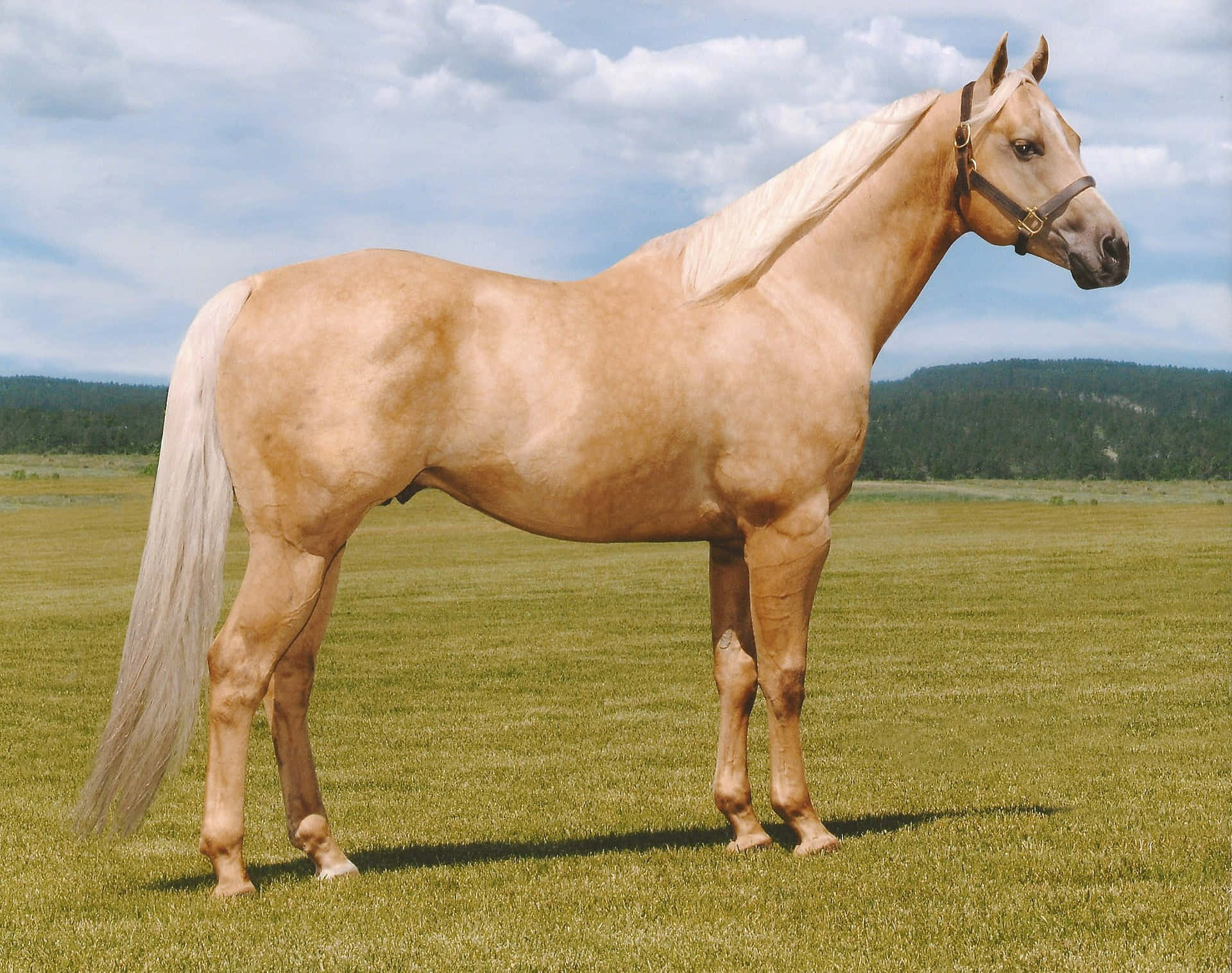
Palomino
gold body, white mane and tail
often double registered for breed and color

Appaloosa
Mottled skin (spots)
Sclera, striped hooves
Genetic breed
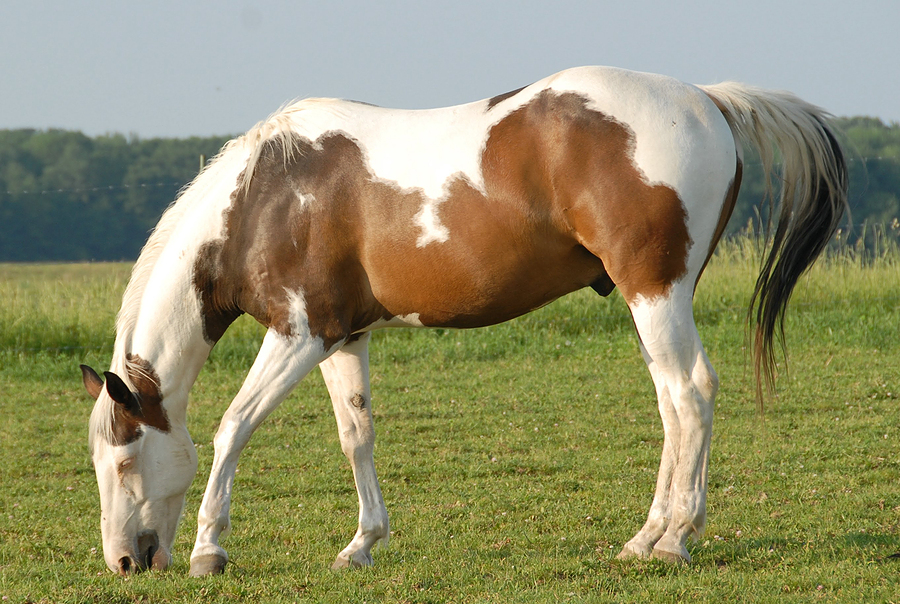
American Paint Horse
bred from quarter horse with too much white
Must be sired by registered paint, QH, or TB
Genetic requirements
can compete in events like QH

Pinto
based solely on color
can be any breed
Piebald: black and white
Skewbald: white and brown, grey, etc.
Draft breedsd
belgian
percheron
clydesdale

Belgian
size, strength, endurance
16.2-17 hands
sorrel (chestnut) body and flaxen mane and tail (white)
good for pulling
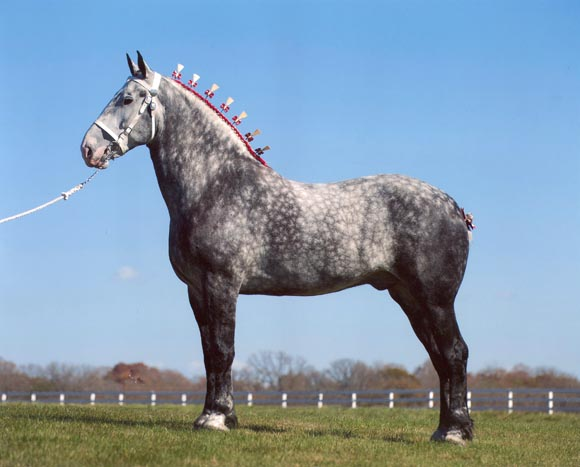
Percheron
known for style, hardiness, temperament
black and gray
16-17.2 hands
light feathering (hair around forelock)

Clydesdale
active and intelligent
commonly bay
16.2-18 hands
heavily feathered
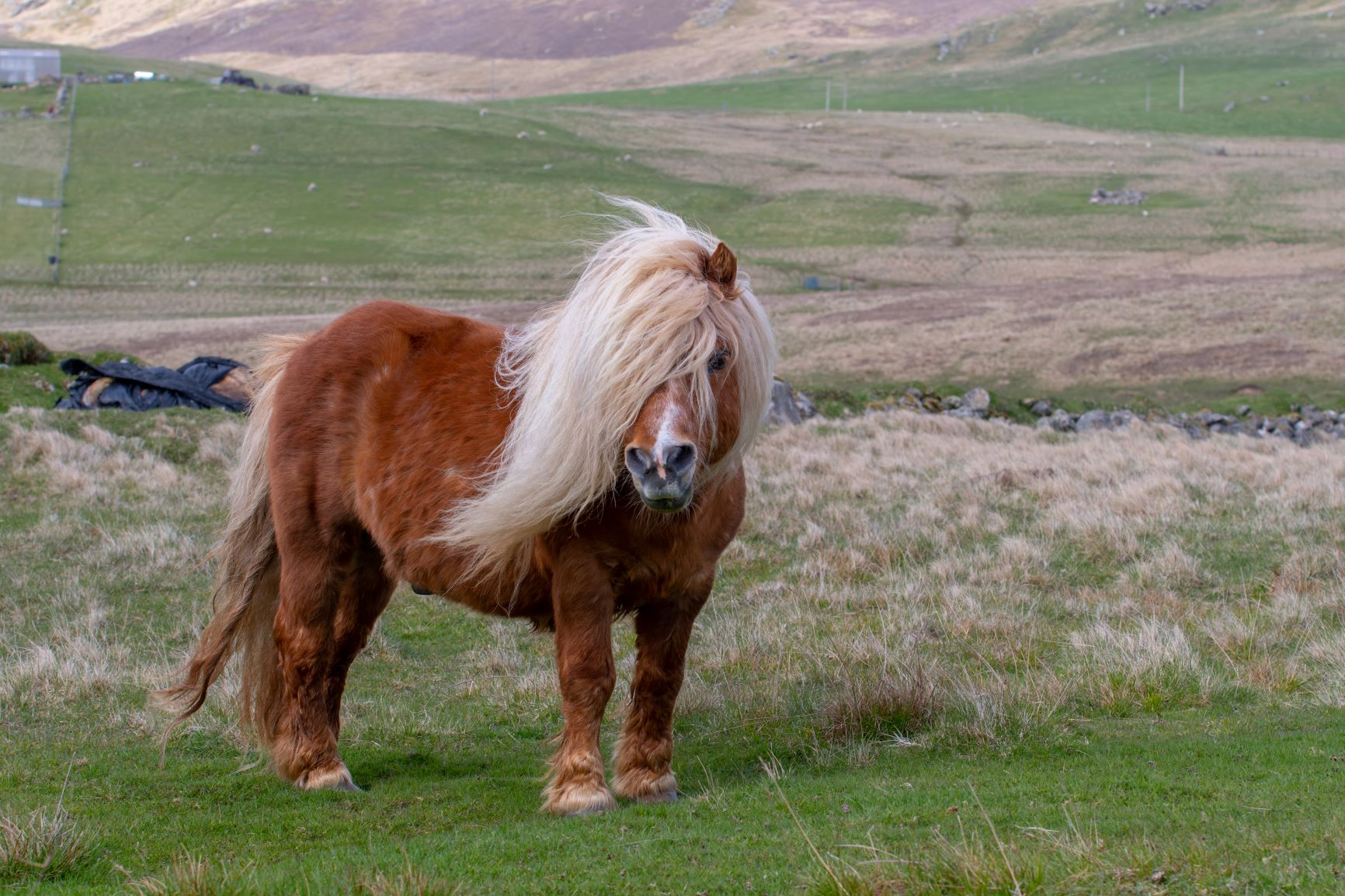
Shetland
can be light and draft
max height 11.2 hands

Welsh
good for kids
max 13.2 hands
good disposition

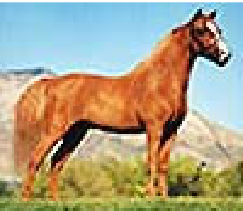
Pony of America
shetland stallion x appaloosa mare
mini appaloosa
14 hands
Miniature Horse
less than 8.5 hands
developed for royalty
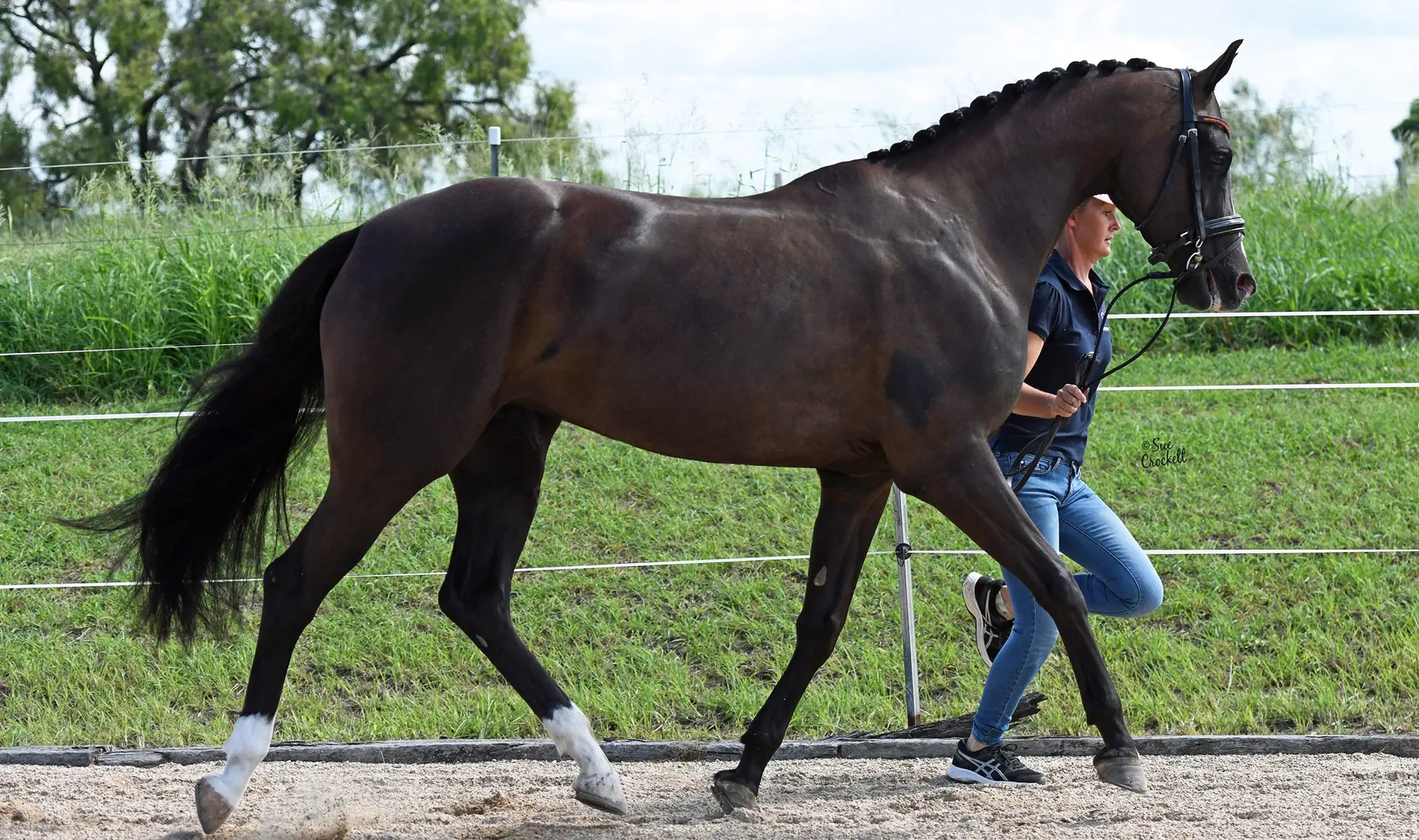
Hanoverian
popular sport horse
german
quiet, versatile

Trakehner
russian/german
similar to hanoverian
refined w/ throoughbred and arabian influence

Lipizzaner
austrian
spanish riding school in vienna
born dark brown and turn grey by 6-10 yr old

Andalusion aka Pure Spanish Horse
known for ability to learn/temperament
usually grey
15.2 hands, compact
massive chest

Peruvian Paso
very comfortable gait
paso llano
GAITED BREED
14-15.2 hands

Criollo
argentinian
stamina
cresty neck

Galiceno
mexican
12-13.2 hands. small and agile
cannot be pinto

Bashkir Curly
russian
riding and draft
curly winter coat

Barb
african origins
all purpose riding
athletic
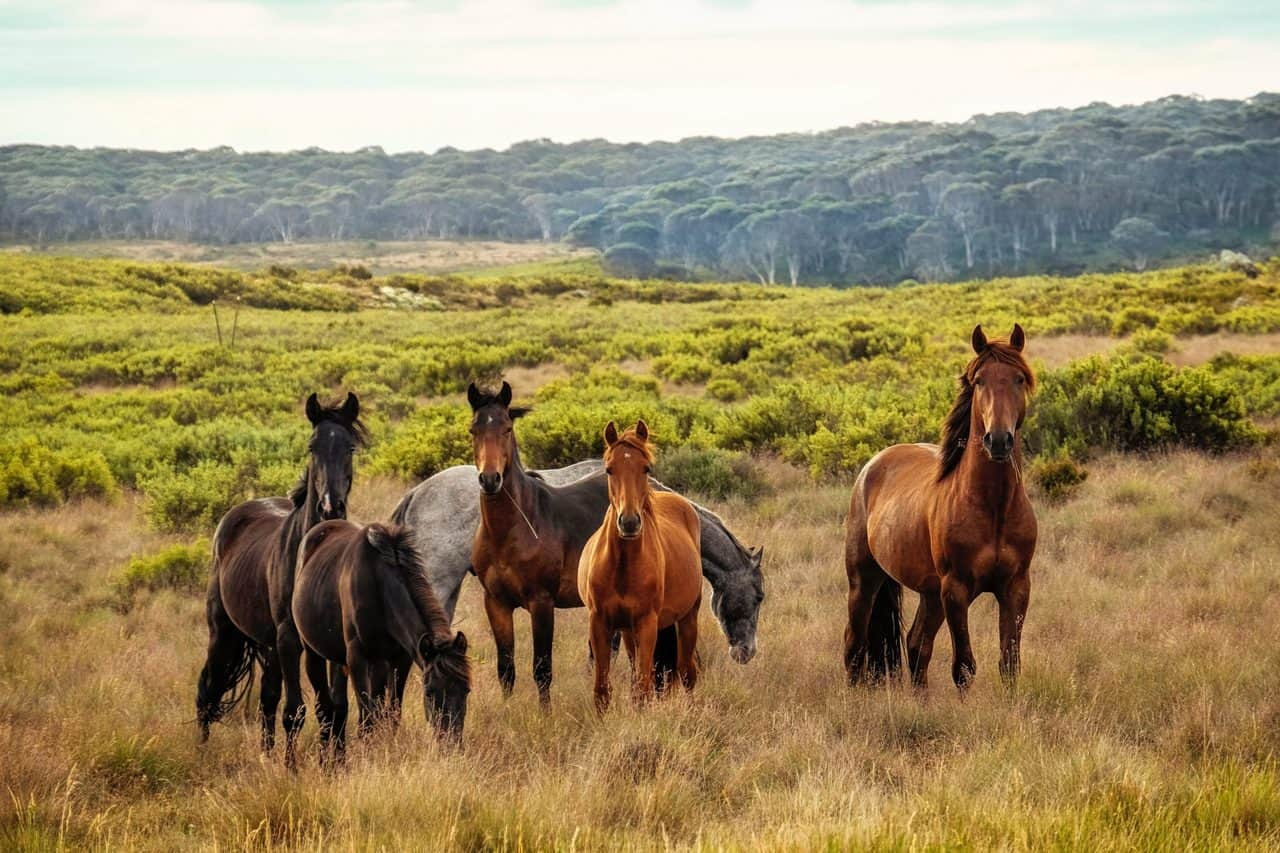
Brumby
feral “willd” Australian horses
lack refinement
small and hardy

Donkey
large ears, upright build, dorsal strip at withers
pack animals
hardy and stubborn

Mule
offspring of FEMALE HORSE and MALE DONKEY
infertile
can be gaited
standard, draft, and mini
Hinny
offspring between female donkey and male horse

Prezwalksis horse
endangered
only turly wild horse
small but stocky build
DUN color
purposes for identification
claiming ownership
for cases of theft, registration, proof of purchase
record keeping
vet and farrier visits, etc
bald face vs apron face
bald face
white does not extend down sides of face
apron face
wraps around side of face and chin

coronet

pastern

fetlock

sock
halfway up cannon
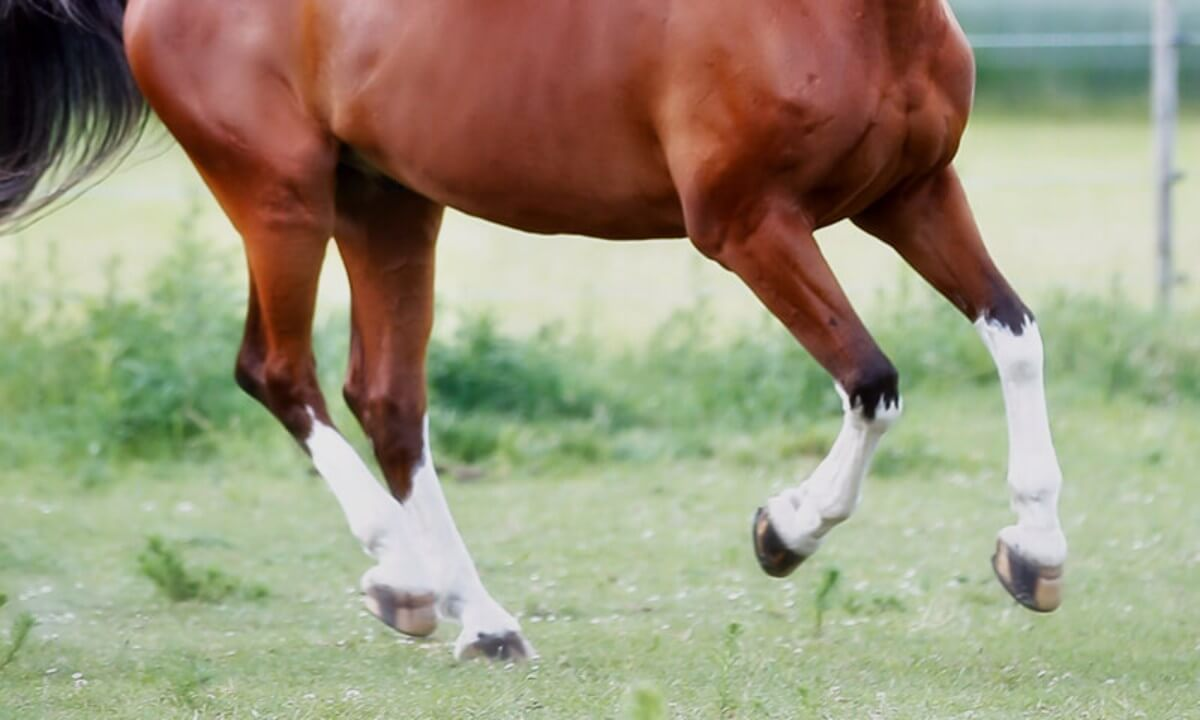
stocking
brown horse vs black horse
brown horses look black, but have points of brown
near flank, tips of ear, muzzle

Chestnut
no black points
can be sorrel (light red) or dark sorrel
skin is black and hair is red

buckskin
bay with one dilution gene
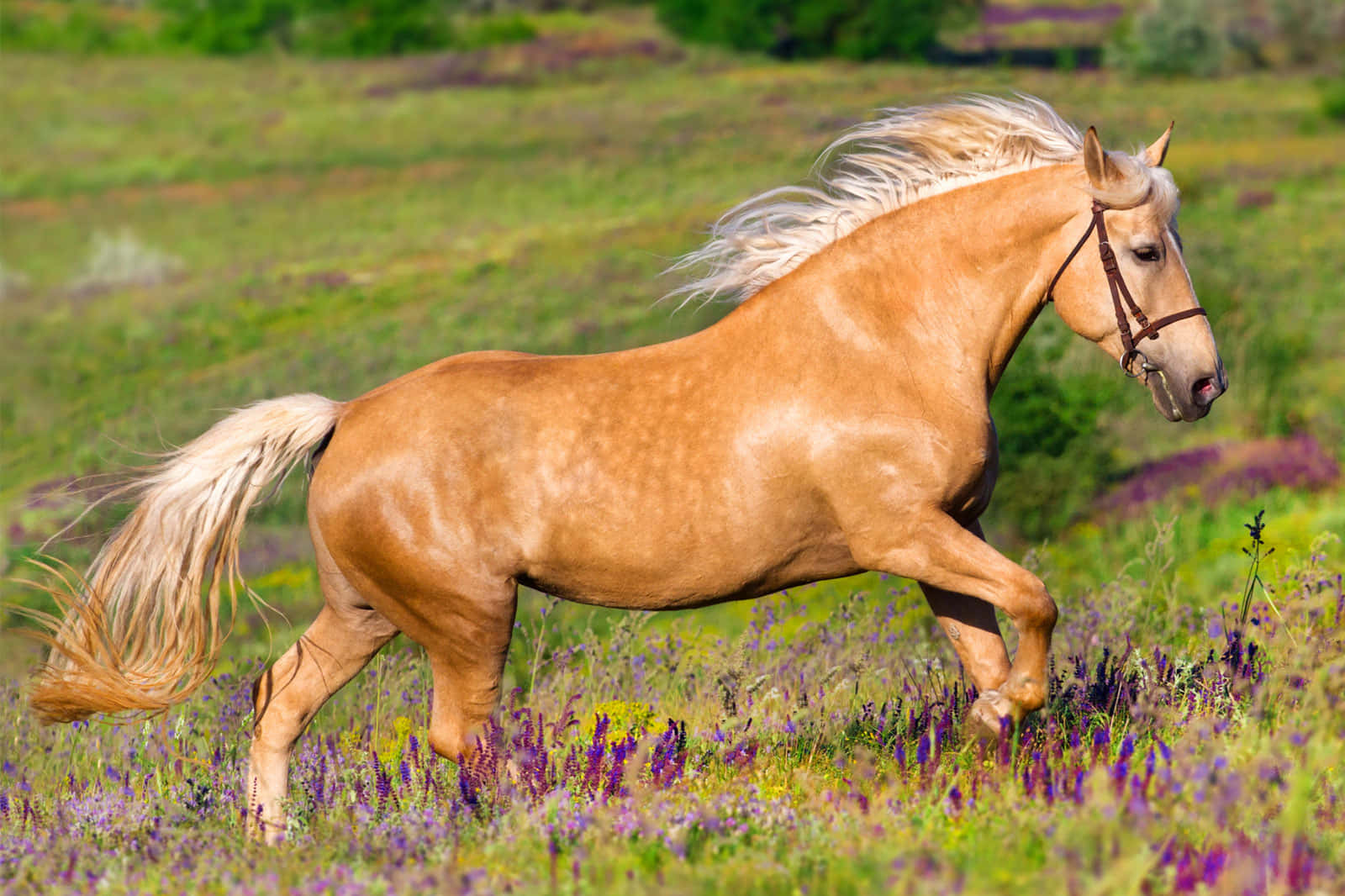
palamino
chestnut with one dilution gene

perlino/cremello
double diltuion of either chestnut or bay
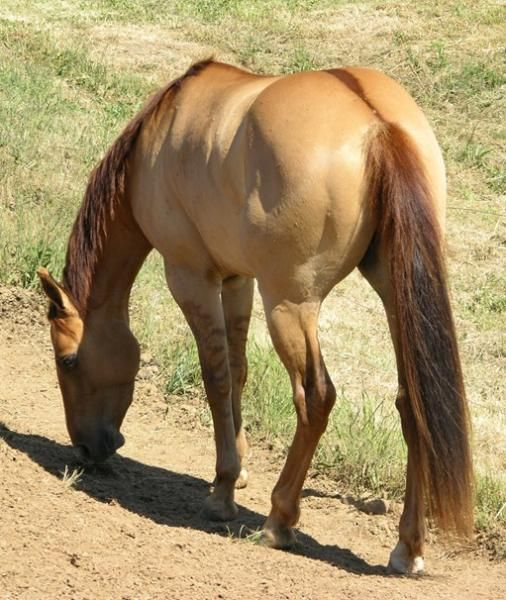
red dun
lineback dilution to chestnut
base body color is dulited

dun
bay with lineback dilution
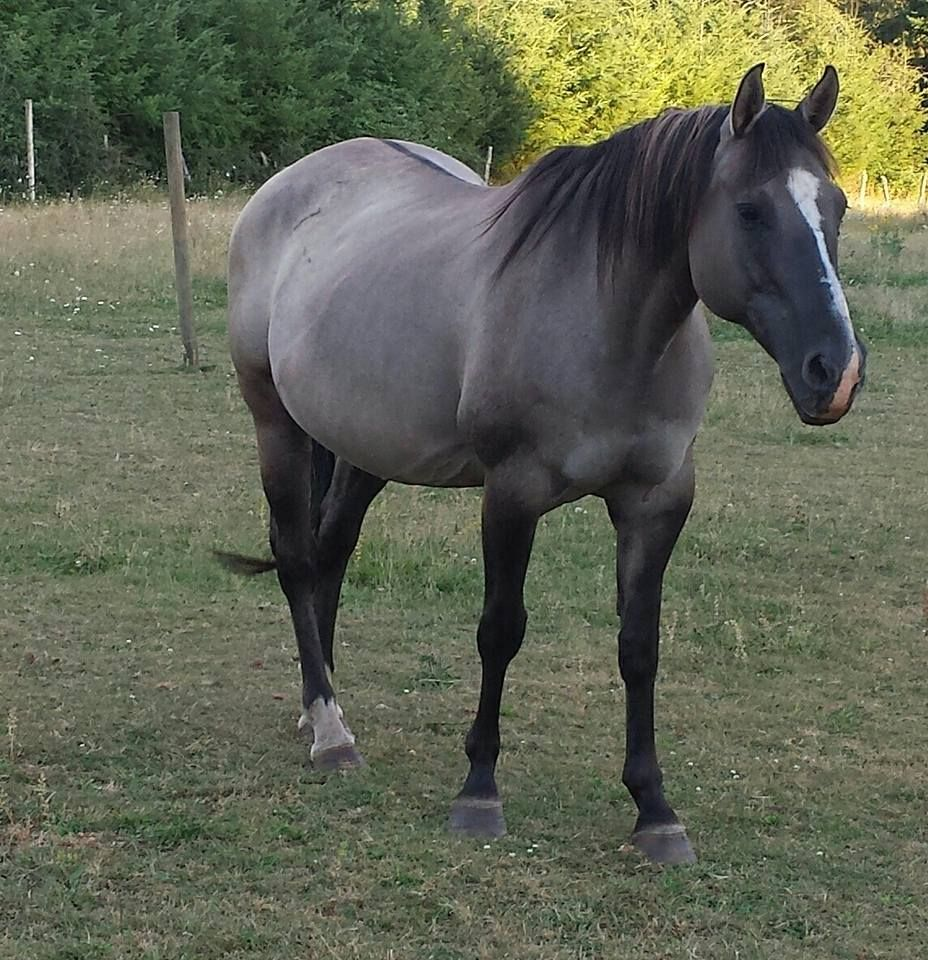
grulla
black horse w/ lineback dilution
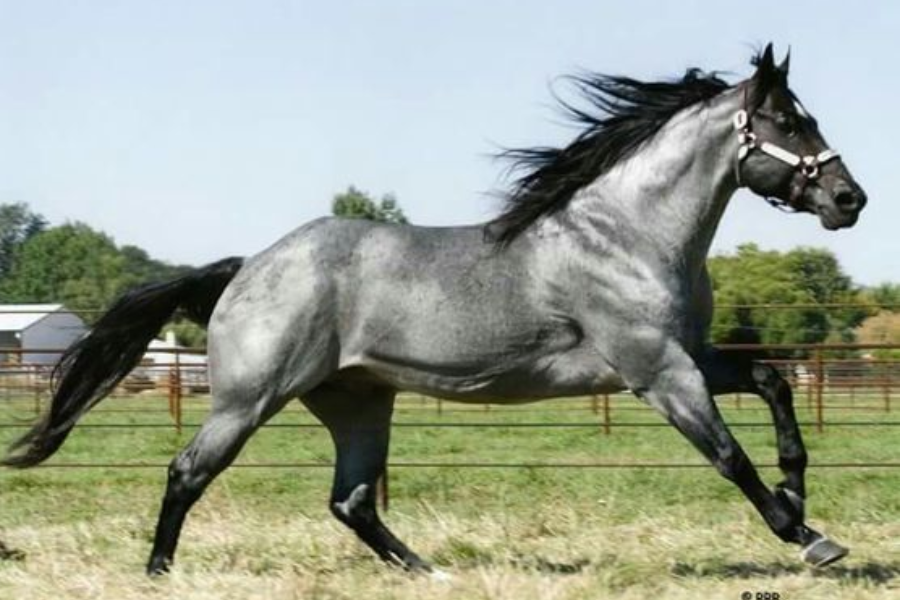
blue roan
black horse with roaning gene
base body color is mixed with WHITE HAIRS
main and tale don’t change color
head darker than body

red roan
chestnut with roaning gene

bay roan
bay horse with roaning gene
notice how points remain and head color remains darker

overo
mostly white on face
darker legs
no white OVER BACK
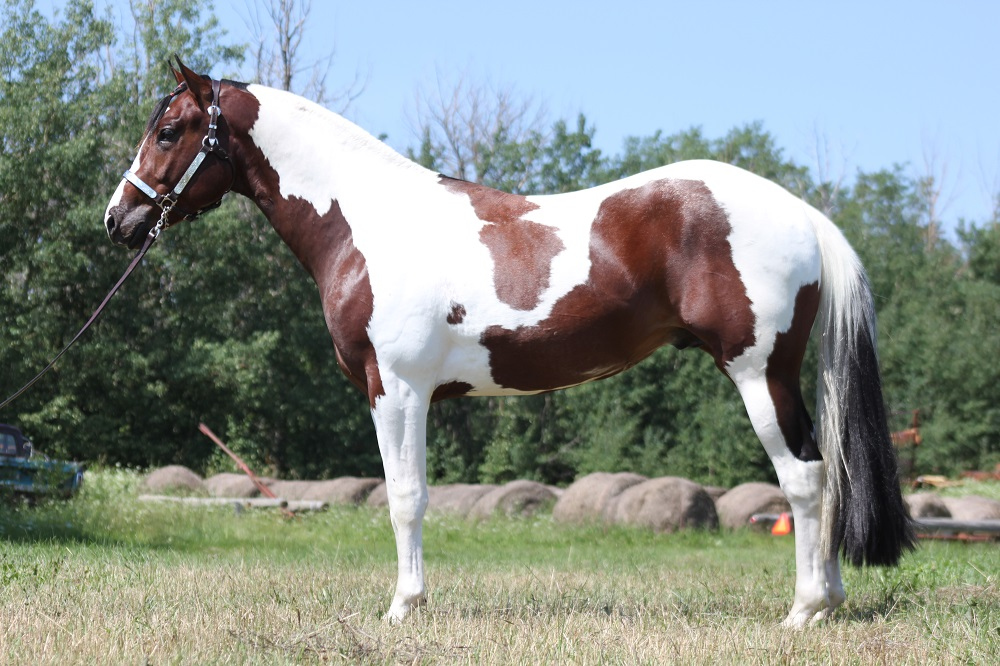
tobiano
white goes over back
cleaner lines
mostly white legs
mostly dark face
microchips
implanted on left side of neck
below mane
size of a grain of rice

conformtaion
physical appearance of the horse due to arrangement of muscle, bone, and body tissue
why is conformation important?
conformation tells you how the horse will peform athletically and how well they can do a specific job
how well are they able to perform
how well are they able to live
parts to evaluate conformation
BALANCE
STRUCTURAL CORRECTNESS
quality
muscling
sex and breed character
importance of shoulder angle
optimal reach and lengthens stride
angle of pastern should equal shoulder angle
short back vs long back
short back = strong
long back = weak

buck kneed
knee is too far forward of plum line

calf kneed
cannon and knee are too far backward

knock kneed
knees turn in towards each other
leads to splay footed gait
legs knock into each other while walking

pigeon toed
toes point in towards each other
leads to paddleing gait
bow kneed
front legs appeared curved outward b/c of tendon swelling
bench kneed
cannon bones are misaligned with the knee

sickle hocked
angle of hock is too extreme

post legged
not enough bend at the hock
legs appear straight up and down

cow hocked
back knees turn inwards
breed and sex character
want the horse to look like its breed
have masculine/feminine features respectively
where to examine a horse for muscle
chest
shoulder
forearm
hock
hindquarters
croup
walk
4 beat, symmetrical
footfall sequence:
left hind
left front
right hind
right front
trot
2 beat
diagonal pattern
footfalll sequence
left hind and right front
right hind and left front
pace
lateral 2 beat
footfall sequence
right hind and right front
left hind and left front
canter
3 beat, asymmetrical
can be either left or right leading
footfall sequence (right leading)
left hind
right hind and left front (diagonal)
right front
gallop
4 beat
fastest gait
footfall sequence
left hind
right hind
left front
right front
forging
gait defect where the hind leg’s hoof knocks into the hoof of the same sided leg

cross firing
hoof of hind leg is hitting the hoof of the diagonal leg

sweeny
muscle atrophy of the neck
fistula withers
infected area with severe inflamationa at the withers b/c of a poorly fitted saddle
equine asthma
difficulty breathing of the horse
develop heave lines on abdominal muscles from the strain of pushing out air
bucked shin
bony enlargement on front of cannon, inflamed outer layer of shin
bowed tendon
tendon on cannon is stretched too far, causing it to bow out
ring bone
bony enlargment on pastern
sidebone
ossification of cartilage causing a bulge by the coronet
stifled
patella slips out of place
causes the horses hind leg to lock
warning signs of unsoundness
change in posture
performance decrease