EMR Class Notes
 Call Kai
 Learn
 Practice Test
 Spaced Repetition
 Match
 Flashcards
 Knowt Play
1/56

There's no tags or description
Looks like no tags are added yet.
57 Terms
Temp Check!
What are the medical terms for these skin conditions?
Pink:
Blue:
White:
Yellow:
Gray:
Red:
Normal
Cyanotic
Pale
Jaundice
Ashen
Flushed
What is the ideal respiration rate per minute
12-20

What pulse point is this?
Temporal

What is this pulse point called?
Carotid

What is this pulse point called?
Apical

What is this pulse point called?
Brachial

What is this pulse point called?
Radial
How many pulse points do humans have?
nine

What is this pulse point called?
femoral

What is this pulse point called?
Popliteal

What is this pulse point called?
Posterior Tibial
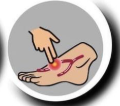
What is this pulse point called?
Dorsalis Pedis
What are the skin moisture levels used in EMR in order?
Dry
Moist
Clammy
Diaphoretic
Profusely
What does PENMAN stand for? When do you use PENMAN?
-used during initial size up of scene dispatched to
P:ppe and safety
E:environmental, bio, human hazards
N: number of patients
M: mechanism of illness/injury
A: additional resources needed
N: need for c-spine, immobilization, extrication
What do you check for during a neural exam?
Can they respond to commands? Do their eyes react to light? Can they feel sensations?
What are the 4 components to contracting a disease?
The disease itself has to exist in that moment
Does the disease have a host?
How much of the disease exists in this moment? Is it enough to spread to a new host?
Is the victim immune to the disease or not?
What does it mean if one is absent of lung sounds?
collasped lung
What can abnormal pupils symbolize? (Hint, 4 things!)
Seizure
Trauma
Drug overdose/use
Stroke
What does hypoxia mean?
Low oxygen (less than 94%, minor hypoxia, less than 90 is severe hypoxia and needs oxygen assist)
What are the three components of moving a sharps container?
Container must be fully closed
puncture and leak resistant
decontaminated ASAP
What is an exposure control plan?
A standard to minimize the spread of pathogens that meets OSHA standards
What are some standard precautions?
PPE
Work place control
proper cleaning
Proper personal hygiene
What are 6 severe signs of grief?
lack of focus'
tears
stressed induced cardiomyopathy (rapid flow of adrenaline) c
lowered immune system
lethargy
decreased digestion/appetite; OR eating more than usual
What is the number one cause of death for first responders?
cardiac arrest
What is CISM?
Critical Incident Stress Management; program many public safety jobs have
-includes stress management, and on sight debrief with team after rough calls (CISD)
What does CISD stand for?
Critical Incident Stress debrief
24-72 hrs after bad call
WHAT is CRW?
Crew Resource Management
-all first responders have a different set of skills and you should collaborate to provide the best patient care
What does PACE stand for? What is it used for?
Communicating with other first responders when you do not agree w current treatment plan/ also basiccommunication
P: probe (ask to make sense of situation)
A: alert (alert team leader of risks)
C: challenge (ex: leader, I think we should do this bc xyz)
E: emergency (if problem is clear and critical, alert whole team)
all ________________ are __________, not all __________ are easily ___________
communicable, infectious, infectious, communicable
Donning
Putting on full PPE
wash hands, gown, mask, goggles, gloves
Doffing
Taking off full PPE
gloves, gown, goggles, mask, wash hands
For yours and the patient’s safety, should you assume all blood and secretions are infectious?
According to federal regulations, yes
What are the standard precautions for bloodborne pathogens (4)
always wear latex/nitrile gloves
gown up and shoe covers if there’s splattering blood ALWAYS WEAR GLOVES MASK GOGGLES AND FACE SHIELD
wash hands/skin immediately if contact w blood or secretions
used needles immediately go in sharps container
what are the standard precautions airborne? (7)
be aware of community disease outbreaks
assess pt’s on arrival 6 ft away if possible
mask pt is coughing, sneezing, fever
wear a N95 mask if needed
wash hands before and after treating pt
inquire abt exposure to flu, COVID, anything relevant
use googles, mask, face shield, for splatter of bodily fluids
What type of gloves should you use on scene if there are sharp objects?
leather gloves over ppe gloves
What are the principles for moving pt’s? (6 principles)
don’t harm pt
only move pt if necessary
move pt as little as possible
move pt’s body as a unit
use proper techniques
rescuer at the pt’s head gives commands
what is the recovery position and when to use it
when pt’s is unconscious but breathing and no trauma
what should you assume anytime a pt experiences a traumatic injury?
pt might have a neck/head/spine injury
what should you do if pt on backboard starts vomiting?
tilt the board sideways until vomiting stops
what are the two components of standard of care
treat pt’s to the best of my ability
provide care that any other reasonable emr would provide
what is an advanced directive?
a legal document created for a person specifying what treatments you consent to in the event that you cannot verbally consent to treatment in an emergency
What is a living will (type of advanced directive)
written document created by a doctor and lawyer and pt to determine what treatment the pt consents to in the event that they cannot consent to treatment during an emergency
what is a durable power of attorney?
a person that pt has designated to make medical decisions for them in the event that pt cannot consent to treatment
what needs to happen for it to be classified as negligence?
duty (obligation to do xyz)
breach (didn’t do obligation)
causation (did your actions cause damage?)
damages
actual cause vs. proximate cause
in law, actual cause answers the question of what physically caused such event to take place; proximate cause answers the question if the defendant should be held responsible for the event
what is a POLST?
Physician Orders for Life Sustaining Treatment
DOES NOT OVERPOWER ADVANCED DIRECTIVE
if you cannot conclude if a DNR is legally binding or not, you should;
keep doing life saving treatments. doctors on scene or at hospital can figure out if DNR is legally binding it is not your job
what is EMR abandonment
leaving a pt without handing them off to another capable provider after beginning you care
you can assume death ONLY IF
decapitation
rigor mortis
tissue decomposition
dependent lividity (red/purple coloring, like blood pooling where pt is making contact w ground or hard surfaces)
What is HIPAA?
Health Insurance Portability and Accountability Act of 1996
improving contuinity of health insurance coverage, waste, fraud in health care
protection of patient privacy and confidentiality
How to call for more med personnel? (6 stages)
call for backup
response to scene (they should alert you when they respond)
arrival at scene (they should alert you when they arrive)
you should update new EMS on pt condition
transfer of pt care
post run activities
how to update dispatched EMS (7 things)
age and sex
chief complaint
level of responsiveness
airway status'
breathing and circulation status
equipment and treatment used
treatment and equiopment needed
How to give pt report to a hospital (9 things)
age and sex
history of incident
chief complaint
level of responsiveness
how you found patient
vitals, airway, circulation, breathing status
phys exam results
SAMPLE report
interventions provided + pt response
what is SAMPLE?
S: signs and symptoms
A: allergies
M: medications taken
P: pertinent past medical treatment
L:last oral intake
E: events leading to injury/illness
what is postrun?
report status to communication center
how long until your rig is ready again
when you’re next available
What do the following prefixes mean?
Brady
Tachy
Hypo
Hyper
Naso
Oro
Arterio
Cardio
Hem/Hemo/Hema
Neuro
Vaso
slow
rapid/swift
temperature
low/defficient
above/excessive
nose
mouth
related to the arteries
heart
blood
nerve/nervous system/tissue
vessels/blood vessels
What to document for a pt’s chart (17)
age and sex'
pt history of incident
pt condition when found
pt description of illness/injury
chief complaint
pt responsiveness
initial vitals and following vitals
phys exam results
SAMPLE
treatment given
change in pt’s condition after treatment
agency and personnel that took over pt care
time dispatched, time arrived at scene, time care transferred over, time of scene departed
reportable conditions present
infectious disease exposure
anything unusual abt situation
any other helpful information