Foundations Quiz 3 (L9 + L10 + L11)
 Call Kai
 Learn
Learn Practice Test
 Spaced Repetition
 Match
Match Flashcards
 Knowt Play
1/91

There's no tags or description
Looks like no tags are added yet.
Name | Mastery | Learn | Test | Matching | Spaced | Call with Kai | Chat |
|---|
No analytics yet
Send a link to your students to track their progress
92 Terms
L9
chronic hypertension therapies
1st line → ACEi, ARB, thiazide, CCB
2nd line → beta-blockers
resistant htn → alpha blockers
used for management of benign prostate hyperplasia (BPH) and some off-label indications
-lol, -olol, -alol, -ilol chemical nomenclature
aryloxypropanoloamines; multi-ring structures
-lol, -olol, -alol, -ilol pharmacologic nomenclature
beta-adrenergic receptor blockers (beta-blockers)
act at beta-receptors located in various organs in the body
beta1 receptors
catecholamines (norepinephrine) binds to beta1 receptors and cause inc cardiac automaticity and conduction velocity = inc heart rate
release renin which leads to bp elevation
more likely located on cardiac muscles, but not exclusively
beta2 receptors
cause relaxation of smooth muscles such as in the lungs
peripheral vasodilation
skeletal muscle stimulation (tremors)
work primarily in the pulmonary tissue and the periphery
alpha1 receptor
bronchodilation and vasoconstriction effects
some beta-blockers exhibit alpha-blocking properties
labetalol
carvedilol
mixed alpha1/beta-blockers
beta-blocker mechanism of action
dec BP by competitively blocking both beta1 and beta2 adrenergic receptors
results in dec HR and myocardial contractility
some block alpha1 receptors
dec peripheral vasoconstriction (lowers BP)
intrinsic sympathomimetic activity (ISA)
partially stimulate beta receptors while blocking catecholamines
do not lower HR to the same degree as other beta-blockers

cardio-selective beta blockers
target beta1 receptors preferentially
most become more non-selective in nature at higher doses
cause a larger effect on HR
have a smaller effect on BP
**does not always correlate w what the specific beta-blockers are used for
non-cardio selective beta blockers
do not lower HR as much as selective beta-blockers
cause more BP lower by either alpha-blocking properties or NO vasodilation
can cause bronchoconstriction
must be avoided in patient w a history of asthma
used w caution in patients w COPD
**does not always correlate w what the specific beta-blockers are used for
beta-blocker therapeutic indications
2nd line treatment for htn unless patient has another indication req it such as
angina pectoris (help inc O2 supply)
cardiac arrhythmias (atrial fibrillation)
myocardial infarctions
migraine prophylaxis
heart failure
tremors
beta-blocker contraindications
2nd or 3rd degree AV block or sick sinus syndrome
cardiogenic shock
cardiac failure/decompensation
beta-blocker warnings
caution in patients w diabetes (mask signs of hypoglycemia)
except sweating
use caution w brochospastic diseases
peripheral vascular disease
CNS depression
use in acute decompensated heart failure
beta-blocker ADR/side effects
bradycardia
hypotension
fatigue
dizziness
depression
dec libido
impotence
beta-blocker drug interactions
diltiazem/verapamil
digoxin
carvedilol, metoprolol, and propranolol are major substrates of CYP2D6
carvedilol and propranolol are inhibitors of p-gp
cyclosporine, dabigatran, digoxin, ranolazine
diabetes medications
beta-blocker counseling points
do not abruptly discontinue beta-blockers after using for extended period of time
can lead to rebound tachycardia
taper beta-blockers slowly to avoid rebound effects
if symptoms of HF appear (SOB, dyspnea, swelling of ankles)
masks signs of hypoglycemia
pt will still have sweating and hunger
non-selective beta-blockers examples

cardio-selective beta-blockers examples

mixed non-selective and alpha1 blockers

ophthalmic beta-blockers
indication → glaucoma

-darone examples
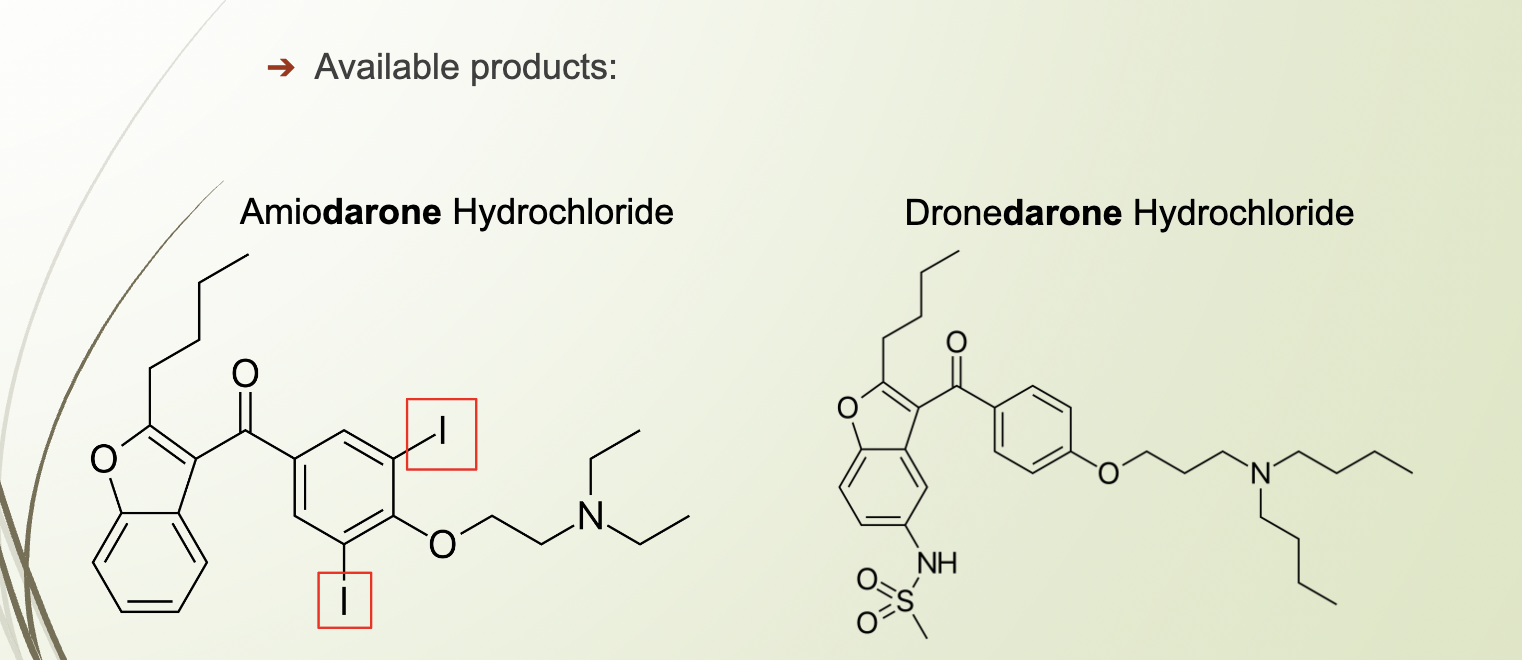
amiodarone indications
antiarrhythmic agent used for ventricular arrhythmias
non-sustainted verticular tachycardia (VT)
sudden cardiac arrest due to ventricular fibrillation/pulseless VT
off label
pharmacological cardioversion in atrial fibrillation (Afib)
maintenance of sinus rhythm
prevention of post operative atrial arrhythmias
dose used is dependent on the type of arrhythmias being treated
lower doses are generally used for atrial arrhythmias (paroxysmal Afib)
amiodarone mechanism of action
**** 24
L11
hyperlipidemia
condition caused by an inc amt of lipids (fat) in the body
lipids deposit on the side of the artery wall
narrows the artery, which impacts blood flow and cause complete blockage
plaque can rupture and cause platelet aggregation and form a clot
cholesterol
LDL (low-density lipoproteins)
TG (triglycerides)
HDL (high-density lipoproteins)
low-density lipoproteins (LDL)
“bad cholesterol”
stores cholesterol in arteries, which can lead to plaque and blockage
Triglycerides (TG)
main component of body fat
high-density lipoproteins (HDL)
“good cholesterol”
removes cholesterol from the blood and carries it back to the liver
anti-hyperlipidemics
medications used to lower lipids (fats) in many disease states:
cerebrovascular disease (CVD)
coronary heart disease (CHD)
atherosclerotic cardiovascular disease (ASCVD)
acute myocardial infarction (AMI)
angina
stroke
diabetes
-Statins examples
derived from molds and fungi

-statin combination products
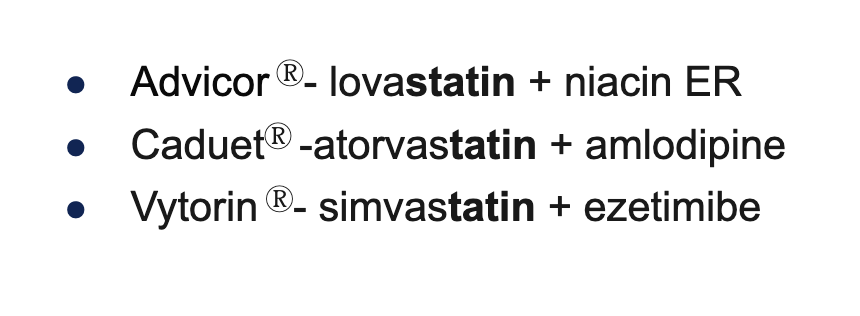
-statin mechanism of action
HMG CoA Reductase Inhibitors
HMG CoA Reductase → rate-limiting enzyme in cholesterol synthesis
limiting it leads to a compensatory inc in expression of LDL receptors, which stimulates LDL catabolism
pleiotropic effect
cholesterol reduction
dec LDL
dec TG
inc HDL
pleiotropic effect
dec inflammation at the site of coronary plaque, inhibits platelet aggregation, and has anticoagulant effects
-statins indication
hypercholesterolemia
reduced risk of CHD
reduced risk of atherosclerosis, stenosis, strokes, and MI
reduction of LDL
improvement of HDL
recommended for patients to stay on statins w co-morbid conditions if they have ASCVD risk factors, regardless of cholesterol levels
-statin therapeutic uses
antihyperlipidemic drugs used for primary and secondary prevention
hypercholesterolemia
hypertriglyceridemia
cerebrovascular disease (CVD)
coronary heart disease (CHD)
atherosclerotic cardiovascular disease (ASCVD)
acute myocardial infarction (AMI)
angina
stroke
diabetes
-statin adverse effects
arthralgia (joint pain)
myalgia (muscle pain)
inc hepatic function tests
diarrhea
nasopharyngitis
insomnia
malaise
-statin dosing/monitoring
pregnancy category X
administered before bedtime
exception: atorvastatin, rosuvastatin
if myalgia → try diff statin as they have diff rates of lipophilicity, leading to diff rates of myalgias
many interact w grapefruit
simvastatin can only be used at certain doses when used w CCBs
-statin intensity

choles- examples
bile acid sequestrants

choles- mechanism of action
forms a non-absorbable complex w bile acids and releases Cl ions in the process
inhibits reuptake of intestinal bile sals and inc fecal loss of LDL
cholesterol reduction
dec LDL
choles- therapeutic uses
dyslipidemia
diabetes (colesevelam only)
off label
chronic diarrhea due to bile acid malabsorption
hyperthyroidism
pruritus associated w cholestasis
choles- adverse effects
myalgias
constipation
abdominal pain
flatulence
abnormal hepatic function tests
osteoporosis
choles- dosing/monitoring
DDI
warfarin → monitor for dec INR
statins/fibrates → monitor for inc incidence of myalgias
amiodarone → may dec availability/effectiveness of amiodarone
-fibr- examples
fibrates; fibric acid derivatives

-fibr- mechanism of action
not well understood
theoretical → inhibits lipolysis and dec hepatic fatty reuptake as well as inhibit secretion of VLDL (very low-density lipoprotein)
cholesterol reduction
dec LDL
dec VLDL
dec TG
inc HDL
-fibr- therapeutic uses
hypertriglyceridemia
hypercholesterolemia
off label
primary biliary cholangitis
-fibr- adverse effects
myalgias
inc serum transaminases
abdominal pain
abnormal hepatic function tests
-fibr- dosing/monitoring
inc risk of myalgia when used in combo w statins
gemfibrozil has DDIs that are contraindicated
all statins
ezetimibe
any CYP2C8 substrates (many antiretrovirals)
use in caution in patients on warfarin
-ocumab examples
PCSK-9 inhibitors

-ocumab mechanism of action
human monoclonal antibodies that aid in clearance of LDL
PCSK-9 inhibitors
cholesterol reduction
lotta dec LDL
-ocumab adverse effects
pain/redness at injection site
flu or flu-like symptoms
-ocumab counseling points
rotate injection sites - thigh, belly, upper arm
Enlicitide (Lipfendra) - 20 mg tablets
only oral agent in class
PCSK-9 inhibitor
FDA approved 07/2026 - very recently
adverse effects
dizziness
diarrhea
Lerodalcibep-liga (Lerochol) - 300 mg/1.2 mL syringes
once monthly injection
PCSK-9 inhibitor
FDA approved 02/2026
adverse effects
pain/redness at injection site
flu or flu-like symptoms
niacin (nicotinic acid, vit B3) mechanism of action
not fully understood
theoretical → inhibits free fatty acid release from adipose tissue
cholesterol reduction
dec LDL
dec TG
inc HDL
niacin (nicotinic acid, vit B3) adverse effects
flushing
pruritis
GI distres
vomiting
diarrhea
hepatotoxicity
niacin (nicotinic acid, vit B3) notes
diff products of niacin are NOT interchangeable - IR vs ER
omega-3 fatty acids examples
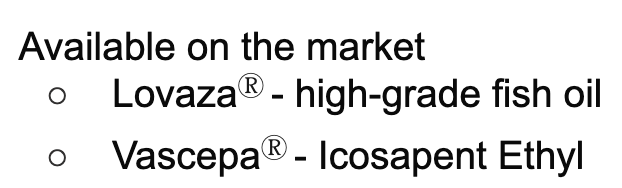
omega-3 fatty acids mechanism of action
reduces hepatic production of VLDL and reduces hepatic synthesis of TG
cholesterol reduction
dec VLDL
dec TG
omega-3 fatty acids notes
inc risk of bleeding
second-line therapy for hypertriglyceridemia
omega-3 fatty acids adverse effects
diarrhea
nausea
fishy burps
ezetimibe (zetia) mechanism of action
cholesterol absorption inhibitor at the brush border of the small intestine
cholesterol reduction
dec LDL
dec TG
inc HDL
ezetimibe (zetia) adverse effects
diarrhea
myalgia
arthralgia
fatigue
inc transaminases
ezetimibe (zetia) notes
generally used in combo w statin or in addition to dietary changes
bempedoic acid (nexletol) mechanism of action
adenosine triphosphate-citrate lyase (ACL) inhibitor, which lowers LDL by inhibiting LDL synthesis in liver
enzyme upstream of HMG CoA reductase
cholesterol reduction
dec LDL
bempedoic acid (nexletol) adverse effects
gout
abdominal pain
arthralgias
inc transaminases
bempedoic acid (nexletol) notes
generally used in combo w statins or in addition to dietary changes
also available in combo product w ezetimibe (nexlizet)
marketed as an alternative to patients who cannot tolerate statins due to myalgias
inclisarin (leqvio) mechanism of action
utilizes the RNA interference mechanism and directs the catalytic breakdown of mRNA for PCSK-9
inc LDL receptor recycling and reuptake
cholesterol reduction
dec LDL
inclisarin (leqvio) adverse effects
antibody development
injection site reactions
arthralgias
bronchitis
inclisarin (leqvio) notes
generally used in combo w statins or in addition to dietary changes
approved in 12/2021
works thru the patient’s medical insurance instead of RX insurance
-pib examples
none are currently available on the market
obicetrapib → in the pipeline currently

-pib mechanism of action
inhibits cholesterol ester transfer protein (CETP) resulting in an inc in HDL and a dec in LDL
cholesterol reduction
dec LDL
inc HDL
hypertension
condition caused by inc pressure in the blood vessels
arterial walls are damaged, which causes thickening
thickening walls dec diameter of the blood vessel for blood flow
only 35-40% of Americans w htn are controlled
htn is a major risk factor for CV and renal disease
hypertension classifications

diuretics
“water pills”
causes higher excretion of sodium and water
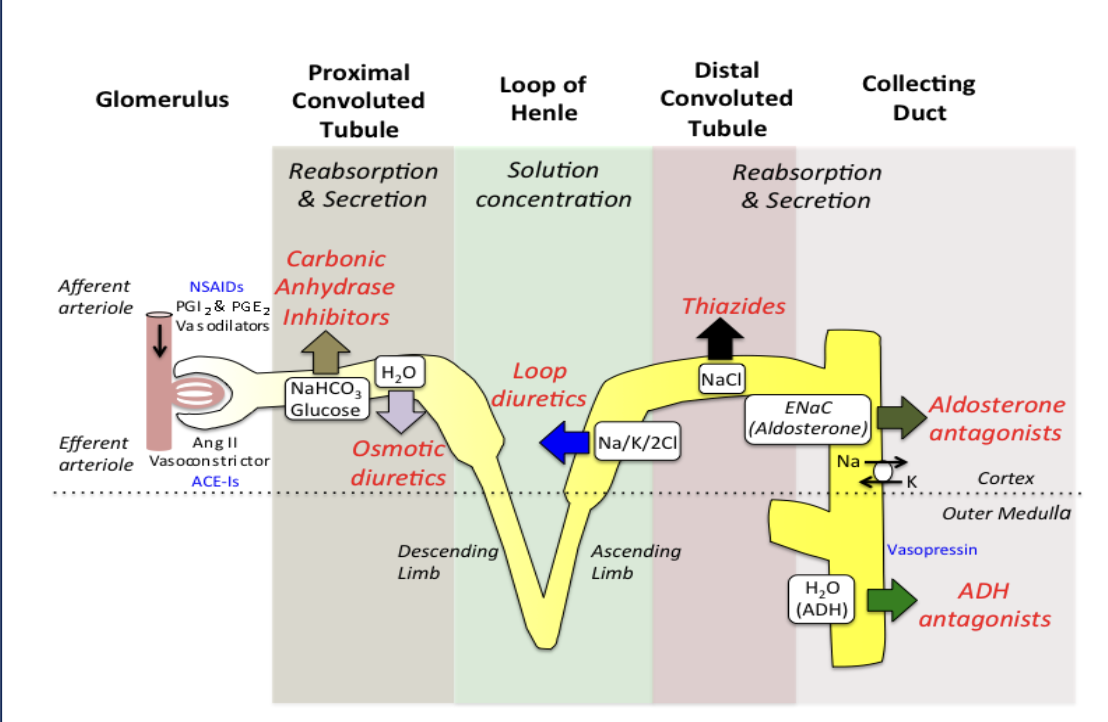
diuretics therapeutic use
thiazides → 1st line therapy for htn
loop diuretics → 1st line for fluid management in chronic heart failure (CHF) and other disorders w fluid retention such as liver cirrhosis
K-sparing diuretics → patients w systolic CHF
osmotic diuretics → intracranial pressure reduction not htn
off label
calcium nephrolithiasis
diabetes insipidus
osteoporosis
-thiazide examples
not all have the same suffix

-thiazide chemical name
sulfur containing synthetic compounds w structural similarities to sulfonamides
-thiazide mechanism of action
inhibits reabsoprtion in the distal convoluted tubule, causing inc excretion of sodium, potassium, and water
blocks reabsorption of Na and Cl inc their excretion
dec Ca excretion
-thiazide indications
hypertension
fluid retention in HF (mild)
edema
-thiazide notes
1st line therapy for htn
exception: metolazone (used more for fluid retention in HF)
-thiazide adverse effects
photosensitivity
orthostatic hypotension
dizziness
hyponatremia
hyperuricemia
leg cramps
-thiazide dosing/monitoring
monitor patient closely if they are concurrently using dofetilide or lithium
-semide examples
loop diuretics
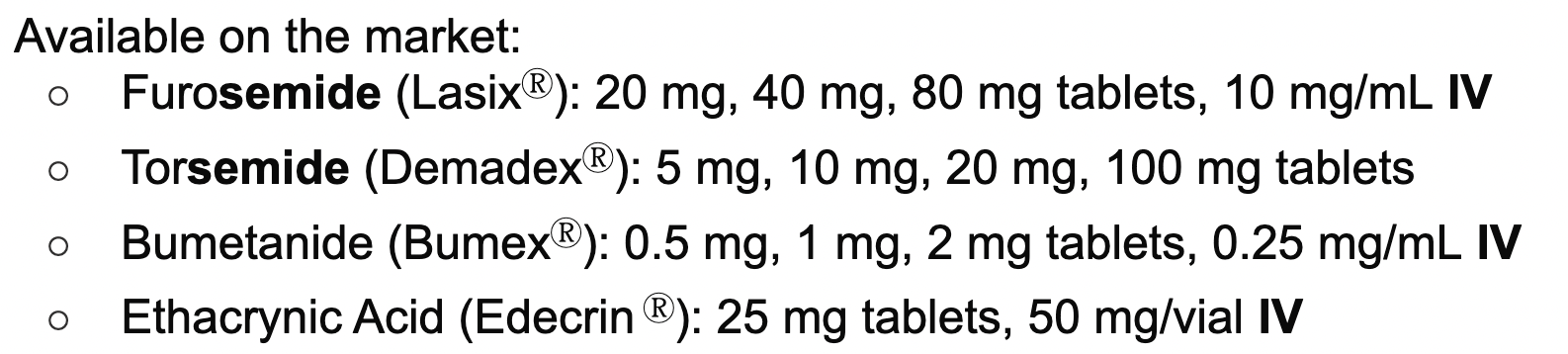
-semide mechanism of action
inhibits reabsorption of sodium and chloride in the ascending loop of Henle, which causes its natriuretic effect
-semide adverse effects
photosensitivity
orthostatic hypotension
dizziness
hyponatremia
hyperuricemia
leg cramps
-semide notes
primarily used for fluid retention and as an alternative agent for HTN
K+ sparing diuretics examples

K+ sparing diuretics mechanism of action
competes w aldosterone for receptor sites in the distal renal tubules, inc sodium and chloride excretion while preserving potassium
K+ sparing diuretics adverse effects
photosensitivity
orthostatic hypotension
dizziness
hyponatremia
hyperuricemia
leg cramps
gynecomastia
K+ sparing diuretics notes
typically used for congestive heart failure management or resistant HTN