APHUG Unit 4
0.0(0)Studied by 1 person
Build your Mastery score
 Multiple Choice & FRQ
 Call Kai
Card Sorting
1/74

Earn XP
75 Terms
1
New cards
state
A political unit with:
* defined boundaries,
* spatial extent
* recognition from other states
* sovereignty
* permanent population
\
Example: any of the 195 states recognized by the UN
* defined boundaries,
* spatial extent
* recognition from other states
* sovereignty
* permanent population
\
Example: any of the 195 states recognized by the UN
2
New cards
nation
A group of people who identify themselves with their shared culture, language, and heritage; often seeking their own sovereignty
3
New cards
nation state
a state in which there is only one nation within the border (so the borders of where the nation lives in are the same as where the political borders reside)
\
example: Japan, Iceland
\
example: Japan, Iceland
4
New cards
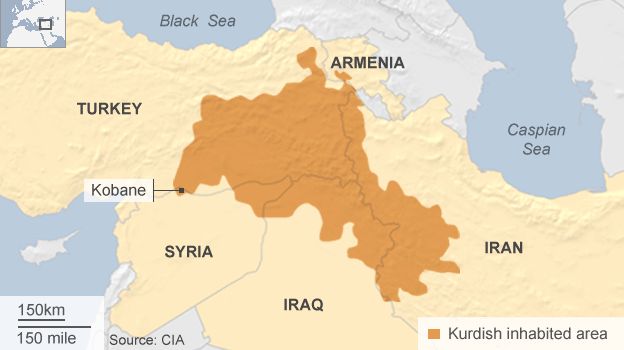
stateless nation
A nation that lives in between the borders of other states and does not have political power nor a state of its own
\
example: The Kurds, Palestinians
\
example: The Kurds, Palestinians
5
New cards
multistate nation
When the borders of the nation spread farther across from the borders of its state
\
example: Russia, Germany,
*For example, although Russia is already a country of its own, there are many Russians living in other neighboring countries, such as Russians living in Ukraine*
\
\
\
example: Russia, Germany,
*For example, although Russia is already a country of its own, there are many Russians living in other neighboring countries, such as Russians living in Ukraine*
\
\
6
New cards
Multi-nation state
A state that has different nations inside of it’s borders
\
Example: The U.S that has different ethnic groups living inside of it
\
Example: The U.S that has different ethnic groups living inside of it
7
New cards
Autonomous region
A place in which the people govern themselves with barely any interference of the government, although not considered an independent state
\
Example: Hong Kong, Tibet
\
Example: Hong Kong, Tibet
8
New cards
Semi-autonomous region
A place in which the people govern themselves to an extent, with interference of the government
\
Example: Native American Reservations in the United States
\
Example: Native American Reservations in the United States
9
New cards
Sovereignty
The right of a government to rule over itself without the interference of other governments.
10
New cards
Nationalism
A nation’s desire to create and maintain a state of their own
11
New cards
Centripetal force
A force unifying people together within a country
12
New cards
Examples of centripetal forces
* shared religion
* common language
* unity formed over fear against external threats
* common language
* unity formed over fear against external threats
13
New cards
Centrifugal force
Force that can divide people apart and can form devolution
14
New cards
Examples of centrifugal forces
* different religions amongst population
* different languages living in a country
* discrimination against a certain race
* etc
* different languages living in a country
* discrimination against a certain race
* etc
15
New cards
Early Colonialism
First wave of European colonialism led by Spain and Portugal, later on by France and Britain, establishing large empires in the Americas.
16
New cards
Reasons for early colonialism
* Gold - wanted wealth by exploiting the land and people of its resources
* God - wanted to spread their own form of Christianity
* Glory - wanted to expand their influence throughout the world
* God - wanted to spread their own form of Christianity
* Glory - wanted to expand their influence throughout the world
17
New cards
*Terra Nullius*
Latin phrase meaning land belonging to no one
* was used to justify the acts of the first wave of colonialism
* was used to justify the acts of the first wave of colonialism
18
New cards
Later colonialism
* Colonizers being the Netherlands, France, UK, Italy, Belgium, and Germany
* Beginning during the 19th century
* Beginning during the 19th century
19
New cards
Nigeria
* 500 individual languages
* Has animistic religions
* Has Islamic side (Hausa people from the North)
* Has Christian side (Igbo and Yoruba people from the south
* Has animistic religions
* Has Islamic side (Hausa people from the North)
* Has Christian side (Igbo and Yoruba people from the south
20
New cards
Delimited boundary
Drawn by cartographer on a map
21
New cards
Demarcated boundary
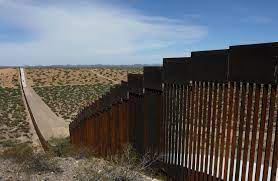
Border marked physically on the ground (through wall, fence, etc)
\
Example: Mexico and USA border
\
Example: Mexico and USA border
22
New cards
Defined border
Borders drawn by a treaty that establishes where the borders are.
\
* Example: a treaty that separates countries
\
* Example: a treaty that separates countries
23
New cards
How boundaries are established
Political boundaries coincide with cultural, national or economic divisions.
24
New cards
Natural borders:
Marked by natural landscape, mountain, ocean, desert, etc
25
New cards
Geometric boundaries
Boundaries drawn using straight lines (latitude and longitude), without regard to the environment or culture
\
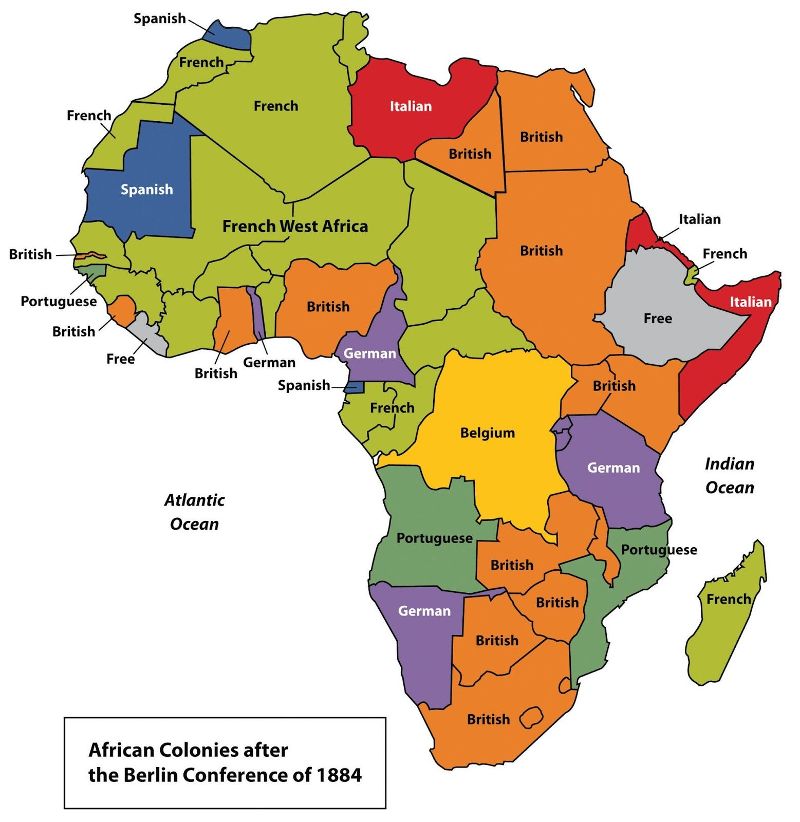
* Can be subsequent (like borders in Africa)
* Can be antecedent (like border between Canada & USA)
\
* Can be subsequent (like borders in Africa)
* Can be antecedent (like border between Canada & USA)
26
New cards
Antecedent Boundaries
Created before the existence of cultural landscape/human settlement
\
* Examples: USA and Canada Border
\
* Examples: USA and Canada Border
27
New cards
Consequent Boundaries
Boundaries drawn by taking into account the already existing cultural landscape and/or physical landscape
\
* Example: Border between India and Pakistan created for religious reasons
\
* Example: Border between India and Pakistan created for religious reasons
28
New cards
Subsequent Boundaries
Boundaries drawn after settlement of local cultural groups
29
New cards
Relic
A boundary that no longer serves a purpose, but the mark of the boundary is still evident on the landscape
\
Example: Berlin wall
\
Example: Berlin wall
30
New cards
Superimposed boundary
Boundary created by external powers without regards to already existing cultural groups
\
* A type of subsequent boundary
* Example: Borders drawn in Africa
\
* A type of subsequent boundary
* Example: Borders drawn in Africa
31
New cards
Militarized
Heavily guarded, trying to prevent crossing
\
* USA and Mexico
\
* USA and Mexico
32
New cards
Open borders
Crossing is unrestricted
\
* EU boundary agreements
\
* EU boundary agreements
33
New cards
Administering borders
Managing who or what goes in or out borders
34
New cards
UNCLOS
United Nations Convention on the Law of the Sea
\
* Created to alleviate disputes regarding water boundaries
\
* Created to alleviate disputes regarding water boundaries
35
New cards
EEZs
Water boundaries established by UNCLOS, 200 to 350 nautical miles from shore.
\
* EEZs allow for full allowance search and use of resources found within water
\
1 nautical mile = 1.852 km
\
* EEZs allow for full allowance search and use of resources found within water
\
1 nautical mile = 1.852 km
36
New cards
Allocational boundary dispute
Conflict over resources divided by border
\
* Example: Iraq and Kuwait over Rumaila Oil field
\
* Example: Iraq and Kuwait over Rumaila Oil field
37
New cards
Functional (operational) Boundary Disputes
Conflict over policies applied along boundaries
* Example: Mexico Border
* Example: Mexico Border
38
New cards
Definitional boundary dispute
When two or more parties disagree over the interpretation of the legal document defining the border seperating two places.
* Example: Chile and Argentina
* Example: Chile and Argentina
39
New cards
Locational boundary dispute
Conflict over location or place of a boundary.
Example: Sudan and Egypt
Example: Sudan and Egypt
40
New cards
Enclave
Country surrounded by territory of another
* Example: Lesotho
* Example: Lesotho
41
New cards
Exclave
Part of the country is separated from the rest
* Example: Alaska
* Example: Alaska
42
New cards
Capitals that moved somewhere after 1950
Brazil, Nigeria, Pakistan
43
New cards
Unitary government
Government with one strong central body
\
* UK, France, China, Japan
\
* UK, France, China, Japan
44
New cards
Characteristics of unitary governments
______ governments have usually
* One single ethnic group/smaller countries
* Laws are applied uniformly and efficiently
* Potential for corruption at local level
* Minorities marginalized
* Laws and policies dominated by the interests of dominant group
* One single ethnic group/smaller countries
* Laws are applied uniformly and efficiently
* Potential for corruption at local level
* Minorities marginalized
* Laws and policies dominated by the interests of dominant group
45
New cards
Federal Government
Government central power is divided into different branches, central government and state and local governments; decentralized central government
\
Examples: United States, India
\
Examples: United States, India
46
New cards
Characteristics of federal governments
___ governments usually have:
* Diverse population
* Benefits minorities voices as local voices are heard more thru local governments
* Laws are harder to make, less efficient to create
* Laws and policies will differ from place to place
* Diverse population
* Benefits minorities voices as local voices are heard more thru local governments
* Laws are harder to make, less efficient to create
* Laws and policies will differ from place to place
47
New cards
Compact
Distance from center to border is roughly equal
\
Example: Romania
\
Example: Romania
48
New cards
Perforated
Country surrounds another state
\
* Italy to vatican city
\
* Italy to vatican city
49
New cards
Irrendetism
When the majority ethnicity on one side of a boundary wants to claim a neighboring state in order to bring in a minority group of the same ethnicity together
\
TL;DR : Claiming back lost or previously owned territory
* Example: Russia annexing Crimea from Ukraine in 2014
\
TL;DR : Claiming back lost or previously owned territory
* Example: Russia annexing Crimea from Ukraine in 2014
50
New cards
Patriotism
A pride for the government of one’s own country
51
New cards
Ethnonationalism
Identifying and supporting one’s ethnicity
52
New cards
53
New cards
Colonialism
Ruling power in other countries for personal gain
54
New cards
Devolution
Transferring of power to lower level national cities
55
New cards
Democracy
Government of the people, vote directly or through representatives for elections
56
New cards
Autocracy
Single person with unlimited power
57
New cards
Aristocracy
The rich rule, passed through generations
58
New cards
Plutocracy
The rich rule, not necessarily hereditary
59
New cards
Theocracy
Religious authority rules
60
New cards
Monarchy
King/queen rules for life and passes down rule by birth
61
New cards
Oligarchy
Government owned by few people
62
New cards
Anarchy
No government, people are free to do anything
63
New cards
Republic
Government with head of state, that is usually elected
64
New cards
Dictatorship
One person or group control entire government
65
New cards
Capitalism
Money is controlled privately for profit
66
New cards
Communism
State controls economy and goods are shared equally
67
New cards
Socialism
Everything $ must be owned by the people as whole
68
New cards
Facism
Authoritorian rule coupled with extreme oppression
69
New cards
Cultural Cohesion
Multiple ethnic groups living in mutual agreement
70
New cards
Trade Agreement
Agreement on tariffs and treaties on goods
71
New cards
Gerrymandering
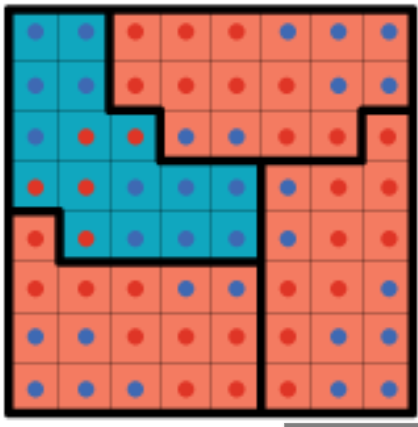
The changing of voting districts to favor a party
72
New cards
Cracking
Disperses opposition vote among districts so that they lose their voise
73
New cards
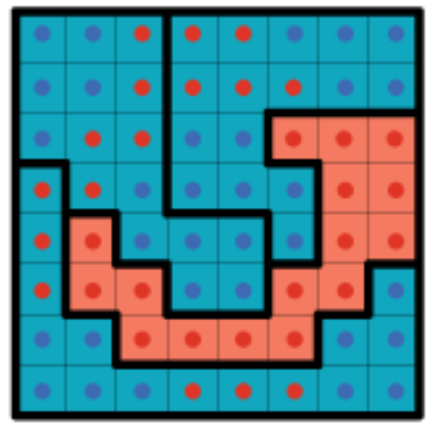
Packing
Packs the opposition vote into one district so they only gain one vote, while the favored party gains the rest of the majority vote
74
New cards
Berlin Conference
1884-85, european nations claim Africa and created superimposed borders.
75
New cards
Shatterbelts
An area of instability between regions with opposing political and/or cultural views