7 Characteristics of Life
 Call Kai
 Learn
Learn Practice Test
 Spaced Repetition
 Match
Match Flashcards
 Knowt Play
1/13

There's no tags or description
Looks like no tags are added yet.
Name | Mastery | Learn | Test | Matching | Spaced | Call with Kai | Chat |
|---|
No analytics yet
Send a link to your students to track their progress
14 Terms
made of cells
Cells are the basic "units" of ALL living things
-unicellular plants and animal- made of ONE cell, like bacteria
-multicellular plants and animals- made of many cells, like people

reproduction
Living things make more of their own species
-asexual reproduction-one parent alone creates offspring
-sexual reproduction- two "parents" mate to create plant or animal offspring

response to environment
A stimulus causes a reaction. Living things CAN RESPOND! Non-living things CANNOT.
-sun~>plants grows toward it
-pain~>letting go of hot pan...protects you

metabolism: use of energy
All living things need ENERGY to continue living.
-plants use the sun and soil
-animals consume other living organisms (other plants and animals)

homeostasis
The process by which the inside of the body is regulating (changing) and balancing in order to keep the organism comfortable and healthy, even in changing environments.
-for example: moving from a cold to hot environment makes the body automatically sweat!

evolution and adaptation
Organisms changing over time to better survive in their environment. Modern organisms have descended from ancient organisms and have changed over time to better survive.
-Characteristics that are NOT useful are lost in the species over time (that organism "style" (or traits) die off)
-Characteristics that ARE useful are passed on to the next generation. (that organism "style" (or traits) live on to reproduce.

heredity
Organisms pass their (characteristics) to their offspring (children). The blending of the strongest genetic codes from both parents leads to small changes that help new generations survive.
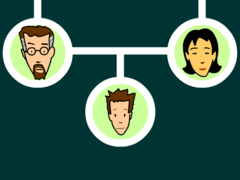
EXAMPLES of HEREDITY
Examples HEREDITY in humans:
~> curly or straight hair
~> colorblindness
~> blood type
~> left or right handedness
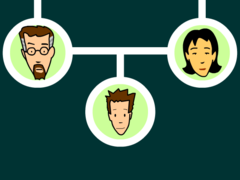
EXAMPLES of USE of ENERGY
Examples of use of ENERGY:
~> photosynthesis: process in which green plants use
sunlight to make their own food
~> eating a salad
~> metabolism: absorbing and digesting of food energy,
and the disposal of waste products.
~> drinking a smoothie

EXAMPLES of REPRODUCTION
Examples of REPRODUCTION:
-bean plant ~> beans
-multi-celled (multicellular) mother and father creates a multi-celled child
-single cell (unicellular) bacteria copies itself to create a next generation bacteria
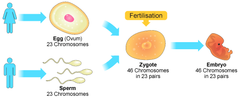
EXAMPLES of RESPONSE to ENVIRONMENT
Examples of RESPONSE to ENVIRONMENT:
-touch hot pan ~> pull hand away!
-go into a dark room ~> pupils in eyes enlarge (dilate)
-limited light ~> plant growth changes/bends to reach the light (phototropism)
-see/hear something scary or threatening ~> heart beats faster to prepare to react
- bark beetles attack & feed on trees ~> tree produces toxic (deadly) sap to kill the beetles
EXAMPLES of EVOLUTION and ADAPTATION
Examples of EVOLUTION and ADAPTATION:
~> modern humans are less furry than our ancestors
~> desert plants have thick, waxy leaves that store water to survive dry climate
~> modern humans have larger brains
~> giraffe necks have lengthened to reach leaves high in treetops

EXAMPLES of MADE of CELLS
Examples of made of CELLS:
-single cell (unicellular)- amoebas, bacteria, paramecium.......
-multi-celled (multicellular)- plants (trees, flowers, bushes.....) and animals (humans, fish, birds.....)

EXAMPLES of HOMEOSTASIS
Examples of HOMEOSTASIS:
-shivering ~> makes you warmer
-feelings of thirst ~> drink when dehydrated
-sweating ~> cooling
-winter's cold ~> thickening of fur
-excess sunlight ~> darkening of skin
-lack of sunlight for trees in fall & winter ~> drop leaves to conserve energy
