Unit 3 Exam
 Call Kai
 Learn
 Practice Test
 Spaced Repetition
 Match
 Flashcards
 Knowt Play
1/71

There's no tags or description
Looks like no tags are added yet.
72 Terms
Species and speciation
formation of “new” species is a primary focus of evolution
but defining species can be difficult
no single definition of a species is sufficient for our needs
Biological Species Concept
the BSC is maybe the most widely accepted
a species is a group of individuals that can produce reproductively viable offspring
definition makes logical sense
works in many cases
does not work in all cases:
asexual reproduction
ring species
species that can interbreed but are definitely species

Ecological Species Concept
species are a group of individuals that occupy the same ecological niche
where the niche is an n-dimensional representation of the necessary resources for an individual to survive
by definition two species cannot occupy the same, exact niche (Principle of Competitive Exclusion)
defining a niche is nearly impossible (n-dimensional)
How different much niches be before once can say they are different enough?
maybe more difficult with extinct species
also, not an easy definition to explain to a non-scientist
Phylogenetic Species Concept
a species is defined by having a distinct evolutionary history
removes difficult to answer questions (e.g., niche)
accounts for parallel evolution
not easy to explain
How unique is unique?
maybe more difficult to use with inly morphometric characters
A single definition may not do
there is a no reason we must only use one definition
being unable to breed is pretty obvious evidence
but if two species can interbreed but have obvious evolutionary differences they can still be valid species
evolutionary significant unit
Speciation
Let’s pretend that we have a workable definition of what a species is
now we want to know how species arise
this is classes speciation
there are three main routes to speciation:
allopatric
parapatric
sympatric
Allopatric speciation
most widely accepted mode of speciation
requires geographic isolation: two sub-populations that do not occur in the same area
since the populations are separate gene flow is eliminated
overtime the population become different species
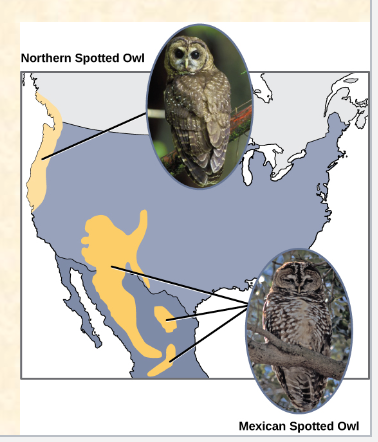
Vicariance
a geographic barrier arises between the two populations
isolation leads to new species
don’t thinking current geography
Peripheral Isolate
population isolated on the edge of the main population
most obvious example: an island population, in modern times this could be an urban island
the island population is isolated enough that gene flow eliminated/heavily curtailed
in both cases: each population evolves independently
overtime reproductive isolating mechanisms will arise, or the niches will diverge enough etc
the two populations then can be considered two species
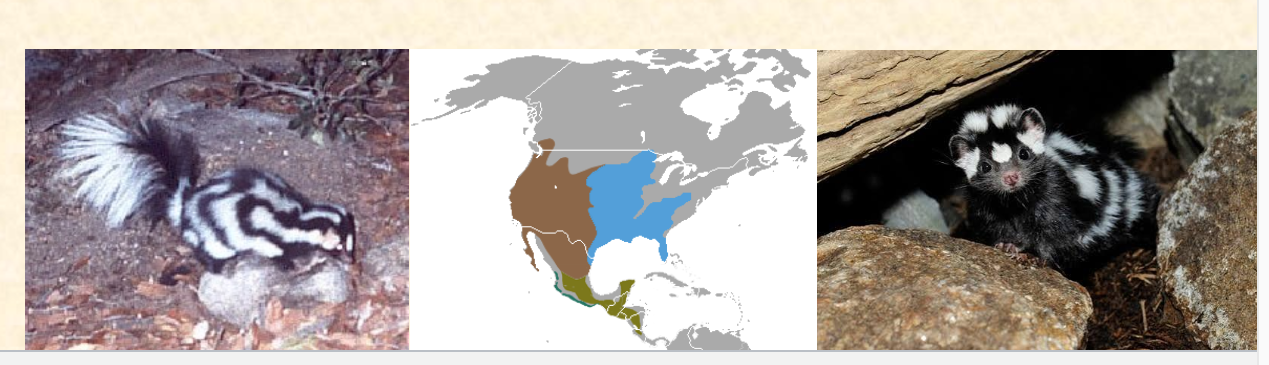
Allopatric speciation in spotted skunks
glaciers divided population
diapause extended in western, so breeding season is different
Parapatric speciation
speciation without geographic isolation BUT with gradient in phenotypes
the two (or more) phenotypes are isolated from each other by a hybrid zone
over time the isolated groups can deviate
ring species may be an example of parapatric speciation
the different phenotypes are in the process of speciation
just haven’t gotten there quite yet

Sympatric speciation
speciation without geographic isolation
a little more controversial
nothing prevents deneflow, so most modules would predict that speciation unlikely due to genetic changes being swamped
sympatric can happen in plants with polyploidy, causing rapid genetic isolation
disruptive selection also could lead to two phenotypes relatively rapidly
can be reenforced through sexual selection
Reproductive isolating mechanisms
reproductive isolation is important in speciation
even if not total the isolation can be practical (e.g., wolves and coyotes)
isolation can be broken down into prezygotic and postzygotic isolation
prezygotic isolation either prevents mating or successful fertilization
these can be behavioral, physical, or physiological
mating rituals (song or dance) can act as a barrier
many species have induced ovulation
requires a specific stimuli to occur (sometimes called lock and key)
plants can also have pollinator mediated isolation
if a flower A is pollinated by moth X and flower B by moth Y interbreeding would be eliminated/severely reduced
prezygotic methods may 100% eliminate breeding, but often are less than that
this accounts for some of the issues with the BSC, yes two groups can interbreed, but in the wild they do not
postzygotic isolation is considered more complete
generally, these are genetic incompatibilities
ploidy in plants
chromosome number or alignment
these may prevent cell duplication or salt in lethal traits
hybrids can be produced, but fitness is very low
Sexual selection
talked about natural selection, thought of as effects on survival
but fitness is measured in offspring, so one has to survive to reproduce, but just because one survives does not mean that one will have high fitness
this is where sexual selection comes in
Why sex?
in general, multicellular species reproduce sexually while unicellular reproduce asexually
BUT there is a lot of variation in this
in singular-cells fission is the most common form of asexual reproduction
much like mitosis
in multicellular fission does not work, but gametes can be produced in either diploid (apomixis) or haploid ( automixis) form
either way these produce, more-or-less, a clone of the parent
in sexual reproduction gametes are produced through meiosis and the offspring are components of the two ( usually) parents
but why choose one or the other (Some species can do both)
Asexual reproduction
Advantages:
no two sexes, don’t have to find a mate
no worries about losing positive traits (outbreeding)
no “wasted” gametes
Disadvantages:
slower to adapt without genetic recombination
no way to purge deleterious alleles
Sexual reproduction
essentially the opposite of asexual reproduction
Advantages:
genetic recombination
elimination of deleterious alleles (Muller’s ratchet)
Disadvantages:
must find mates
waste of gametes
dilution of traits
The most significant benefit is accelerated adaptive evolution with sexual reproduction
in asexual reproduction lineage must produce mutation separately
in sexual reproduction mutations can be shared in a population
this results in much faster adaptation
Pretend that ABC is the best genotype to have
in an asexual population this can be accomplished with serial mutations
one group gets the A mutation, then must wait for the B and then the C
in sexual reproduction the ABC genotype could appear much more quickly
Although sexual selection has distinct advantages there are times that asexual is better
sexual selection has an advantage in a variable environment
whereas asexual selection can be “better” in a constant environment
think the bacteria in the gut, the environment does not change
genetic recombination is more likely to make one less fit
Sex ratio
in most sexually reproducing species there are two sexes, one for each gamete type
the sex ratio at birth is nearly 50:50
but why would that be?
selection pushes for a 50:50 ratio
In the short-term natural selection should favor having more males
males can fertilize many females whereas females can only have so many offspring
producing males will increase fitness much more than producing females
BUT within a few generations there are so Manu males that the average fitness for a male decreases below that of a female
Sexual selection
once a species “decides” on sexual reproduction there are other “decisions” to be made
these include breeding system, mate choice and frequency of reproduction
in general, sexual selection is driven by females due to a difference in incentives
Female are limited in their reproduction, there is a finite number of eggs and maximum that one can produce in a breeding season
males do not have this issue, males produce infinite sperm (practically) and can inseminate multiple females
so a female is pushed to be selective in who she breeds with
a male is pushed to breed with as many females as possible
this dichotomy is key in sexual selection
Breeding systems
there are two main breeding systems: monogamy and polygyny
monogamy is one female with one male, there are different subtypes (e.g., social monogamy)
polygyny is one male with multiple females
polyandry exists (more than one male per female) but this is rare
Monogamy
monogamous breeding systems tend to be found under certain conditions
resources are not defendable
a make biased sex ratio
reproduction is too difficult for one parent to succeed
monogamy can be reenforced in some species
prairie voles (Microtus ochrogaster) receives hits of oxytocin and vasopressin when smelling their mate
has been called the neurobiology of love
but that does not mean they don’t mess around
Polygyny
polygyny evokes under two general conditions
resources are defendable
male dominance hierarchy
Mate selection
regardless of the mating system the females selects a mate
females select their mate based on signals of quality
this may e physical characteristics or behavioral queues (e.g., song or dance)
this leads to sexual dimorphism and secondary sexual characteristics
things like color spots, antlers or other ornaments advertise the quality of the male I
In male-dominance systems the choice may be made for the female
when males fight the winner gains an increase in testosterone whereas the loser decreases testosterone
continued losing can make a male less fertile
What are females choosing?
the idea is that the secondary characteristics are indicating male quality to the female
there are two similar, but competing ideas on what the signals mean
sexy son hypothesis
good genes hypothesis
Sexy son
females select the “sexiest” male so that they will produce sexy sons that other females will choose
females offsprings are kinda ignored, but they also would have the sexy traits to pass to their sons, and the females don’t have to be sexy
does not directly relate to genetic, but likely associated
maybe the size of antlers in moose is the sexy trait
maybe it is interior design in bower birds
this can lead to runaway selection
a positive feedback between a trait and fitness
big antlers lead to higher fitness so antlers get bigger and fitness goes up which leads to bigger antlers…
can have bad consequences
Good Genes hypothesis
the secondary sexual characteristics advertise the quality of the male
usually, the characteristics is thought to advertise wastefulness
the characteristics is expensive to produce, the males who produce the most are so awesome they can waste resources on these ornaments
it is hard/impossible to figure out what is correct
it likely varies among species
sexy characteristics also give some idea of quality
a trait that singles good genes also may become “sexy”
the key is that the traits must be heritable and honest
But of course it is really more complicated than this
in species that have multiple offspring there are frequently multiple fathers
in male dominance systems there are often sneaker males
they do not breed as much but at least some

Monogamous systèmes are less Disney movie and more Soap Opera
extra pair copulations (EPCs) are common, litters have multiple fathers
make sense for both sexes
males is obvious, but females increase genetic diversity and ensure pregnancy
Frequency of reproduction
the last thing to “decide” is how frequently to reproduce
there are two choices:
Iteroparous: reproduce multiple times in a lifetime
Semelparous: reproduce only once in a lifetime
Iteroparity is the most common in vertebrates
having multiple years to breed allows risk migration
if one breeds in a “bad” year and the offspring don’t survive you can try again the next year
it can be less than years, small critters live on a monthly time scale
but iteroparity requires that na individual has fewer than the maximum offspring
one must balance current and future reproduction
if one has a lot of younger this year they will produce fewer next year
the future also is not guaranteed, one may bot be alive to reproduce next year
Semelparity is more common in invertebrates, but present in vertebrates
has the advantage of no strategy, one would produce the maximum number of offspring
does not allow risk mitigation, if it is a bad year that does not matter
the hope is that at least a few offspring survive
Plants do a similar calculus
plants can be annual, biennial, or perennial
annual and biennial species reproduce once perennial multiple times
the tradeoffs are the same, perennial must balance reproduction over a lifetime
Evolution of Sociality
sociality is a bit of a conundrum in evolution
being social has some advantages:
easier to find food (particularly if clumped)
easier to detect predators
being social has some drawbacks too
easier for predators to find you
diseases spread much faster
but the biggest issue is that social species must compromise
evolution is basically selfish, I want to maximize my fitness, if I have to compromise then I cannot maximize fitness
it essentially boils down to altruism- doing something that benefits another with no direct expectation of a return
examples of this could be warning others that a predator is near
or letting other individuals know about a food source
without this social behavior does not work
but with them it costs the individuals who commit the altruistic behavior
Types of social species
there is a continuum of social species
on one extreme is something like heard animals, the association is a little loose and there may be relatively little interaction among members
the other extreme is eusocial species
in eusocial species only one member of the group reproduces
Eusociality
eusociality has evolved multiple times
most recently found in insects, particularly Hymenoptera
but found in a variety of taxa
the details vary but all have a single breeding female whereas other members of the group serve as workers of some sort
Eusociality and kin selection
one model for its evolution is based on kin selection
individuals maximize their inclusive fitness rather than individual fitness
members of a eusocial “super organism” are all related, often by more than 50%
raising the offspring of one sister still passes on your genes
this model also suggest there are preconditions for eusociality
characteristics like highly clumped and dispersed resources, large colonies (e.g., a beehive), or care for altricial young promote the evolution of a eusocial system
this works for insects with haplodiploid (males develop from unfertilized eggs)
in this case sisters are much more closely related than 50%
Eusocial evolution through natural selection
kin selection does not work well without haplodiploidy
an alternative mechanism through natural selection has been proposed
a social species evolves eusociality through a series of steps promoted by natural selection
the basic model:
a social nesting insect has a mutation. that silences dispersal
increased colony size increases fitness of the nest
further mutations follow that silence reproduction in all but one individual
increased fitness due to increased size and reduced mating competition
this model does not include explicit inclusive fitness
the benefit is from the size of the colony and reduced competition
but only works with clumped resources and a species that is already pretty social
does work for any system and does not require ploidy shenanigans
Less social evolution
less extreme sociality faces many of the same issues
individuals must sacrifice something in order to be social
in order to be social there must be some sort of benefit
these cases are not rare, but are necessary conditions
predators can be benefited being social
social predators (e.g., lions or wolves) can take down larger prey than a solitary predator of a similar size
social foragers can spread to different locations to find ripe fruit
being social, in and of itself, is not the issue, it is getting along with the other individuals in your group
basically it boils down to cheating
if you share something you are hurt and the other is benefited
so its pays to have others share with you and not share
cheating would become more common and the world ends
how can this be combated?
Prisoner’s dilemma
two people (A&B) are arrested for a crime, the police do not have enough evidence to convict for this crime, only a lighter charge
A and B are separated and interrogated

Change this to sharing in a social species
there is no advantage, in a single event, to share
there is a large advantage to a moderate cost to not sharing
this suggest that altruistic behavior should not appear

but if you repeat the scenario and the players remember what happened previously then things change
if A has some expectation that B will share then it is advantageous for A to be selfish
BUT B should no longer share with A if A does not reciprocate

This is called the tit-for-tat strategy
basically, treat another as they have treated you
this makes altruistic behavior a viable strategy
other games show that there can be a benefit to social behaviors
but in all of them cheating (freeloading) must be punished
evolution and extinction
extinction is an important part of evolution
it is the ultimate fate of all species
but also plays a critical role in diversification of a lineage
new species arise when others go extinct
What is extinction?
extinction is when all members of a species have died out
it does not necessarily need to be at the species level
it also could be localized- the species goes extinct in Kansas but not Missouri
this is called extirpation
extinction is (or can be) a natural process
it has long been recognized as a part of the evolutionary process
each phylogeny that we see implies extinction of the majority of species
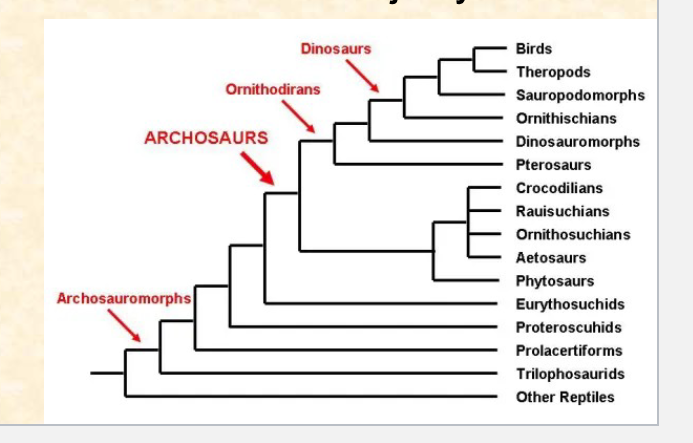
the fossils record is another obvious source of info on extinction
the fact that we find skeletal parts from creatures that are no longer found makes that obvious
important to not that the fossil record, while great, is an incomplete record of life on earth

We can date the rocks surrounding a fossil (can’t dat the fossil) to determine the age of the fossil
this can help inform our phylogeny
but the reverse can be true too
we have a phylogeny and can predict at what age we should find specific fossils and then go find them
Tiktaalik roseae, a 375 million year old transitional fossil often referred to as a “fish with legs”

Background extinction
extinction, being a natural process, is happening all the time
natural rate soft extinction are termed background extinction rates
this does account for the vast majority of extinctions in history
background extinction rates are estimated to be 0.1 to 1 extinction per million species per year
around 2 million named species on earth
estimated to be least 4 million total
so this gives an estimate of 0.4 to 4 extinctions per year
this is a really difficult number to estimate, but gives us an idea
biased toward species with small geographic ranges
also to species that are uncommon/rare
difficult/impossible to “prove” that a species has gone extinct
especially if you didn’t know that the species existed
What causes extinction?
the short answer is change
a species is adapted to a set of conditions, when those conditions change the species can be in trouble
this is particularly true if the change is happening faster than the species can evolve
predation and competition
for both of these it requires a new predator or competitor
a new species moves into your spot and you are not adapted to the new species
climate change (non-anthropogenic)
the climate shifts, it gets colder or warmer and you cannot deal with it
mass extinction
mass extinction occurs occasionally and are associated with geologic periods
these are widespread events that significantly decrease the diversity of life on the planet
usually wipe out more than 70% of the species
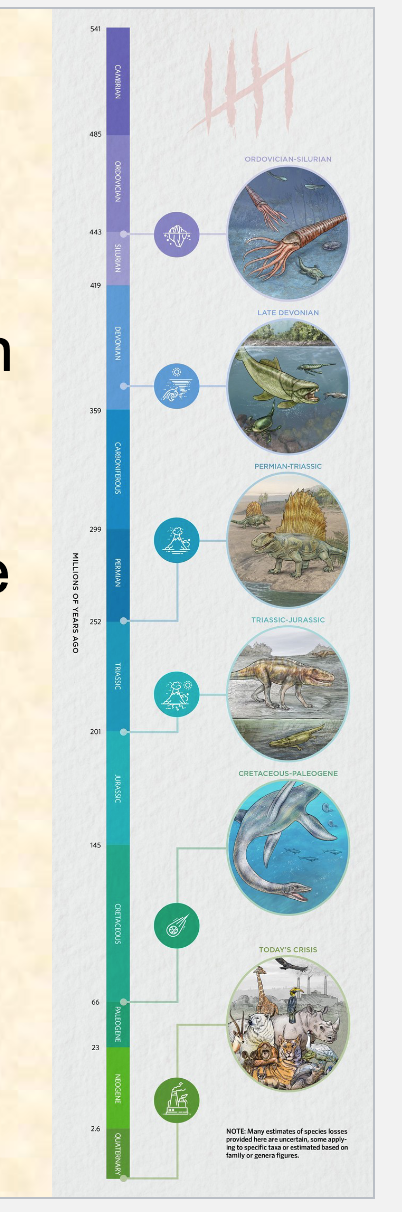
There are 6 widely accepted mass extinction events
they are caused by different factors
the great dying is at the end of the Permian (252 mya)
70-90% of species went extinct
cause believed to be climate change associated with volcanic activity
The K-T(pg) extinction wiped out the cool dinosaurs
due to climate change associated with asteroid impact in the Yucatan
~ 75% of species go extinct
Late Pleistocene extinction (50,000 ya)
not recognized as one of the “Big 5’ but resulted in extinction of much of the megafauna worldwide
thought to be related to climate change and human activity (particularly in North America)
Bias in mass extinction
mass extinctions wipe out large numbers of species
tends to bias towards large species
T. rex went extinct but birds did not
this is for several reasons
Large species require more land on which to live
if geographic range is restricted that is a problem
large species require more food
food is limited due to change in climate
large species have longer generation time
reduced ability to adapt
The effect of extinction
extinction is obviously bad for the species that go extinct
but hose that survive are in different world than what was before
extinction opens niches in the ecosystem
basically, allows space for species to evolve
recall that the niche is all the resources a species needs to live
when niches overlap there is competition between species

when the ecosystem is intact there is little to no room for a species to evolve
all the “spots” are taken
moving to another resources puts you in competition

But if some species go extinct then niches open up
the surviving species can change to exploit the new, competition free areas

the effect is the same with any extinction but more profound in mass extinctions
synapsids (mammal ancestors) went extinct at the end of the Permian, allowed Dinosaurs to take over
dinos lost the lottery with the K-T allowing mammals and birds to take over