Clincal Lab Sciences by Body System
 Call Kai
 Learn
 Practice Test
 Spaced Repetition
 Match
 Flashcards
 Knowt Play
1/83

There's no tags or description
Looks like no tags are added yet.
84 Terms
gastrin
- produced by G cells in the stomach
- lowest in the morning
Zollinger-Ellison syndrome
- gastrinoma secretes large amounts of gastrin
- high acid levels lead to ulcers
stool studies
- collection in a series of containers with different preservatives
- can't take from bed pan as urine will ruin many tests
fecal leukocytes
- prescence of WBC implies underlying inflammatory disorder
- some causes: amoebiasis, fistulas or abscesss, chronic ulcerative colitis
occult blood
- stool test for blood
- one time test not as sensitive as take home cards x3
- positive indicates any condition where bleeding could occur
fecal immunochemical test
- used to detect hidden blood in stool
- uses antibodies
- more sensitive and specific than occult blood test
- not affected by diet or drugs as occult tests can be
ova and parasites
- includes a direct microscopic exam
- some rapid tests exist for common parasites such as Giardia
protozoa (single cell)
- Giardia
- Cryptosporidium
- Entamoeba histolytica
Helminth (bigger and more wormy)
- Ascaris
- Strongyloides
test for pinworms
- anal sticky tape because that's where the eggs are laid
stool culture
- can be used to detect common bacterial pathogens
- some enteric pathogens should not be treated wtih antibiotics
- many places have molecular platforms for stool testing including Giardia and some common viral vauses of GI illness
Clostridiodes difficile
- pt can be colonized and nonsymptomatic (aka should not be treated for infection)
- testing is to differentiate between infection and colonization
- PCR assays can test for toxin producting C diff
- chronic C diff infection may be linked to increased cancer risk
Helicobacter pylori
- infections lead to gastritis, peptic ulcer disease, increased risk of gastric cancer
- non-invasive testing: urea breath test (before and after ingestion of oral tablet), stool antigen test, serology
- endoscopic testing: biopsy urease testing, histology testing of lesions
ALT
- fairly specific to liver
- contained in hepatocytes
- released with injury or degeneration
AST
- contained in hepatocytes, myocardium, skeletal muscle, brain, erythrocytes, pancreas
ALP
- located in canalicular region of hepatocytes and in bile duct cells
- rise after bile duct obstruction or ductal cell injury
- also seen in diseases affecting bone, adrenal cortex, placenta, intestine, kidney, and lung
GGT
- stands for gamma-glutamyl transferase
- enzyme found in many organs with highest concentration in liver
- elevated in most diseases that cause damage to the liver or bile ducts
bilirubin
- heme converted to bilirubin and carried by albumin to the liver
- total = direct + indirect
- elevated levels occur secondary to increase breakdown of RBCs, liver cell disease, or bile duct blockage
- unconjugated = indirect
- conjugated = direct
PT and aPTT
- can test liver
- decreased levels of factors II, V, VII, IX, X cause prolonged PT and aPTT
ammonia
- waste product formed by bacteria in the intestines during digestion of protein
- if not processed and cleared by the liver, excess ammonia can accumulate in blood
- increased in hepatic encephalopathy (decrease in brain function)
hepatitis panel
- checks for hepatitis A, B, C, D, E
- dx based on detection of antibodies and antigens
- vaccination and chronic infection complicate interpretation
Hep A and E
- from contaminated water sources
- will usually resolve
Hep B and C
- blood products or sexual transmission
- Hep D infection can only occur after a Hep B infection in a patient
ascites
- peritoneal fluid analysis
- can run routine labs on it to check for WBCs or albumin
(inflammation versus portal hypertension)
- visual gives hints
ascites visual
- color: yellow-orange, transparent
- turbidity: inflammation or infection
- milky: triglycerides
- bloody: malignancy, Tb, trauma
secondary labs that can be done on ascites
- gram stain
- total protein
- cytology for malignancy
- glucose (decreased in infectious state)
- LDH (lactate dehydrogenase)
- amylase to detect pancreatic cause
- triglycerides
amylase
- produced by pancreas and salivary glands to help digest carbohydrates
- test measures both pancreatic and salivary types of iso-amylases
lipase
- produced by pancreas to help digest dietary fats
pancreas injury
- increased amounts of amylase and lipase may enter the blood
creatinine
- waste product on creatine phosphate metabolism by skeletal muscle tissue
- production is continuous and proportional to muscle mass
- freely filtered by kidney
- blood level depends on GFR
causes of increased creatinine in serum
- renal dysfunction
- chronic nephritis
- urinary tract obstruction
- muscle disease
- CHF
- shock
creatinine clearance test
- specific to kidneys
- requires 24 hour urine
- compares creatinine level in urine to creatinine level in blood
BUN
- waste product on protein metabolism
- formed in liver and carried to kidneys via bloodstream
- other factors besides renal disease can affect BUN levels
causes of BUN increase
- impaired renal function
- CHF
- dehydration
- shock
- hemorrhage into upper GI tract
- excessive protein intake or protein metabolism
causes of BUN decrease
- liver failure
- malnutrition
- anabolic steroid use
- overhydration
- pregnancy
- impaired nutrient absorption
eGFR
- direct measurement of renal function
- decrease in GFR correlates with severity of kidney disease
- quantifies the need for dialysis or renal transplant
- requires serum creatinine, age, and weight
PSA
- glycoprotein found in prostate acinar cells
- tumor marker
- low levels considered normal
- greater than 4 ng/mL is worrisome, should rule out CA
human chorionic gonadotropin
- hormone produced by placenta
- higher during pregnancy
- elevations also seen in certain types of cancer
STI testing
- gram stain of urethral or vaginal discharge
- chlamydia or gonorrhea cultures
- DNA probes are more sensitive for routine screening (use dirty urine or swabs)
- do for prenatal testing
pap smear
- cervical scrapings during pelvic exam
- examined for evidence of HPV or dysplastic changes
- cell types can show estrogen amount
- endometrial cells noted on pap smear in women over 40 may be a sign of endometrial CA
drug of abuse screen
- can use urine, blood, saliva, sweat, hair
- may test for adulterants that can interfere with sample
overdose drug testing
- variety of prescription and OTC medications, illegal drugs, and household substances can cause overdose
acetaminophen
- high levels can cause significant liver damage
aspirin
- high levels can cause an acid-base imbalance
ethylene glycol
- antifreeze can harm most body systems
- difficult as sample may hemolyze more easily
bone marrow biospy
- usually use iliac crest
- looking for abnormal cells or lack thereof
erythropoietin
- hormone excreted by kidneys to maintain appropriate Hgb levels
- decreased in renal insufficiency
- helpful to dx polycythemia or erythrocytosis
iron
- marked diurnal and inter-day variation
- poor test to assess low and high levels of iron
- elevated levels can occur in liver disease, anemias, and iron overload
- low levels seen in chronic disease, iron deficiency, post surgery, etc.
ferrritin
- chief iron-storage protein in body
- correlates with total body iron stores
transferrin
- main protein that binds to iron and transports it througout the body
- directly measures the level in the blood
- may also be measured indirectly as the amount of iron it is capable of binding
total iron-binding capacity
- calculates percent saturation
- will rise in iron deficiency
- may be suppressed by iron overload
- increased by pregnanacy and OCP
reticulocyte count
- premature RBCs will have nuclei
- healthy bone marrow will increase production in a state of anemia
vitamin B12/folic acid levels
- if either level is deficient, megaloblastic anemia can result
-> produce unusually large, structurally abnormal, immature RBCs
bleeding disorder tests
- PT and PTT
- CBC
- coag factors
- factor inhibitors
- fibrinogen or D-dimer
elevated D-dimer
- indicates clot breakdown
Coomb's test
- detects if RBCs have antibodies attached to them
- IgM targeted against human antibody
direct Coomb's test
- for autoimmune hemolysis, hemolytic disease of newborn, drug-induced hemolysis
indirect Coomb's test
- cross-matching for blood transfusion
troponin
- contractile proteins of myofibril
- very specific for cardiac injury
- preferred marker
- rises 2-6 hours after injury
- peaks in 12-16 hours
myoglobin
- found in striated muscle
- damage to skeletal or cardiac muscle releases myoglobin into circulation
- rises fast after MI (within 2 hours)
- peaks at 6-8 hours
- false positives due to skeletal muscle injury and renal failure
triglycerides
- major source of energy for body
- increased amount found in blood after eating
- lowest levels in AM
- higher levels increase cardiac risk
HDLs
- good cholesterol
- negative risk factor for CAD
- lifestyle changes may help increase HDL levels, such as exercise and smoking cessation
LDLs
- bad cholesterol
- assess and determine need for treatment to alter risk for CAD
arterial blood gas
- ABG
- evaluate lung function by testing blood pH, O2, CO2
- monitor adequacy of ventilation / oxygenation
- detect acid-base imbalance
- soooooo many sources of error when doing test
pulse oximetry
- tests the oxygen saturation of blood
- amont of light absorbed by oxygenated and deoxygenated Hgb in blood
transudate
- low protein content
- few cells
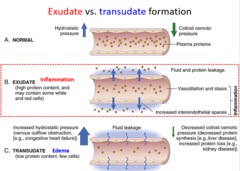
exudate
- high protein content, may contain some RBCs/WBCs
pleural fluid measurements
- serum total protein and LDH
- pleural fluid total protein and LDH
- then calculated ratios for fluid to serum levels
sputum evaluation
- gram stain
- acid fast stain
- culture
- cytology for malignant cells
TSH
- secreted by anterior pituitary gland
- used an initial test for thyroid screening with normal levels excluding thyroid dysfunction
- also used to monitor known thyroid dysfunction
thyroxine / free T4
- used to monitor thyroid treatment
- requires 6-8 weeks of treatment to see change in TSH
- normal levels different each semester of pregnancy
triiodothyronine / T3
- used for dx of hyperthyroididms and monitoring treatment
- not used as commonly as T4
parathyroid function tests
- PTH (parathyroid hormone)
- secreted when calcium levels are low : stimulates more calcium absorption from food and osteoclast action
- also check calcium levels in order to interpret result
glucose
- primary source of energy for body cells
- tightly regulated
- evaluates for hypo and hyperglycemia, dx diabetes, control and management of DM
HgbA1c
- glucose combines with Hb continuously and nearly irreversibly durinng life span of RBC (120 days)
- used for screening and dx as well as treatment monitoring
- values report in percents
cortisol
- rises and falls in a diurnal pattern
- produced by adrenal glands
- excess cortisol : Cushing's syndrome
- deficient cortisol : Addison's disease
ACTH
- adrenocorticotropic hormone
- from pituitary and stimulates production of cortisol by adrenal gland
ACTH stimulation test
1) draw venous sample to establish baseline cortisol
2) inject synthetic form of ACTH
3) repeat blood samples drawn at 30 and 60 minutes to assess cortisol levels
dexamethasone suppression of ACTH secretion
- screening tool for Cushing's syndrome (excess)
- dexamethasone given at 11 PM and cortisol measured at 8 AM as that is when it is naturally highest
progesterone
- increased in luteal phase of menstrual cycle
- prepares body for conception, maintains pregnancy, regulates monthly cycle
estrogens
- includes estradiol produced by ovaries and placenta
- smaller amounts by testes and adrenals: estrone and estriol
- used to dx ovarian dysfunction, tumors, etc.
FSH/LH
- used to evaluate for disorders affecting hypothalamus, pituitary gland
- too much or too little FSH can cause infertility, abnormal menstrual cycles, early or delayed sexual maturation
testosterone
- evaluation of gonadal hormone function
point of care testing
- CLIA-waived test that noncertified personnel may perform
- quality control
- sample volume