Italy: Political History (inc. Notable States and Notable Ruling Families) and Notable Figures (inc. Political and Military)
 Call Kai
 Learn
Learn Practice Test
 Spaced Repetition
 Match
Match Flashcards
 Knowt Play
1/85

Earn XP
Description and Tags
Excludes Rome / Papal States / Church History but only politically | Organized chronologically by end date of reign / death
Name | Mastery | Learn | Test | Matching | Spaced | Call with Kai | Chat |
|---|
No analytics yet
Send a link to your students to track their progress
86 Terms
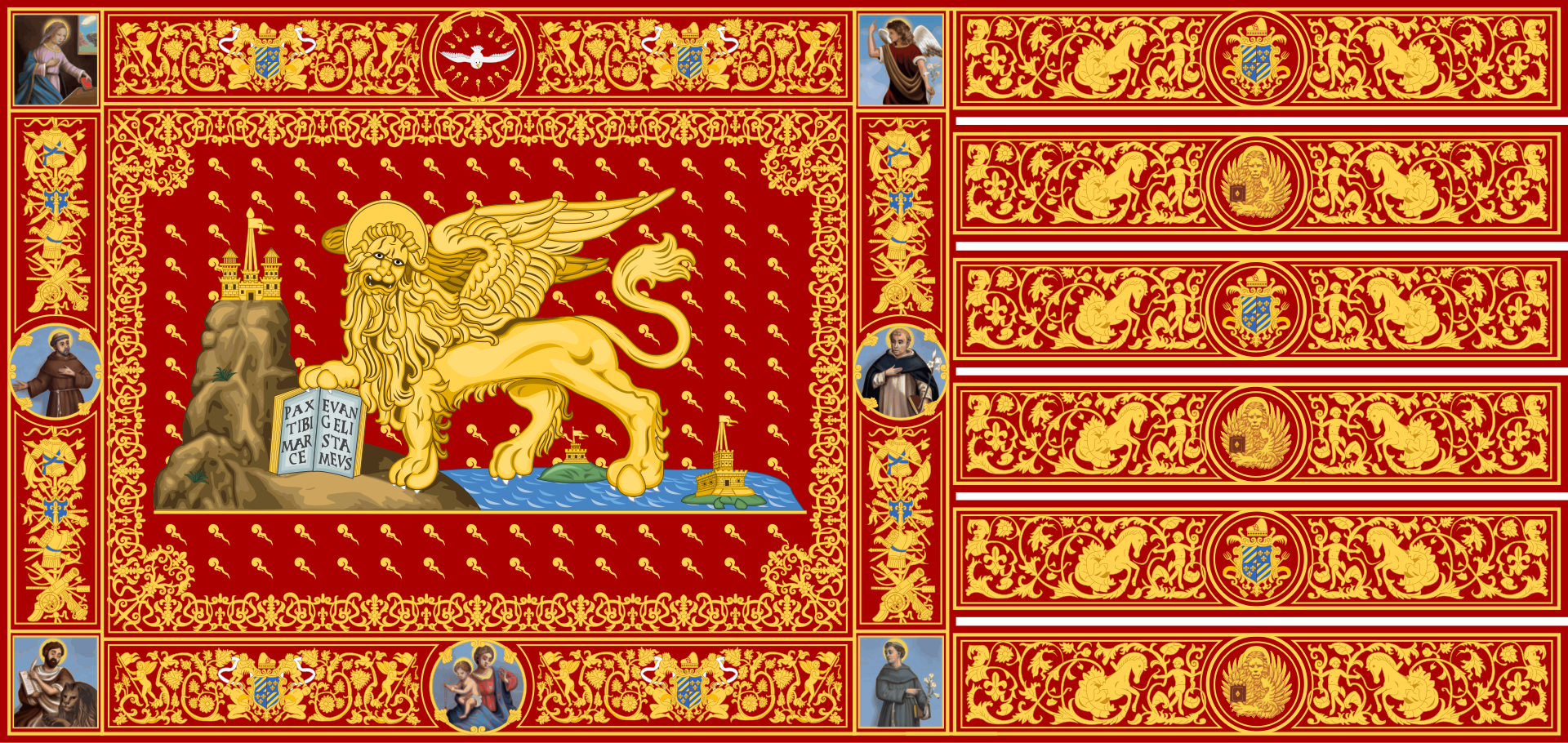
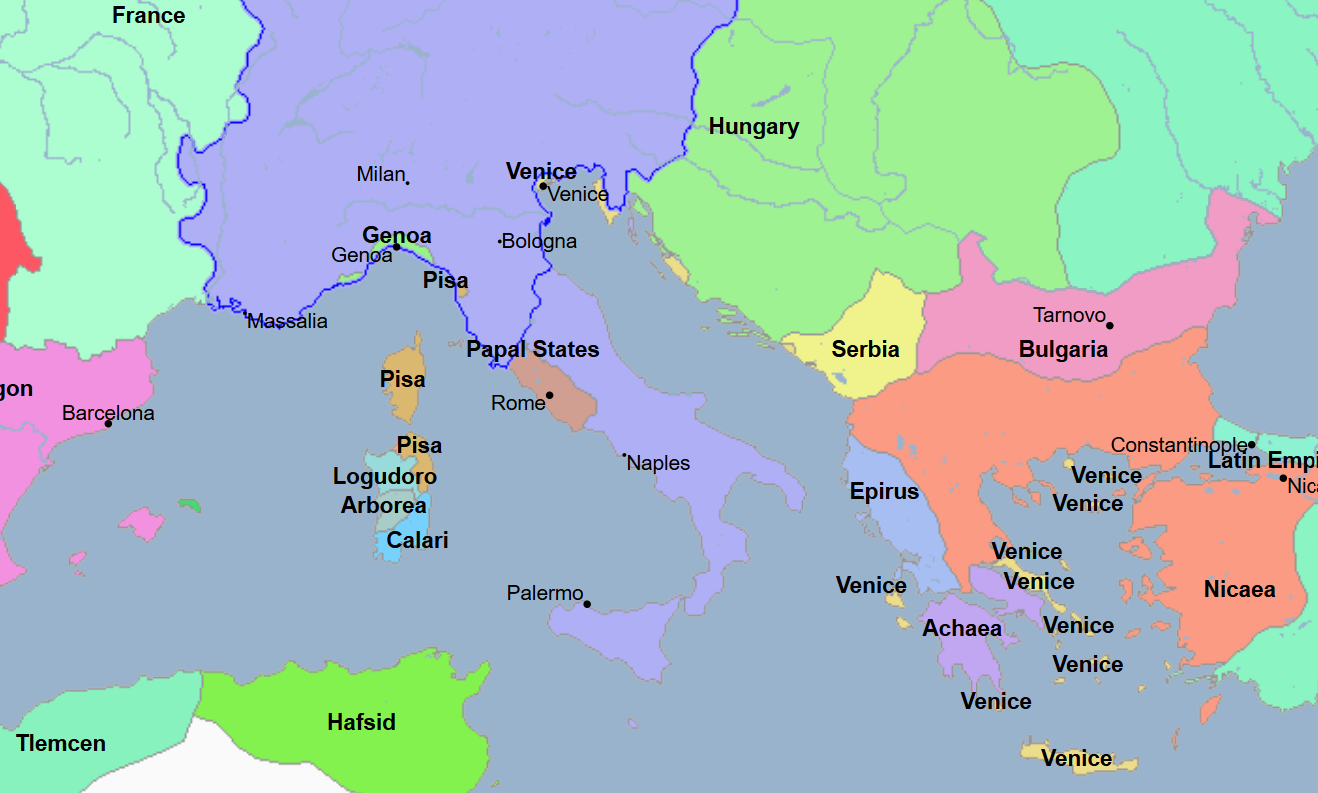
400s / 697 - 1797 - Republic of Venice (All Facts)
First of the Italian City-States and First of the Italian Maritime Republics
It was set among the coastal lagoons of the Po River in Italy, built on many tiny islands
It was founded initially within the Byzantine Empire as a refuge for families fleeing the Hun invasions of Europe in the 400s and 500s
It developed into one of the world’s greatest trading centers by 700
It gradually gained autonomy from the Byzantines when its citizens elected their own ruler, the “Doge” (derived from the Latin word for “duke”), the first of whom reigned in the latter of the two namesake beginning dates
Its buildings, each shored up by great wooden piles, were connected by a network of canals
Its inhabitants
benefited from the ideal position their city occupied, in that it was linked by sea to Constantinople and the east and by land and the Po River to wealthy northern Italy
capitalized on the local environment, which provided an abundance of fish and water-fowl
traded in locally-produced salt and exotic goods like spices and silks imported from the east
It established itself as one of the major European commercial and naval powers
Its wealth had rested on the trade which flowed through the namesake city on its way from the east and Constantinople to markets in Europe and northern Italy
In order to protect these routes from piracy, they had been pushed south and east and ships have even broken into the Black Sea
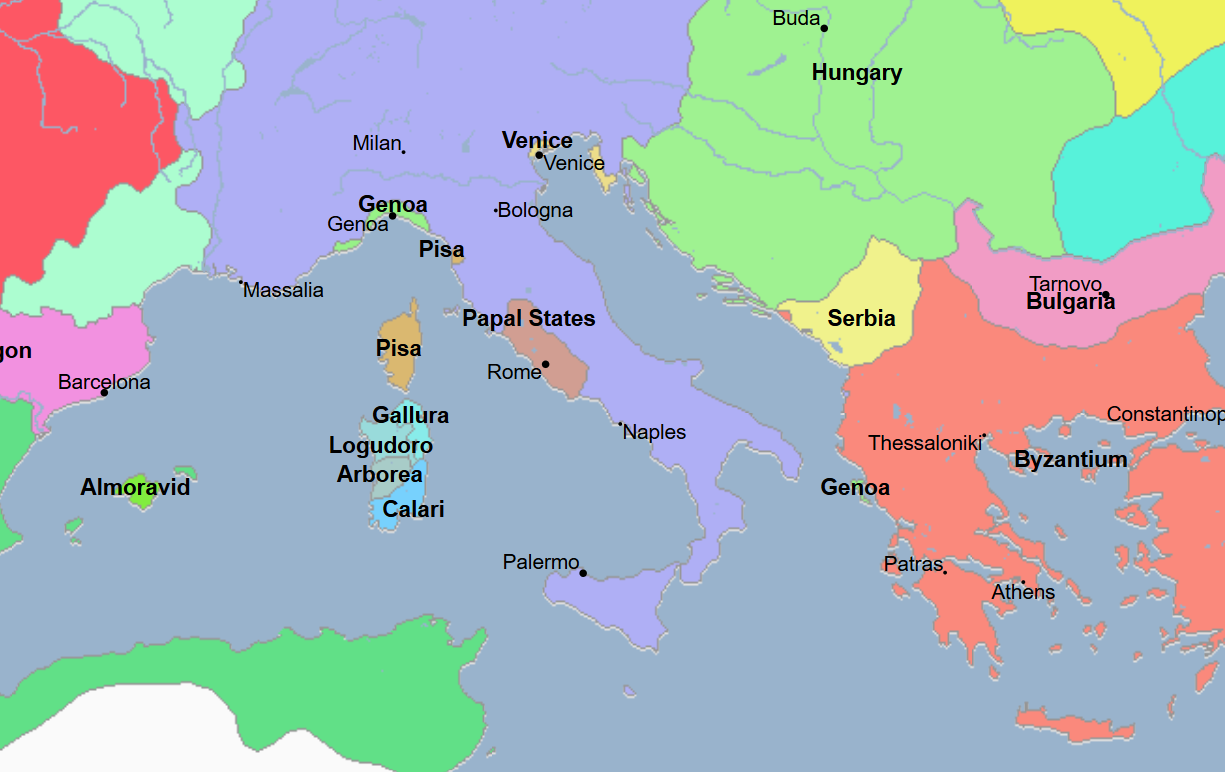
Owing to its participation in the Crusades, the namesake Italian city-state and republic increasingly penetrated into eastern markets and, between the 1100s and 1200s, managed to extend its power into numerous eastern emporiums and commercial ports
Controlled the sea and the world’s most important trade routes by the time Christianity had been driving ever deeper into Muslim lands
Vied for the cereals, salt, metal, coral, and slaves of Corsica and Sardinia
Vied for the grain of Sicily
Its support of the Christians in the Crusades secured valuable commercial positions for its traders, leading to increased wealth and power, its people
sent relief fleets during the First Crusade into the Holy Land, and were, in towns they conquered, rewarded with
Quarters
Warehouses
Markets
Churches
helped the Crusaders to capture ports in south Lebanon and were granted trading privileges as a result
helped the Christian Crusader fleets dominate the Mediterranean
attacked the Tunisian coast and extracted taxes from the Emir of Kairouan
gained wool and leather exports from the Muslims
It was governed by a narrow oligarchy of merchants who consolidated their power by crushing both popular and patrician revolts, especially that arose in the 1300s
They had an extensive historical relationship of trade and war with the Byzantine Empire and Constantinople, especially during the Komnenos Restoration, in which
They allied with Byzantine Emperor Alexios Komnenos
Their trading privileges were restored by Byzantine Emperor John Komnenos after having been previously taken away
They were arrested on mass and their goods and property were immediately seized by Byzantine Emperor Manuel Komnenos
Their trading privileges were restored by Byzantine Emperor Manuel Komnenos not too long after his previous actions
Durazzo and Corfu was taken from them by Despot of Epirus Theodore Angelos Komnenos
They gradually gained footholds in the markets of Alexandria, Antioch, and Tripoli
During the Fourth Crusade, their entrepreneurs backed the pillaging of Constantinople carried out by the French Catholic Crusaders, doing so in the name of religious unity
In fact, it was a short cut to repayment of a loan to fund the Fourth Crusade to the Holy Land
Boniface, the marquess of Montferrat, agreed to pay them handsomely for their efforts of support
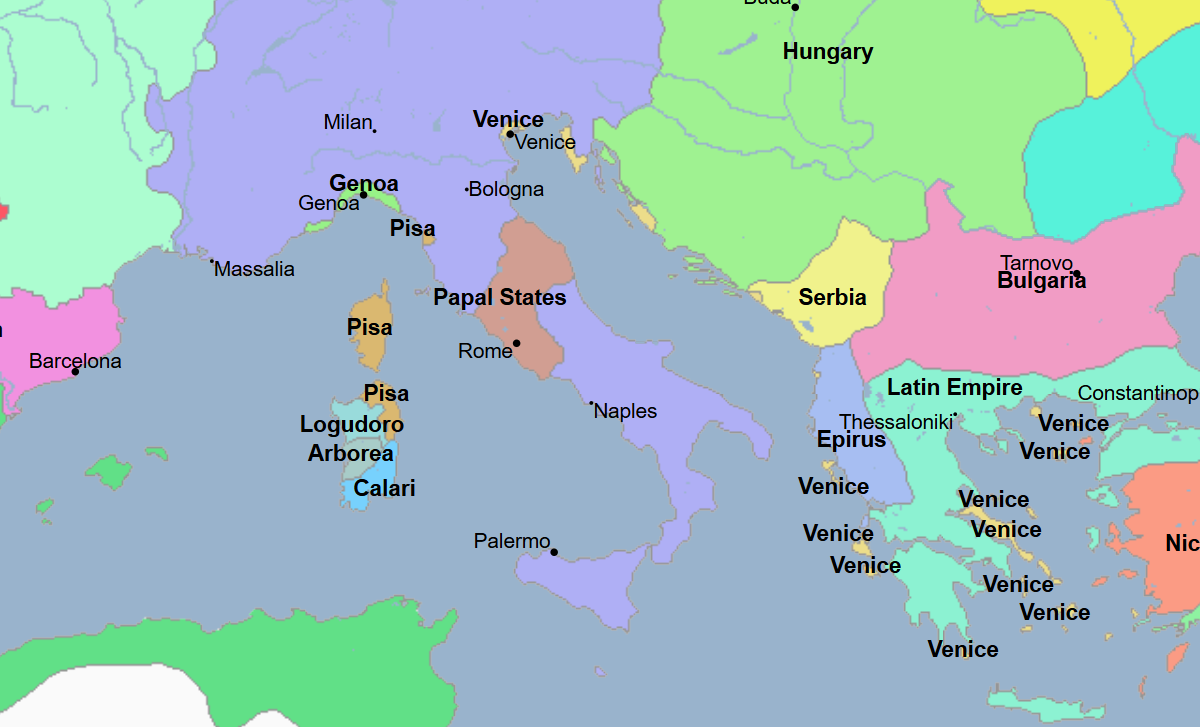
After the Fourth Crusade, their leaders formed a commission to allot some of the old empire to the new emperor and other shares to the namesake crusaders
By this means, they collected the Adriatic east coast, both shores of the Gulf of Corinth, islands such as Andros, and swathes of Albania
After the 1261 Siege of Constantinople, a fleet of theirs took off with hundreds of women and children who cried for help as their shops and homes burnt behind them
Its fleet had rescued Byzantine Emperor Michael VIII Paleologos
In 1400, it seized Vicenza, Padua, and Verona to become the dominant power in northern Italy
They lost Dalmatia to Louis of Hungary
They established a Holy League alongside the Duchy of Milan, Spain, the Holy Roman Empire, and the Papacy against King Charles VIII of France after he had seized the Kingdom of Naples; prompting the Italian Wars
By 1500, it
was still the most important center of Mediterranean trade
had merchants ships which brought in great wealth
had a navy which ensured its security from the attacks of greedy rivals
had merchants which dominated every trade route, as it was ideally positioned between Western Europe and Asia
had bankers, insurers, and accounts which were unrivalled throughout Europe, master of the continent’s most commercial sophisticated and successful area
had its powers undermined by Portugal’s discoveries of the New World by that time, but its expertise of traders and overall experience continue to ensure that it continued to dominate the established Eastern trade routes
had no rivals on its monopoly of Asia’s luxury goods except for Portugal in Asia’s spice trade, which became its main rival at that time
In 1509,
it was excommunicated by Pope Julius II during the Fourth Italian War / War of the League of Cambrai / War of the Holy League
By 1510,
its prior excommunication by Pope Julius II ended, during the Fourth Italian War / War of the League of Cambrai / War of the Holy League
By 1590, they had a policy of social and moral control, which Pope Paul V had asked them to abandon by 1606 but to which they refused, and thus the Pope placed the namesake under the Edict of May 1606
However, by 1607, Pope Paul V and the Papacy were denied practical support by France and Spain and were thus forced to reconcile with the namesake and withdraw the Edict of May 1606, no longer objecting to the namesake government’s control of the moral and social lives of the citizens, which was originally a concern of the Catholic Church alone
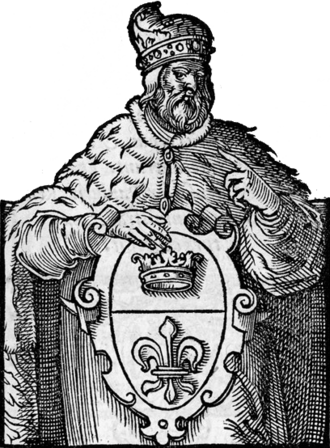
697 - 717 - Paolo Lucio Anafesto (All Facts)
First Doge and Founder of the Republic of Venice
He was elected by the people, hence his being the head of a republic
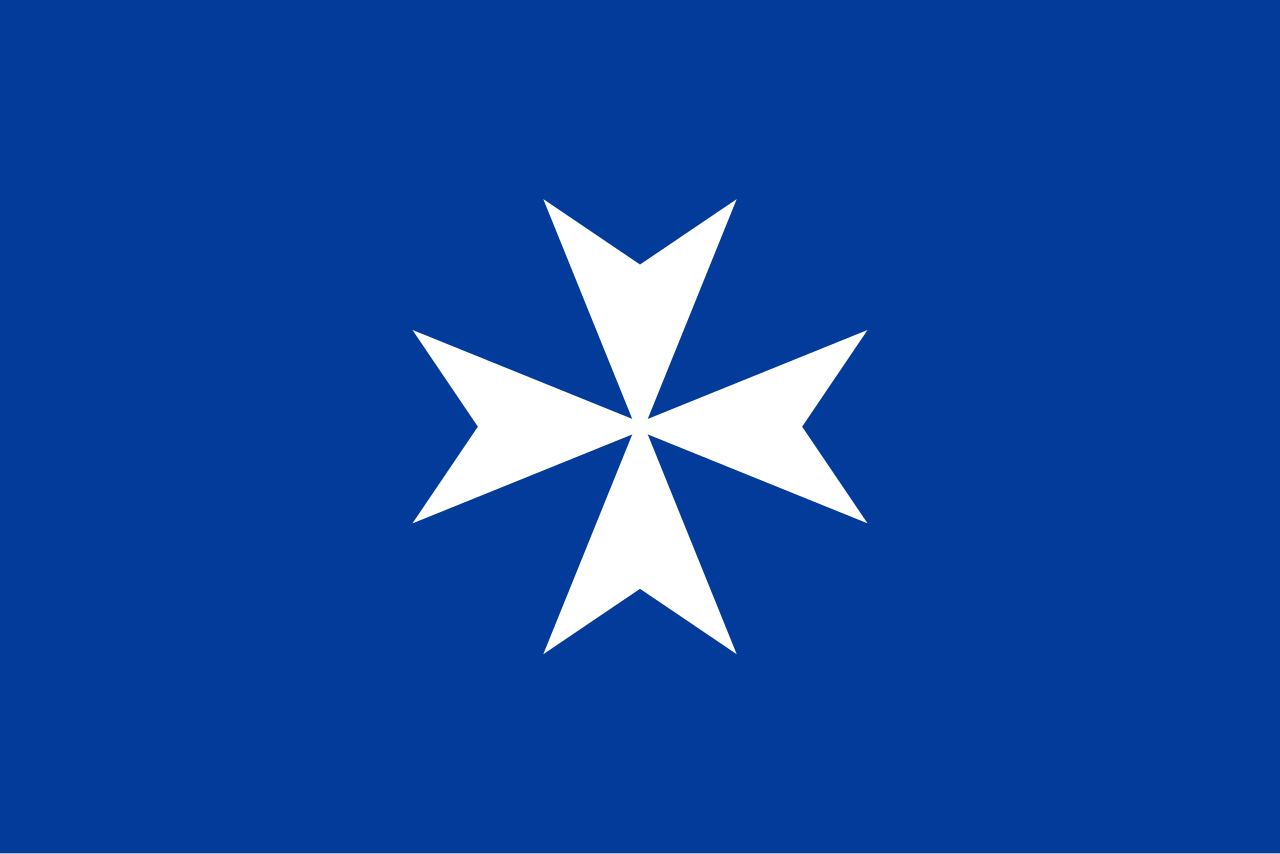
958 - 1137 - Duchy of Amalfi (All Facts)
Its support of the Christians in the Crusades secured valuable commercial positions for its traders, leading to increased wealth and power, its people
sent relief fleets during the First Crusade into the Holy Land, and were, in towns they conquered, rewarded with
Quarters
Warehouses
Markets
Churches
helped the Crusaders to capture ports in south Lebanon and were granted trading privileges as a result
helped the Christian Crusader fleets dominate the Mediterranean
attacked the Tunisian coast and extracted taxes from the Emir of Kairouan
gained wool and leather exports from the Muslims
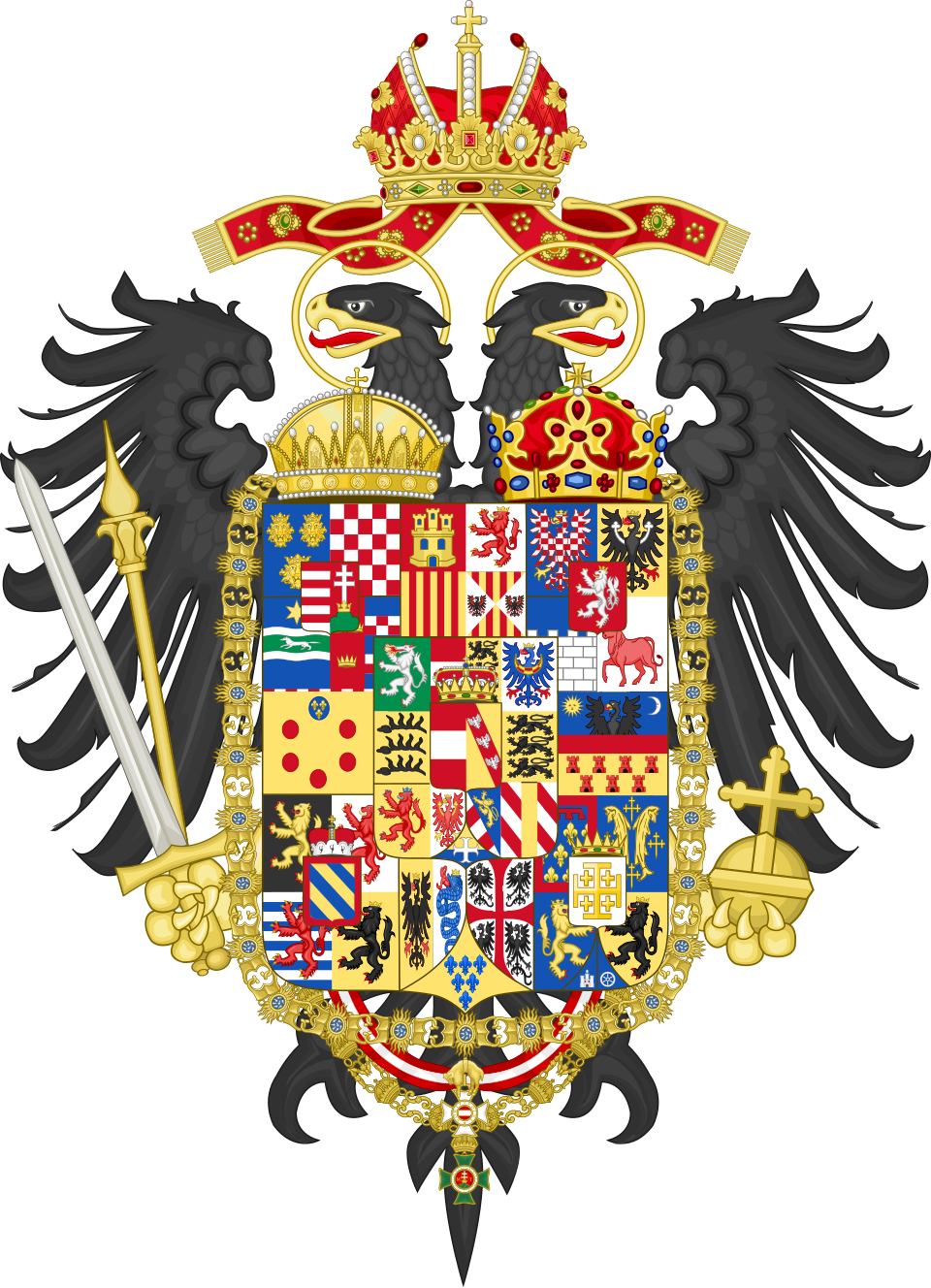
962 - 1801 - Kingdom of Italy (All Facts)
Initially a part of the Holy Roman Empire, it eventually broke away and became its own kingdom, but the exact date at which this occurs varies depending on who is asked
It was one of the constituent kingdoms of the Holy Roman Empire, along with the kingdoms of Germany, Bohemia, and Burgundy
It originally comprised large parts of northern and central Italy
Its original capital was Pavia until the 1000s
It was politically distinct from entities like the Kingdoms of Sicily, Naples, etc., since its rulers did not always rule the namesake and Sicily, Naples, etc. simultaneously historically as well as distinct from entities like the Republics of Venice, Genoa, Pisa, Milan, Florence, etc. - the so-called namesake “city-states” but nonetheless grouped in with them due to their current-day political linkage
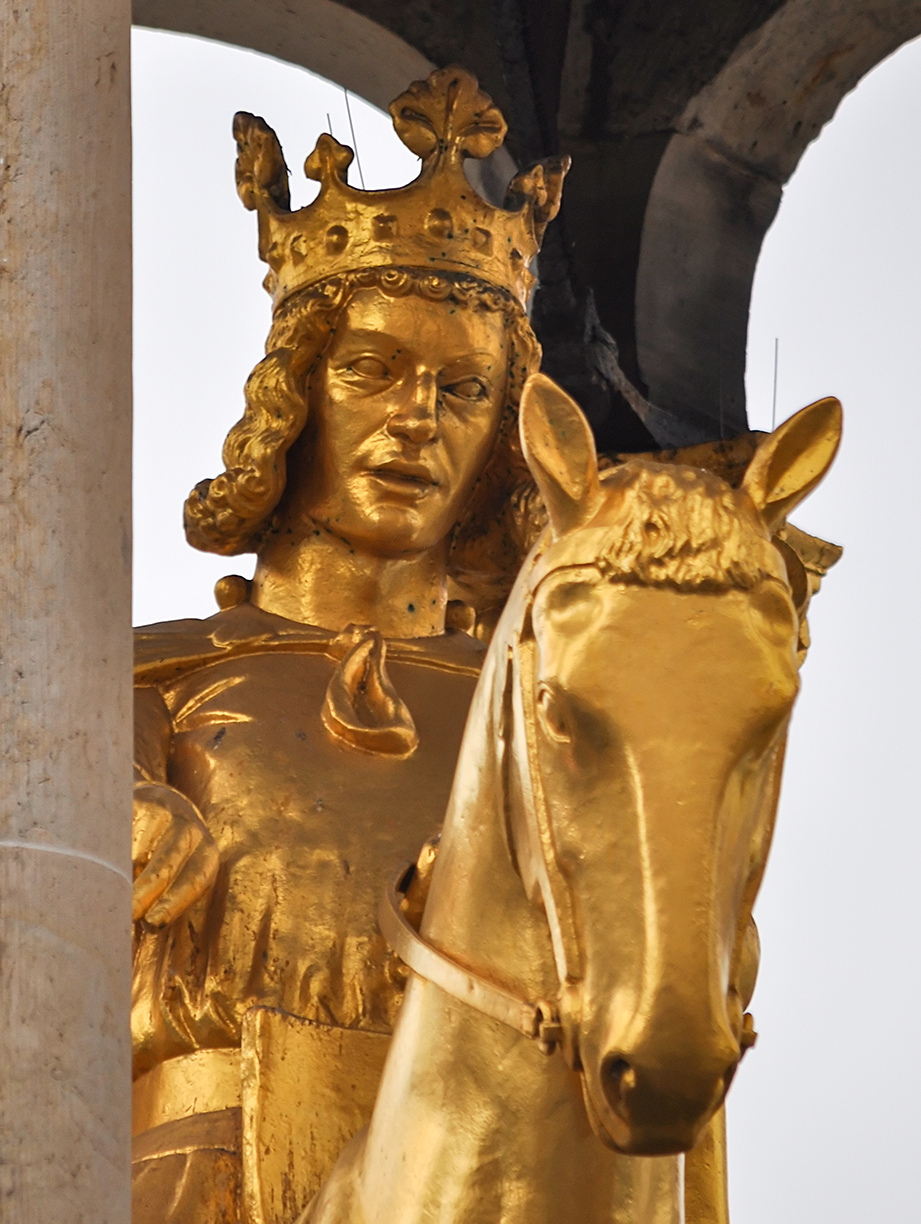
961 - 973 - Otto the Great, as King of Italy (All Facts)
First King and Founder of the Kingdom of Italy, as it was in the Holy Roman Empire and First King and Founder of his namesake Dynasty of Italy as it was in the Holy Roman Empire
First Emperor and Founder of the territorial / geographic Holy Roman Empire and First Emperor and Founder of his namesake Dynasty of the Holy Roman Empire
After an appeal by Pope John XII for aid against King Berengar of Italy, the namesake’s Holy Roman Emperor predecessor, he invaded Italy a second time and overthrew his Holy Roman Emperor predecessor there as new Holy Roman Emperor to become the new King of Italy, and by which he was crowned Holy Roman Emperor by Pope John XII in St. Peter’s
He did this to legitimize his claim to the lands of Lotharingia / Middle Francia (which included Italy, Burgundy, and eastern Gaul at the time) by being crowned emperor in Rome by the Pope, like the previous rulers of the Kingdoms of Lotharingia and Francia
He then proceeded to starve Rome into surrender
He declared that in the future no papal election would be valid until an oath of allegiance to the Holy Roman Emperor had been taken
He also determined the outcome of the election of future popes by deposing and exiling Benedict V
He did this in order to reinstate his own nomination for the papal throne, Leo VIII
After Leo VIII died, he nominated and had elected Leo VIII’s papal successor, John XIII
Shortly after this, he was temporarily imprisoned by the Romans who disliked the emperor for his foreign influence on the papacy
However, he was soon released and marched on Rome with an enormous army to reinstate John XIII
His rule proved to be very unpopular, but it laid down the foundations for the Holy Roman Empire and Kingdom of Italy
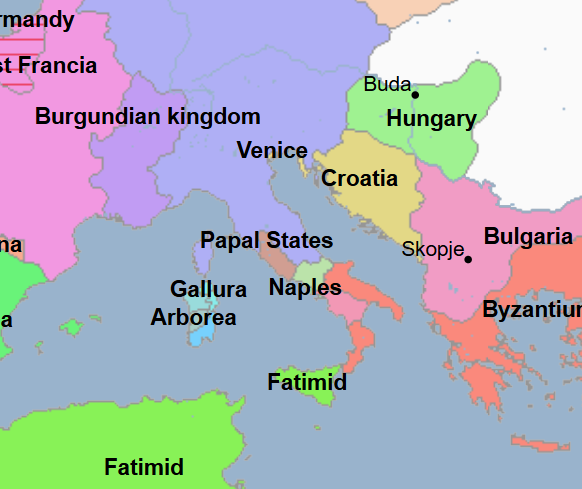
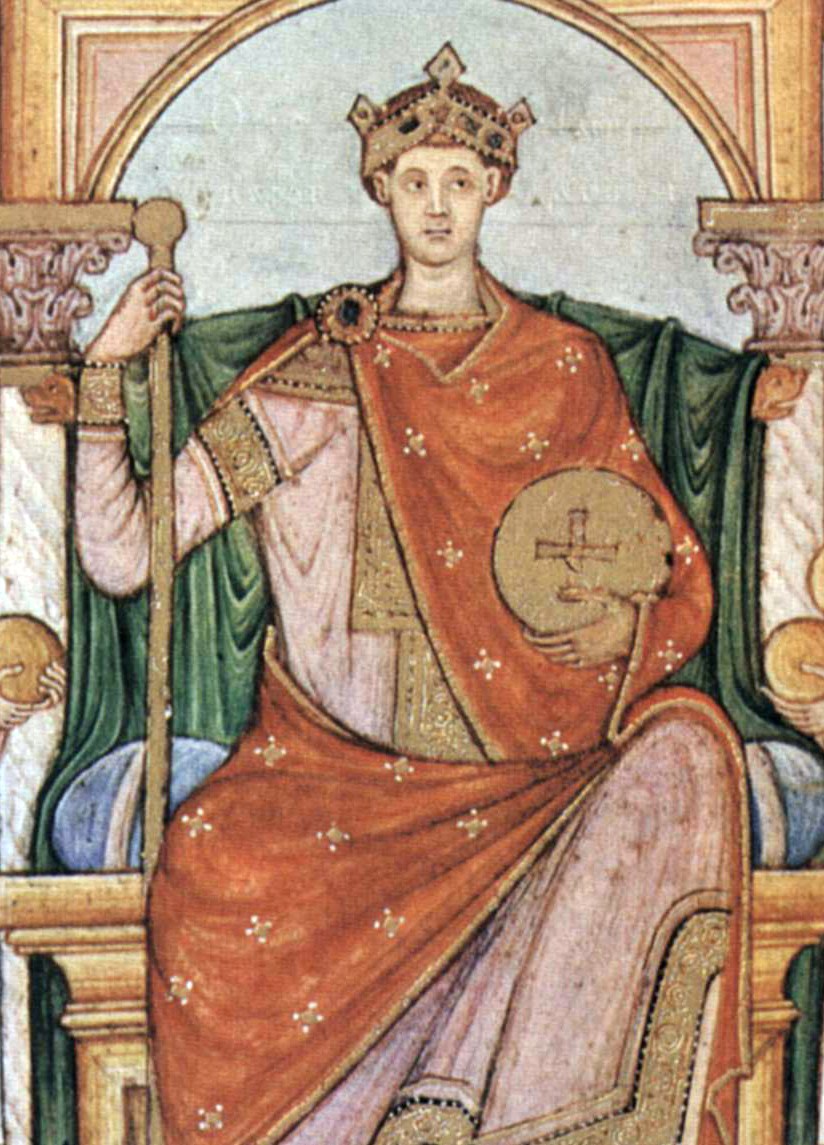
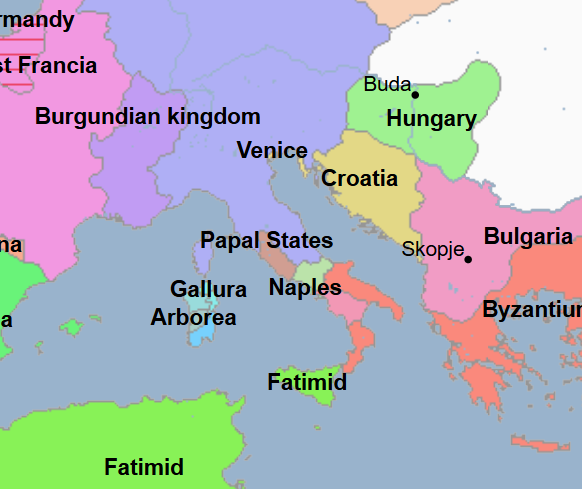
980 - 983 - Otto II (All Facts)
2nd King of Italy and 2nd King of the Ottonian Dynasty
He was the 13th Emperor of the Holy Roman Empire
He was nicknamed “The Red”
He and his forces were defeated by the Fatimid Caliphate in the Battle of Stilo after they had provoked the conflict by calling a Holy War against him and his empire
He
Demanded that Pope Benedict VI, imprisoned by the Roman people after the death of the namesake’s father and predecessor who had installed the pope, be released
Installed Pope Benedict VII to replace the Roman-backed antipope Boniface VII
Installed Pope John XIV once Pope Benedict VII died, without the consultation of the Roman people
He suddenly died of malaria and was succeeded by his infant son
996 - 1002 - Otto III (All Facts)
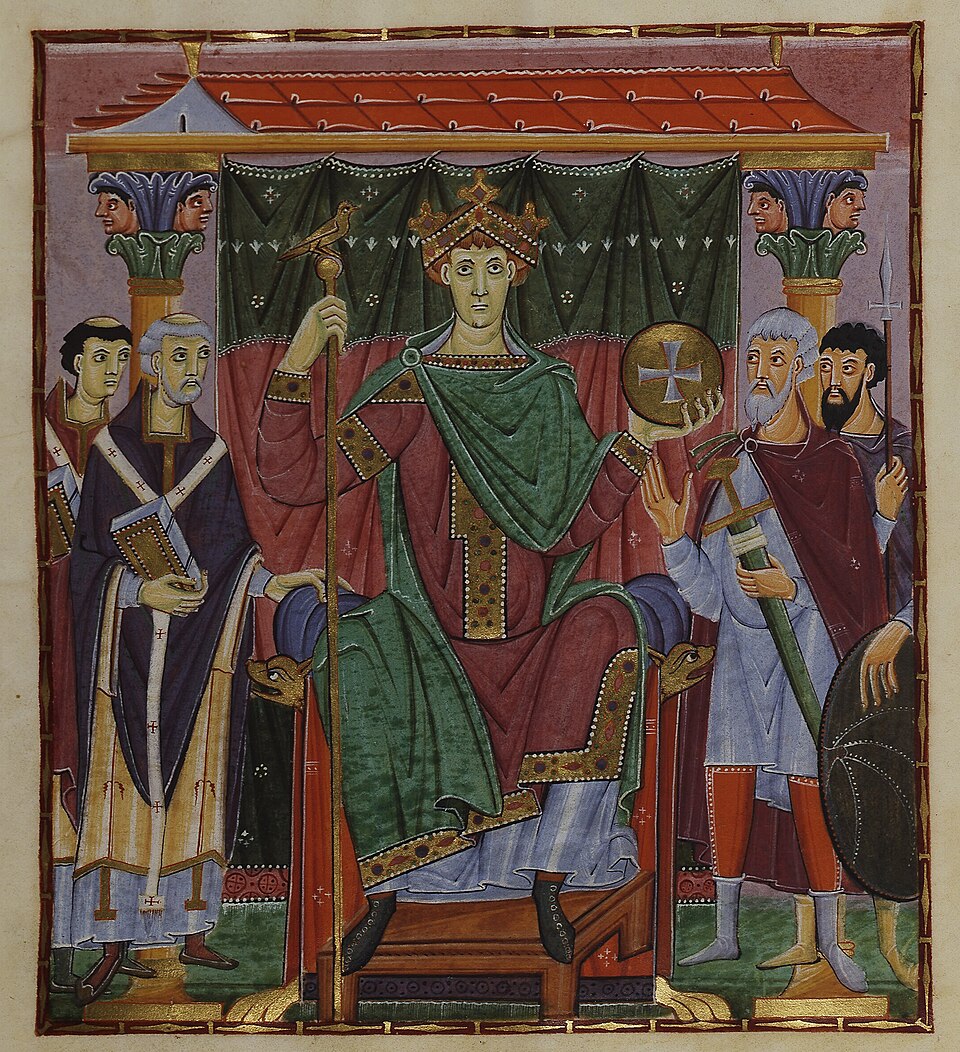
3rd King of Italy and 3rd King of the Ottonian Dynasty
He was the 14th Emperor of the Holy Roman Empire
As an infant, the empire was ruled by his mother Theophano and his grandmother Adelaide (of Burgundy, also kidnapped by Berengar, King of Italy) as regents, with the help of clerics
He was only three when his father and predecessor died
His succession was disputed by Henry “The Troublemaker,” Duke of Bavaria, who kidnapped him as an infant
Theophano and Adelaide, ruling as regents, forced Henry “The Troublemaker”, Duke of Bavaria, to return the child
Under his reign, there was a power struggle between the magnates
During this power struggle, the East Slavs took advantage of the turmoil and recovered their independence east of the Elbe River
Eventually, at 16 years of age, he was crowned emperor with the dreams of making Rome the capital of a universal empire, at that point in the form of the Holy Roman Empire and sought to restore the Carolingian Empire of Charlemagne
Interestingly, he was a child of both East and West
His mother Theophano was the niece of Emperor John Tzimiskes of the Byzantine Empire, showing his Eastern side
His father was his predecessor, showing his Western side as a Saxon
He was thus half-Byzantine, half-Saxon
He was schooled by bishops and described as “the wonder of the world”
His visions of grandeur, however, were considered unrealistic, even at the time as his empire, upon his assumption to the throne, lacked an educated ruling class, a bureaucracy, and a network of communication
Like his two direct predecessors of the same name, he faced a struggle to impose unity on strong provincial barons who were hostile to notions of a world empire which would diminish their local power
He was a strong and able leader who inherited from his predecessor grandfather the capacity to form wide political conceptions
He was responsible for the succession of a number of Popes in the attempt that one would crown him Holy Roman Emperor
Pope John XV died before he could crown the namesake
He installed his cousin Bruno as Pope Gregory V, but after his installment, a band of disgruntled Roman patricians drove him out of the office and replaced him with antipope John XVI
So the namesake marched on Rome and deposed and mutilated antipope John XVI, reinstalling Pope Gregory V, until he died suspiciously shortly afterwards
He then installed his former tutor Gerbert, already the Archbishop of Ravenna, as Pope Sylvester II (a name that was chosen to evoke the grandeur of Ancient Rome as Pope Sylvester I baptized Constantine the Great)
His political restoration of the (Holy) Roman Empire led to a revival of arts and literature
Under his reign, classical texts were translated into the language of administration
The deeds of his namesake dynasty up his reign were chronicled in the “Res Gestae Saxionae,” produced during his reign
Under his reign, huge basilicas were built and decorated by artists from the great monasteries
He established friendly relations with Poland when he went to the Polish city of Gniezno and visited the grave of St. Wojciech
He settled in Rome, restored its palaces, and struck seals proclaiming “Renovatio Imperii Romani”
However, the people of Rome revolted against his interference with papal matters
He was besieged in his palace and forced to leave for Paterno
Thus, while preparing to retake his capital of Rome at 22 years old, he died of malaria in the town of Paterno in Italy
He was buried beside Charlemagne, his hero, whose body he had disinterred so that he could pray before it, a truly romantic feat
1000 - 1406 - Republic of Pisa (All Facts)
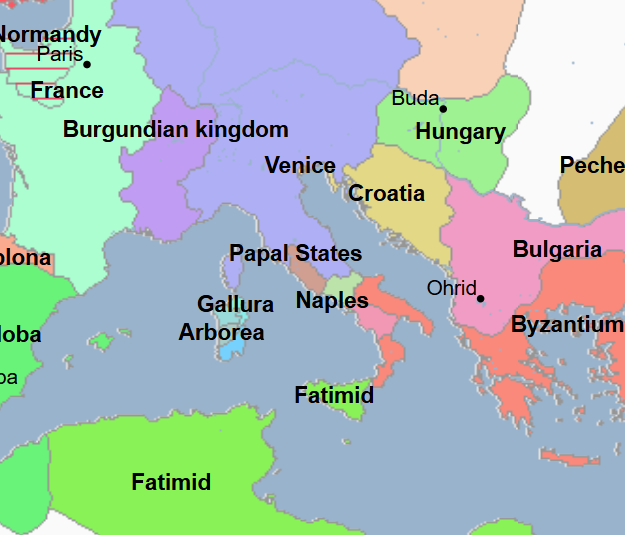
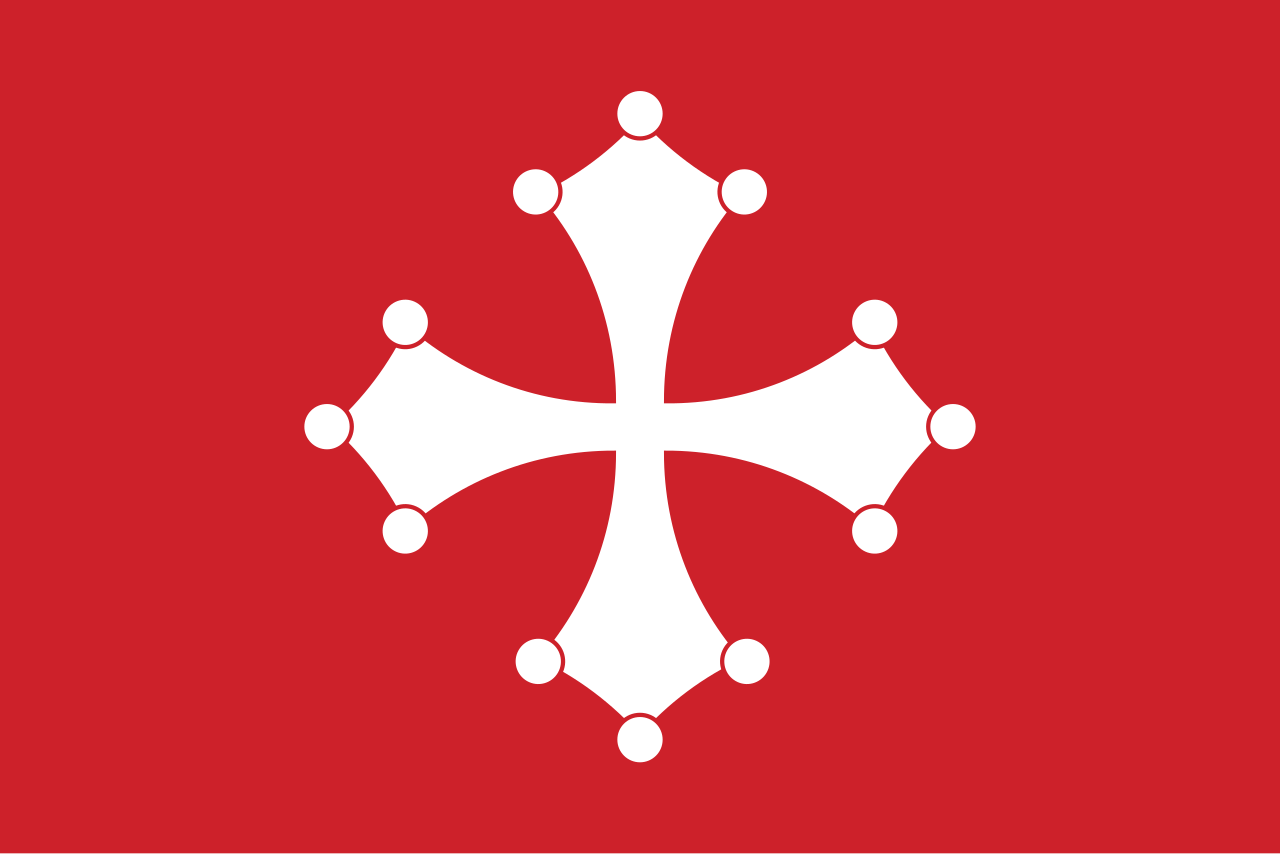
One of the well-known “Maritime Republics” of Italy
It was an economic powerhouse, a commercial center whose merchants dominated Mediterranean and Italian trade for a century, before being surpassed and superseded by the Republic of Genoa
Controlled the sea and the world’s most important trade routes by the time Christianity had been driving ever deeper into Muslim lands
Vied for the cereals, salt, metal, coral, and slaves of Corsica and Sardinia
Vied for the grain of Sicily
Its support of the Christians in the Crusades secured valuable commercial positions for its traders, leading to increased wealth and power, its people
sent relief fleets during the First Crusade into the Holy Land, and were, in towns they conquered, rewarded with
Quarters
Warehouses
Markets
Churches
helped the Crusaders to capture ports in south Lebanon and were granted trading privileges as a result
helped the Christian Crusader fleets dominate the Mediterranean
attacked the Tunisian coast and extracted taxes from the Emir of Kairouan
gained wool and leather exports from the Muslims
1001 - Muslims plundered it
1011 - Muslims plundered it
1015 - Muslims attack the northern shores of the Mediterranean but were defeated by its fleets and the fleets of the Genoans
One time, a convoy of Genoese ships, sailed into the namesake’s trap, trusting in the emblem of the Crusades which they flew to give them immunity, having carried two cardinals and many bishops as well as large sums of money
The Genoese ship was destined for Rome where Pope Gregory IX awaited them, having called a council seeking support against Holy Roman Emperor Frederick II
The Genoese ship never reached Rome, however, and was attacked and overwhelmed by a pro-imperial fleet off Tuscany from their namesake rivals
Many of the Genoese sailors onboard were slaughtered and many of the Genoese churchmen onboard were thrown into prison
The conflict represented the ongoing conflict in Italy between the Papacy and the Holy Roman Empire, which was at each other’s throats since the accession of Holy Roman Emperor Frederick Barbarossa and Frederick II
The Emperor’s hostages contributed to the Pope’s failure to win the supported he desperately needed at that time
It ended when it was bought by the Republic of Florence

1003 - Present - House of Savoy (All Facts)
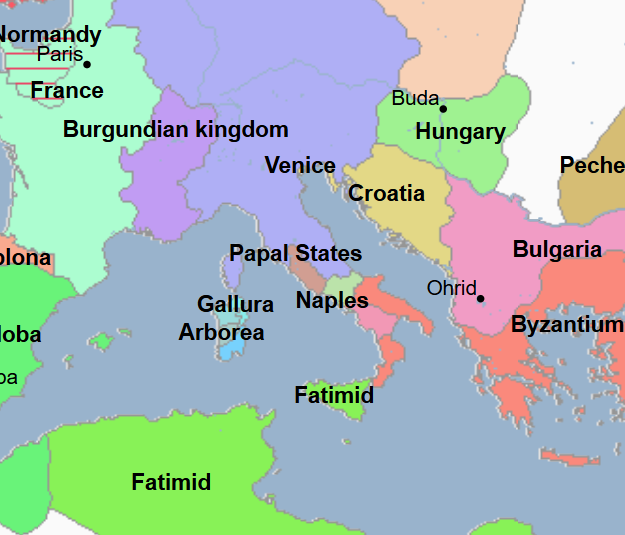
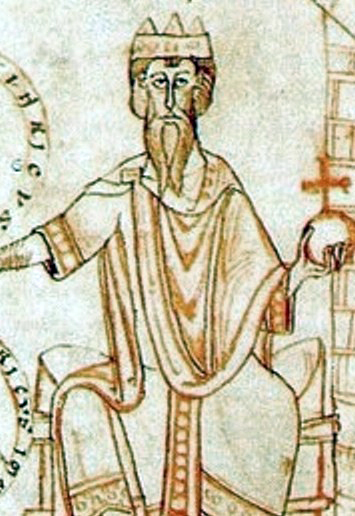
1004 - 1024 - Henry II (All Facts)
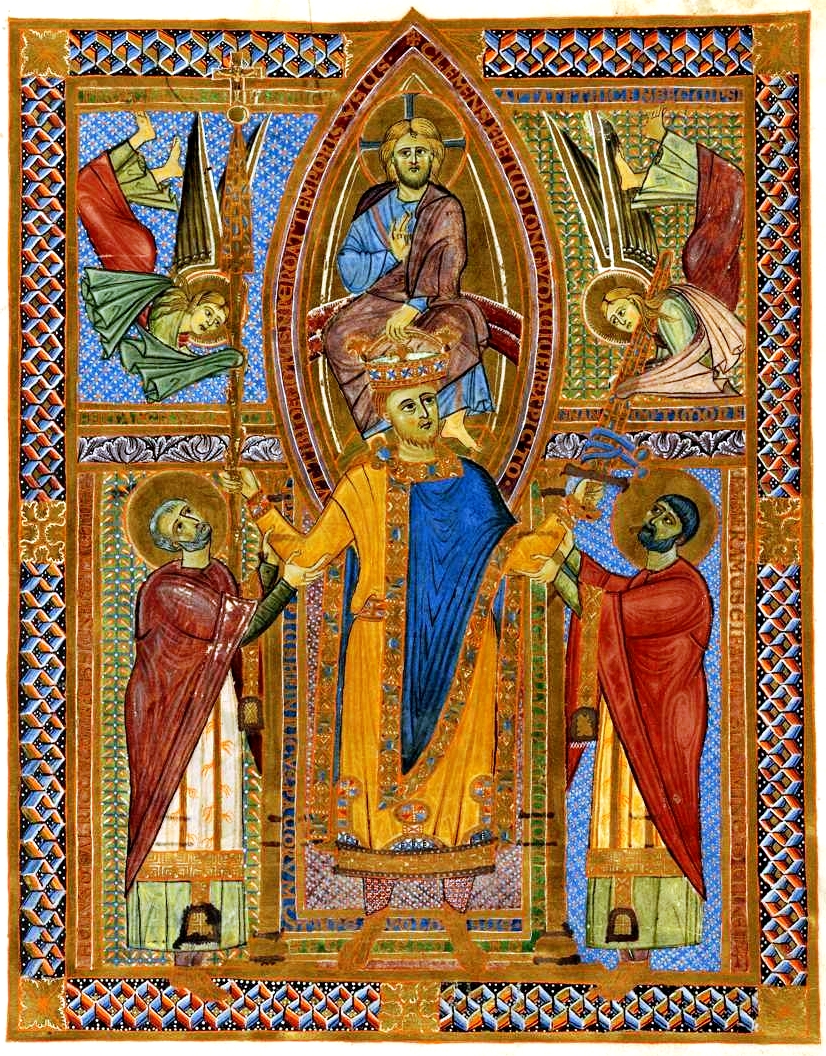
4th King of Italy and 4th and Final King of the Ottonian Dynasty
He was the 15th Emperor of the Holy Roman Empire, the Final Emperor of the Ottonian Dynasty
He was the son of Henry “The Troublemaker,” Duke of Bavaria
Another King, an outsider of the Holy Roman Empire, ruled Italy alongside him named “Arduin” until about halfway through the namesake’s reign <for my purposes, “Arduin” also will be designated the “4th” King of Italy>
He responded to the various threats facing his reign and empire by seeking the support of the Church
He sought to make the Church servants to the Holy Roman Emperors
He granted land and titles to bishops and abbots lavishly to persuade them to submit to the Holy Roman Empire
He travelled to Rome to have himself crowned Holy Roman Emperor on the steps of St. Peter’s by Pope Benedict VIII
The Pope asked him if he would be a faithful defender of the Church, to which he responded in the affirmative
The Pope placed in his hand a golden orb surmounted by a cross, symbolic of his rule over the world’s empire
After his coronation at Pavia, a quarrel developed between those who accompanied him and the people of Pavia, which grew into a full-scale battle in which much of the city of Pavia was burnt and hundreds of citizens were slaughtered
He married Cunigunde, the daughter of the count of Luxembourg
He and his wife were admitted into the church and anointed
He was pious, well-meaning, but had poor health
He was destined for the Church when his predecessor died without children and when the Bavarians and Franks called
When Pope Benedict VIII was deposed by antipope Gregory VI, he had Gregory VI deposed and Pope Benedict VIII reinstated
Upon his assumption to the throne, he faced endless struggles to contain rebellions and feuds by powerful nobles
Via concessions and favors, he won the dubious allegiance of Saxons, Lotharingian, Thuringians, and Swabians
He also faced multiple wars on every frontier in which
Boleslaw of Poland seized lands to his east
This conflict began after he invaded Poland with the hopes of recreating the Frankish Carolingian Empire, backed by his nobles
However, he was unable to defeat Boleslaw and Poland was forced to sign the unfavorable treaty, the Peace of Bautzen, in which Boleslaw’s gains were consolidated
The Count of Flanders moved to seize Lotharingia
When he died, the Lombards revolted against the Holy Roman Empire
1026 - 1039 - Conrad II (All Facts)
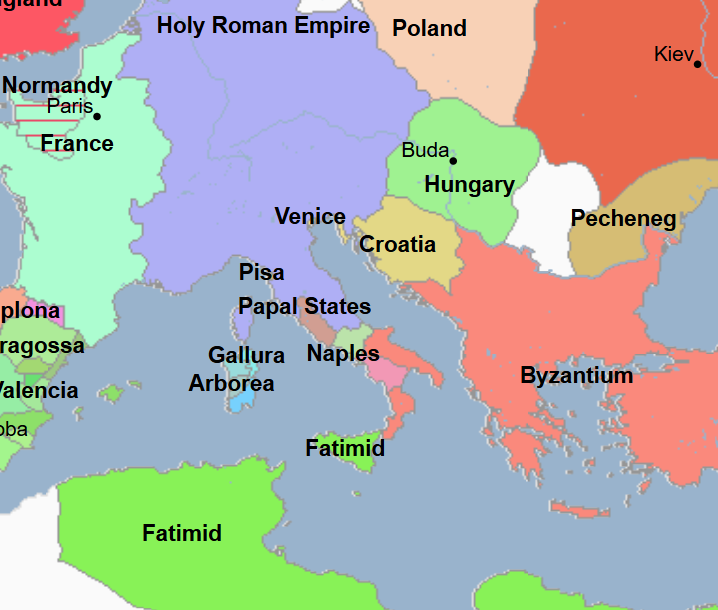
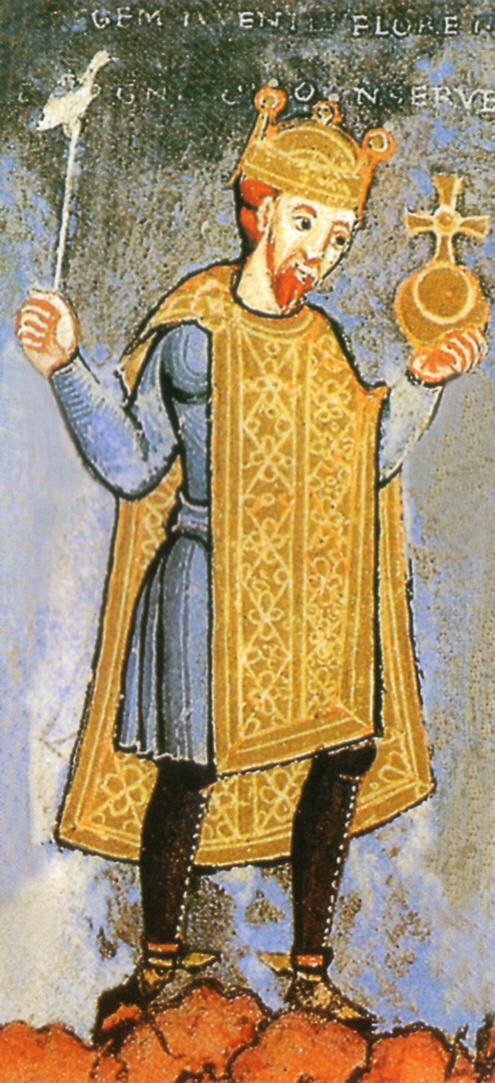
5th King of Italy and First King and Founder of the Salian Dynasty
He was the 16th Emperor of the Holy Roman Empire, and he was the First Emperor and Founder of the Salian Dynasty of the Holy Roman Empire
He marched onto Italy to claim his rightful crown of Lombardy, coming up against stiff opposition from the inhabitants of
Pavia, who closed the city gates to his army
Ravenna, where his men hacked down people running to safety
He ordered survivors of these conflicts to parade before him in hair shirts, barefoot, with unsheathed swords hung around their necks, and to beg for forgiveness
He was crowned emperors in the presence of two other crowned heads, Rudolf of Burgundy and Canute the Great of England and Denmark (and Norway) amid imperial pomp and religious infighting
During his coronation, two archbishops (of Milan and Ravenna) vied for the honor of leading the king to the altar, exchanging harsh words and even punches in the process outside St. Peter’s
He married Queen Gisela
He incorporated the Kingdom of Burgundy into the Holy Roman Empire upon the death of their heirless King Rudolf III, becoming its first Holy Roman Emperor
He oversaw the construction and completion of the Speyer Cathedral
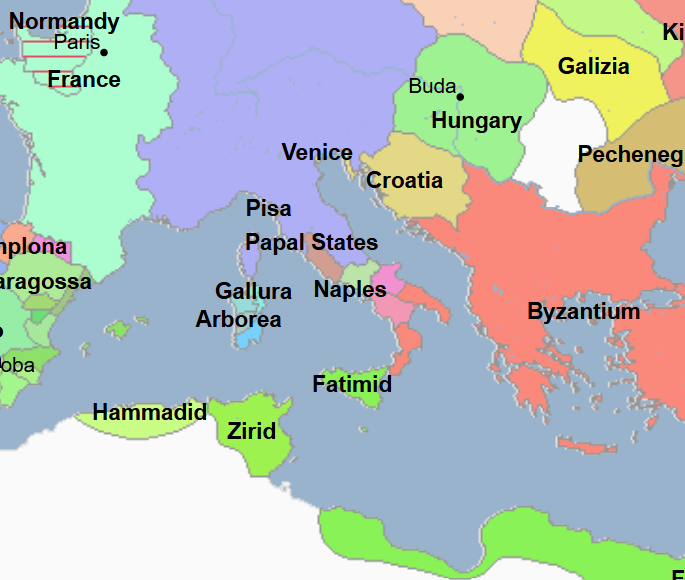
1039 - 1056 - Henry III (All Facts)
6th King of Italy and 2nd King of the Salian Dynasty
He was the 17th Emperor of the Holy Roman Empire and 2nd Emperor of the Salian Dynasty
He
forced the abdication of Pope Gregory VI on the grounds of simony
confirmed the deposition of Pope Sylvester III and Pope Benedict IX
had installed Pope Clement II after the depositions and abdications of his corrupt papal predecessors
had installed Pope Damasus after he and his Holy Roman forces militaristically drove Pope Benedict IX out of the papal office after ignoring his original deposition against him and serving a third term
He died at Pfalz Bodfeld
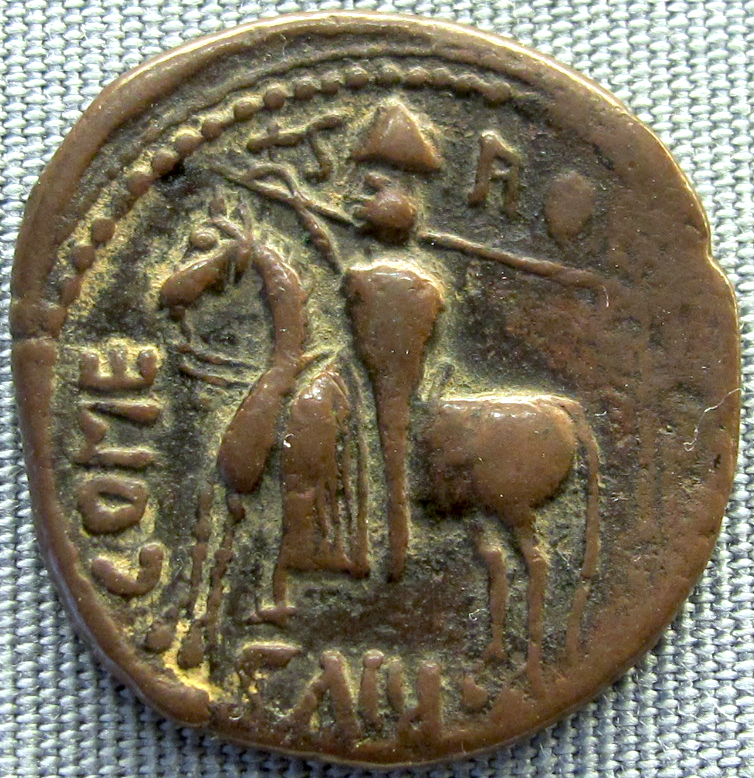
1071 - 1101 - Roger (All Facts)
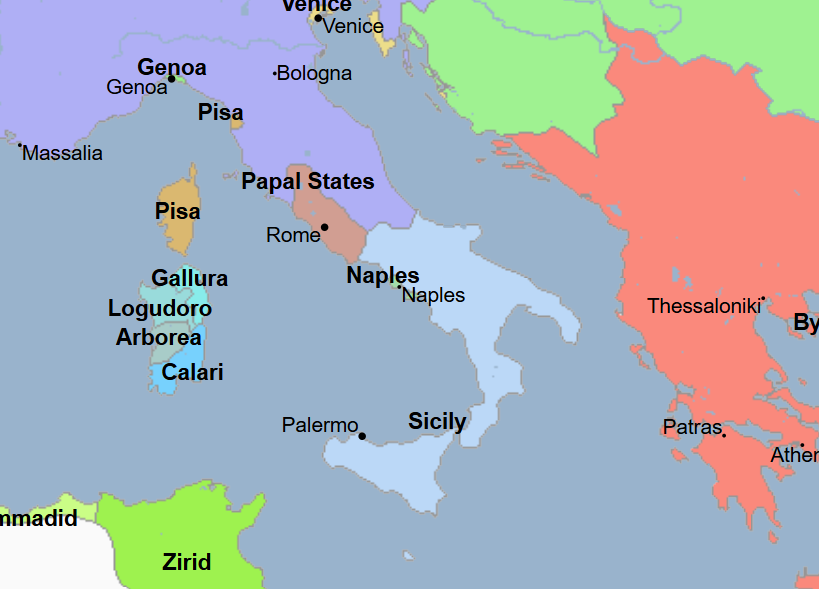
First Grand Count and Founder of Sicily
He was Norman and the brother of Robert Guiscard
He came to dominate Malta and southern Italy
He took Sicily from the Arab Muslims
Died at Mileto in Calabria
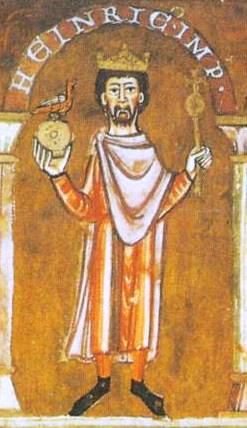
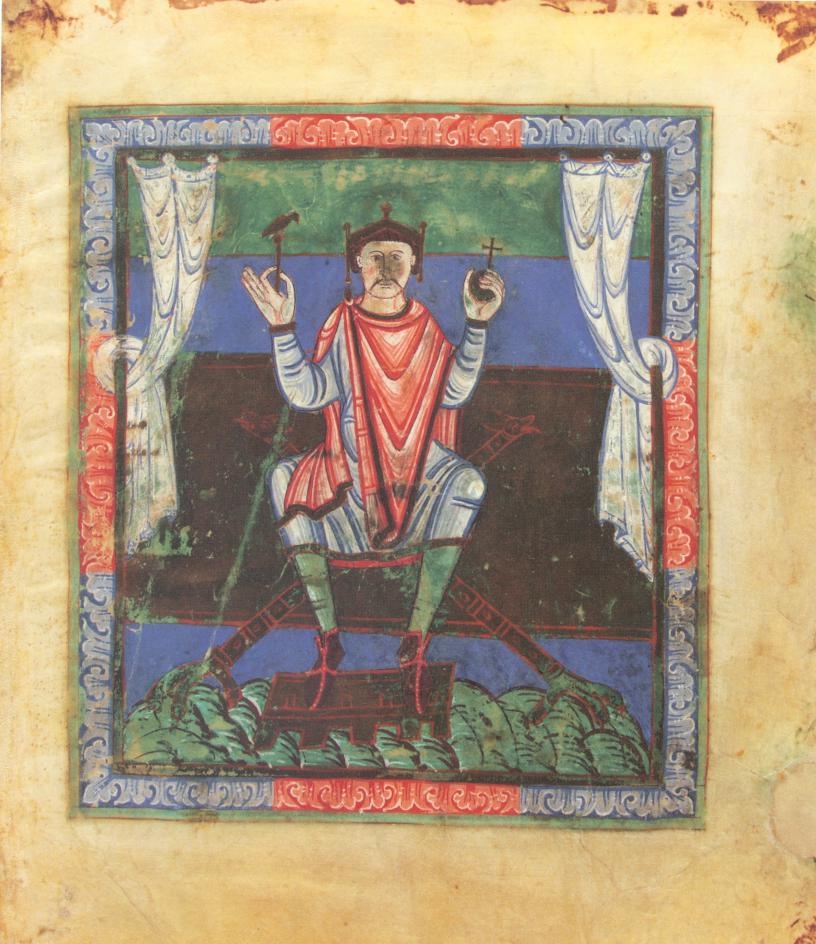
1056 - 1105 - Henry IV (All Facts)
7th King of Italy and 3rd King of the Salian Dynasty
He was the 18th Emperor of the Holy Roman Empire and 3rd Emperor of the Salian Dynasty
His mother Agnes of Poitou ruled as regent when he assumed the throne at the age of six
Another King, an outsider of the Holy Roman Empire, ruled Italy alongside him named “Conrad II” until near the end of the namesake’s reign <for my purposes, “Conrad II” also will be designated the “7th” King of Italy>
Oversaw the beginning of the “Investiture Controversy” with Pope Gregory VII, the first of many popes to curb and eventually eliminate the Holy Roman Emperors from having the power and authority to appoint bishops, abbots, and popes
His reign marked the transition from the Holy Roman Emperors controlling the Popes, to the Popes controlling the Holy Roman Emperors, due in part to Pope Gregory VII’s “Gregorian Reforms” / “Dictatus Papae”
In this clash with Pope Gregory VIII, the namesake was the first Holy Roman Emperor to bow down to the authority of the Pope
He did this by standing barefoot in the snow for three days, penitent in sackcloth, at the gate of the Castle of Canossa in the Alps
As a result, Pope Gregory VII, the pope at the time, chose to pardon him and withdraw the excommunication order imposed on him
This all came after Pope Gregory VII’s decisions via his “Gregorian Reforms” / “Dictatus Papae” which caused a clear power struggle between the papacy and the Holy Roman Empire, since the Pope sought to elevate the papacy’s power and authority above the Holy Roman Empire’s through the Pope’s reforms and philosophy
Thus, he engaged in a difficult power struggle with Pope Gregory VII
He rebelled against the pope by persuading his bishops to renounce their obedience to the pope in the 1076 Synod of Worms
Pope Gregory VII responded to this by releasing the Pope’s subjects from their allegiance to the Holy Roman Emperor, which had already been unhappy about the increase in the Holy Roman Emperor’s power since the defeat of the Saxons and territorial establishment of the Holy Roman Empire
This got his nobles under him to eventually force him to submit to the pope
However, he eventually decided to bow down to his authority after he had released the nobles from their authority to Henry IV
After all this, his power struggle with Pope Gregory VII continued
After he dealt with his rivals in his home country, he besieged, and conquered a part of Rome as a part of his attack on Pope Gregory VII
However, Pope Gregory VII held out in the Castel Sant’Angelo until he was rescued by Robert Guiscard and the Normans
When he realized he was outnumbered by the Norman invaders, he fled from Rome and took his antipope Clement III with him
Oversaw the expansion of the Speyer Cathedral, making it the tallest in Europe at 107 feet
Defeated his rebellious son Henry V, but was refused a proper burial by Pope Paschal lI, who had him excommunicated
He died at Liege
1098 - 1125 - Henry V (All Facts)
8th King of Italy and 4th and Final King of the Salian Dynasty
He was the 19th Emperor of the Holy Roman Empire and 4th Emperor of the Salian Dynasty
He presided over the Concordant of Worms, in which he made a compromise with Pope Callixtus II which ended the “Investiture Controversy” between the Roman Catholic Church and the Holy Roman Empire
Died without an heir, leading to a civil war within the Holy Roman Empire
1099 - 1797 - Republic of Genoa (All Facts)
One of the well-known “Maritime Republics” of Italy
Prior to its formation as a state, its people defeated the Muslim fleets near the northern shores of the Mediterranean along with the Pisans
Upon the death of Holy Roman Emperor Frederick II, they introduce gold currencies into their republic and their bankers flourished
It was a major commercial power in both the Mediterranean and Black Sea during the Middle Ages and one of the major financial centers of Europe between the 1500s and 1600s
Its wealth came from its people being great traders and bankers, who imported spices from the Far East, traded with Muslims states, and had helped reestablish the Byzantine Empire
It controlled the sea and the world’s most important trade routes by the time Christianity had been driving ever deeper into Muslim lands
Vied for the cereals, salt, metal, coral, and slaves of Corsica and Sardinia
Vied for the grain of Sicily
Its support of the Christians in the Crusades secured valuable commercial positions for its traders, leading to increased wealth and power, its people
sent relief fleets during the First Crusade into the Holy Land, and were, in towns they conquered, rewarded with
Quarters
Warehouses
Markets
Churches
helped the Crusaders to capture ports in south Lebanon and were granted trading privileges as a result
helped the Christian Crusader fleets dominate the Mediterranean
attacked the Tunisian coast and extracted taxes from the Emir of Kairouan
gained wool and leather exports from the Muslims
Its leaders signed the “Treaty of Nymphaeum” with Byzantine Emperor Michael VIII Palaeologus, which essentially provided it the same trading privileges already granted by the Byzantine Empire to the Republic of Venice
One time, a convoy of their ships, sailed into disaster, trusting in the emblem of the Crusades which they flew to give them immunity, having carried two cardinals and many bishops as well as large sums of money
The ship was destined for Rome where Pope Gregory IX awaited them, having called a council seeking support against Holy Roman Emperor Frederick II
The ship never reached Rome, however, and was attacked and overwhelmed by a pro-imperial fleet from the rival Republic of Pisa off Tuscany
Many of the sailors onboard were slaughtered and many of the churchmen onboard were thrown into prison
The conflict represented the ongoing conflict in Italy between the Papacy and the Holy Roman Empire, which was at each other’s throats since the accession of Holy Roman Emperor Frederick Barbarossa
The Emperor’s hostages contributed to the Pope’s failure to win the supported he desperately needed at that time
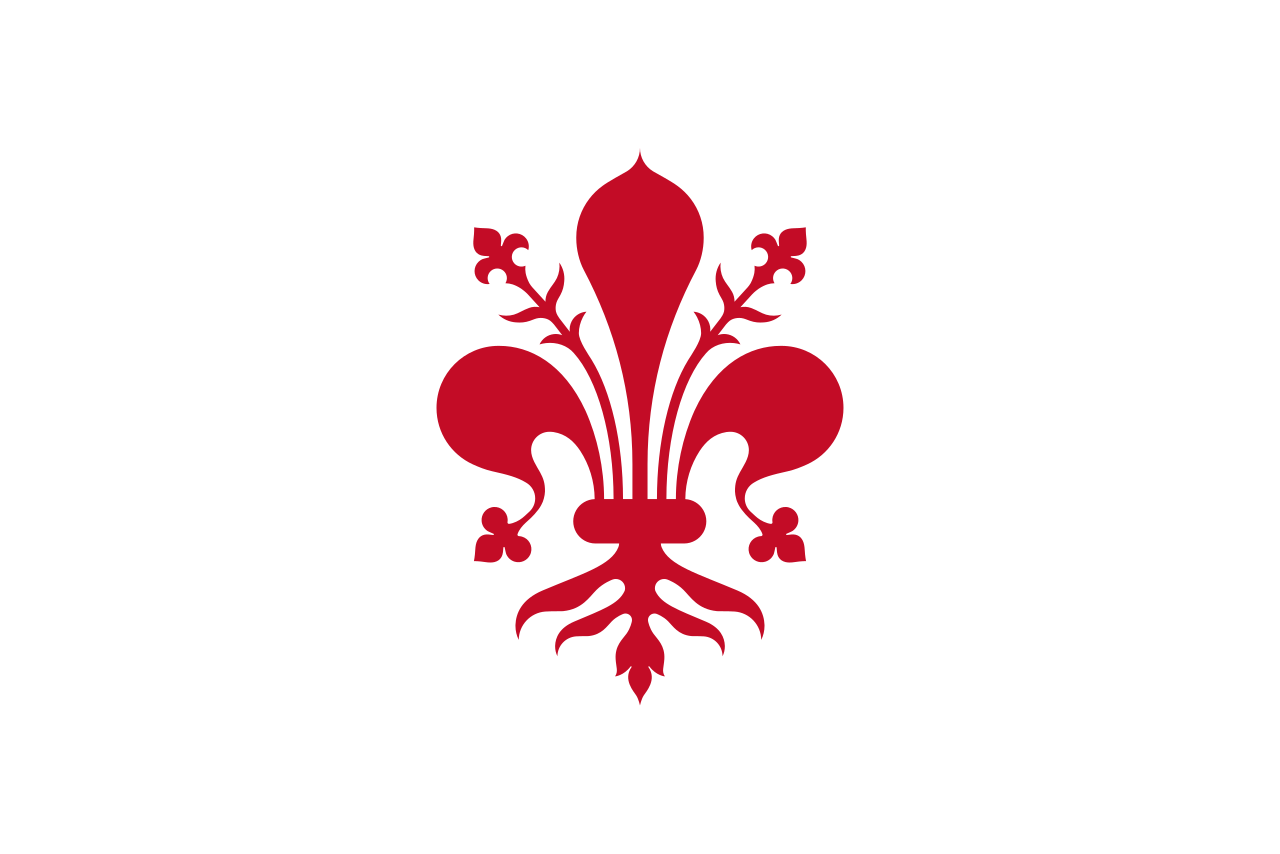
1115 / 1434 - 1569 - Republic of Florence / Lordship of Florence (All Facts)
The political faction of the Guelphs were based here
They struck their first namesake currency after the death of Holy Roman Emperor Frederick II and the temporary collapse of the Holy Roman Empire, which had retained the imperial right and privilege of minting its own coins / currency
There were known for their banking culture, houses and families including the
Peruzzi
Acciauoli
Bardi
In Tuscany and Lombards, their bankers had capitalized on European trade in the 1200s and early 1300s, their firms having been represented throughout Europe
Their bankers collectively lost 1.7M in their namesake currency after having lent that money over time to King Edward III of England, who, despite having borrowed extensively to finance his wars against the Scots and French, he repudiated debt of up to 800K of the namesake currency and effectively imprisoned the namesake banking agents for not collecting on their loans
All three aforementioned banking houses / families declared bankruptcy after this
In 1382, constitutional reform marked the beginning of its power
In 1405, it won access to the sea by buying out the Republic of Pisa
By 1530, the Medici Family was restored to power here by Holy Roman imperial troops
By 1569, it had dissolved and transformed into a duchy

1125 - 1555 - Republic of Siena (All Facts)
The political faction of the Ghibellines were based here
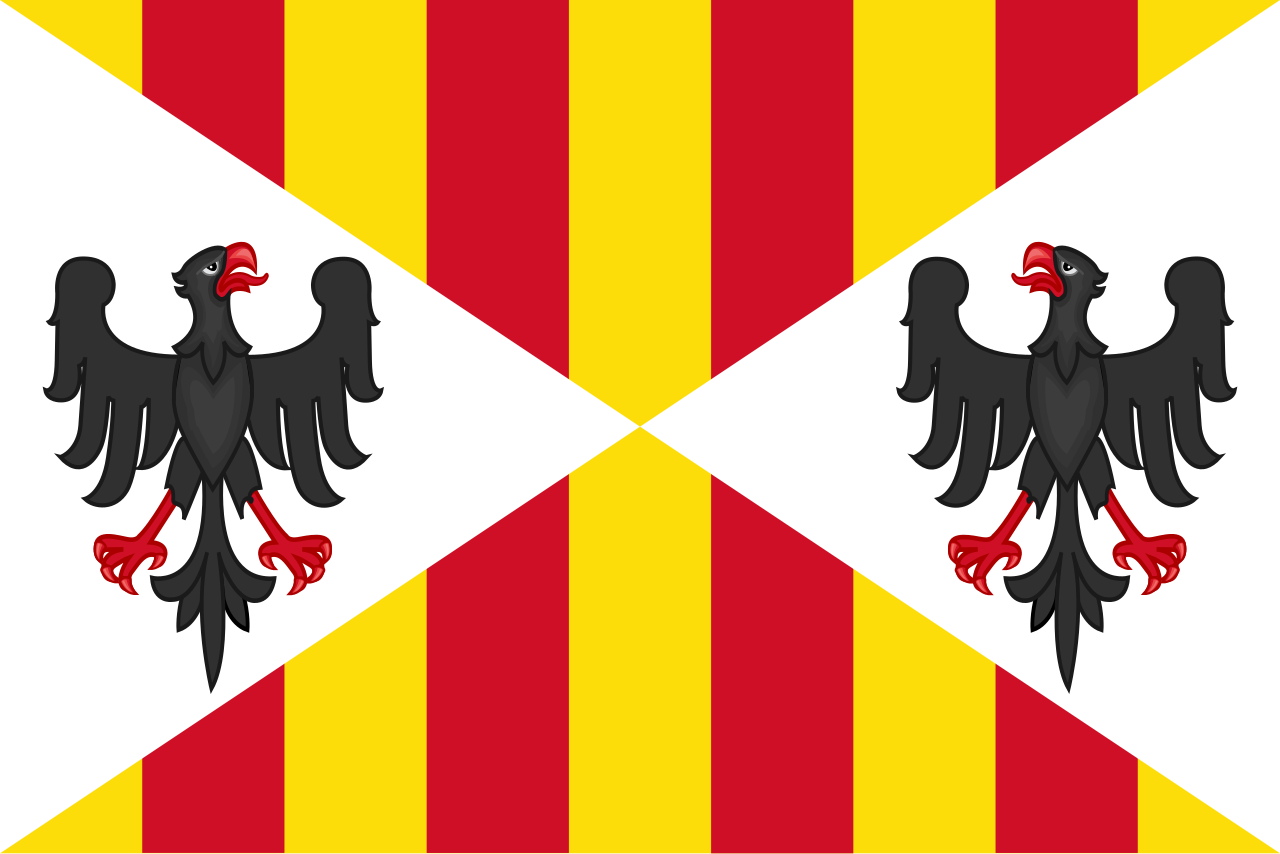
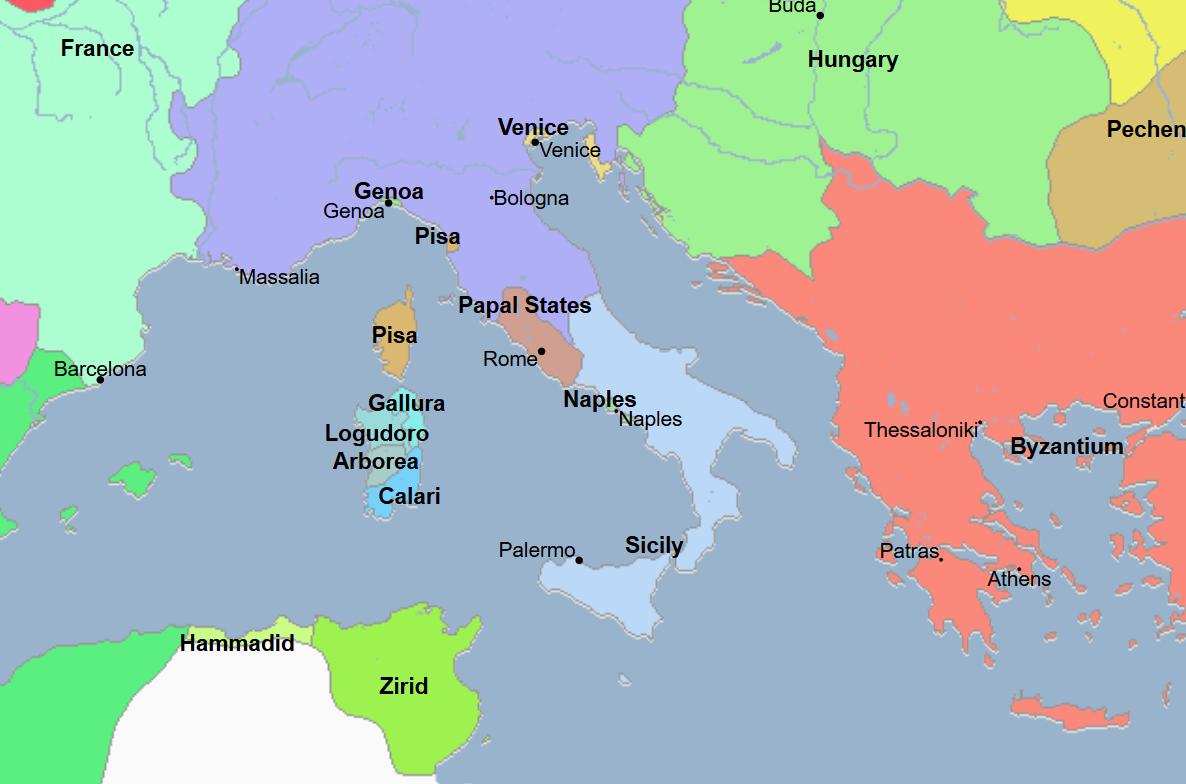
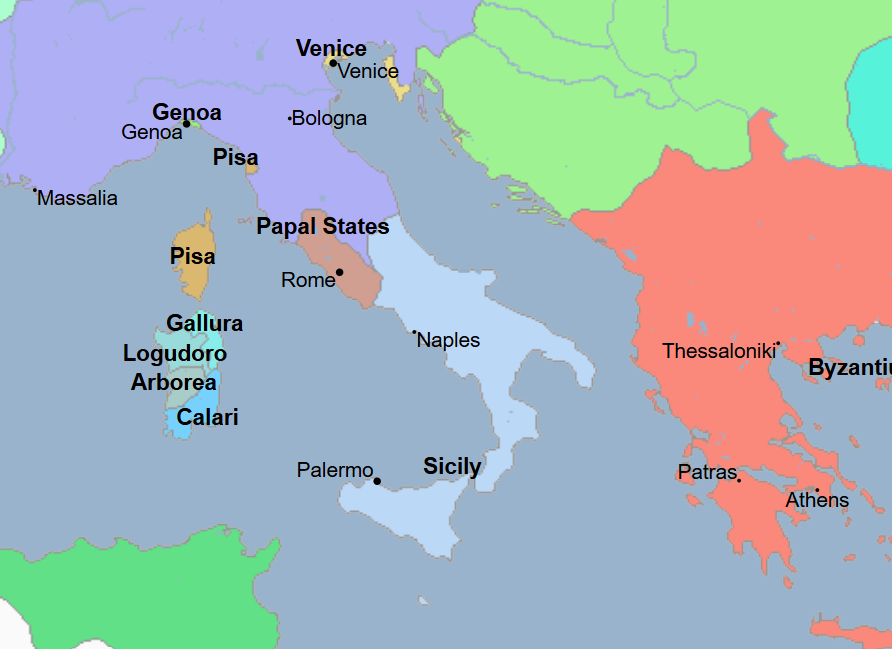
1130 - 1816 - Kingdom of Sicily (All Facts)
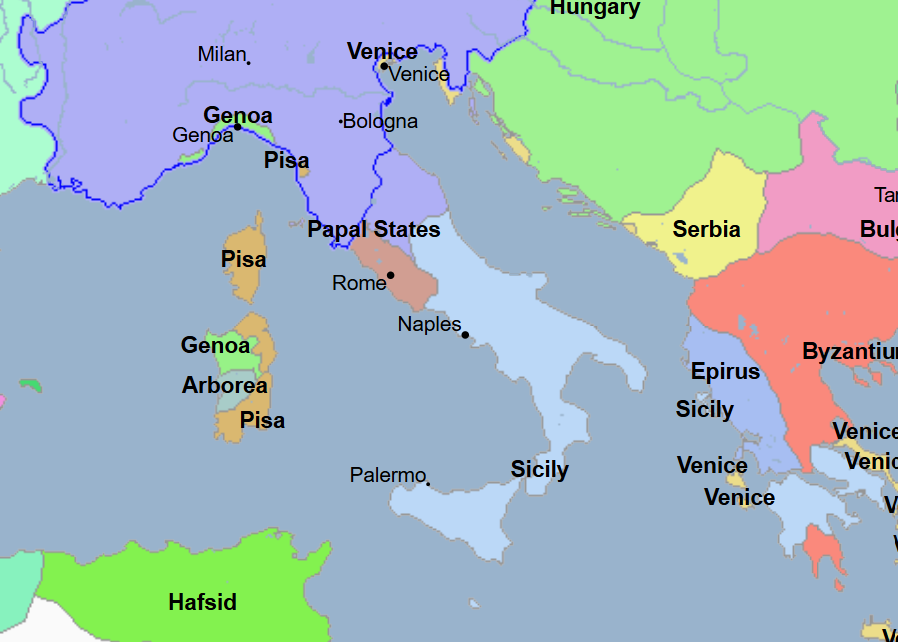
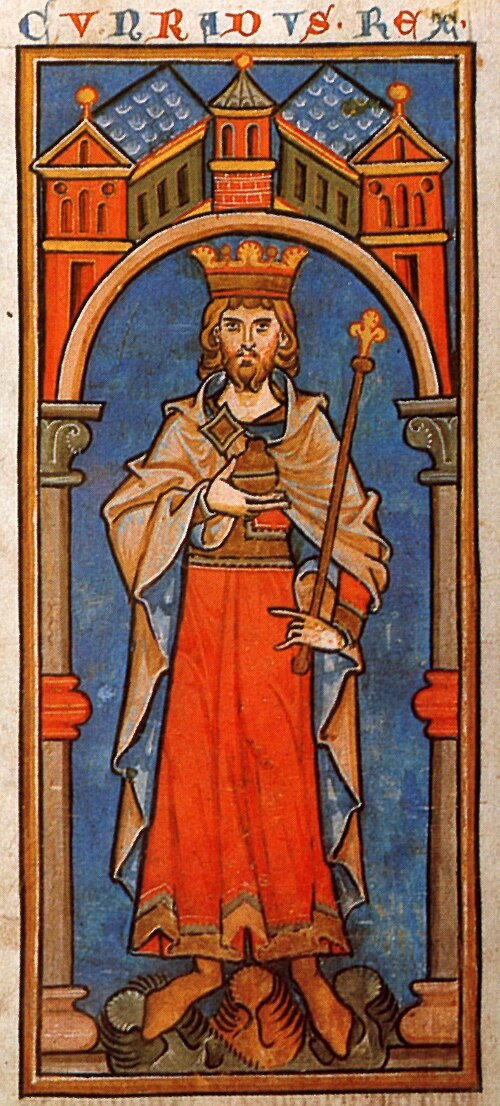
1128 - 1135 - Conrad III (All Facts)
9th King of Italy and First King and Founder of the Hohenstaufen Dynasty, as he was the brother of Frederick Hohenstaufen
When he seized Saxony and Bavaria, civil war ensued
He led the Christian Crusaders in the Second Crusade along with King Louis VII of France
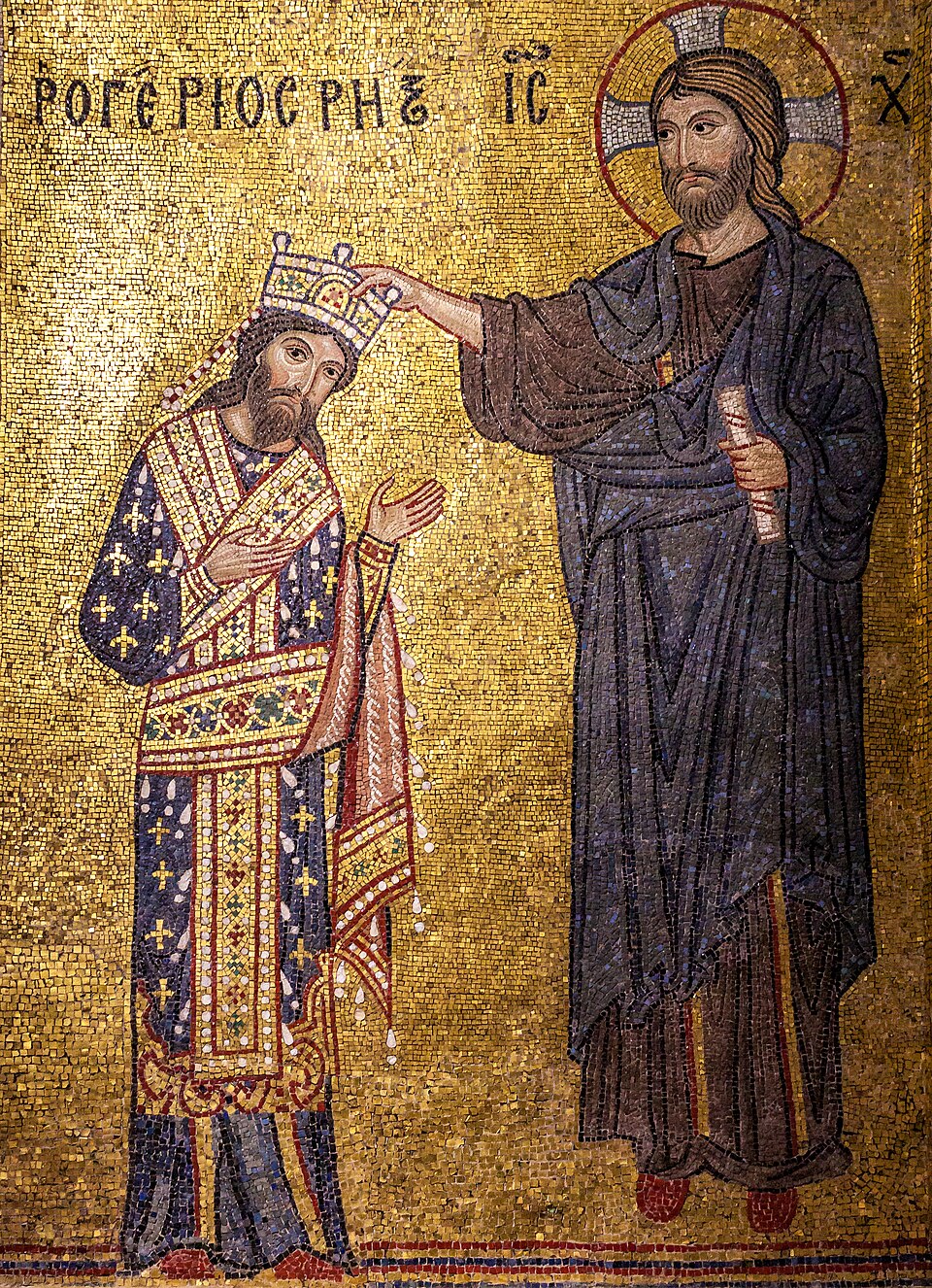
1105 - 1154 - Roger II (All Facts)
First King and Founder of the Kingdom of Sicily, First King of Sicily of the Hauteville Dynasty
He was the 3rd Count of Sicily and 3rd Count of the Hauteville Dynasty
He was the nephew of the great Norman conqueror Robert Guiscard
He was crowned king of Sicily and anointed by the special envoy of the antipope Anacletus II
This coronation was particularly special to the namesake, who gained respectability, but more so to antipope Anacletus II, who gained an influential supporter in his struggle for the true papacy against Pope Innocent II
He was the son of his father and Adelaide
He
inherited Sicily from his father and grand-predecessor who had initially driven out the Muslims
fought the Muslims in North Africa
claimed his inheritance on the death of his cousin, Duke William of Apulia
defeated Pope Honorius II at Benevento
became Duke of Apulia himself
used Sicily as a base to conquer southern Italy
His kingdom stretched from the Abruzzi to Malta and from Tripoli to Kabylia
His Byzantine administration included Greeks, Arabs, and many other races
He took Corfu from the Byzantines
He pillaged Corinth, Athens, and Thebes within the Byzantine Empire
He took Susa and Sfax in Ifriqiyah (Tunisia)
He had the intention of establishing an empire in Africa
In keeping with Norman tradition, he established a feudal power structure
His court was based on the French feudal system
In his highly organized civil service and extravagant court, there was a strong Egyptian and Byzantine influence with rich costumes, a mosaic-encrusted private chapel, and a harem
He oversaw the construction of the Cathedral at Cefalu
He died at Palermo
He was succeeded by his youngest son
He was one of the greatest rulers of his generation
Just 4 years after he died, the Arabs retook Tunisia from him and his kingdom
1154 - 1166 - William (All Facts)
2nd King of Sicily and 2nd King of the Hauteville Dynasty
He was nicknamed “The Bad”
He was the 4th Count of Sicily and 4th Count of the Hauteville Dynasty
He and his forces defeated the Byzantines, backed by Pope Hadrian IV, who capitulated at Benevento afterwards in the Battle of Brindisi
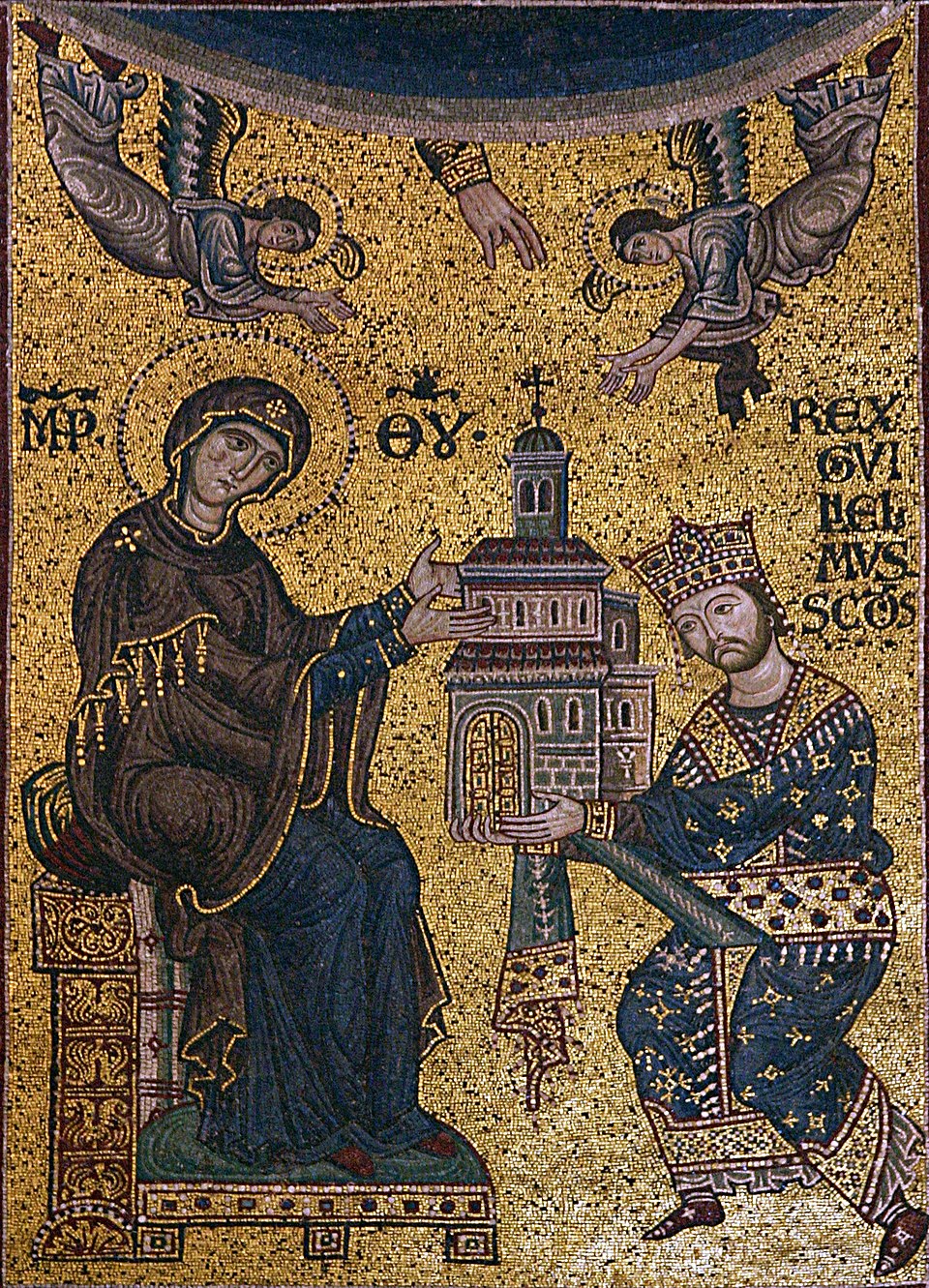
1166 - 1189 - William II (All Facts)
3rd King of Sicily and 3rd King of the Hauteville Dynasty
He was the 5th Count of Sicily and 5th Count of the Hauteville Dynasty
He fought against the Byzantines until he and his forces were defeated in the Battle of Mosinopolis
He aided the Byzantines (Latins) against the Saracens
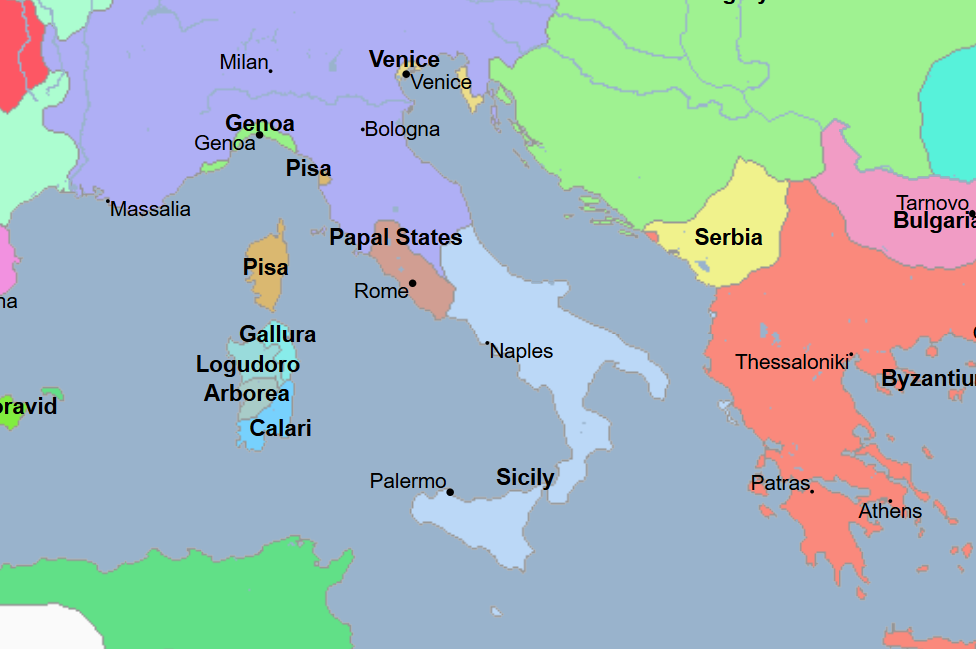
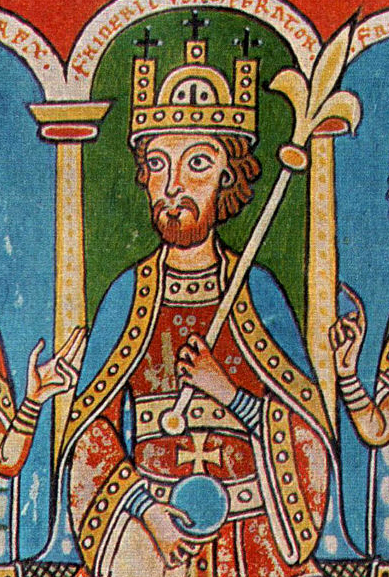
1155 - 1190 - Frederick Barbarossa (All Facts)
10th King of Italy and 2nd King of the Hohenstaufen Dynasty
He was the 21st Emperor of the Holy Roman Empire and First Emperor of the Hohenstaufen Dynasty
He was the nephew of his predecessor
When he was chosen as emperor, he united the two factions of the empire that emerged after the death of Holy Roman Emperor Henry V
He was crowned by Pope Hadrian IV
However, their relations soured when the namesake refused what he regarded as an act of vassalage, involving the comedic tradition in which the kind held the stirrups on the pope’s horse for as far as he could throw a stone as a mark of respect for the head of the church; and in turn Pope Hadrian IV refused to give the namesake the traditional papal kiss of peace
However, he eventually gave in and duly led the namesake pope for a short distance and holding his stirrup
Upon his coronation,
Rome rebelled against him after their delegation said that they would accept him as Emperor for 15K pounds of silver, which he proceeded to refuse
When he arrived at Rome he found the gates of the city closed to him, so he had to trick his way into the Vatican in which a troop of soldiers entered the city by a secret gate and occupied St. Peter’s Basilica
His imperial coronation took place on a Saturday instead of a Sunday, with the soldiers in the congregation whispering their joy rather than shouting it and letting the Romans know what was going on
However, news got out of what was happening and a riot ensued
Upon his coronation, the Romans revolted and crowds streamed across the Tiber River, killing two guards on St. Peter’s b ridge
As a result, he ordered his army to hack their way out of Rome, killing more than 1,000 Romans
He
signed a charter for the University of Bologna, which secured its privileges from the namesake
He
led the siege of Crema, in which he
sought to end Crema’s status as one of the many powerful independent Italian city-states
cruelly ordered
prisoners, including children, to be tired to huge siege machines and hurled at the walls of Crema
the heads of decapitated prisoners to be thrown around by his troops
the mass hanging of prisoners, only to see his own soldiers swinging from gallows as a result
child hostages to be brought to the front line
his troops to raze the city of Crema to the ground after it had opened its gates
seized and destroyed Milan; its inhabitants were dispersed between four villages
seized Rome, forcing Pope Alexander III to flee
helped assemble troops for the Third Crusade along with Henry II of England and Philip Augustus of France
He organized the Third Crusade on the orders of Pope Gregory VIII in which he
helped assemble troops for the Third Crusade along with Henry II of England and Philip Augustus of France
fought in the Third Crusade and died as he would have wished, on the battlefield on a crusade to save the Latin Kingdom of Jerusalem
During the Third Crusade, his army had been harried by Turkish tribesmen and suffered badly from hunger and intense heat from the moment they left the Dardanelles straits
He
long sought to establish his antipope Victor IV over Pope Alexander III himself, or the antipope successor to Victor IV, Paschal III
He sought support from King Henry II of England and King Louis VII of France
He succeeded in driving Pope Alexander III into exile in Sicily, although he failed in his attempt to win a decisive victory over his forces in Italy
was defeated by the Lombard League in the Battle of Legnano, in which he concluded the terms of the peace treaty at Agnani with Pope Alexander III of whom he kissed the feet to symbolize his acceptance of and submission to papal authority as thousands watched him do so in St. Mark’s Square
He
once said that “you men of Rome make large demands on our emptied treasury”
He died on the battlefield of the Third Crusade where he was eventually drowned as his body was found on a river bank as a result
His men believed he was thrown from his horse and sunk by his weighty armor
His army approached the port of Seleucia, nearly exhausted after crossing the Taurus mountains, when he died
After he died, his demoralized commanders turned back around, thus the Third Crusade failed
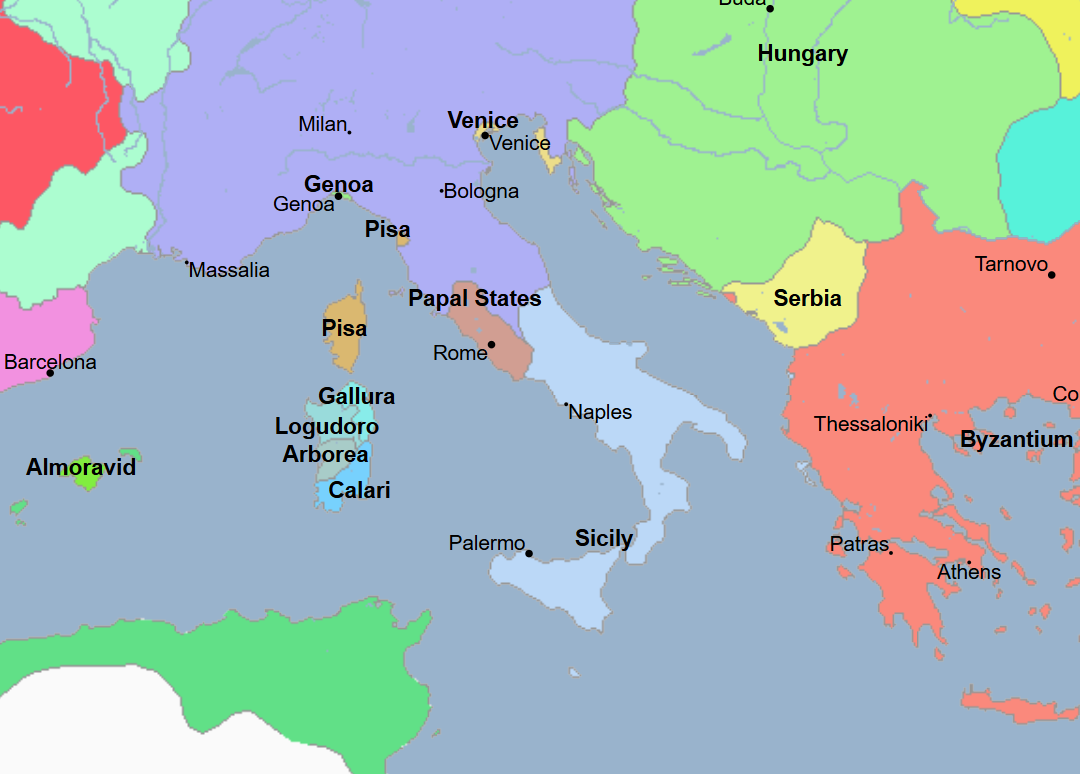
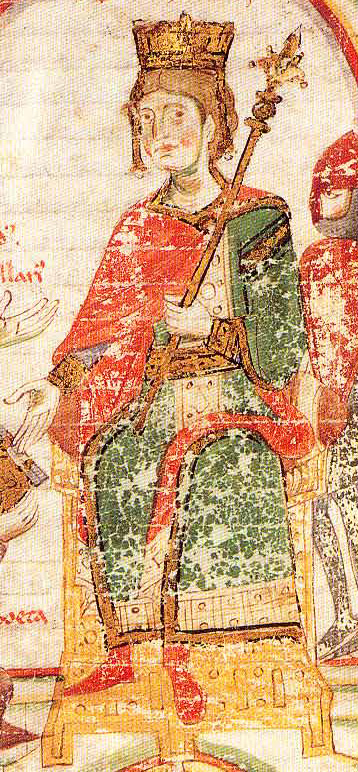
1186 - 1197 - Henry VI (All Facts)
11th King of Italy and 3rd King of the Hohenstaufen Dynasty and 6th King of Sicily, from the Hohenstaufen Dynasty
He was the 22nd Emperor of the Holy Roman Empire and 2nd Emperor of the Hohenstaufen Dynasty
He was crowned Holy Roman Emperor by Pope Celestine III at Palermo
He granted wide concessions to win Pope Celestine III’s cooperation in the preservation of the union of the Holy Roman Empire with the Kingdom of Sicily
He imprisoned Richard Lionheart of England after the Third Crusade and demanded a ransom from England of 150K gold for his release, most of which he secured
He was threatened to be excommunicated by Pope Celestine III for this act
He died at Messina
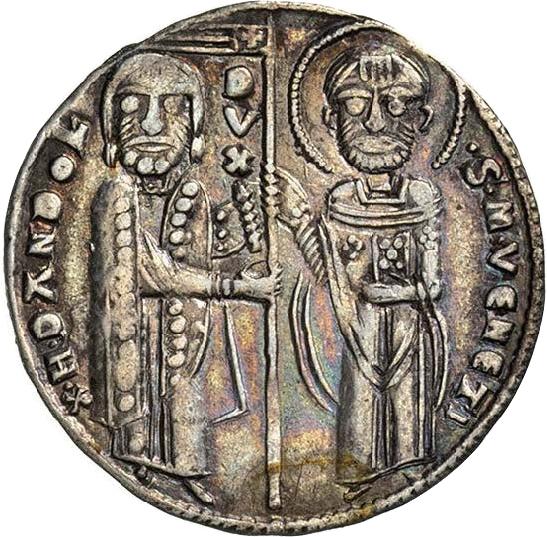
1192 - 1205 - Enrico Dandolo (All Facts)
Doge of Venice
For the Fourth Crusade, he contracted to supply ships for 30K men, but only 10K men volunteered
Thus, the decision by the Crusaders was to attack and establish new crusader states in the Byzantine Empire rather than in Palestine under the Ayyubid Sultanate
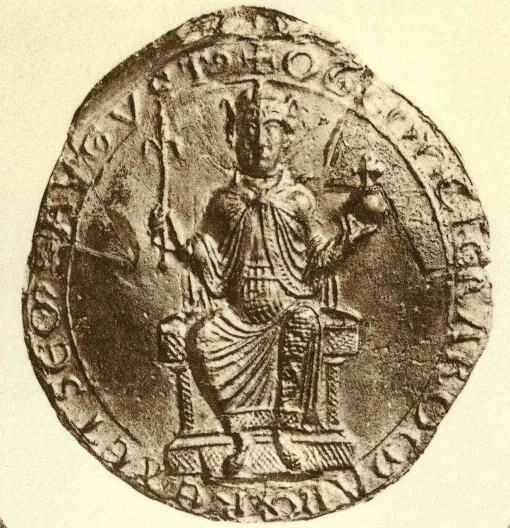
1208 - 1212 - Otto IV (All Facts)
12th King of Italy and sole ruler of the House of Welf
He was the 23rd Emperor of the Holy Roman Empire and sole imperial ruler of the House of Welf
Upon his assumption to the throne, he fought over the throne with Philip of Swabia, the typical Hohenstaufen successor and civil war ensued
He was eventually recognized and crowned as emperor by Pope Innocent III after the murder of his rival Philip of Swabia
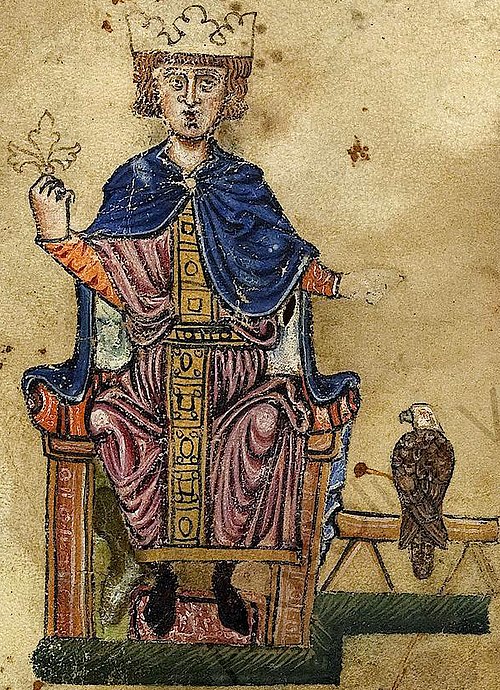
1212 - 1250 - Frederick II (All Facts)
7th King of Sicily, from the Hohenstaufen Dynasty
24th Emperor of the Holy Roman Empire, from the Hohenstaufen Dynasty
He was not King of Italy, but he held control over Italy
He was crowned with papal backing by Pope Innocent III
He was officially crowned by Pope Honorius III after he promised to go to the aid of the Fifth Crusade
However, he was excommunicated twice by Pope Honorius III for his delayed crusading
The first time he vowed to fight for the Holy Land, he did not succeed in getting away as expected
The second time he vowed to fight for the Holy Land, he said he would be ready to sail, but then got distracted by domestic problems and the Mongol invasions
This was the first time was excommunicated by Pope Gregory IX
The third time he set a date to fight for the Holy Land, his troops did indeed sail from Brindisi but went without him for he was unwell in Otranto and without him, many of his troops were demoralized
This was the second time he was excommunicated by Pope Gregory IX, for crusading while excommunicated
When he did eventually arrive in Jerusalem for the Sixth Crusade, having arrived in the Christian port of Acre, he did not have much of an army with him
As King of Germany, he paid little to no attention to it, leaving it instead in the hands of the nobles, and thus led to it a period of political instability
He instead concentrated on the reorganization of Sicily and northern Italy, which led the Vatican to suspect that it was his potential target in the middle
His delayed efforts to fight in the Fifth and Sixth Crusades were explained by his clandestine diplomatic contact with the Ayyubid Sultan Al-Kamil, in which he tried to negotiate with the “infidel” to organize a bloodless coup
He had Al-Kamil and the Ayyubid Sultanate sign the Treaty of Jaffa to end the Sixth Crusade, resulting in a bloodless coup, a novelty in the history of the Crusades, whose protagonists usually preferred to do things the hard way
He experienced significant disgrace for his choice to negotiate with Al-Kamil and the Ayyubid Sultanate that culminated in the Treaty of Jaffa
He was publicly denounced as the Antichrist
He was excommunicated a third time for dealing with an infidel
Under his reign
His son and vice-regent of the Holy Roman Empire Henry revolts against him and makes an alliance with the Lombard League
He then had his son and vice-regent Henry deposed and imprisoned
He then defeated the armies of the Lombard League
The University of Padua was founded
The University of Rome was founded
The University of Siena was founded
He and his forces fought against and defeated Pope Gregory IX and the Papacy in the War of the Keys
In the (First) Council of Lyon, he was condemned, deposed, and found guilty of sacrilege and suspected of heresy, and a crusade was called against him as a result by Pope Innocent IV
He was a scholarly king with a scientific curiosity and a serious student of natural science
He wrote a treatise on falconry that is a model of natural history for its combined learning and observation
In one experiment he conducted, he raised children in silence in an effort to discover what language was spoken by Adam and Eve
This, of course, was extremely cruel to those children
He died at Castel Fiorentino near Lucera
There were sighs of relief throughout the Vatican afterwards given how much they had to excommunicate him
After his deposition, there was an interregnum of nearly 30 years
He thus left his heirs the task of sorting out a chaotic Europe
Following his death, rebellions broke out in northern Italy against the feudal lords there
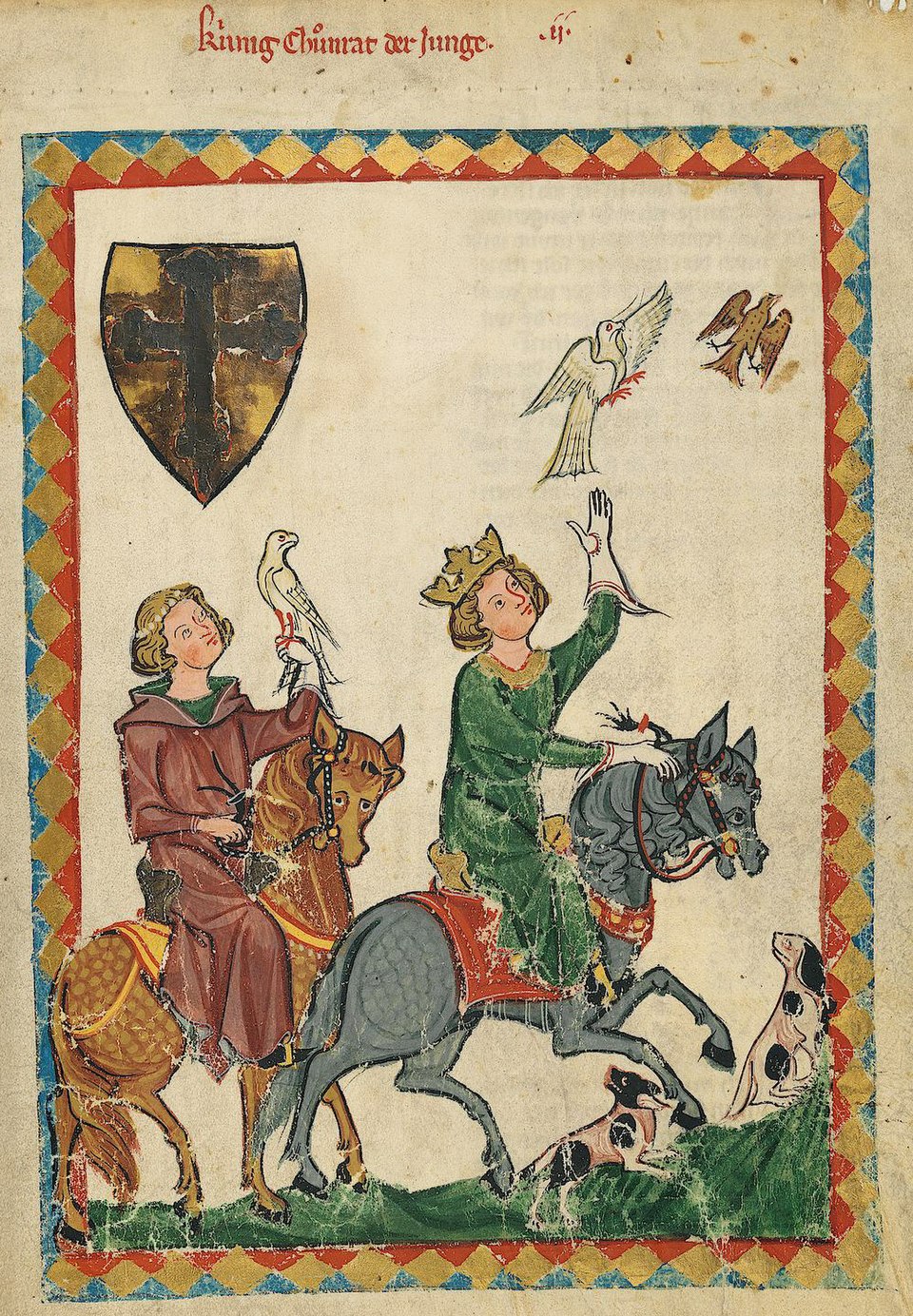
1254 - 1258 - Conradin (All Facts)
10th King of Sicily, from the Hohenstaufen Dynasty
He and his forces (and the Ghibellines) were defeated after his attempted invasion of Italy by King Charles of Anjou of Sicily and the Guelphs in the Battle of Tagliacozzi
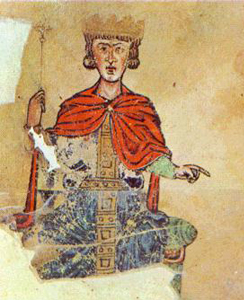
1258 - 1266 - Manfred (All Facts)
11th King of Sicily, he was the final ruler of Sicily from the Hohenstaufen Dynasty
He and his forces were defeated and he was killed defending the throne from his namesake successor and his namesake successor’s forces in the Battle of Benevento
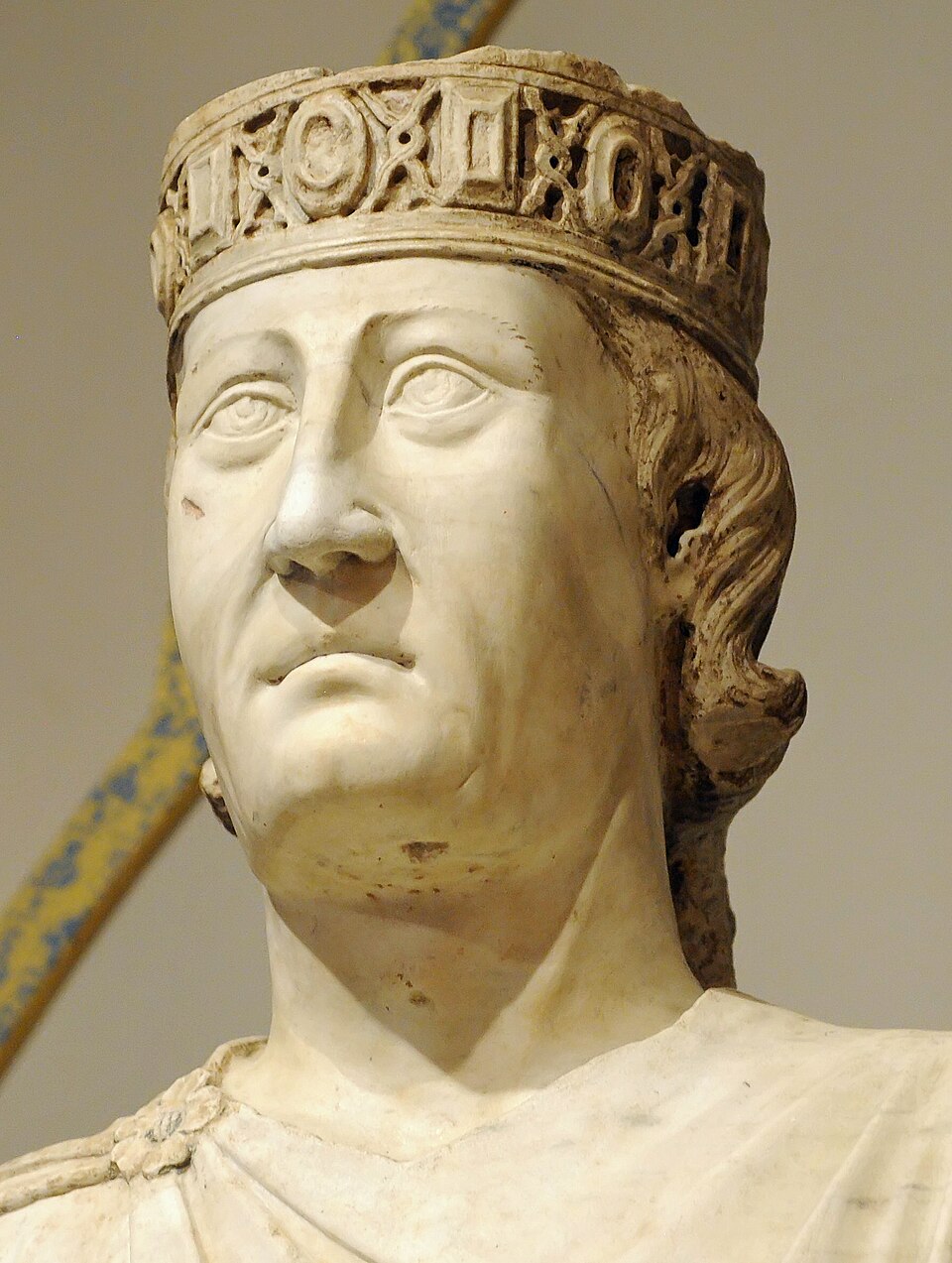
1266 - 1282 - Charles of Anjou (All Facts)
12th King of Sicily and sole ruler of the House of Anjou of Sicily
As Count of Anjou, Maine, and Provence, he
was the younger brother of King Louis IX of France
subjugated Piedmont
was groomed by Pope Urban IV for the role of papal champion against Holy Roman influence in Italy
was elected Senator for life by the Romans
He and his forces defeated and killed his namesake predecessor and his forces in the Battle of Benevento
He was then invested with the crown of Sicily by Pope Clement IV
From there, he entered the Kingdom of Naples and ruled over it
He founded his namesake dynasty in Sicily, of which he was the sole ruler; but which derives from the Capetian Dynasty of France
He and his forces defeated Conradin (the final ruler of the Hohenstaufen Dynasty and the namesake’s namesake grand-predecessor) in the Battle of Tagliacozzo
From there, he became “Master of Tuscany”
He died losing Sicily and failing to realize his hopes of conquest in the east
His heir, Charles “The Lame” was being held captive in Aragon by Peter III, who would become his real successor
Upon his death, the War of the Sicilian Vespers broke out
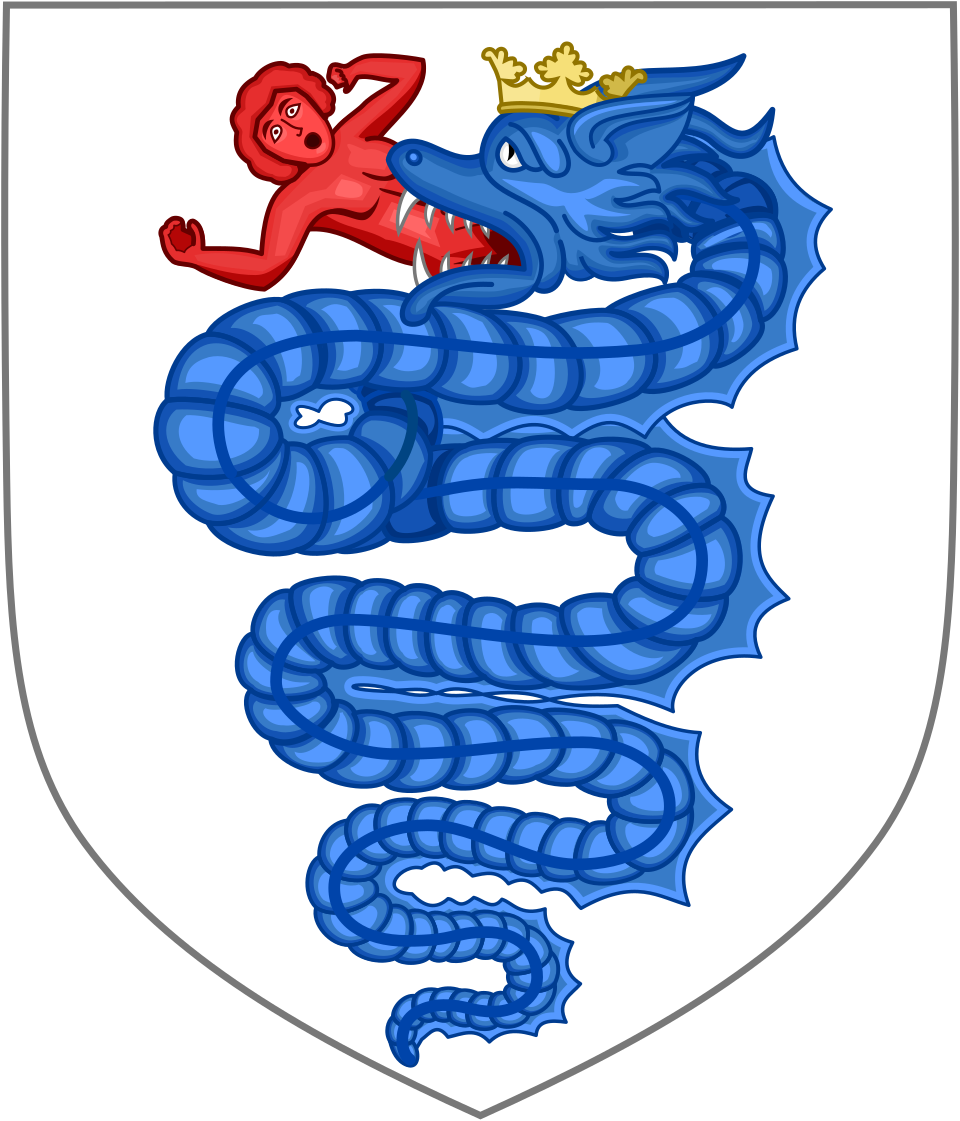
1277 - 1447 - Visconti Family (All Facts)
Italian Noble Family that ruled the Duchy of Milan
Their power grew during the early 1300s
They won a victory over Mastino delle Scala, the ruler of Verona
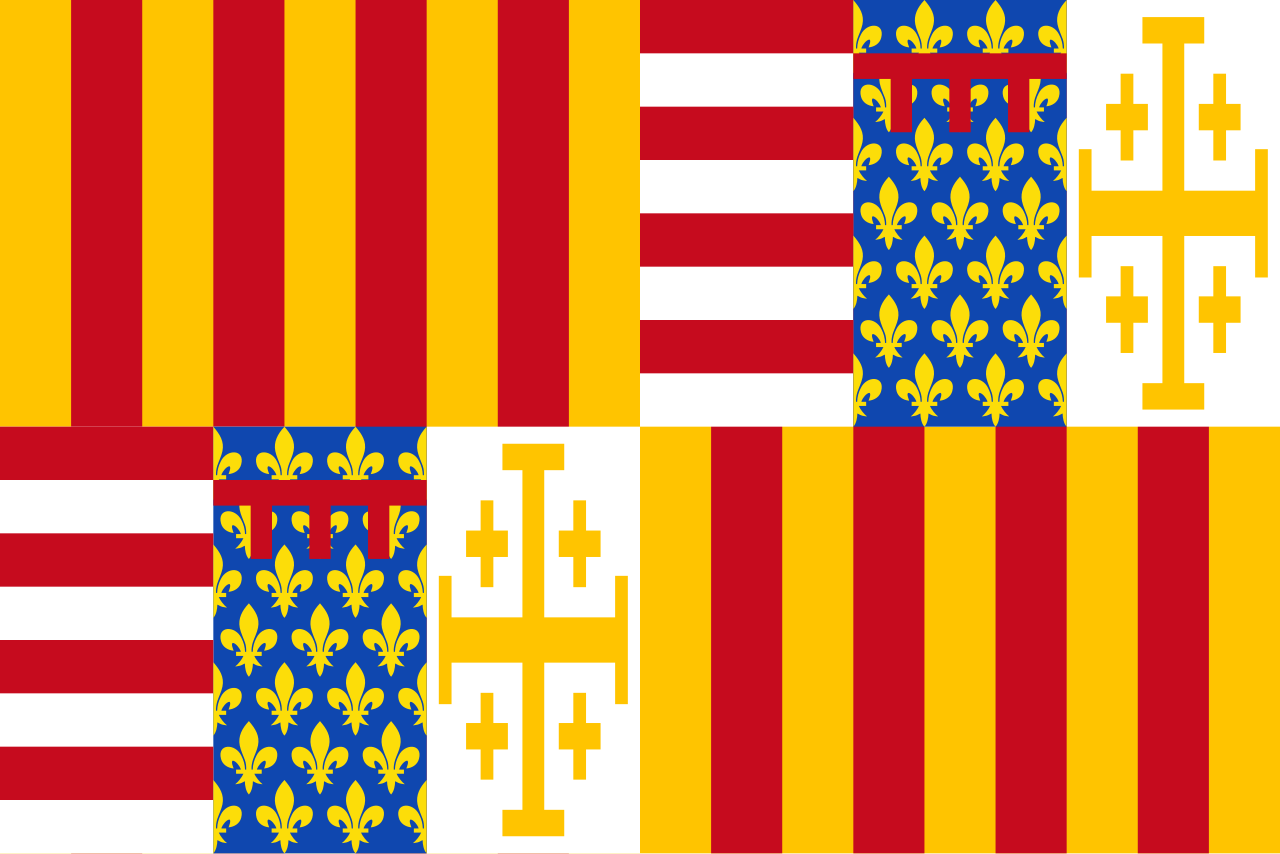
1282 - 1806 - Kingdom of Naples (All Facts)
In 1622, it was thrown into turmoil by a series of social disturbances resulting from famine and economic problems
1282 - 1285 - Peter I / Peter III of Aragon (All Facts)
13th King of Sicily, and First King and Founder of the House of Barcelona in Sicily
He notably co-ruled with Constance II, daughter of his grand-predecessor King Manfred of Sicily
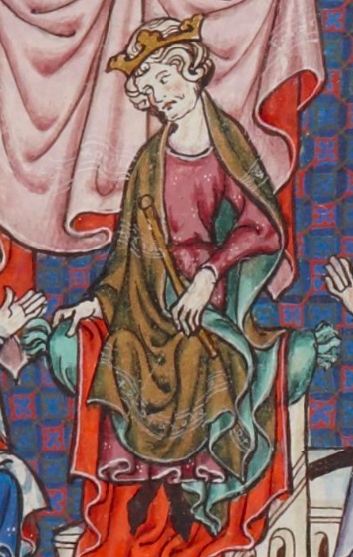
1285 - 1295 - James / James II of Aragon (All Facts)
14th King of Sicily, and 2nd King of the House of Barcelona in Sicily
He renounced the throne and his namesake brother succeeded him
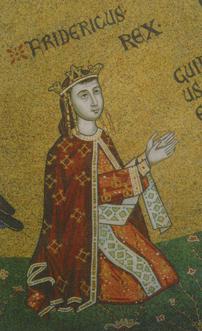
1295 - 1337 - Frederick III (All Facts)
15th King of Sicily, and 3rd King of the House of Barcelona in Sicily
Upon giving up his claims of Sicily to the Pope, the Pope gave him Corsica and Sardinia in exchange
When Charles of Valois of France invaded his kingdom of Sicily, with papal support, he agreed to Charles of Valois’s terms and thus under his reign, the War of the Sicilian Vespers ended
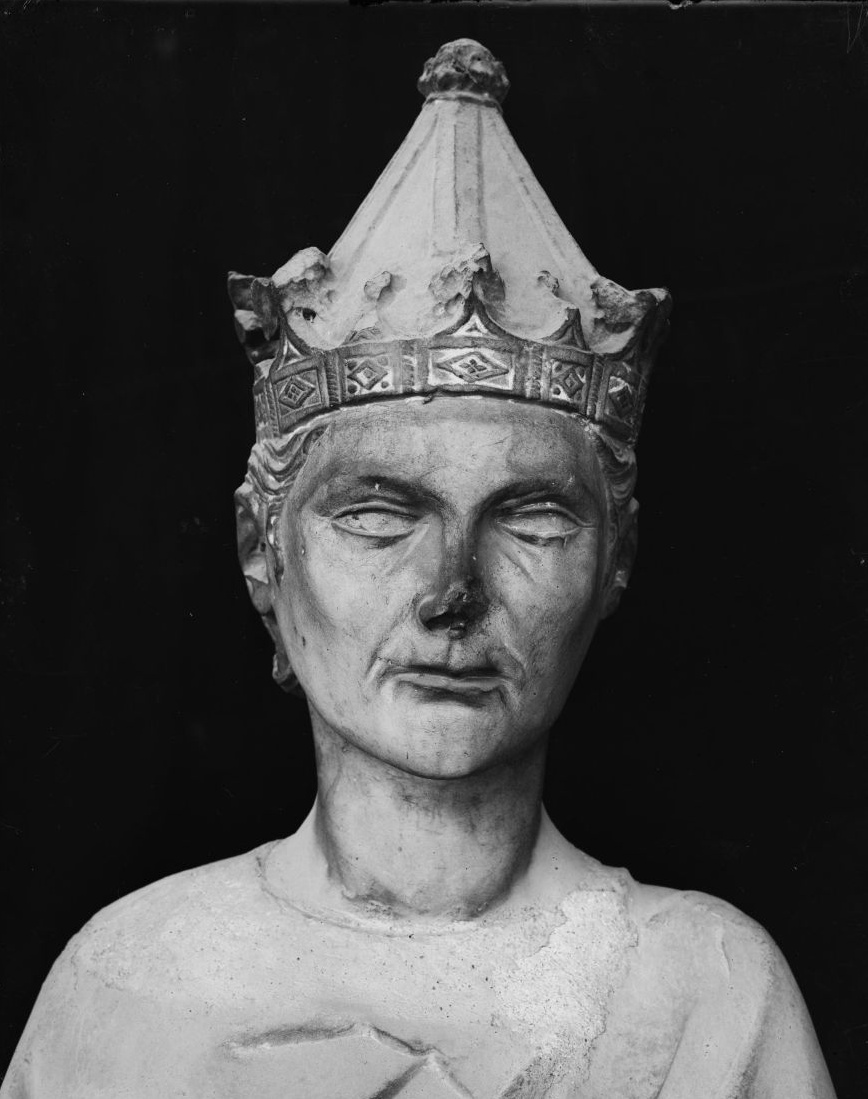
1311 - 1313 - Henry VII (All Facts)
13th King of Italy, from the House of Luxembourg
He died near Siena, not having fulfilled his ambition to revive Holy Roman imperial power in Italy
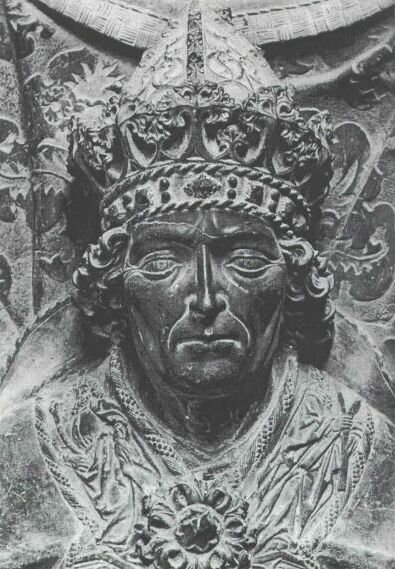
1327 - 1347 - Louis IV of Bavaria (All Facts)
14th King of Italy, from the House of Wittelsbach
He was “deposed” de facto by Pope Clement VI and replaced by his successor, but kept ruling de jure over most of Italy that supported him
When he was killed in an accident, his successor took full control of the Kingdom of Italy
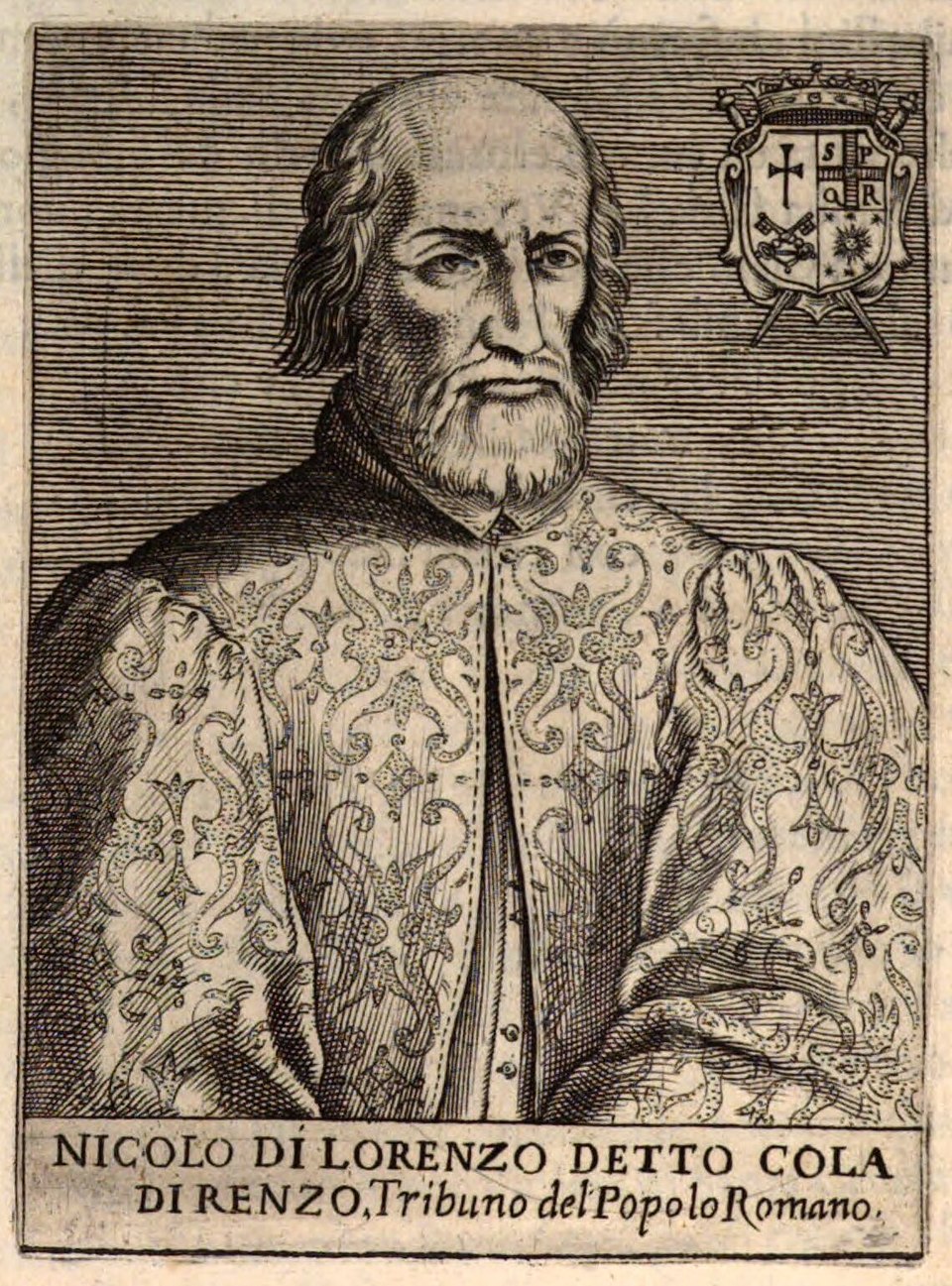
1347 - 1354 - Cola di Rienzo (All Facts)
Italian Politician and Leader, who styled himself as the "tribune of the Roman people"
He was a demagogue whose ambition to revive Rome’s classical role as the capital of Italy led him to be given power by the people as he took the aforementioned title
He attempted to set up a Roman Republic independent of the papacy
He was an innkeeper’s son who dreamt of freeing Rome and uniting Italy
He had succeeded in convening an assembly of the people which elected him tribune and expelled the ruling nobles from the city
He then went on to challenge papal authority
He was imprisoned, but quickly regained favor and once again ruled Rome
Prison did much damage to his charisma, however, in which he emerged fat and flabby with a huge paunch, his eyes wild and bloodshot from heavy drinking
It did not help his image with the sober Romans that he even washed in wine
When he ruled Rome a second time after prison, he lost favor when he tried to introduce tax increases
Thereafter, a mob surrounded the Capitol, calling “death to the tyrant” and stoning him when he appeared on the balcony and tried to convince them that he, too, was a plebeian
When he tried to escape, using tied tablecloths as a rope, that ruse failed, and he resorted to cut off his beard and disguise himself as a woman before the crowed fell on him
He was stabbed to death by his former supporters
During his lifetime, he advocated for the unification of Italy
This led to the namesake’s re-emergence in the 19th century as an iconic figure among leaders of liberal nationalism for Italy and for Italians
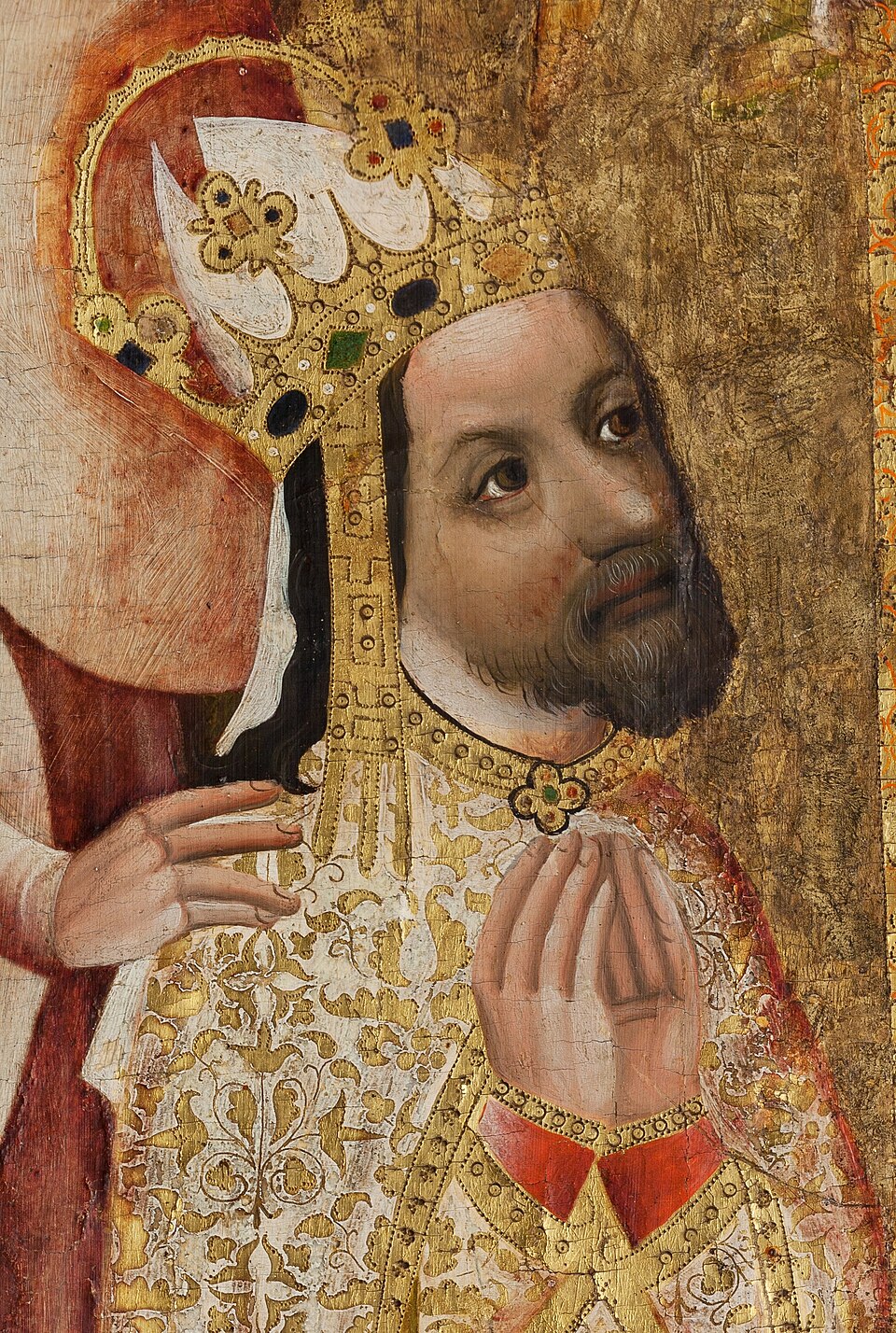
1355 - 1378 - Charles IV (All Facts)
15th King of Italy, from the House of Luxembourg
Elected at the instigation of Pope Clement VI, who “deposed” the namesake’s predecessor
He arrived in and left Rome in one day, crowned Holy Roman Emperor by a papal legate
His haste was mocked by the Italians, demonstrating that he has abandoned any pretensions to real imperial authority in Italy
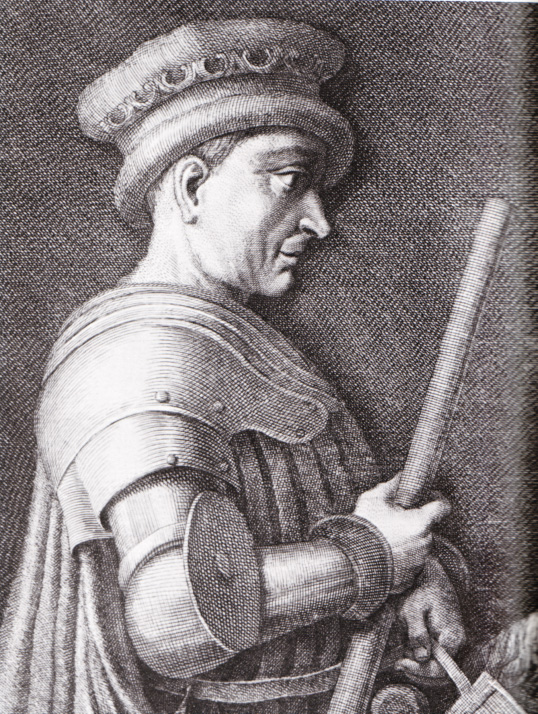
1321 - 1394 - John Hawkwood (All Facts)
English Mercenary Leader of Italians
His troops were a force to be reckoned with in the politics of northern Italy
He died and was buried in an elaborate cathedral tomb
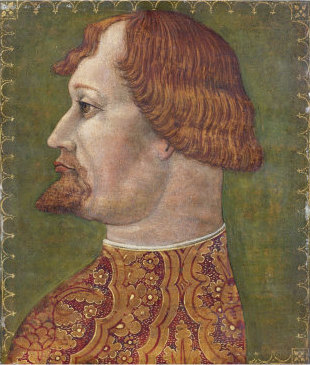
1378 - 1402 - Gian Galeazzo Visconti (All Facts)
First Duke and Founder of the Duchy of Milan
He bought this title from King Wenceslas IV of Germany, which gave the namesake the status of a legitimate prince
Italian Statesman
He was a Lombard noble whose military prowess was outshone by his diplomatic skill and ruthless cunning
He could have been “King of Italy” had it not been for Florence’s resistance to his rule
He dominated Northern Italy in his day
He inherited the lordships of Pavia (was tyrant of Pavia) and other northern Italian cities
He married Isabel of Valois, the daughter of the king of France
When she died, he married the daughter of his powerful uncle Bernabo, whom he imprisoned to acquire all the Visconti lands
He tricked his uncle Bernabo, the ruler of Milan, into captivity, and reunited the Visconti Family’s lands, which had been divided between his father and uncle Bernabo
He then took possession of Perugia, Spoleto, and Assisi
He married his daughter to Louis of Orleans, the brother of the king of France
He made more judicious alliances and, with a minimum of military effort, won control of almost every important city in northern Italy
He was recognized by Wenceslas as Duke of Milan and Lombardy
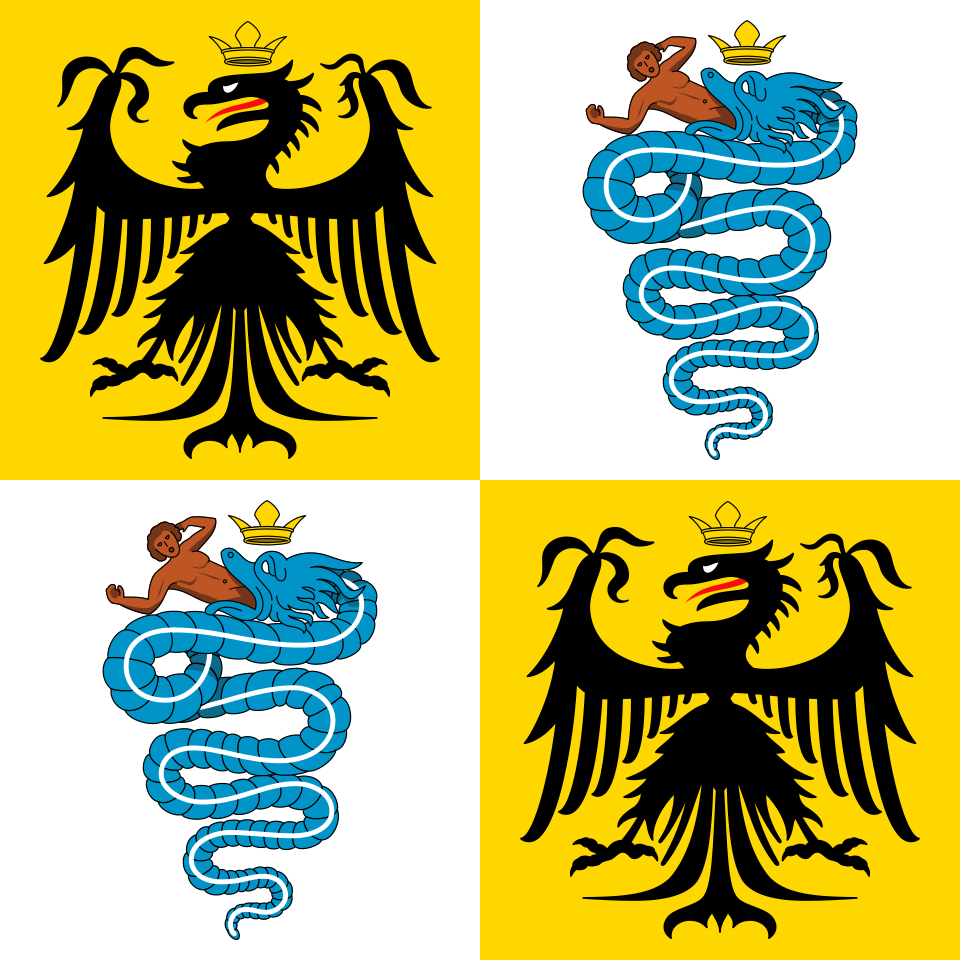
1395 - 1796 - Duchy of Milan (All Facts)
Founded by Gian Galeazzo Visconti
Controlled by the
Visconti Family
Sforza Family
Habsburg Family
They established a Holy League alongside the Republic of Venice, Spain, the Holy Roman Empire, and the Papacy against King Charles VIII of France after he had seized the Kingdom of Naples; prompting the Italian Wars
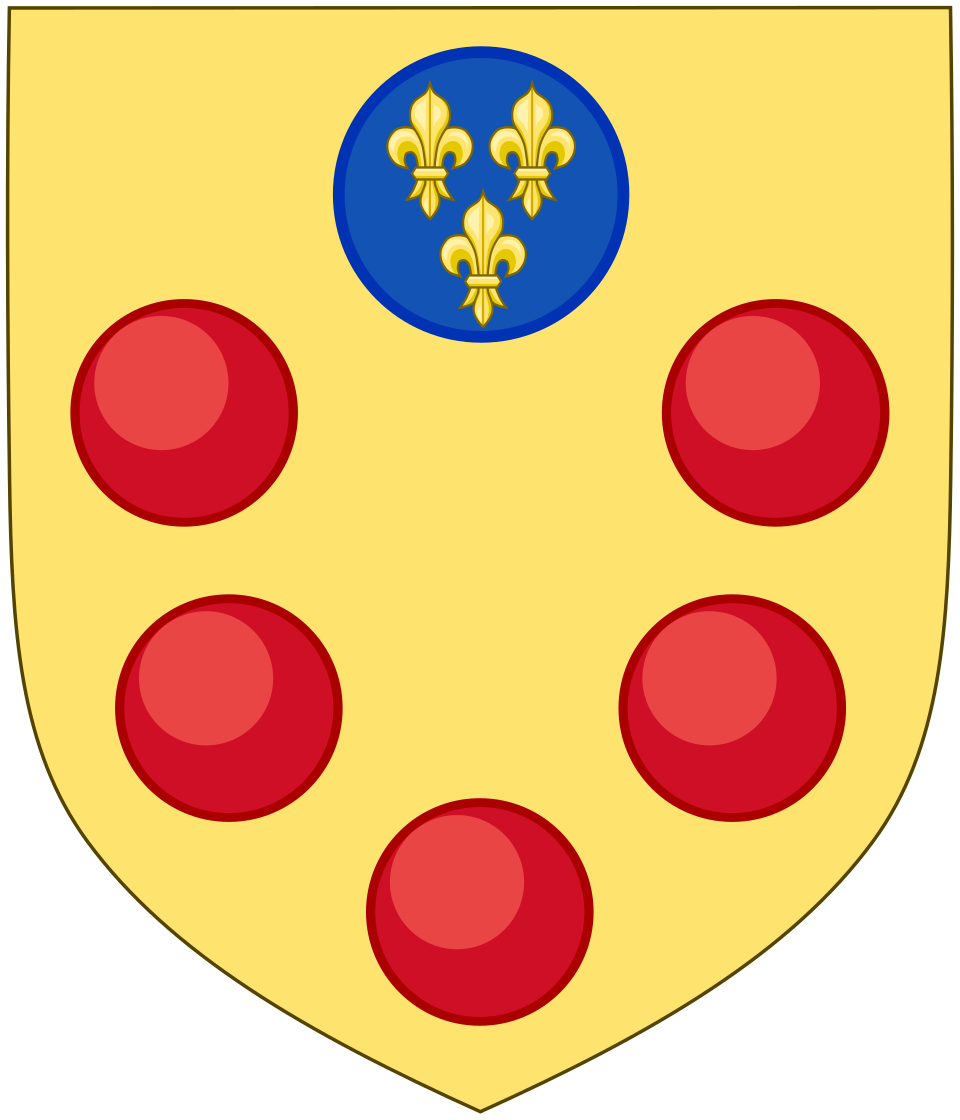
1400s - 1700s - Medici Family (All Facts)
Ruling Family which supported Pope John XXIII
Family of bankers and wool merchants
They took Florence and made it a lordship by 1434
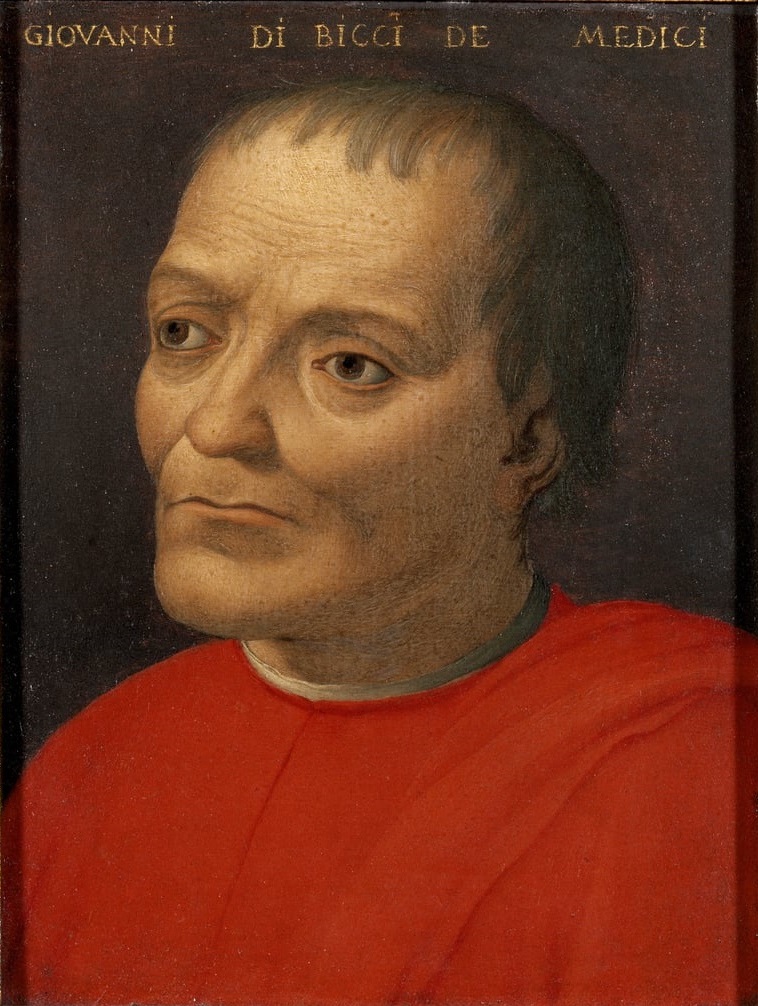
1360 - 1429 - Giovanni de Medici (All Facts)
Founded the Medici Bank
Father of Cosimo de Medici
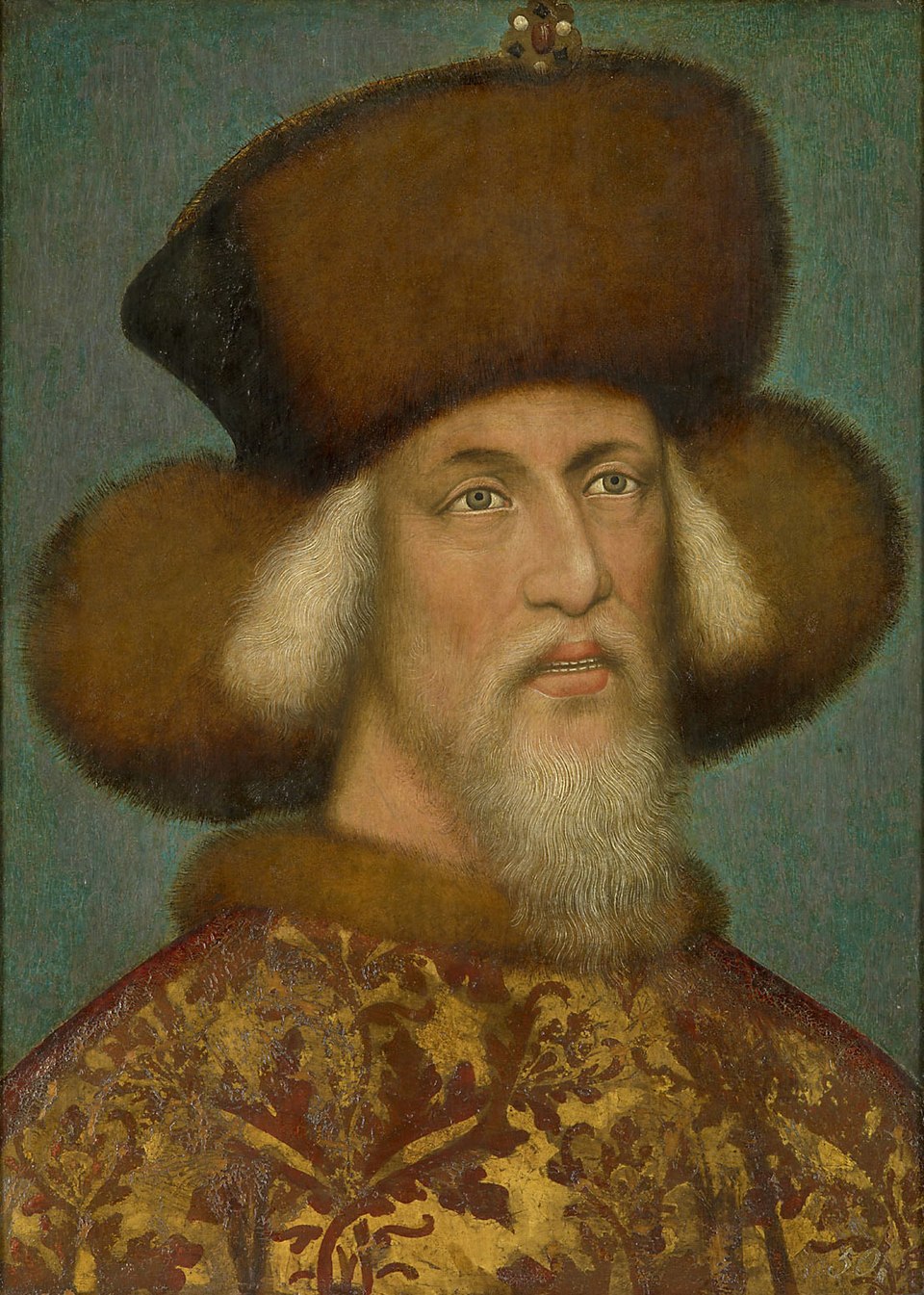
1431 - 1437 - Sigismund (All Facts)
16th King of Italy, from the House of Luxembourg
He helped secure unity amongst the Catholic Church, for political reasons
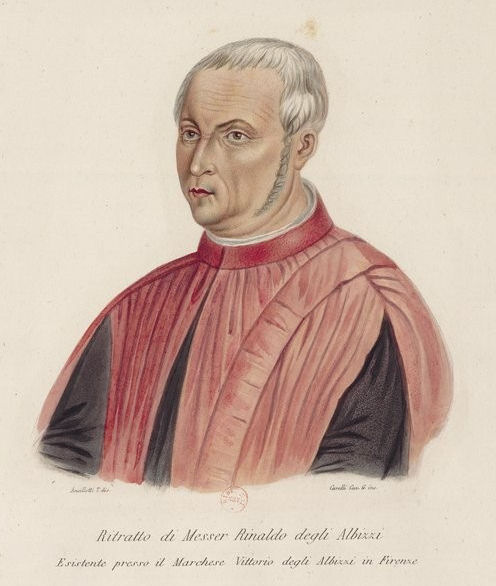
1370 - 1442 - Rinaldo degli Albizzi (All Facts)
He was the main political opponent of Cosimo de Medici within the Republic of Florence
He had Cosimo de Medici exiled at one point
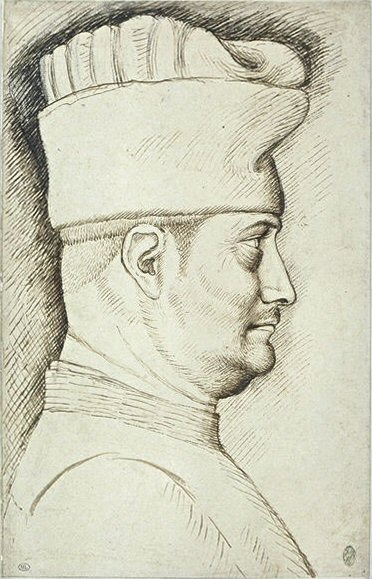
1412 - 1447 - Filippo Maria Visconti (All Facts)
3rd Duke of Milan
He subjugated the Republic of Genoa as part of his campaign to restore the duchy of Milan, which fragmented into city-states after the death of his predecessor as Duke of Milan
Upon his death, the last of the male line of the Visconti family, a republic is proclaimed by the citizens
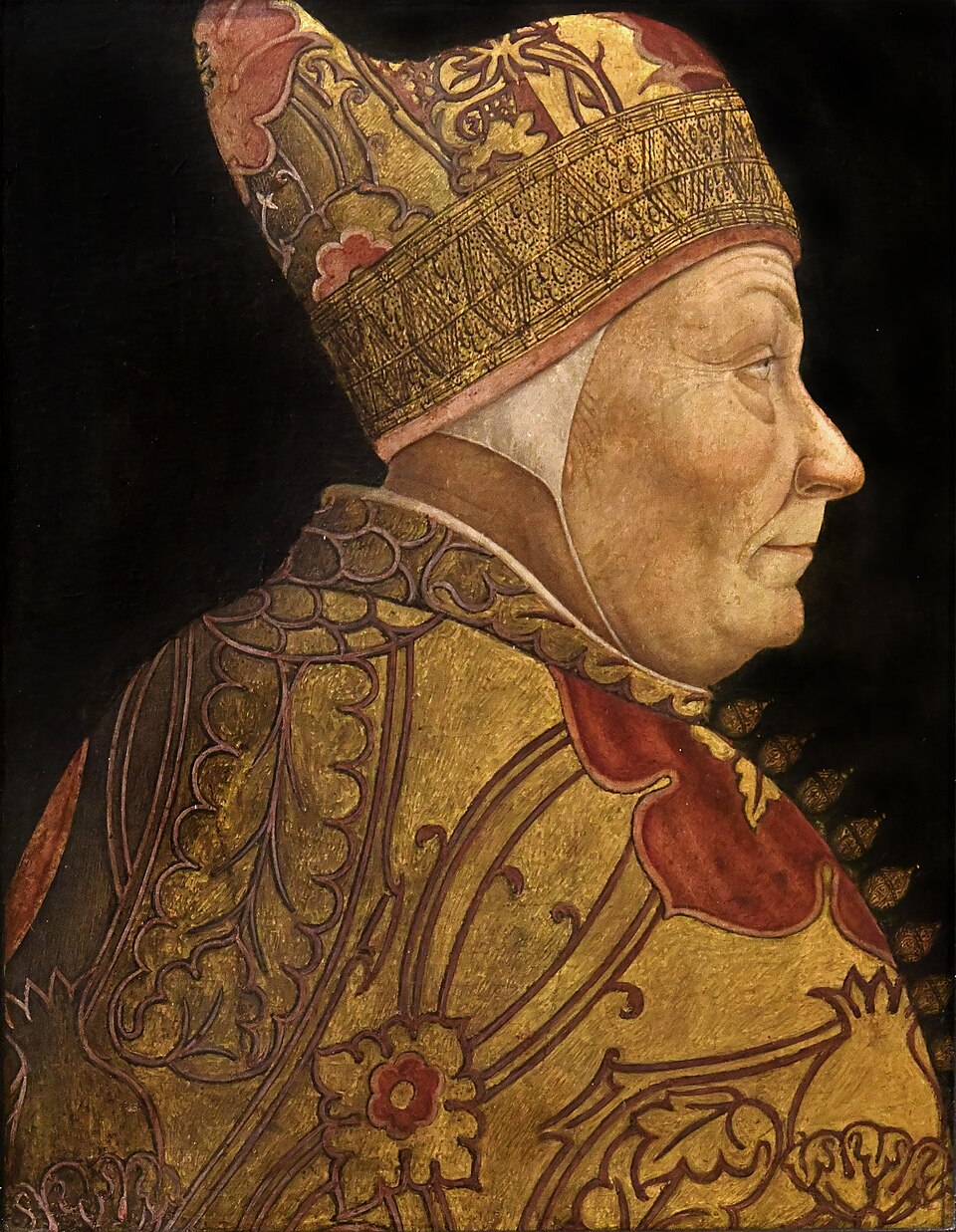
1423 - 1457 - Francesco Foscari (All Facts)
Doge of Venice (the Republic of Venice)
He signed a treaty with Sultan Mohammed II of the Ottoman Empire on terms generous to (the Republic of) Venice
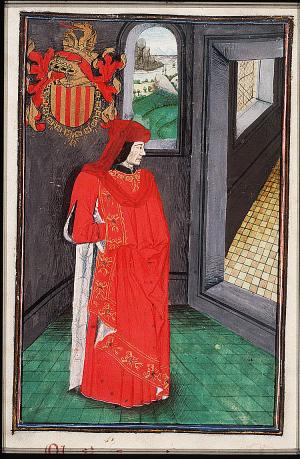
1442 - 1458 - Alfonso V of Aragon / Alfons I (All Facts)
King of Naples
He conquered the town
22nd King of Sicily
He died, leaving the Kingdom to his bastard son and successor
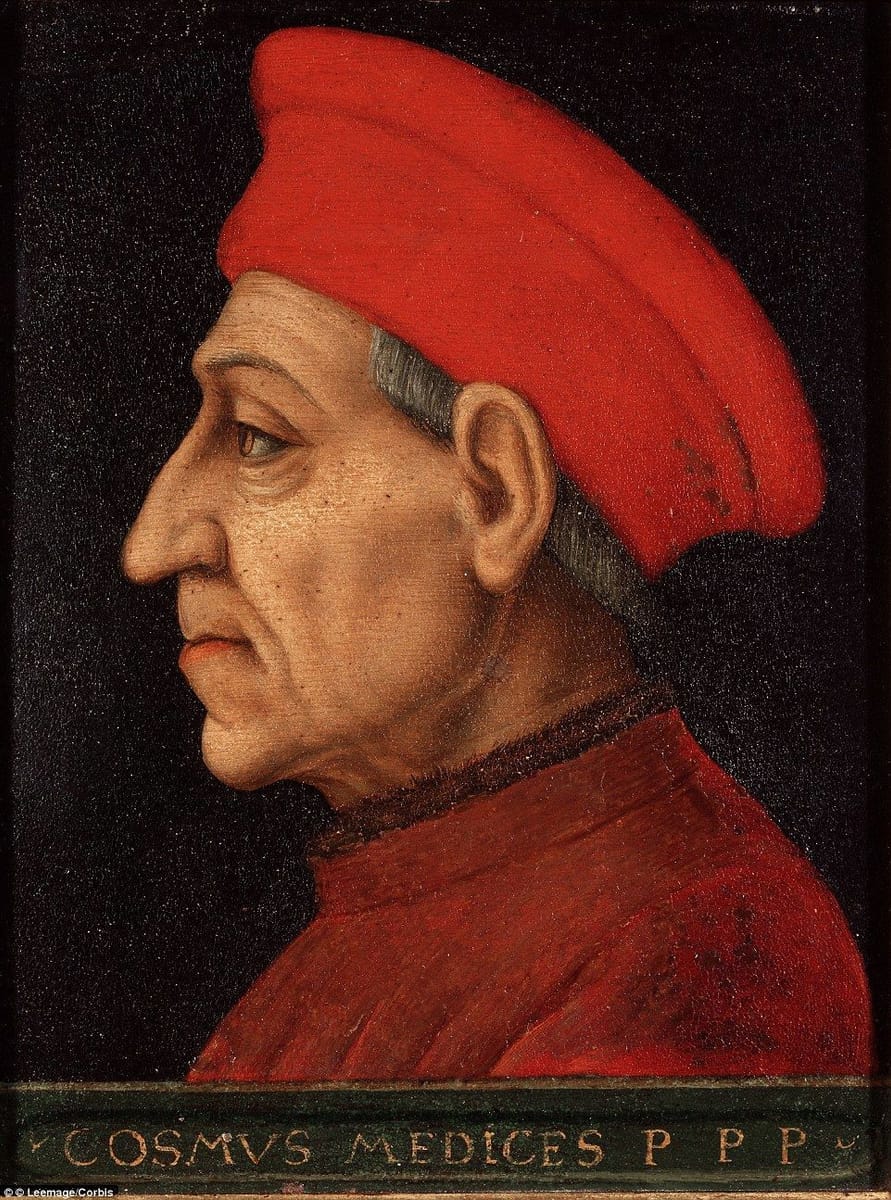
1434 - 1464 - Cosimo de Giovanni de Medici (All Facts)
First Lord and Founder of the Lordship of Florence
He was the “Pater Patriae” (“Father of the Republic”)
He became manager of the namesake family bank prior to his lordship
He was exiled by his rival Rinaldo d’Albizzi, but eventually returned to Florence and seized power in the city
Although strictly he remained a private citizen within an independent Republic of Florence, in effect his power was complete
He founded Florence’s “Platonic Academy”
He saw only the first fruits of Marsilio Ficino’s translations of Plato from Greek to Latin
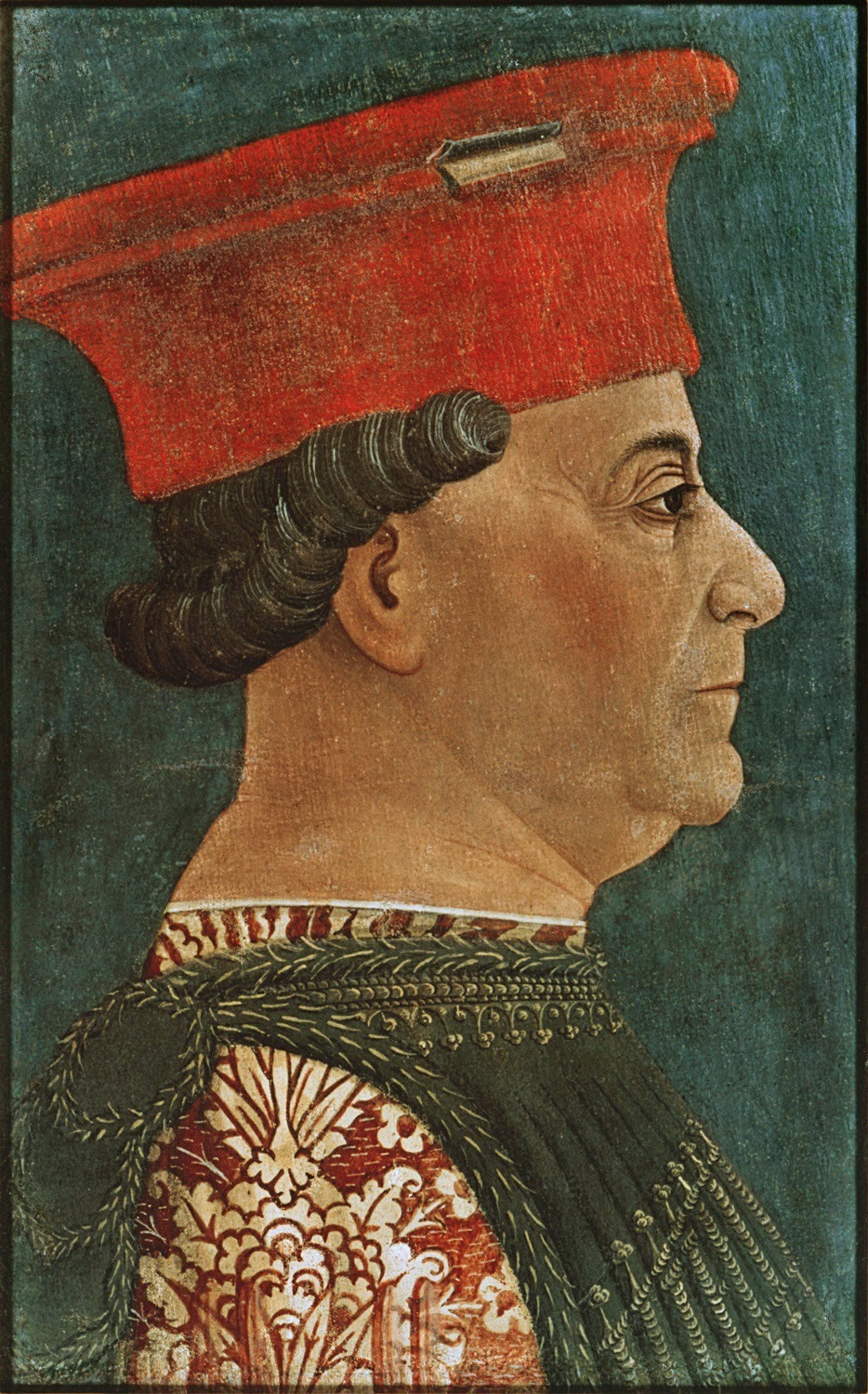
1450 - 1466 - Francesco Sforza (All Facts)
4th Duke of Milan
He was hired by its citizens to be their general, after its citizens proclaimed the duchy a Republic, but it continued under his reign as a duchy after he staged a coup and took the title of duke
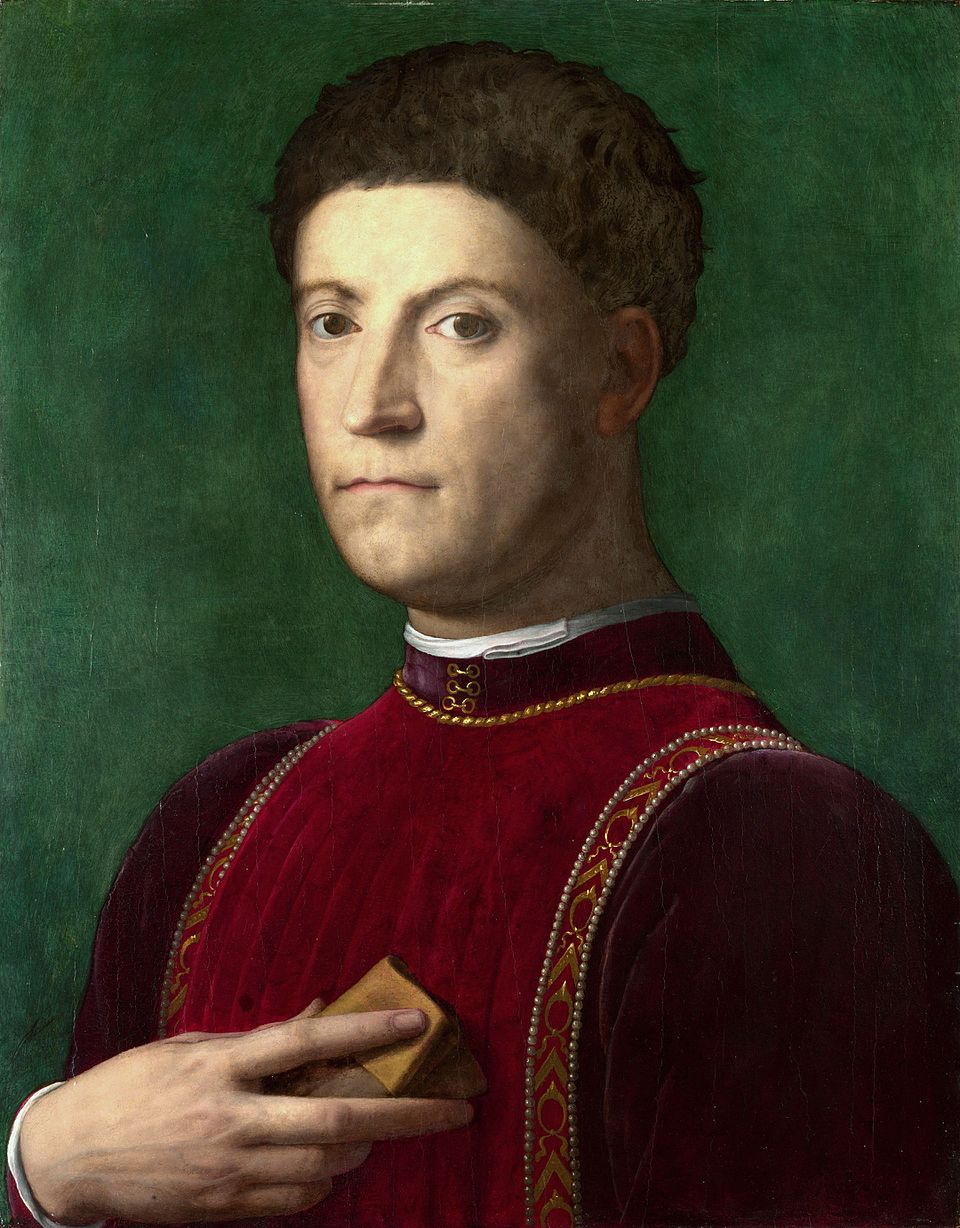
1464 - 1469 - Piero de Medici (All Facts)
2nd Lord of Florence
He was driven out of Florence by Savonarola
1444 - 1478 - Francesco de Pazzi (All Facts)
He led the Pazzi Conspiracy, in which he and his confederates stabbed Giuliano de Medici 19 times and attempted to assassinate his brother and co-ruler Lorenzo de Medici
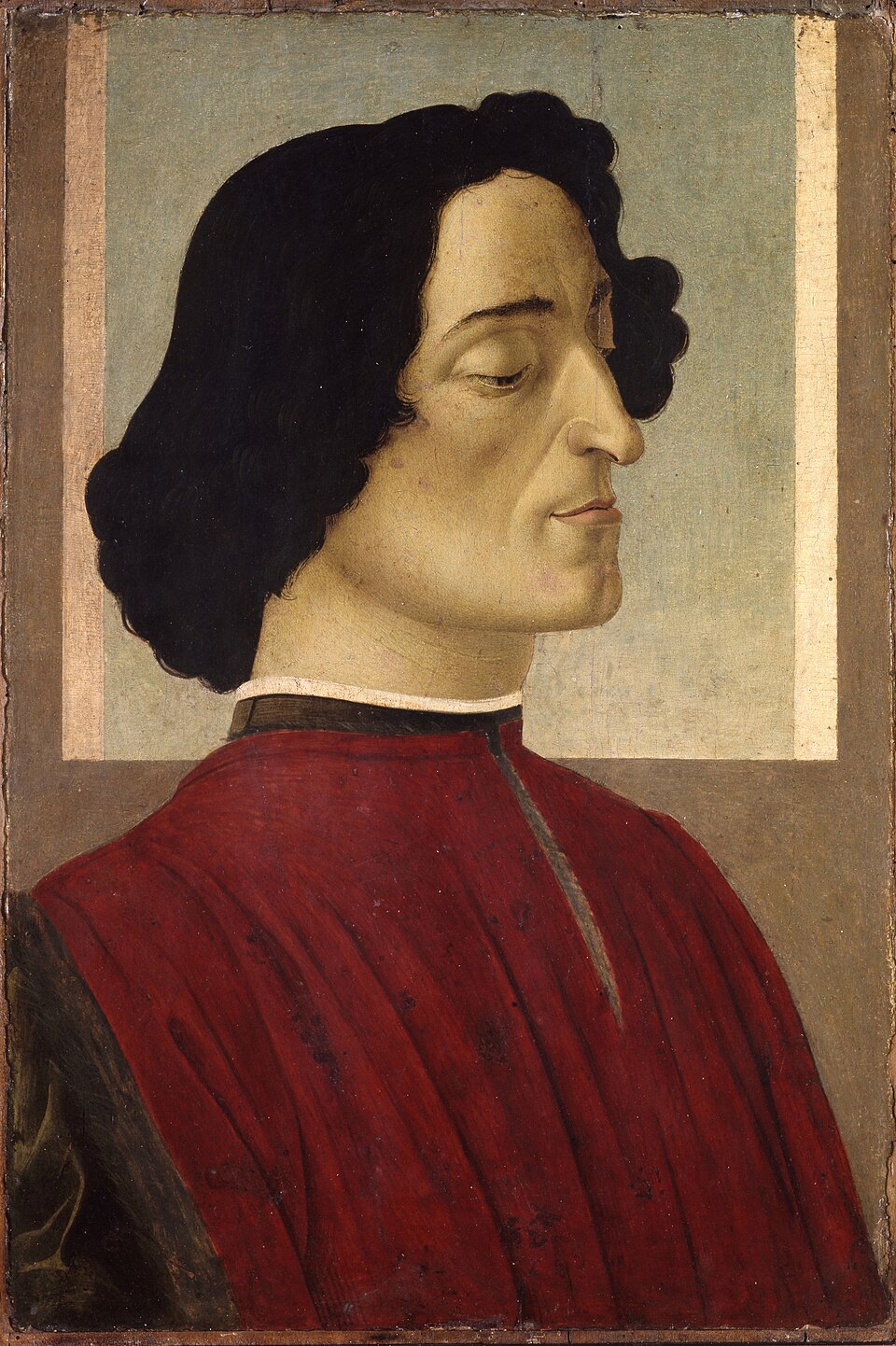
1453 - 1478 - Giuliano de Medici (All Facts)
3rd Co-Lord of Florence
He was stabbed to death in the Pazzi Conspiracy
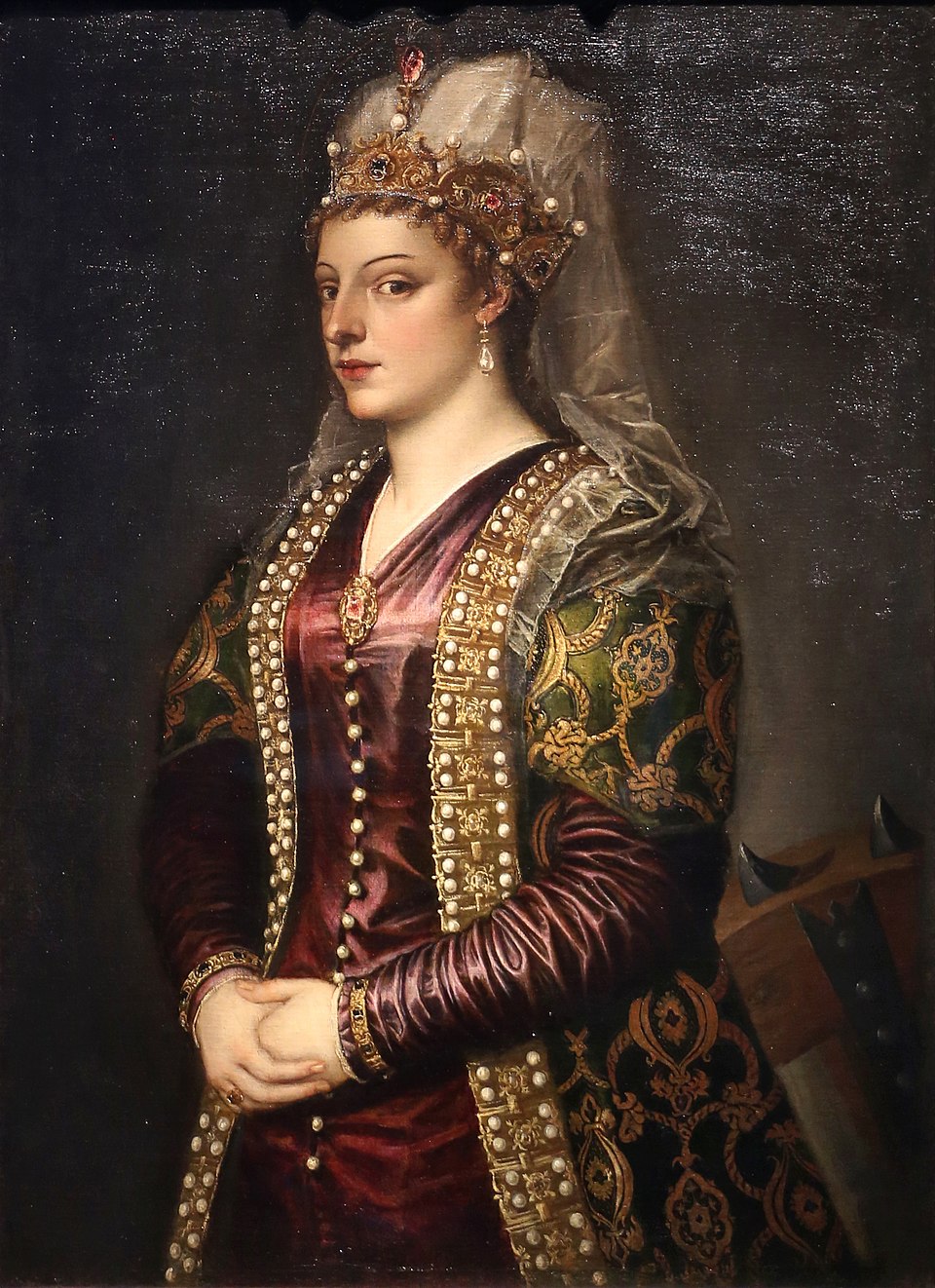
1474 - 1489 - Caterina Cornaro (All Facts)
Queen of Cyprus from Venice
She married King James II of Cyprus, only for him to die just a few months after the wedding
She was entangled in a web of intrigue as she endeavored to exercise her authority
Her young son, King James III, was taken from her by the council of regency
Her cousin and uncle were both murdered
When she regained power for her son King James III, he died of malaria, leaving her to rule alone
Under her reign,
Cyprus prospered, despite the ongoing military threat at the time from the Ottoman Turks
She was born into a family with financial interests in Cyprus
She was taught by her brothers
When she died, the Venetians / Republic of Venice purchased Cyprus from her, ending several centuries of Frankish sovereignty
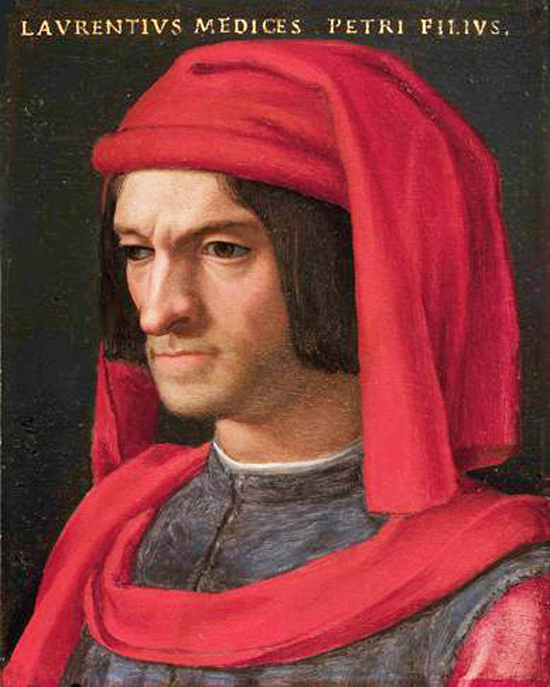
1469 - 1492 - Lorenzo de Medici (All Facts)
3rd Lord of Florence
He was nicknamed “The Magnificent”
He began his rule at the age of 20, shortly after his brother was murdered in the Pazzi Conspiracy, which he survived from but in which he nearly died
He showed his nerve and wisdom in pacifying Florence after the crisis that was the Pazzi Conspiracy, and there were no more uprisings thereafter
He exhausted the stagnant economy with his flamboyant foreign policy
He
himself was a leading lyric poet in vernacular Tuscan
delighted in carnivals, for which he wrote songs to be sung in the streets by his own “Company of the Star”
loved antiquities including Greek and Roman busts, cameos, and coins; which were collected for him throughout the Mediterranean
welcomed scholars to his library of 1,000+ books
loved architecture, submitting his own design for the cathedral facade
loved women, who found him attractive despite his harsh nasal voice and swarthy complexion
He was considered the greatest patron of the arts, having sponsored the work of
Sandro Botticelli
Angelo Poliziano
Antonio Squarcialupi
Filippino Lippi
Andrea del Verrocchio
He was a patron of philosophers as well, whom he debated with himself in the Florentine Platonic Academy, where he funded the work of Marsilio Ficino, whom he befriended
It was said of him that “it would be impossible to find a better tyrant”
He died at the age of 44
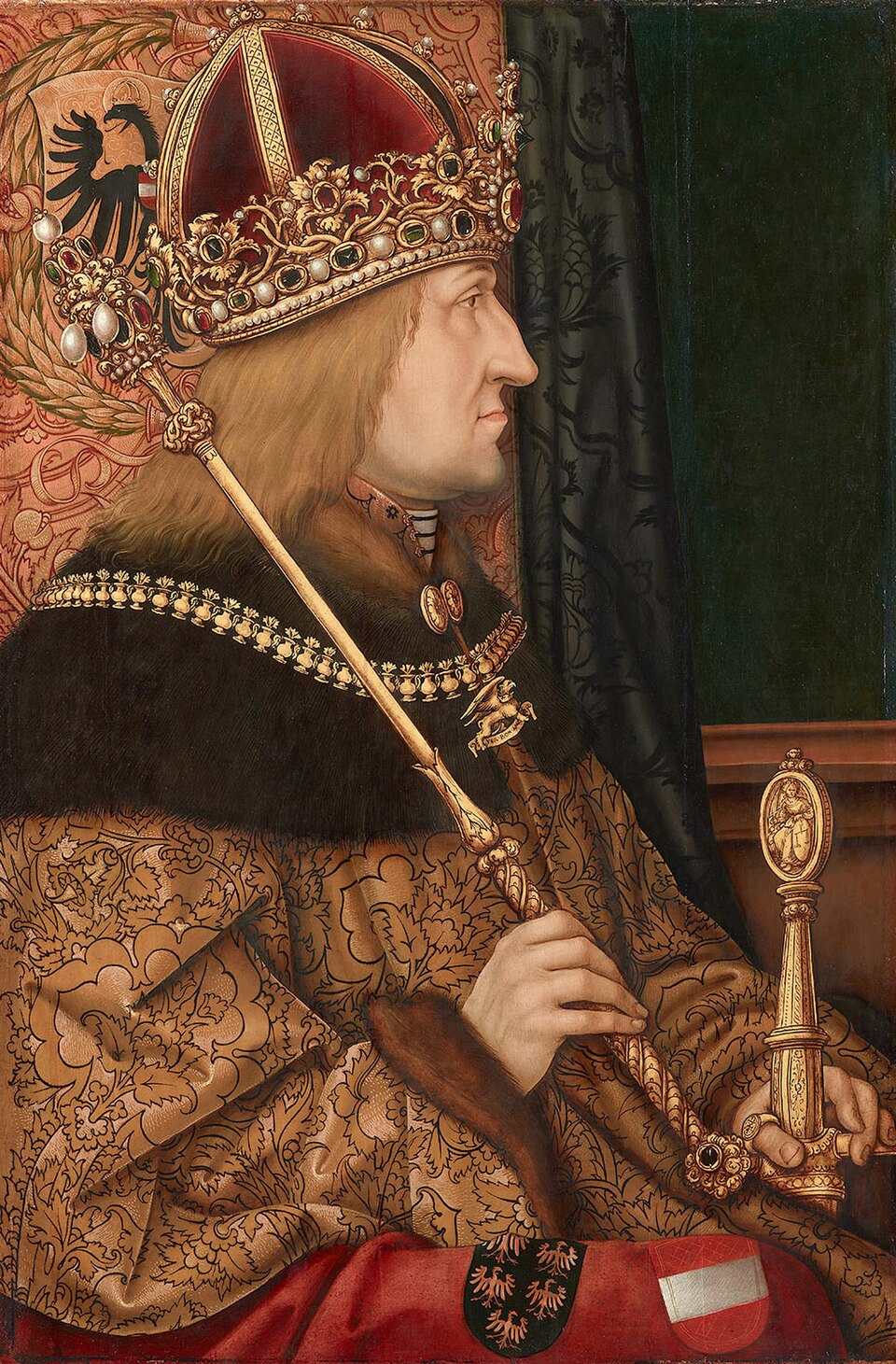
1452 - 1493 - Frederick III (All Facts)
17th King of Italy, from the House of Habsburg
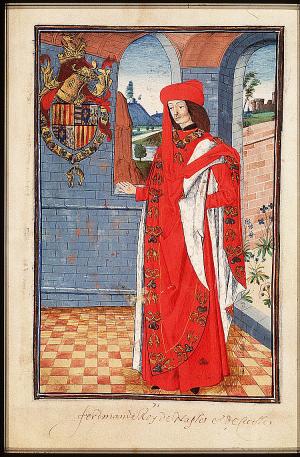
1458 - 1494 - Ferrante (All Facts)
King of Naples
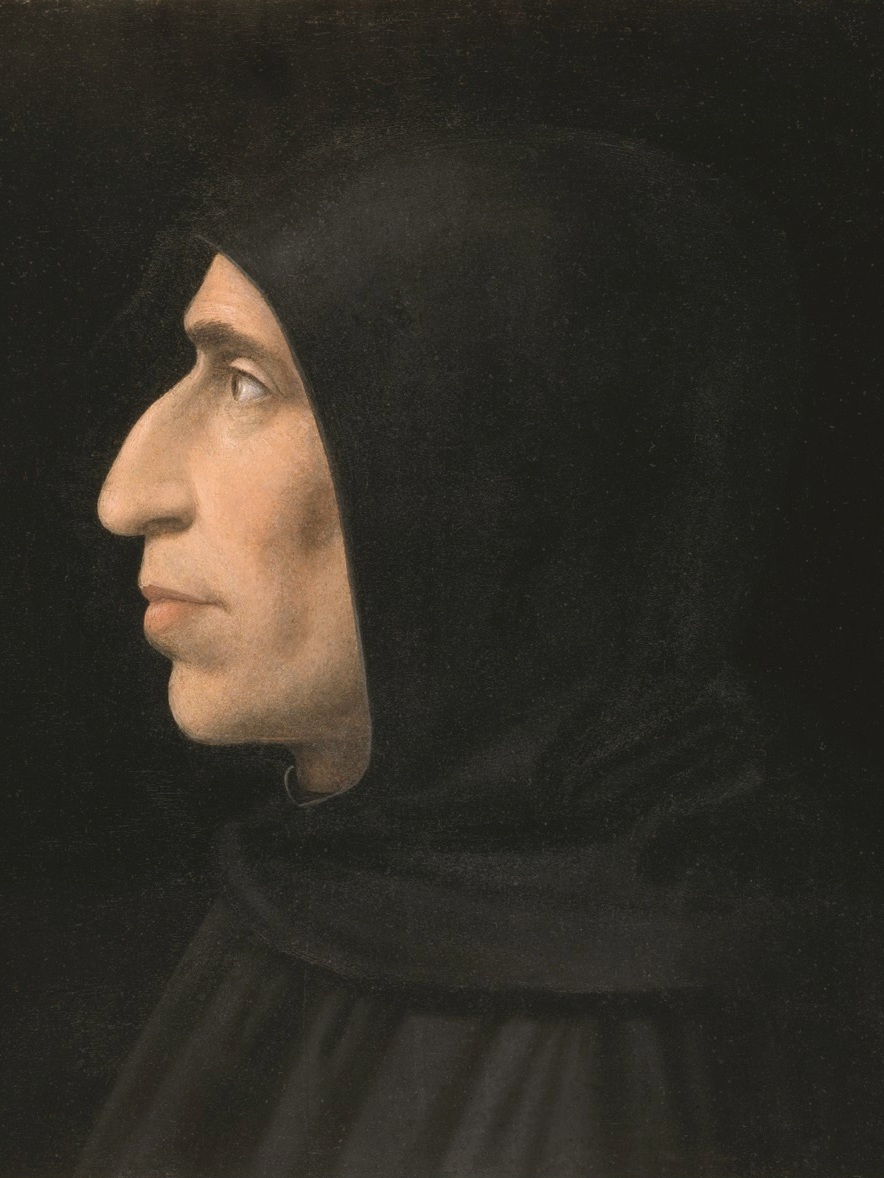
1494 - 1498 - Girolamo Savonarola (All Facts)
5th Lord (de Facto Ruler) of Florence
He was nicknamed the “Black Friar”
He was a Dominican Friar and Preacher from Ferrara
He was a short, slender man with a hooked nose, deeply-lined brow, and thick lops
His burning gray-green eyes mesmerized people
When he became prior at the Basilica of San Marco, he was already known as / considered to be a prophet
He drove out Piero de Medici
He railed against the corruption of both church and secular leaders
His sermons criticizing aristocratic and papal corruption eventually led to his death at the stake
He claimed the art of Florence and the Renaissance was immoral
He charged Leonardo da Vinci and Sandro Botticelli with sodomy
Although those figures were both acquitted, Botticelli stopped painting nudes and Da Vinci moved to (the Duchy of) Milan
He revealed his vision of the destruction of Florence by flashes of lightning in a dense black sky
His congregation trembled when he drew vivid pictures of “barbers armed with gigantic razors” invading Florence
He drove out the ruling Medici family of Florence, partly on a wave of popular frenzy and with the help of King Charles VIII of France
He then set up a form of religious dictatorship, in which he turned Florence into a “puritanical republic” in which he burned “vanities” such as books and picture
He established city rule free from corruption and along democratic lines
He was excommunicated by Pope Alexander VI
He then openly defied Pope Alexander VI
He had celebrated Mass three times that morning in the Basilica of San Marco
He died at the stake
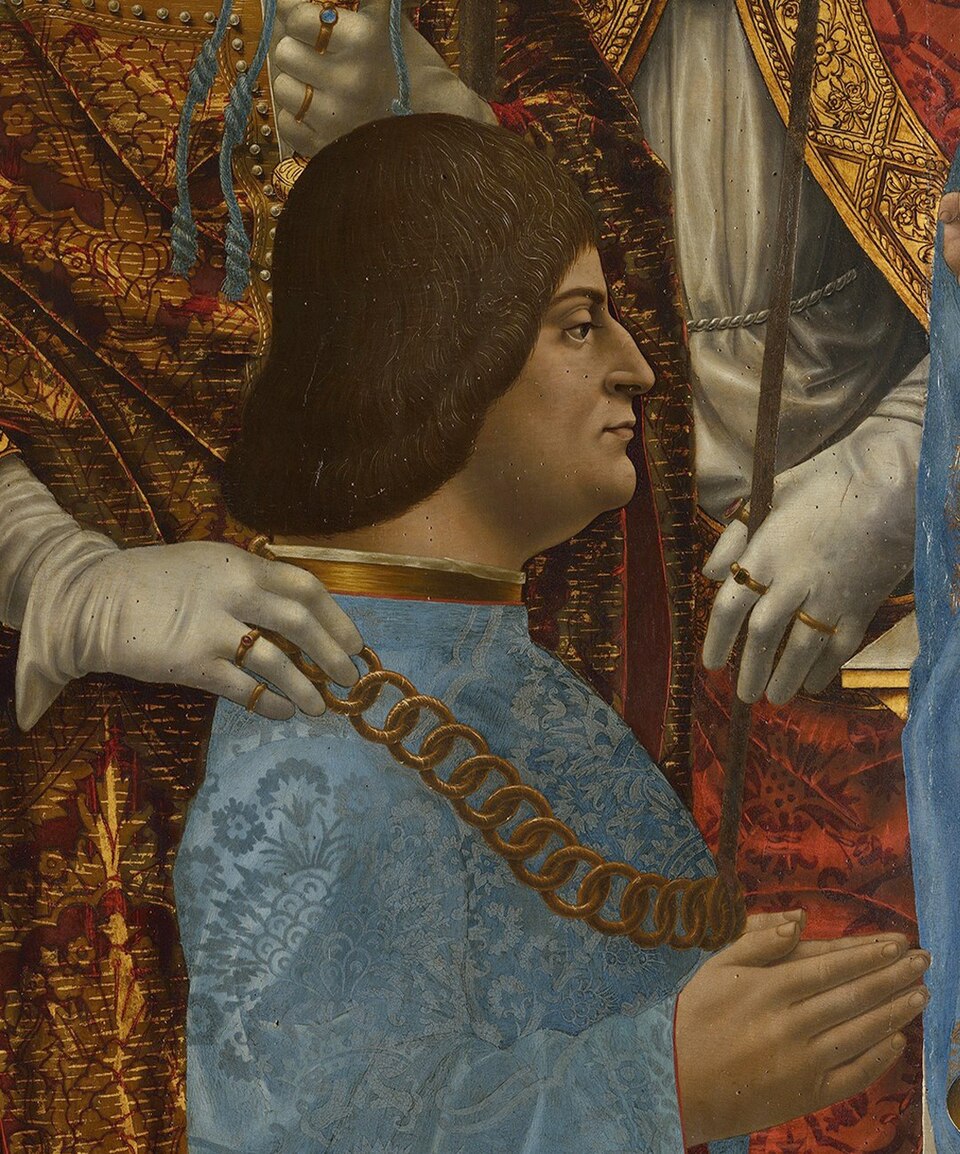
1494 - 1499 - Ludovico Sforza (All Facts)
7th Duke of Milan
He seized power from his predecessor and nephew, the youthful grandson of Francesco of the same namesake family
He took the title “Duke of Milan” after allying with King Charles VIII of France
He renewed the Duchy of Milan’s alliance with France in order to
pre-empt France’s exercising a claim through marriage to Milan
secure an ally against the Kingdom of Naples
He fled the Duchy of Milan after King Louis XII of France had claimed his right of succession to the Duchy of Milan after him
After his reign, the French seized Milan, during the Italian Wars, and were backed by the Republic of Venice as well as the Papacy and the Swiss cantons
In the Battle of Novara against the French during the Second Italian War, he
took advantage of the revolt against Gian Giacomo Trivulzio and the French forces in the Duchy of Milan and attacked the French in the battle
However, he was eventually deserted by his troops, who handed him over to the enemy, and imprisoned him in France
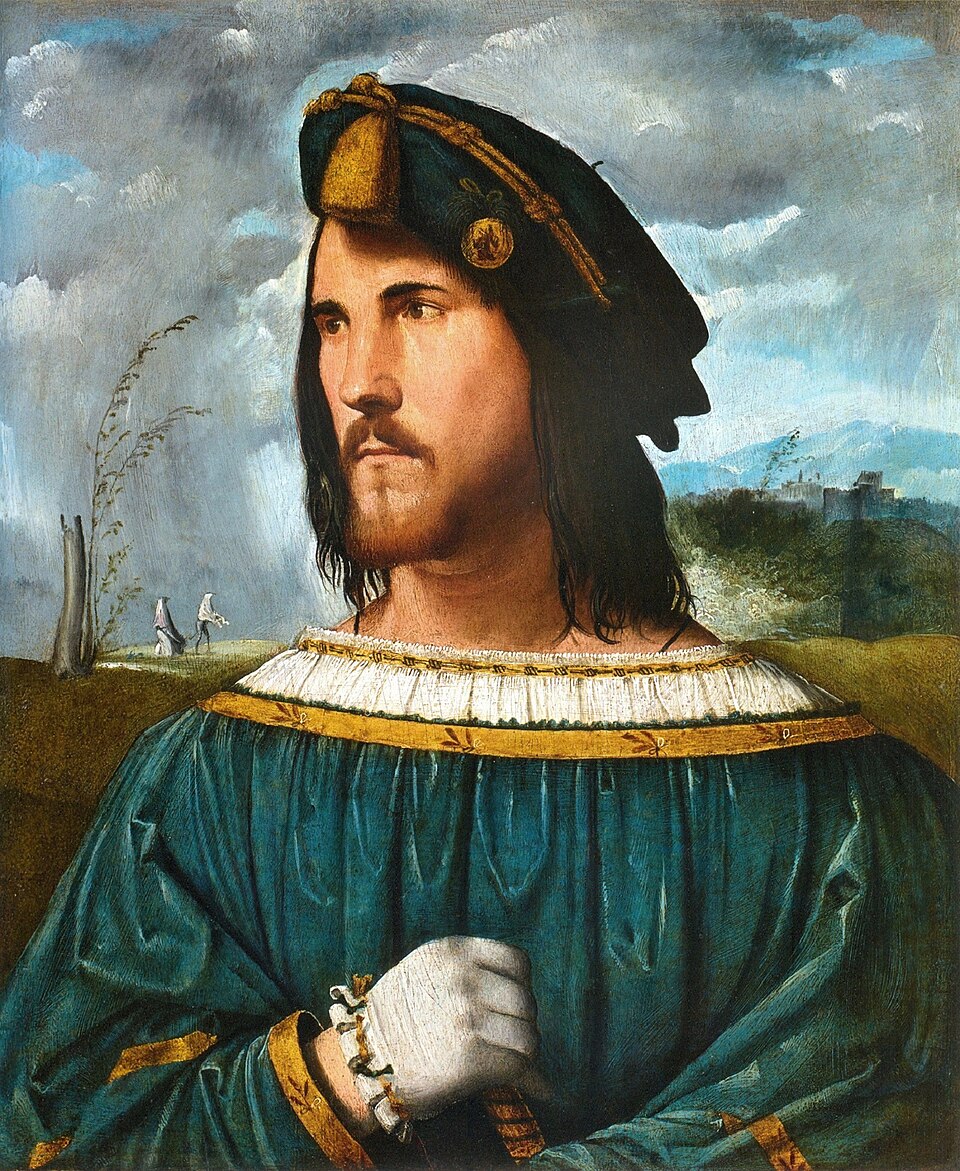
1475 - 1507 - Cesare Borgia (All Facts)
Italian Deacon and Condottiero
He was a head taller than most men of his age who had massive shoulders and blazing blue eyes
His quest for political power inspired Machiavaell’s “The Prince”
He became archbishop of Valence at 16 years of age
He became a cardinal
He was appointed duke of Valence
He had his main enemies murdered, including his brother and second sister’s husband
He ruthlessly supported his father Rodrigo, Pope Alexander VI, having lured his father’s enemies to the Sinigaglia Castle and had them murdered
He organized corridas so that he could show off by beheading a bull with one stroke of his sword
He died in Spain while fighting alongside his brother, the king of Navarre
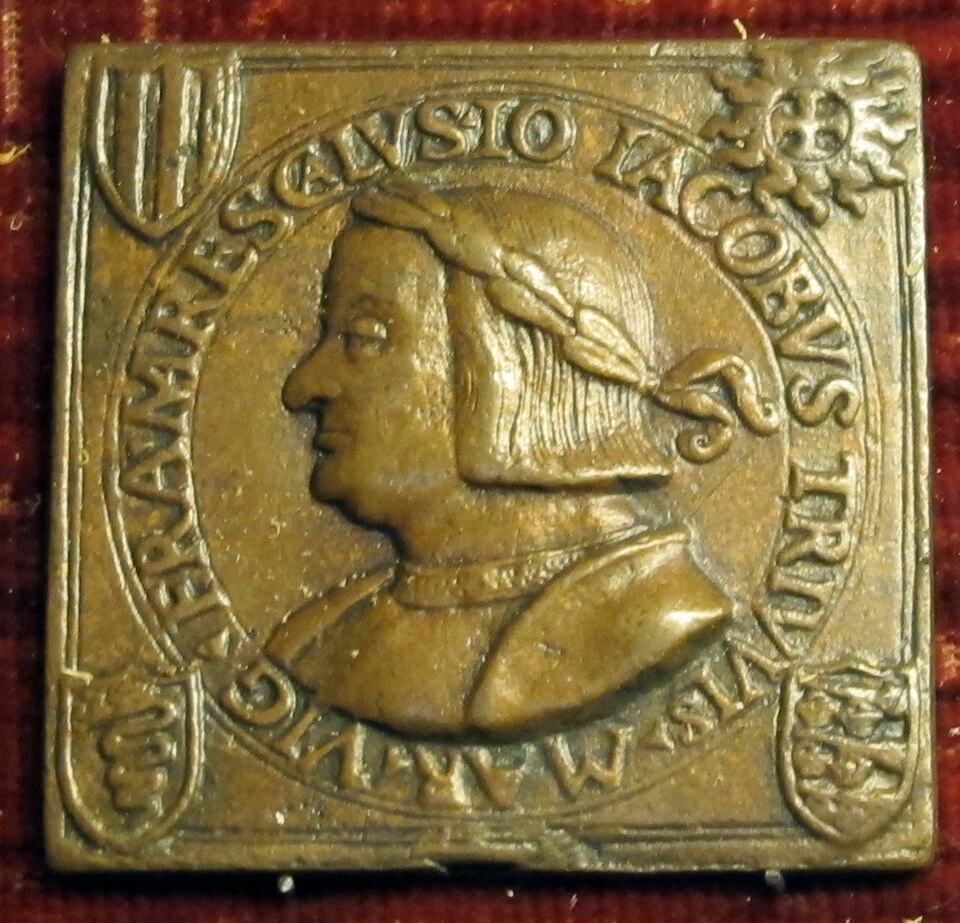
1440 - 1518 - Gian Giacomo Trivulzio (All Facts)
Italian Military Leader and Mercenary who led the French forces and seized the Duchy of Milan, forcing the usurper Ludovico Sforza to flee
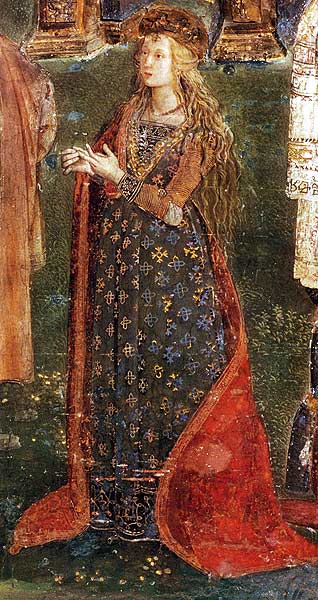
1480 - 1519 - Lucrezia Borgia (All Facts)
Duchess of Ferrara
She was the daughter of Pope Alexander VI
She was beautiful and intelligent
She led a life of family intrigue and several broken marriages
She was essentially a pawn in her father Pope Alexander VI (Rodrigo Borgia)’s many power games
She
was first betrothed to Juan de Centelles, a Spaniard
was then betrothed to Don Gasparo, the Count of Aversa
was then married to Giovanni Sforza, the Lord of Pesaro
She soon left him
was then married to Alfonso d’Aragon, the Duke of Bisceglie
This was her first true love
This also made for a more politically favorable marriage
However, Alfonso d’Aragon became an embarrassment to her father when he pursued the French alliance and was murdered on the orders of her brother Cesare Borgia
was then married to Alfonso d’Este, the Duke of Ferrara
She was appointed governor of Spoleto
In the same year she was appointed, she was able to buy the castles of the Gaetani Family, located on the frontier between the Papal States and Kingdom of Naples, after they were effectively confiscated by Pope Alexander VI (her father); for 80K ducats
A year later, Sermoneta was added to her dominions
She then was involved in a debauched party involving her father and brother, which led to her being married one more time
She had fulfilled her “dynastic function” by having a son, which she named Rodrigo
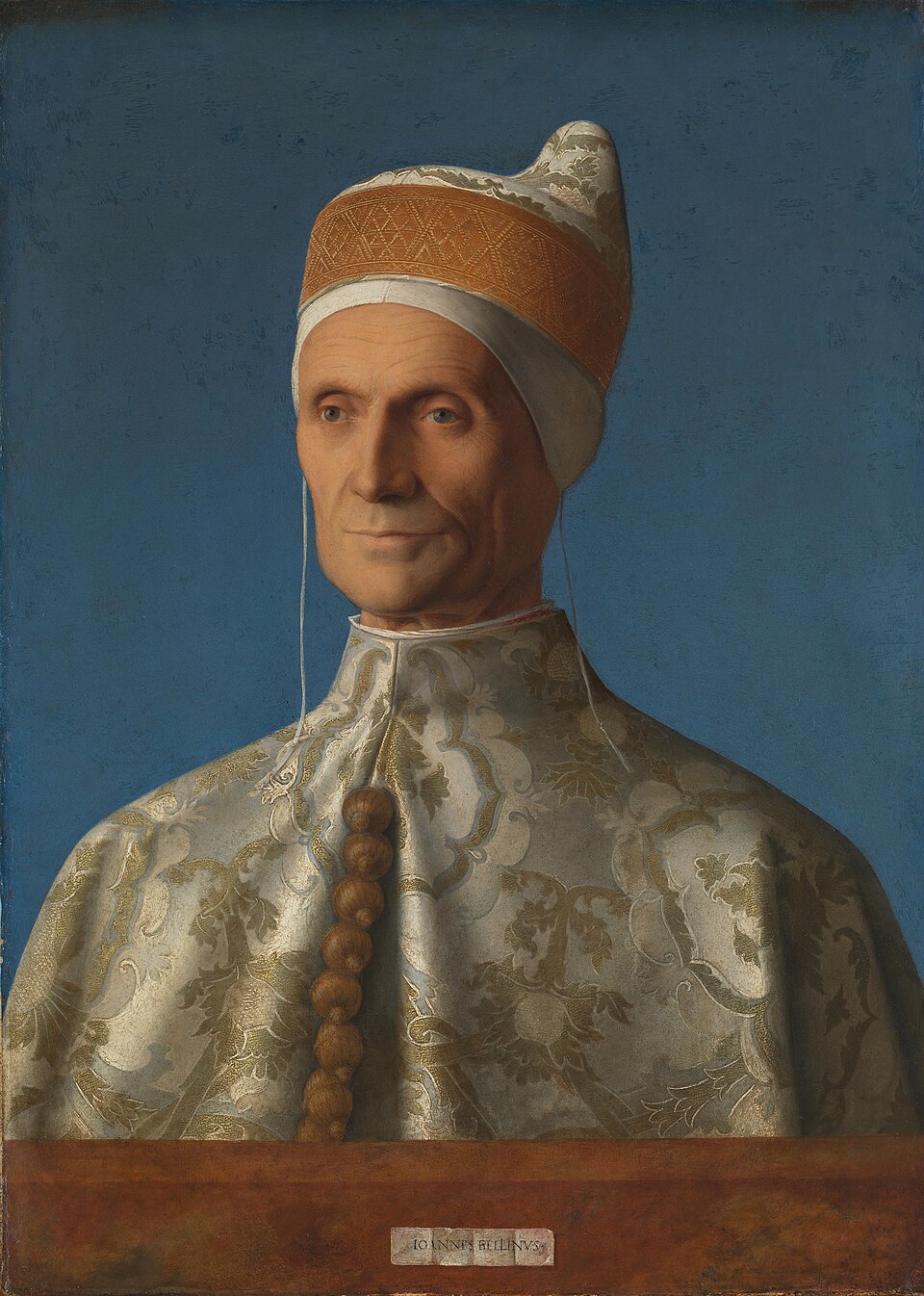
1501 - 1521 - Leonardo Loredan (All Facts)
75th Doge of Venice
He was one of the most important doges in the history of Venice as a wartime ruler
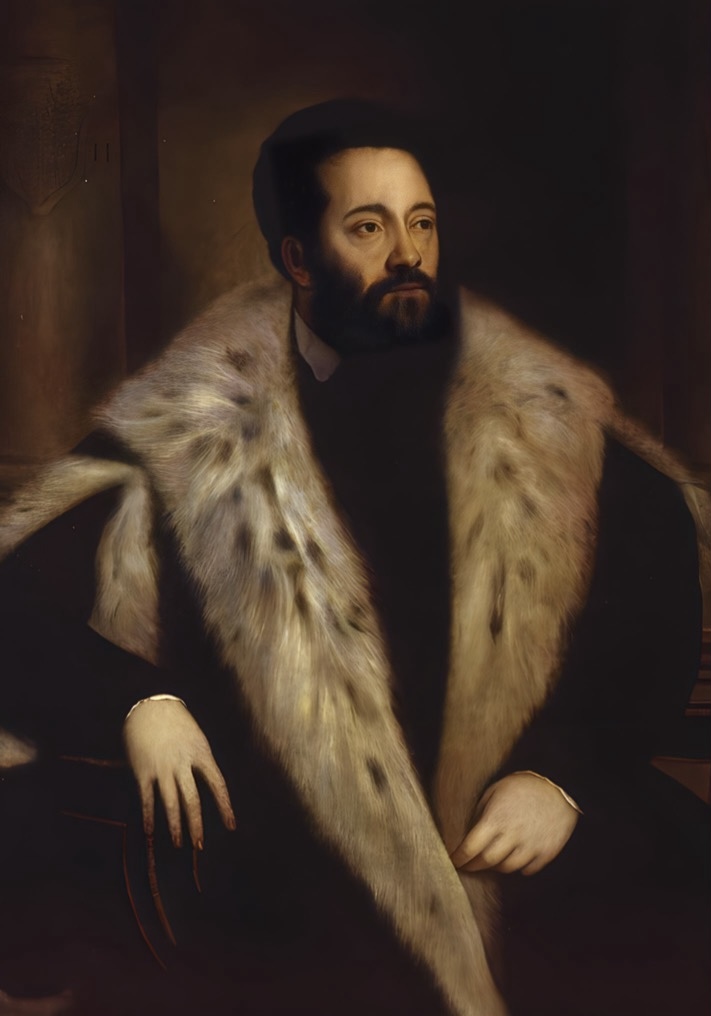
1521 - 1535 - Francesco Sforza II (All Facts)
Final Duke of Milan of the House of Sforza
Upon his death, the Holy Roman Emperor Charles V succeeded him
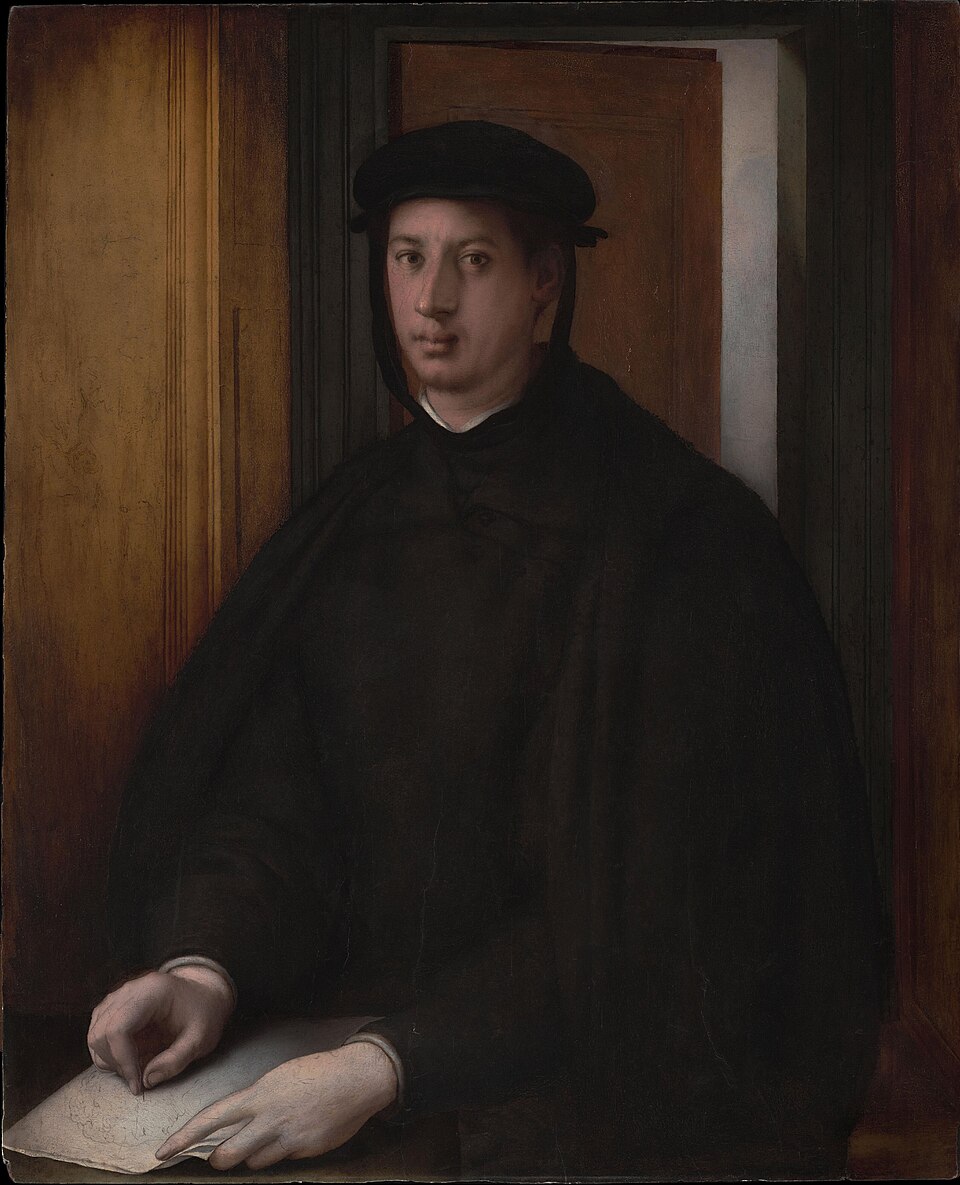
1532 - 1537 - Alessandro de Medici (All Facts)
Ruler of Florence
(First) Duke of Florence
He was the first Medici to rule Florence as a hereditary monarch
He was the last Medici from the senior line of the family to lead the city
He was married to Margaret of Parma by Holy Roman Emperor Charles V
1522 - 1547 - Giovanni Luigi Fieschi (All Facts)
Italian Nobleman
He was from Genoa
He had formed an alliance with King France of Francis and Pietro Luigi Farnese of Parma and Piacenza to overthrow Doge Andrea Doria, who was, in turn, supported by Holy Roman Emperor Charles V
However, he drowned during a naval attack on Doria

1545 - 1547 - Pietro Luigi Farnese (All Facts)
First Duke and Founder of the Duchy of Parma and Piacenza
He was the son of Pope Paul III (Alexander Farnese)
He was part of Giovanni Luigi Fieschi’s alliance with King Francis of France to overthrow Doge Andrea Doria
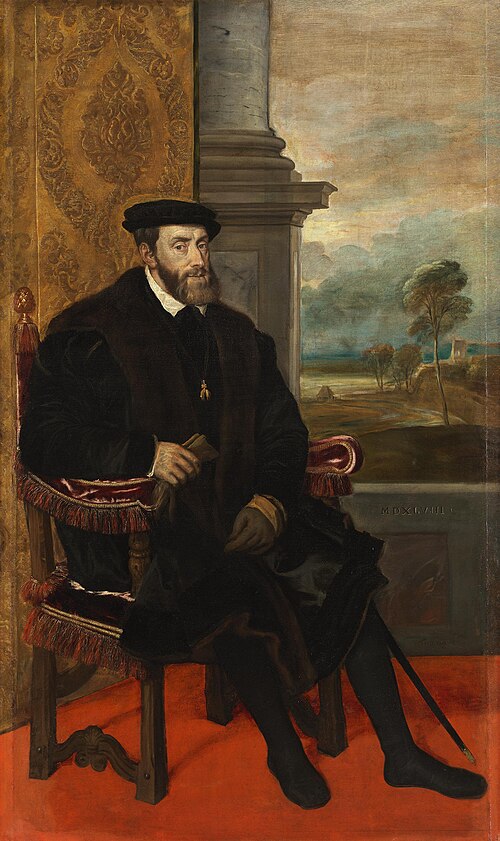
1530 - 1556 - Charles V (All Other Facts)
18th and Final King of Italy, from the House of Habsburg
First Habsburg Duke of Milan
He was the final Holy Roman Emperor to be crowned “King of Italy”
The official position / title would not be held up again until Napoleon conquered Italy
Thus, the Holy Roman Emperors ruled as de-facto Kings of Italy
He married off his daughter, Margaret of Parma, to Alessandro de Medici
He thus made Alessandro de Medici the (First) Duke of Florence

1530 - 1556 - Charles V (Foreign Policy)
He led Italy in the
Fifth Italian War / Four Years’ War
He and his Holy Roman forces (Habsburgs) defeated King Francis of France and his forces (Valois)
Conquest of Tunis
Sixth Italian War / War of the League of Cognac
He and his Holy Roman forces (Habsburgs) defeated King Francis of France and his forces (Valois)
Seventh Italian War
He led his Holy Roman forces (Habsburgs) against King Francis of France and his forces (Valois), but this war ended in a stalemate
Eighth Italian War
He led his Holy Roman forces (Habsburgs) against King Francis of France and his forces (Valois), but this war ended in a stalemate
Ninth Italian War
He led his Holy Roman forces (Habsburgs) against King Henry II of France and his forces (Valois), but this war ended in a stalemate
He
signed the Treaty of Madrid (with King Francis of France), ending the Fifth Italian War / Four Years’ War
He held King Francis of France captive for a year
when he released him, King Francis of France declared the treaty null and void
made the Truce of Nice (with King Francis of France), ending the Seventh Italian War
signed the Treaty of Toledo (with King Francis of France)
signed the Treaty of Crepy (with King Francis of France), ending the Eighth Italian War
signed the Treaty of Nuremberg (with the Duke of Lorraine)
made the Truce of Adrianople (with Suleiman of the Ottoman Empire)
signed the Peace of Augsburg, ending the Schmalkaldic Wars
made the Truce of Vaucelles (with King Henry II of France), temporarily halting the Ninth Italian War
He and his forces defeated
Hayreddin Barbarossa and his Ottoman forces in the Conquest of Tunis during the Ottoman-Habsburg Wars
He occupied the Duchy of Milan following the death of Francesco Sforza II
He put his son and successor in control of Milan as Duke of Milan
This triggered the Eighth Italian War
Under his reign,
The Treaty of Cambrai / Ladies Peace / “Pax de Daimes” was signed, on his behalf, ending the Sixth Italian War / War of the League of Cognac
This was the only war / treaty in which the namesake gained anything significant for the Holy Roman Empire, that being the control of northern Italy

1534 - 1559 - Ercole d’Este (All Facts)
Duke of Ferrara
He imprisoned his wife for heresy

1466 - 1560 - Andrea Doria (All Facts)
Italian Condottiero and Admiral and Doge of Genoa
He was supported by Holy Roman Emperor Charles V
He and his Venetian and Holy League forces were defeated by the Ottoman Turks in the Battle of Prevesa during the Third Ottoman-Venetian War
Giovanni Luigi Fieschi drowned in attempt to attack the namesake and his forces in a naval attack that attempted but failed to overthrow him

1510 - 1574 - Renee of France (All Facts)
Duchess of Ferrara
She was the daughter of King Louis XII of France
She was imprisoned for heresy by her husband
Her support for the Protestant Reformation grew to be too embarrassing, even for the liberal court of France
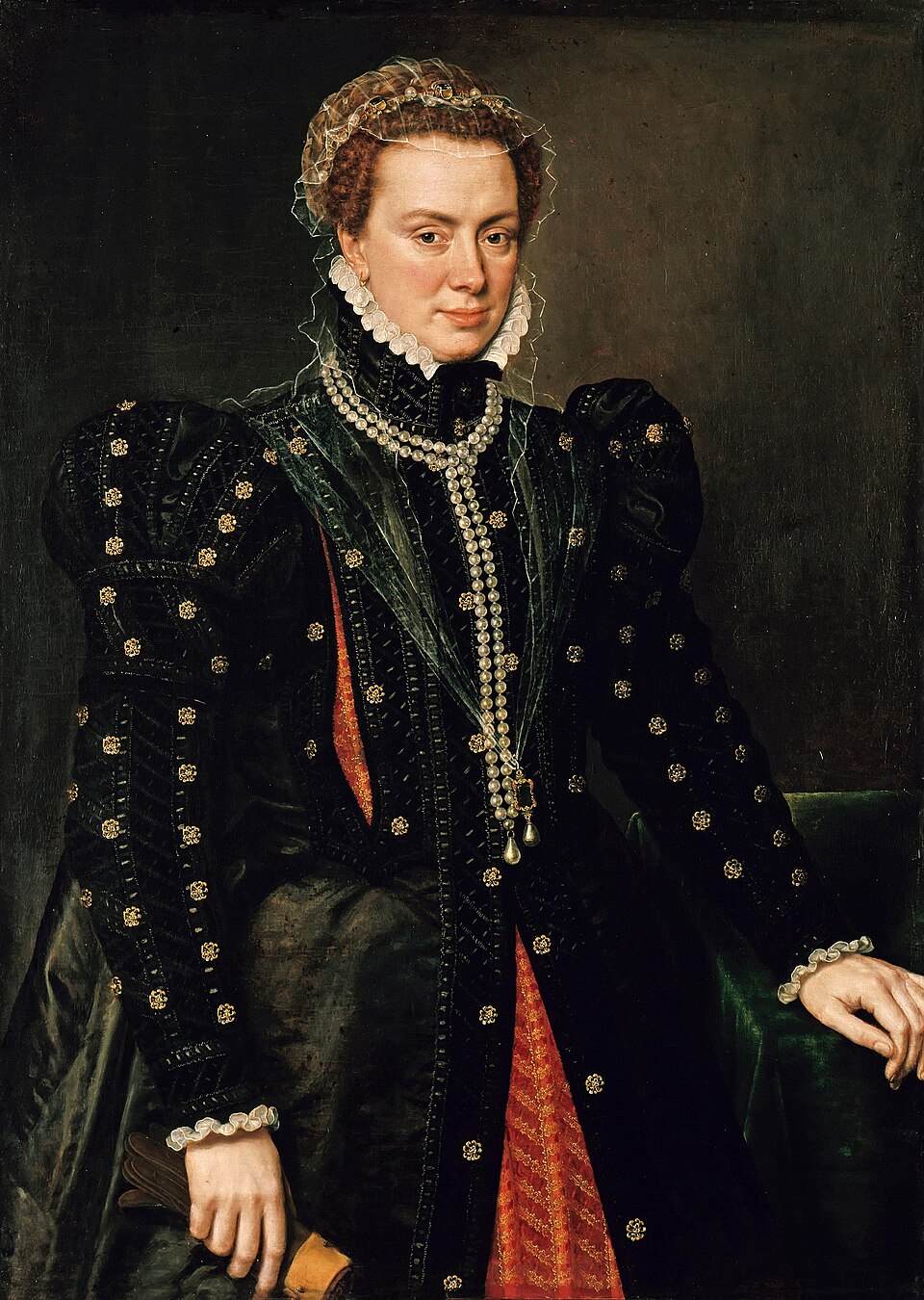
1547 - 1586 - Margaret of Parma (All Facts)
Duchess of Parma
She was the sister of King Philip II of Spain
She was the daughter of Holy Roman Emperor Charles V
She was married off by her father to Alessandro de Medici
As 6th (Italian) Governess of the (Spanish) Netherlands and Regent of the Netherlands,
She used newly-arrived funds from Spain to build up an army despite the accord (agreement) she signed with William of Orange and the Dutch Calvinists, which guaranteed suspension of persecution provided that the Dutch Calvinists lay down their arms and allow Catholics to worship unmolested
She was humiliated by Fernando Álvarez de Toledo, who forced her to demobilize the army which she had raised to counter the Dutch Revolt
He assumed many of her powers until she left for Italy
Under her reign,
In compliance with an undertaking given to her, she had Spanish troops leave the Netherlands
A papal bull was published which proposed the creation of 14 new bishoprics in addition to the four existing ones, which alienated many nobles whose relatives were thus excluded from the ecclesiastical sinecures
The “Sea Beggars” petition her to demand the abolition of the Inquisition of the Netherlands
She promised to send a message to King Philip II of Spain, the Lord of the Netherlands at the time

1540 - 1598 - Philip / Philip II (All Facts)
2nd Habsburg Duke of Milan
He gained control of the Duchy from his father and predecessor
He also received the Kingdoms of Naples and Sicily
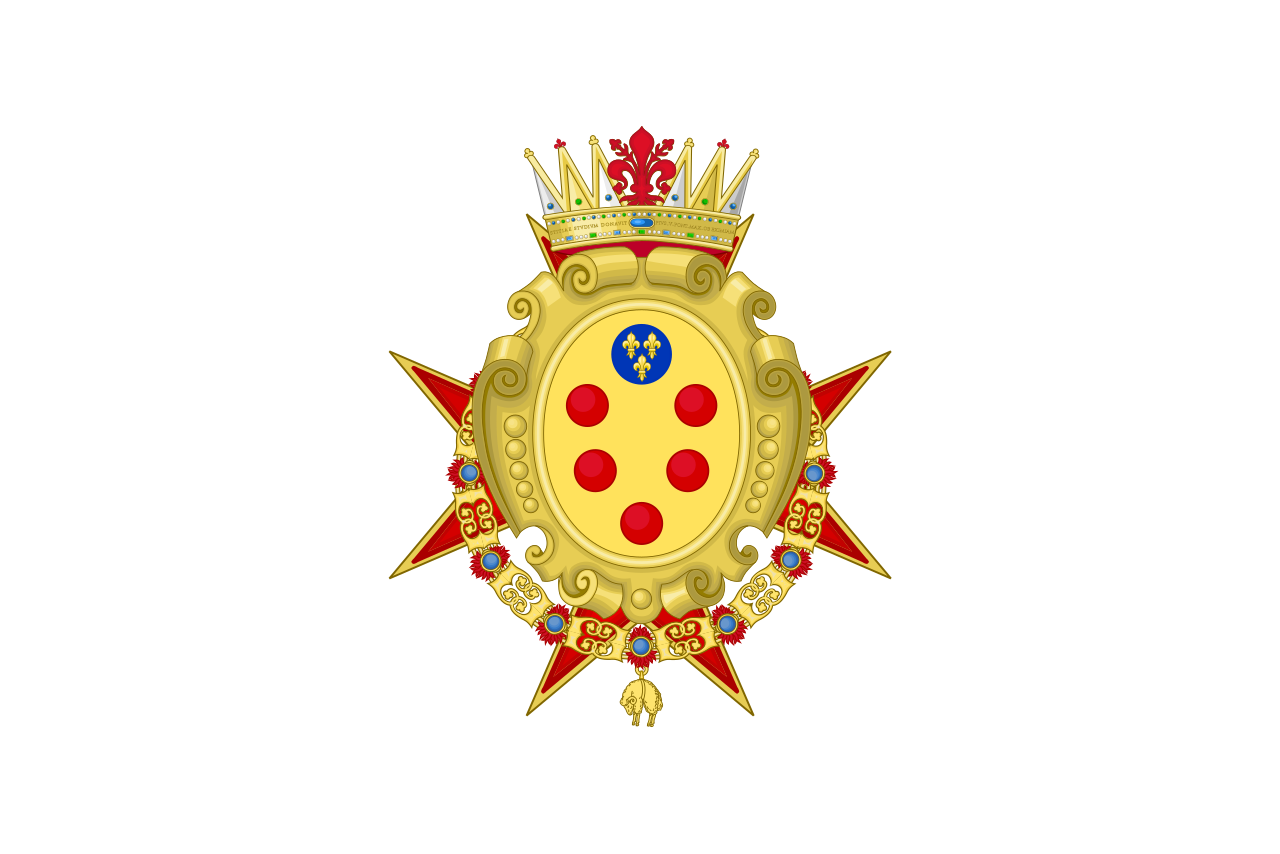
1569 - 1860 - Grand Duchy of Tuscany (All Facts)
Successor state to the Republic of Florence
It included the former Republics of Florence, Pisa, and Siena
Established by the Pope Pius V and the Papacy, who crowned Cosimo de Medici as its first Archduke

1537 - 1574 - Cosimo de Medici (All Facts)
Ruler of Florence and First Archduke and Founder of the Grand Duchy of Tuscany
(2nd) Duke of Florence and “head of the government and city of Florence”
He then became the First Archduke / Grand Duke of Tuscany
For this position, he was crowned by Pope Pius V
He freed Florence from its domination by Holy Roman Emperor Charles V
He paid Holy Roman Emperor Charles V a large sum to withdraw imperial troops from Medici-controlled territories in order to fund his Italian Wars against France
He then established himself as an independent ruler of those territories, writing that “we (the Medicis) are a ruler who accepts the authority of no one apart from God”
He concentrated on maintaining Tuscan autonomy, strengthening the state despite not expanding its boundaries
He and his Holy Roman forces besieged (for 15 months) and defeated the Republic of Siena and its French forces in the Siege of Siena during the Ninth Italian War
He established the Academy of the Arts and Drawing / “Accademia delle Arti del Disegno”

1553 - 1580 - Emmanuelle Philibert (All Facts)
Duke of Savoy
He restored Savoy, taking it from France
He and his Spanish forces defeated Anne de Montmorency and his French forces in the Battle of St. Quentin during the Ninth Italian War

1541 - 1582 - Filippo di Piero Strozzi (All Facts)
Italian Condottiero
His cousin was Catherine de Medici, who has secretly promised to obtain the post of Viceroy of Brazil
He traveled to Portugal to support the claimant to the throne in his fight against the Spaniards
He died during a battle off of the Azores Islands

1586 - 1592 - Alexander Farnese (All Facts)
Duke of Parma and Piacenza
1531 - 1612 - Roberto Ridolfi (All Facts)
Italian Banker and Conspirator
He masterminded a Catholic plot to murder and overthrow Queen Elizabeth of England and replace her with Queen Mary of Scotland
In his absence abroad, other conspirators were found and executed

1610 - 1617 - Concino Concini (All Facts)
(Italian) Chief Minister of France for Marie de Medici, during the reign of King Louis XIII
He was a favorite of Marie de Medici’s
He was assassinated on the orders of King Louis XIII, who installed his own favorite in place of the namesake

1620 - 1647 - Masaniello / Tommaso Aniello (All Facts)

1599 - 1656 - Ottavio Piccolomini (All Facts)
Italian Nobleman and Field Marshal who served Habsburg Spain and the Holy Roman Empire
He was also the Duke of Amalfi
He was sent to aid the Spaniards in the Netherlands to drive out France during the Franco-Spanish War and Eighty Years’ War / Dutch Revolt
He served in Albrecht von Wallenstein’s army in the Battle of Lutzen during the Thirty Years’ War
He contributed to his commander Wallenstein’s downfall and went on to distinguish himself in the Holy Roman victory that was the Battle of Nordlingen during the Thirty Years’ War