🌍 The World of Flags
 Call Kai
 Learn
Learn Practice Test
 Spaced Repetition
 Match
Match Flashcards
 Knowt Play
1/3

Earn XP
Description and Tags
This set explores “The World of Flags,” covering national flags from around the globe and their meanings. Flags represent a country’s identity, history, and culture. Each flag has unique colors and symbols that reflect values such as bravery, peace, freedom, and unity. In this set, you will learn interesting facts about different flags, their designs, and what they represent. It is perfect for geography learners and anyone interested in world countries and symbols.
Name | Mastery | Learn | Test | Matching | Spaced | Call with Kai | Chat |
|---|
No analytics yet
Send a link to your students to track their progress
4 Terms
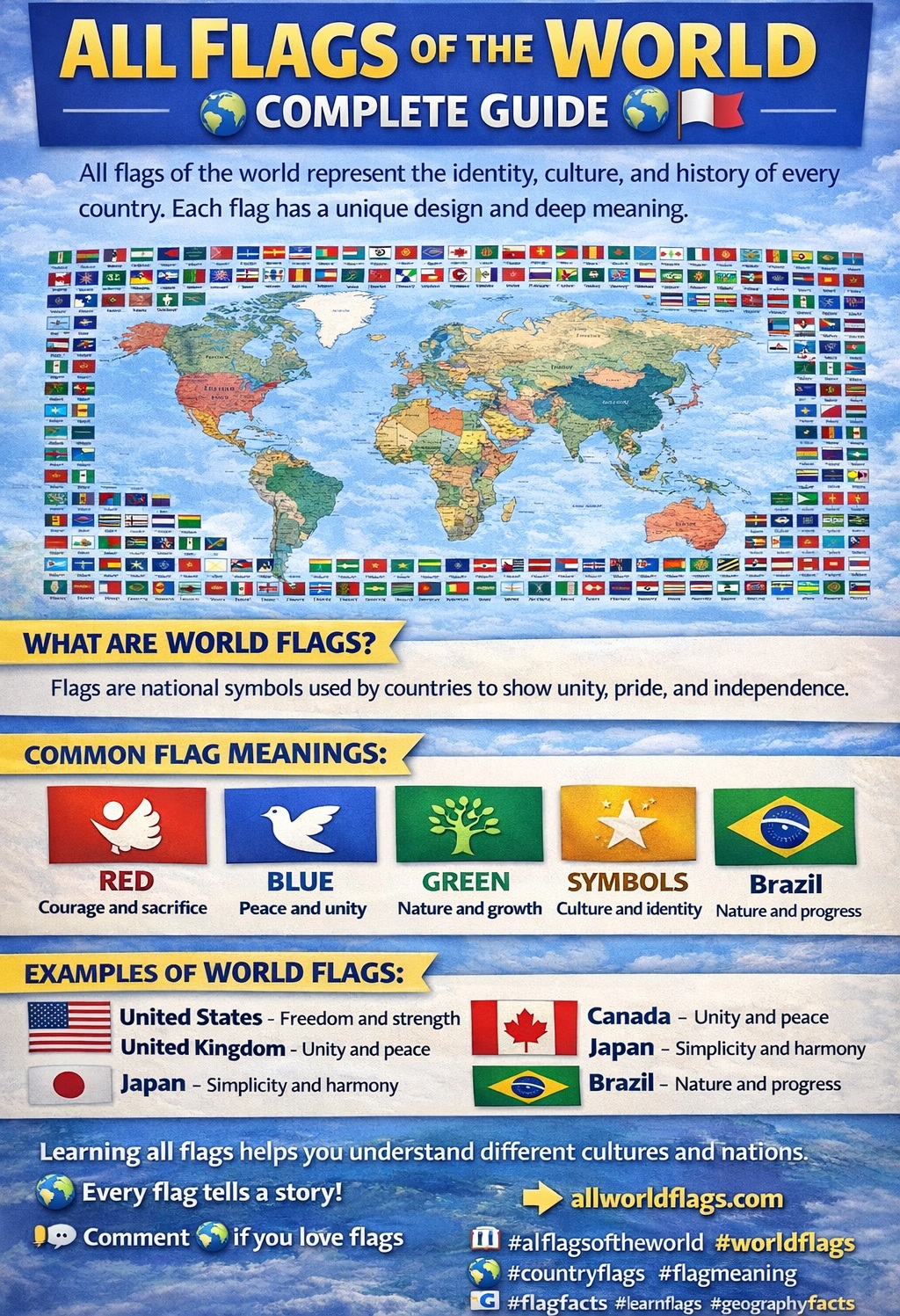
The world of flags is a fascinating topic that represents every country’s identity.
Each flag has its own unique design, colors, and symbols that tell a story about the nation it represents.
Flags are more than just pieces of cloth. They show pride, unity, and history of a country.
For example, the red color often represents bravery, while blue stands for peace and freedom.
Green usually represents nature and growth, and white symbolizes honesty and peace.
Every country flag in the world is different and meaningful.
Some flags include stars, some include circles, and some have stripes or special symbols.
Learning about flags helps us understand different countries and cultures better.
It also teaches us how diverse and beautiful our world is.
The study of flags is called vexillology, and it is an interesting part of geography.
In conclusion, flags are powerful symbols that connect people with their nation and history.
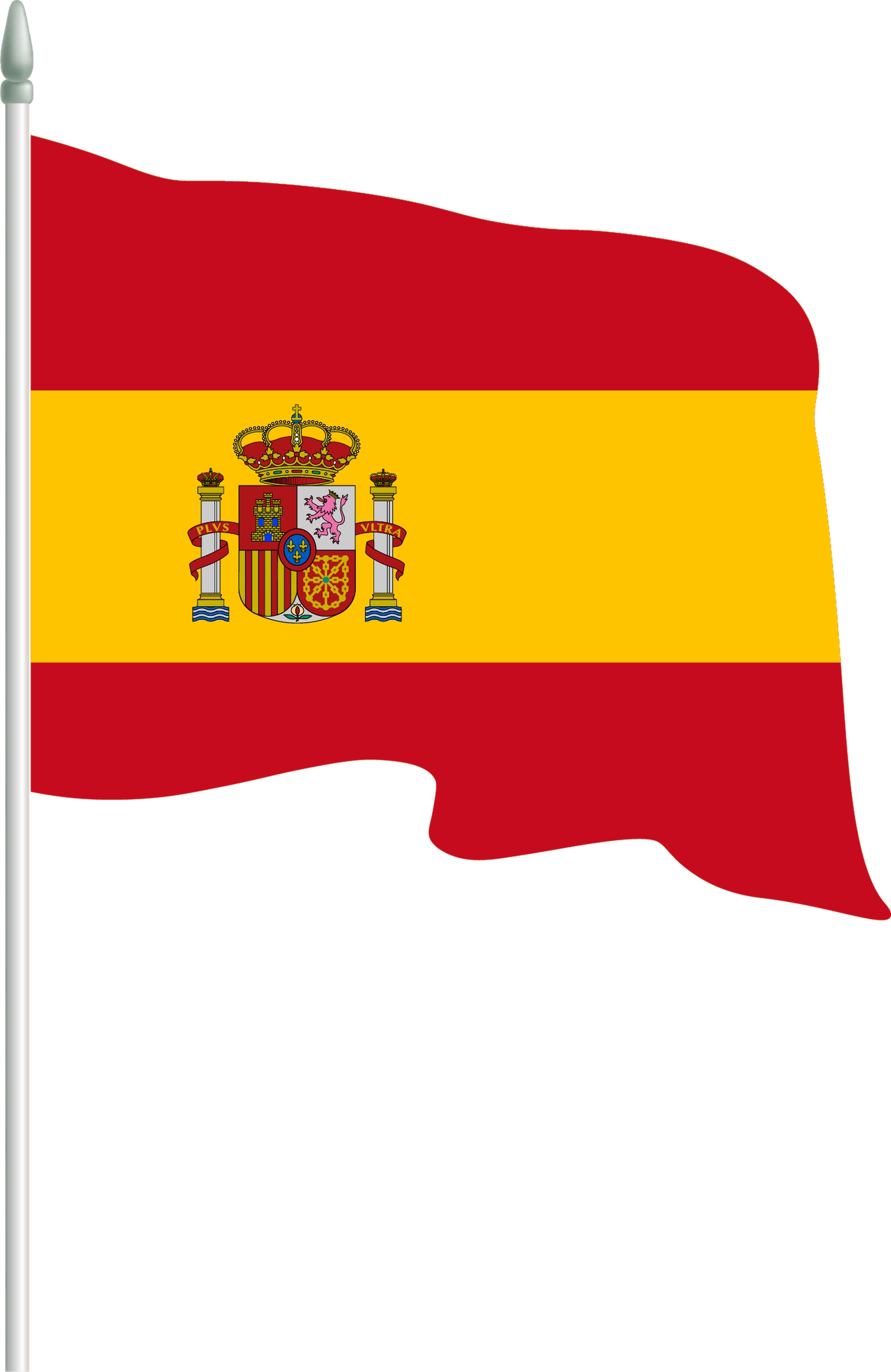
The flag of Spain has three horizontal stripes: red, yellow, and red. The yellow stripe is wider and in the center. It also has the national coat of arms on it. Red represents strength and bravery, while yellow represents generosity. The flag shows Spain’s unity, history, and national pride.
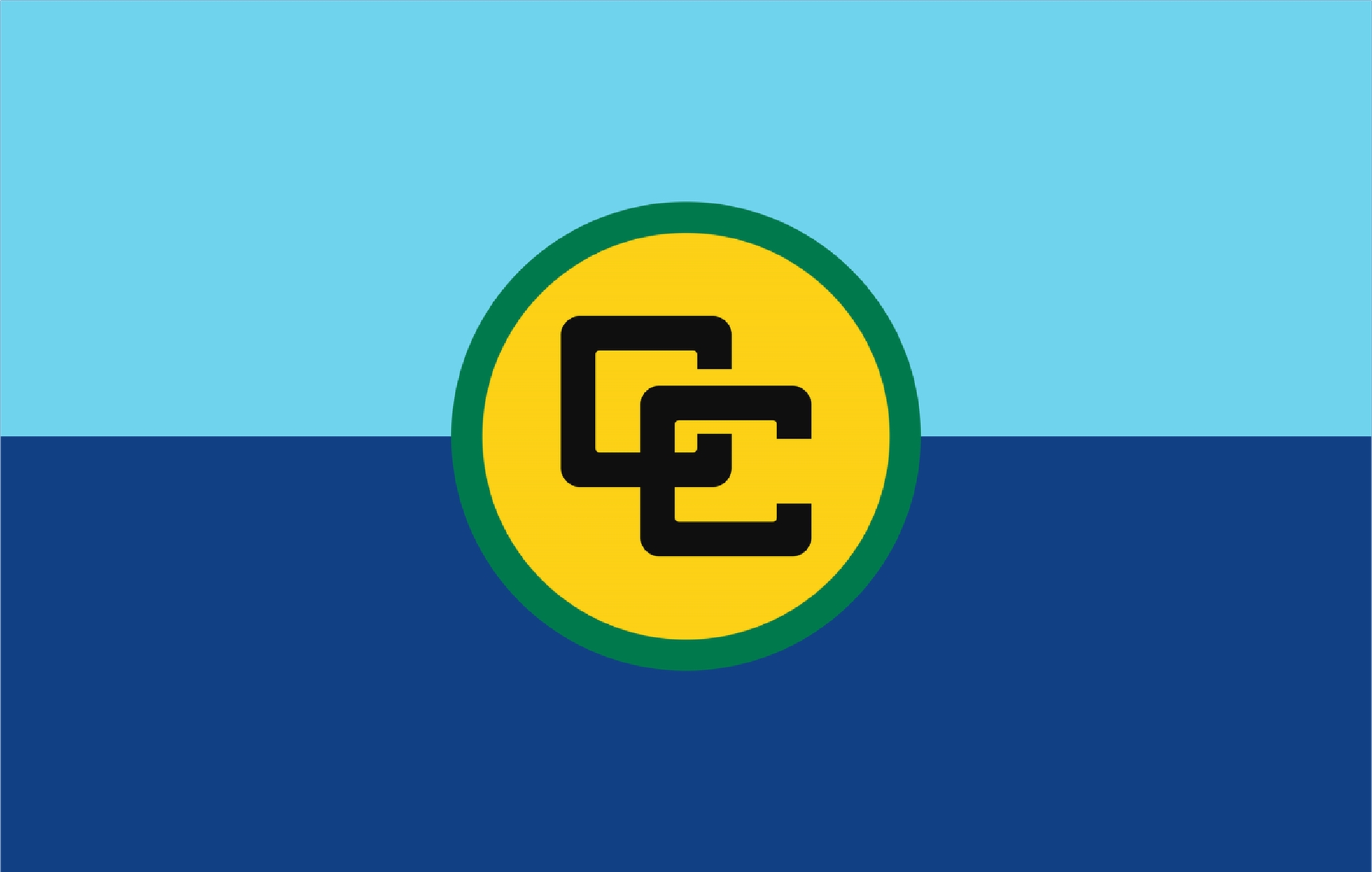
The Caribbean does not have one single flag, but many islands in the Caribbean region each have their own national flags. These flags often use bright colors and symbols that represent the sea, sun, and island culture. Together, Caribbean flags reflect diversity, beauty, and the shared spirit of the Caribbean people.
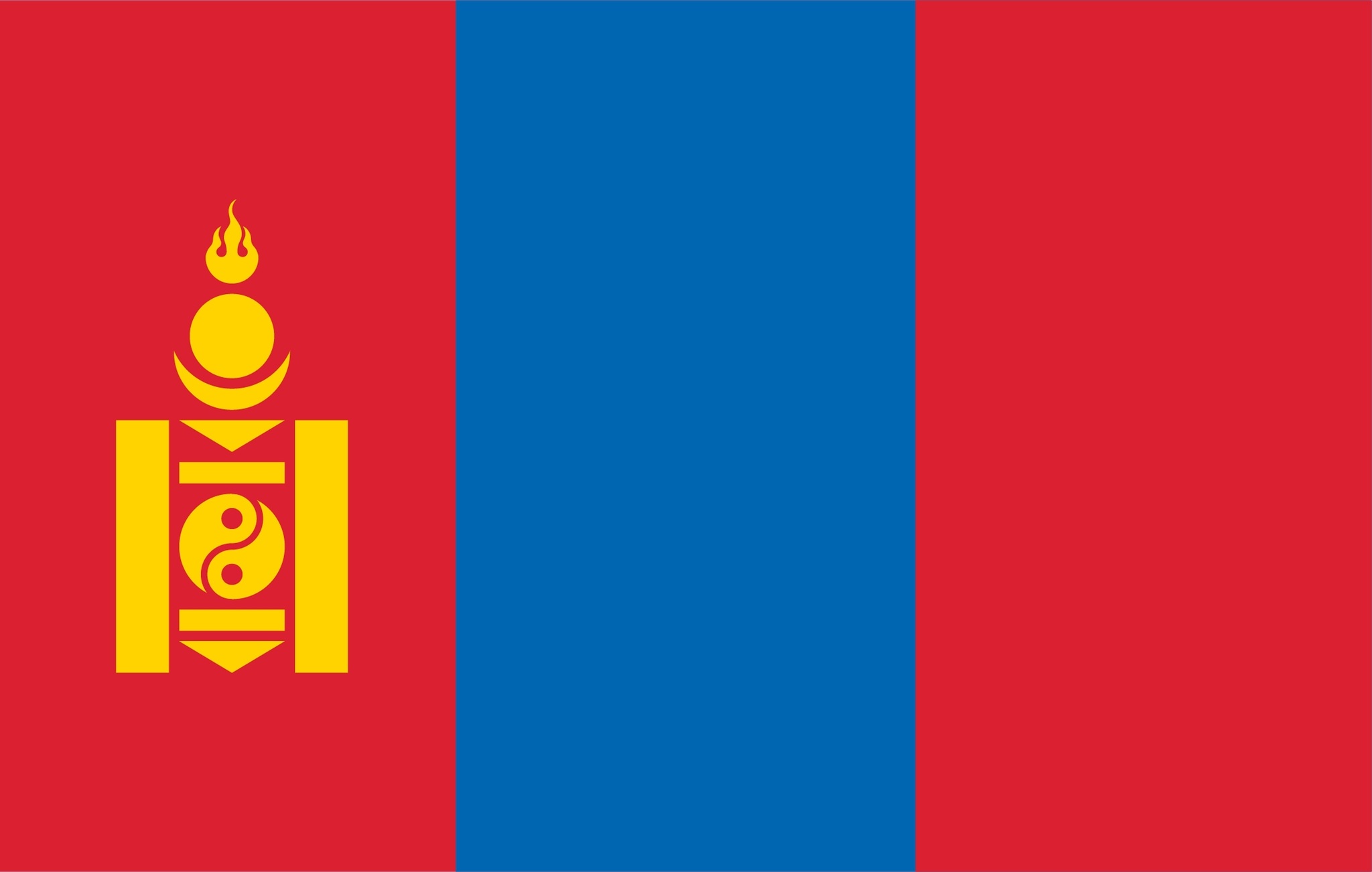
The flag of Mongolia has three vertical stripes: red, blue, and red. The blue stripe in the middle represents the eternal sky. On the left red stripe, there is the Soyombo symbol, which represents freedom and independence. The flag reflects Mongolia’s history, culture, and strong national identity.
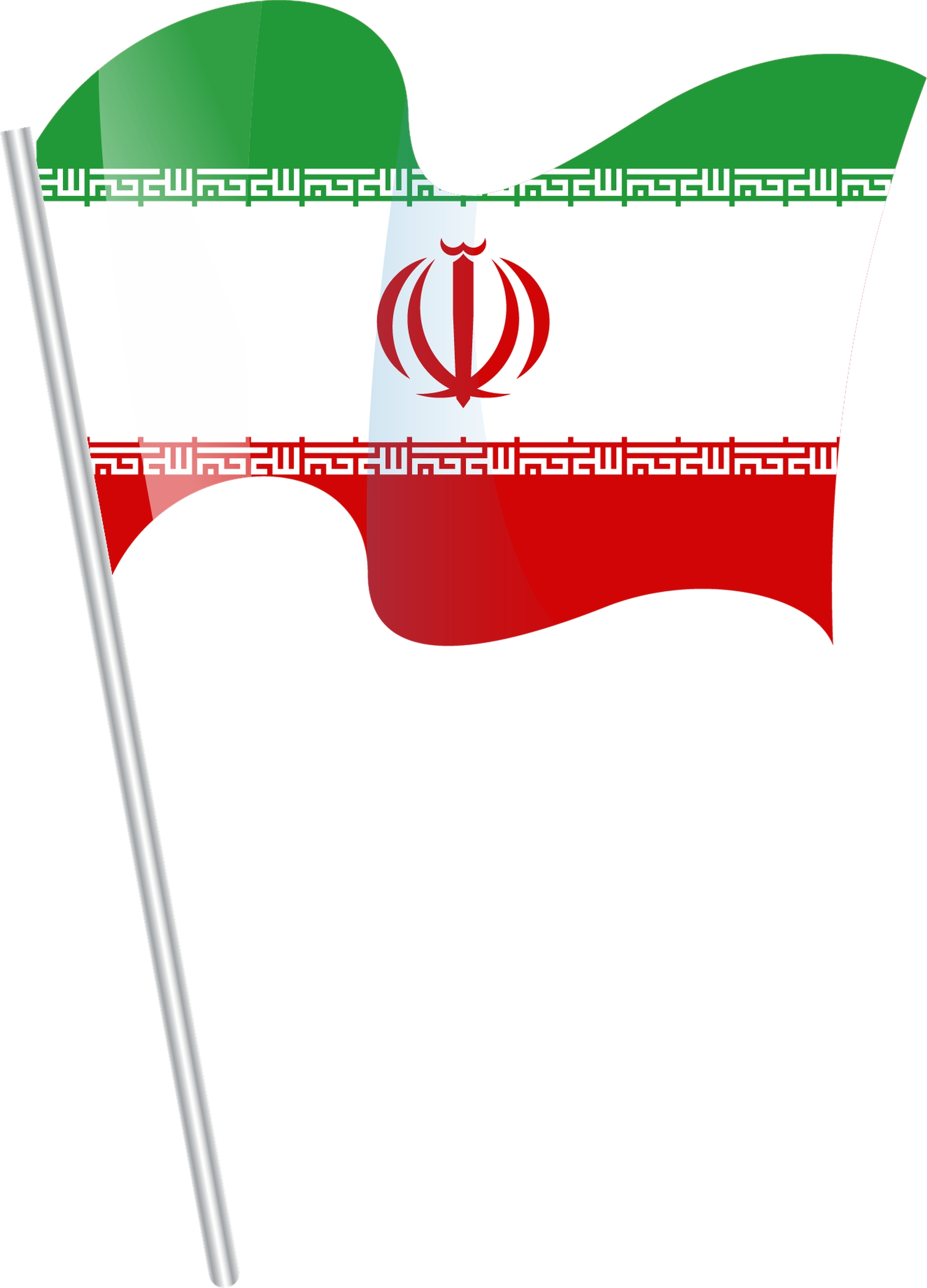
The flag of Iran has three horizontal stripes: green, white, and red. The green represents Islam and growth, white stands for peace, and red symbolizes courage and sacrifice. In the center, there is a red emblem that represents the word “Allah” in a stylized form. Along the edges, the phrase “Allahu Akbar” is repeated. The flag reflects Iran’s culture, religion, and national identity.
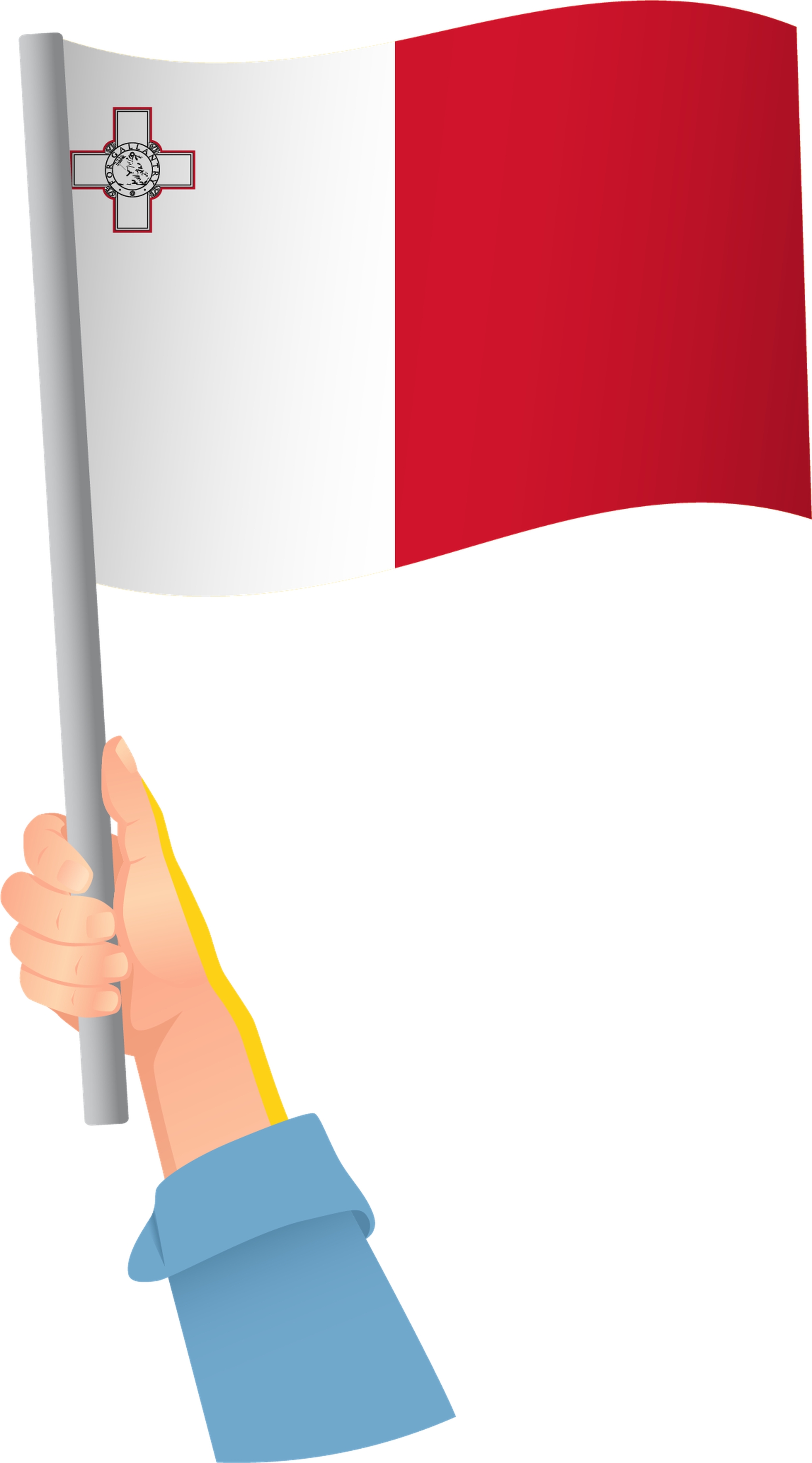
The flag of Malta has two vertical halves: white on the left and red on the right. In the top left corner, there is the George Cross with a red outline, which was awarded to Malta for bravery during World War II. The flag represents courage, history, and the strong spirit of the Maltese people.
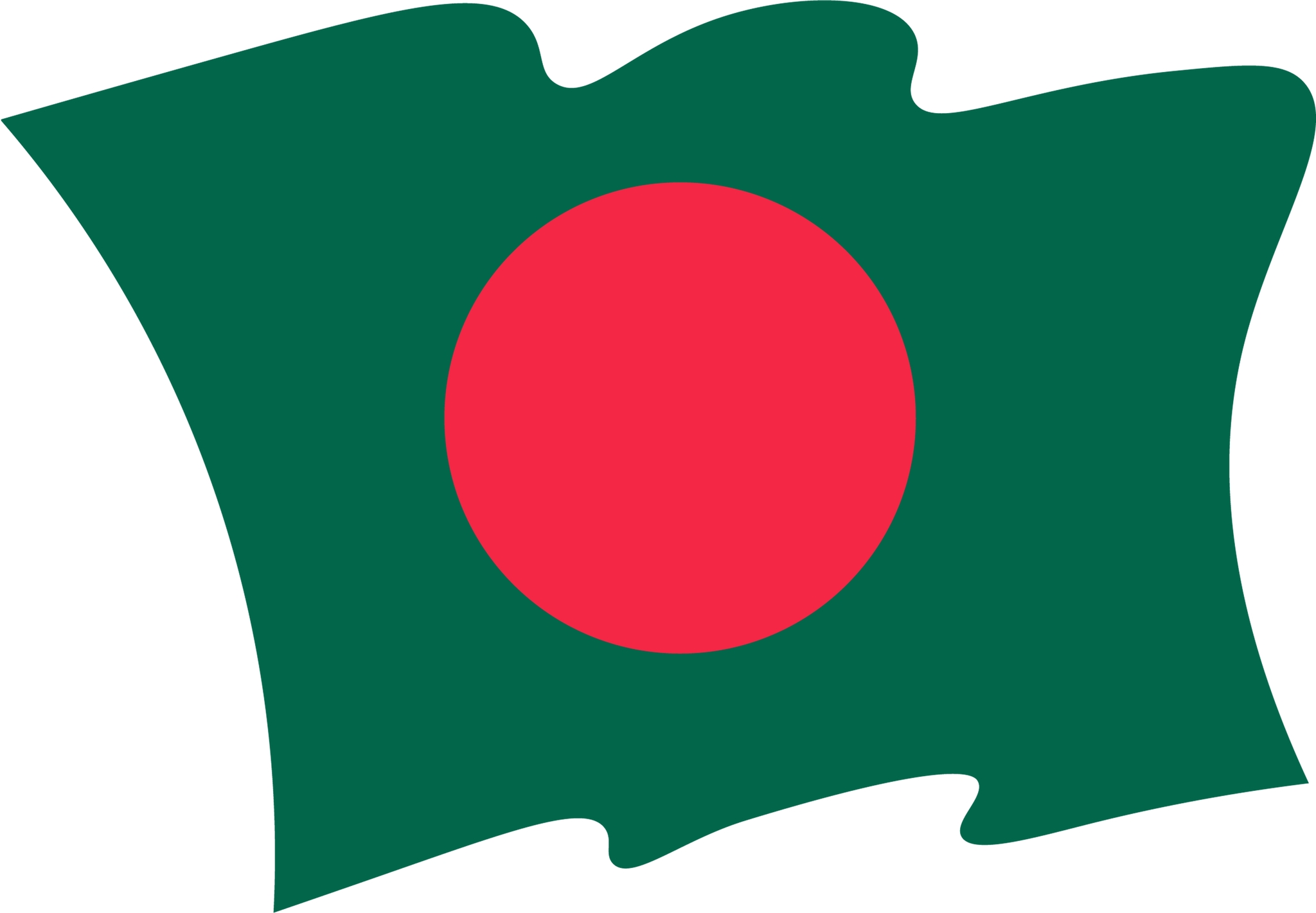
The flag of Bangladesh has a green background with a red circle slightly off-center toward the left. The green color represents the lush land and youth of the country, while the red circle symbolizes the rising sun and the sacrifice made for independence. The flag reflects hope, freedom, and national pride.
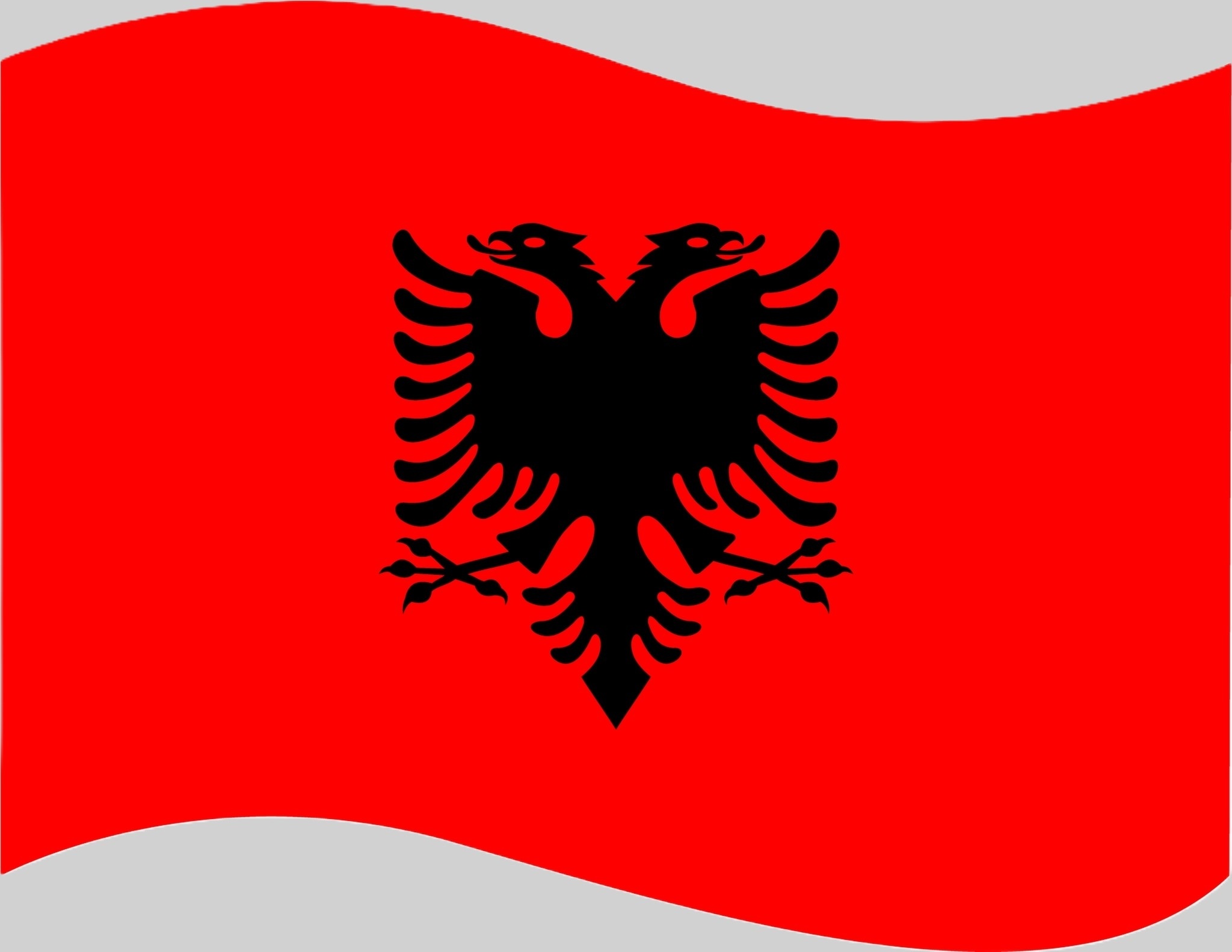
The flag of Albania is red with a black double-headed eagle in the center. The red color represents bravery, strength, and the sacrifices made for freedom. The black eagle is a symbol of independence and courage. The flag reflects Albania’s proud history and strong national identity.