(1) Low Countries: Political History and Notable Figures
 Call Kai
 Learn
Learn Practice Test
 Spaced Repetition
 Match
Match Flashcards
 Knowt Play
1/38

There's no tags or description
Looks like no tags are added yet.
Name | Mastery | Learn | Test | Matching | Spaced | Call with Kai | Chat |
|---|
No analytics yet
Send a link to your students to track their progress
39 Terms
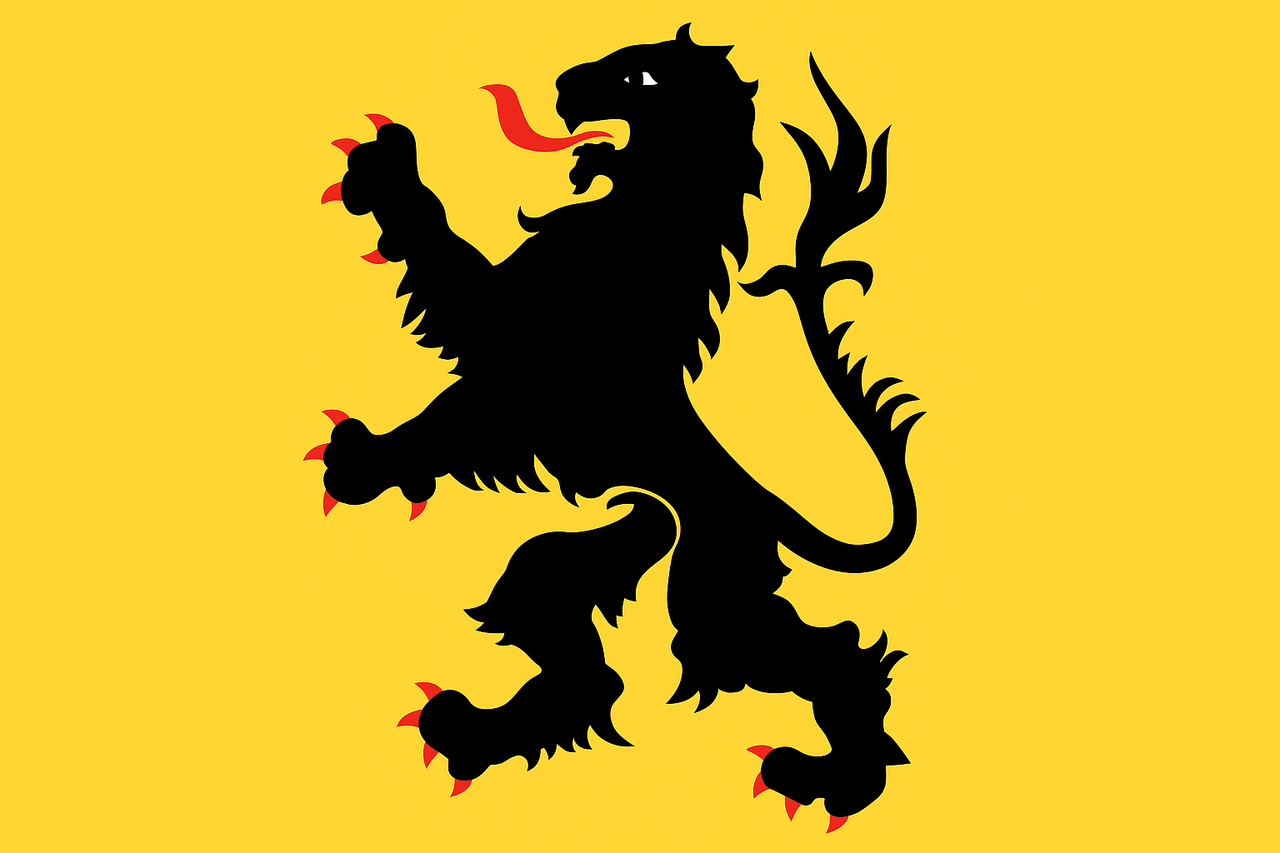
862 - 1384 - French Flanders (All Facts)
It was nominally a part of West Francia (until 987 and the reign of Hugh Capet) and the Kingdom of France (until 1384 and the reign of Philip II of Burgundy)
Despite this legal status, Flanders maintained practical, de facto independence for centuries as a wealthy feudal state; but France eventually gained direct military control by the 1300s a few decades after the Franco-Flemish War, which led to the various revolts against France by the County until it came into the hands of the Duchy of Burgundy
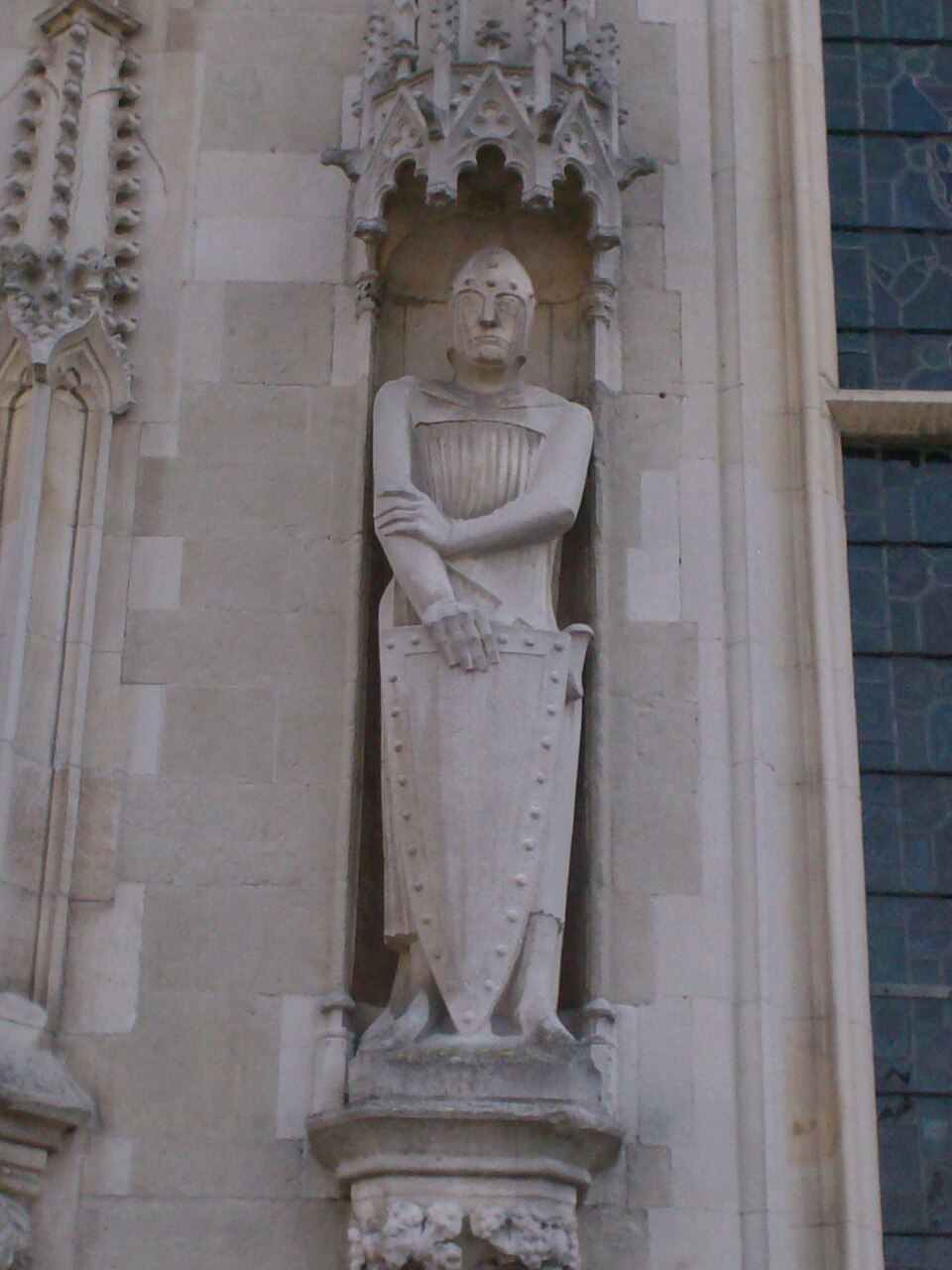
862 - 879 - Baldwin (All Facts)
First Margrave (Ruler) of Flanders

918 - 964 - Arnulf (All Facts)
First Count and Founder of the County of Flanders
He was nicknamed “The Great”
He was known to have eloped with Judith, one of the daughters of Charles (“the Bald”) of the Carolingian Empire
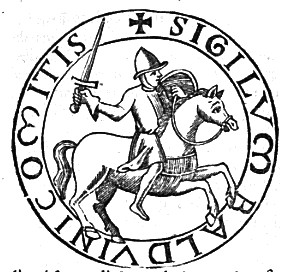
1035 - 1067 - Baldwin V (All Facts)
7th Count of Flanders
He served as regent of France during the reign of King Philip of France
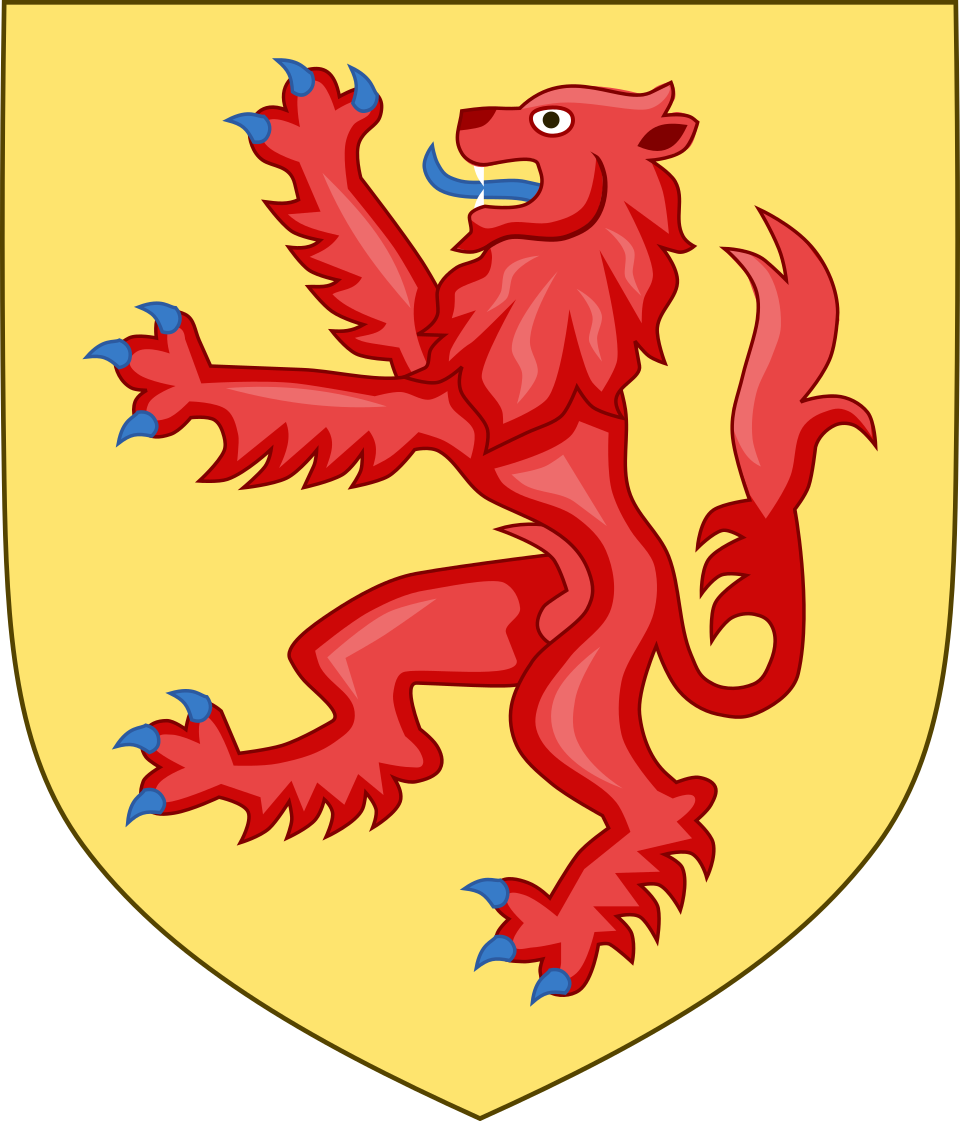
1091 - 1588 - Holy Roman Holland (All Facts)

1128 - 1168 - Thierry of Alsace / Theodoric (All Facts)
15th Count of Flanders
He was known for being a distinguished crusader, having participated in the Second Crusade

1194 - 1205 - Baldwin IX (All Facts)
19th Count of Flanders
He was also the First Emperor of the Latin Empire of Constantinople
1255 - 1333 - Pieter de Coninck (All Facts)
Flemish Weaver who led a massacre of the Flemish oligarchs
He and his forces defeated the French knights and their forces in the Battle of the Golden Spurs
1290 - 1345 - Jacob van Artevelde (All Facts)
Flemish Statesman and Wealthy Burgher of Ghent
He led an army of rich and poor and besieged Tournai to overthrow Count Louis of Nevers, an ally of France
He was murdered in Ghent by a mob in revolt against his dictatorship
Upon his death, Flanders withdrew from its involvement in the Hundred Years’ War between England and France
1322 - 1346 - Louis of Nevers (All Facts)
Count of Flanders
He was French, not Flemish
The Flemish rebelled against his rule during the Flemish Revolt
He called in King Philip VI of France to defeat the rebel Flemish artists and peasants in the Battle of Cassel
1340 - 1382 - Philip van Artevelde (All Facts)
Leader of the Flemish in the Revolt of Ghent against Count Louis of Male in Flanders
He captured Bruges from the French
He and his forces were defeated in the Battle of Roosebeke and he died after the battle
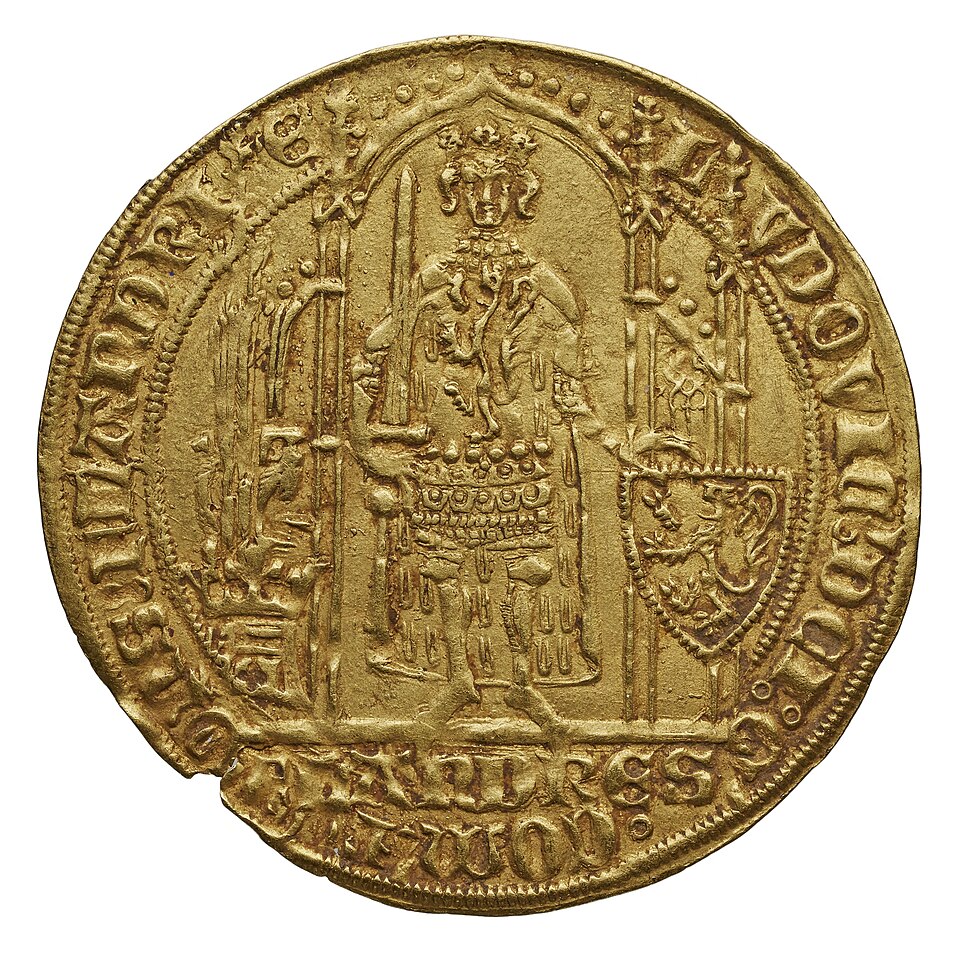
1346 - 1384 - Louis de Male (All Facts)
Count of Flanders
He was French, not Flemish
He married the daughter of Philip the Bold, strengthening Flanders’ ties with Burgundy
The Flemish rebelled against his rule during the Revolt of Ghent
When Philip van Artevelde captured Bruges from him, he appealed to King Charles VI of France and King Philip II of Burgundy for help
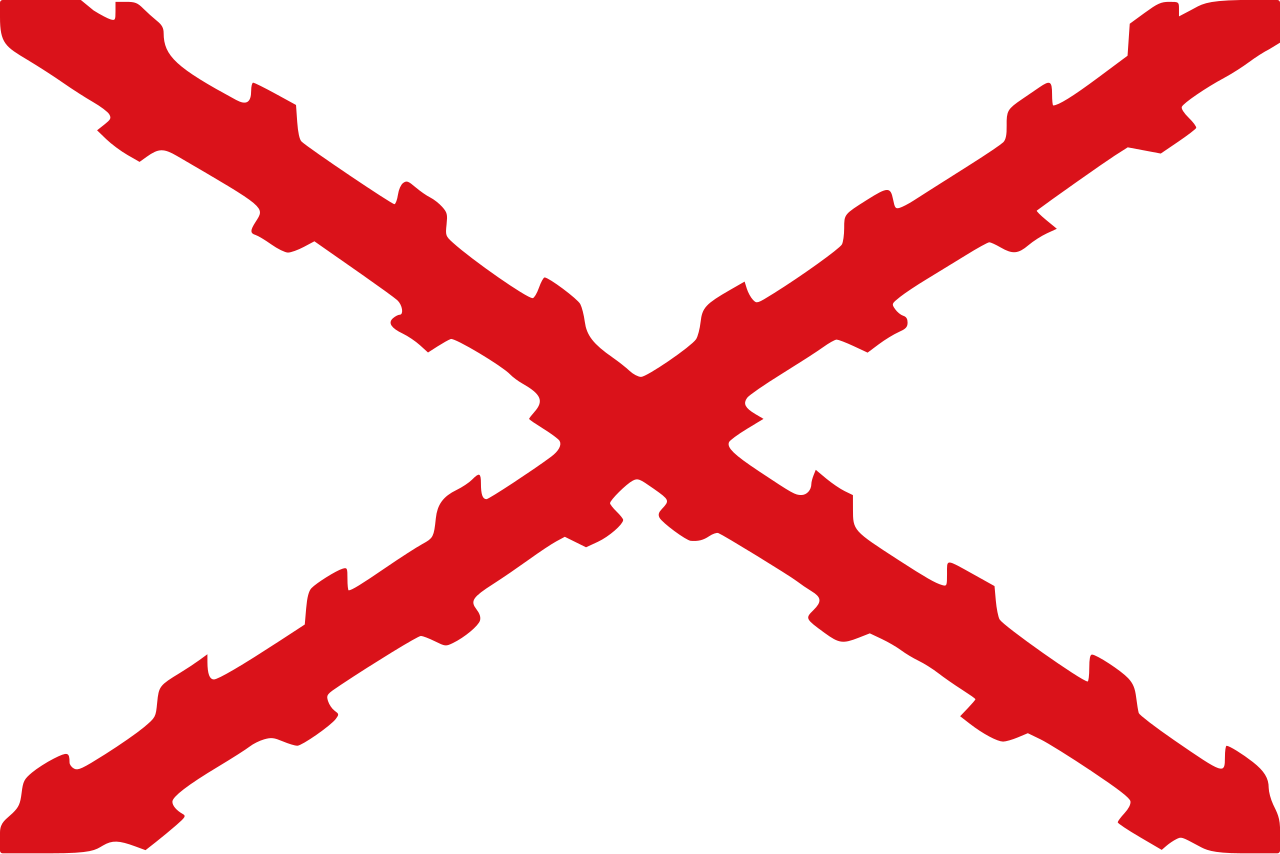
1384 - 1482 - Burgundian Netherlands (All Facts)
Period when the Low Countries were ruled by the House of Valois-Burgundy and were controlled partly by France and partly by the Holy Roman Empire (since Burgundy was geographically a part of France but politically a part of both France and the Holy Roman Empire)
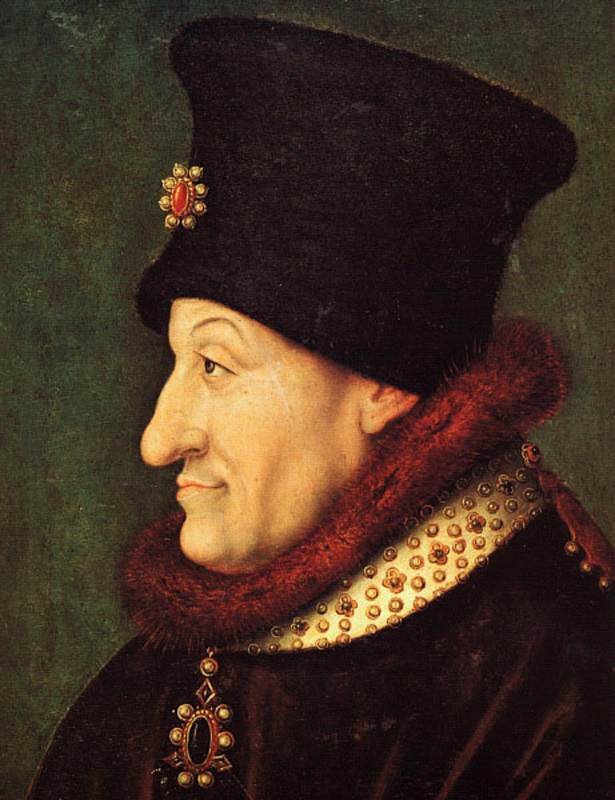
1384 - 1404 - Philip II (All Facts)
First Ruler of the Burgundian Netherlands and Burgundian Count of Flanders
He was nicknamed “The Bold”
He was Burgundian, not Flemish
He married Margaret III, the daughter of his predecessor Louis de Male, thus inheriting the County of Flanders
He worked to establish Flanders’ independence from France, but came into increasing conflict with the English, who were expelled from Flanders under his reign
The native population of Flanders, who had no share in the bonanza of trade taking place, experienced hardship as a result of the intermittent warfare between Flanders, France, and England during the Hundred Years’ War
He inherited Flanders, as well as Antwerp, Artois, and Malines
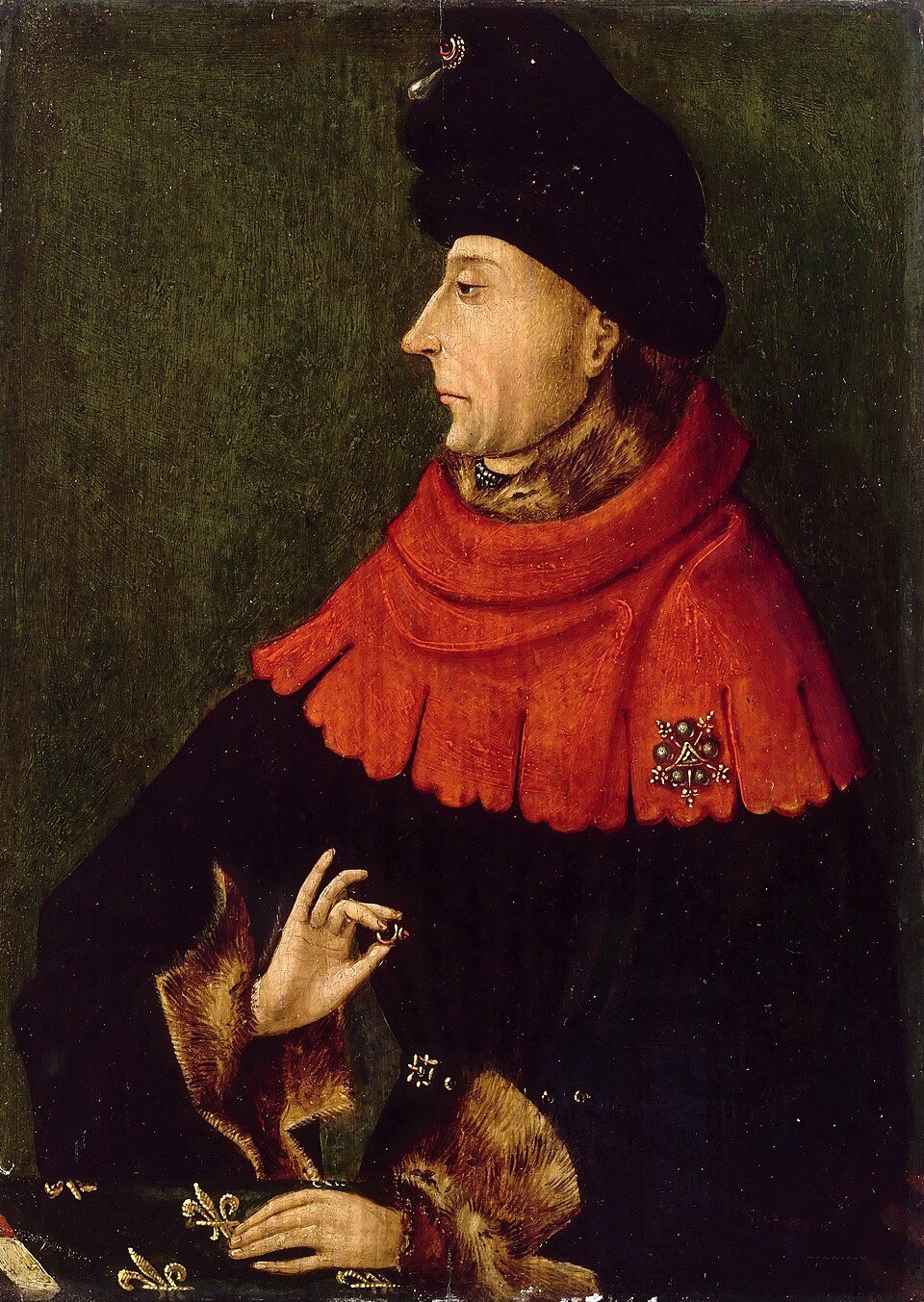
1404 - 1419 - John (All Facts)
2nd Ruler of the Burgundian Netherlands and Burgundian Count of Flanders
He was nicknamed “The Fearless”
He inherited the County of Flanders via his mother, Margaret III of Flanders and his father, the namesake predecessor who married her
He died and was succeeded as Count of Flanders by his son
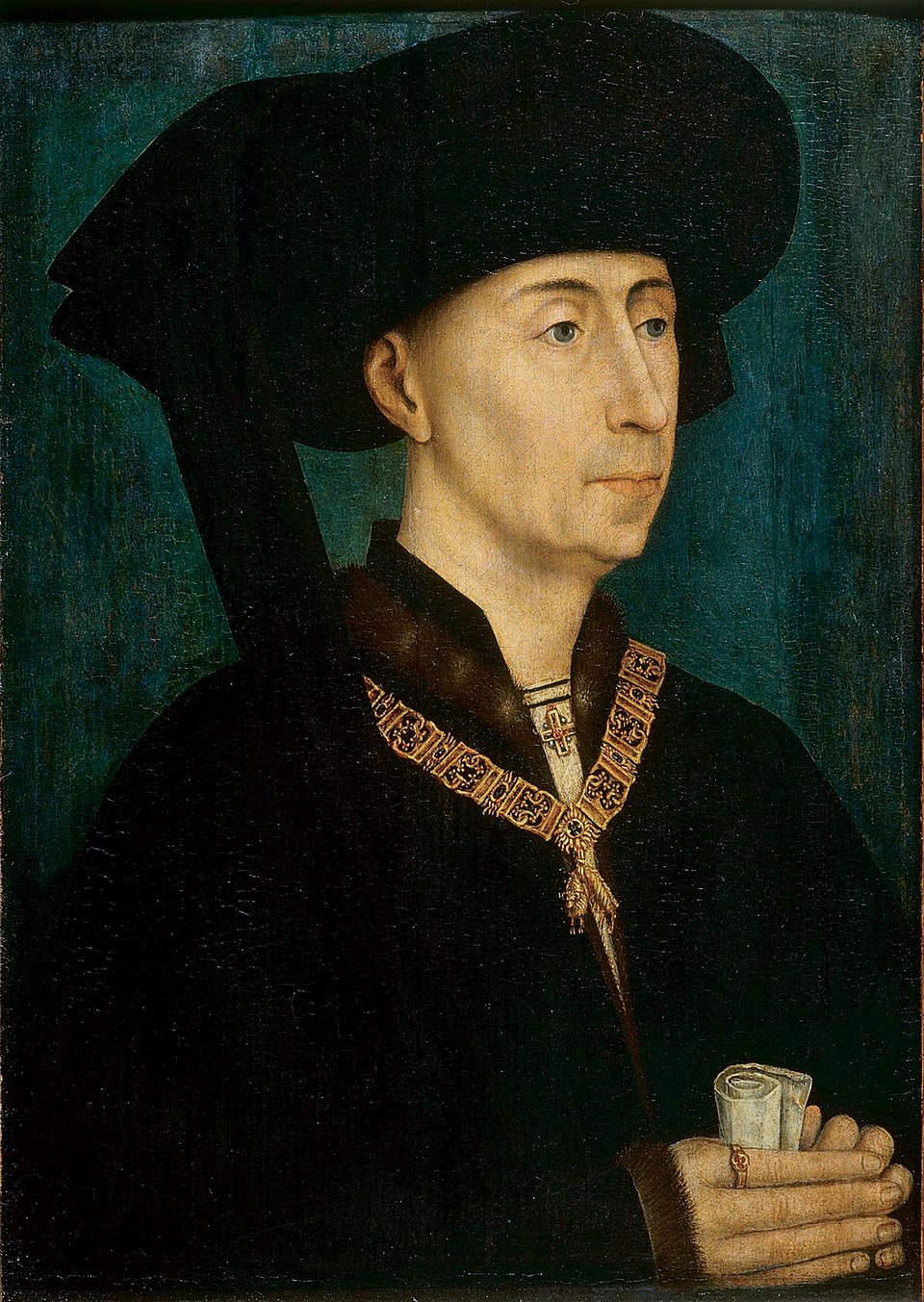
1419 - 1467 - Philip III (All Facts)
3rd Ruler of the Burgundian Netherlands and Burgundian Count of Flanders
He was nicknamed “The Good”
Under his reign, Bruges experienced a peak in which it was
The richest commercial staging-post in Europe
A world city, with a new international culture and lifestyle
Prosperous not only in commerce but in the arts
Exemplified by the namesake’s sumptuous court
Able to provide its merchants the chance to become landowners and members of the nobility
He was the patron of all woodcarvers, metalworkers, and painters
He was the patron of Jan Van Eyck
He died and was succeeded as Count of Flanders by his son
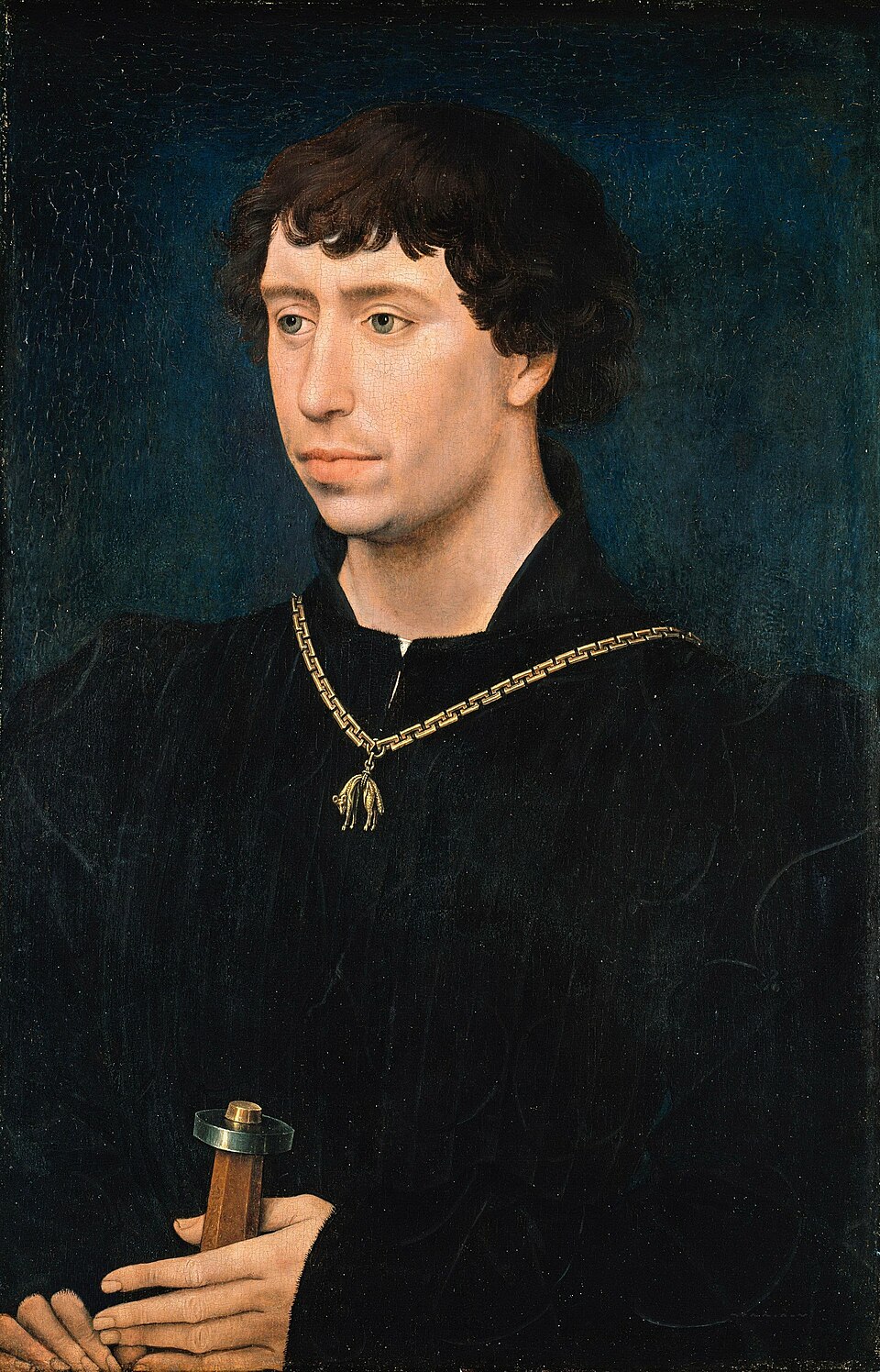
1467 - 1477 - Charles (All Facts)
4th Ruler of the Burgundian Netherlands and Burgundian Count of Flanders
He was nicknamed “The Bold”
He died and was succeeded as Count of Flanders by his only surviving child, his namesake daughter
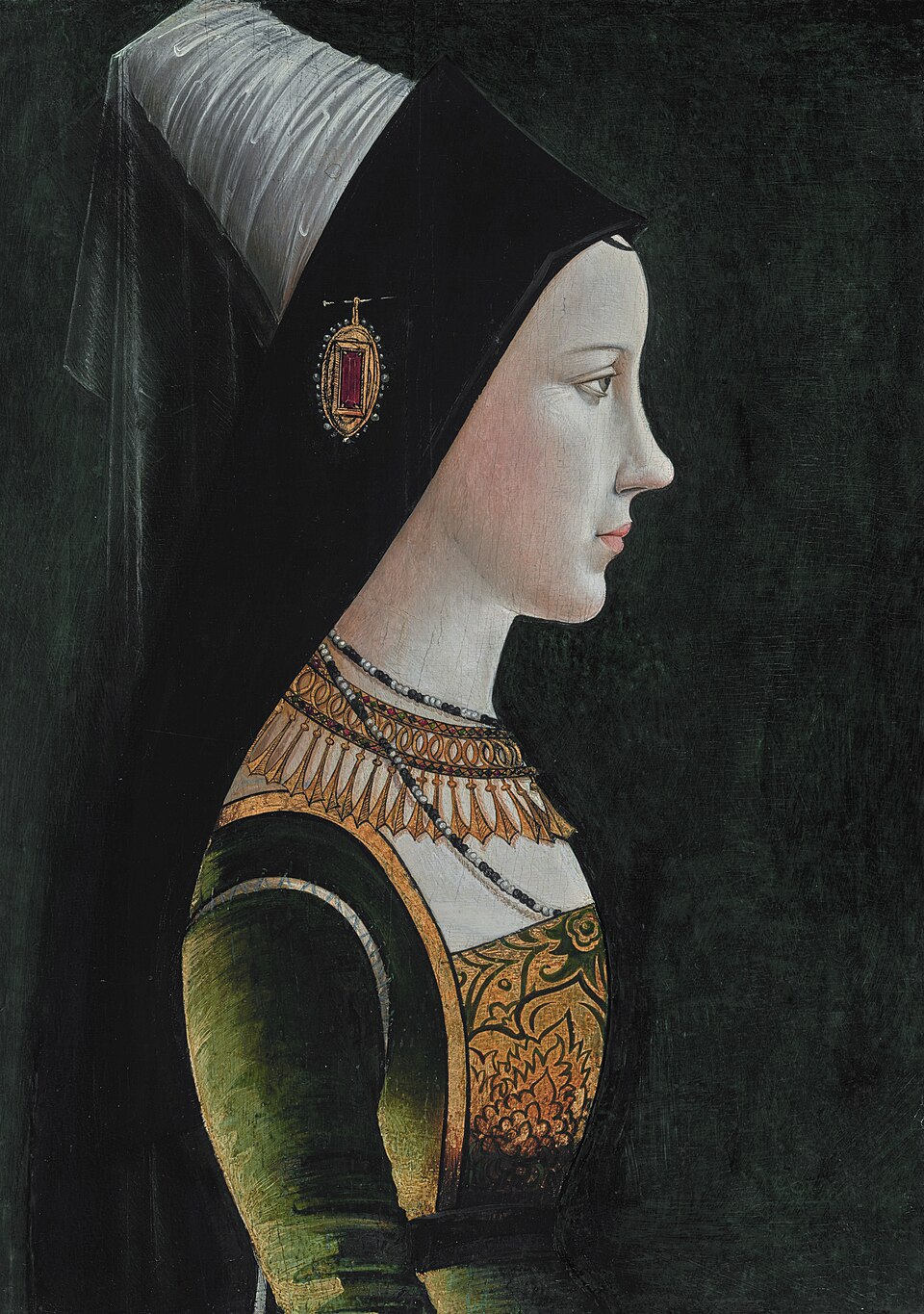
1477 - 1482 - Mary (All Facts)
5th and Final Co-Ruler of the Burgundian Netherlands and Burgundian Count of Flanders
She was nicknamed “The Rich”
She was the daughter and only surviving heir of her namesake predecessor
She was the Duchess of Burgundy
She died and was succeeded as Count of Flanders and Ruler of the Netherlands by the namesake Habsburg
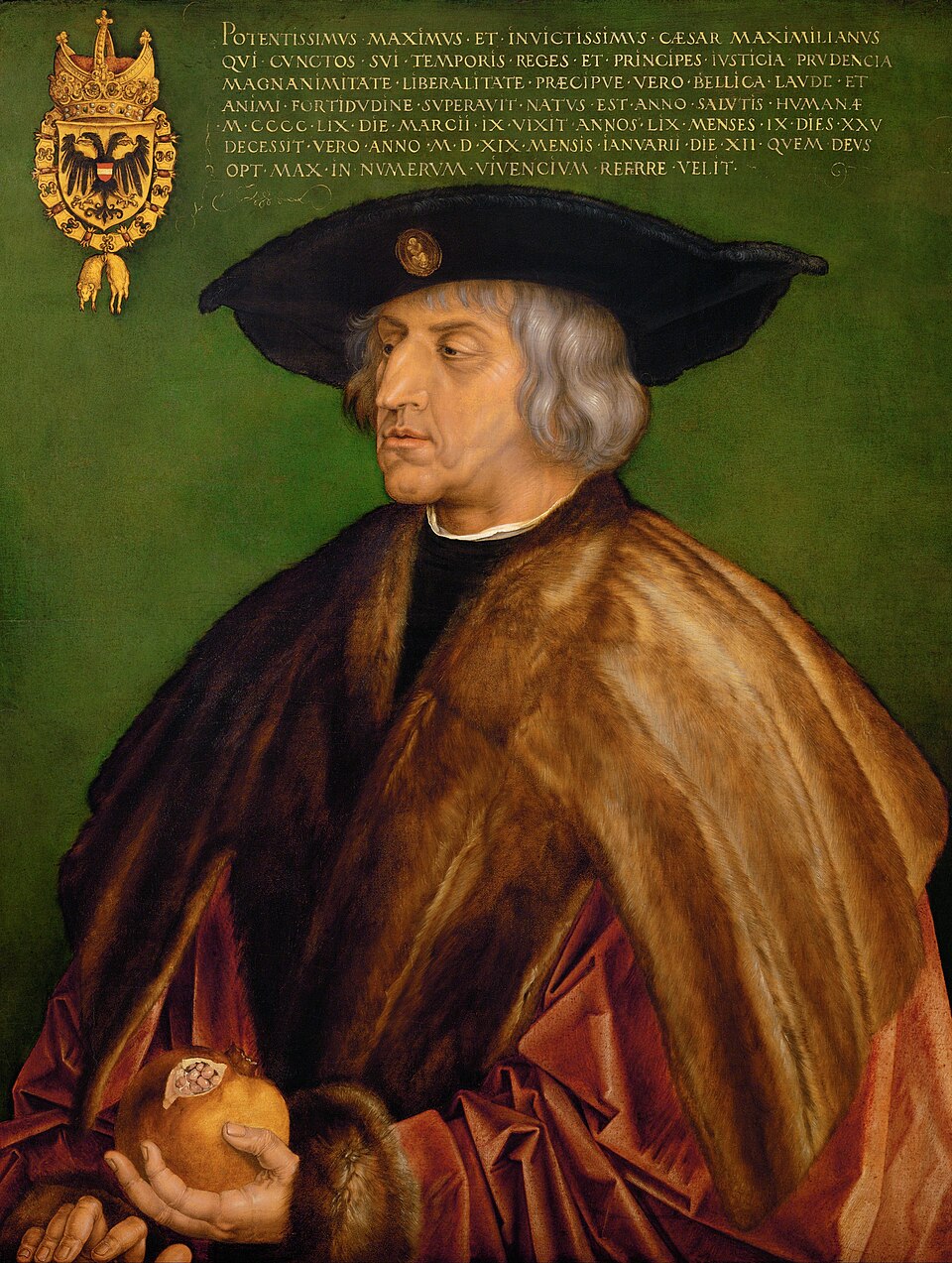
1477 - 1482 - Maximilian (All Facts)
5th and Final Co-Ruler of the Burgundian Netherlands and Burgundian Count of Flanders
He co-ruled the Burgundian Netherlands with his wife and the Duchess of Burgundy, Mary
His rule marked the end of the Burgundian Netherlands and beginning of the Habsburg Netherlands, however he ruled the Netherlands in name only
Regent of the Low Countries in the name of his son Philip and Co-ruler of the Burgundian Netherlands
He took Bruges and Ghent (by siege)
Although accepted by the duchies of Holland, Zeeland, and Hainault; his claim to authority in the Low Countries as guardian of his son Philip was rejected by the county of Flanders and Brabant
When he went to Bruges to negotiate with disaffected tradesmen, he was trapped in their revolt against him and held captive for 11 weeks
The cities were only brought to renegotiate with him after they heard that his father, as Holy Roman Emperor, had been advancing into Bruges with his army
The namesake was thus forced to renounce his regency of the Low Countries
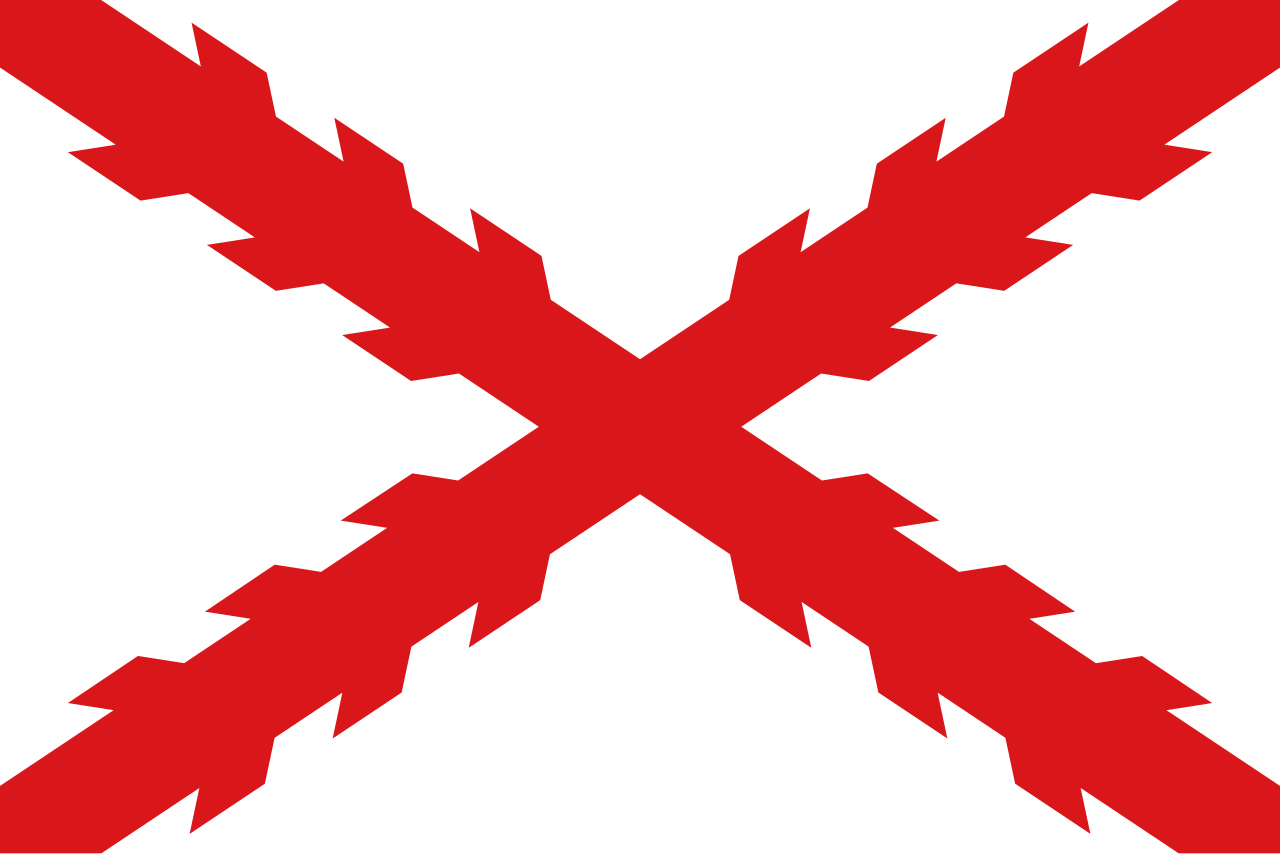
1482 - 1581 / 1797 - Habsburg (Spanish) Netherlands (All Facts)
Period during which the Habsburgs controlled the Netherlands beginning with the marriage of Holy Roman Emperor and Habsburg Maximilian to Mary of Burgundy, and then officially beginning with the rule over the Netherlands via their son Philip IV
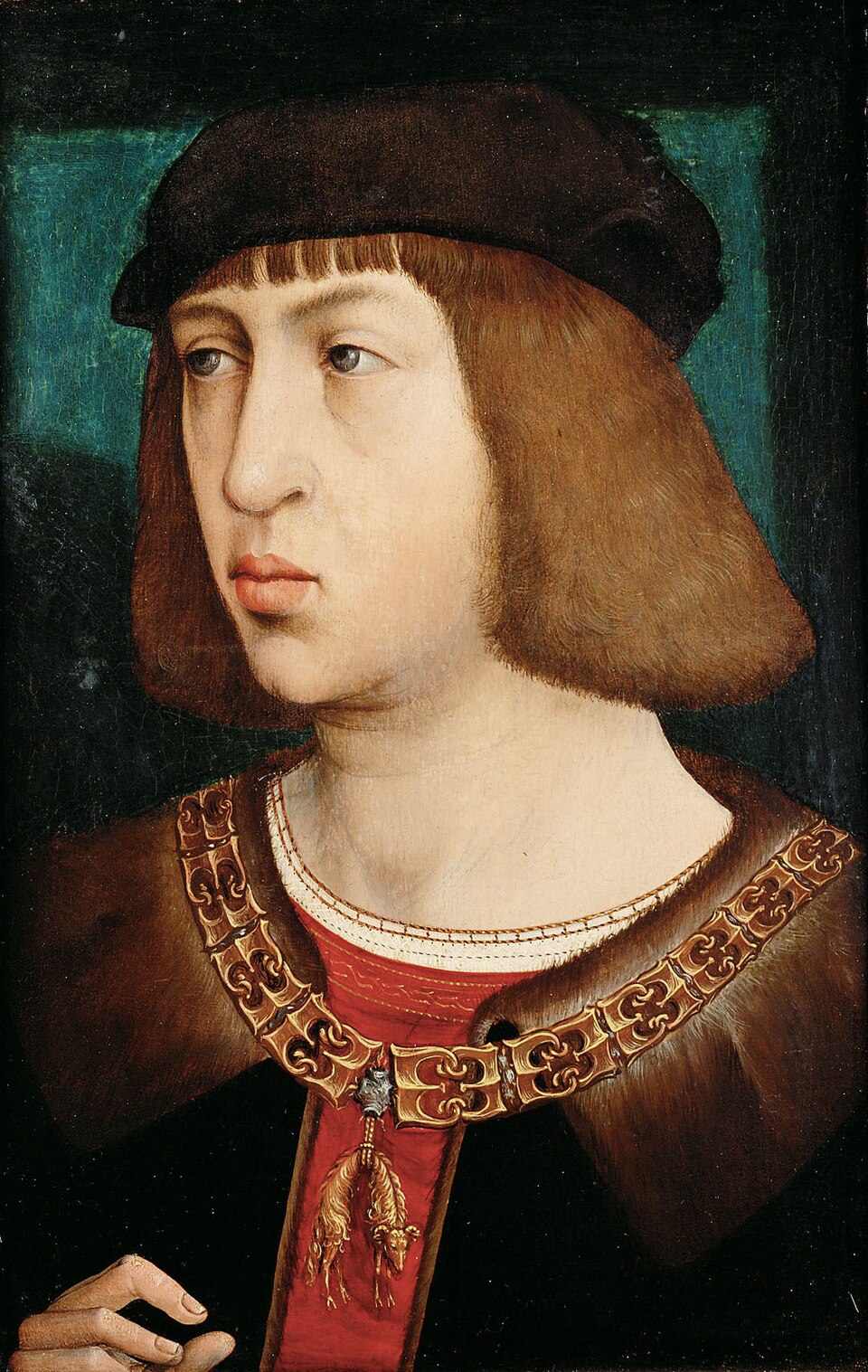
1482 - 1506 - Philip IV (All Facts)
First Lord and Founder of the Lordship of and Habsburg (Spanish) Netherlands / Low Countries
He was nicknamed “the Fair” / “the Handsome”
He was the son of his predecessor, but inherited the Netherlands from his mother, his predecessor’s wife
Under his reign, Flanders rejected Maximilian’s claim to authority in the Low Countries; along with Brabant
He died at Burgos in Spain at the age of 28
He was succeeded as Count of Flanders by
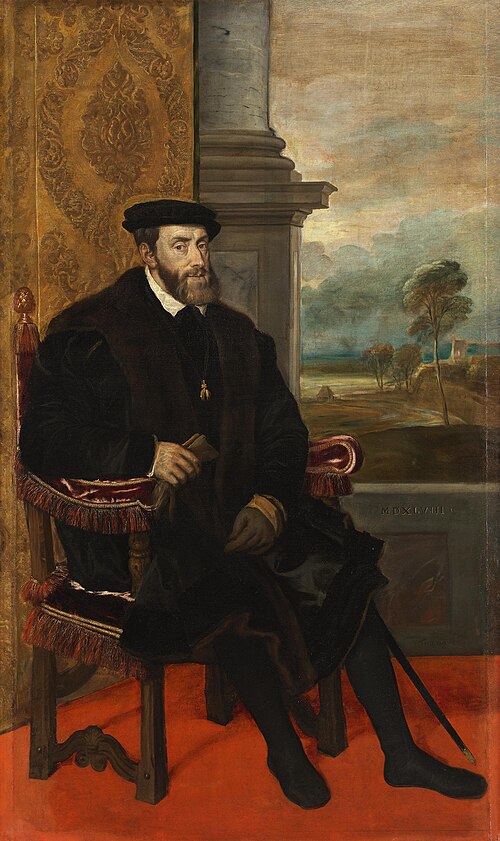
1506 - 1555 - Charles II / Charles V (All Facts)
2nd Lord of the Habsburg (Spanish) Netherlands / Low Countries
He was the son of his predecessor
During his reign,
he set up a state-run inquisition to supplement the long-established papal Spanish Inquisition, operating independently of the Spanish Inquisition, rather than as an extension of it
Two of Martin Luther’s followers, monks from Antwerp, were burnt alive, as a result of its establishment
he prohibited the adoption of Protestant doctrines in the Netherlands
he suppressed the Revolt of Ghent (in Flanders) against his rule and his excessive taxation of them to fund the Seventh Italian War
he demanded that the leaders and aldermen of the Revolt of Ghent come to beg his pardon with nooses around their necks, having executed around 20 of them
he made the administration of the Netherlands independent of the German Empire (Holy Roman Empire)
he abdicated the sovereignty of the Netherlands to his son and successor
During his reign,
He signed the Treaty of Speyer with Denmark
He died and was succeeded by his son and successor
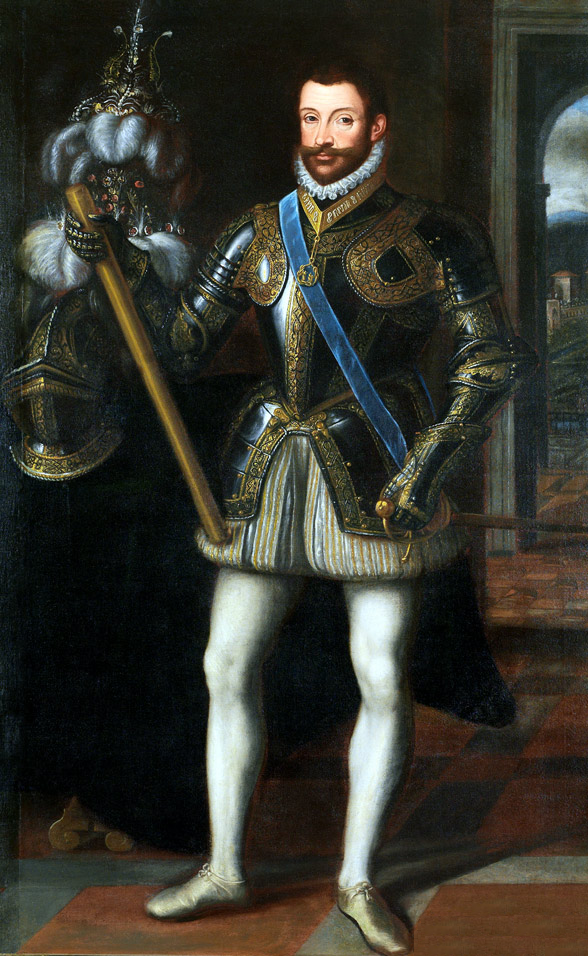
1555 - 1559 - Emmanuel Philibert (All Facts)
5th (Savoyard) Governor of the (Spanish) Netherlands
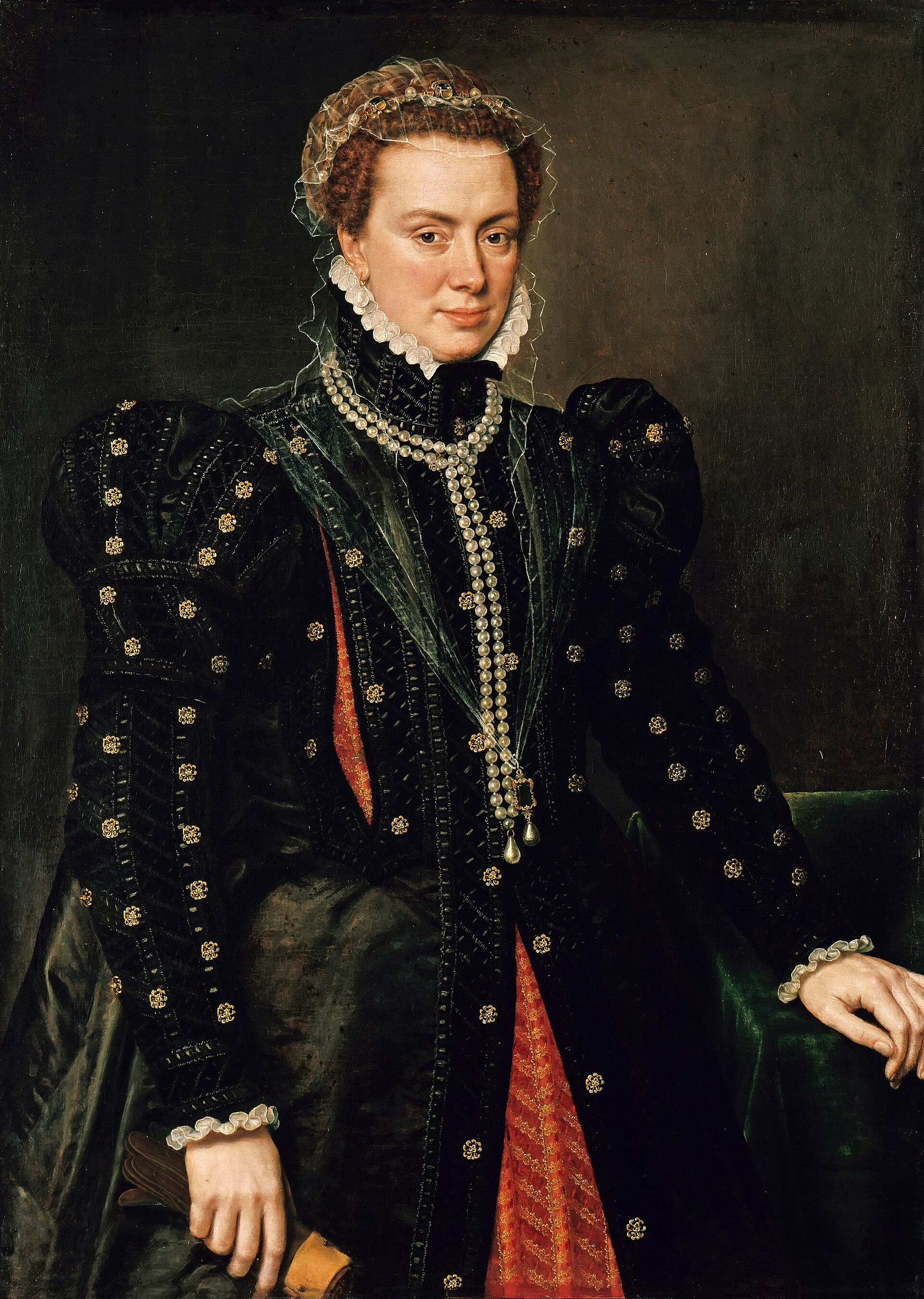
1559 - 1567 - Margaret of Parma (All Facts)
6th (Italian) Governess of the (Spanish) Netherlands and Regent of the Netherlands
She was the sister of King Philip II of Spain
During her reign,
She used newly-arrived funds from Spain to build up an army despite the accord (agreement) she signed with William of Orange and the Dutch Calvinists, which guaranteed suspension of persecution provided that the Dutch Calvinists lay down their arms and allow Catholics to worship unmolested
She was humiliated by Fernando Álvarez de Toledo, who forced her to demobilize the army which she had raised to counter the Dutch Revolt
He assumed many of her powers until she left for Italy
Under her reign,
In compliance with an undertaking given to her, she had Spanish troops leave the Netherlands
A papal bull was published which proposed the creation of 14 new bishoprics in addition to the four existing ones, which alienated many nobles whose relatives were thus excluded from the ecclesiastical sinecures
The “Sea Beggars” petition her to demand the abolition of the Inquisition of the Netherlands
She promised to send a message to King Philip II of Spain, the Lord of the Netherlands at the time
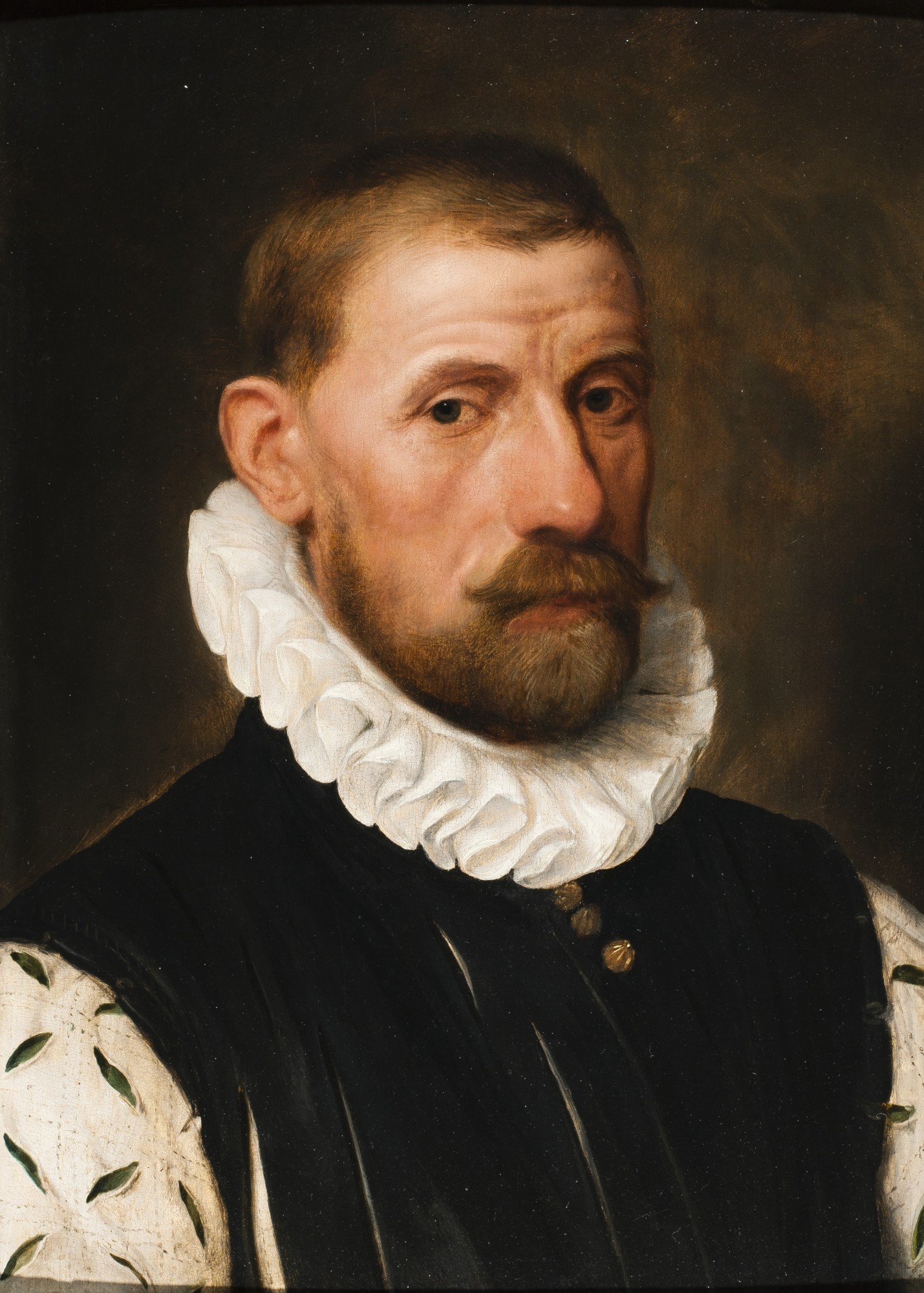
1522 - 1568 - Lamoral, Count of Egmont (All Facts)
Statesman and General of the Low Countries / Spanish Netherlands and one of the three “Sea Beggars” of the Netherlands
He was from the Low Countries (likely Belgian)
He was an administrator of the Council of the Netherlands
He was appointed by King Philip II of Spain
He ruled jointly with Philip de Montmorency and William of Orange
He then led the Dutch in their revolt against Spain
He and his Spanish forces defeated the French forces in the Battle of Gravelines, helping end the Ninth Italian War
He was executed by order of the repressive “Court of Unrest,” the so-called “Council of Blood” of Spain, triggering the Dutch Revolt / Eighty Years’ War
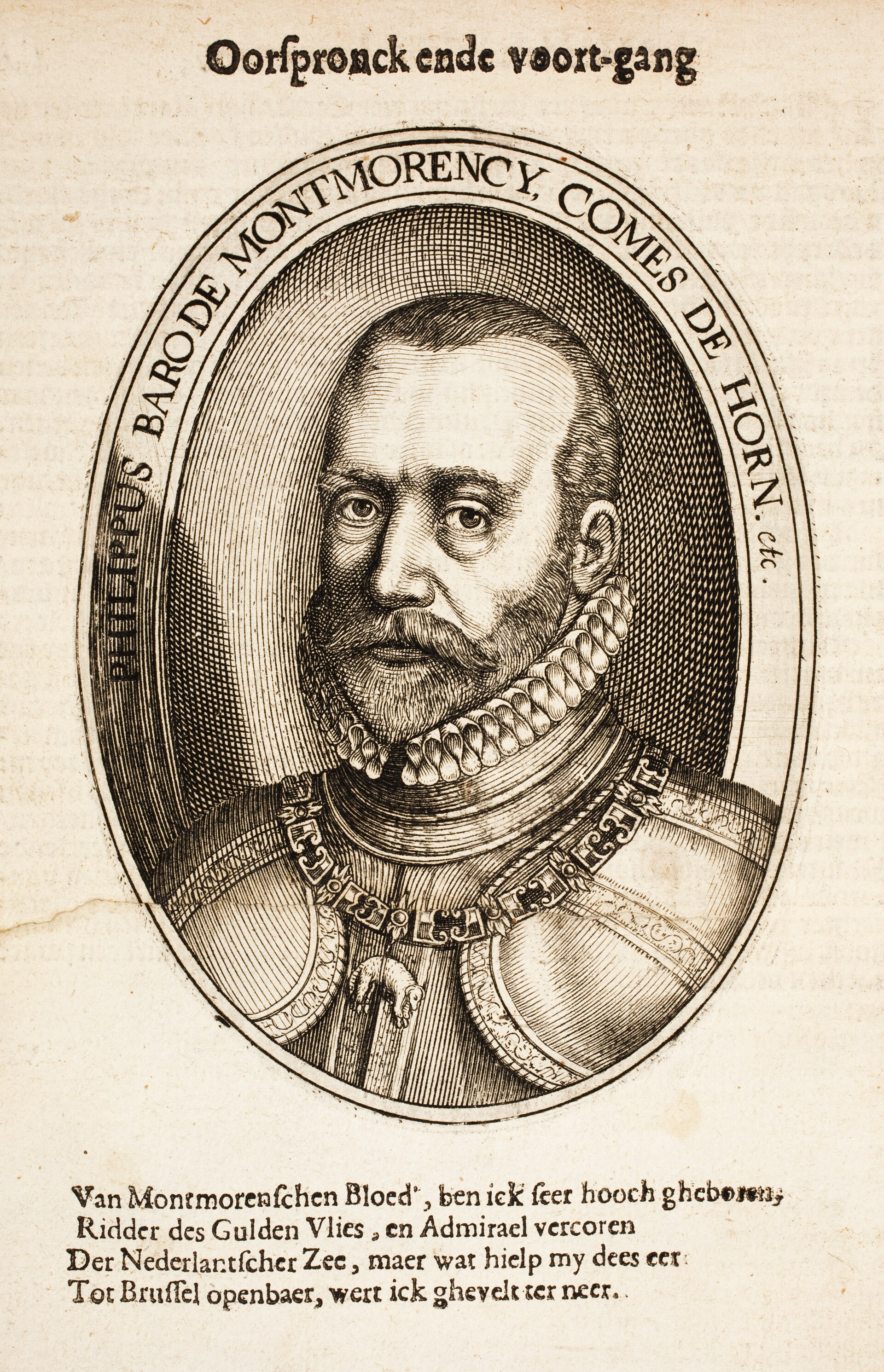
1524 - 1568 - Philip de Montmorency (All Facts)
He was Admiral Horn, the Count of Horn, and a Dutch Nobleman and one of the three “Sea Beggars” of the Netherlands
He was executed by Spain, triggering the Dutch Revolt / Eighty Years’ War
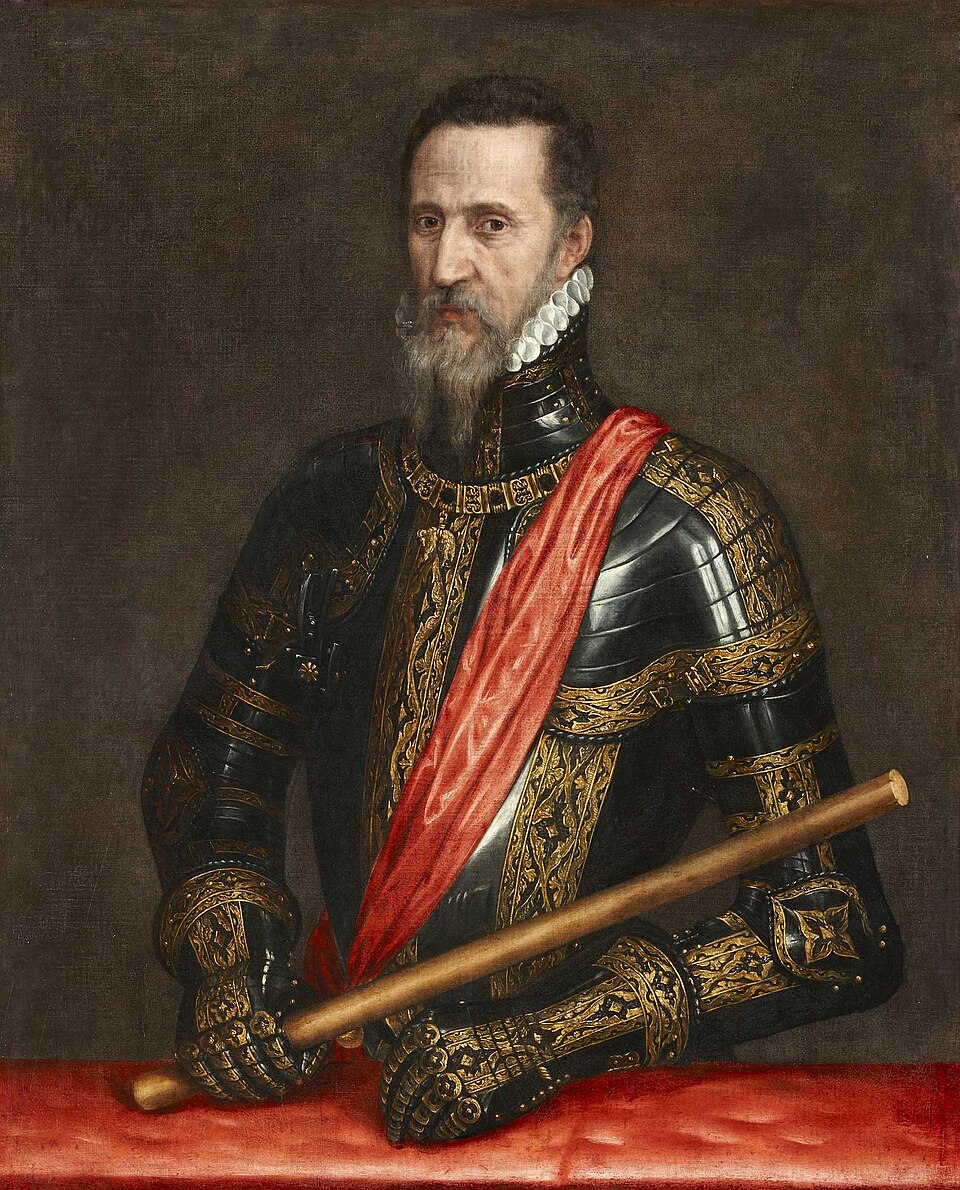
1567 - 1573 - Fernando Álvarez de Toledo (All Facts)
7th (Spanish) Governor of the (Spanish) Netherlands
He was the 3rd Duke of Alba
He was King Philip II of Spain’s Commander-in-Chief of the Habsburg (Spanish) Netherlands
He was sent to the Netherlands to crush the Calvinist revolt there
He ordered the arrest of Counts Egmont and Hoorne, the leaders of the nobility there
He ensured that William of Orange was deprived of his office of stadtholder of Holland, Zeeland, and Utrecht
He set up a new court in the Netherlands that tried suspected rebels
He ordered the execution in Brussels of 20 noble leaders, including Counts Egmont and Hoorne
He imposed crippling taxation on the rebel province of Groningen
He oversaw the Count of Egmont’s execution via order of the repressive “Court of Unrest,” the so-called “Council of Blood”
These executions triggered the Dutch Revolt against Spain / Eighty Years’ War
He suppressed the initial anti-Catholic, anti-Spanish Calvinist insurrection that had initiated the Eighty Years War between Spain and the Netherlands
He pledged himself to bring back the Spanish Inquisition into the Netherlands
He pledged himself to establish a new order for King Philip II
When he arrived in the Netherlands,
He came with 10K elite Spanish troops and marched through the streets of Ghent, organizing the troops into ranks of five, following them up with prostitutes in frilly dresses riding donkeys and bringing with a host of camp followers; making it clear that the Dutch Calvinist insurrection was over
He made sure the behavior of his troops underlined the ferocity with which he approached his task
He had the Dutch population, even the good Catholics there, insulted in the streets as “traitors” and “heretics”
He had merchants beaten up
He turned his regime in the Netherlands into a dictatorship
He imposed the hated “tenth penny” tax on the (Spanish) Netherlands to help a bankrupted Spain and pay his army in the Low Countries
He humiliated Margaret of Parma, the civil governor, by
forcing her to demobilize her army she raised
assuming many of her powers until she was forced to leave for Italy
He established the “Council of Troubles,” a newer and more sinister form of the Spanish Inquisition within the Netherlands, in which he
organized the arrests of thousands just in one spring
oversaw the execution of 1,000 alleged heretics
oversaw the stripping of property of 8,000 alleged heretics
oversaw the seizing and burning of 500 alleged heretical books in the Calvinist city of Tournai
He was recalled to Spain and succeeded as viceroy of the Netherlands
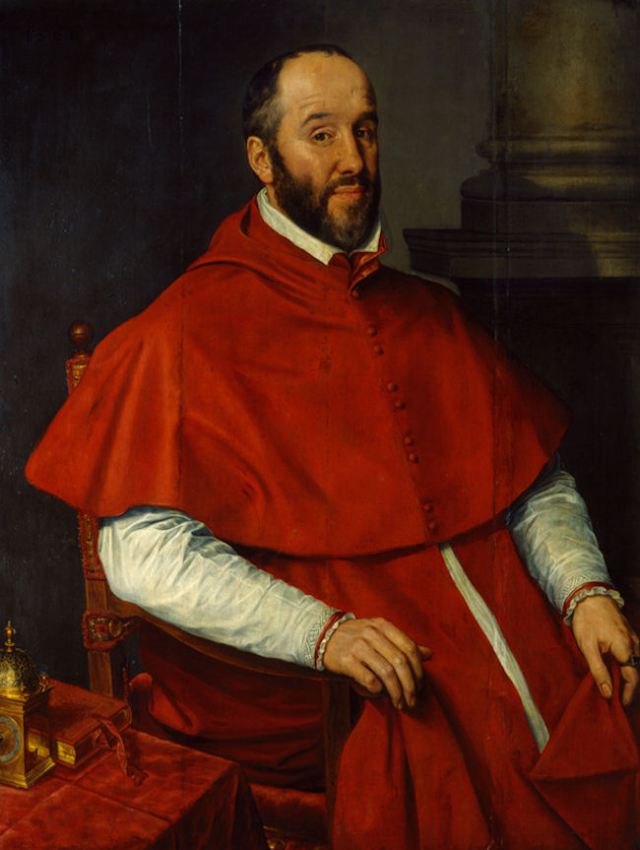
1517 - 1586 - Cardinal Antoine Perrenot de Granvelle (All Facts)
Advisor to King Philip II
He was also effective governor of the Netherlands at the time
He was recalled to Spain on account of growing unrest against Spanish domination in the Netherlands
There was also fierce lobbying against him in Madrid
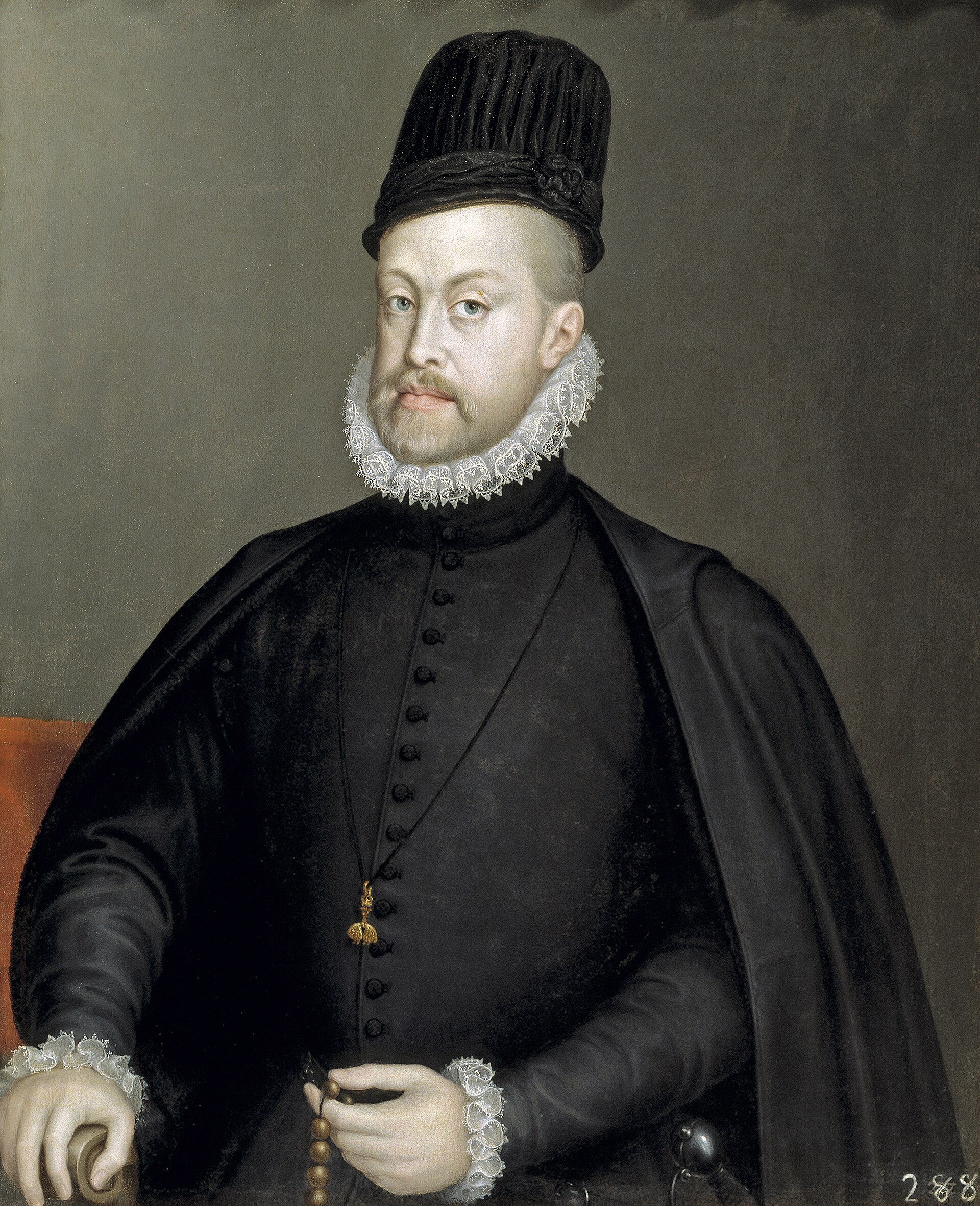
1555 - 1598 - Philip II (All Facts)
3rd Lord of the Habsburg (Spanish) Netherlands / Low Countries
He was the son of his predecessor
Under his reign,
A papal bull was published which proposed the creation of 14 new bishoprics in addition to the four existing ones, which alienated many nobles whose relatives were thus excluded from the ecclesiastical sinecures
1566 - 1648 - Sea Beggars / Watergeuzen (All Facts)
Term used to refer to the well-organized force of privateers / pirates and foreign mercenaries, depending on the circumstances or motivations, and initially led Lamoral, Count of Egmont, William of Orange, and Philip de Montmorency and their 200 Netherlandish / Low Countries nobleman and their followers within the (Spanish) Netherlands / Low Countries during the Dutch Revolt / Eighty Years War against Spain
They
were licensed by William of Orange, who had failed twice to invade the (Spanish) Netherlands, to take it from Spain
petitioned regent Margaret of Parma to demand the abolition of the Inquisition of the Netherlands; of which she sent a message to King Philip II of Spain in response; as they were backed by Dutch Calvinist riots
continued on after the executions of Lamoral, Count of Egmont and Philip de Montmorency as this large band of Calvinist rebel nobles; whom fled from the repression of Fernando Álvarez de Toledo in their native Netherlands, where they were later further expelled from English ports; having harried shipping between Spain and the Netherlands for three years up to that point
originally planned to use Dover in England as the base for their operations, but Queen Elizabeth of England expelled them from the port of Dover
They
captured the Port of Brielle, led by William II de Marck, their admiral, who led them to Holland there during the Dutch Revolt / Eighty Years’ War
forced the mayor of Brielle, despite assurances of their peaceful intentions, to swear allegiance and fortify the town of Brielle against a Spanish counter-attack, in which they sacked monasteries and removed Catholic nobles from the town council of Brielle
controlled Brill, Enkhuisen, Flushing, Arnemuide, Veere, Holland, and Zeeland by the time of the reign of Luis de Requesens y Zúñiga
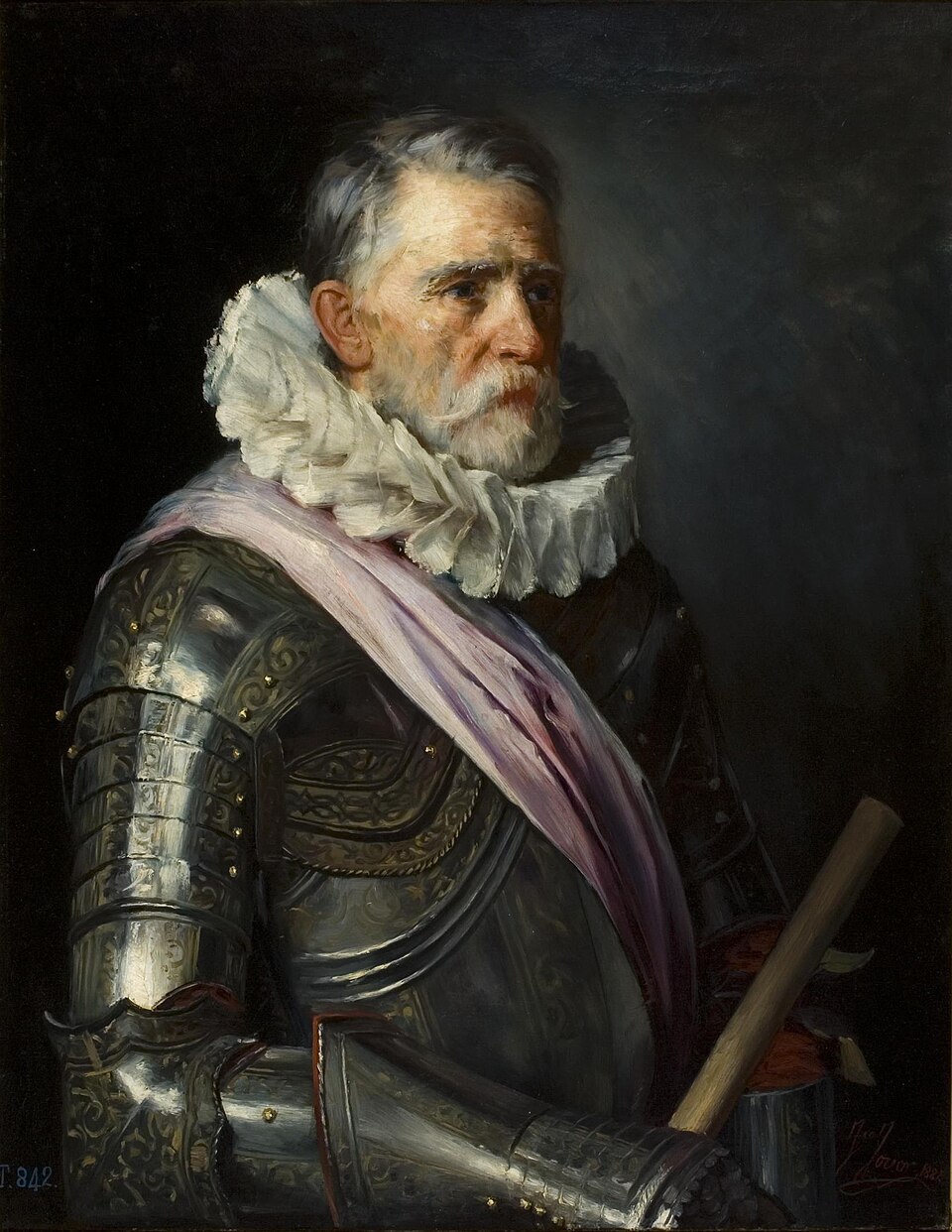
1528 - 1576 - Luis de Requesens y Zúñiga (All Facts)
8th (Spanish) Governor of the (Spanish) Netherlands, during the Eighty Years’ War
He succeeded Fernando Álvarez de Toledo, the 3rd Duke of Alba
He assumed the throne when Brill, Enkhuisen, Flushing, Arnemuide, Veere, Holland, and Zeeland were all controlled by the “Sea Beggars”
He and his forces defeated the Dutch Protestant / Calvinist rebels in the Battle of Mookerheyde during the Dutch Revolt / Eighty Years’ War
This occurred after he had arrived in Brussels at the end of the prior year to replace his predecessor as Governor of the Habsburg (Spanish) Netherlands
He advised King Philip II of Spain to
grant a general pardon to the Dutch Protestant rebels
abolish the “tenth penny” tax imposed onto the Netherlands by Fernando Álvarez de Toledo, the 3rd Duke of Alba
He agreed with Holy Roman Emperor Maximilian II to withdraw Spanish troops and officials from the Netherlands
This occurred at a conference in Breda which he attended while Holy Roman Emperor Maximilian II mediated between him and Protestant representatives from the provinces of Holland and Zeeland
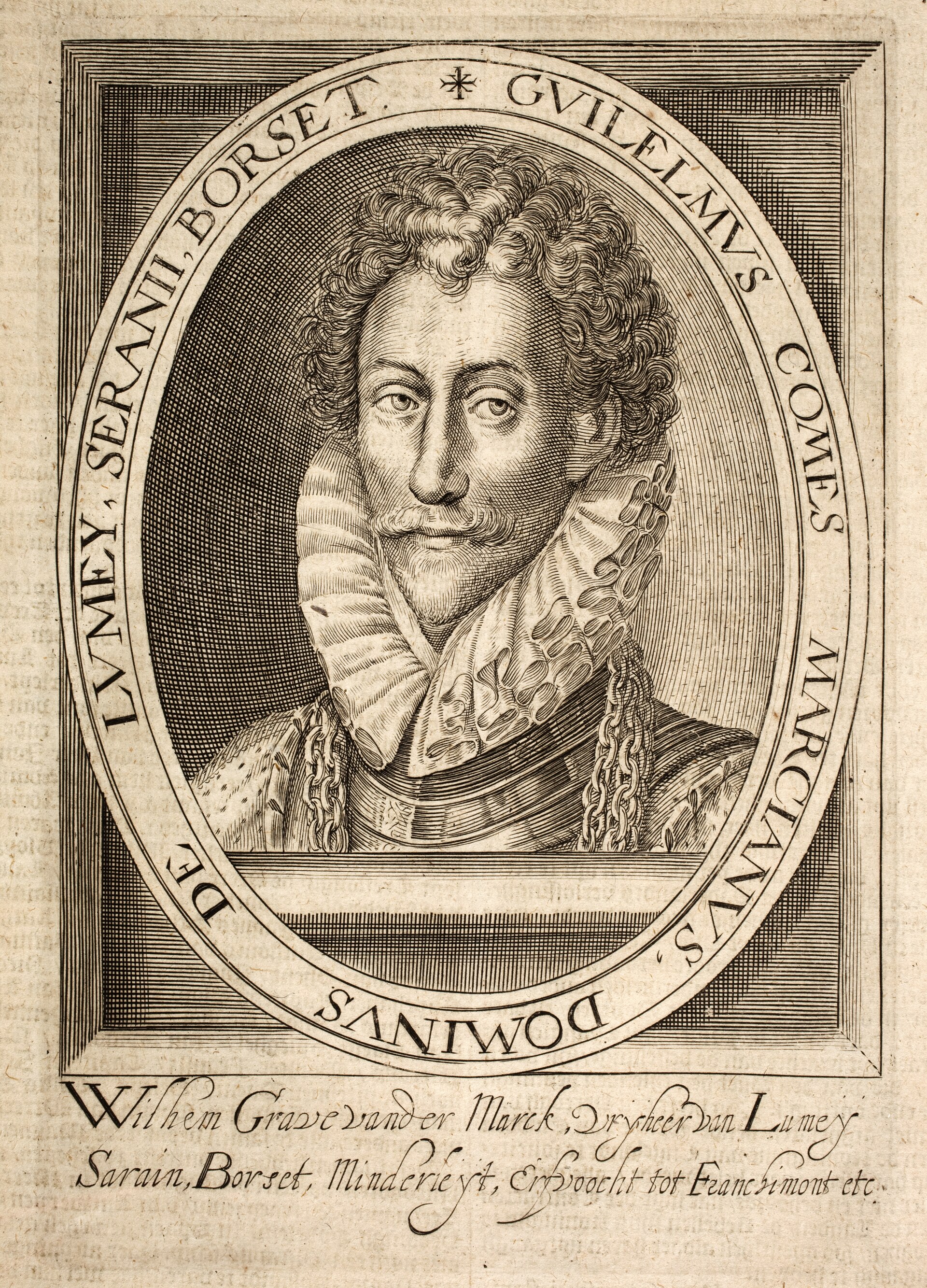
1542 - 1578 - William II de la Marck (All Facts)
He was Admiral of the “Sea Beggars”
He led them to land in Holland and led them in the Capture of Brielle during the Dutch Revolt / Eighty Years’ War
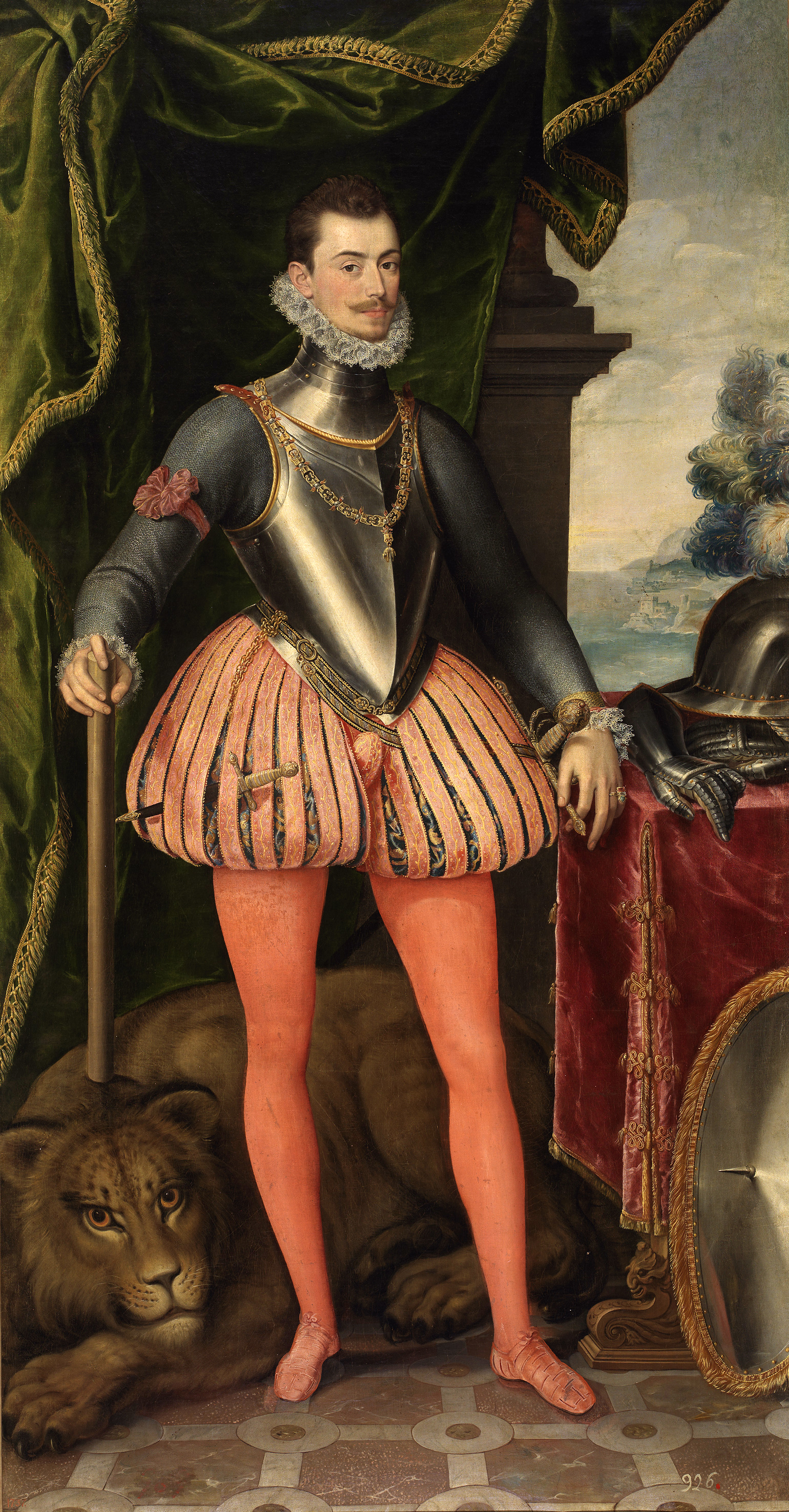
1576 - 1578 - John of Austria (All Facts)
9th (Austrian) Governor of the (Spanish) Netherlands, during the Eighty Years’ War
He and his Spanish forces defeated the Estates General of Dutch Rebels in the Battle of Gembloux during the Dutch Revolt / Eighty Years’ War
He thus resorted to violence when his attempts at negotiation with the Dutch failed
He was declared an enemy of the Netherlands
He died of typhus near Namur and was succeeded as governor
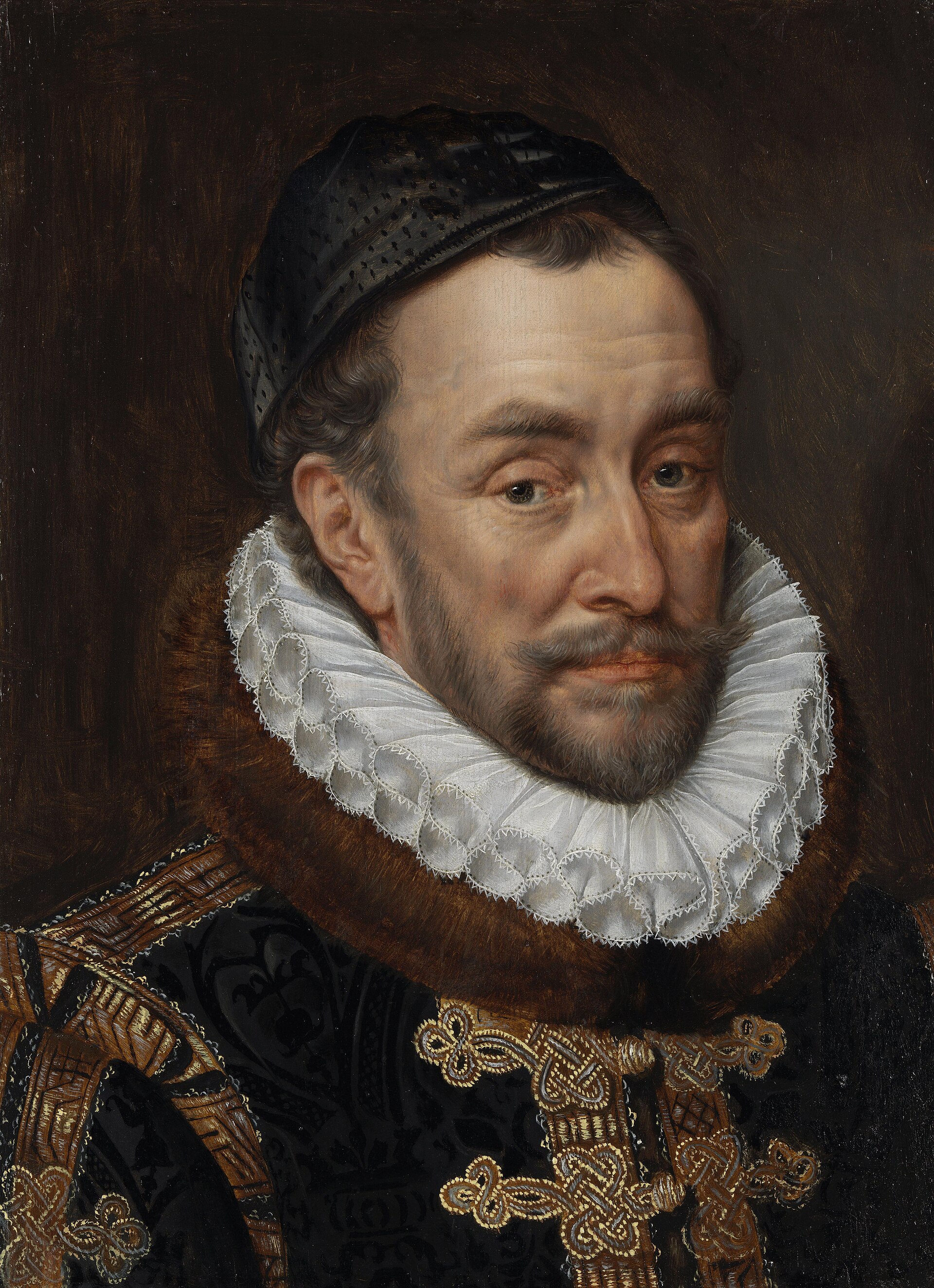
1544 - 1584 - William of Orange (All Facts)
Leader of the Dutch Revolt and Eighty Years’ War against Spain and Founder and First “Stadtholder” of the Netherlands and First “Stadtholder” of the House of Orange-Nassau
He was nicknamed “The Silent”
He was initially “Stadtholder” (governor) of Holland, Zeeland, and Utrecht under Spanish rule
He was a shrewd negotiator
He became a Protestant 11 years prior to his death, and from there established himself as the leader od the Dutch Revolt
He was initially appointed to the Council of State by King Philip II of Spain but soon resigned, along with Lamoral, Count of Egmont and Philip de Montmorency Horn, whom all resigned and protested at Spain’s growing influence over the Netherlands as each members of the emerging “Sea Beggars”
He made an accord which Margaret of Parma, which guaranteed suspension of persecution of Dutch Calvinists in the (Spanish) Netherlands, provided that the people laid down down their arms and allowed Catholics to worship unmolested
This was a fragile peace, however, as Margaret of Parma used newly-arrived funds from Spain to build up an army
After trying to secure this agreement with Margaret of Parma to ensure the Dutch Calvinist’s religious freedom, he was deprived of his office of stadtholder of Holland, Zeeland, and Utrecht
He later returned to the province of Holland, where he was acknowledged as “stadtholder” (local official)
He counted on the support from the artisan classes in their resentment at the hated “tenth penny” tax that was imposed on the (Spanish) Netherlands / Low Countries by Fernando Álvarez de Toledo
He founded the University of Leyden / Leiden University
He led the negotiations with the states of Brabant that led to the Pacification of Ghent
He made a triumphant entry into Brussels, where he was appointed lieutenant
For this brief period of time, he even won over the southern Catholic provinces
He appointed Francis, Duke of Anjou, “Protector of the Liberty of the Netherlands” (King of the Netherlands in place of King Philip II of Spain)
However, Francis eventually deserted him and the Protestants thereafter preferred to stand alone
He was assassinated by an agent of King Philip II of Spain, shot dead by Balthazar Gerard, a Frenchman posing as a Calvinist refugee
He was succeeded as Governor (stadtholder) of Holland, Zeeland, and Utrecht by his son
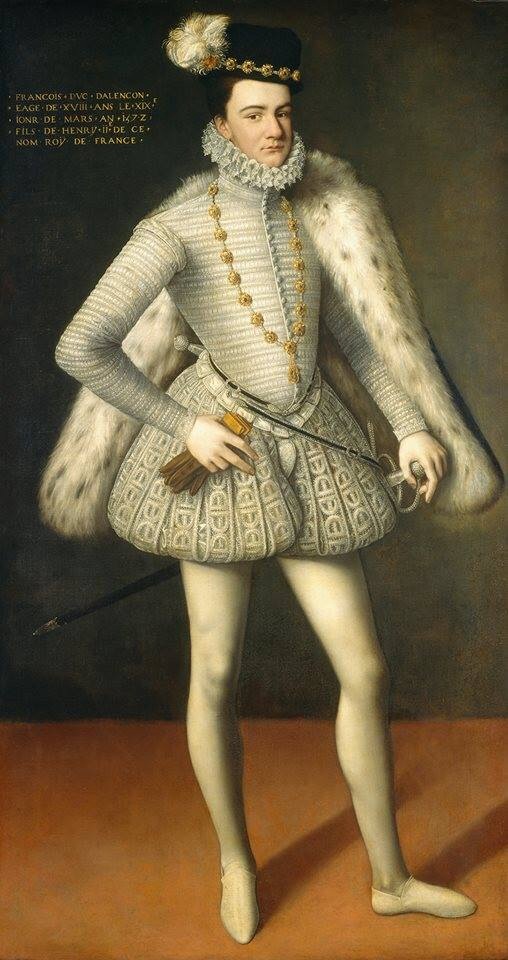
1555 - 1584 - Francis, Duke of Anjou (All Facts)
He was appointed “Protector of the Liberty of the Netherlands” (King of the Netherlands in place of King Philip II of Spain) by William of Orange
Afterwards, he attempted to regain Antwerp for the Calvinists during the Eighty Years War
During his reign, the Dutch from the Seven United Provinces occupied the mouth of the Scheldt, halting any seaborne trade with Antwerp
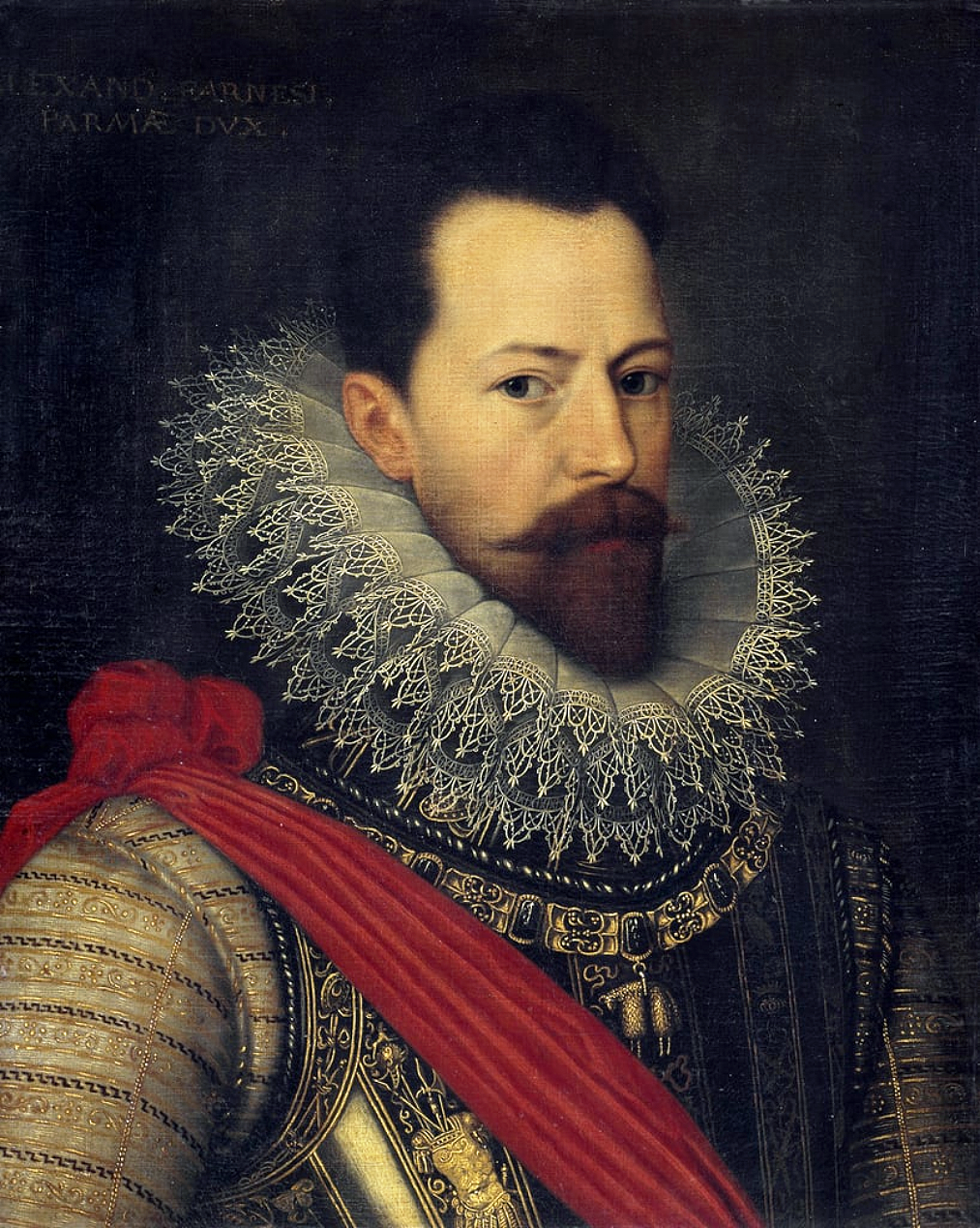
1578 - 1592 - Alexander Farnese (All Facts)
10th (Italian) Governor of the (Spanish) Netherlands
He was the Duke of Parma
He opened negotiations with the Catholic Walloons of Artois, Hainault, and Douai per the Union of Arras
He took Oudenaarde during the Eighty Years War
He secured the submission of the southern Netherlands, Flanders, and Brabant to the Spanish crown
He and his Spanish forces defeated the States General of Dutch Rebels and took Antwerp to be submitted to the Spanish crown during the Dutch Revolt / Eighty Years War
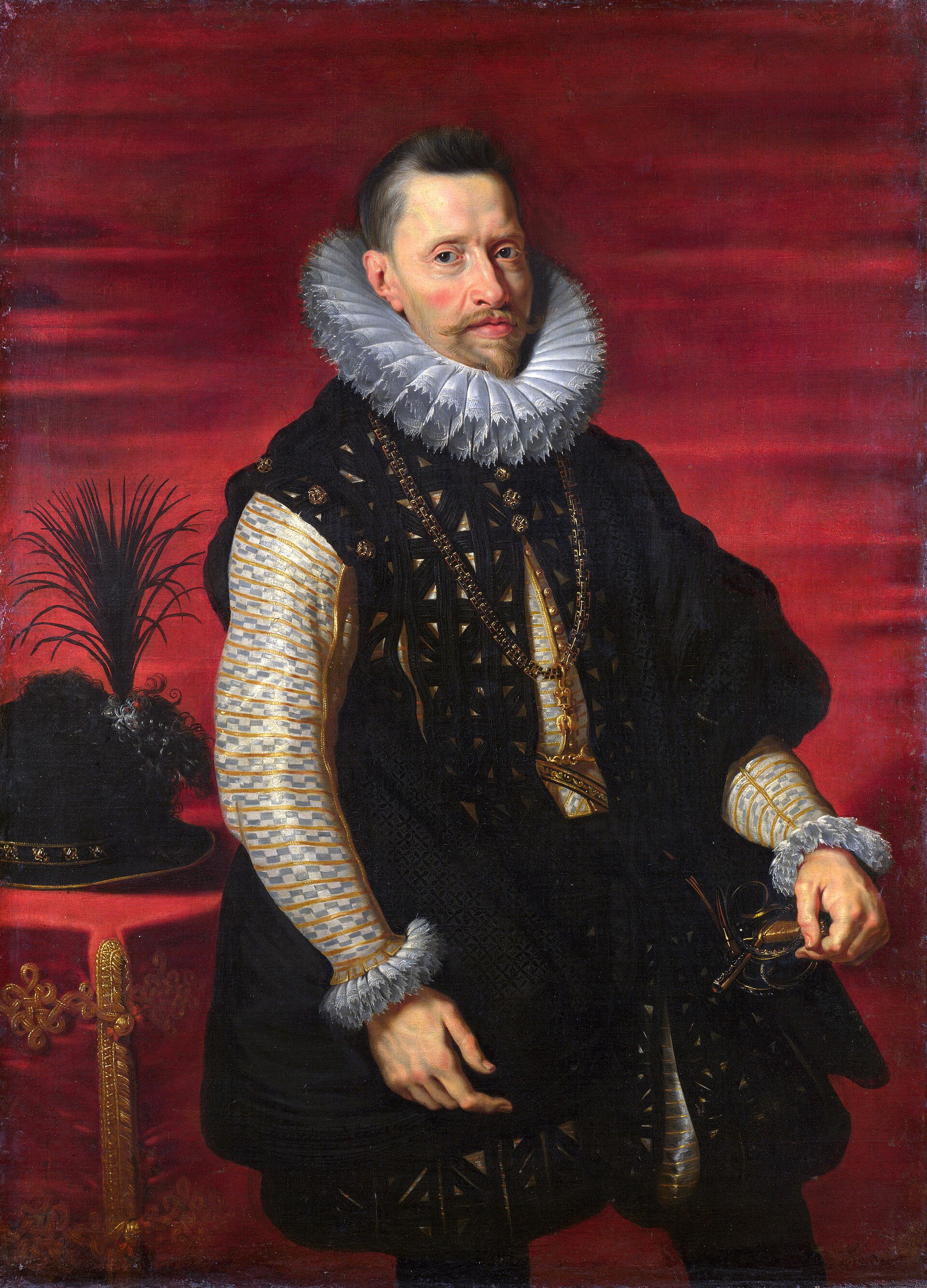
1596 - 1621 - Albert VII (All Facts)
14th (Austrian / Habsburg) Governor of the (Spanish) Netherlands
He was the Archduke of Austria
He was the third son of Holy Roman Emperor Maximilian II
He was made a cardinal
He was made archbishop of Toledo
He became Viceroy of Portugal
He and his forces were defeated by Maurice of Orange and his forces in the Battle of Nieuwpoort during the Eighty Years’ War / Dutch Revolt
He died without an heir, marking the end of the “independent” Catholic (Southern) Netherlands
Thereafter, policy towards the Dutch Revolt was controlled from Madrid in Spain, as opposed to Brussels, where royal ministers were divided between pro-peace “doves” and pro-war “hawks”
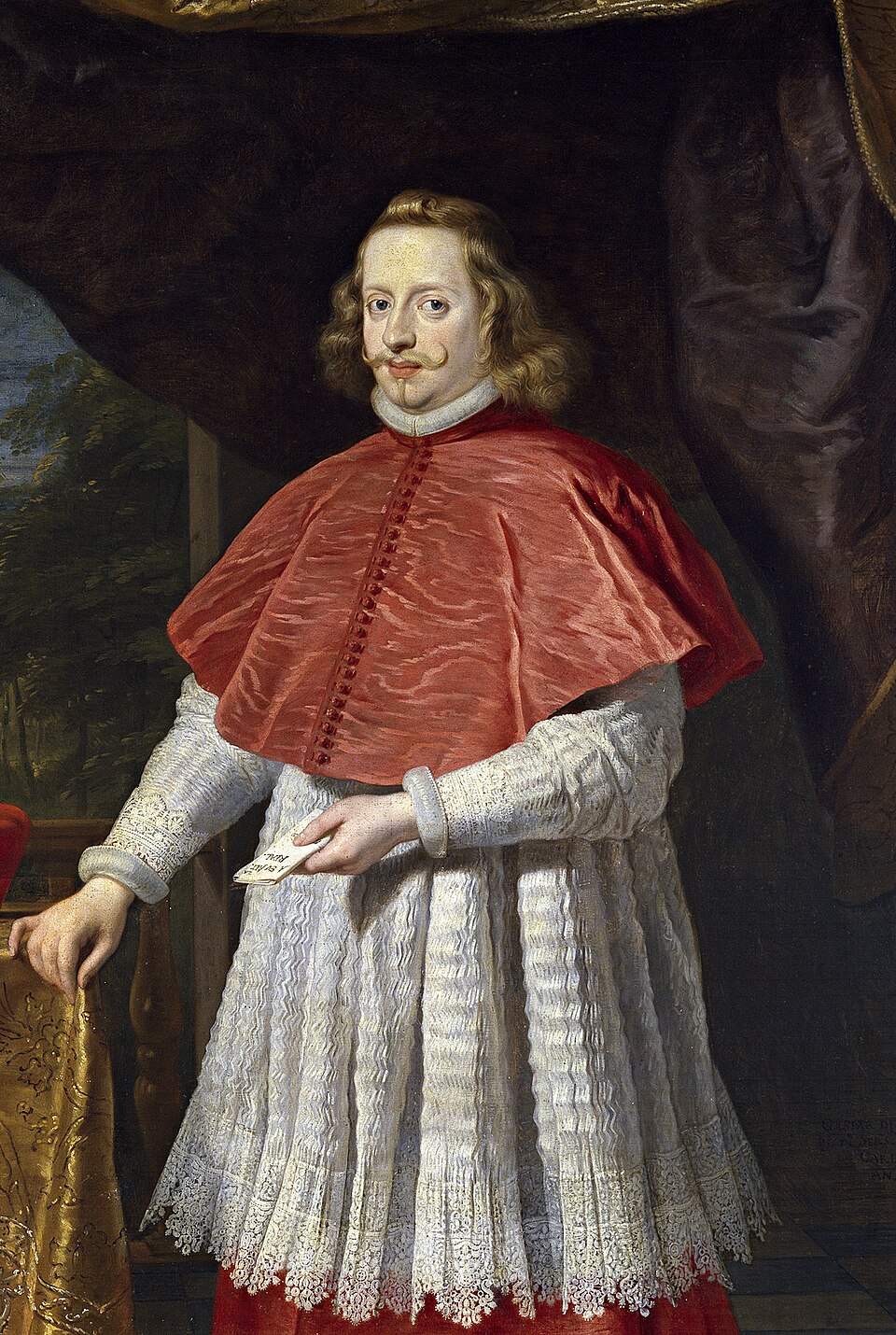
1633 - 1641 - Cardinal Infante Ferdinand (All Facts)
16th (Austrian / Habsburg) Governor of the (Spanish) Netherlands