Flashcards PPT 3.2: Module 1b: Gait Deviations for Transtibial Amputation
 Call Kai
 Learn
 Practice Test
 Spaced Repetition
 Match
 Flashcards
 Knowt Play
1/19

There's no tags or description
Looks like no tags are added yet.
20 Terms
What are common gait deviations during initial contact for TTA?
1. Excessive knee flexion
2. Insufficient knee flexion
What is the prosthetic cause of excessive knee flexion during IC for TTA?
1. High shoe heel
2. Insufficient PF
3. Stiff heel cushion
4. Socket too far anterior
5. Socket excessively flexed
What is the anatomic cause of excessive knee flexion during IC for TTA?
Weak quads or flexion contracture
What is the prosthetic cause of insufficient knee flexion during IC for TTA?
1. Excessive PF
2. Low shoe heel
3. Soft heel cushion
4. Socket too far posterior
What is the anatomic cause of insufficient knee flexion during IC for TTA?
Weak quads or arthritis
What are common gait deviations for transtibial amputees in stance phase for TTA?
1. Excessive knee flexion
2. Knee hyperextension
3. Foot slap (rapid PF)
4. Excessive medial and lateral thrust
5. Early knee flexion
What is the prosthetic cause of excessive knee flexion in stance phase for TTA?
1. High shoe heel
2. Insufficient PF
3. Stiff heel cushion
4. Socket too far anterior
5. Socket excessively flexed
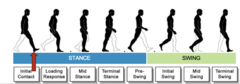
What is the anatomic cause of excessive knee flexion in stance phase for TTA?
Weak quads or flexion contracture
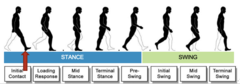
What is the prosthetic cause of knee hyperextension in stance phase for TTA?
1. Excessive PF
2. Low shoe heel
3. Soft heel cushion
4. Socket posterior

What is the anatomic cause of knee hyperextension in stance phase for TTA?
Weak quads or arthritis

What is the prosthetic cause of foot slap (rapid PF) in stance phase for TTA?
1. Soft PF bumper
2. Foot stiffness

What is the anatomical cause of foot slap (rapid PF) in stance phase for TTA?
Patient weight gain
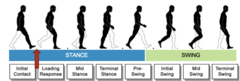
What is a common gait deviation in midstance for TTA?
Excessive medial and lateral thrust
What is the prosthetic cause of medial and lateral thrust in midstance for TTA?
1. Excessive foot inset
2. Excessive foot onset

What is the anatomical cause of medial and alteral thrust in midstance for TTA?
1. Genu varum/valgum
2. Short residual limb

What is a common gait deviation in terminal stance for TTA?
1. Early knee flexion
2. Drop off

What is the prosthetic cause of early knee flexion in terminal stance for TTA?
1. High shoe heel
2. Insufficient PF
3. DF stop too soft
4. Socket too anterior
5. Socket excessively flexed

What is the anatomic cause of early knee flexion in terminal stance for TTA?
Flexion contracture
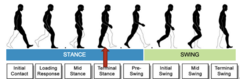
What is the prosthetic cause of drop off in terminal stance for TTA?
1. Short toe lever
2. Over DF flexed

What is the anatomical cause of drop off in terminal stance for TTA?
1. Pain in distal tibia
2. Short residual limb
3. Quad weakness
