CHEM 257 Lab Final
 Call Kai
 Learn
 Practice Test
 Spaced Repetition
 Match
 Flashcards
 Knowt Play
1/127

There's no tags or description
Looks like no tags are added yet.
128 Terms
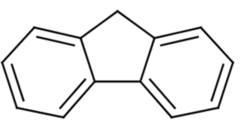
fluorene
non-polar
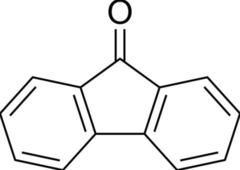
fluorenone
polar
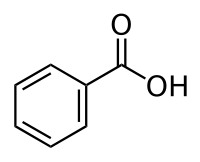
benzoic acid
very polar
reverse phase TLC
uses a nonpolar card with a polar solvent
how does uv visualize compounds
fluoresence
EtoAc safety
-highly flammable
-eye irritation
-vapors are flammable and can cause drowsiness/dizziness
Hexanes safety
-flammable
-eye/skin irritant
-vapors are flammable and can cause drowsiness/dizziness
-fatal if swallowed
TLC plate safety
silica gel can flake off and cause respiratory irritation
UV light safety
can damage corneas
TLC spotter works through
capillary action by IMF
stationary phase
TLC plate (polar)
mobile phase
solvent (non-polar or ratio)
compounds close to baseline
most polar
compounds close to solvent front
least polar
Rf
distance spot traveled/distance solvent traveled
EtoAc
polar

hexanes
non-polar

polar bonds
unequal sharing of electrons, C-En atom
Can pen be used on a TLC plate?
no, it will be chromatographed with the compounds due to the ink's solubility and disrupt results. pen does not do this.
same compounds have the same..
Rf and polarity
when a reaction is complete, what will the TLC plate show?
There will be no spots in the reaction column that are indicative of reactants.
TLC spotters waste
broken glass
TLC plates waste
solid waste
TLC solvents waste
organic waste
organic layer
on top, less dense
aqueous layer
on bottom, more dense
stopcock parallel
open
stopcock perp.
closed
is benzoic acid soluble in aqueous environments?
no
is sodium benzoate soluble in aqueous environments?
yes
What determines which side pf equilibrium is favored?
rxn moves towards weaker acid (higher pka)
acid-base reaction arrows
curvy arrow always goes from base->acid
why is a strong base needed to react with benzoic acid?
it is necessary to deprotonate it and turn it into sodium benzoate
most organic solvents used for extraction are less dense than water except for...
DCM, using DCM will reverse the expected aqueous and organic layer.
why shouldn't you use methanol for extraction?
water and methanol are miscible.
what qualities must two liquids possess for extraction
1. must be immiscible
2. must have dif. densities
3. must have dif affinity (liking) for isolated material
4. must be possible for you to isolate your product from the liquid into which it is extracted.
NaOH safety
can cause burns, eye damage, respiratory irritation
HCl safety
skin burns, eye damage, resp. irritation
in the extraction experiment, what compounds would remain in your organic layer?
fluorene and fluorenone
stationary and mobile phase in column chromatography
stationary=silica gel
mobile=solvent
which compound comes out first in column chroma.?
the less polar compound
what is a pure fraction in column chroma
one spot
percent recovery
final/initial x 100%
if a compounds Rf is high, what is its elution speed
higher Rf=lower polarity=moves faster up plate
which one has a greater dipole moment, fluorene or fluorenone?
fluorenone (c=o)
what kind of material is recrystallization used for?
purifying high melting solids
what is important when determining a recrystallization solvent to use?
1. solvent shouldn't react with the compound
2. solvent shouldn't dissolve compound when cold
3. solvent should dissolve all impurities
4. solvent should dissolve compound when hot
T/F MP of a pure substance is a range
True
what does a lower MP then the literature value indicate?
a greater presence of impurities
how fast does a good solvent crystallize a compound upon cooling
slowly
what does a narrow MP range indicate?
the comp. is pure
recrystallization steps
1. dissolve benzoic acid in hot water
2. vacuum filter which leaves insoluble impurities on filter paper
3. Ice bath to form crystals
4. cold vacuum filtration
5. crystals=pure benzoic acid
natural products
chem. compound that is found in nature
secondary metabolites
not essential to survival, provide an evolutionary advantage
primary metabolites
essential to survival
terpenes
formed by joining isoprenes

isoprenes

limonene
monocyclic terpene, major component of fruit peel essential oils

monoterpene
2 isoprene units
sesquiterpene
3 isoprene units
diterpene
4 isoprene units
triterpene
6 isoprene units
tetraterpene
8 isoprene units, steroids
Alkaloids
large presence of N

phenolics

how does microwave extraction work?
just like an at home micro, uses heated solvent to extract chemical compounds from orange peel
ethanol safety
flammable, eye damage, carcinogen, fetal damage, inhalation can cause dizziness, organ damage, and drowsiness
natural products isolation process
1. microwave vessel with orange peel, ethanol, and water
2. filter orange peel out with cotton
3. liquid-liquid extraction
4. boil solution
5. TLC analysis with a standard and isolate lane
what should final natural products isolated TLC look like?
TLC plate with isolated spot with same Rf as standard
why would we use brine (NaCl) in the liquid-liquid extraction for natural products?
the salt helps remove water and halogens from the organic phase, helps separate the layers.
why would supercritical CO2 be better to use than DCM as a solvent?
DCM is suspected of causing cancer
will non polar substances dissolve in aqueous environments?
no, like dissolves like
will polar substances dissolve in aqueous environments?
yes, like dissolves like
are organic compounds usually non-polar or polar?
non-polar
in the natural products isolation, what will the organic and aqueous layer consist of?
organic: limonene, EtoAc, ethanol
aqueous: water, NaCl,
for limonene TLC plate why do you use a ratio with a greater amount of hexanes for the chamber?
because limonene is non polar and like goes with like
reaction
chemical transformation
workup
quenches excess reactant, separates desired compound from mixture
purification
isolates compound usually by chroma
analysis
characterizes the identity of the desired compound
sulfuric acid safety
strong acid, burns, eye damage, do not inhale
ammonium bromide safety
eye irritation, reproductive toxin, affects lactation
ammonium chloride safety
dont swallow
2-methyl-2-butanol safety
flammable, dermal and inhalation toxin, causes skin corrosion/irritation, eye damage
nucleophilic sub procedure
1. sulfuric and both ammoniums in ice water bath on hot stir plate
2. 2-methyl-2-butanol + 3 mL solution +hexanes in conical vial
3. use pipette to remove organic layer
4. analyze organic via GCMS
whats in the organic layer in the nucleophilic substitution procedure
both 2-methyl-2-halobutanes
whats the expected product ratio in the nucleophilic substitution experiment?
1:1
how do you calculate theoretical yield
the mmol of the LR multiplied by the mol ratio, convert to moles, then multiply by the expected products molecular weight. (answer is in grams)
how do you determine the LR?
the reactant with the smallest amount of mmols
whats the isotope ratio of Br
1:1
whats the isotope ratio of Cl
3:1
how do you calc equivalents?
reactants mmol divided by the LR mmol
why did we use sodium bicarb for microextraction in the nucleophilic sub experiment?
it deprotonates any remaining acids in organic layer
in a rxn table do you have to include the density of solids?
no, its irrelevant
are solvents needed in a rxn scheme?
yes because volume affects speed of rxn but mmol or mass is not needed bc solvents dont affect stoichiometry
what type of reaction is used in the alkene addition experiment?
NBS/H2O, Acetone
whats the ratio of dif dibromine products in the alkene addition experiment
1 dibromide 79 : 2 dibromide 79 + 81 : 1 dibromide 81
Safety difference between bromine and NBS
bromine is fatal if inhaled
purpose of rotary evaporator
to remove solvent from sample
how many equivs of NBS do you need for an alkene rxn with 2 double bonds
2