4.2 Polluted Water
 Call Kai
 Learn
 Practice Test
 Spaced Repetition
 Match
 Flashcards
 Knowt Play
1/45

There's no tags or description
Looks like no tags are added yet.
46 Terms
In any ecosystem, what is an important process in a body of water?
The natural recycling of waste materials
What is the role of decomposers?
Actively consume relatively complex waste materials in ecosystems and recycle them into simple useful nutrients
What are 3 reasons that original cities were always built near streams/lakes/rivers?
Provided fresh drinking water
A means of transporting goods
Convenient waste disposal system
How did this waste removal system get out of hand?
More people meant more waste
The natural decomposition process in the bodies of water could no longer cope
Excess waste raised pollution levels to unsafe levels for all living near or in these bodies of water
What country has the most fresh water per capita?
Canada
When population density increases, what happens?
Challenge of maintaining the quality of local fresh water also increases
What are the 3 classes of contaminants found in water?
Physical
Chemical
Biological
Define physical contaminants
Solid materials that are insoluble in water
What are the 2 types of physical contaminants?
Natural sources: twigs, suspended sand particles
Human activity: tires, garbage bags, spilled oil
In a municipal treatment plant, what does filtration do?
Separates most solid physical contaminants
What is a way to remove oil off the surface of water?
If the water is calm
Skimmers (specially designed boats) can skim the oil off the surface
If skimming isn’t possible, how do we remove the oil?
Chemicals are added to the oil to make it disperse, sink, or break up
What is a downside to dispersing/sinking/breaking up oil?
Doesn’t actually remove the oil from the environment
Spreads the oil over a greater area so it has a less drastic impact
Define chemical contaminants
Any liquid or solid chemicals dissolved in water
Are all dissolved chemicals man-made?
No, some are natural like minerals
Think Iron and Aluminum
What is a downside of road salt?
Dissolved salt makes its way into soil and impairs the growth of plants near roads
Can contaminate groundwater, local rivers, and lakes
What is a downside of fertilizers?
Plants can only absorb a small amount
Remainder percolates through soil, contaminates groundwater and nearby bodies of water
What would happen when fertilizers meet an aquatic ecosystem?
Stimulates the explosive growth of aquatic plants
Think green algae scum
Describe what happens when algae and other aquatic plants die
Bodies are decomposed by bacteria
BUT this process needs oxygen
So, large amounts of dead plants steal oxygen from the water threatening aquatic animals
What is a downside to pesticides?
Water contaminant
Only a fraction of the pesticides is absorbed by the pests
Precipitation washes the rest to the ground where it contaminates groundwater and bodies of water
What are 2 examples of chemicals added to water that is actually good?
Fluoride ions: prevents tooth decay
Chlorine: kill disease-causing bacteria
What are the 2 most harmful biological contaminants in drinking and swimming water?
Bacteria
Viruses
If exposed to bacteria/viruses, what could happen?
Skin rashes, eye infections, intestinal disorders
The presence of E. coli in drinking water indicates what?
Indicates that the water is contaminated with human or animal f3ces
What is a boil-water advisory?
Drinking water should be boiled thoroughly before being consumed
For at least 10 minutes
Besides birds evacuating into water, what is another common source of contamination?
Contaminants result from overloaded or inadequate sewers and sewage treatment plants

*Publicly Owned Treatment Works
Who was at fault for the Walkerton Tragedy?
The public utilities commission was at fault (those who distribute water to residents)
Operator negligence
Not enough samples per month
Not equally distributed between wells
Too low doses of chlorine
No accurate recording for the locations of contaminated water samples
What are the 2 main purposes of the Safe Drinking Water Act (2002)?
Recognize that every citizen has the right to safe drinking water
To protect the health of the citizens of Ontario through legislation that governs the operation of drinking water systems and drinking water testing programs
The delivery of safe drinking water requires the cooperation of what three bodies?
Federal, provincial, and municipal
Describe what federal, provincial, and municipal governments do
Federal: provides guidelines through Health Canada
Provincial: responsible for ensuring adequate facilities and procedures
Municipal: responsible for the day-to-day operation of these facilities
What is the purpose of Guidelines for Canadian Drinking Water Quality?
Identifies acceptable levels of 150 biological/physical/chemical contaminants in water that need to be kept within acceptable limits to ensure public safety
What is Yellow Fish Road?
Volunteer initiative
Paint a yellow fish and “rainwater only” near storm sewer grates
Reminder to residents that water through there goes directly to local bodies of water without being treated
Do not dump household chemicals or anything else down there

What are the 8 stages required to produce safe drinking water?
Intake
Coagulation
Flocculation
Sedimentation
Filtration
Disinfection
Fluoridation
Distribution
Describe stage 1: Intake
Water passes through an intake screen
Prevents large objects (sticks, fish, aquatic plants) from entering the system
Describe stage 2: Coagulation
A chemical (aluminum sulphate) is added to the water
Dissolved aluminum forms small sticky particles called floc
Suspended dirt particles stick to floc
Coagulants (Al2(SO4)3) are added and form solid precipitates
Precipitates catch other impurities forming a solid mass which will settle to the bottom

Describe stage 3: Flocculation
Chemicals from the coagulation are mixed
Floc particles grow larger, denser

Describe stage 4: Sedimentation
Floc particles either settle or are removed by filters
Water passes through activated carbon/sand/gravel where organic compounds are removed
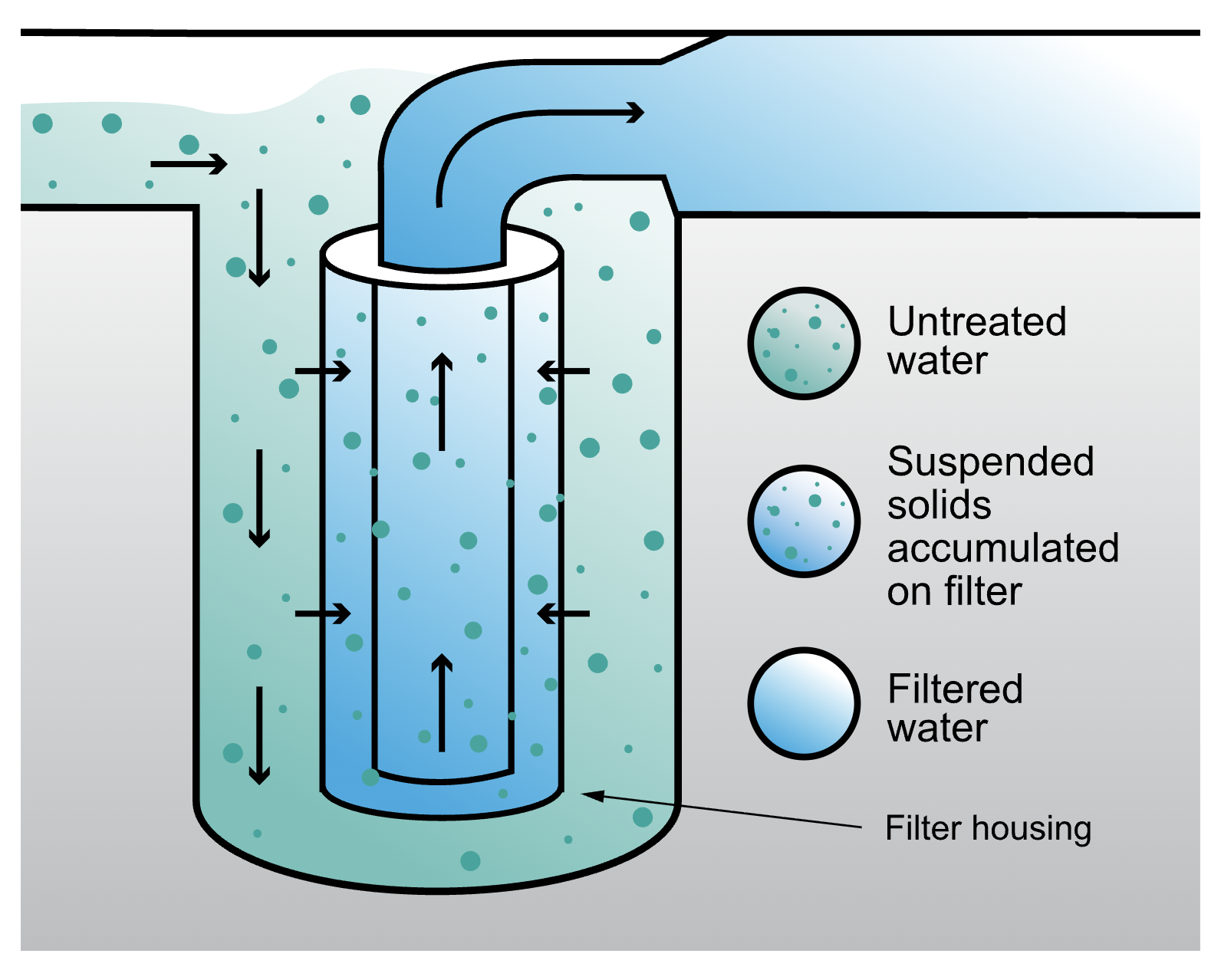
Describe stage 5: Filtration
Granulated activated carbon filtering
Controls unpleasant tastes and odours
Describe stage 6: Disinfection
Water is chlorinated to remove harmful bacteria
(like E. coli)
Describe stage 7: Fluoridation
Fluoride compounds are added to help prevent tooth decay
Describe stage 8: Distribution
Final product pumped to customers!
Requires energy, powerful pumps, piping networks
How does floc formation speed up sedimentation of suspended particles in water?
Dirt particles stick to floc → particle becomes denser → sink to the bottom faster than they would without flocculation
Why is fluoride added near the end of the water treatment process?
Ensures that it is not accidentally removed during treatment
Ensures it doesn’t react with any of the other chemicals in the treatment process
How does wasting treated water indirectly contribute to pollution?
A lot of electricity is required to run the processes that treat and distribute water
In Ontario, a lot of the electricity comes from fossil fuels