BIO III Porifera - Platyhelminthes Quiz
 Call Kai
 Learn
 Practice Test
 Spaced Repetition
 Match
 Flashcards
 Knowt Play
1/27

There's no tags or description
Looks like no tags are added yet.
28 Terms
Radial symmetry
in animal body pattern that has at least two planes of symmetry. Typically, the body is in the form of a cylinder or disk, and the body parts radiate from a central hub.
Bilateral symmetry
An animal body pattern in which one plane of symmetry divides the body into a left side and a right side. Typically, the body is long and narrow, with a distinct head end and tail end.
Ectoderm
The outermost of the three basic cell layers (germ layers) in most animal embryos; gives rise to the outer covering and nervous system.
Endoderm
The innermost of the three basic cell layers (germ layers) in most animal embryos; gives rise to the digestive tract and organs that connect to it (liver, lungs, etc.).
Acoelomate
(no coelom) three tissue layers with no body cavity between the gut and body wall (e.g., flatworm)
Pseudocoelomate
three tissue layers with a fluid-filled pseudocoel between the gut and body wall (partially lined by mesoderm) (e.g., roundworm)
Coelomate
three tissue layers with a fluid filled coelom fully lined by mesoderm between the gut and body wall
Deuterostomes
echinodermata and chordata
Choanoderm
innermost layer of sponge lined with choanocytes
Mesohyl
middle gelatinous connective layer of sponge
Pinacoderm
outer protective layer of sponge composed of pinacocytes
Archeocytes
act as “stem cells” in mesohyl that can differentiate into other specialized cell types; how sponges make new cell without having tissues
Spicules
Stiff spike of silica or calcium carbonate that provides structural support in the body of many sponges.
Choanocytes
A specialized, flagellated feeding cell found in sponges
Cnidocyte
A specialized stinging cell found in cnidarians (e.g., jellyfish, corals, and anemones) and used in capturing prey.
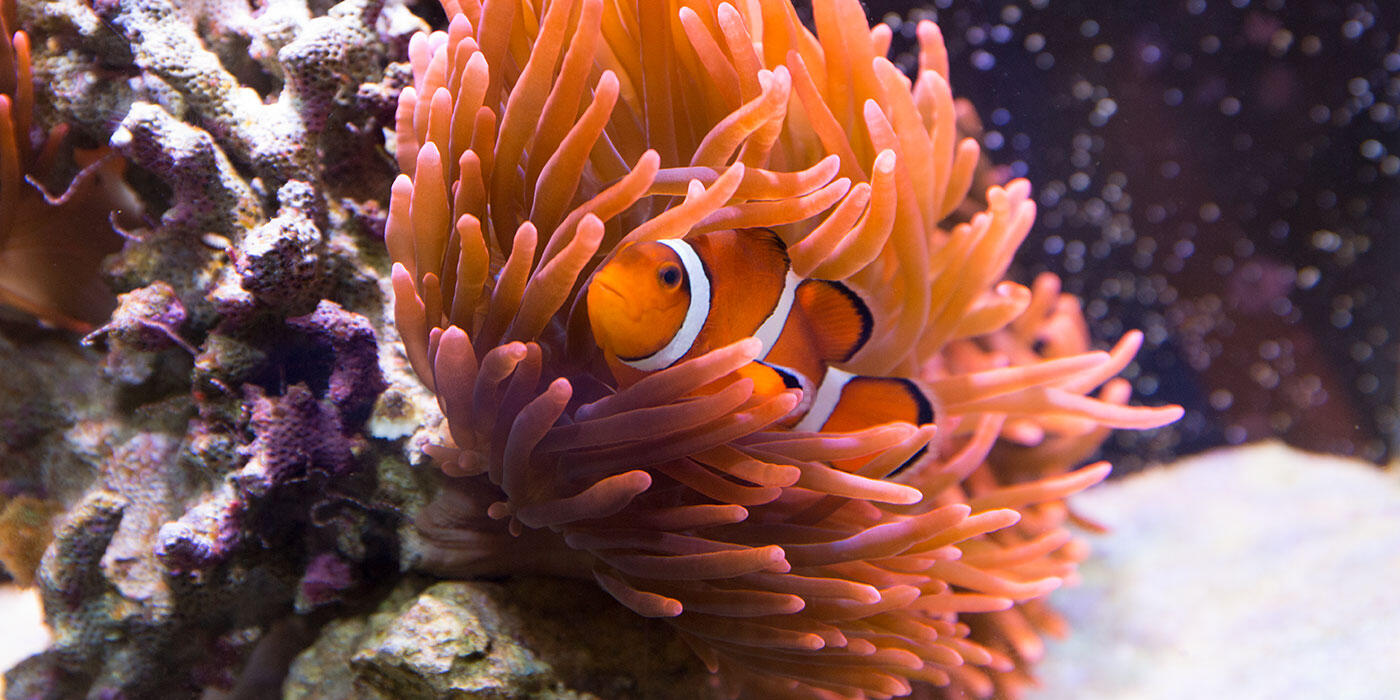
Anthozoa
no medusa stage, just polyp
Hydrozoa
medusoid and polyp stage but polyp dominates

Scyphozoa
medusoid and polyp stages, medusa dominates

Branching sponge
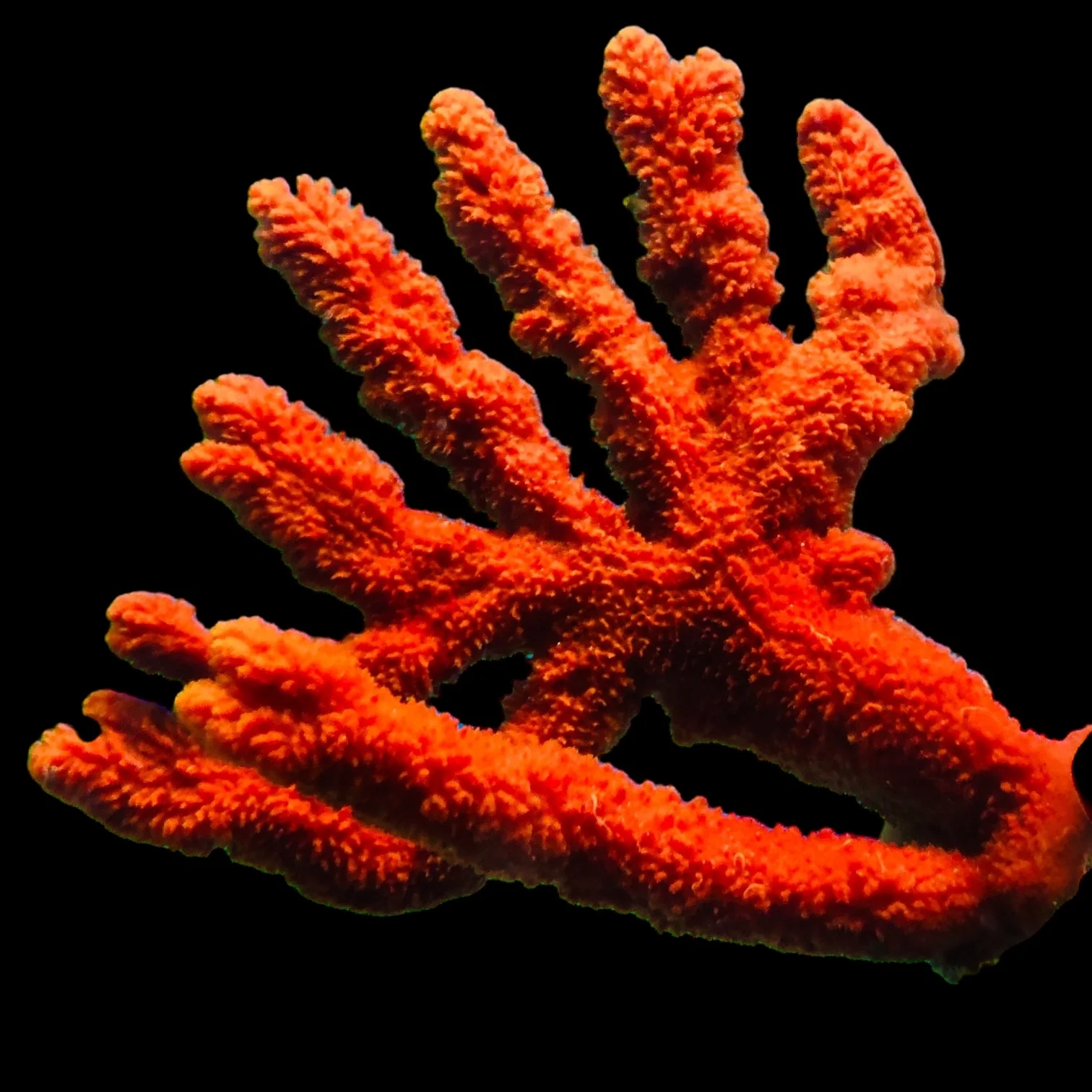
Encrusting sponge

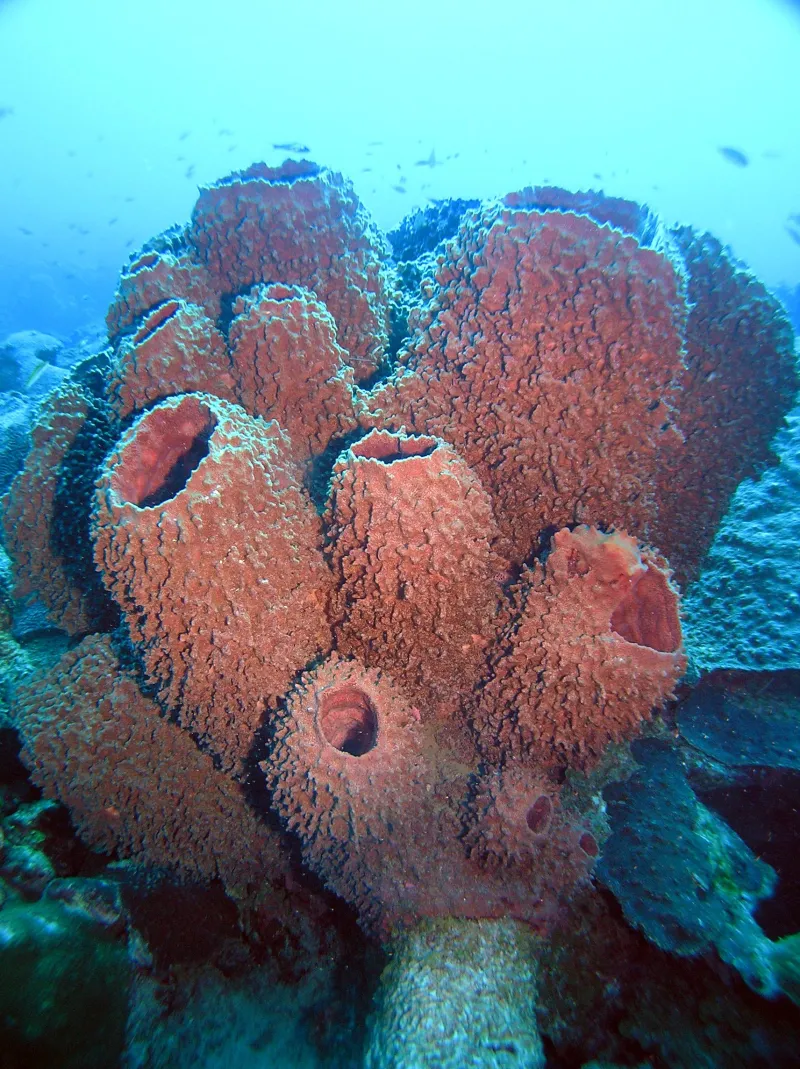
Barrel sponge
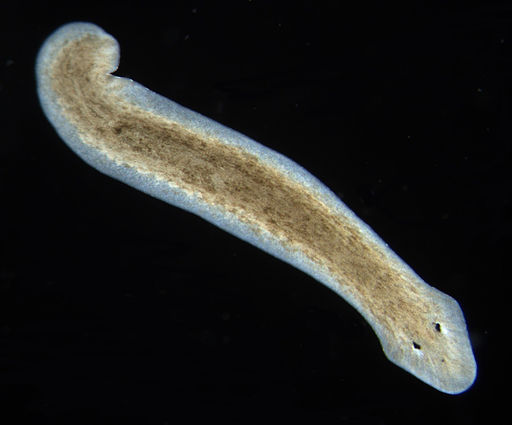
Turbellaria
mainly free-living flatworms
Trematoda
parasite with 2-3 hosts

Cestoda
tapeworms; endoparasites that live in vertebrate hosts

Mesynchyme
acts as hydrostatic skeleton in platyhelminthes
Protonephridia
equipped with flame cells, where beating cilia filter interstitial fluid and pass waste through tubules out nephridiopores
Scolex
attachment point for the rest of the cestoda reproductive body
Proglottids
long series of repeating units of hermaphroditic reproductive structure