Circulatory Shock: Stages, Types, and Compensatory Responses
 Call Kai
 Learn
 Practice Test
 Spaced Repetition
 Match
 Flashcards
 Knowt Play
1/27

There's no tags or description
Looks like no tags are added yet.
28 Terms
What is circulatory shock?
The clinical expression of circulatory failure that results in inadequate cellular oxygen utilization.
What is a key sign of shock?
Fall in blood pressure (hypotension).
What elevated heart rate is associated with shock?
Tachycardia.
What are common symptoms of shock?
Confusion, disorientation, reduced urine production, thirst, lactic acidosis, and cold, clammy, pale skin.
What are the stages of shock?
Compensated shock, progressive shock, and refractory shock.
What occurs during compensated shock?
Responses attempt to reverse the fall in blood pressure through negative feedback mechanisms.
How do baroreceptors respond in compensated shock?
They detect fall in blood pressure and send updates to cardiovascular control centers in the brainstem.
What role does the sympathetic nervous system play in compensated shock?
It increases heart rate and cardiac output through noradrenaline release.

What effect does the sympathetic system have on arterioles during compensated shock?
It causes vasoconstriction, increasing blood pressure and diverting blood to key organs.
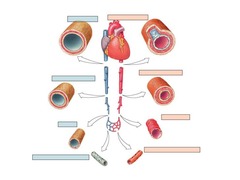
What hormone is released by the posterior pituitary gland during compensated shock?
Antidiuretic hormone (vasopressin).
What is the renin-angiotensin-aldosterone system (RAAS)?
A hormonal system that regulates blood pressure and fluid balance, activated during compensated shock.

What happens in progressive shock?
Responses are insufficient to compensate for the fall in blood pressure, requiring medical intervention.
What is a key characteristic of progressive shock?
Depression of cardiac activity and reduced cardiac output.
What leads to increased capillary permeability in progressive shock?
Hypoxia causes increased capillary permeability, leading to reduced blood volume.

What defines refractory shock?
Irreversible shock characterized by reduced cardiac output and heart failure.
What are the types of shock?
Hypovolemic shock, cardiogenic shock, obstructive shock, and distributive shock.
What causes hypovolemic shock?
It can occur due to hemorrhage or dehydration.
What is cardiogenic shock?
Shock that occurs due to myocardial infarction.
What is obstructive shock?
Shock caused by physical obstruction of blood flow, such as pulmonary embolism.
What is distributive shock?
Shock due to widespread vasodilation, often seen in anaphylaxis or sepsis.
What is septic shock?
Shock caused by bacterial infection leading to systemic inflammatory response and vasodilation.
What is anaphylactic shock?
A body-wide allergic reaction causing vasodilation and reduced cardiac output.
What is neurogenic shock?
Shock resulting from damage to brainstem centers, leading to reduced sympathetic output and vasodilation.

What is the role of histamine in anaphylactic shock?
Histamine causes vasodilation, leading to decreased blood pressure and reduced cardiac output.
What happens to blood flow in septic shock?
Blood pressure falls, leading to reduced blood flow to the heart.
What is hyperreninaemia?
Increased renin levels that can lead to increased blood pressure.
What is the effect of angiotensin II in shock?
It causes vasoconstriction, increasing blood pressure.
What is the significance of the sympathetic system in shock?
It regulates blood pressure and blood flow through vasoconstriction and increased heart rate.