Exam questions
 Call Kai
 Learn
 Practice Test
 Spaced Repetition
 Match
 Flashcards
 Knowt Play
1/105

There's no tags or description
Looks like no tags are added yet.
106 Terms

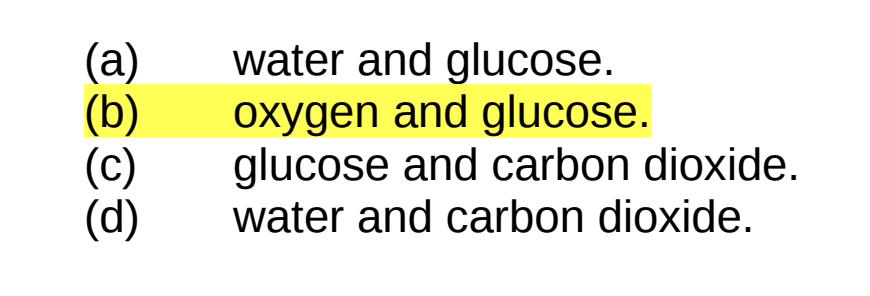
Which of the following statements best reflects the main difference between the 'lock
and key' model and 'induced fit' model of enzyme function?


Identify two functions of a cell membrane.

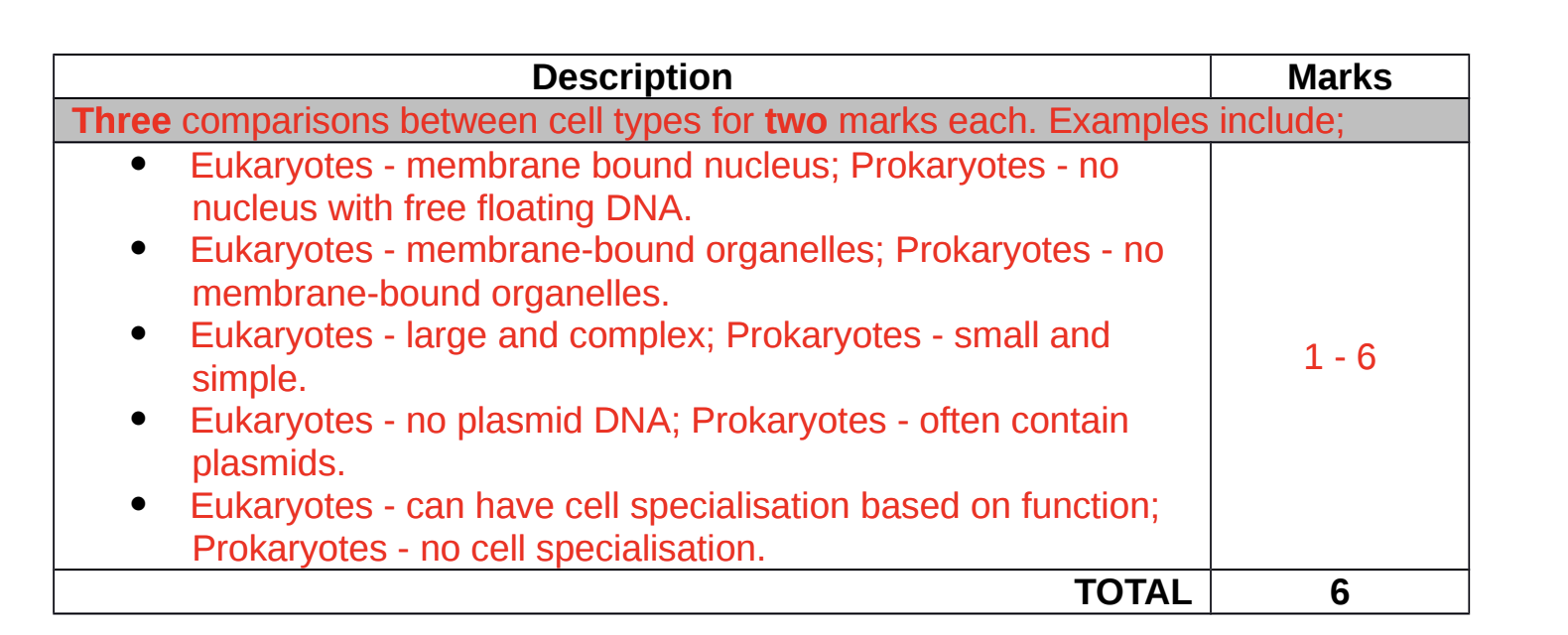
Identify three major differences between prokaryotic and eukaryotic cells.


Explain why the model is called a ‘fluid mosaic’.

Explain the importance of membrane fluidity to cellular function.

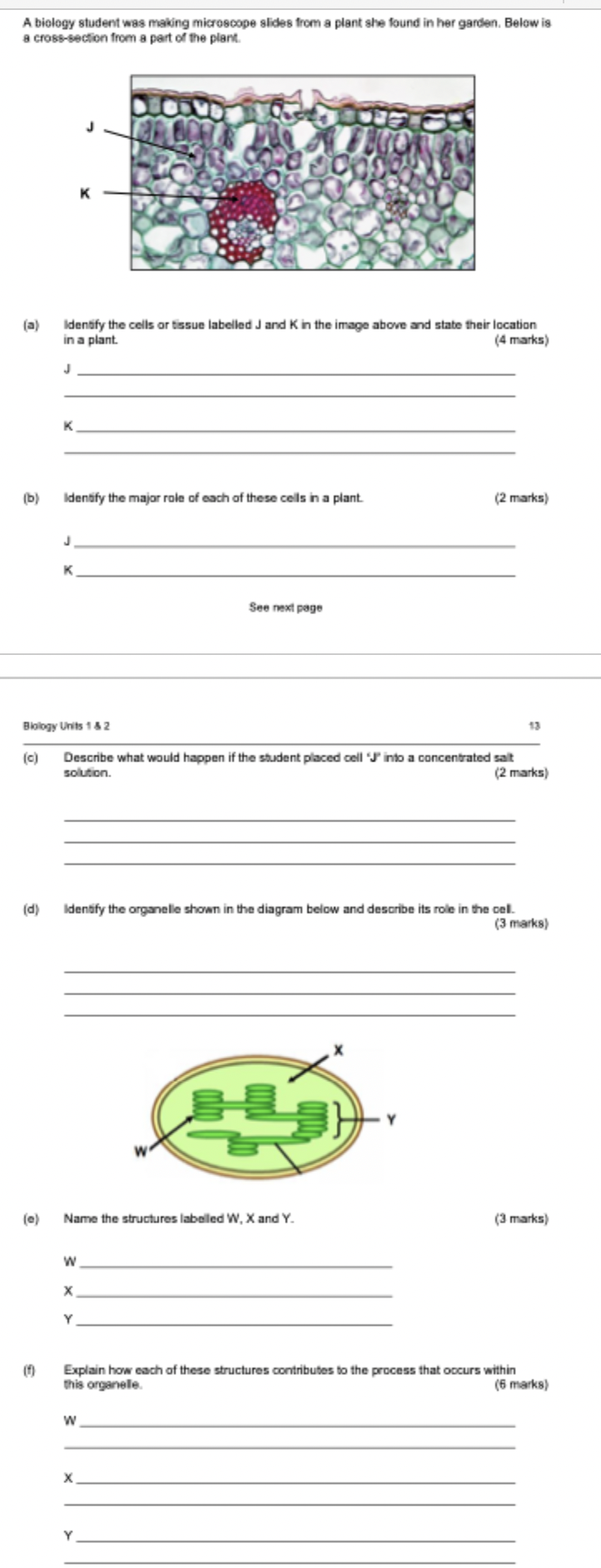
Explain how each of these structures contributes to the process that occurs within this organelle.

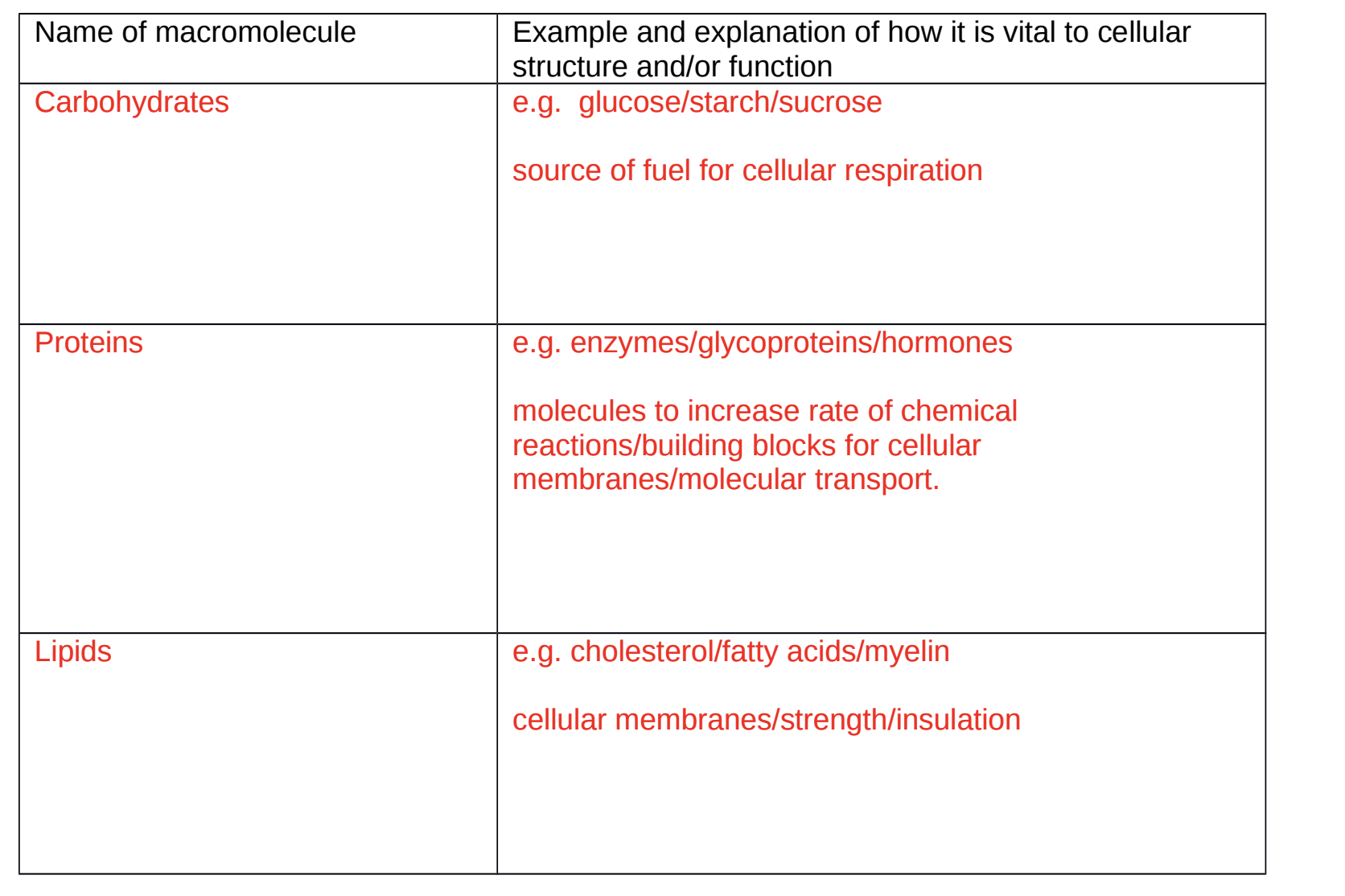
Proteins.
Carbon, hydrogen, oxygen and nitrogen.
Outline two (2) main functions of the cell membrane.
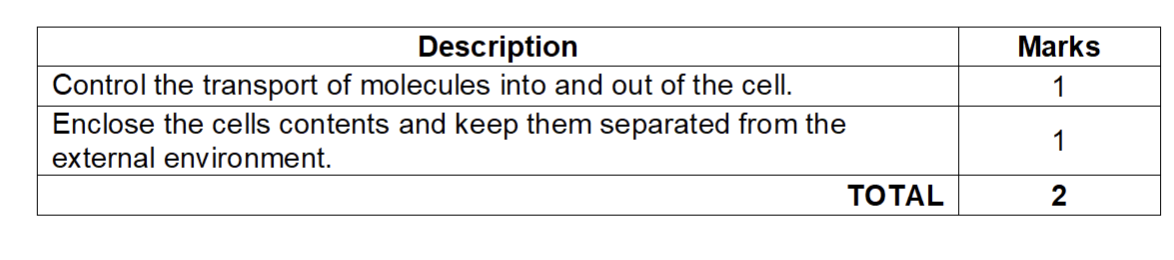
Explain how the structure of a cell’s membrane allows it to carry out each of these functions.


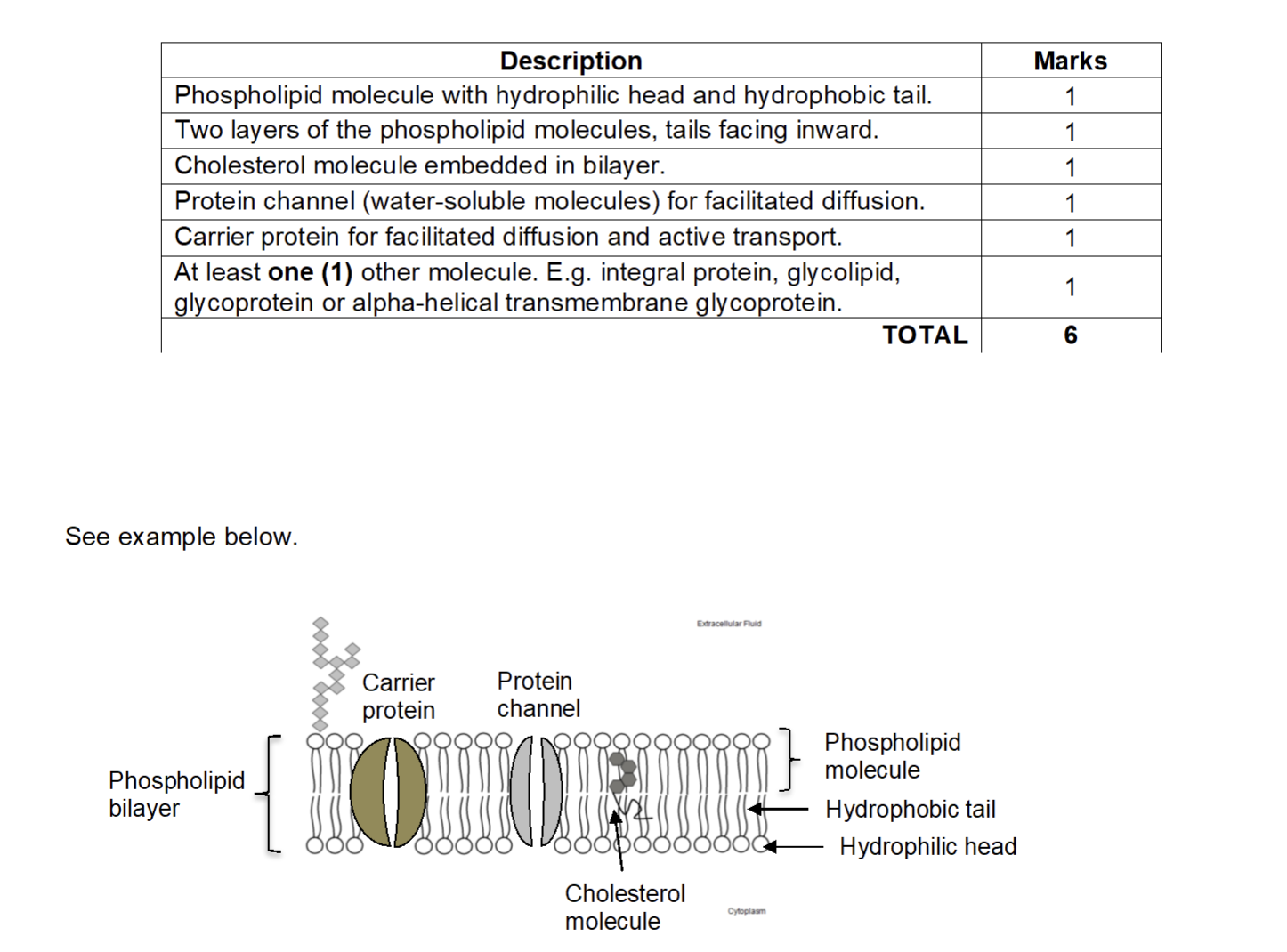
In the space below, construct a labelled diagram of a cell membrane, using the fluid mosaic model
Mitochondria are enclosed within a cell membrane. Explain how the structure of this membrane influences the processes that occur within the mitochondria.

Describe the effect of detergent on the cell membrane and suggest why it is used in DNA extraction.

Identify two organelles within plant and animal cells that contain this type of membrane.

Animal cells contain cholesterol molecules within the membrane. What is the structural importance of this molecule to the membrane?
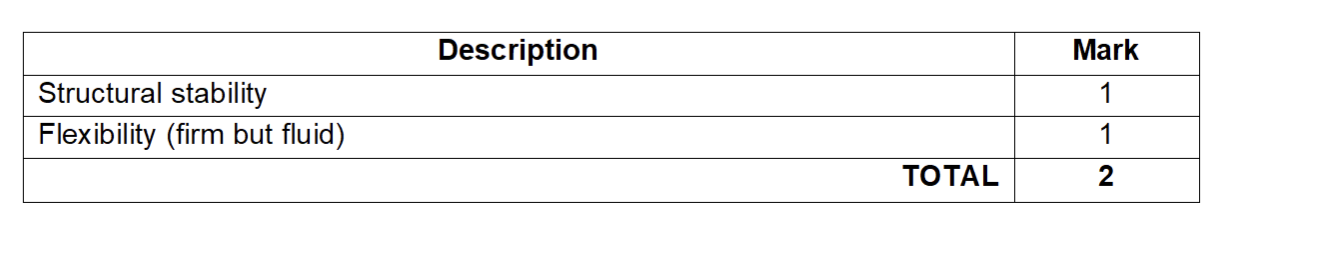
Differentiate between the terms diffusion and osmosis.

Using examples, explain why specific molecules can pass easily through the cell membrane while others cannot.

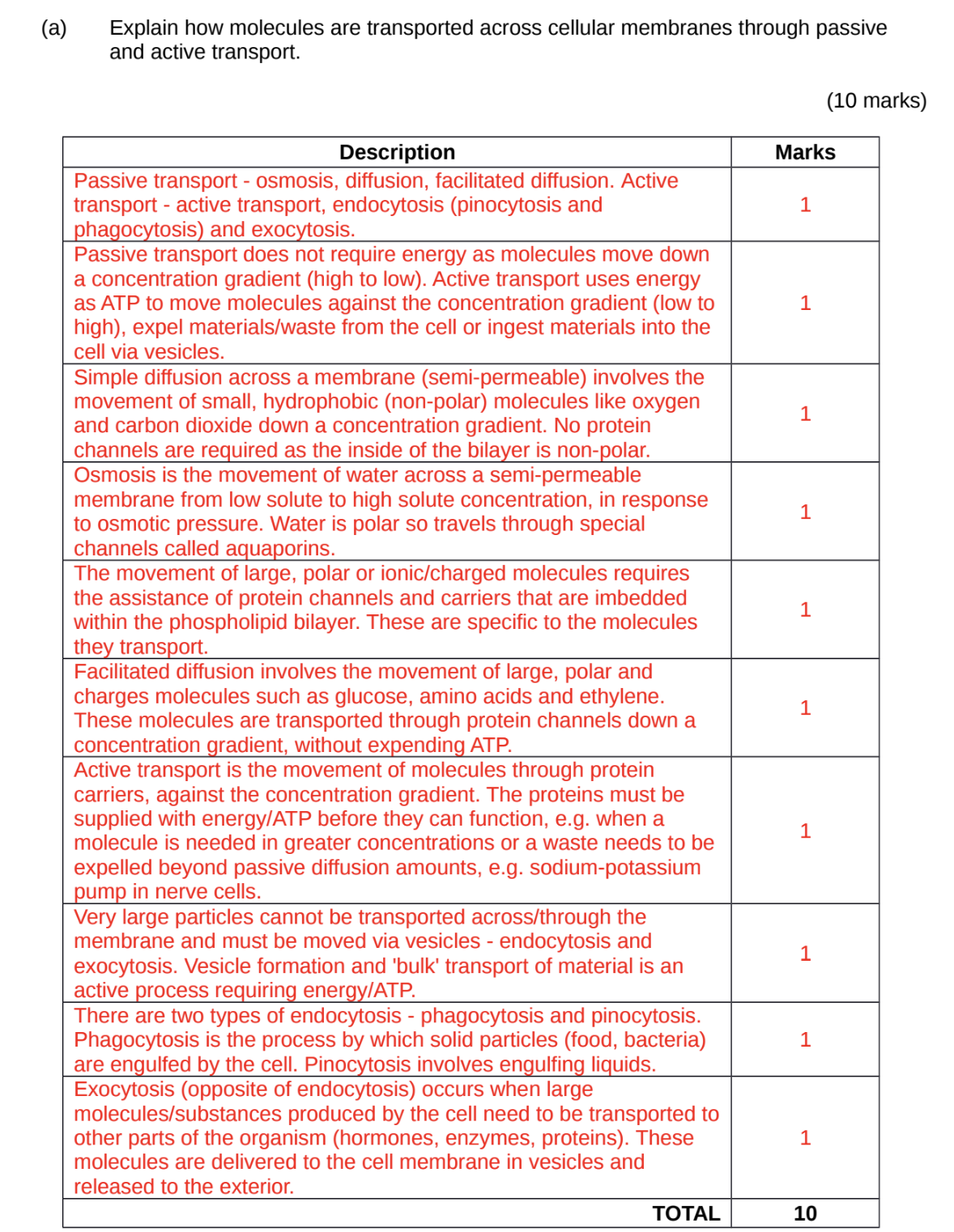
Describe the differences between active transport and facilitated diffusion. (

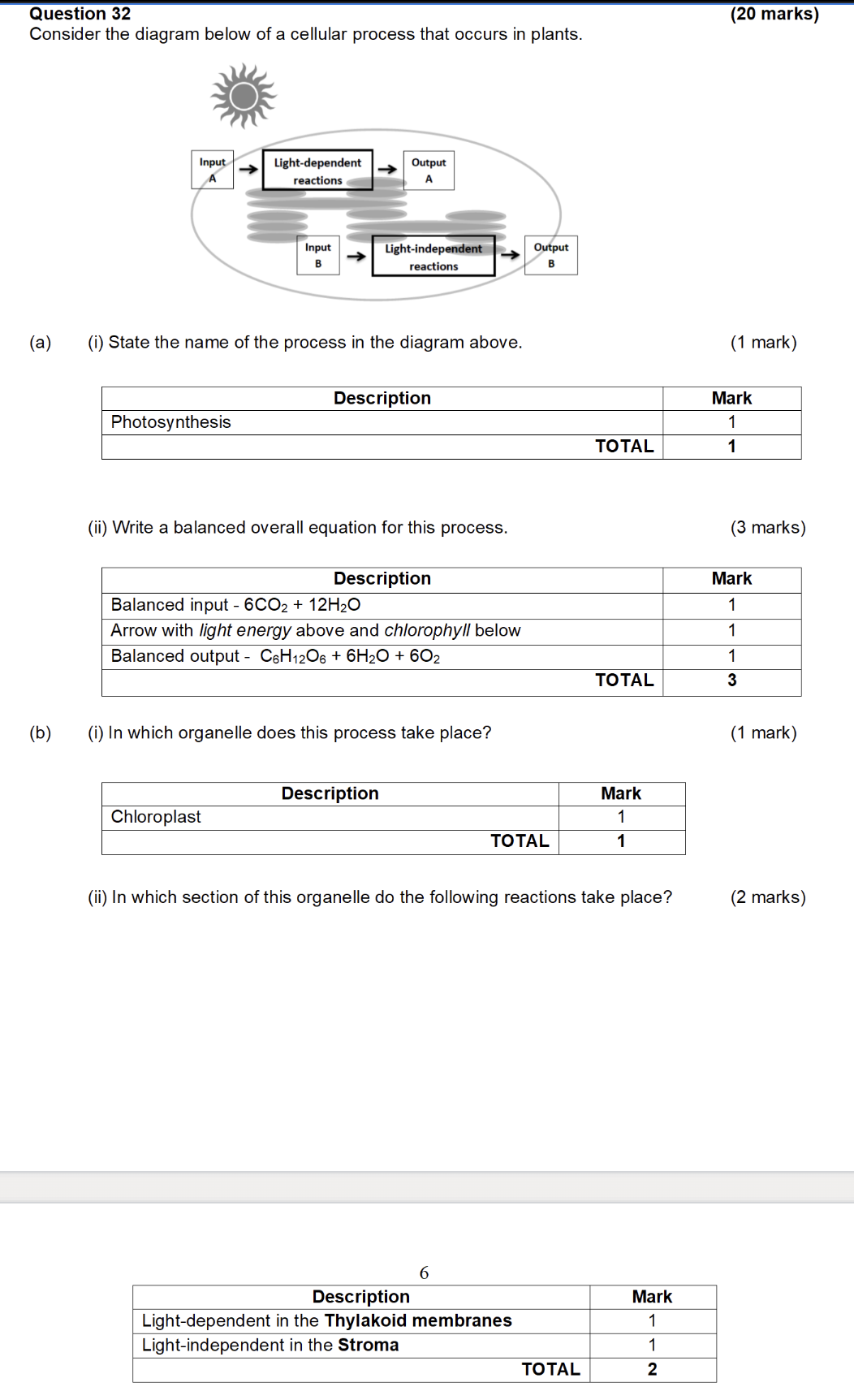
This cellular process can be compromised during times of drought. Describe two adaptations of Australian plants that enable normal function with limited water

Enzymes are critical to the survival of all living things.


Go over extended responses


Explain how an enzyme inhibitor affects enzyme function.

2. A cell placed into a hypotonic solution will
b

3. Facilitated diffusion involves the movement of
c

6.An enzyme that can break down carbohydrates is called
d

Energy is released from ATP as a result of
d


c and d
Which of the following are the waste products of anaerobic respiration in plant and animal cells, respectively?
c

c


c


Osmosis

Describe how the synthesis of organic macromolecules differs between autotrophs and heterotrophs.

Carbohydrates and lipids.

Proteins.

Both temperature and light intensity were controlled during this experiment. Explain the importance of these controls in terms of their effect on photosynthesis.


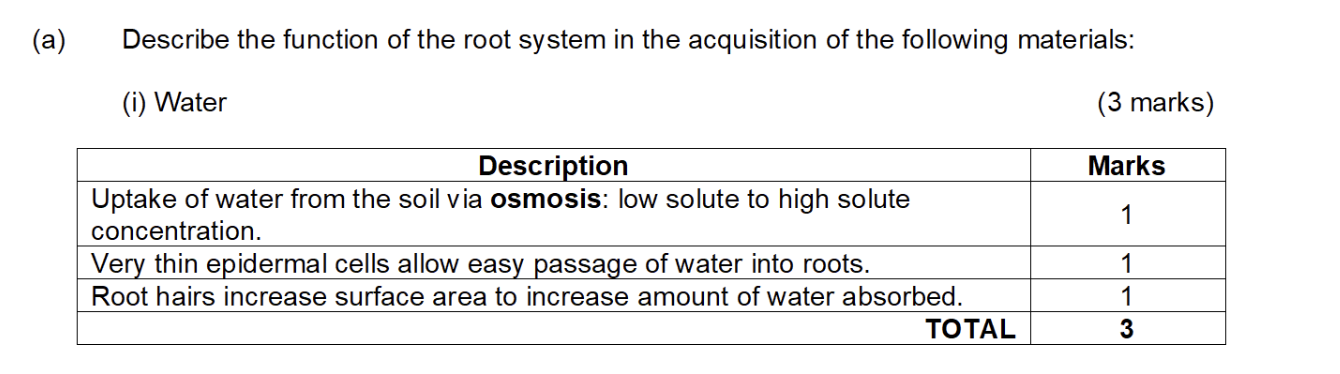
(ii) Minerals
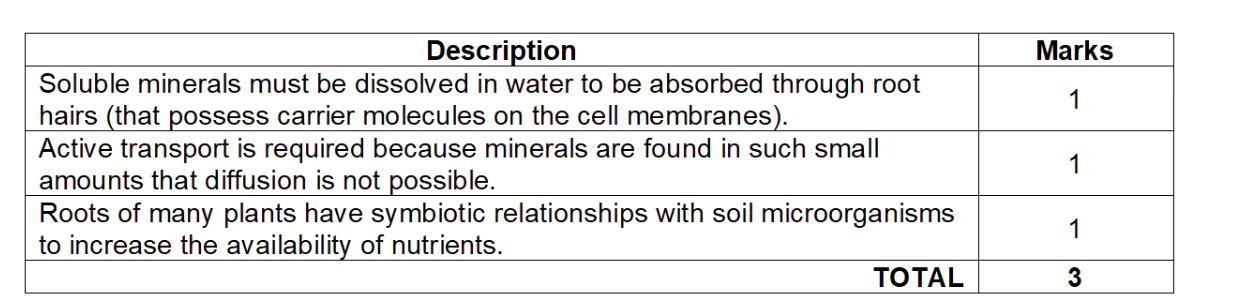



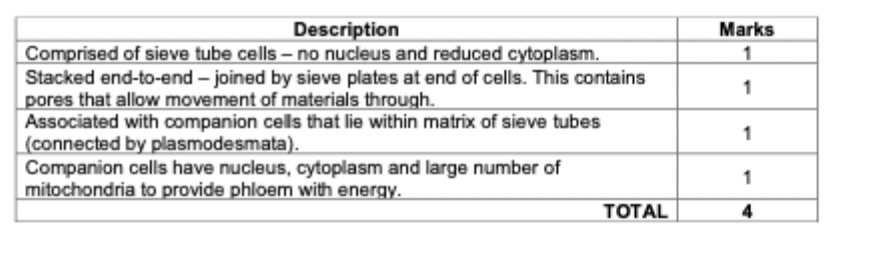


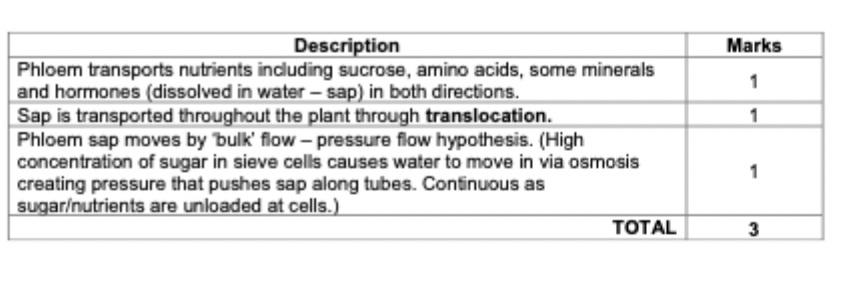

Predict what would happen to cellular metabolism if the temperature surrounding the plant increases beyond the plants optimal conditions
Enzymes would denature. Cellular metabolism would slow down to the stage where life
could not be sustained.

At the compensation point, all produced glucose is consumed and there is no incorporation of
material into the plant. Plant growth is likely to cease.

Food is produced by plants in the form of glucose. Glucose can’t be directly used for cellular
metabolism: it has to be converted into simpler compounds. The energy released builds up
ATP molecules, which are then converted to ADP 1 P. The energy released can then be used
for cellular activities. This process of building ATP is cellular respiration, which depends on
mitochondria.

Alcohol fermentation is happening. To prevent this happening again, need to heat the preserved
fruit to destroy bacteria.


A- the main point of lowering activation energy is that reactions can happen at normal body temperature without damaging heat.

a

a

b

d
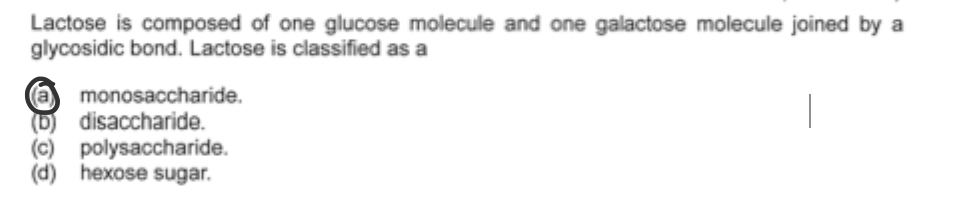
b

b

C- Carnivores usually have a short alimentary canal and a simple stomach, and the low pH helps digest meat and kill harmful microbes.
parmecium classified as eukaryotes

B- Stomata located in pits. The sunken stomata trap moist air, reducing water loss through transpiration.
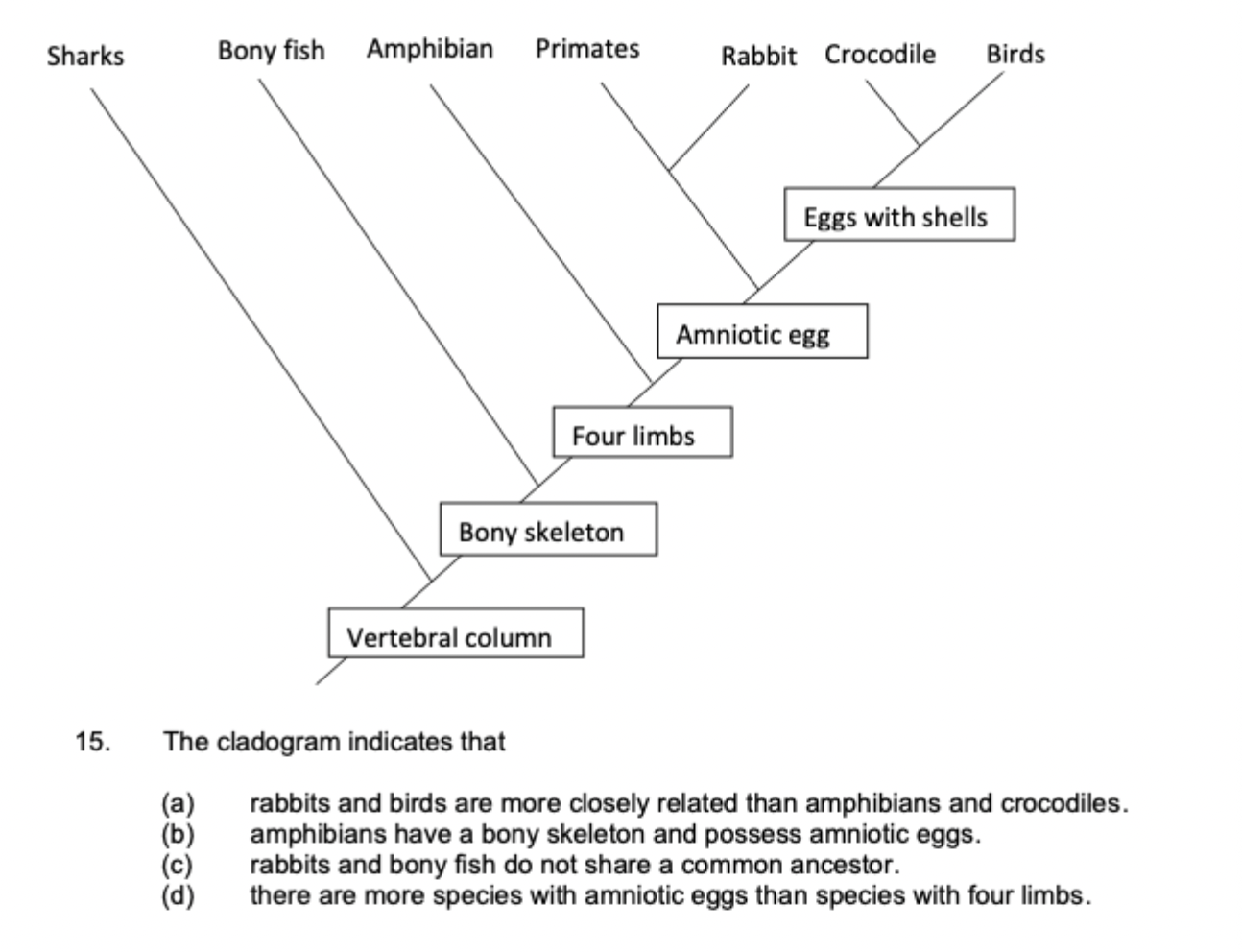
A- On a cladogram, relatedness is measured by how recently two groups share a common ancestor — the more recent the branching point, the closer the relationship.
Here's how it works for the cladogram in your question:
Step 1 — Find where amphibians and crocodiles meet
• Amphibians branch off before the amniotic egg trait (no amniotic egg).
• Crocodiles branch off after the amniotic egg trait.
• Their last common ancestor is at the four limbs node (point A below).
Step 2 — Find where rabbits and birds meet
• Rabbits and birds both sit after the amniotic egg node.
• Their last common ancestor is at or after the amniotic egg node (point B below).
A B
│ │
▼ ▼
────┴──────────────┬────────┴──────────
Four limbs Amniotic egg
│ │
Amphibian ───── Crocodile
Bird
Rabbit
Since B (amniotic egg) comes after A (four limbs) on the cladogram, rabbits and birds share a more recent ancestor than amphibians and crocodiles do — so they are more closely related.

B- Carbon dioxide — with intense light, light is no longer limiting, so the amount of available carbon dioxide may limit photosynthesis.
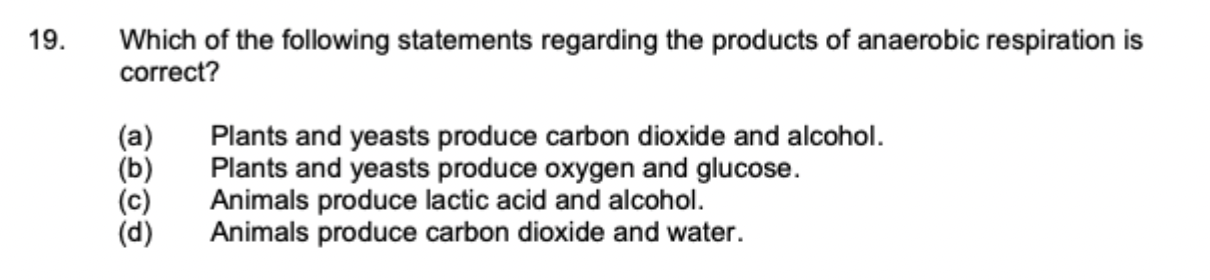
A- (a) Plants and yeasts produce carbon dioxide and alcohol during anaerobic respiration.

C- (c) 0.19 mL/minute.
In humid conditions, the plant lost 2.7 mL over 14 minutes:
2.7 ÷ 14 ≈ 0.19 mL/minute.

C-(c) 0.03 plants/m².
Five quadrats cover 5 × 100 = 500 m². The density is 15 ÷ 500 = 0.03 plants/m². The 2000 m² study-area size isn’t needed because the question asks for density (plants per square metre), not the total number of plants.