❤️ Lesson 7 — The Circulatory System, Part 1: The Heart
 Call Kai
 Learn
 Practice Test
 Spaced Repetition
 Match
 Flashcards
 Knowt Play
1/22

Earn XP
Description and Tags
❤️ **Lesson 7 — The Circulatory System, Part 1: The Heart** Learn how the heart pumps blood, how its four chambers and valves work, and how blood vessels carry blood throughout the body. **📚 18 flashcards | Textbook pages 37–41**
23 Terms
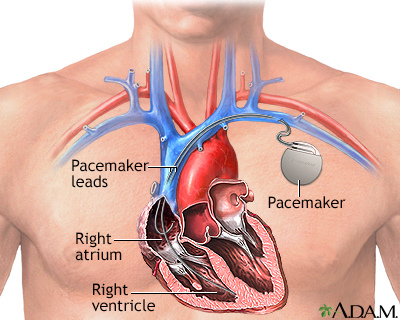
What is the main job of the heart?
To pump blood throughout the body, delivering oxygen and nutrients and carrying away waste.

Where is the heart located?
In the chest, slightly left of center, protected by the rib cage.

What type of organ is the heart?
A muscular organ that pumps blood day and night.
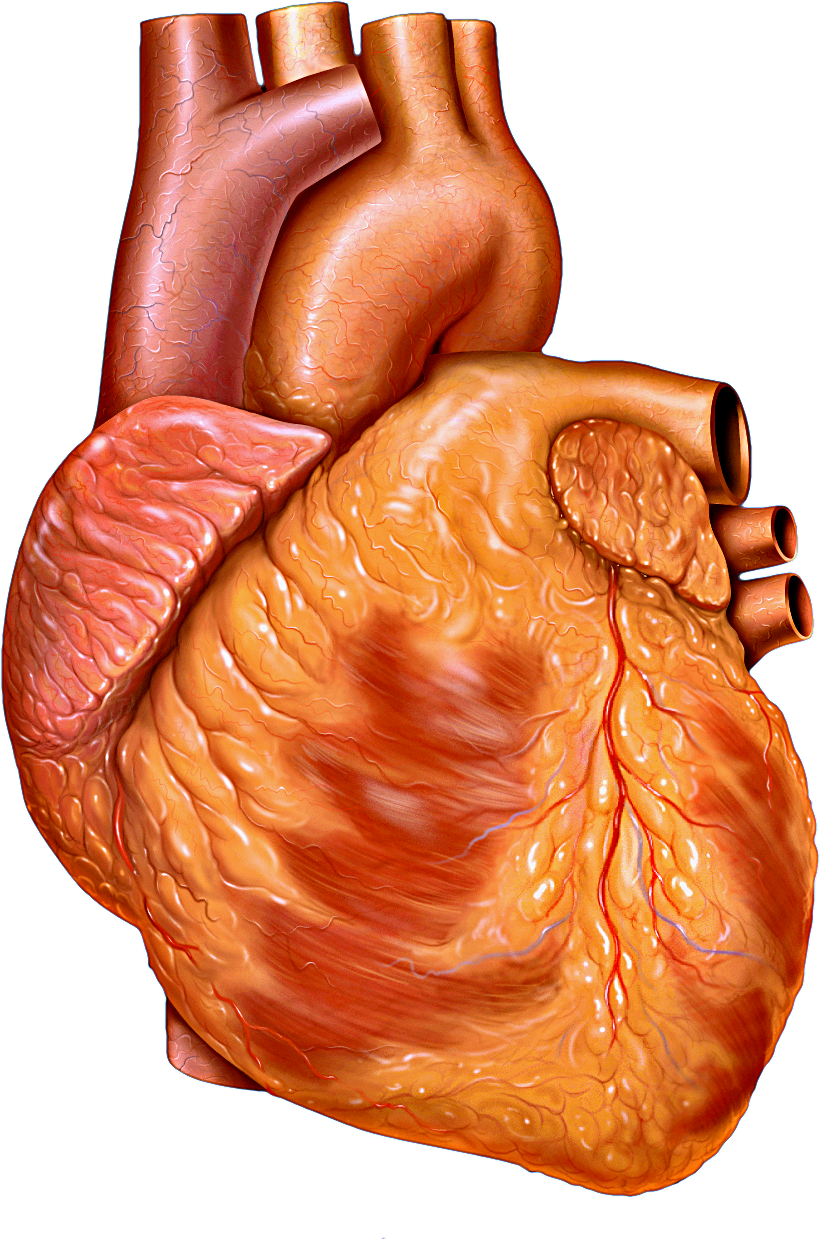
What are the four chambers of the heart?
Right atrium, right ventricle, left atrium, and left ventricle.

What do the atria do?
The two upper chambers receive blood entering the heart.

What do the ventricles do?
The two lower chambers pump blood out of the heart.

What is the job of heart valves?
To keep blood flowing in one direction by preventing it from flowing backward.

What is the tricuspid valve?
The valve between the right atrium and right ventricle.

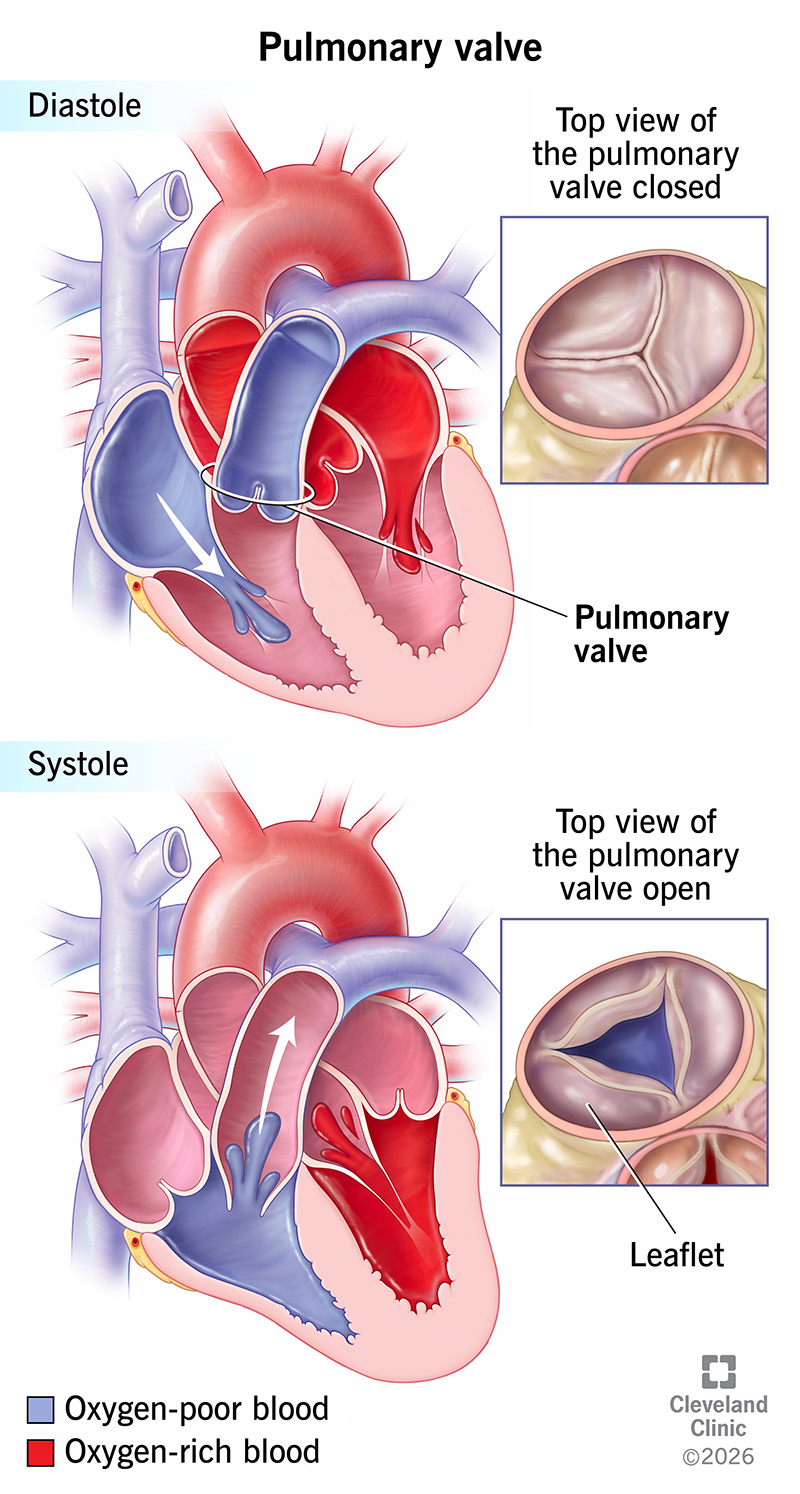
What is the pulmonary valve?
The valve that controls blood flow from the right ventricle into the pulmonary artery.
What is the mitral valve?
The valve between the left atrium and left ventricle.

What is the aortic valve?
The valve that controls blood flow from the left ventricle into the aorta.

What is the aorta?
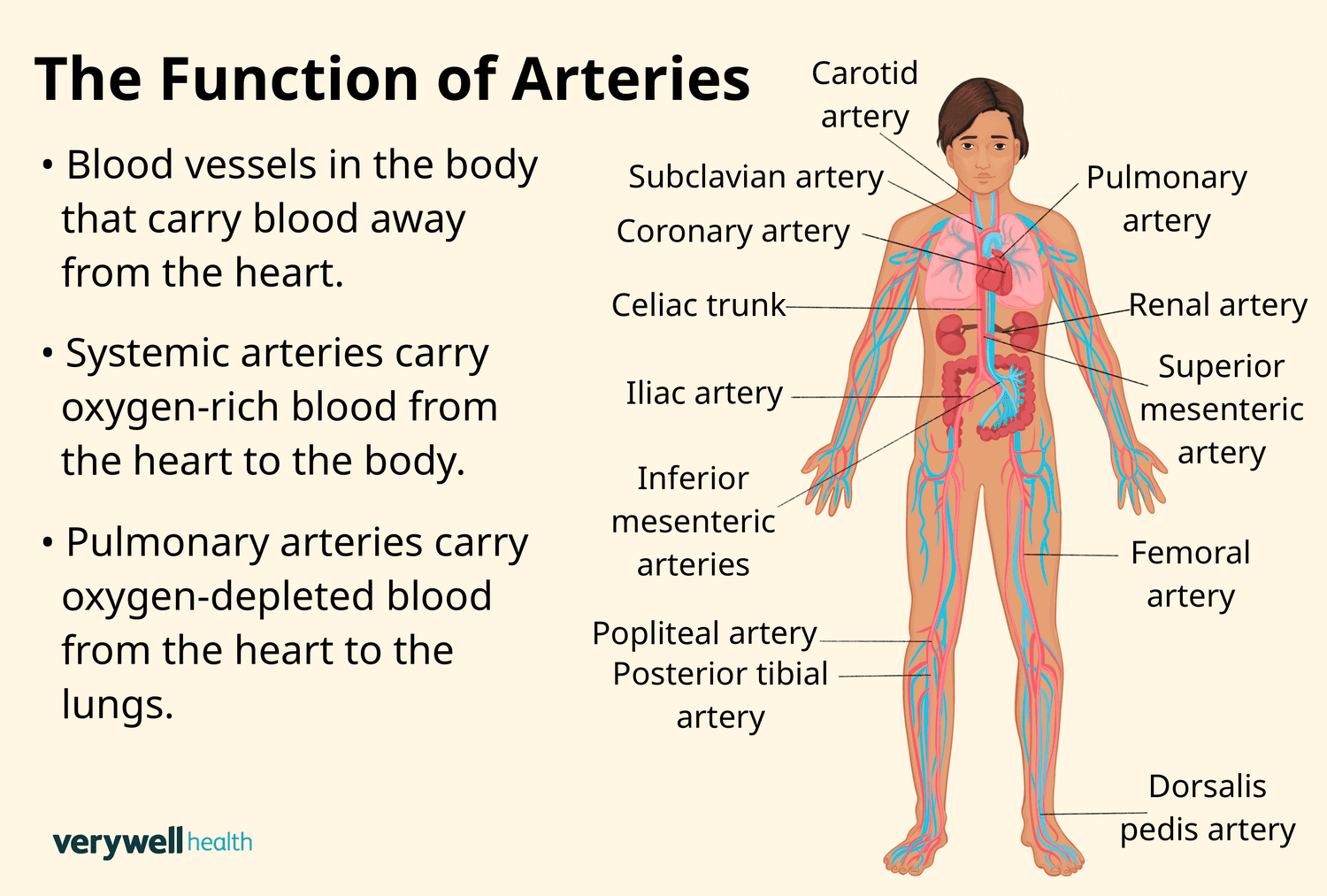
The large artery that carries oxygen-rich blood from the heart to the body.

What do the pulmonary arteries do?
Carry oxygen-poor blood from the heart to the lungs.

What do the pulmonary veins do?
Carry oxygen-rich blood from the lungs back to the heart.

What are blood vessels?
Tubes that carry blood throughout the body, including arteries, veins, and capillaries.
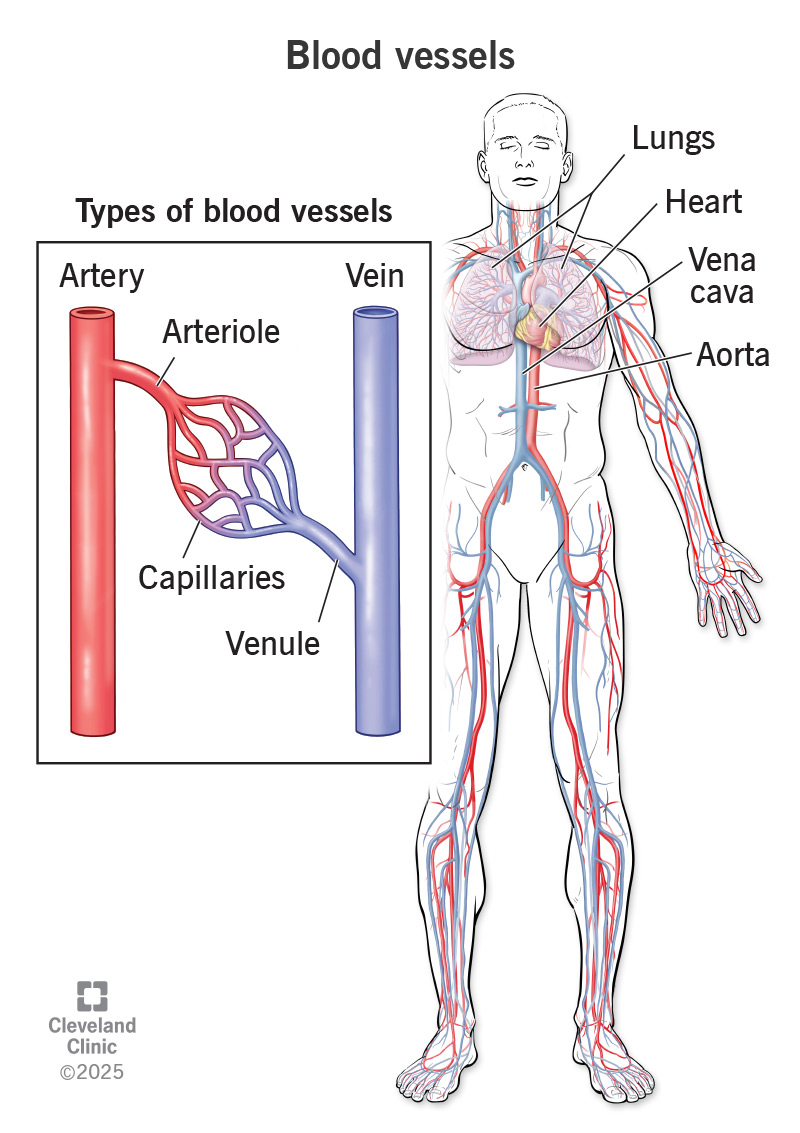
What do arteries do?
Carry blood away from the heart.
What do veins do?
Carry blood toward the heart.

What do capillaries do?
Allow oxygen, nutrients, and waste to move between blood and body tissue