Art History 4: Assyria, Neo-Babylonian Empire, Iran
 Call Kai
 Learn
Learn Practice Test
 Spaced Repetition
 Match
Match Flashcards
 Knowt Play
1/10

There's no tags or description
Looks like no tags are added yet.
11 Terms
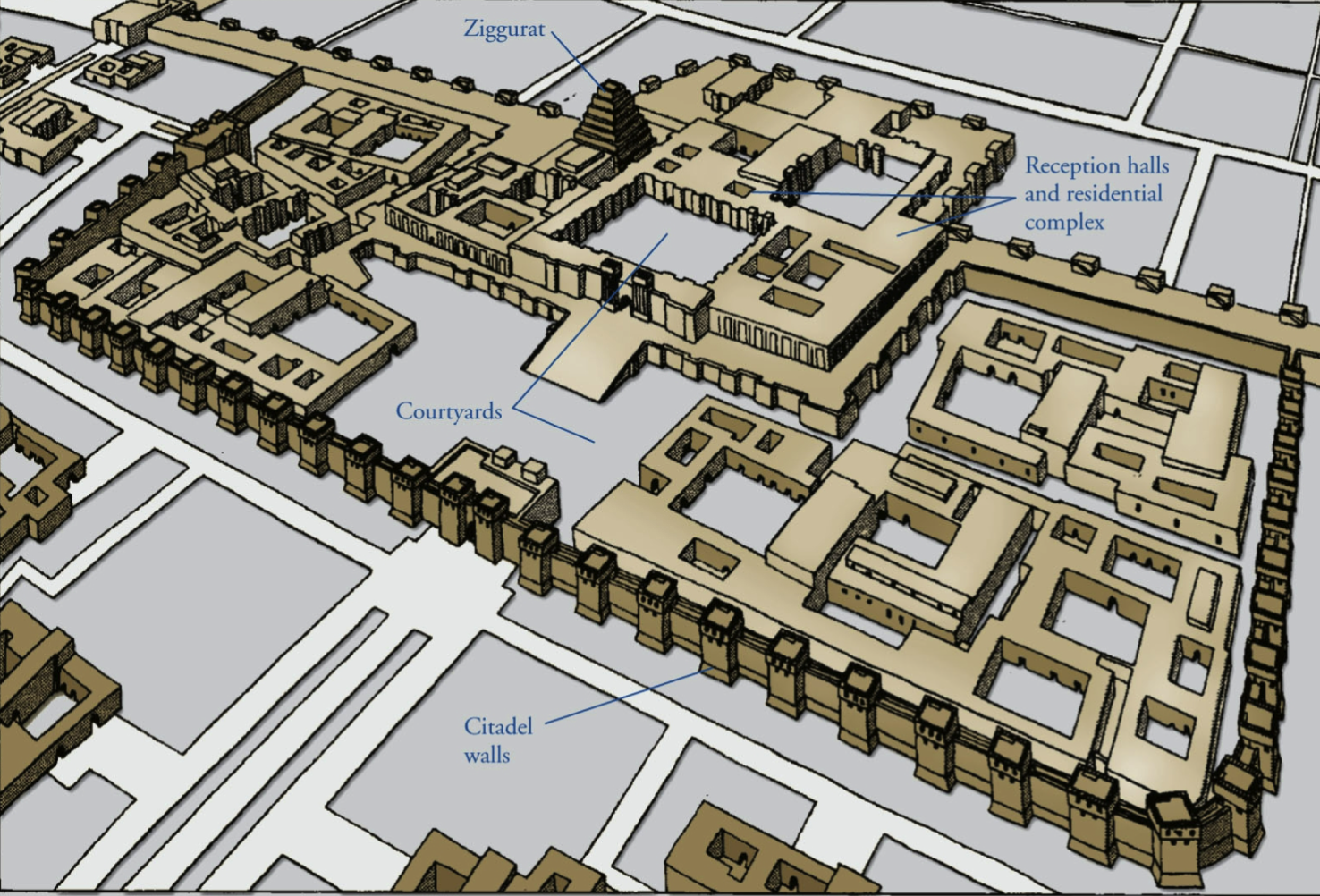
Reconstruction drawing of the citadel of Sargon II,
Dur Sharrukin (modern Khorsabad), Iraq,
ca. 720–705 BCE
The reconstruction of the citadel of Sargon II shows how the Neo-Assyrian Empire used architecture to display power, with strong walls, organized spaces, and a central palace complex. It also reveals how religion and government were connected, as seen in the placement of the ziggurat within the royal citadel.
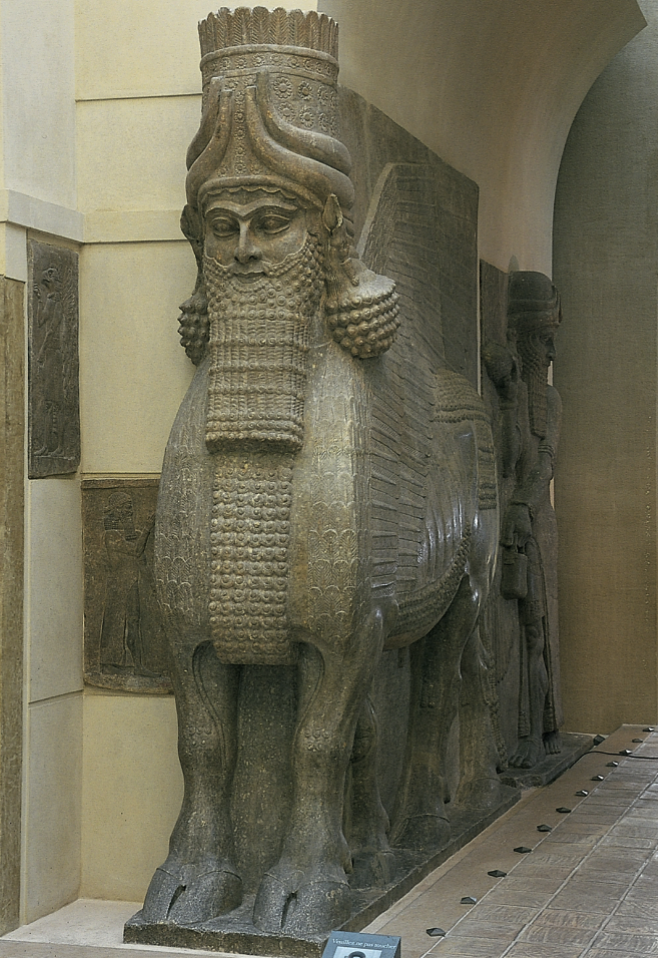
Lamassu (winged, human-headed bull),
from the citadel of Sargon II, Dur Sharrukin (modern Khorsabad), Iraq,
ca. 720–705 BCE
The Lamassu is important because it served as a protective guardian placed at palace entrances in the Neo-Assyrian Empire, meant to ward off evil and intimidate enemies. It also symbolizes royal power by combining human intelligence, animal strength, and divine authority into one imposing figure.

Assyrian archers pursuing enemies, relief from the Northwest Palace of Ashurnasirpal II,
Kalhu (modern Nimrud), Iraq,
ca. 875–860 BCE
The relief Assyrian Archers Pursuing Enemies is important because it shows the military power and brutality of the Neo-Assyrian Empire, emphasizing how they conquered and controlled their enemies. It also functioned as propaganda, glorifying the king’s victories and intimidating anyone who saw it.

Ashurbanipal hunting lions,
relief from the North Palace of Ashurbanipal, Nineveh (modern Kuyunjik), Iraq,
ca. 645–640 BCE.
Ashurbanipal is shown hunting lions to demonstrate his strength, courage, and ability to protect his people, which were essential qualities of a Mesopotamian ruler. The Royal Lion Hunts of Nineveh were also symbolic rituals meant to show the king’s dominance over chaos and reinforce his divine right to rule.
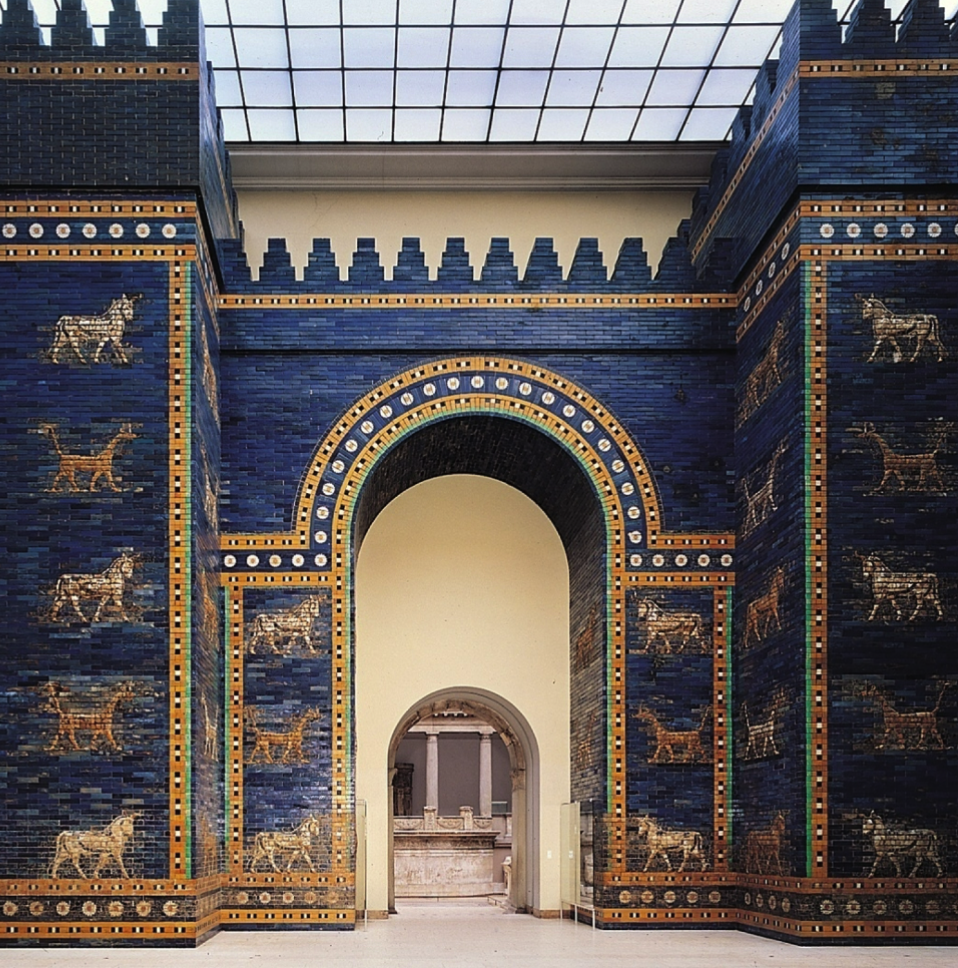
Ishtar Gate (restored),
Babylon, Iraq,
ca. 575 BCE.
The Ishtar Gate is important because it was a grand entrance to the city of Babylon, symbolizing its power, wealth, and the glory of King Nebuchadnezzar II. It also honored the goddess Ishtar and showcased advanced engineering and artistic achievement with its bright blue glazed bricks and detailed animal reliefs.

Persepolis (apadana in the background),
Iran,
ca. 521–465 BCE.
Persepolis is important because it was the ceremonial capital of the Achaemenid Empire, showing the power, wealth, and organization of Persian rulers. It also symbolized unity, as representatives from many different cultures came there to pay tribute to the king. Greeks considered Persepolis one of the wonders of the world.
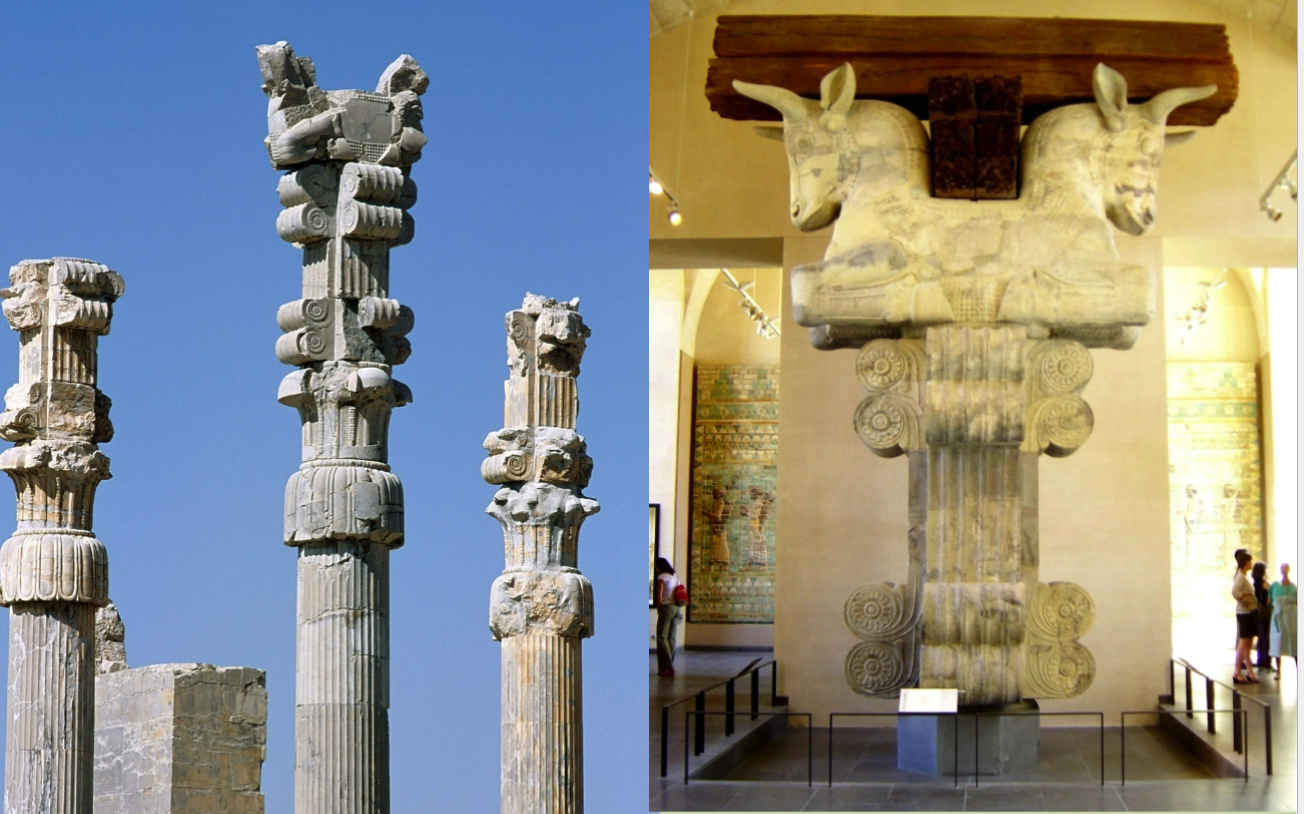
Columns capitals with animal protomes
Persepolis, Iran
ca. 521–465 BCE
The column capitals with animal protomes at Persepolis were important because they symbolized strength and royal power, often featuring animals like bulls that represented protection and stability. They were also highly functional, as the double-animal designs helped support heavy wooden beams, showing advanced engineering in the Achaemenid Empire.
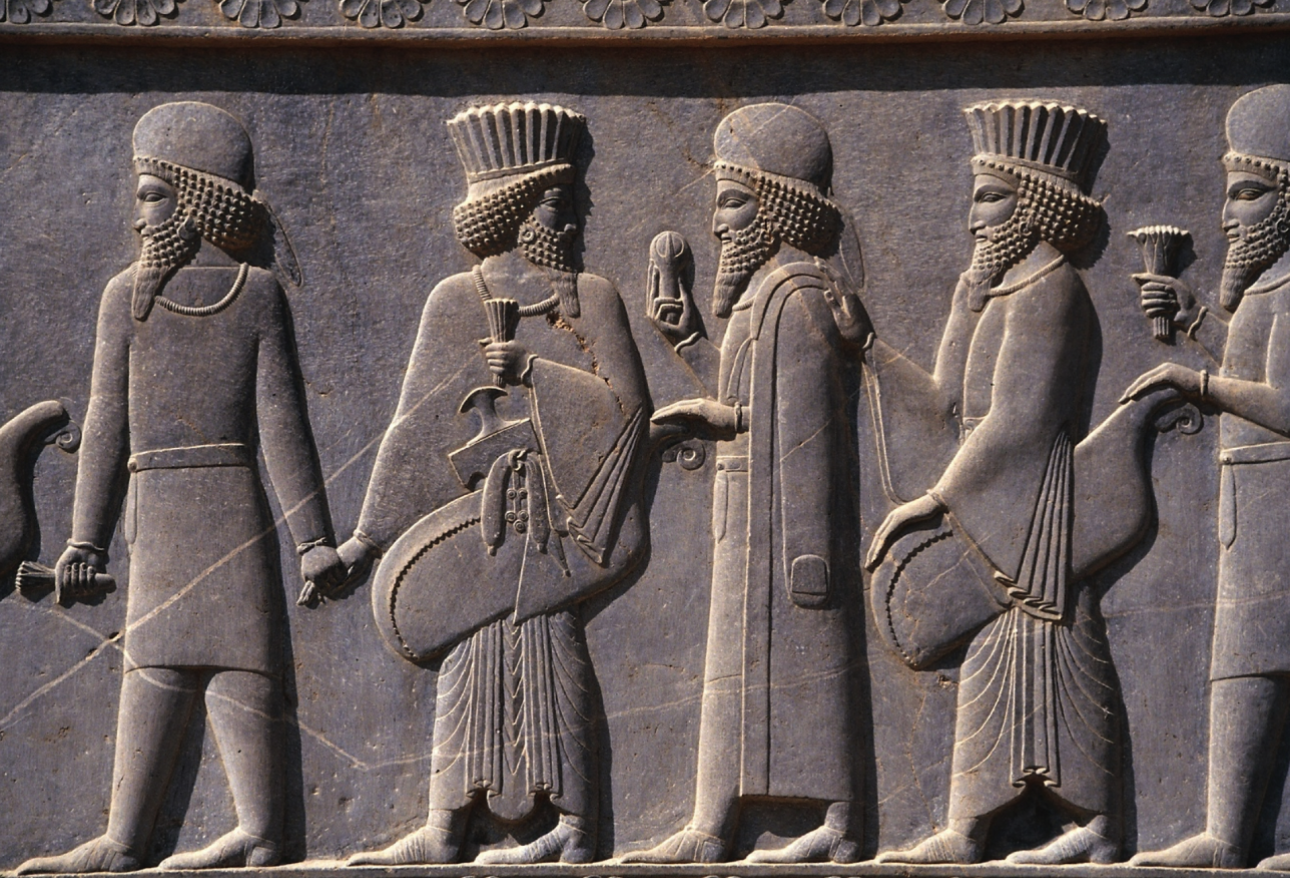
Processional frieze (detail) on the terrace of the apadana,
Persepolis, Iran,
ca. 521–465 BCE.
The Processional frieze on the terrace of the Apadana at Persepolis is important because it shows delegates from across the Achaemenid Empire bringing tribute, highlighting the empire’s vast size and diversity. It also emphasizes order and unity under the king, reinforcing the ruler’s power and control.

Rhyton in the form of a winged lion,
from Hamadan,
fifth to third century BCE
The Rhyton in the form of a winged lion from Hamadan is important because it combines artistic skill with symbolism, as the winged lion represents power, protection, and divine authority in ancient Persian culture. It was also used in ceremonial drinking rituals, showing the wealth, religious practices, and craftsmanship of the Achaemenid Empire.
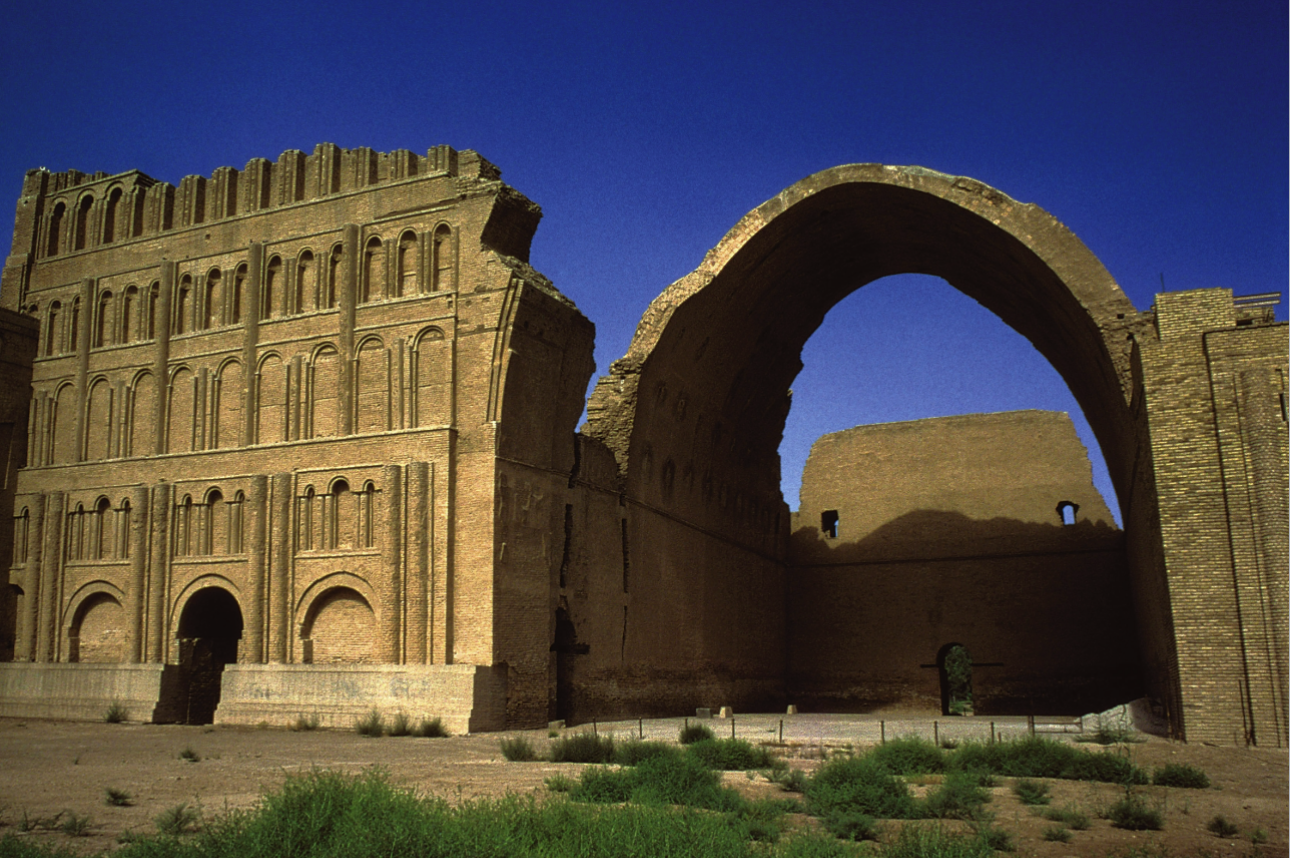
Palace of Shapur I,
Ctesiphon, Iraq,
ca. 250 CE.
The Palace of Shapur I at Ctesiphon is important because it demonstrates the power and grandeur of the Sasanian Empire through its massive scale and impressive architecture. It is especially significant for its large vaulted hall (iwan), which influenced later Islamic architecture and engineering.
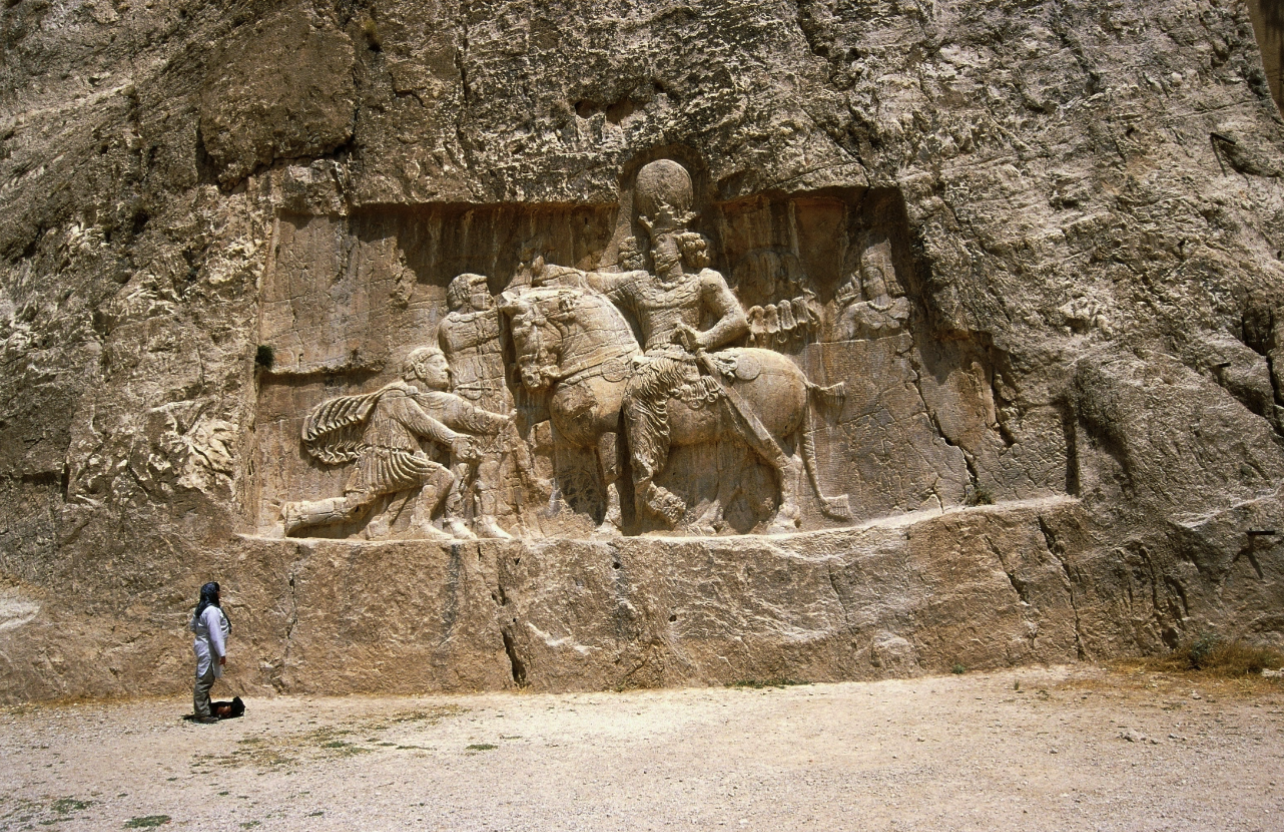
Triumph of Shapur I over Valerian, rock-cut relief,
Bishapur, Iran,
ca. 260 CE.
The Triumph of Shapur I over Valerian relief at Bishapur is important because it celebrates a major Persian victory over Rome, including the capture of a Roman emperor—the only time this ever happened.
It also serves as powerful propaganda, showing Shapur’s dominance and reinforcing the strength and superiority of the Sasanian Empire.