Skeletal Muscle Relaxants: Cooperwood
 Call Kai
 Learn
 Practice Test
 Spaced Repetition
 Match
 Flashcards
 Knowt Play
1/34

There's no tags or description
Looks like no tags are added yet.
35 Terms
nicotinic
Skeletal muscle contraction is evoked by ______ transmission
efficacy
Nicotinic antagonists bind to cholinergic nicotinic receptors but have no _____
-neuromuscular blockers
-spasmolytics
What are the two subclasses of skeletal muscle relaxants?
skeletal muscle relaxants
-given parenterally
-highly polar drugs
-useful in producing muscle relaxation
-used as an adjunct to general anesthesia
-correction of dislocations
-realignment of fractures
-assist in tracheal intubation
-hypotension
-bronchospasm
-cardiac disturbances
-release of histamine
What are some of the side effects of skeletal muscle relaxants?
Quarternary ammonium
NMBs possess one or two ________ groups
10-12
Quarternary ammoniums are typically separated by _____ atoms which serve as a scaffold to position the two positive charges in the correct orientation for interaction with the nicotinic receptors
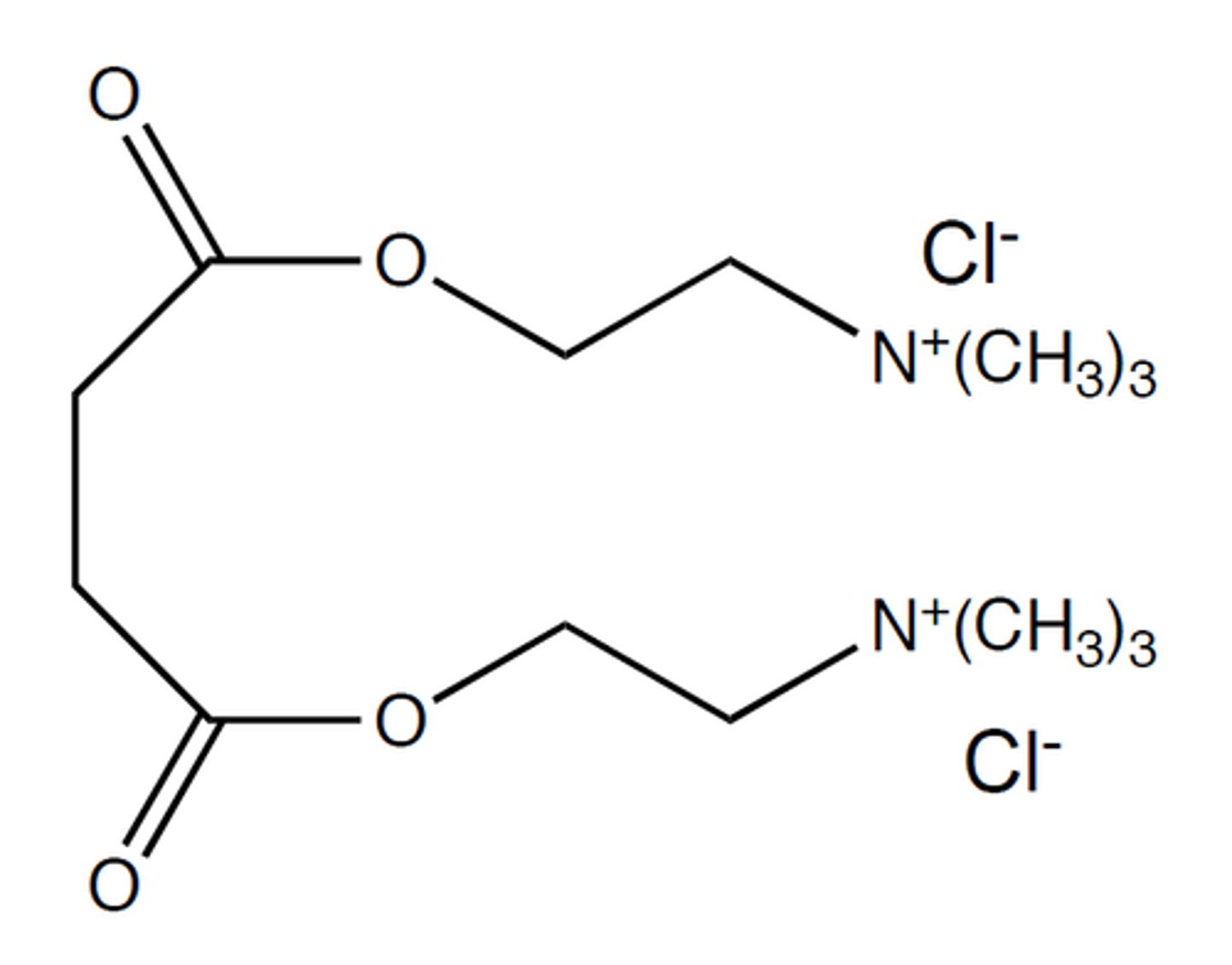
Succinylcholine chloride
What is the depolarizing agent?
-hydrolysis through cholinesterase
What metabolism does this go through?
Nicotinic
-agonist at nicotinic receptor
-continuous depolarization results in muscle relaxation and paralysis
-aminosteroids
-tetrahydroisoquinolines
What are the two classes of non-depolarizing blockers?
Isoquinoline
What group is this drug in?
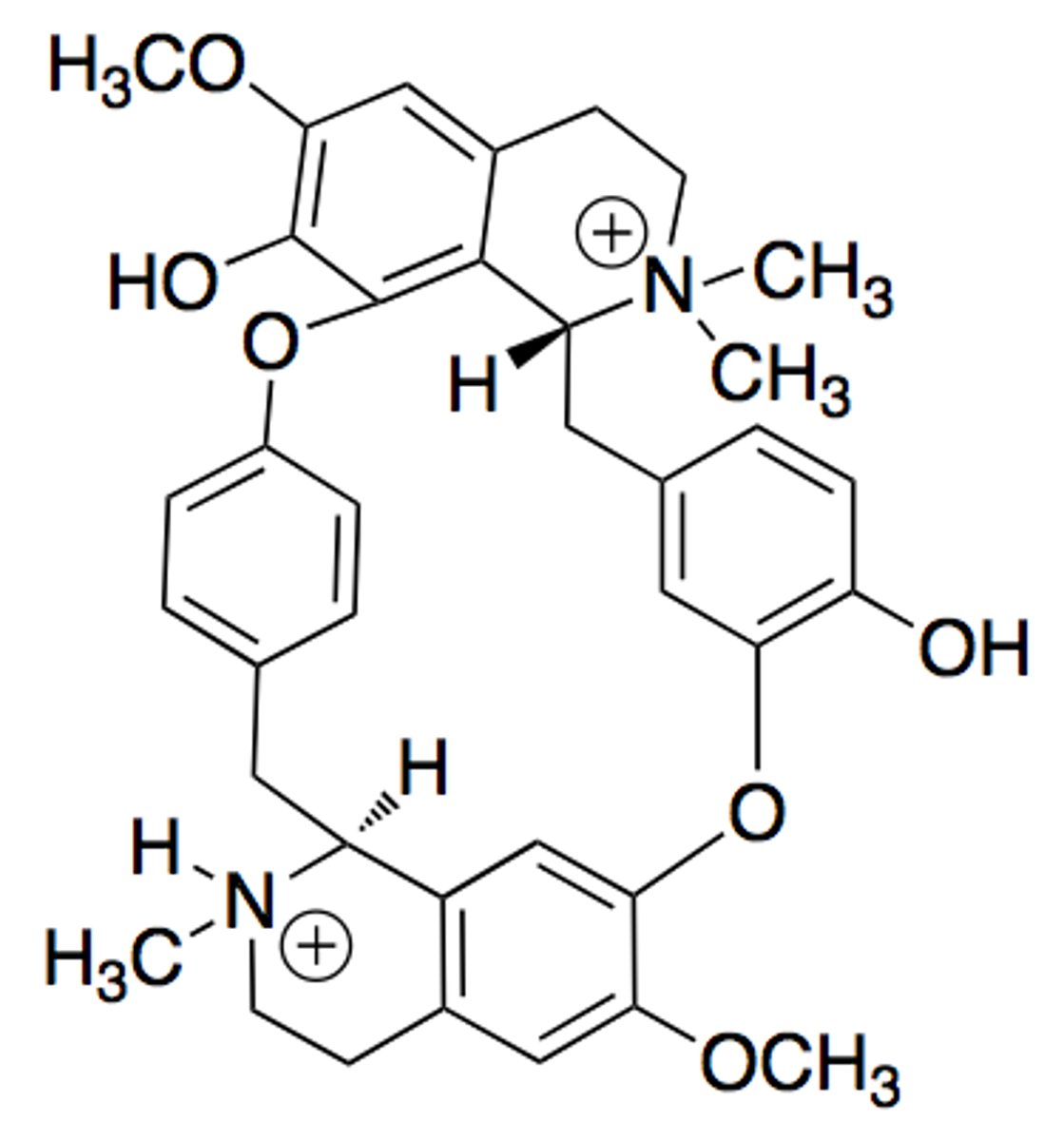
-demethylation
-o-demthylation
What metabolism does this drug go through?
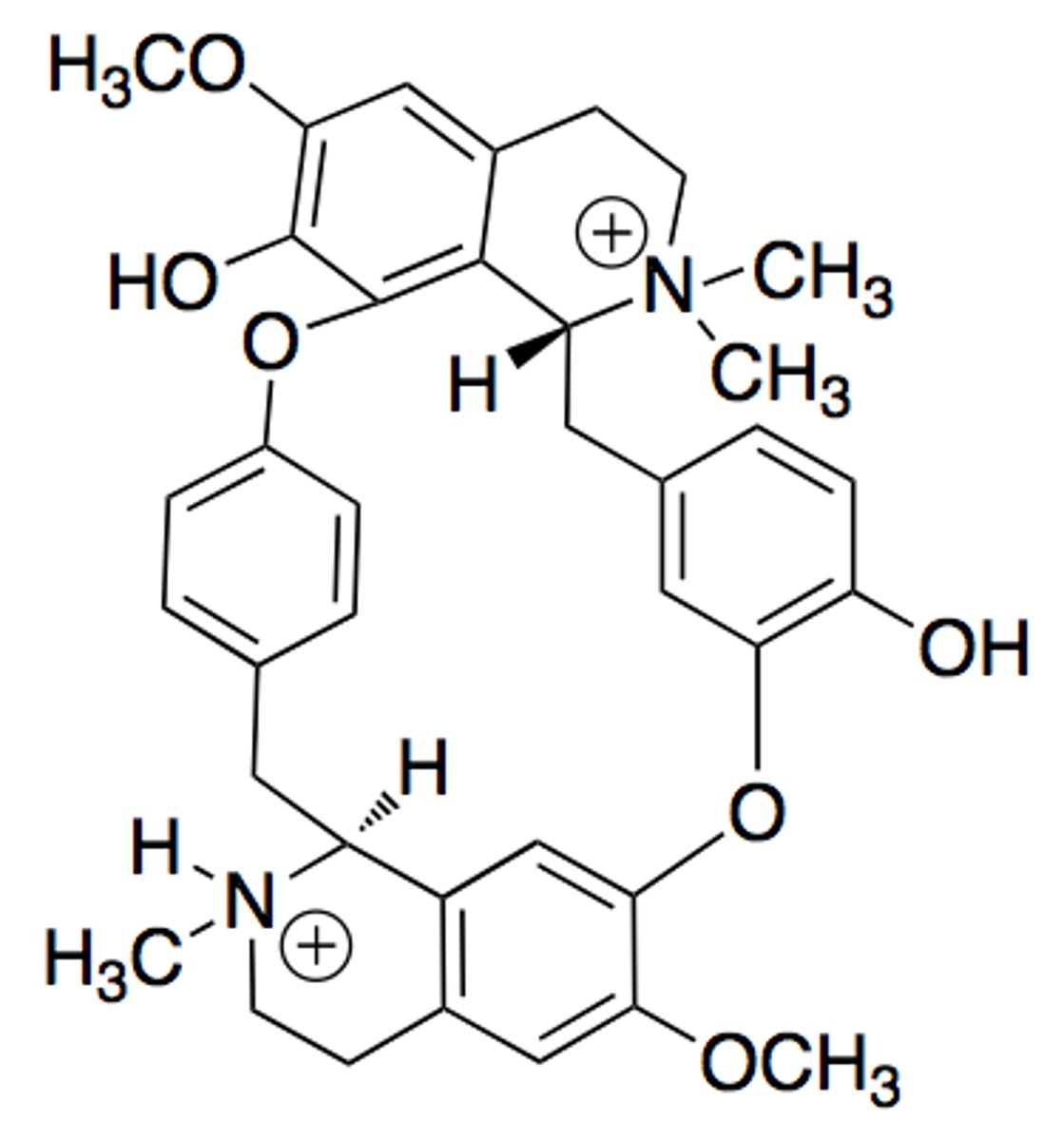
-hypotension, increase in heart rate, and spasms
The release of histamine from muscle relaxants can cause what?
Atracurium
-useful in patients with hepatic or renal disease
-shorter DOA than d-tubocurarine
-has 10 isomers
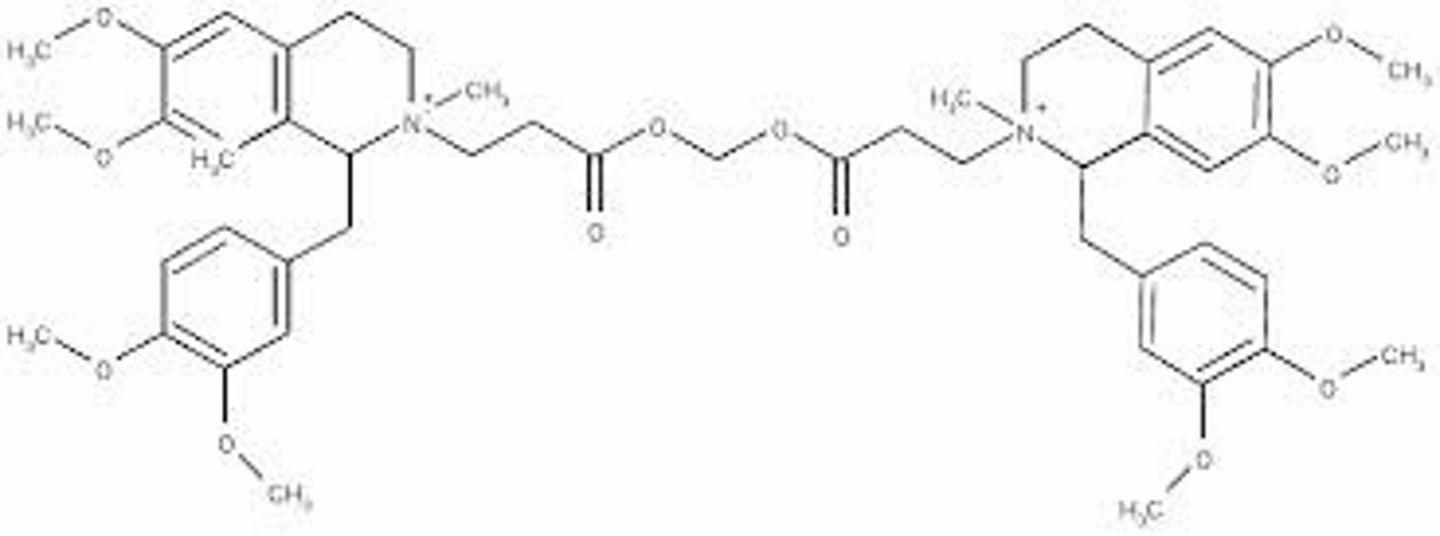
tetrahydroisoquinoline
What class of drugs is this drug in?
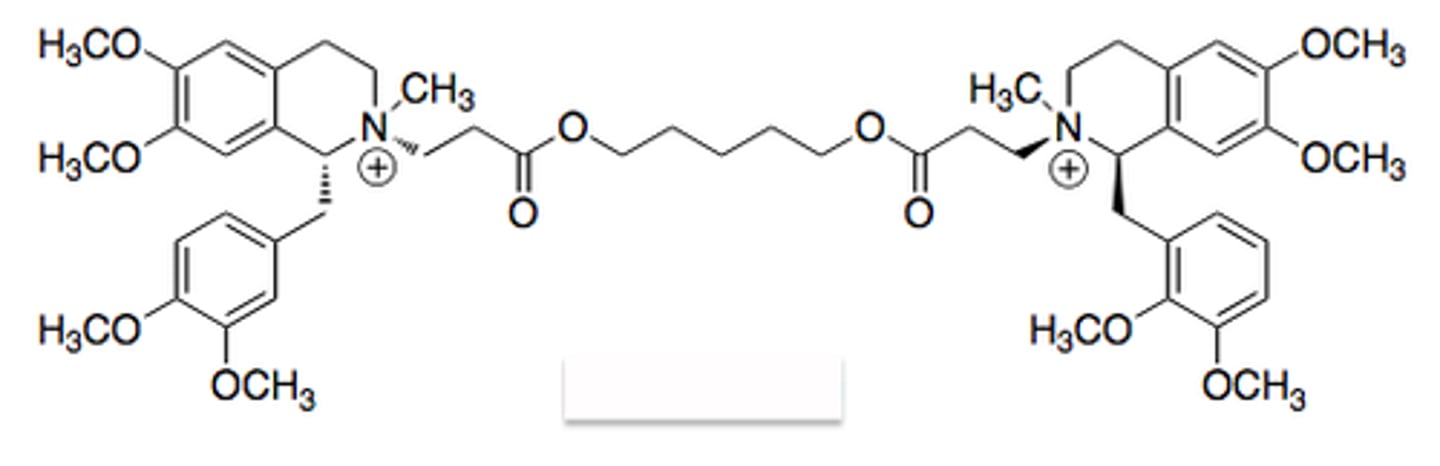
tetrahydroisoquinoline
What class of drugs is this in?
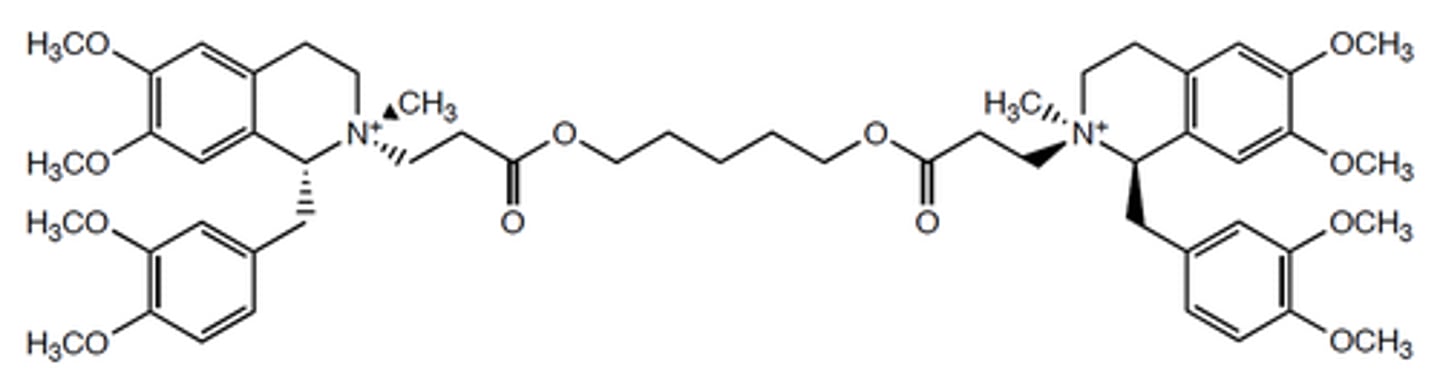
Nitrogen will form isomers
What causes the isomers in these drugs?
Metocurine
-obtained from the reaction of d-tubocurarine with CH2I
-4 times more potent
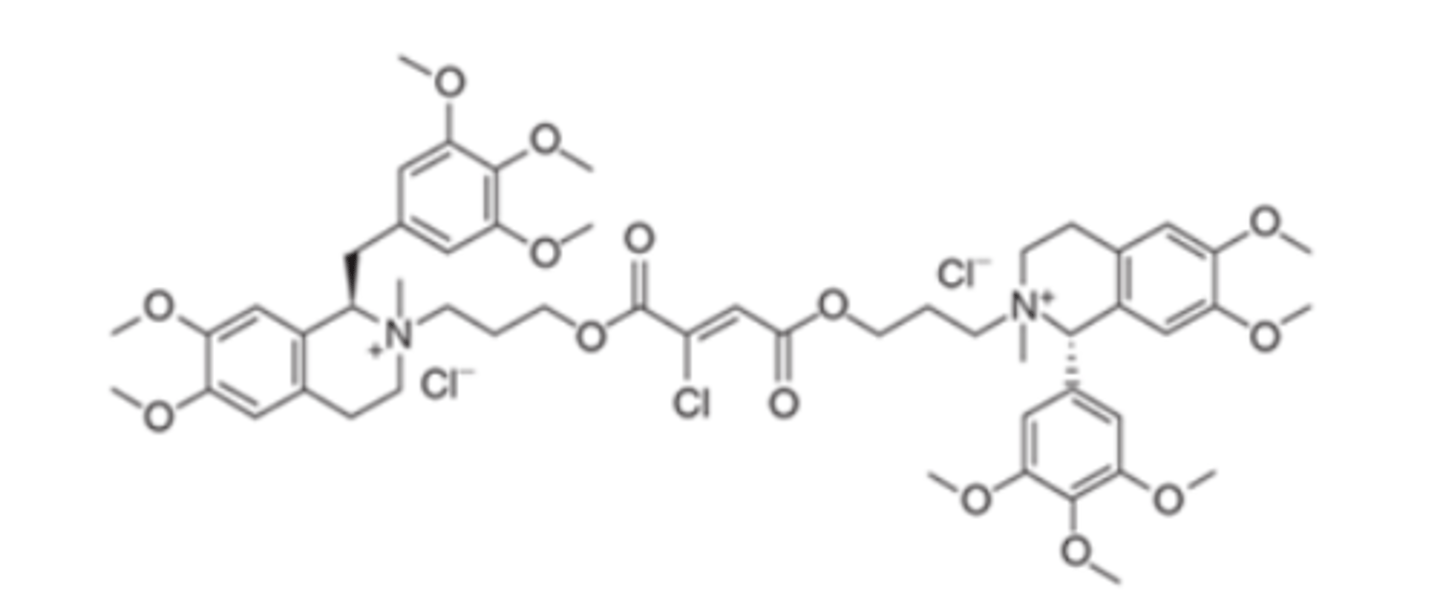
Gantacurium
-asymmetric entantiomeric isoquinolinium diester
-ultra short acting non-depolarizing blocker drug with rapid onset and wide safety margin
Rocuronium
-steroid based drugs
What drugs is this?
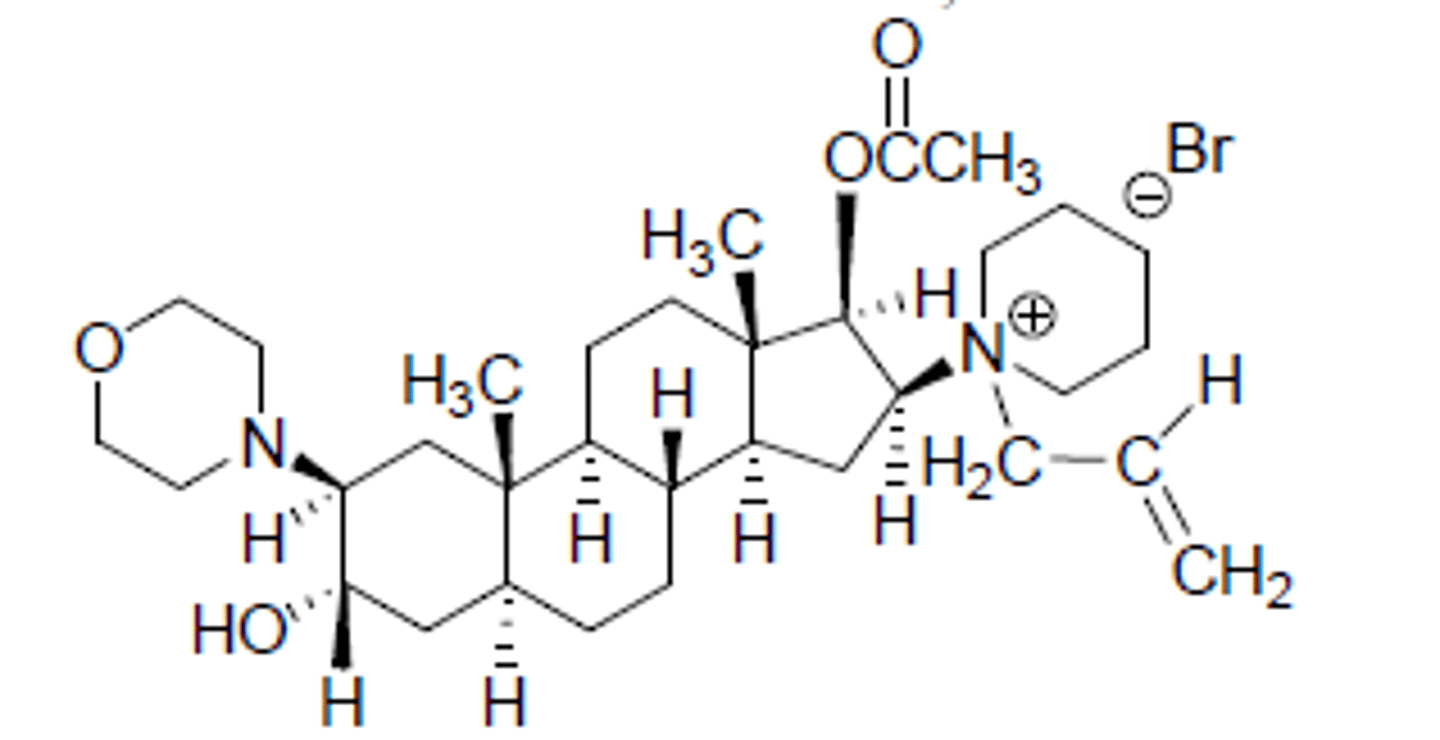
Rocuronium
-intermediate acting 30-40 minutes
-more rapid onset
-no significant histamine release
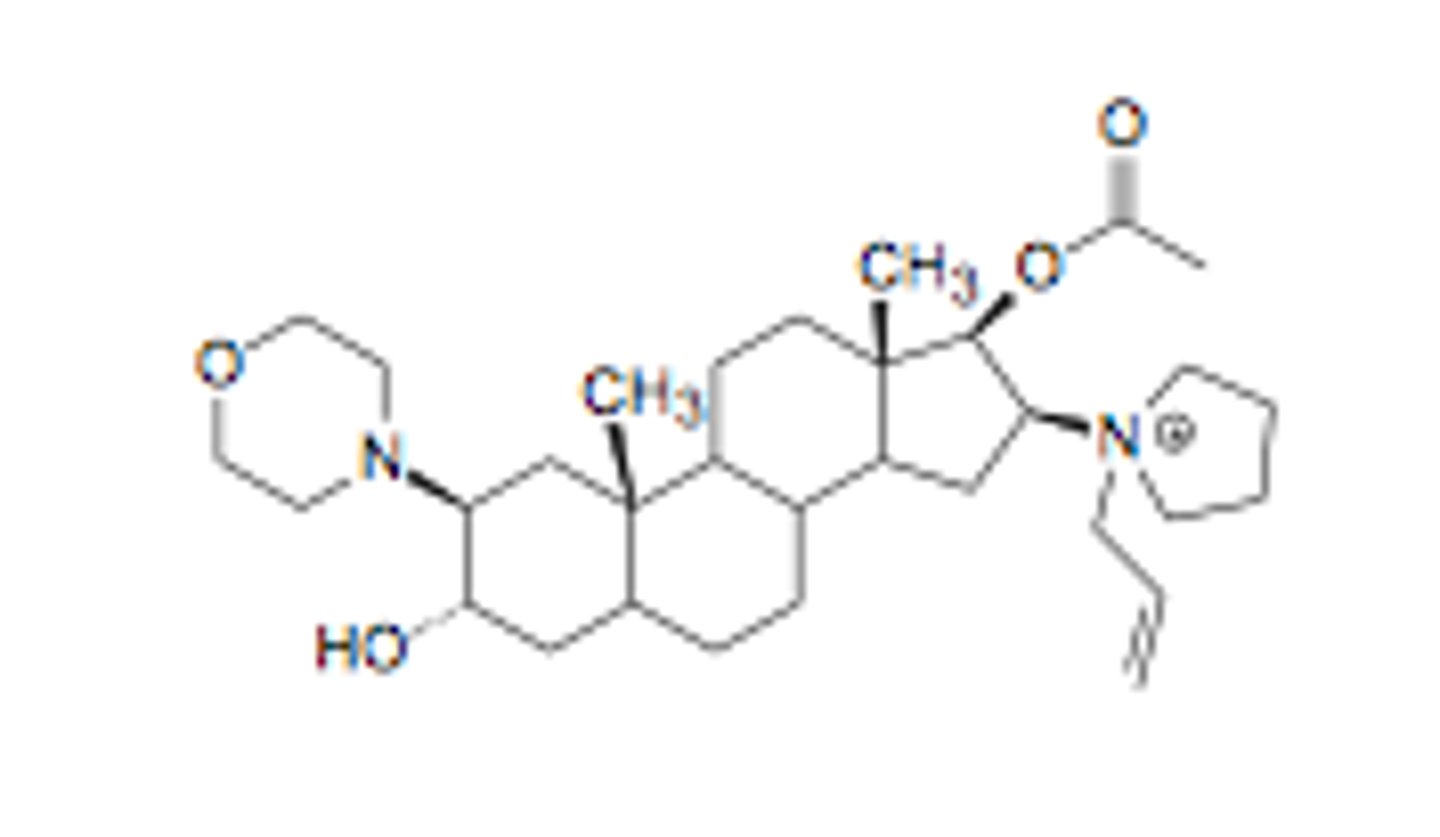
Vecuronium
-monoquarternary
-no histamine release at normal doses
-no significant CV effects
-3 active metabolites after hydrolysis
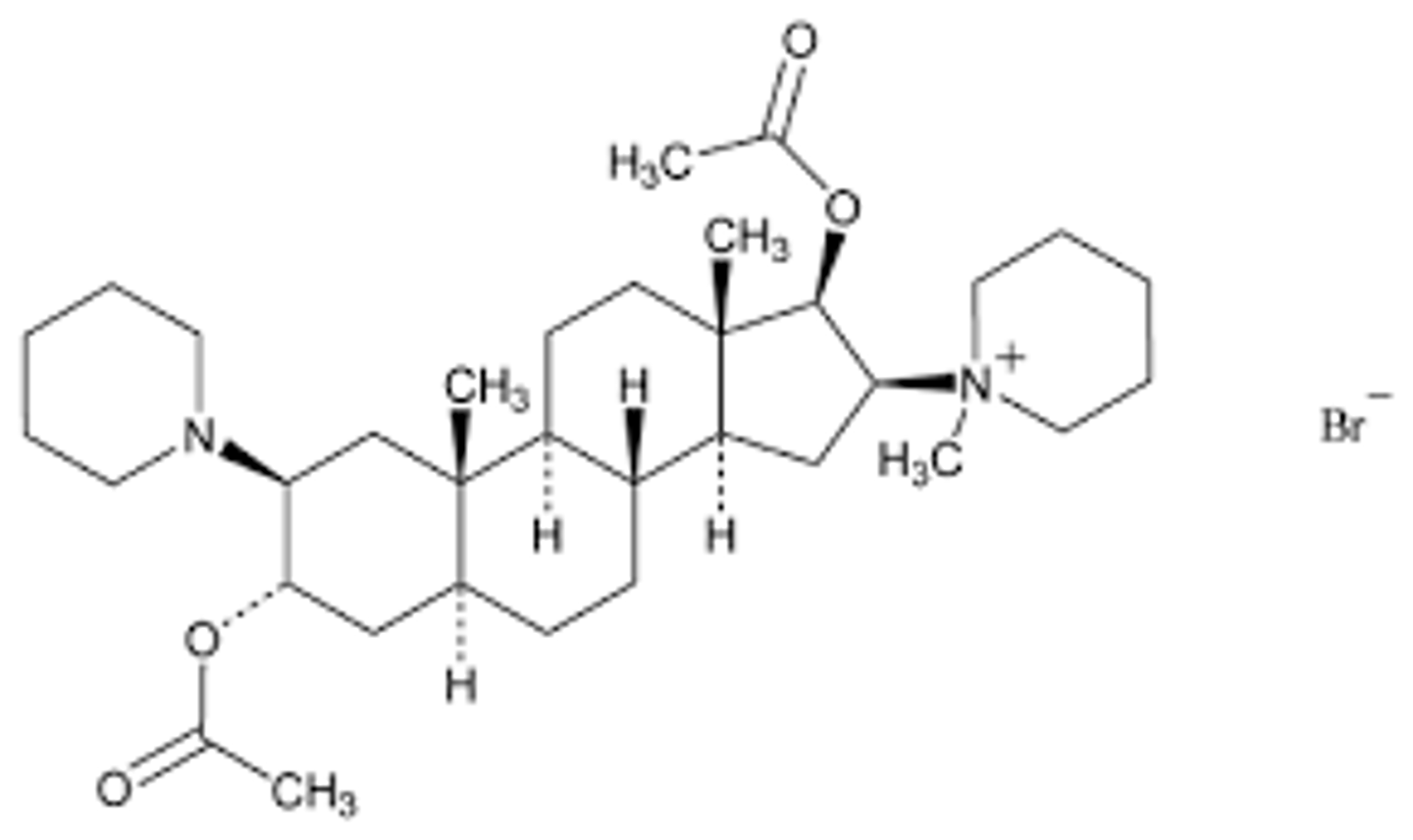
Pancuronium
-increases heart rate and blood pressure
-not to be used in patients with coronary artery disease
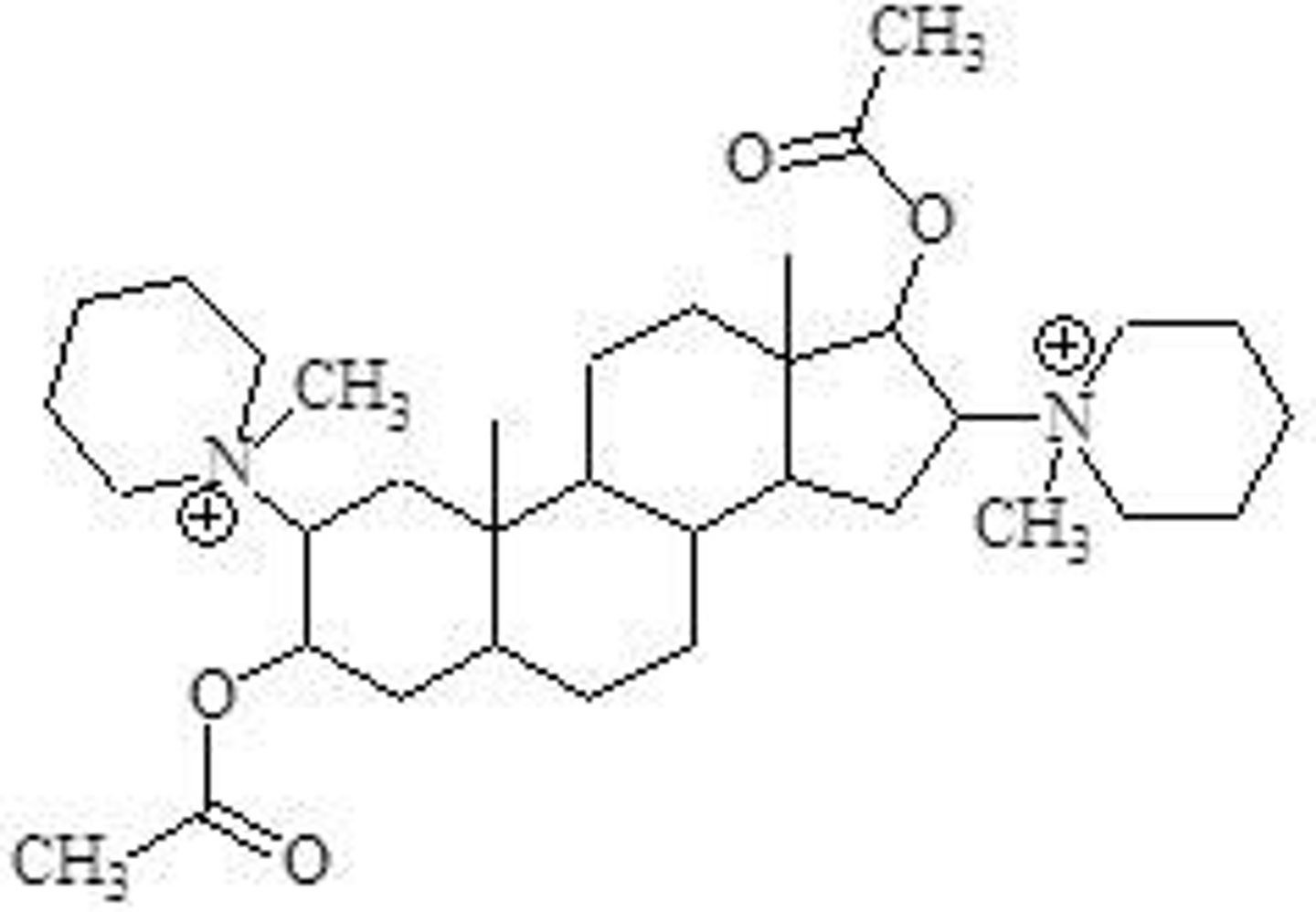
hydrolysis
What metabolism does this drug go through?
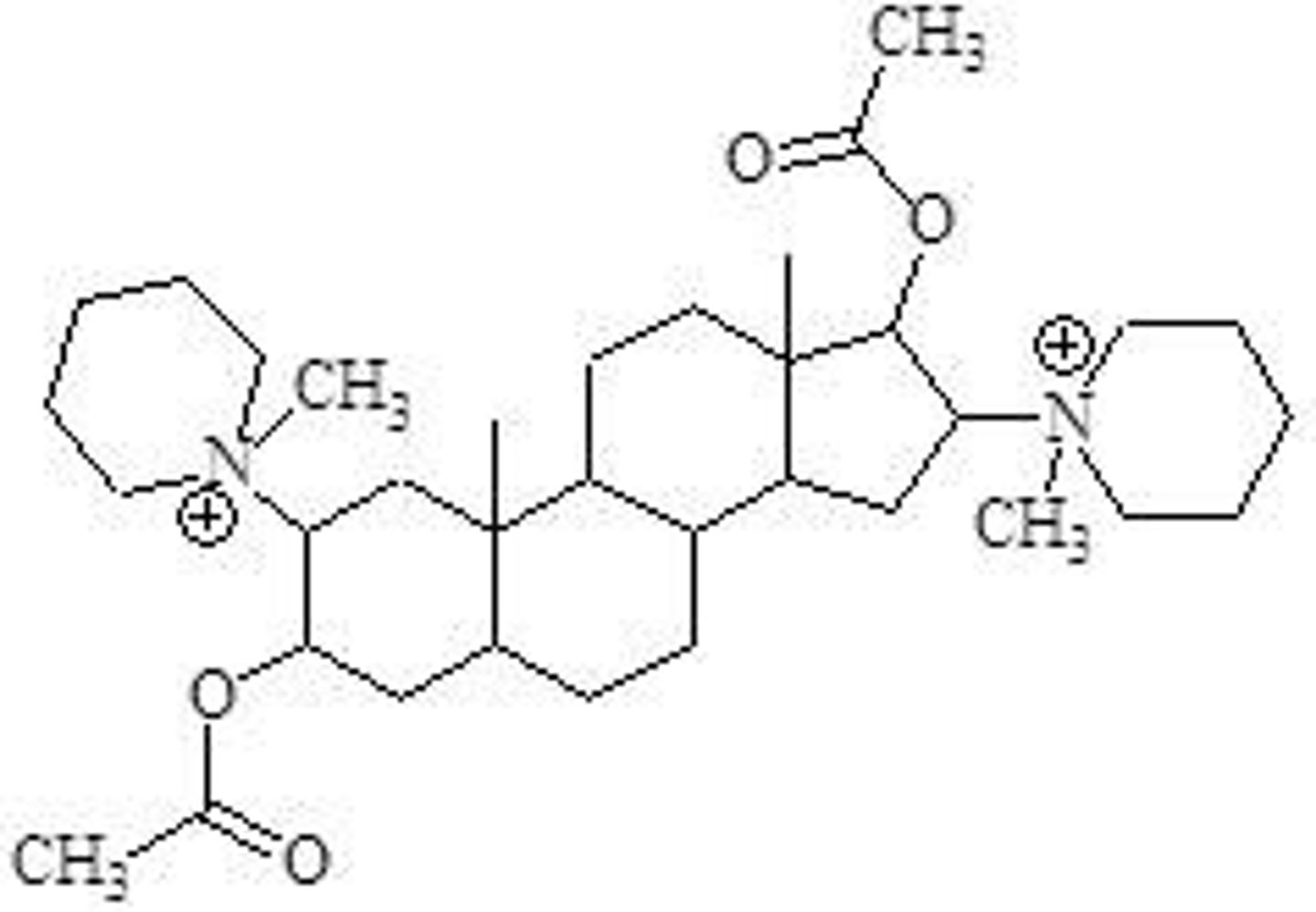
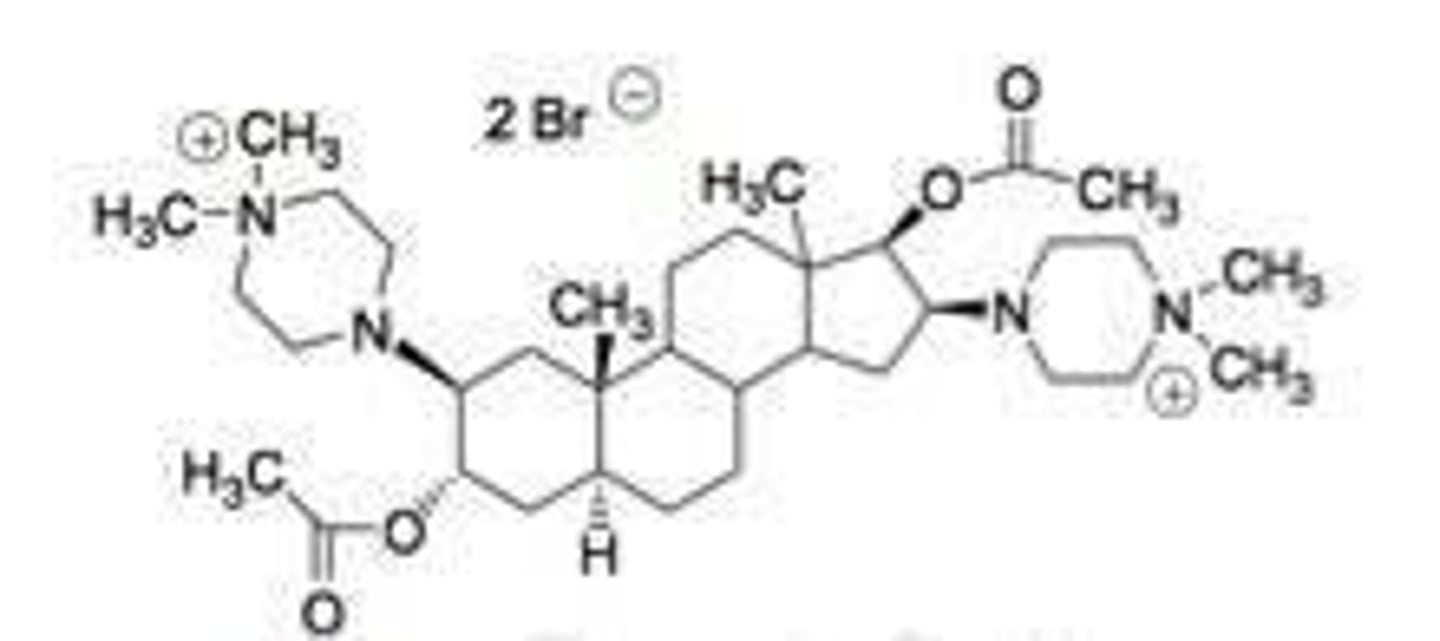
pipecuronium bromide
-long acting
-adjunct to anesthesia and useful in patients undergoing mechanical ventilation
-minimal CV effects
-undergoes hydrolysis
CNS
Smasmolytic drugs act where?
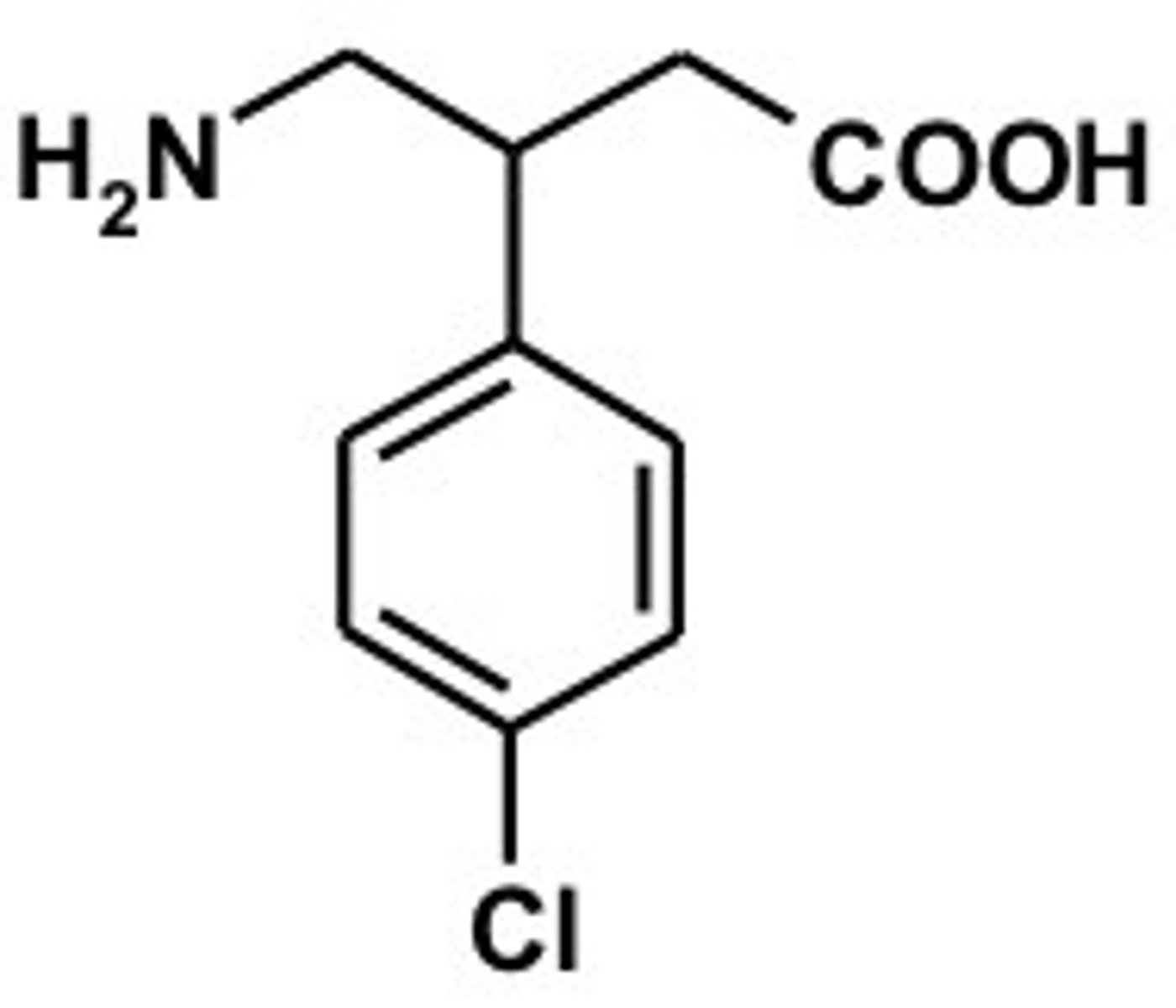
baclofen
-GABAb receptor agonist
-most commonly used antispastic
-r enantiomer is the active one
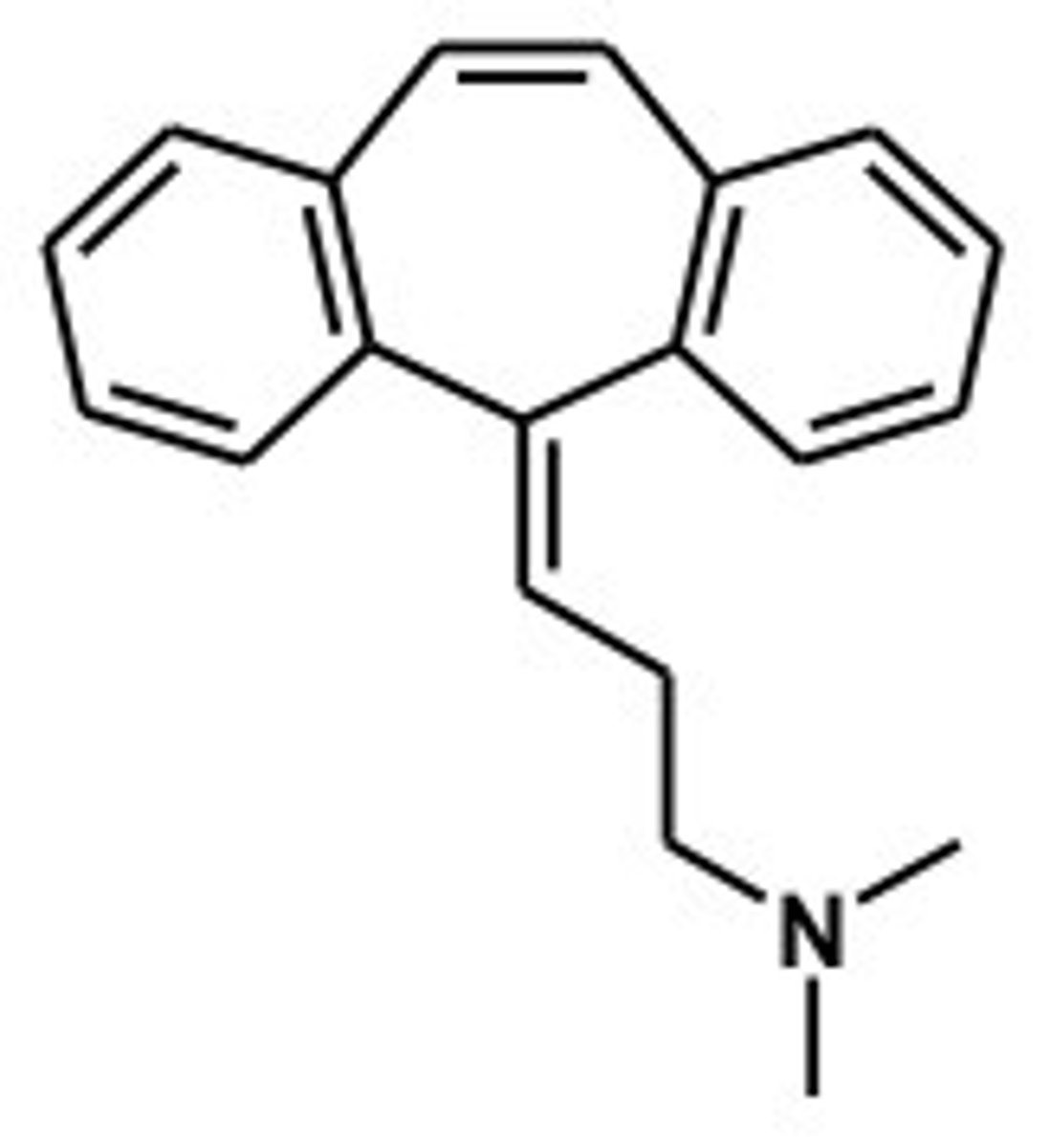
cyclobenzaprine
-closely related to tricylcicantidepressants
-dibenzocycloheptene
-FDA approved for muscle spasms associated with acute musculoskeletal conditions
-used in an intrathecal pump
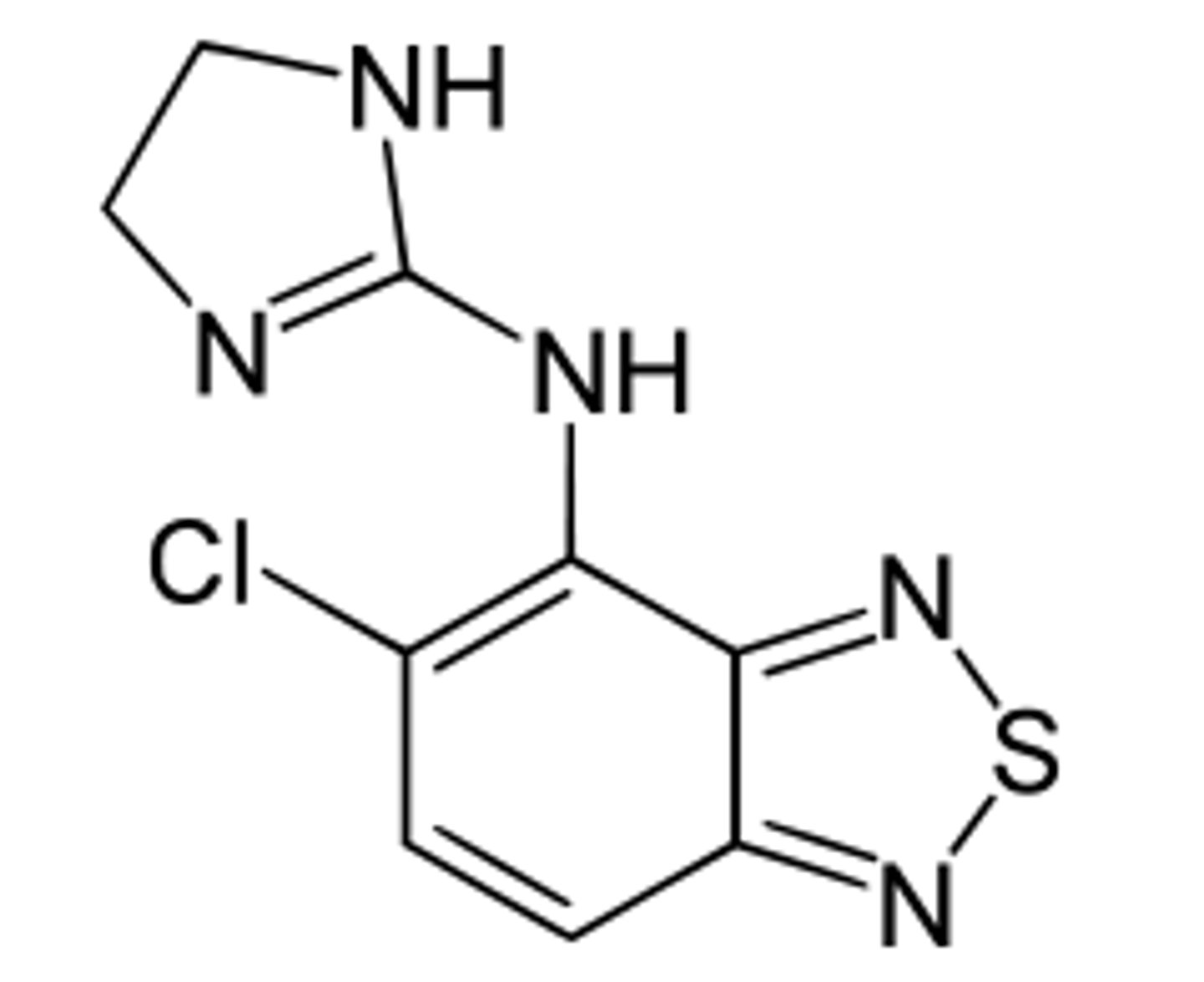
tizanidine
-centrally acting
-a2 agonist
-patients may experience hypotension
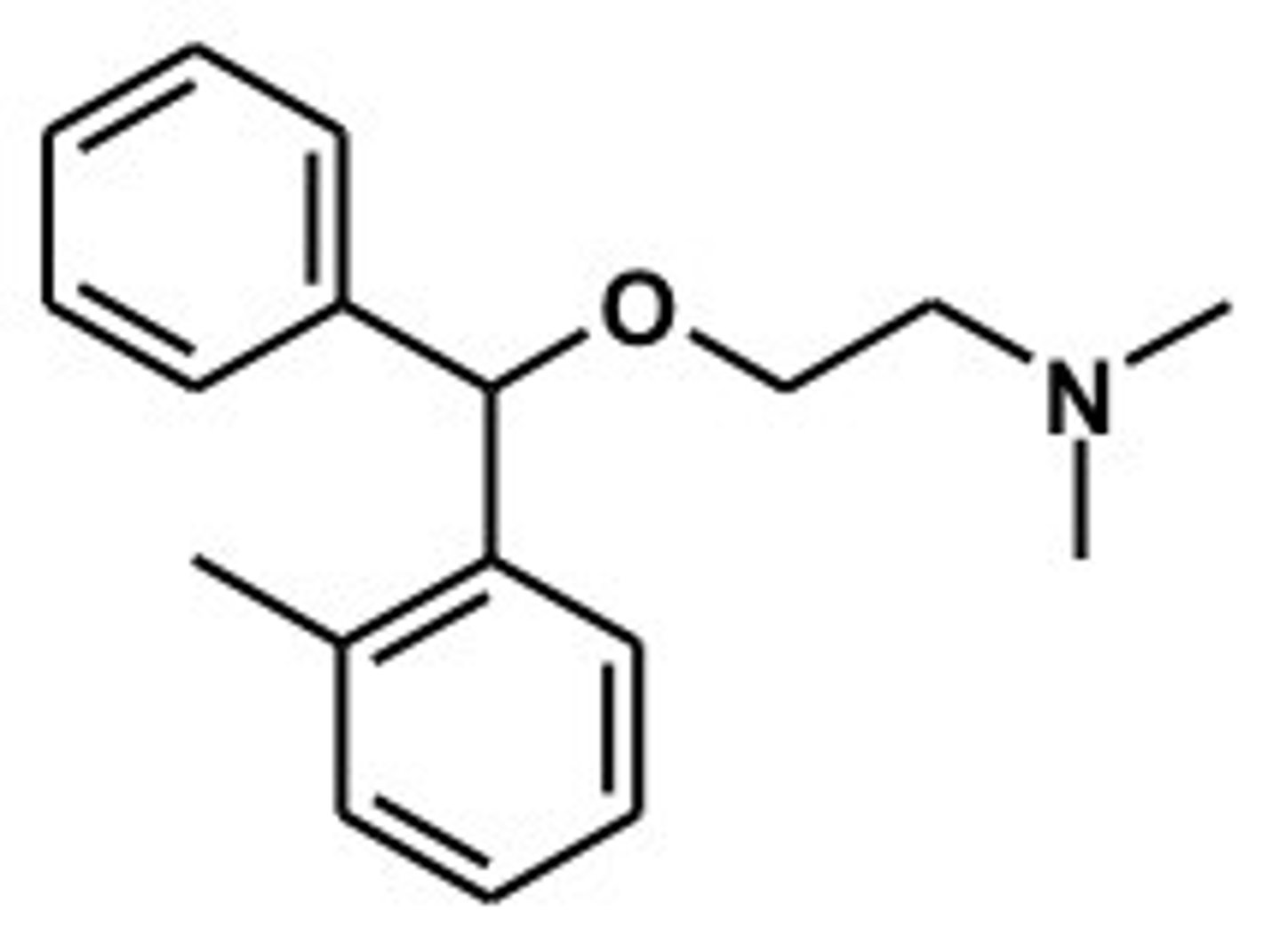
Orphenadrine
-has anticholinergic action
-similar to benadryl
-low incidence of side effects
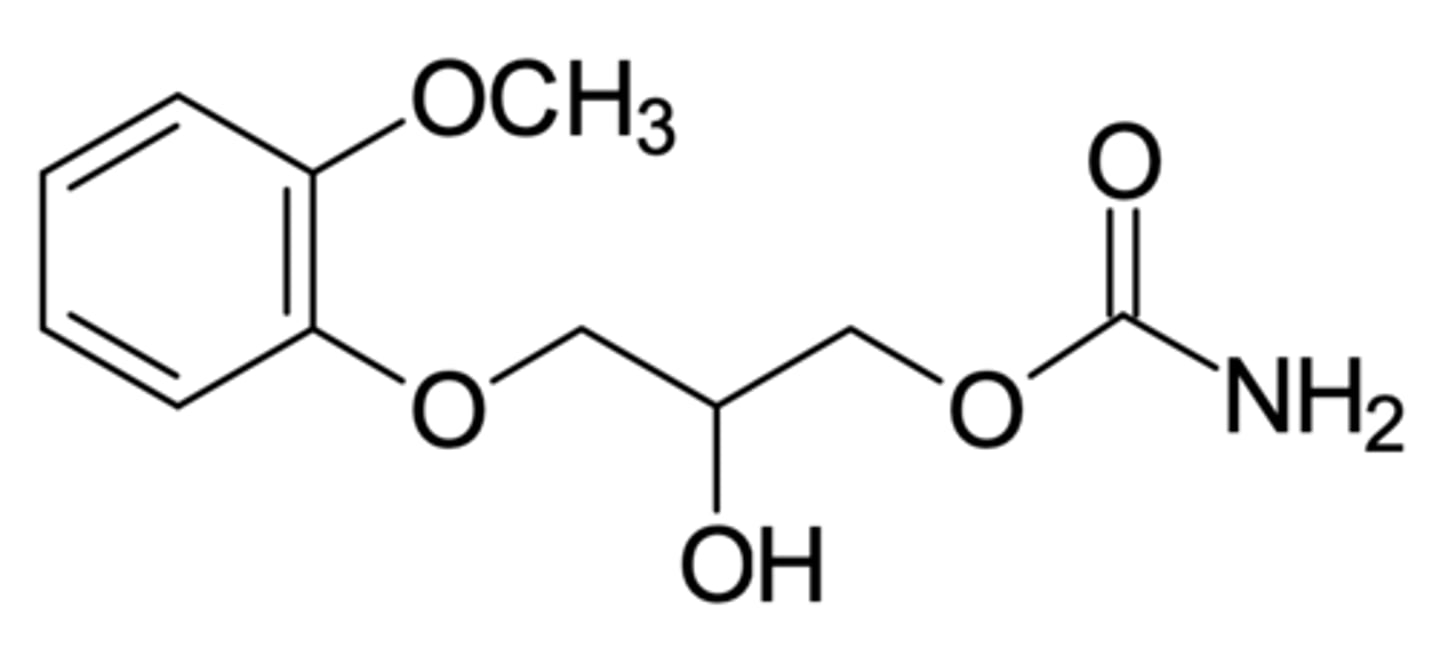
Methocarbamol
-carbamate
-sold as racemate
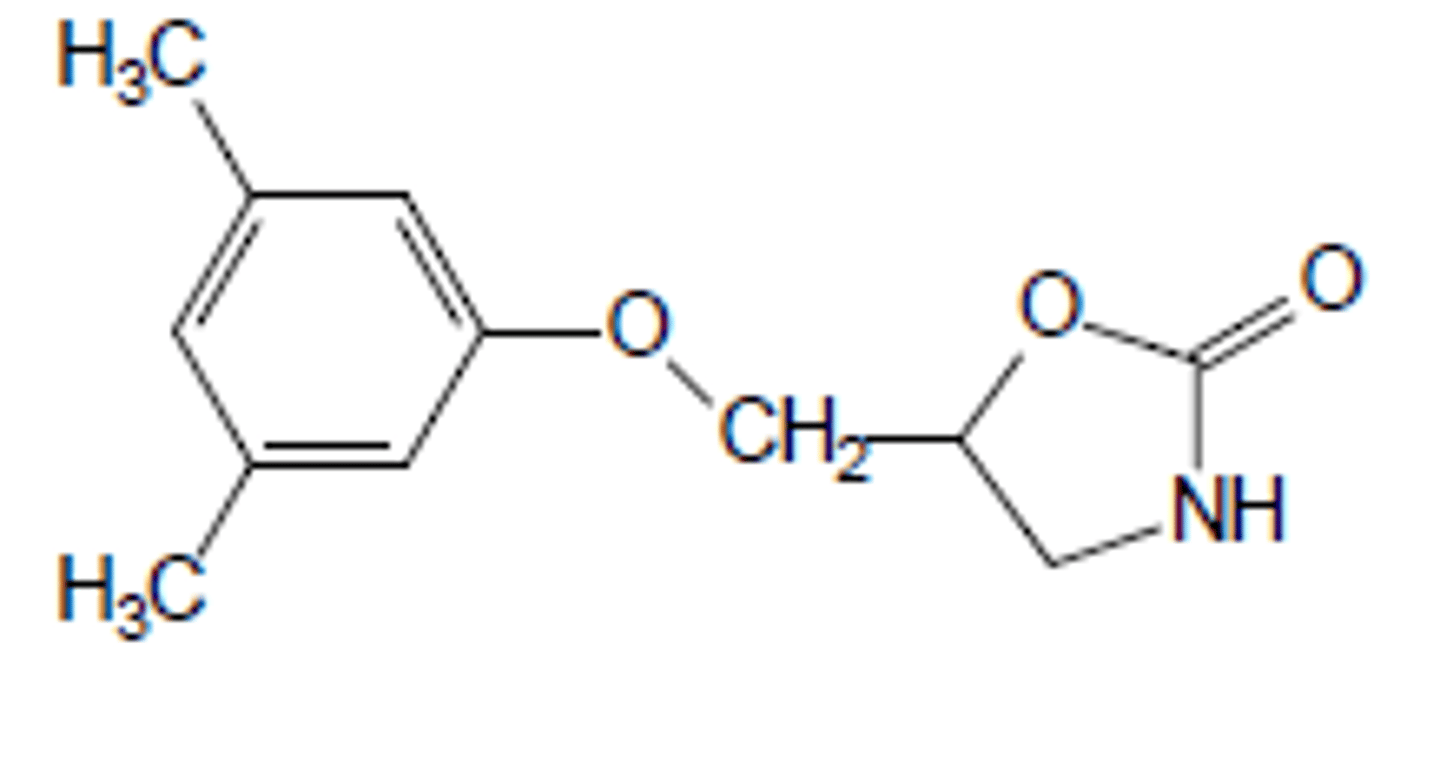
Metaxalone
-Muscle Relaxant
-used for strains and sprains
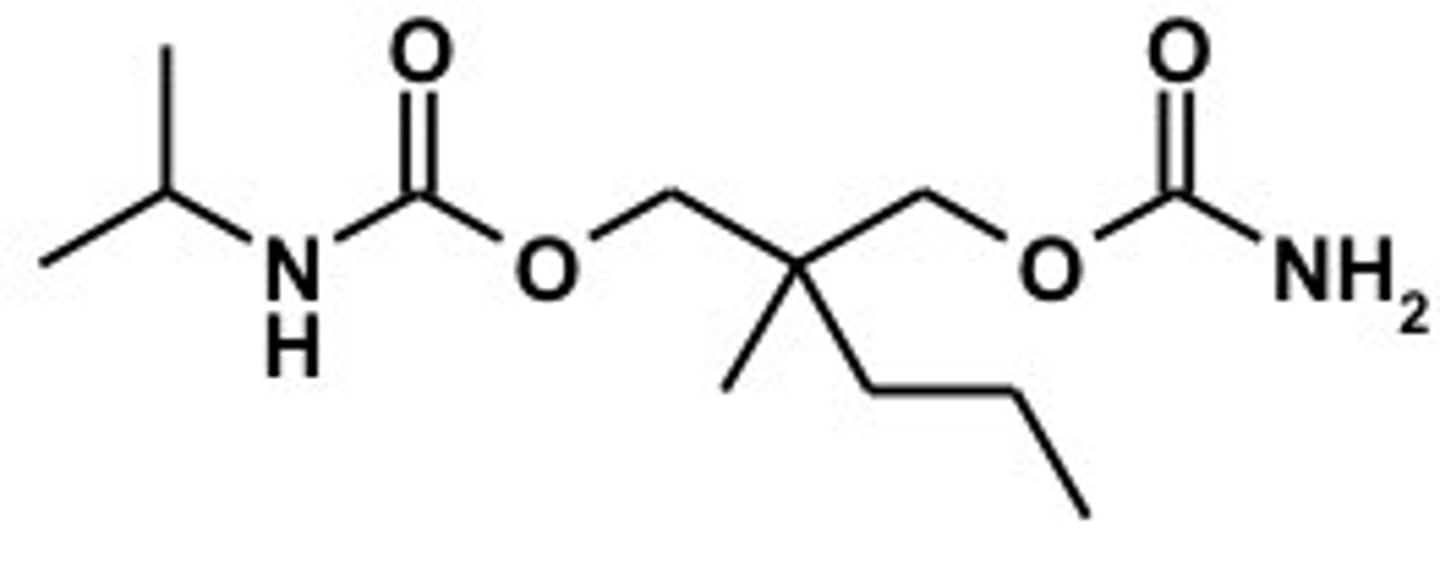
Carisoprodol
-similar to meprobamate
-carbamate derivative
-dealkylated to get meprobamate
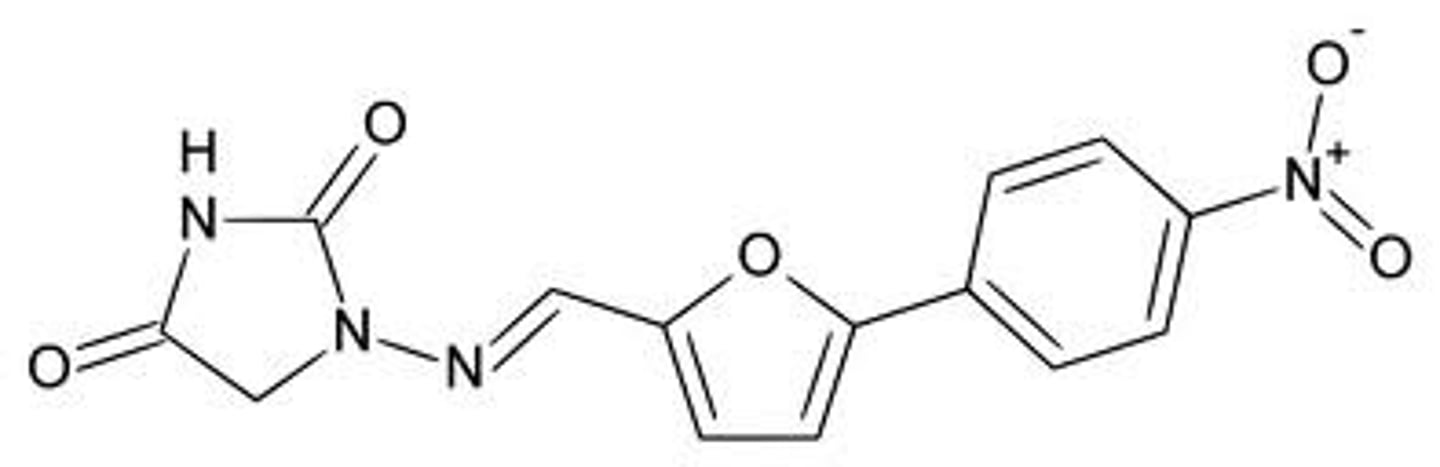
Dantrolene
-hydantoin derivative
-acts peripherally to reduce spasticity
-used for spinal cord injury, stroke, cerebral palsy, and MS
-inhibitor of calcium from the sR