art history
 Call Kai
 Learn
 Practice Test
 Spaced Repetition
 Match
 Flashcards
 Knowt Play
1/249

There's no tags or description
Looks like no tags are added yet.
250 Terms

What is the name of this artwork?
Lion-Human
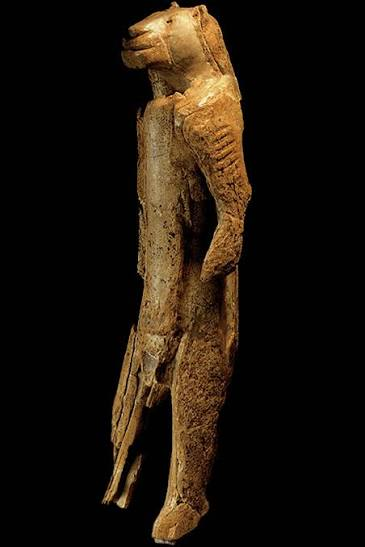
What is this artwork made out of?
Mammoth ivory sculpture

When was this artwork created?
c. 30,000–26,000 BCE

Where was this artwork found or created?
Southern Germany

What is the meaning or significance of this artwork?
A human-animal hybrid; may reflect spiritual beliefs or mythmaking, but its exact purpose is unknown.

What is the name of this artwork?
Woman from Willendorf (Venus)

What is this artwork made out of?
Limestone sculpture

When was this artwork created?
c. 24,000 BCE

Where was this artwork found or created?
Austria

What is the meaning or significance of this artwork?
Exaggerated body features may relate to fertility, abundance, or survival; its exact meaning is unknown.

What is the name of this artwork?
Chauvet Cave (Lion Panel, Long-Eared Owl, Red Dots)

What is this artwork made out of?
Paint on limestone

When was this artwork created?
c. 32,000–30,000 BCE

Where was this artwork found or created?
France

What is the meaning or significance of this artwork?
Animals may have held spiritual or ritual importance; the cave’s exact use and the images’ meanings remain uncertain.
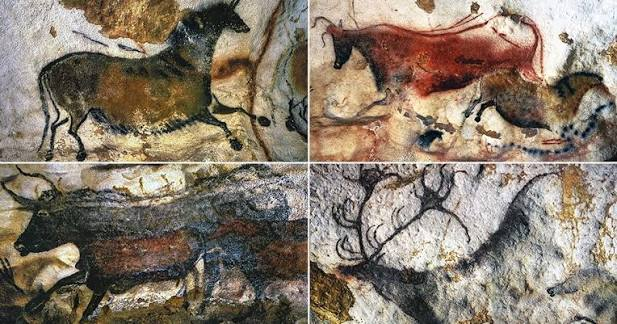
What is the name of this artwork?
Lascaux Cave (Bird-Headed Man with Bison)

What is this artwork made out of?
Paint on limestone
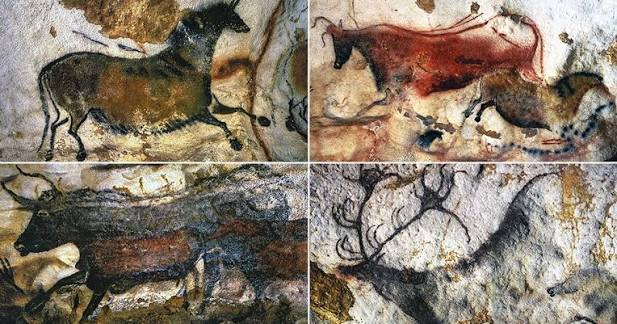
When was this artwork created?
c. 15,000 BCE

Where was this artwork found or created?
France
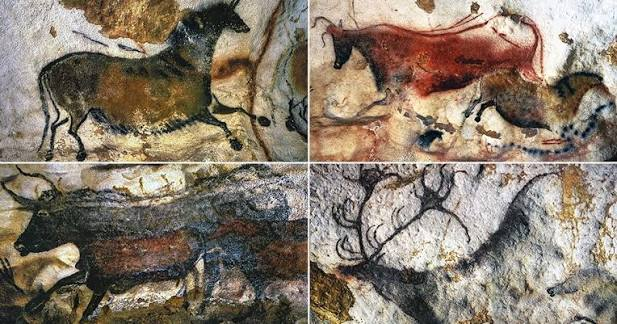
What is the meaning or significance of this artwork?
The unusual human figure and bison may relate to ritual, myth, or hunting beliefs; no interpretation is certain.

What is the name of this artwork?
Pech-Merle Cave (Spotted Horses and Human Hands)

What is this artwork made out of?
Paint on limestone

When was this artwork created?
25,000–15,000 BCE

Where was this artwork found or created?
France
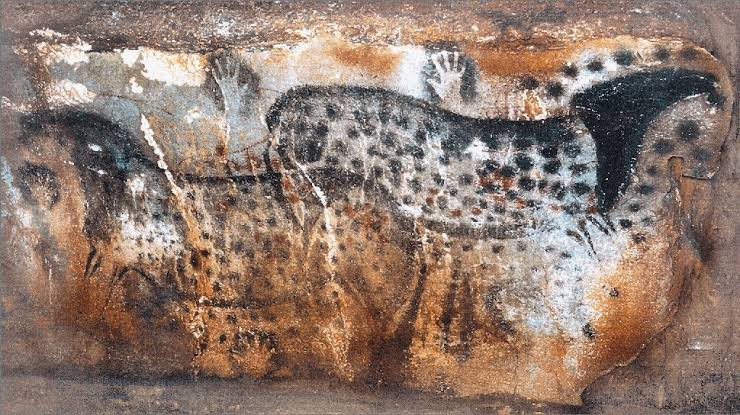
What is the meaning or significance of this artwork?
Horses and hand stencils may have had symbolic or ritual significance; their precise meaning is unknown.

What is the name of this artwork?
Stele Code of Hammurabi

What is this artwork made out of?
Engraved black basalt stele

When was this artwork created?
1792–1750 BCE

Where was this artwork found or created?
Babylonia, Mesopotamia (modern Iraq)

What is the meaning or significance of this artwork?
Shows Hammurabi (King) receiving authority from the sun god (Shanash), with “eye for an eye” and judgments engravings.

What is the name of this artwork?
Oracle Bone

What is this artwork made out of?
Carved and branded ox scapula
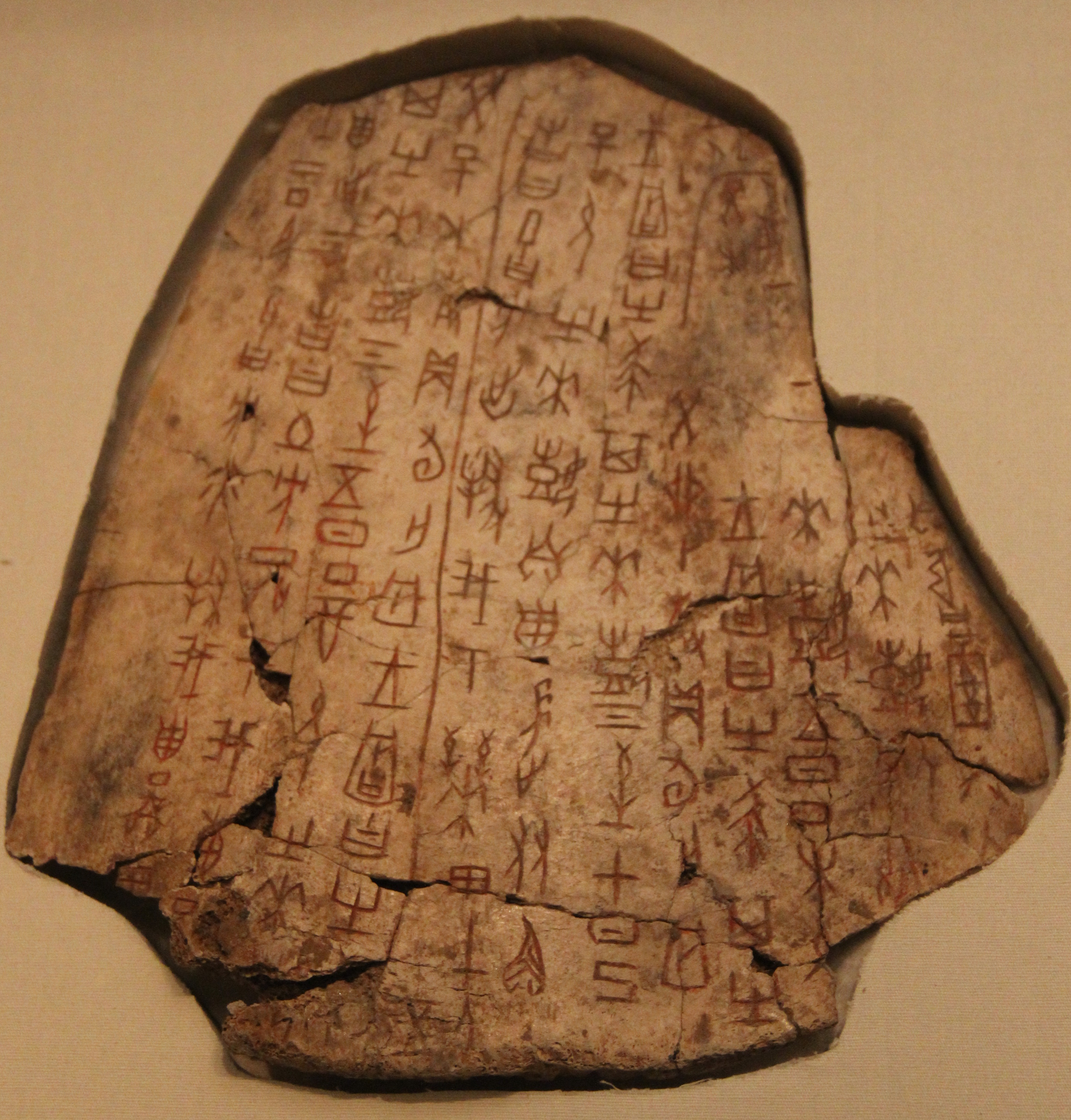
When was this artwork created?
16th century BCE

Where was this artwork found or created?
China, Late Shang Dynasty
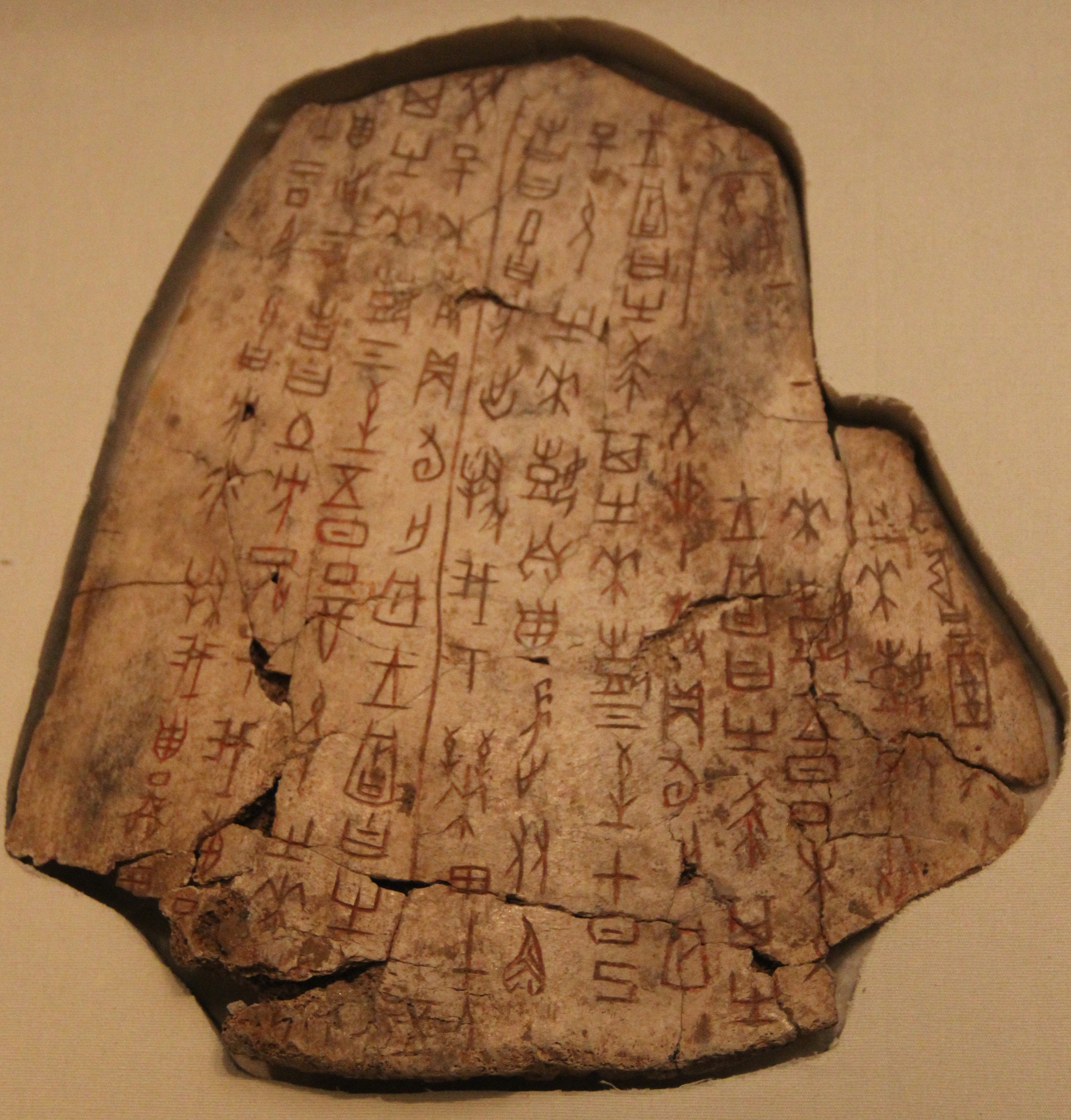
What is the meaning or significance of this artwork?
Used in divination: questions were inscribed, heated, and interpreted through cracks to seek ancestral or divine guidance.

What is the name of this artwork?
Victory Stele of King Naram-Sin

What is this artwork made out of?
Pink limestone monument
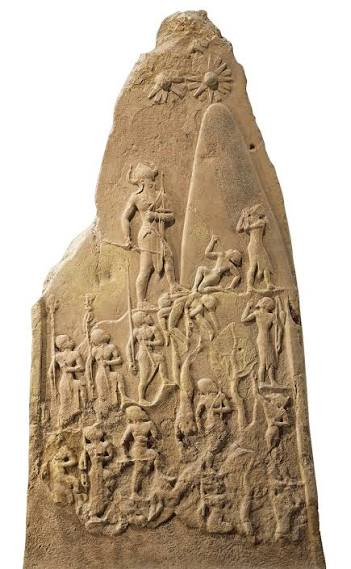
When was this artwork created?
c. 2220–2184 BCE

Where was this artwork found or created?
Akkadian Mesopotamia (modern Iraq)

What is the meaning or significance of this artwork?
Celebrates the king’s military victory and presents him as a powerful, near-divine ruler above Lullubi mountain people.

What is the name of this artwork?
Bronze Head of an Akkadian Ruler from Nineveh

What is this artwork made out of?
Bronze sculpture

When was this artwork created?
c. 2340–2284 BCE

Where was this artwork found or created?
Nineveh, Akkadian Mesopotamia (modern Iraq)

What is the meaning or significance of this artwork?
Idealized royal portraiture communicates authority and power; deliberate damage may have symbolically rejected the ruler.

What is the name of this artwork?
Palette of Narmer

What is this artwork made out of?
Slate

When was this artwork created?
c. 3000 BCE

Where was this artwork found or created?
Egypt, 1st Dynasty
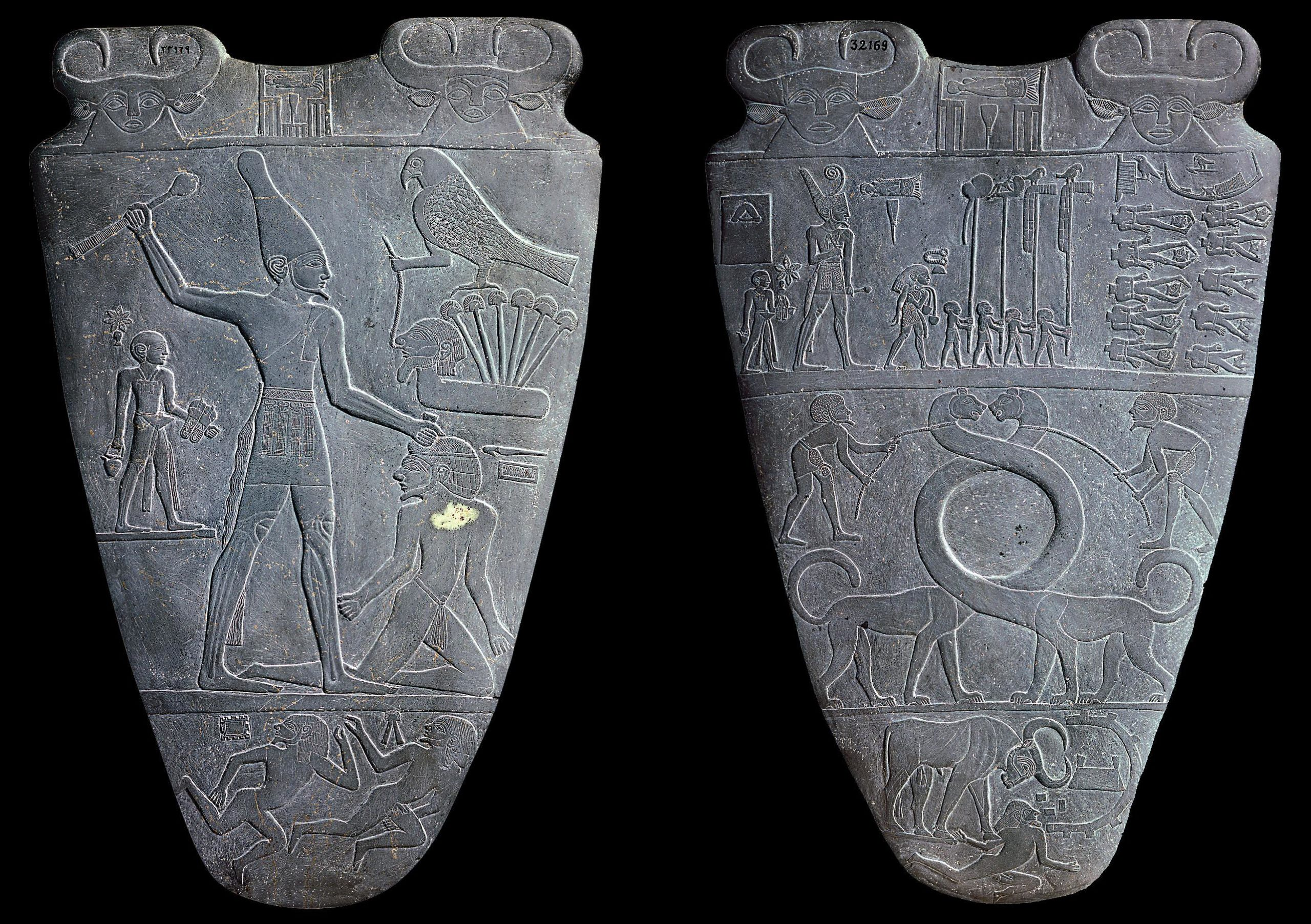
What is the meaning or significance of this artwork?
Commemorates royal power and the unification of Egypt, showing King Narmer defeating enemies and maintaining order.

What is the name of this artwork?
Great Pyramids and Sphinx of Giza

What is this artwork made out of?
Limestone monuments; pyramidion originally gilt

When was this artwork created?
c. 2575–2525 BCE

Where was this artwork found or created?
Giza, Egypt

What is the meaning or significance of this artwork?
The pyramids served as royal tombs to honor pharaohs and ensure their eternal journey into the afterlife; the Sphinx likely guarded the funerary complex and embodied royal power.

What is the name of this artwork?
Statue of Khafre (Chephren)

What is this artwork made out of?
Diorite sculpture

When was this artwork created?
Old Kingdom, 4th Dynasty
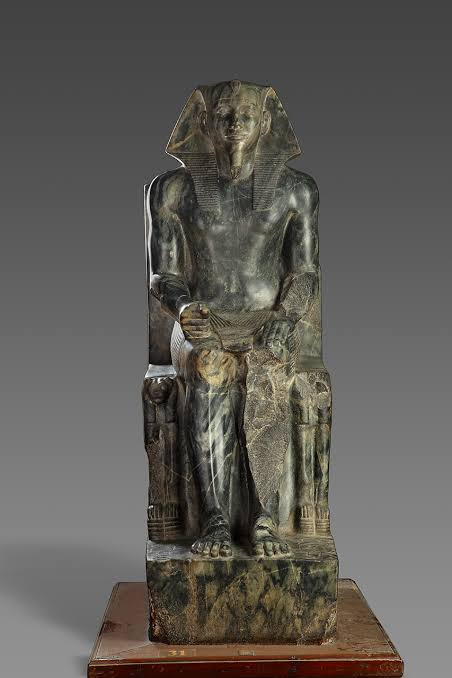
Where was this artwork found or created?
Giza, Egypt

What is the meaning or significance of this artwork?
Presents the pharaoh as eternal, ideal, and divinely protected, reinforcing kingship and continuity after death.

What is the name of this artwork?
Mortuary Temple of Queen Hatshepsut

What is this artwork made out of?
Limestone architecture

When was this artwork created?
c. 1478–1458 BCE

Where was this artwork found or created?
Deir el-Bahri, near Thebes, Egypt

What is the meaning or significance of this artwork?
Honors the queen and god Amun-Re, supporting her divine legitimacy as ruler through its setting, terraces, and religious program.
What is the name of this artwork?
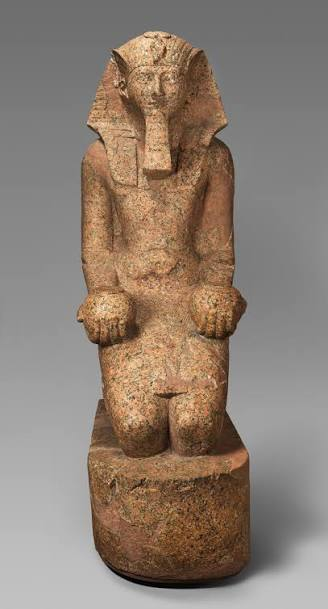
Large Kneeling Statue of Hatshepsut

What is this artwork made out of?
Granite

When was this artwork created?
c. 1478–1458 BCE
Where was this artwork found or created?
Deir el-Bahri, near Thebes, Egypt

What is the meaning or significance of this artwork?
Shows the queen, depicted as a male, offering maat (truth, order, justice) to the god Amun-Re, presenting her as a legitimate pharaoh fulfilling sacred duties.

What is the name of this artwork?
Statue of the Seated Scribe

What is this artwork made out of?
Painted limestone, inlaid eyes, and wooden nipples

When was this artwork created?
c. 2620–2500 BCE

Where was this artwork found or created?
Saqqara, Egypt

What is the meaning or significance of this artwork?
Highlights the importance and status of scribes, whose literacy and administrative skills supported Egyptian government.
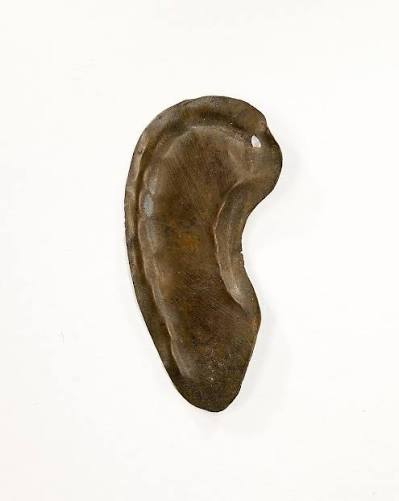
What is the name of this artwork?
Votive Cow, Eye, and Ear

What is this artwork made out of?
Bronze or copper alloy

When was this artwork created?
c. 1479–1458 BCE
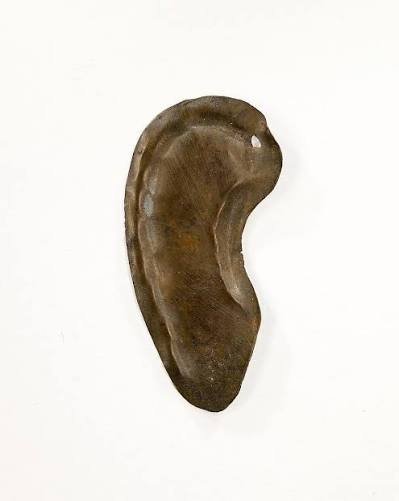
Where was this artwork found or created?
Deir el-Bahri, Egypt

What is the meaning or significance of this artwork?
Dedicated offerings that may ask a deity for healing or help, or express thanks for divine attention.

What is the name of this artwork?
Standing Male Worshiper

What is this artwork made out of?
Alabaster and shell

When was this artwork created?
c. 2900–2600 BCE
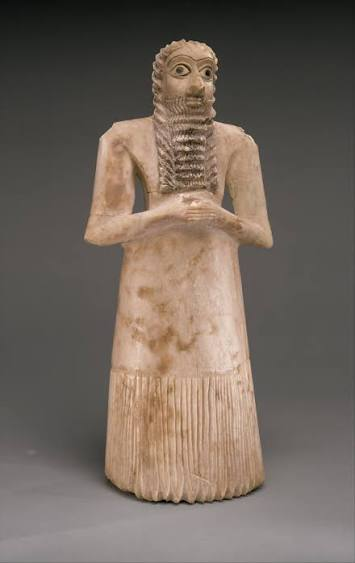
Where was this artwork found or created?
Eshnunna (modern Tell Asmar), Mesopotamia

What is the meaning or significance of this artwork?
Represents a worshiper (donor votive) in perpetual prayer before a deity; beard connects enlarged eyes, suggesting constant alertness and devotion, and hands.

What is the name of this artwork?
Terracotta Army

What is this artwork made out of?
Painted terracotta

When was this artwork created?
c. 221–210 BCE; Qin Dynasty

Where was this artwork found or created?
Xi’an, China
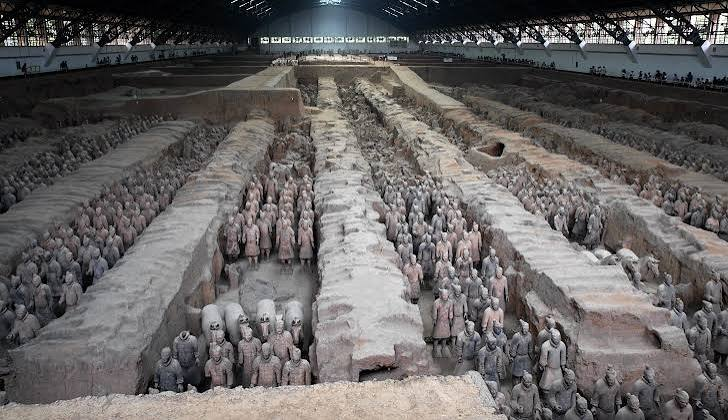
What is the meaning or significance of this artwork?
Guarded the first emperor in the afterlife, reflecting his authority and belief in continuing power after death.

What is the name of this artwork?
Tomb of the Marquise of Dai

What is this artwork made out of?
Silk and ink

When was this artwork created?
c. 180 BCE; Han Dynasty

Where was this artwork found or created?
China

What is the meaning or significance of this artwork?
Bottom (mourning half) — first portrait
Middle — bi disks
Top (heaven’s gate) — death + continuation

What is the name of this artwork?
King Menkaure (Mycerinus) and Queen
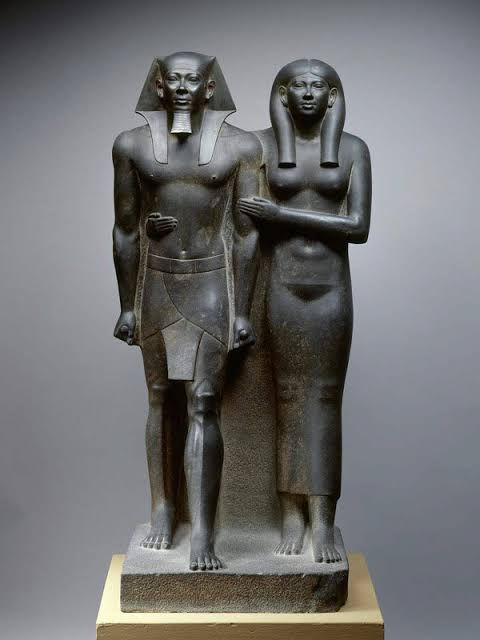
What is this artwork made out of?
Grey sandstone

When was this artwork created?
c. 2490–2472 BCE

Where was this artwork found or created?
Egypt, 4th Dynasty
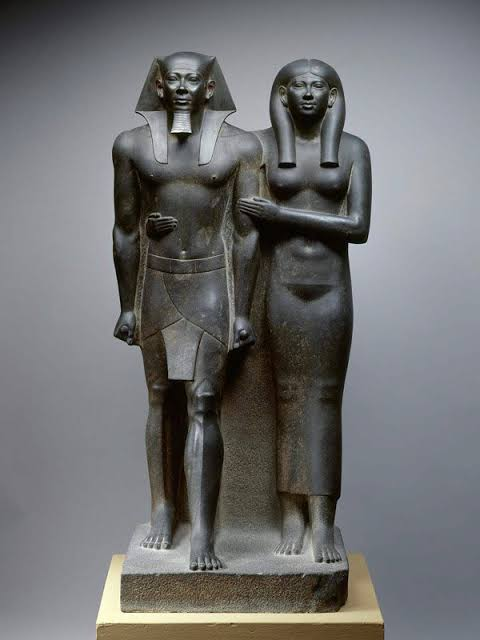
What is the meaning or significance of this artwork?
symbolizes Ma’at (god of balance), eternal royal power (connection between living and dead), marital or divine unity, and a secure passage into the afterlife (one foot forward — funerary).