Unit 3
 Note
 Call Kai
 Learn
 Practice Test
 Spaced Repetition
 Match
 Flashcards
 Knowt Play
1/33

There's no tags or description
Looks like no tags are added yet.
34 Terms
4 parts of an animal cell
nucleus, mitochondria, cell membrane, ER
cell membrane
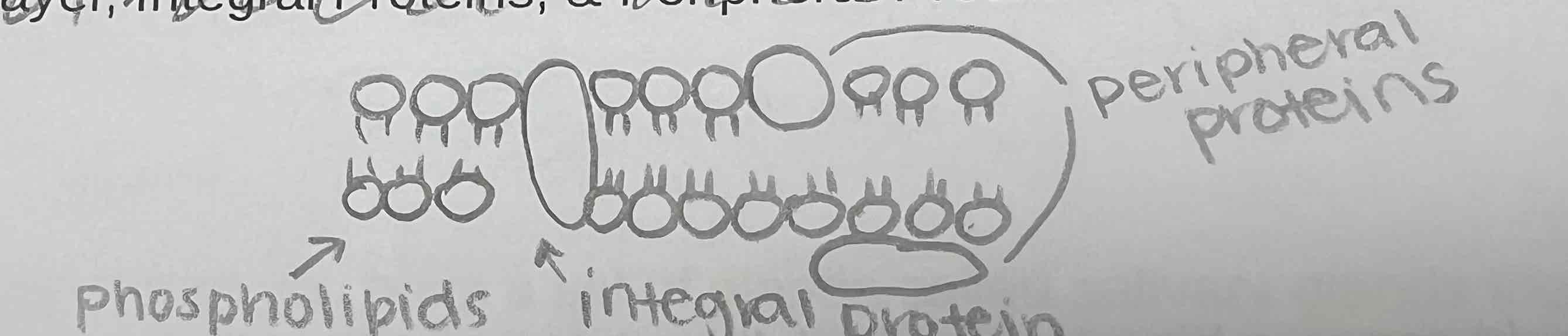
selectively permeable membrane
allow certain substances to pass through while blocking others, control movement in and out of cell
intracellular fluid
found inside the cell, high in potassium and phosphate ions, contains water, homeostasis
extracellular fluid
found outside cells, high in sodium and chloride, contain water, vital for homeostasis
osmosis
movement of water through the membrane high to low
simple diffusion
straight through the membrane
facilitated diffusion
through a protein
active transport
low to high energy required
endocytosis
moving into the cell
exocytosis
moving out of a cell
hypotonic
water moves in
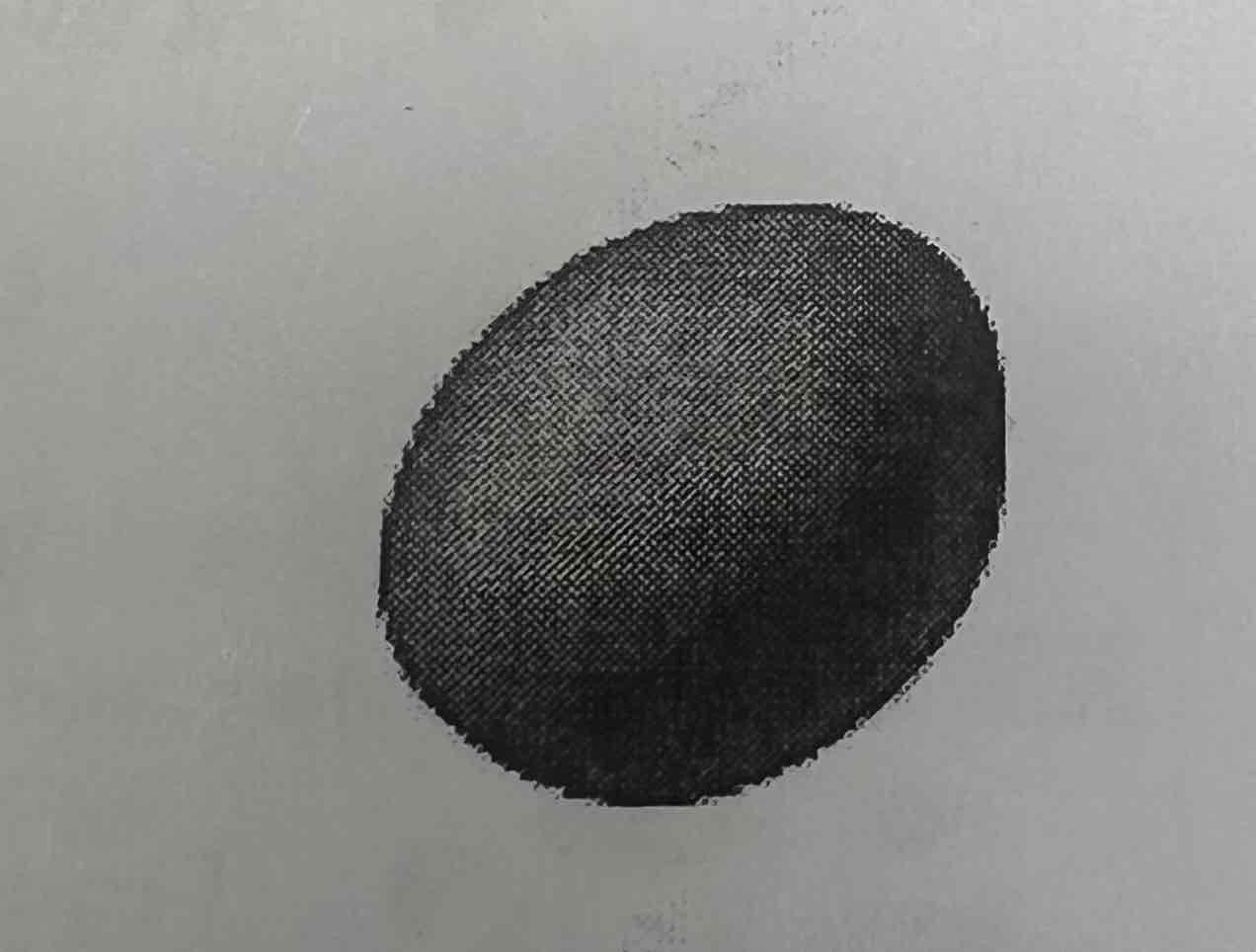
hypertonic
water moves out
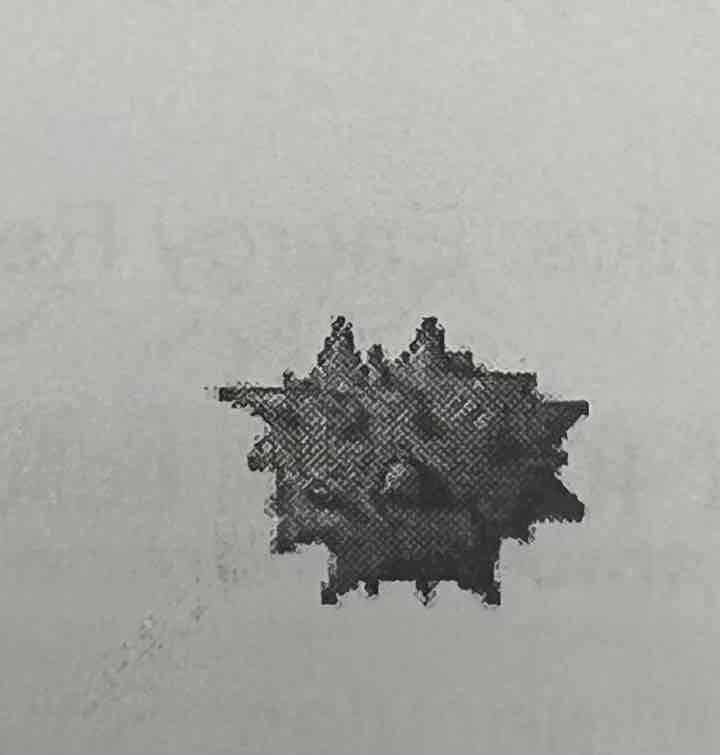
isotonic
equal
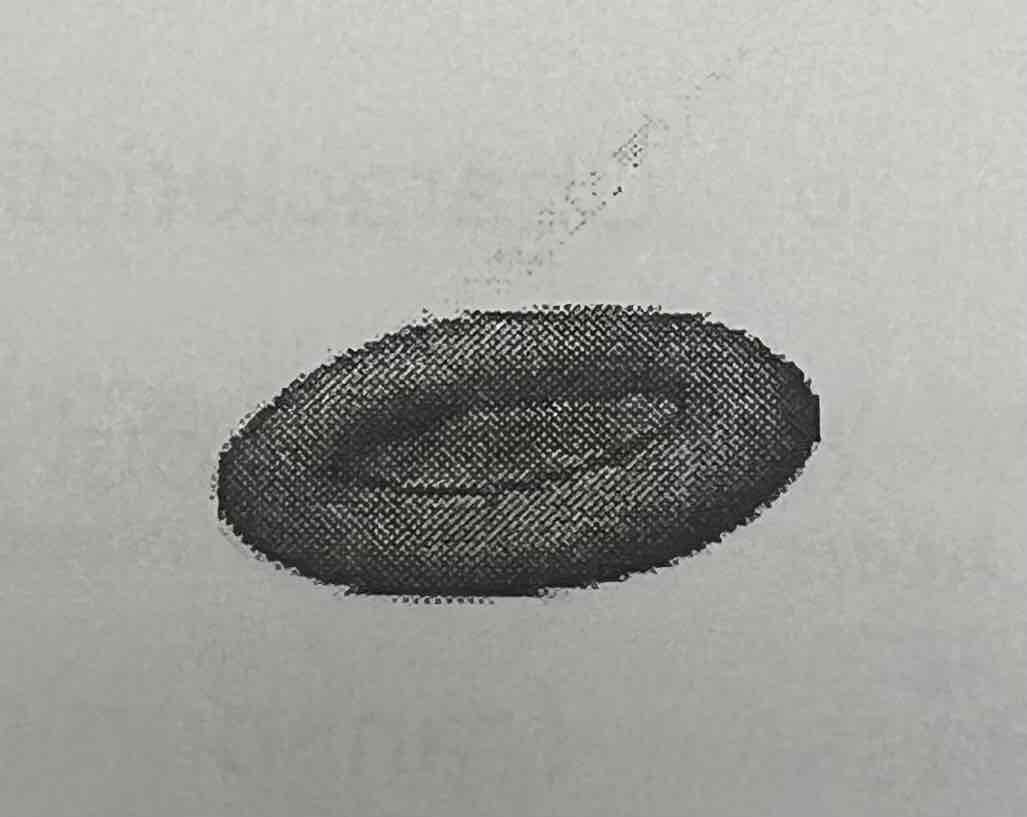
lysis
cell bursts
crenation
cell shrivels
ribosome
synthesize proteins by translating mrna into amino acid sequences (little circles)
mitochondria
produces energy though cellular respiration (bug looking)
nucleus
stores dna
golgi complex
modified sorts and packages protein and lipid for transport
centriole
organize cell division by forming spindle fibers that separate chromosome
4 types of tissues
epithelia, connective, muscle, nervous
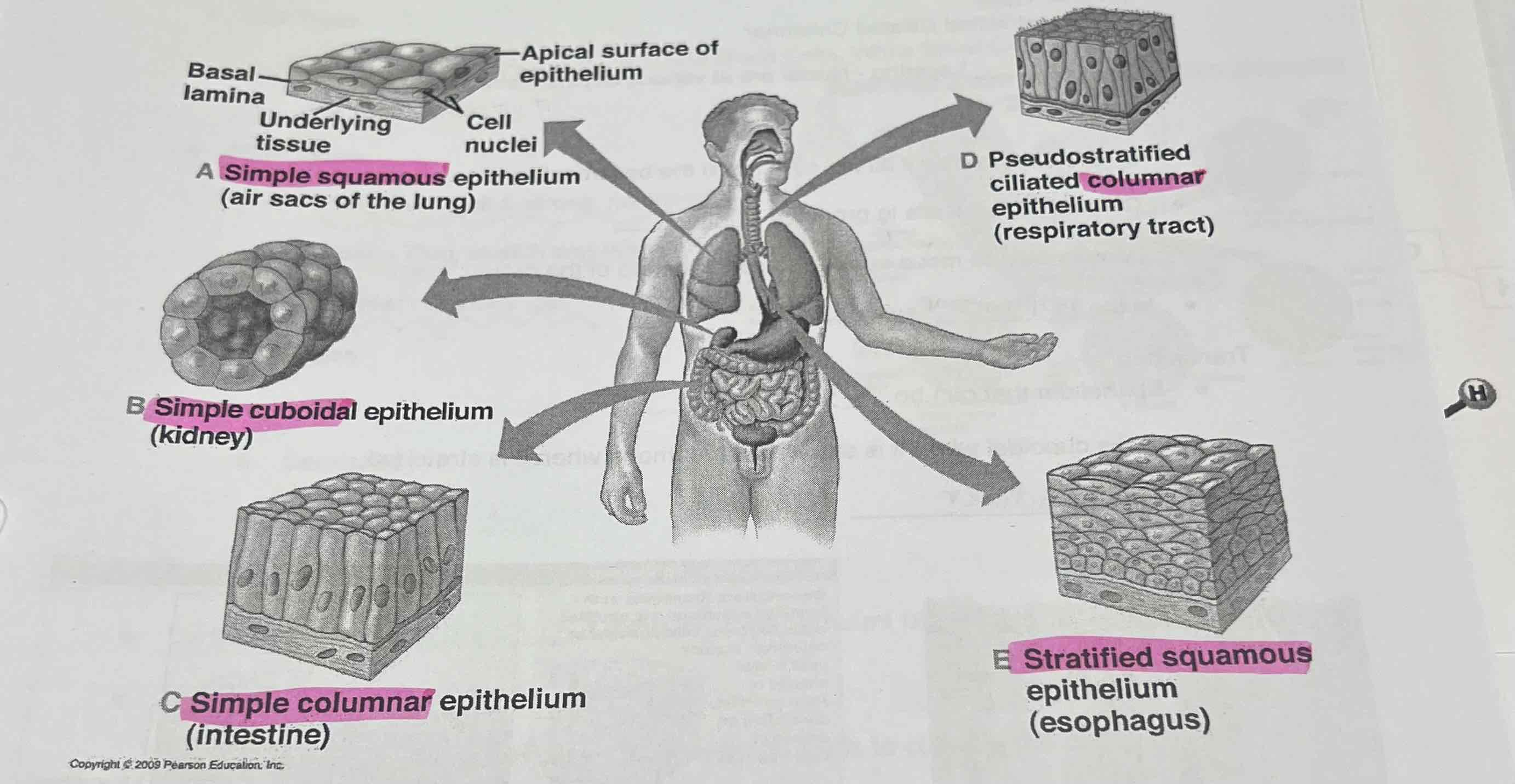
epithelial tissue
Epithelial tissue protects underlying structures, absorbs nutrients, and secretes substances. It can be found on surfaces like skin, and it lines organs, blood vessels, and body cavities.
epithelial tissues
collagen
it is unique to connective tissue, thick and strong and no stretch
elastic
connective tissue that is thin and stretched and rebounds
reticular
general use connective tissue
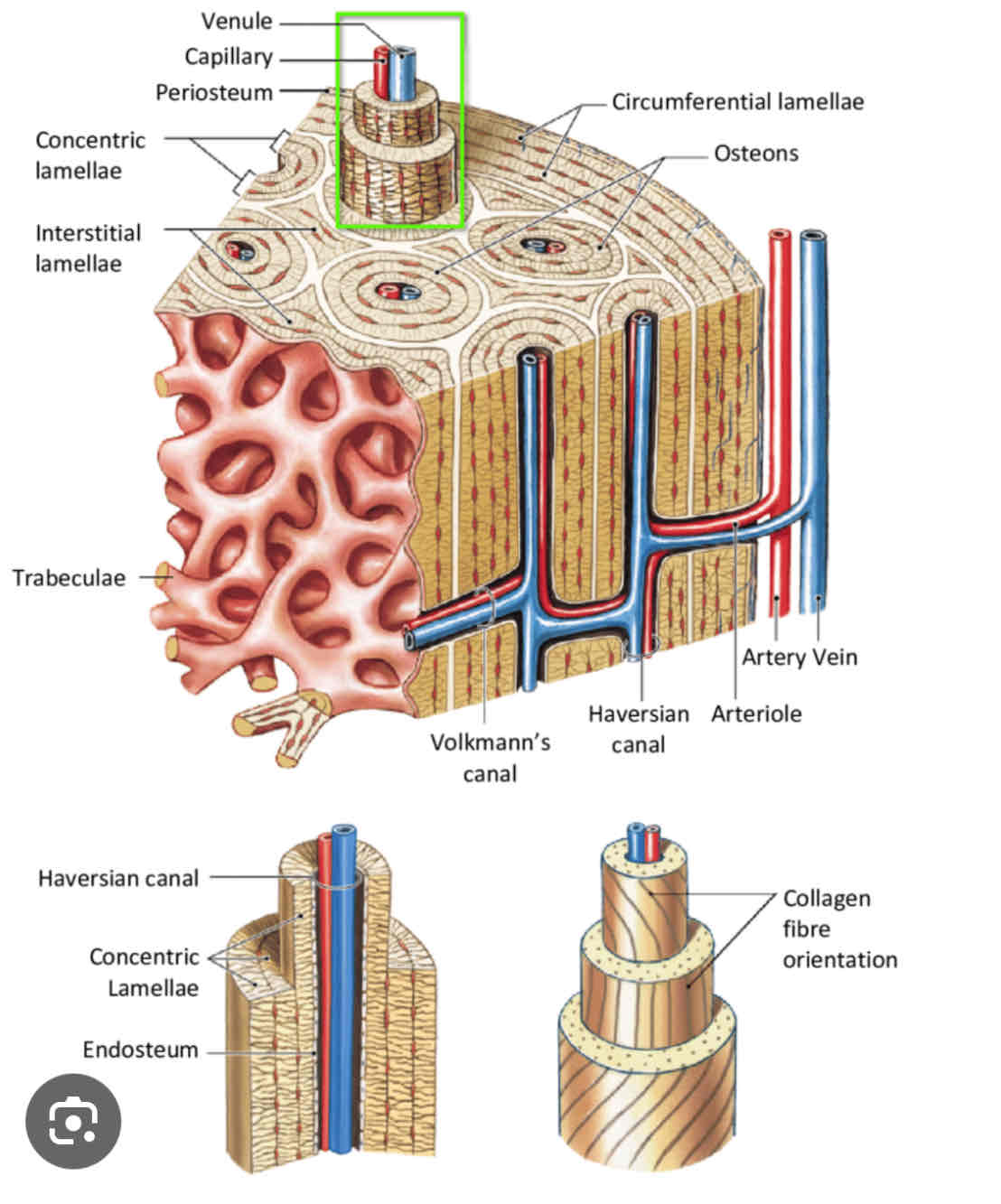
osteon
basic structural unit of compact bone. It contains blood vessels and nerves, supporting bone strength and nourishment.
muscle types
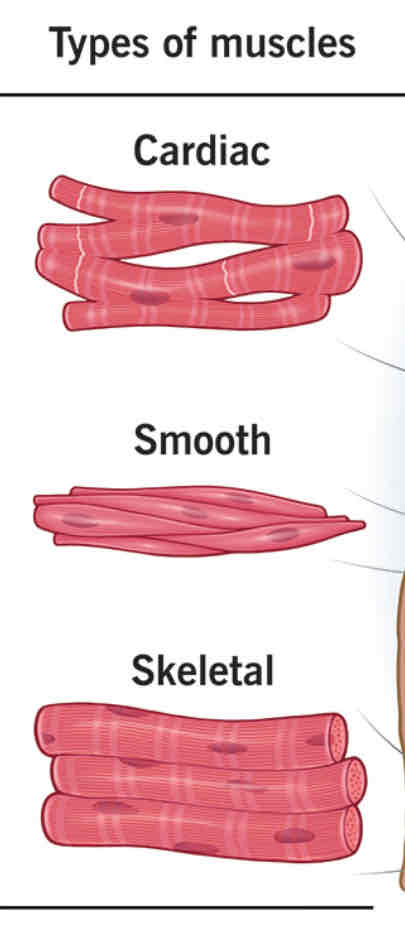
smooth
involuntary and appears smooth
cardiac
involuntary and intercalated disc
skeletal
striated and voluntary
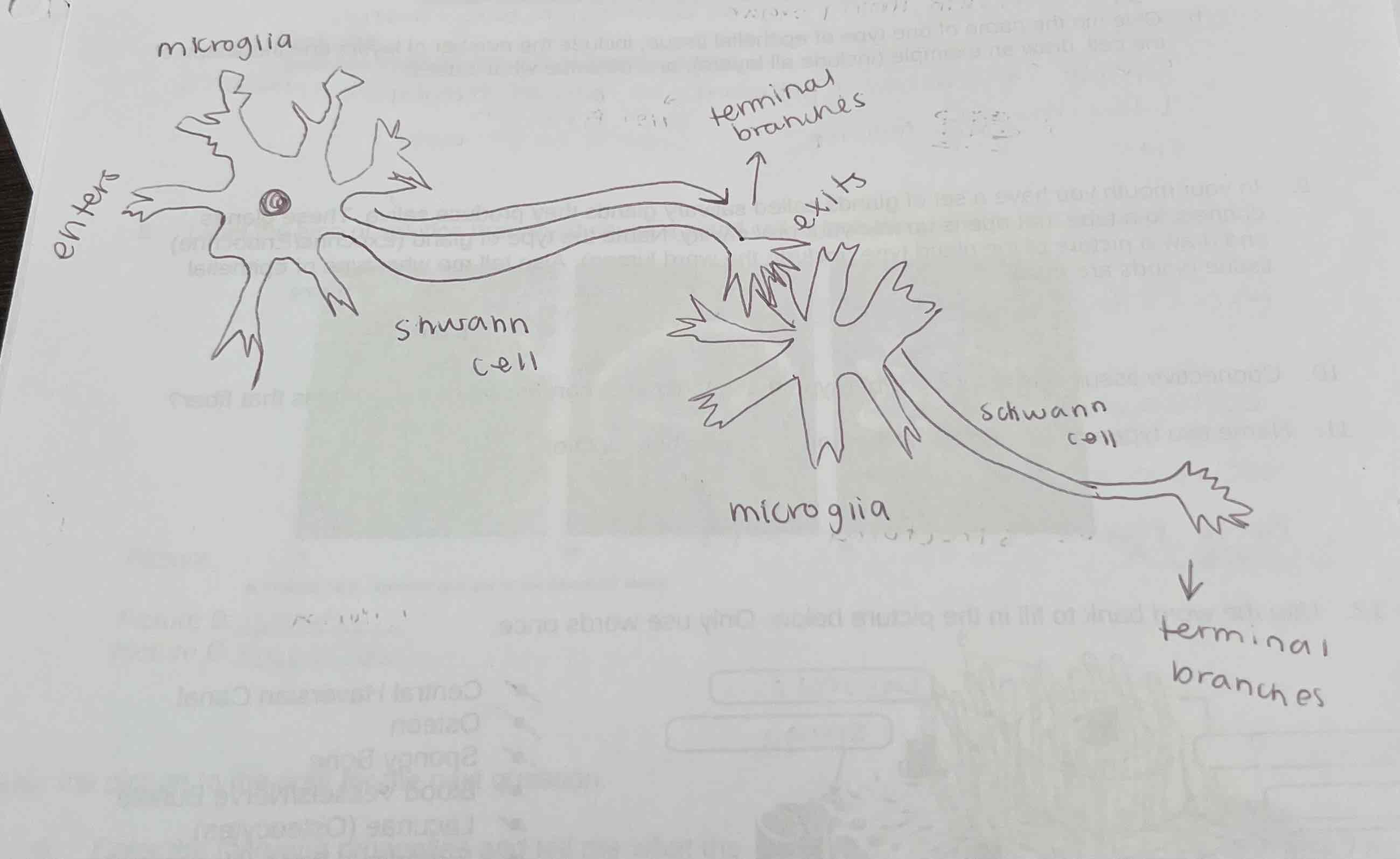
neurons in succession