Cell Biology Flashcards
 Call Kai
 Learn
 Practice Test
 Spaced Repetition
 Match
 Flashcards
 Knowt Play
1/31

There's no tags or description
Looks like no tags are added yet.
32 Terms
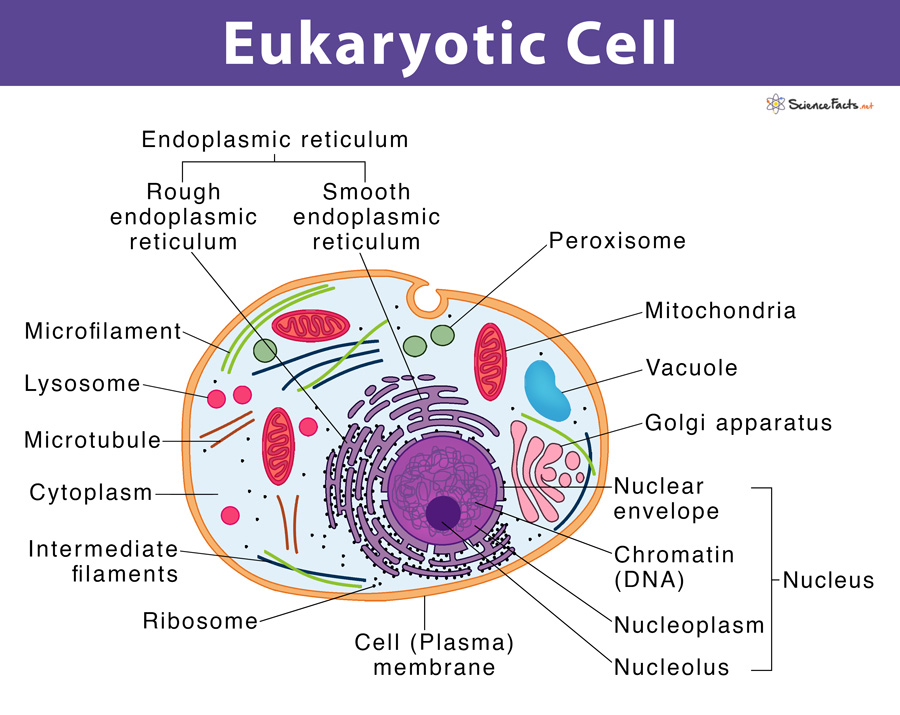
Eukaryotic cell
A cell that has a nucleus (eg. plant, animal, fungal)

Prokaryotic cell
A cell that has no nucleus (eg. bacteria)
Cell membrane
Controls what goes in and out of the cell
Nucleus
Stores the DNA and controls the cell
Cytoplasm
A jelly like substance where most of the chemical reactions happen
Mitochondria
Provides the cell with energy (respiration)
Ribosomes
Synthesises proteins
Cell wall
Made up of cellouse and supports the structure of the plant cell
Chloroplast
Contains a green pigment called chlorophyll and is used for photosynthesis
Vacuole
Stores cell sap and supports the cell
Why must the layer of onion cells be so thin?
To make them more visible under the microscope
Why must you lower the coverslip at an angle?
To prevent air bubbles from getting trapped, which could block or distort the view of the cells
How can a student make the blurred image of the cells look sharper?
Use the fine focusing knob until the image comes into a clear, sharp focus
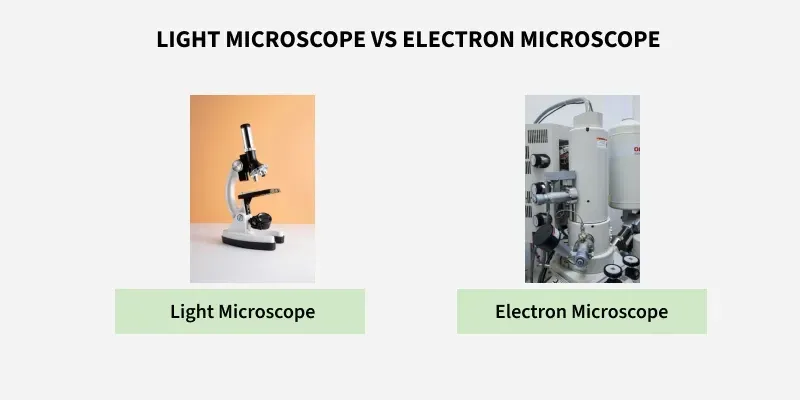
Give two advantages of using an electron microscope compared to the light microscope.
Electron microscopes have a higher magnification and a higher resolution
When looking at a onion’s epidermis, what sub-cellular structure can you see through the microscope?
Nucleus, Cytoplasm, Cell wall, Cell membrane
Magnification
How many times larger the image is than the real object
Resolution
When you are able to distinguish 2 objects that are very close together as separate objects
Bacterial Chromosome
Contains the essential DNA of bacteria

Plasmids
Small rings of DNA that contains adaptations (eg. antibody resistance)
Magnification formula
Magnification = image size / real size
Coarse focus Knob (microscope)
Brings specimen into a rough focus
Fine focus Knob (microscope)
Brings specimen into a clear focus

Sperm Cell
Function: to fertilise egg cell to produce embryo
Adaptation: lots of mitochondria for energy, half DNA, acrosome with enzymes to digest egg cell membrane, flagellum to swim, streamlined shape

Cilliated Epithelial Cell
Function: trap dust in the respiratory system (eg. trachea, bronchi)
Adaptations: lots of mitochondria, little hairs extensions (cillia) that sway to trap mucus

Red Blood Cell
Function: to store / collect oxygen and carbon dioxide to and from other cells and tissues
Adaptations: no nucleus for more space, red pigment haemoglobin to store oxygen, bio-concave disc shape for maximum space, small to squeeze through capillaries and arteries

Xylem Cells
Function: part of the transport system and transports water and minerals
Adaptations: made from lignin, no cytoplasm, long hollow tubes, made from dead cells

Muscle Cells
Function: controls movement in the body
Adaptations: can contract (get short and fat) and relax (get long and thin), lots of mitochondria for energy, long

Root Hair Cell
Function: absorbs water and minerals in the soil
Adaptations: large extension for larger surface area, large vacuole for store, and thin cell wall so diffusion is easier, no chloroplasts

Palisade Cell
Function: for photosynthesis of the plant
Adaptations: long and narrow so for maximum amount of cells to capture sunlight, lots of chloroplasts, large vacuole, rigid cellouse cell wall for structure

Egg Cell
Function: to produce a foetus after fertilisation
Adaptations: half DNA, lots of mitochondria and cytoplasm, big
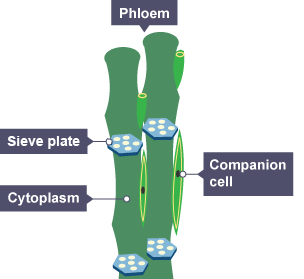
Phlem Cell
Function: transports dissolved glucose
Adaptations: like a vein, long and hollow, made up of living cells unlike xylem cells

Nerve Cell
Function: transports electrical pulses in the brain
Adaptations: stretched cytoplasm to form axons made from a fatty sheath (myelin), nerve endings are long and thin (dendrites)